Kathmandu Valley
Rock Climbing in Nepal | Himalayan Adventure Experience in Kathmandu Valley
Featured
4 hours
Tour
4.8(234 reviews)
View DetailsLoading...
No sections available
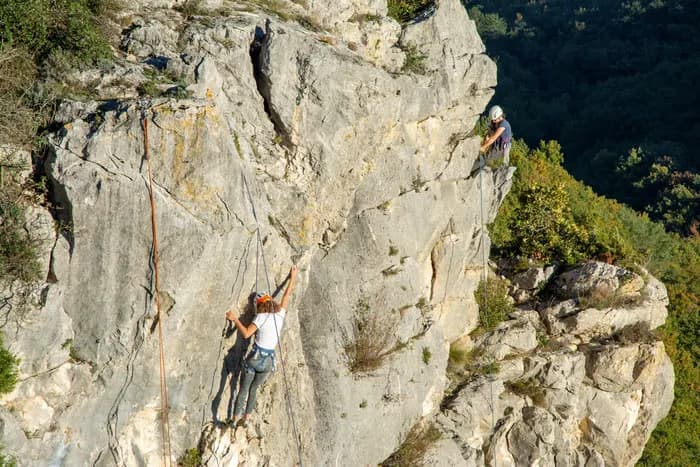
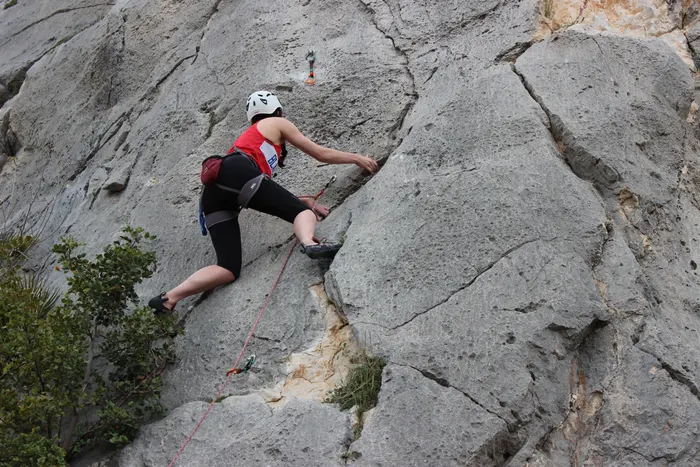
Rock Climbing in Nepal is an exciting outdoor adventure that combines physical strength, concentration, climbing technique, and spectacular natural scenery. Nepal's mountainous geography provides a variety of climbing environments, from accessible cliffs near Kathmandu to higher-altitude climbing areas and artificial walls suitable for training. Nepal Tourism Board officially lists rock climbing among Nepal's major tourist activities and notes that many climbing areas are located around Nagarjun Forest and Shivapuri National Park, where climbing can also be combined with hiking, bird watching, and nature tours.
For beginners, Nagarjun Rock Climbing is one of the most convenient options because of its proximity to Kathmandu. Nepal Tourism Board describes the Nagarjun cliff as approximately 12–15 meters high and suitable for both beginners and experienced climbers. The surrounding forest also creates a peaceful natural environment away from the busy city. Visitors can combine a climbing session with a short hike or nature excursion, making it a good half-day or full-day adventure from Kathmandu.
Another important climbing area is Shivapuri, north of Kathmandu. The Shivapuri-Nagarjun National Park is a popular recreation and hiking destination and officially lists rock climbing, hiking, and bird watching among its activities. The park covers approximately 159 km² and provides a forested Himalayan environment close to Kathmandu. The official park information recommends September to May as the better season for outdoor activities, while June to August is the rainy period.
Hattiban and Pharping are also well-known climbing areas in the Kathmandu Valley, particularly for climbers looking for more technical routes. These areas offer natural rock faces and are better suited to travelers with some climbing experience. Bimal Nagar in Tanahun provides another climbing option on the Kathmandu–Pokhara route, while Thame in the Everest region offers a higher-altitude climbing environment. For travelers who prefer an artificial climbing wall, Pokhara's International Mountain Museum has a 23-meter climbing wall named after French mountaineer Maurice Herzog.
A typical Nepal rock climbing experience begins with registration and a safety briefing before participants receive climbing equipment such as a harness, helmet, climbing rope, carabiners and climbing shoes. Beginners are introduced to basic techniques such as foot placement, balance, grip, rope handling and controlled movement. More experienced climbers can choose technically demanding routes according to their ability. Because climbing involves height and specialized equipment, travelers should always climb with qualified instructors or guides and follow the site's safety procedures. Nepal's Department of Tourism currently emphasizes that adventure and recreational sports should not be operated without the required authorization.
Check out Rock Climbing in Nepal | Himalayan Adventure Experience at different destinations.
1 Options
Rock Climbing in Nepal | Himalayan Adventure Experience