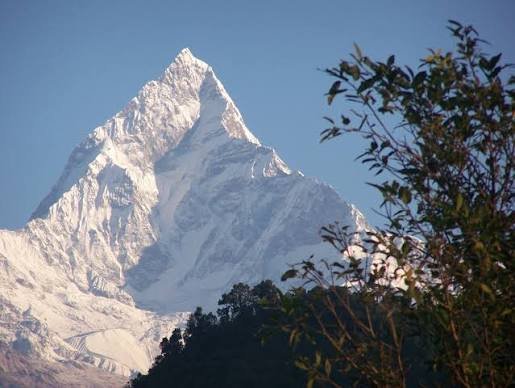
Weather is the single most important factor that determines the success of any Annapurna trek. The Himalayan climate creates dramatic seasonal variations, from crystal-clear autumn days to monsoon downpours and winter snowstorms. Understanding the month-by-month weather patterns in the Annapurna region helps you choose the best time for your trek, pack the right gear, and set realistic expectations for trail conditions and mountain views. This 12-month planner covers everything you need to know about Annapurna weather in 2026 and 2027.
What Are the Main Seasons for Annapurna Trekking?
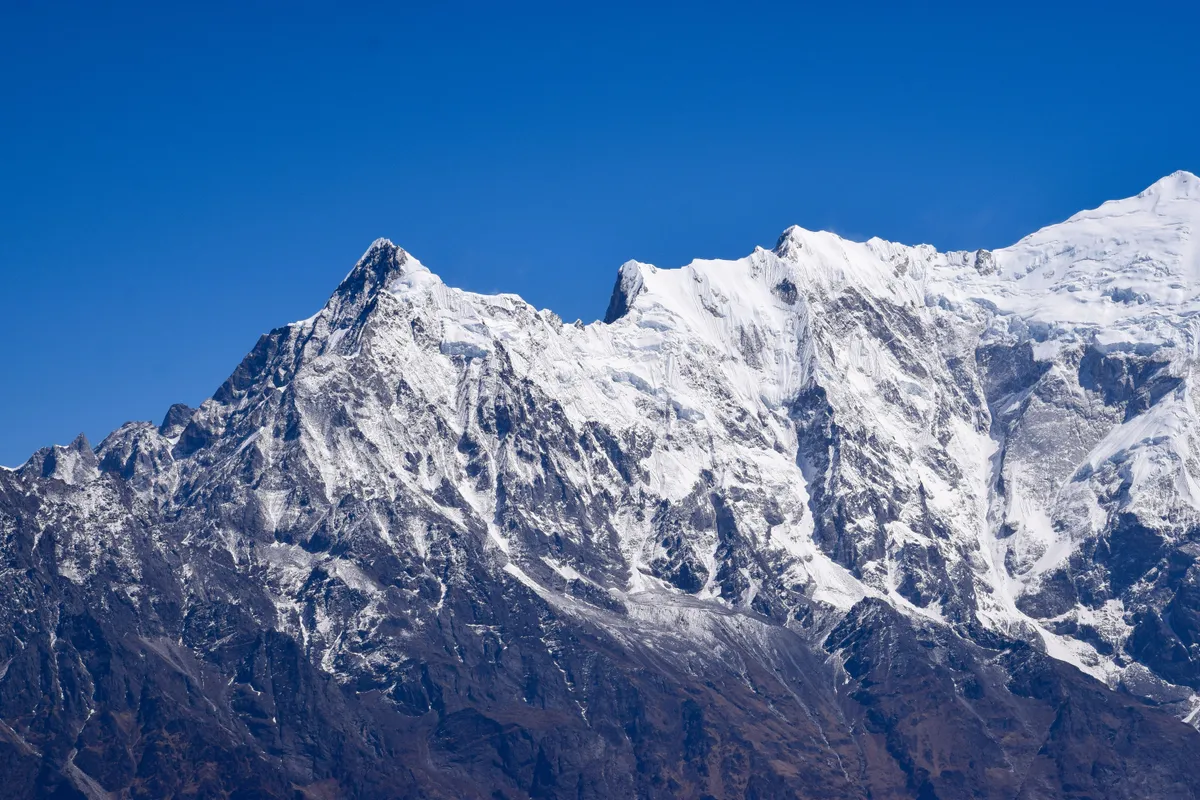
The Annapurna region has four distinct trekking seasons. Autumn (September to November) is the most popular, with clear skies, stable weather, and comfortable temperatures. Spring (March to May) is the second peak season, featuring blooming rhododendrons and warming temperatures. Winter (December to February) brings cold, snow at high elevations, and fewer trekkers. The monsoon (June to August) brings rain, clouds, and leeches to the southern routes, though the rain-shadow areas of Upper Mustang and Manang remain relatively dry.
January: Winter Snow and Clear Cold Views
January is the coldest month in the Annapurna region. Daytime temperatures at lower elevations (below 2,500m) range from 5 to 15 degrees Celsius, while nighttime temperatures drop below freezing. At Annapurna Base Camp (4,130m), daytime temperatures are around 0 to 5 degrees and nighttime temperatures can drop to minus 15 to minus 20 degrees. Thorong La (5,416m) is typically closed due to heavy snow and extreme cold.
The advantage of January is incredibly clear mountain views and very few other trekkers on the trail. Teahouses are open at lower elevations (Poon Hill, Ghandruk, ABC) but some higher teahouses may close. The Annapurna Winter Trek (8 Days) is designed for this season with cold-weather gear and winter-experienced guides. Shorter routes like Ghorepani Poon Hill are the best January options.
February: Transition Month with Warming Days
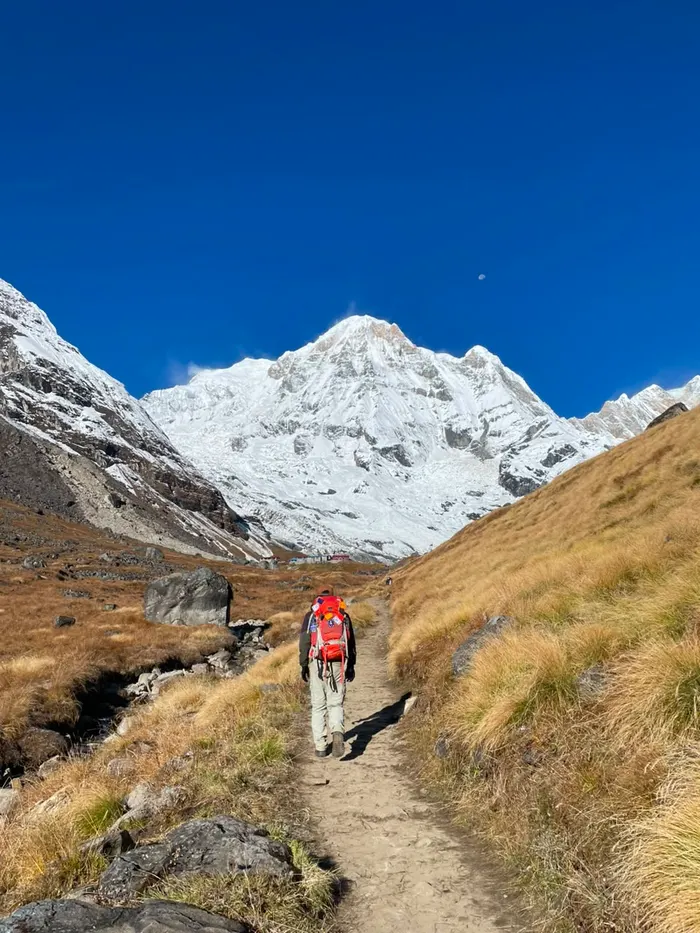
February is still winter but begins to warm slightly. Daytime temperatures at lower elevations reach 10 to 18 degrees. Higher elevations remain very cold, with ABC nighttime temperatures still dropping to minus 10 to minus 15 degrees. Snow is common above 3,000 meters, and trails may be icy in the mornings. Thorong La may open by late February in a good year, but this is never guaranteed.
February offers a good balance: clear views, few trekkers, and slightly more comfortable temperatures than January. Rhododendrons begin to bloom at lower elevations by late February. The trails are quiet and teahouse owners are attentive with fewer guests to serve. Pack full winter gear including a down jacket rated to minus 20 degrees, warm sleeping bag, and crampons for potential ice.
March: Spring Begins and Rhododendrons Bloom
March marks the beginning of the spring trekking season. Daytime temperatures at lower elevations reach 15 to 22 degrees, making for comfortable walking. Higher elevations warm up significantly, with ABC daytime temperatures around 5 to 10 degrees and nighttime temperatures around minus 5 to minus 10. The famous rhododendron forests between Ghorepani and Tadapani burst into bloom, creating a spectacular landscape of red, pink, and white flowers against the snow-capped peaks.
March is an excellent month for all Annapurna routes. The ABC trek, Poon Hill trek, and Circuit with Tilicho Lake are all excellent in March. Book in advance as this is a popular month. Mornings are typically clear, with some afternoon cloud build-up. The Annapurna Region is at its most beautiful in spring.
April: Peak Spring Season with Perfect Weather
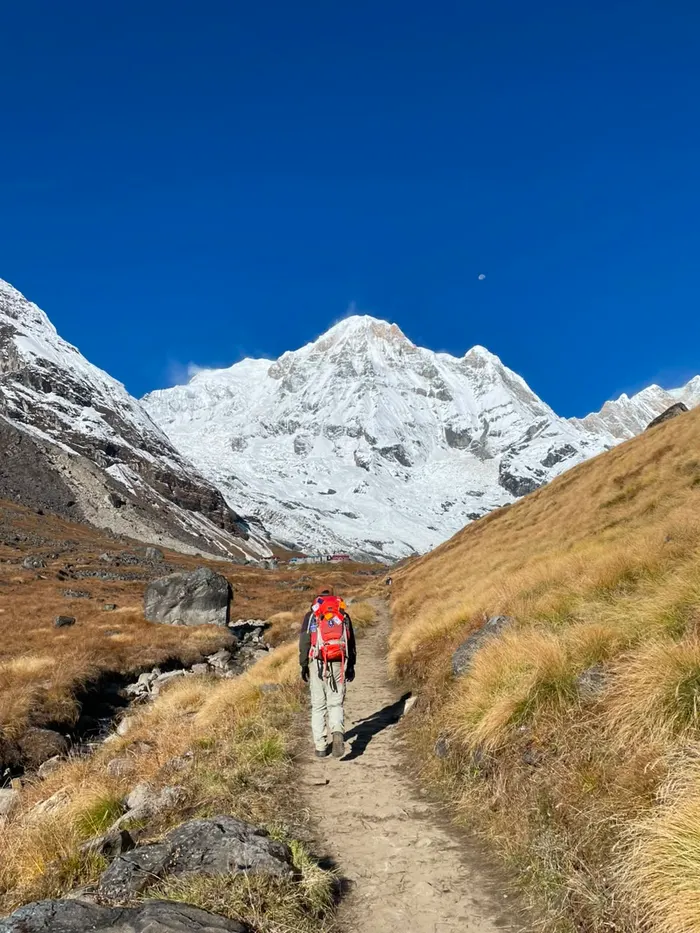
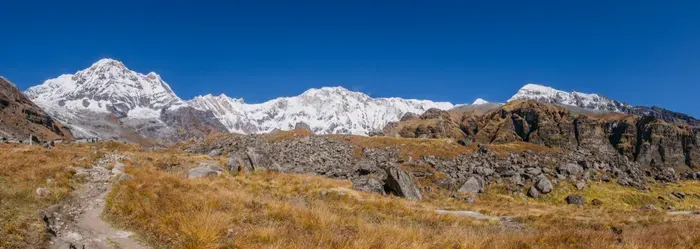
April is the best month of the spring season and one of the two peak trekking months (along with October). Daytime temperatures at lower elevations reach 20 to 25 degrees. At ABC, daytime temperatures are 8 to 12 degrees and nighttime temperatures around minus 3 to minus 8. The rhododendrons are in full bloom at elevations between 2,000 and 3,500 meters. Mountain views are typically excellent, especially in the mornings.
All routes are open and in excellent condition. Thorong La is usually crossable. The trails are busy, so book teahouses and packages at least two months in advance. April is the ideal month for the Photography Trek due to the combination of flowers, clear views, and good light. The Yoga Trek is also excellent in April with comfortable morning temperatures for outdoor sessions.
May: Warm Days and Pre-Monsoon Clouds
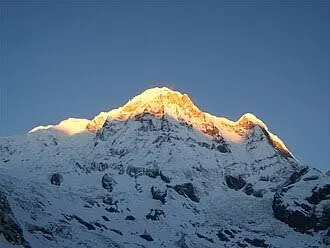
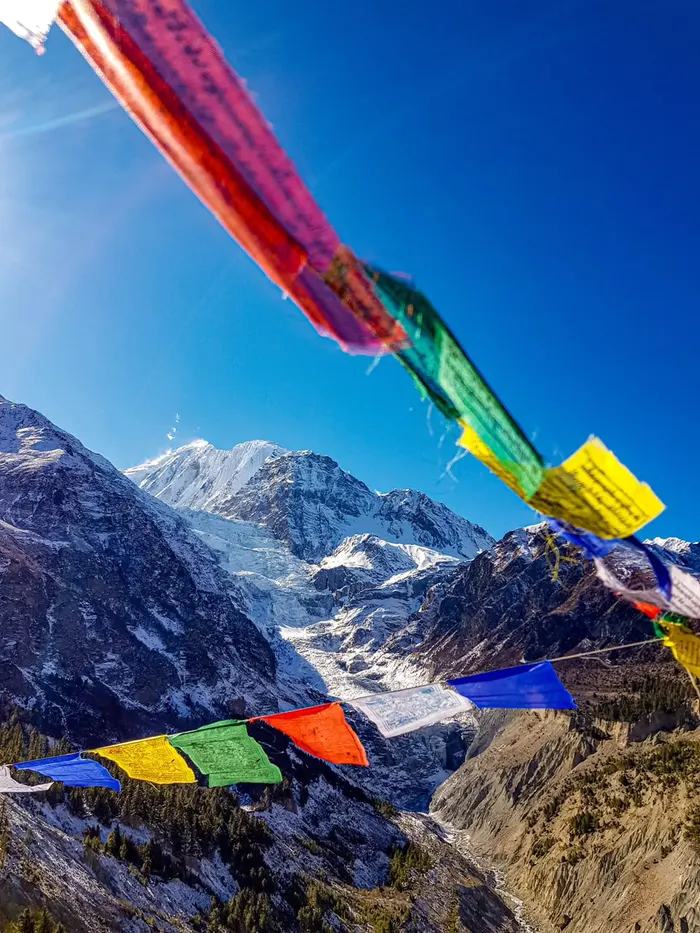
May is the last good month of the spring season. Daytime temperatures are warm, reaching 22 to 28 degrees at lower elevations. At ABC, daytime temperatures can reach 12 to 15 degrees, making it one of the warmer months at altitude. However, afternoon cloud build-up becomes more common as the monsoon approaches, and mountain views may be hazy in the afternoons. Mornings are still generally clear.
May is a good choice if you prefer warmer trekking conditions and do not mind some afternoon cloud. The trails are less crowded than April. All routes remain open. The Mardi Himal trek is excellent in May, with warm ridge walking and good morning views. Pack for both warm days and cold nights, as the temperature range is large.
June: Monsoon Begins with Rain and Clouds
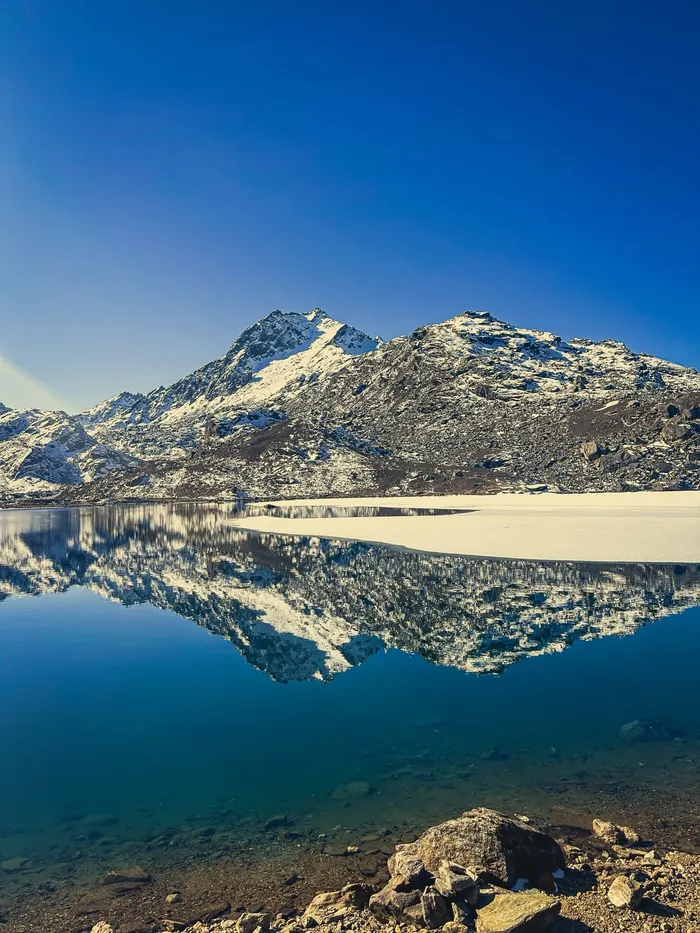
June marks the beginning of the monsoon season. Rainfall increases significantly, especially on the southern (Pokhara-facing) routes. Clouds obscure mountain views much of the day, though mornings may still be partially clear. Leeches appear on trails below 3,000 meters. Trails become muddy and slippery. Teahouses are largely empty, and some may close.
However, the rain-shadow areas north of the Annapurna range, including Manang and Upper Mustang, receive very little rain and are actually good destinations in June. The landscapes are lush and green, and the agricultural terraces are at their most productive. If you must trek in June, choose the Circuit's northern sections or the Muktinath area. Carry a full rain suit and waterproof backpack cover.
July: Peak Monsoon with Heavy Rainfall
July is the wettest month in the Annapurna region. Heavy rainfall occurs almost daily on the southern routes, with trails becoming streams in places. Visibility is poor, and mountain views are rare. Leeches are abundant below 3,000 meters. Landslides can block trails and roads. Most teahouses are closed on the southern routes.
The northern rain-shadow areas (Manang, Mustang, Muktinath) are the only recommended trekking destinations in July. These areas receive less than 200mm of rain per month and offer stark, arid landscapes that are dramatically different from the lush southern valleys. The Circuit can be done by starting from the northern side. Alternatively, consider cultural tours in Pokhara or the Panchase Panorama Trek which is lower and less affected.
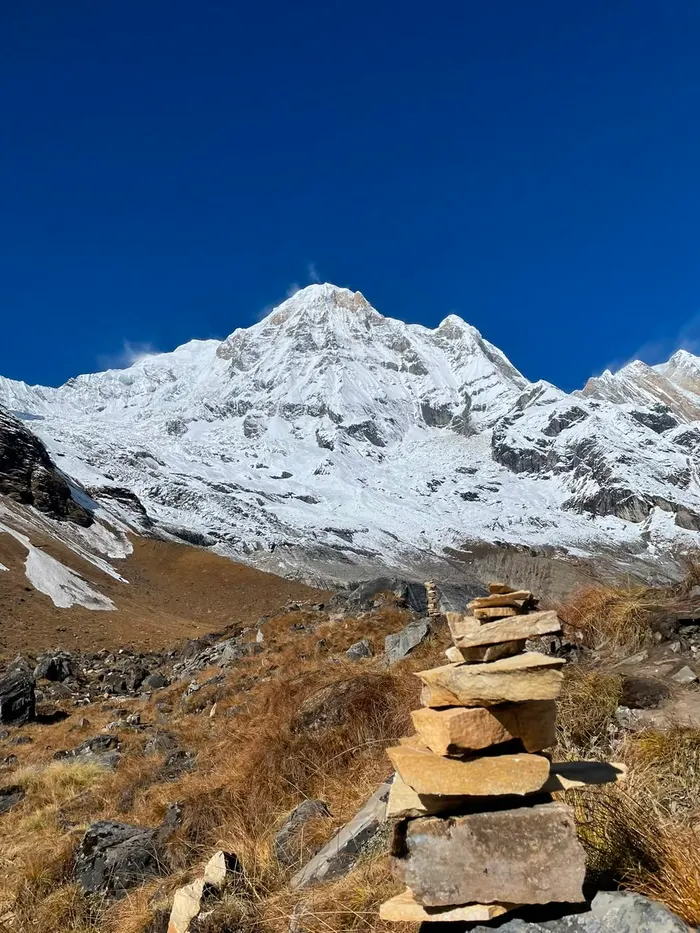
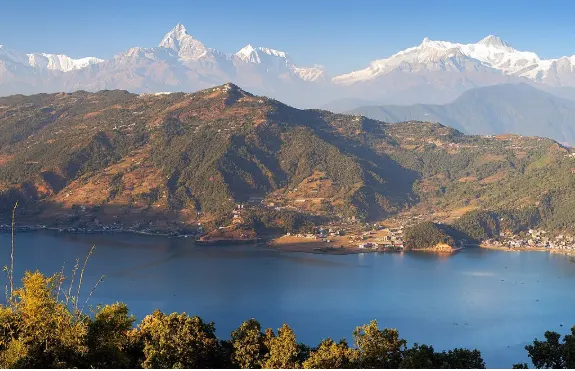
August: Monsoon Continues with Some Clearing
August continues the monsoon pattern, though rainfall begins to decrease slightly by late month. The southern routes remain wet, cloudy, and leech-infested. However, the northern rain-shadow areas continue to be trek-worthy. By late August, some clear days begin to appear, and the landscape is incredibly lush and green, with waterfalls at full flow.
August is a transitional month. It is not recommended for first-time trekkers on the southern routes, but experienced trekkers who do not mind rain can find solitude and dramatic scenery. The Circuit budget trek can be done starting from Besisahar, as the northern half is dry. Always check trail conditions with local guides before departing in monsoon season.
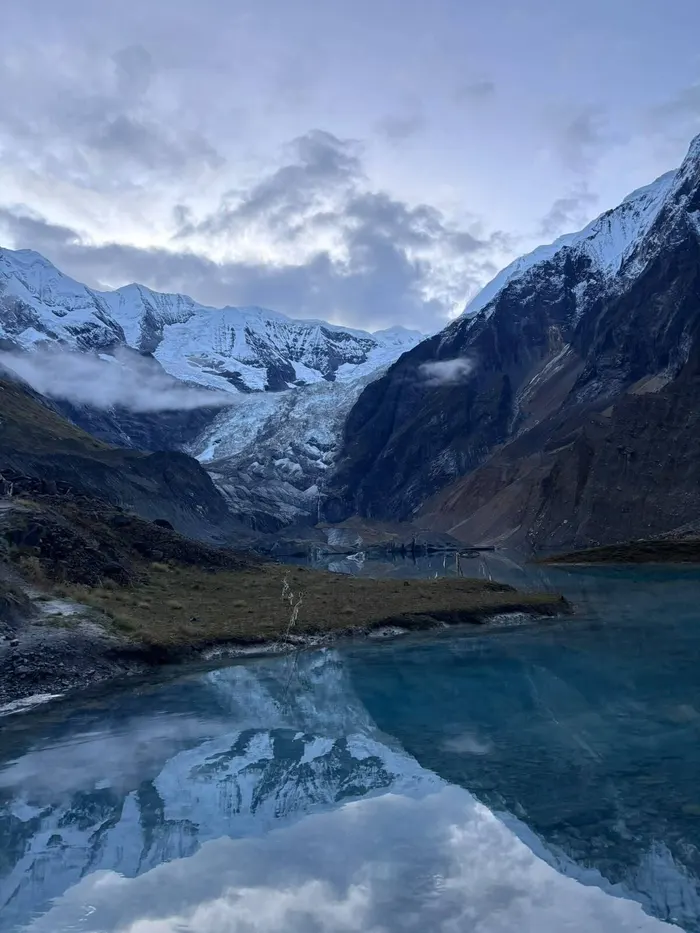
September: Monsoon Ends and Trails Reopen
September is a transition month from monsoon to autumn. The first half of September may still see some rainfall, but by mid-September, the skies begin to clear and the trails dry out. The landscape is at its greenest and most lush, with cleared air offering increasingly sharp mountain views. Waterfalls, rivers, and streams are at their fullest.
Late September is an excellent time to trek. The trails are less crowded than October, the air is clean and clear, and the temperatures are comfortable. All routes reopen, including Thorong La. The ABC Short Trek and the Solo Women's Trek are great late-September choices. Leeches are still present on lower trails in early September but disappear by mid-month.
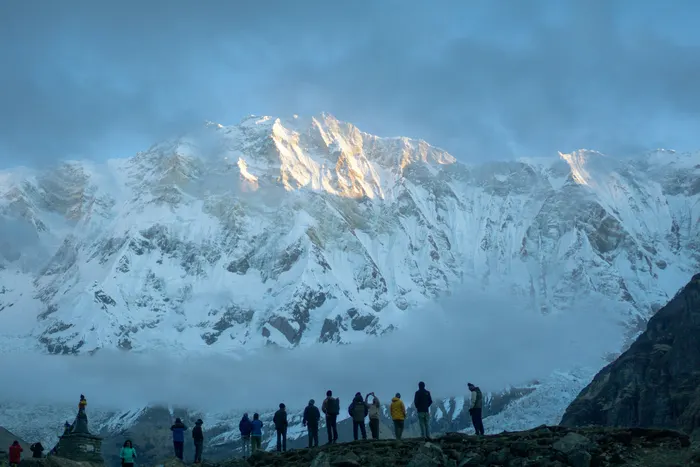
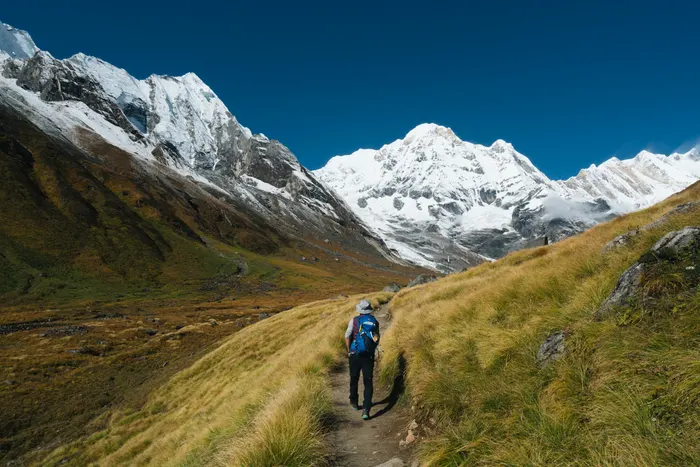
October: The Best Month for Annapurna Trekking
October is the single best month for Annapurna trekking. The monsoon has ended, the air is crystal clear, and mountain views are at their finest. Daytime temperatures at lower elevations are 18 to 24 degrees, perfect for walking. At ABC, daytime temperatures are 8 to 12 degrees and nighttime temperatures around minus 3 to minus 8. Thorong La is typically in excellent condition. All routes are open and fully operational.
The tradeoff is that October is the busiest month on the trails. Teahouses fill up, guide and porter availability is limited, and prices for flights and hotels in Kathmandu and Pokhara are at their peak. Book at least two to three months in advance. All our Annapurna packages are available in October, including the Luxury Lodge Trek, Family Trek, and Helicopter Return Trek. See our full offerings on the tour listing page.
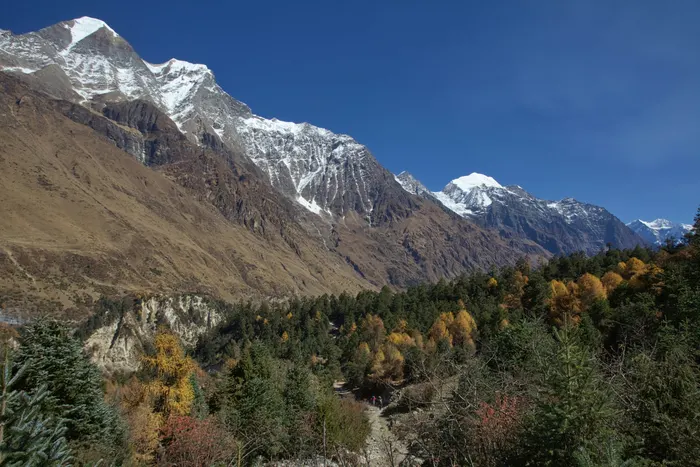
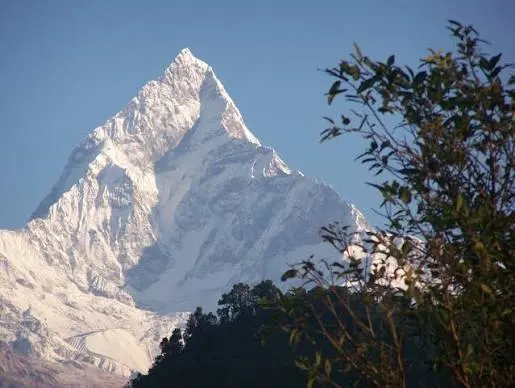
November: Excellent Conditions with Cooling Temperatures
November is the second-best month for Annapurna trekking and the last month of the autumn season. Conditions are similar to October but with slightly cooler temperatures and fewer crowds. Daytime temperatures at lower elevations range from 12 to 20 degrees. At ABC, daytime temperatures are 5 to 10 degrees and nighttime temperatures drop to minus 5 to minus 10. Mountain views remain excellent.
November is ideal for trekkers who want October-quality conditions without the October crowds. All routes are open. By late November, temperatures at higher elevations begin to drop significantly, and some teahouses at ABC start to prepare for winter closure. The Senior Trek and Mother-Daughter Trek are excellent in November with comfortable walking temperatures. Pack warm layers as nights get cold by late month.
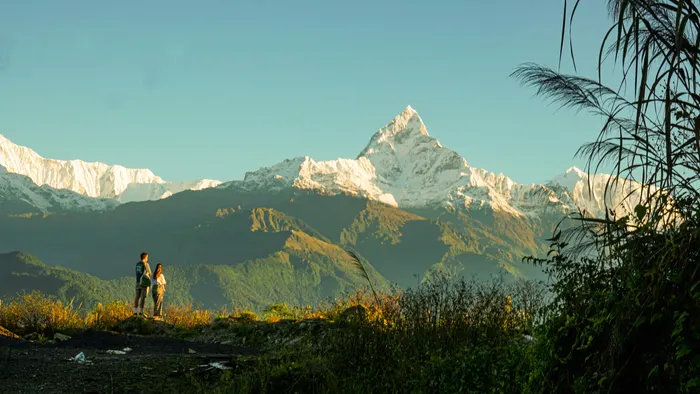
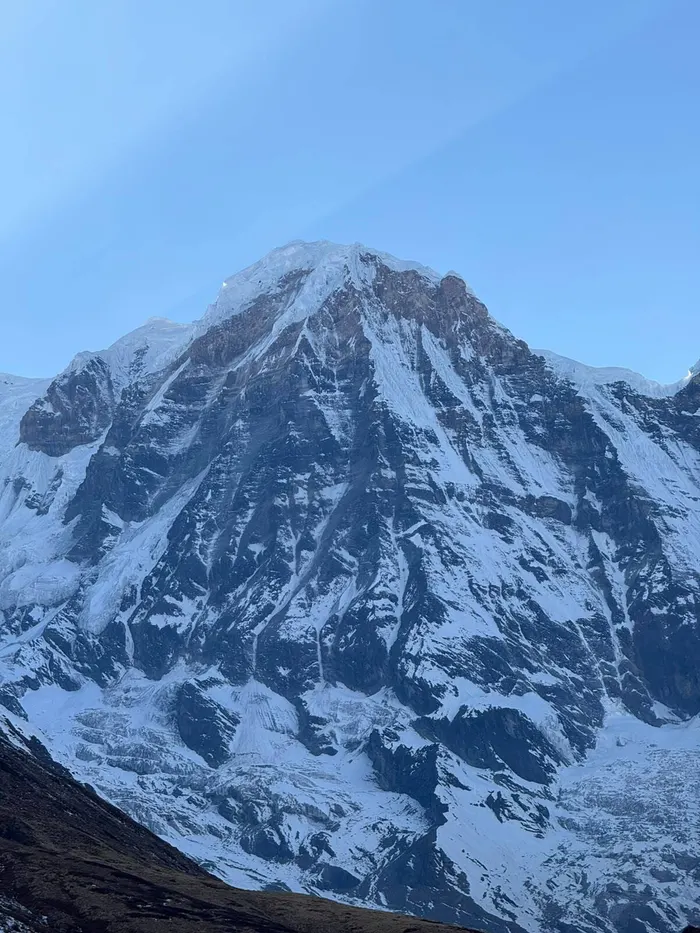
December: Winter Begins with Cold and Snow
December is the beginning of winter in the Annapurna region. Daytime temperatures at lower elevations drop to 8 to 15 degrees. At ABC, daytime temperatures are 2 to 6 degrees and nighttime temperatures reach minus 10 to minus 15. Snow begins to accumulate above 3,500 meters, and higher teahouses start closing. Thorong La becomes risky and may close by mid-December.
December is a good month for lower-elevation treks like Poon Hill and the Panchase Panorama Trek. The views are still clear, and the trails are quiet. For higher routes, the Winter Trek package provides specialized gear and winter-experienced guides. Pack a down jacket rated to minus 20, a warm sleeping bag, and thermal layers. Check our difficulty guide to see which routes are safe in winter.
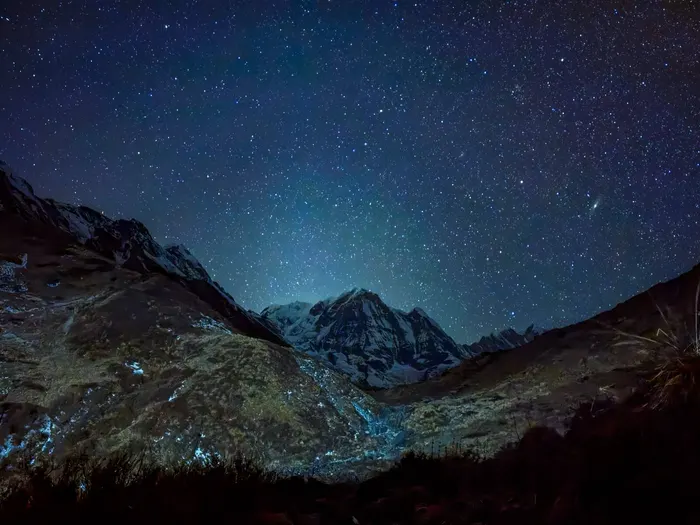
How Does Weather Vary by Elevation in the Annapurna Region?
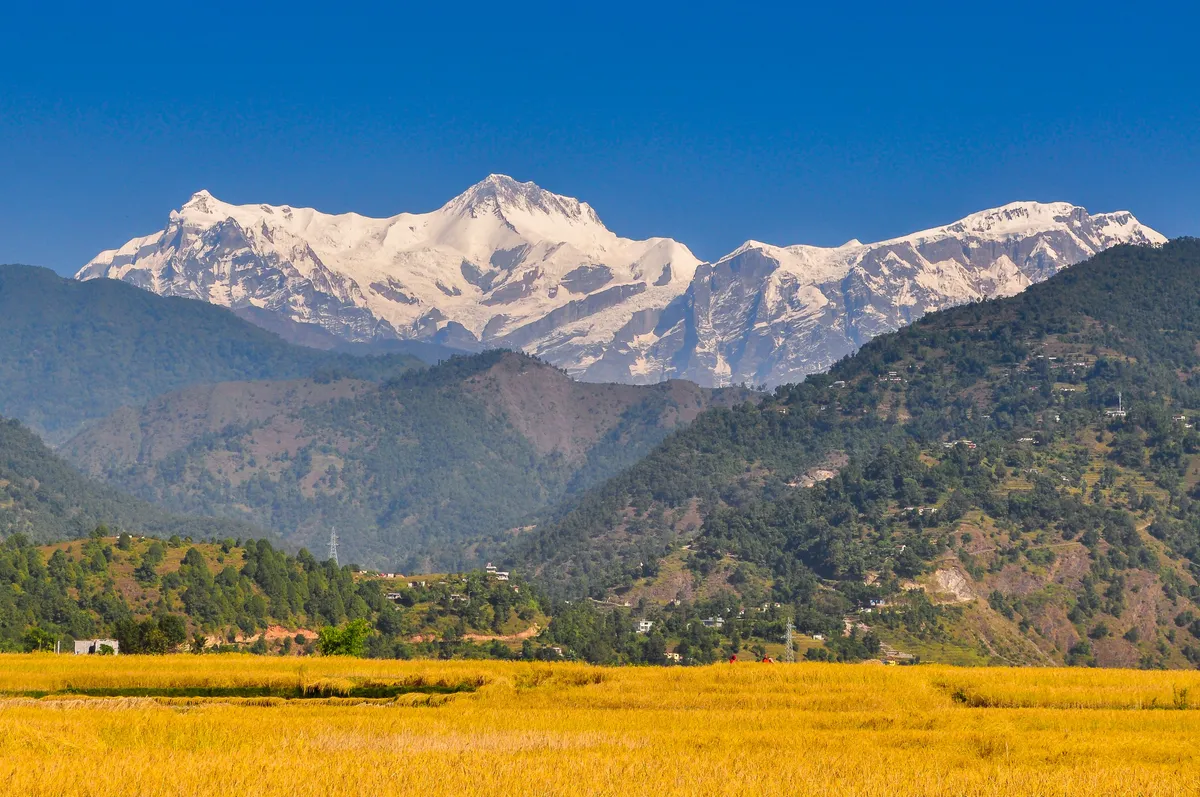
Temperature in the Annapurna region decreases approximately 6 to 7 degrees Celsius per 1,000 meters of elevation gain. This means if it is 25 degrees in Pokhara (800m), it will be approximately 12 to 14 degrees at Ghorepani (2,800m) and around 5 to 7 degrees at ABC (4,130m). Wind chill can make it feel significantly colder, especially on exposed ridges and at high passes.
Precipitation patterns also vary by elevation and aspect. The southern slopes (facing Pokhara) receive the most rain during the monsoon. The northern slopes (Manang, Mustang) are in a rain shadow and receive 5 to 10 times less rain. This creates dramatically different landscapes: lush subtropical forests on the south and arid desert-like terrain on the north. The beginner's guide has more on choosing routes by elevation.
What Should You Pack for Different Seasons?
Your packing list should match the season and route. Here is a seasonal guide:
- Spring and Autumn (peak seasons): Layers are key. Base layer, fleece, down jacket (for evenings and high elevation), waterproof shell, trekking pants, shorts for lower elevations. Sleeping bag rated to minus 10 degrees. Light gloves and hat.
- Winter (December to February): Full winter gear. Heavy down jacket, thermal base layers, warm hat and gloves, sleeping bag rated to minus 20 degrees, crampons for potential ice. Gaiters to keep snow out of boots.
- Monsoon (June to August): Full rain suit (jacket and pants), waterproof backpack cover, waterproof boots, quick-dry clothing, extra socks, leech socks or salt for leeches. Trekking poles are essential for slippery trails.
Regardless of season, always carry sunscreen (UV is intense at altitude), sunglasses, a headlamp, and a first aid kit. For training tips, see our 6-Week Training Plan. For connectivity, check our trail connectivity guide.
FAQ: Annapurna Trek Weather
What is the best month to trek Annapurna?
October is the best month for Annapurna trekking, followed closely by April. October offers the clearest skies after the monsoon, stable weather, and comfortable temperatures. April offers blooming rhododendrons and warmer days. Both months are peak season, so book at least two to three months in advance to secure teahouse space and guide availability.
Can you trek Annapurna in winter (December to February)?
Yes, you can trek Annapurna in winter on lower-elevation routes like Ghorepani Poon Hill and Panchase Panorama. These routes stay below 3,300 meters and remain accessible. Higher routes like ABC are possible but very cold, with nighttime temperatures reaching minus 15 degrees at Base Camp. Thorong La is typically closed due to snow. The Annapurna Winter Trek package is designed for this season.
Is it possible to trek during the monsoon in Annapurna?
Trekking during the monsoon (June to August) is possible in the rain-shadow areas north of the Annapurna range, including Manang, Upper Mustang, and Muktinath. These areas receive very little rain. The southern routes (Poon Hill, ABC) are not recommended due to heavy rain, clouds, leeches, and poor visibility. Always check trail conditions with local guides before departing.
How cold does it get at Annapurna Base Camp?
At Annapurna Base Camp (4,130 meters), daytime temperatures range from 5 to 12 degrees Celsius depending on the season. Nighttime temperatures drop to minus 3 to minus 8 degrees in spring and autumn, and to minus 10 to minus 20 degrees in winter. The wind chill can make it feel significantly colder. A down jacket and a sleeping bag rated to at least minus 10 degrees are essential.
When do rhododendrons bloom in the Annapurna region?
Rhododendrons bloom from March to May in the Annapurna region, with peak bloom in April. The forests between Ghorepani and Tadapani at elevations of 2,000 to 3,500 meters are the best places to see them. The flowers range from deep red to pink to white, creating spectacular landscapes against the snow-capped peaks. April is the best month for rhododendron photography.
Is September a good month for Annapurna trekking?
Late September is an excellent time for Annapurna trekking. The monsoon has ended, the air is clear, and the landscape is lush and green. Trails are less crowded than October, and temperatures are comfortable. Early September may still have some rain. All routes reopen by mid-September, including Thorong La on the Circuit.