
Every year, thousands of trekkers set out on the trails of the Annapurna region, and every year, many of them make the same avoidable mistakes. Some are minor inconveniences that cause discomfort or lost time, while others can be genuinely dangerous, leading to altitude sickness, injury, or even evacuation. The good news is that most trekking mistakes are well-documented and entirely preventable with proper preparation and awareness. This guide draws on years of experience guiding trekkers on routes like the Annapurna Base Camp trek and the Annapurna Circuit to identify the most common errors and show you how to avoid them. From packing blunders and altitude miscalculations to cultural faux pas and logistical oversights, we cover it all. Explore with us as we help you trek smarter, not harder.
What Are the Most Common Mistakes Trekkers Make on the Annapurna Trail?
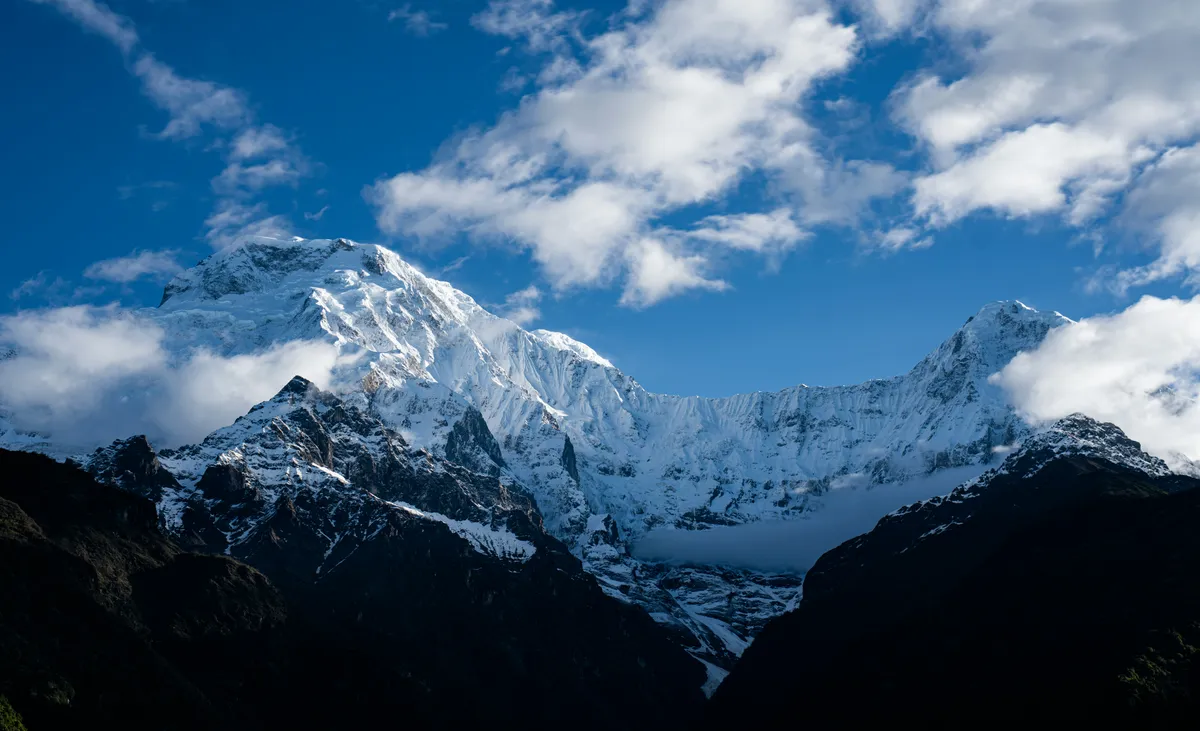
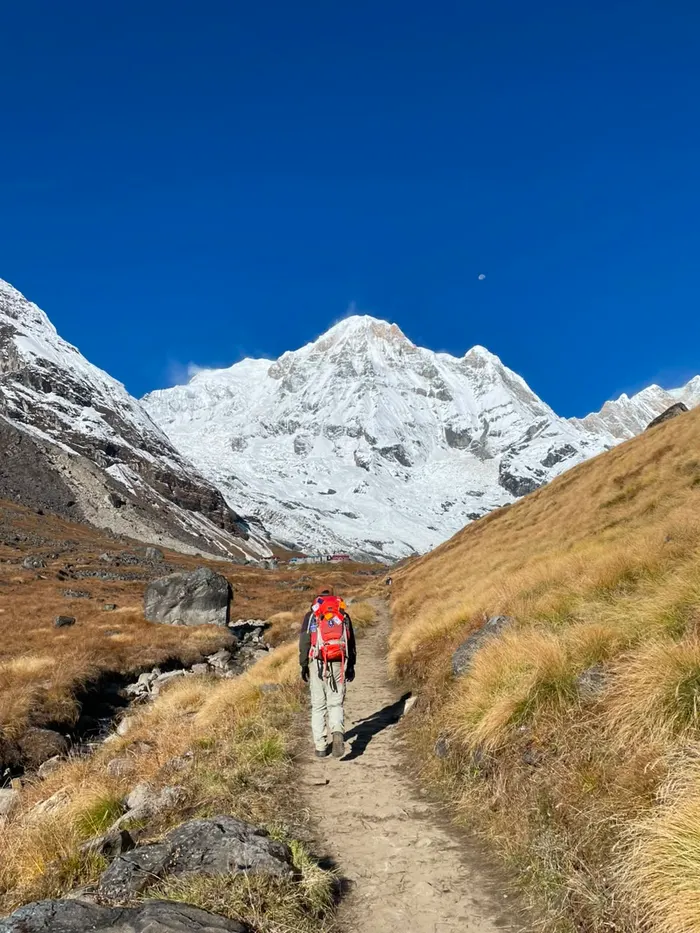
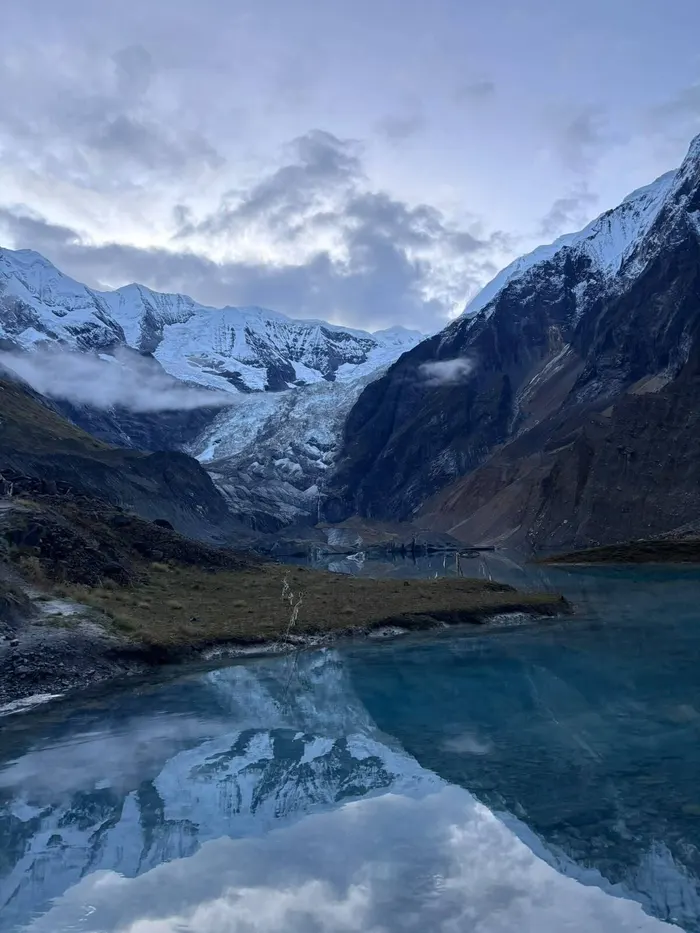
The most common mistakes on the Annapurna trail fall into several categories: altitude-related errors (ascending too fast, ignoring symptoms, skipping acclimatization days), packing mistakes (too much gear, wrong clothing, missing essentials), logistical errors (not booking tea houses in peak season, underestimating costs, failing to arrange permits in advance), fitness and pace errors (starting too fast, not taking rest days, ignoring pain), and cultural mistakes (disrespecting local customs, inappropriate dress, poor tipping etiquette). Most of these mistakes come down to one root cause: underestimating the challenge of trekking at altitude in a remote mountain environment. Even experienced hikers from sea level can struggle with the combination of reduced oxygen, cold nights, long days, and basic facilities. Awareness and preparation are the best defense against these common pitfalls.
Why Is Ascending Too Fast the Most Dangerous Annapurna Trekking Mistake?
Ascending too quickly is the single most dangerous mistake trekkers make on the Annapurna trails, and it is the leading cause of altitude sickness. The golden rule of high-altitude trekking is to gain no more than 300 to 500 meters of sleeping altitude per day above 3,000 meters. On the Annapurna Circuit with Tilicho Lake, the temptation to push from Manang (3,540m) to Thorong High Camp (4,925m) in a single day is strong for fit trekkers, but it gains nearly 1,400 meters in one push, far exceeding safe limits. This is a recipe for Acute Mountain Sickness (AMS), High Altitude Pulmonary Edema (HAPE), or High Altitude Cerebral Edema (HACE). The solution is simple: plan rest days, follow the "climb high, sleep low" principle, and never skip an acclimatization day to save time. The mountains will still be there tomorrow. Always listen to your body and be prepared to adjust your itinerary.
How Do You Avoid the Packing Mistakes That Ruin Annapurna Treks?
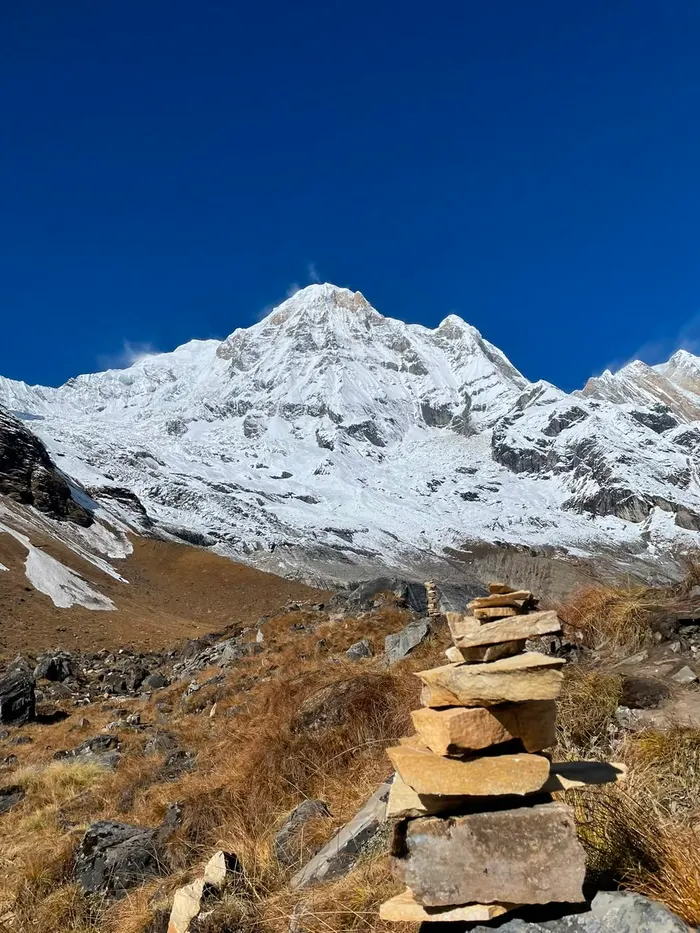
Packing mistakes come in two forms: bringing too much and bringing the wrong things. The most common packing error is overpacking. A heavy pack makes every step harder, increases the risk of knee and ankle injuries, and slows your pace, which can be dangerous at altitude. Aim for a pack weight of 10 to 12 kg for a 10-day trek, including your sleeping bag. The second common mistake is bringing inappropriate clothing. Cotton is useless at altitude because it retains moisture and loses insulation when wet. Choose merino wool or synthetic base layers, a fleece mid-layer, a down jacket for evenings, and a waterproof shell for rain and wind. The third mistake is forgetting essentials: a sleeping bag rated to at least minus 10 degrees Celsius, a headlamp with spare batteries, a first aid kit with Diamox, a water purification system, trekking poles, and a good quality backpack with a rain cover. The ABC Short Trek requires the same gear as longer routes, just less of it. Do not skip on a quality sleeping bag.
What Happens If You Ignore Altitude Sickness Symptoms on Annapurna?
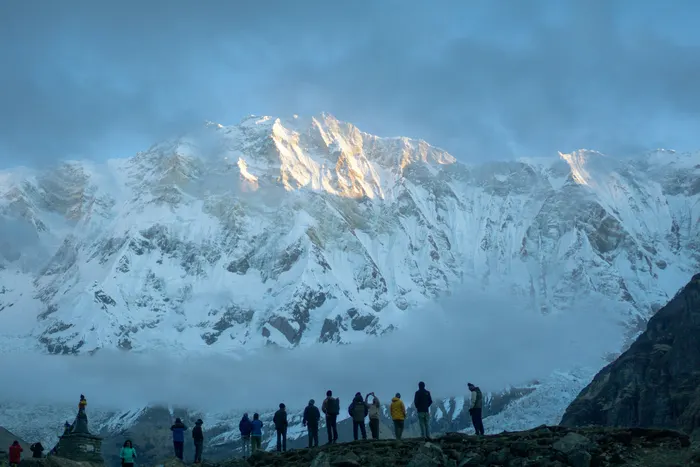
Ignoring altitude sickness symptoms is the mistake that kills. The early signs of AMS (headache, nausea, dizziness, loss of appetite, poor sleep) are common and easy to dismiss as fatigue or dehydration. But if you continue ascending with these symptoms, they can progress to HAPE (fluid in the lungs) or HACE (fluid in the brain), both of which are life-threatening. The rule is absolute: if you have symptoms, do not ascend. If symptoms worsen despite rest and hydration, descend immediately. Every year, trekkers in the Annapurna region are evacuated by helicopter because they pushed through symptoms instead of listening to their bodies. Some do not make it. The Himalayan Rescue Association operates a clinic in Manang during the trekking season, and their advice is free. If in doubt, descend to the last elevation where you felt well. The Solo Women's Trek and other guided routes include trained guides who monitor trekkers for AMS symptoms and make the call to descend when needed.
Why Do Trekkers Underestimate the Annapurna Circuit Difficulty?
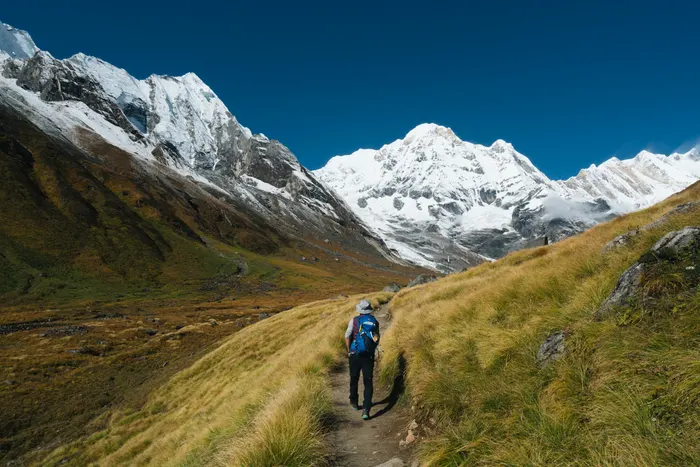
The Annapurna Circuit is often described as a "moderate" trek, which can be misleading. While it does not require technical climbing skills, the combination of 14 consecutive days of walking, crossing a 5,416-meter pass (Thorong La), and sleeping at altitudes above 4,000 meters makes it a physically and mentally demanding expedition. Trekkers who arrive without sufficient cardiovascular training, carrying extra weight, and with unrealistic expectations are the ones who struggle most. Proper preparation means at least 2 to 3 months of cardio training (hiking, running, cycling) before the trek, carrying a weighted pack on practice hikes, and building up to 5 to 6 hours of walking per day. The Circuit Budget Trek is 14 days long, and each day involves 5 to 7 hours of walking on steep, rocky trails. Underestimating this difficulty is a common and costly mistake. Start training early and be honest about your fitness level.
How Can You Avoid the Tea House Booking Mistake in Peak Season?
During peak trekking season (October and April), the most popular tea houses along the Annapurna routes fill up by early afternoon. Trekkers who arrive late at popular stops like Ghorepani, Chhomrong, or Annapurna Base Camp may find every room taken and have to walk an extra hour or more to the next village. This is a common and completely avoidable mistake. The solution is to start your daily walk early (by 6:30 or 7:00 AM), arrive at your destination by 1:00 or 2:00 PM, and have your guide secure a room immediately. If trekking independently during peak season, consider booking tea houses in advance through a local agency for the busiest stops. The Ghorepani Poon Hill trek and the ABC route are the most affected by this issue. In off-peak seasons (September, November, March, May), this is less of a concern, but arriving early is still good practice for securing the best rooms and having time to rest before dinner.
What Are the Footwear Mistakes That Lead to Annapurna Trek Injuries?
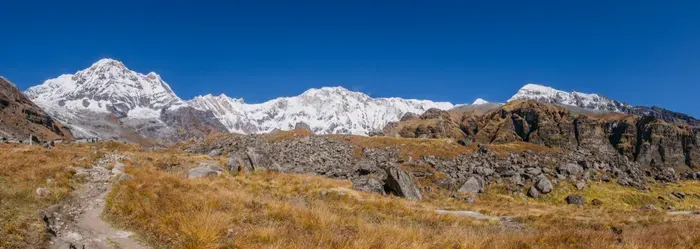
Footwear is arguably the most important gear choice for an Annapurna trek, and it is also one of the most commonly mishandled. The biggest mistake is wearing brand new boots on the trail without breaking them in. Blisters from new boots can end a trek on the first day. Break in your boots by wearing them on practice hikes for at least 4 to 6 weeks before departure. The second mistake is choosing the wrong type of boot. Lightweight trail shoes are insufficient for the rocky, uneven terrain of the Annapurna Circuit. Choose mid-cut hiking boots with good ankle support, a stiff sole, and a aggressive tread pattern. The third mistake is wearing cotton socks, which retain moisture and cause blisters. Choose merino wool socks with a thin liner sock underneath. The fourth mistake is ignoring foot care during the trek. Stop at the first sign of a hot spot (pre-blister) and treat it with moleskin or tape immediately. The Annapurna Family Trek requires the same attention to footwear for children as for adults.
Why Do Trekkers Fail to Budget Properly for Annapurna Tea Houses?
Many trekkers underestimate how much money they will spend on the trail, leading to uncomfortable situations. The tea house model is deceptively cheap for rooms (NPR 200 to NPR 500 per night) but expensive for food and extras. A typical day costs NPR 2,500 to NPR 4,000 per person for three meals, drinks, hot shower, WiFi, and device charging. Over a 14-day Circuit, that is approximately USD 350 to USD 500 per person just for on-trail expenses, not including the permit fees, transportation, guide, and porter costs. At higher elevations, food prices increase significantly because all supplies must be carried up by porters or mules. A plate of momos that costs NPR 300 in Pokhara may cost NPR 700 at Thorong Phedi. Budget 20 to 30 percent more than you think you will need, and carry enough cash in Nepali rupees, as there are no ATMs beyond Manang on the Circuit or Chhomrong on the ABC route. The Luxury Lodge Trek has higher but more predictable costs since lodges are pre-booked.
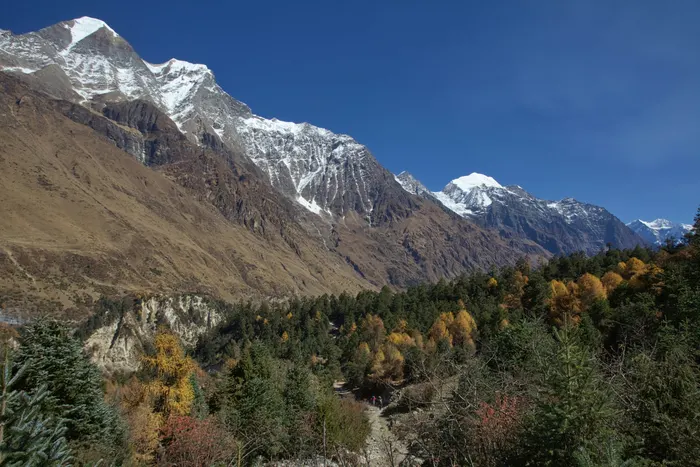
How Not Preparing for Weather Changes Can Ruin Your Annapurna Trek
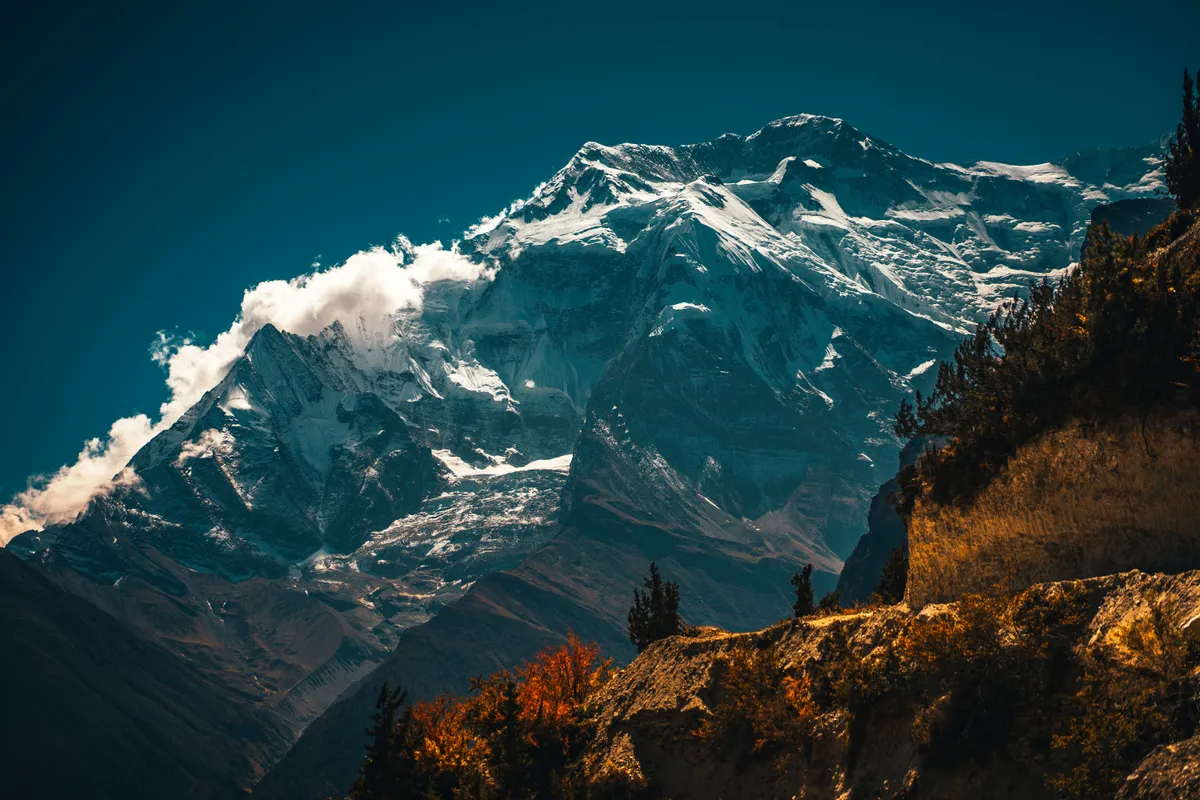
Mountain weather is notoriously unpredictable, and failing to prepare for it is a common mistake. On a single day in the Annapurna region, you can experience hot sun, cold wind, rain, and even snow at higher elevations. The mistake is packing only for the expected season without accounting for weather variability. Even in the peak autumn season, afternoon clouds can roll in and temperatures can drop rapidly. Always carry a waterproof jacket and pants, a warm down jacket, a hat and gloves, and extra base layers. Check weather forecasts at every tea house that has WiFi. The Annapurna Winter Trek requires even more careful weather preparation, as conditions can change from clear to blizzard in hours. On the Circuit, the weather at Thorong La can be calm in Manang and howling with wind at the pass. Always start the pass crossing early (3:00 or 4:00 AM) to avoid afternoon winds. If the weather is bad, wait. No mountain view is worth risking your life in a storm.
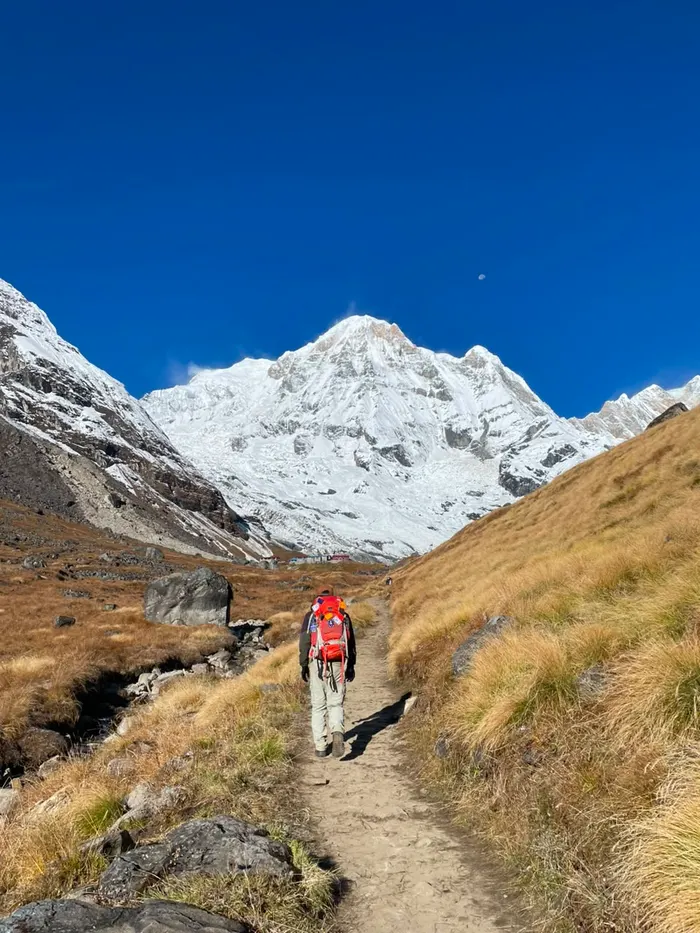
What Cultural Mistakes Should You Avoid on the Annapurna Trail?
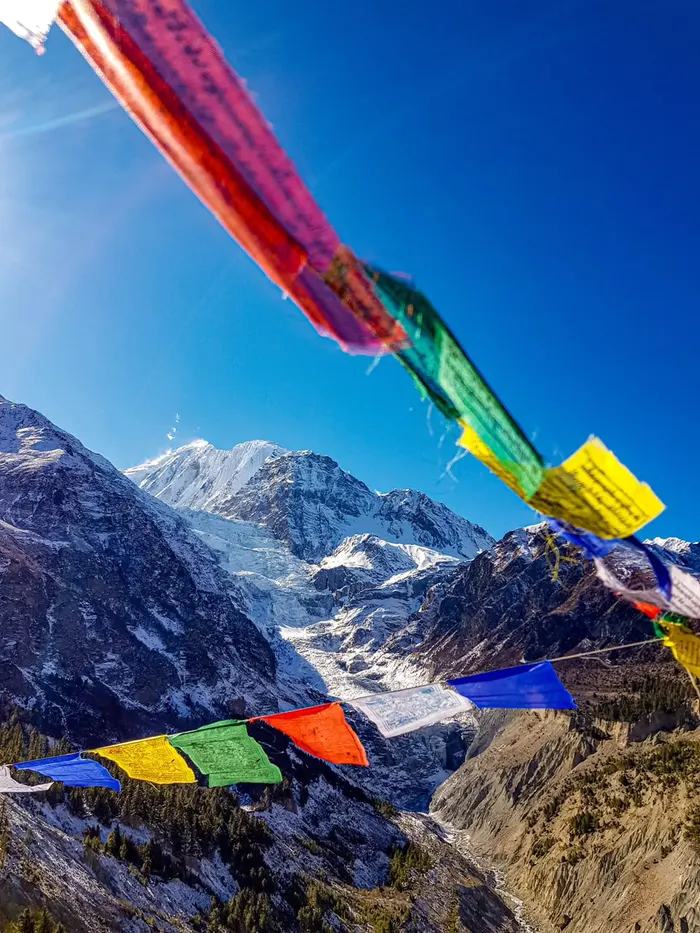
Cultural mistakes are common among first-time trekkers in Nepal, and while they rarely cause physical danger, they can cause offense and undermine the respect that underpins sustainable tourism. The most common cultural mistakes include: photographing people without asking permission (always ask first, and respect a "no"), wearing inappropriate clothing (cover shoulders and knees, especially in villages and religious sites), entering homes or monasteries with shoes on (always remove them), walking around mani walls and prayer wheels counter-clockwise (always go clockwise), pointing your feet at people or religious objects (feet are considered the lowest part of the body), using your left hand for eating or passing objects (use your right hand), and giving sweets or pens to children (this encourages begging and undermines school attendance). Learning a few words of Nepali (namaste, dhanyabad) goes a long way. The Annapurna Yoga Trek incorporates cultural sensitivity into its program, teaching trekkers about local customs and traditions.
Why Is Not Hiring a Guide a Risky Decision on Annapurna Trails?
Many experienced hikers choose to trek the Annapurna region independently, and for well-prepared trekkers on the main routes, this can be safe. However, forgoing a guide entirely carries risks that are often underestimated. A guide provides critical altitude monitoring, knowing when to push on and when to descend. They handle emergency situations, arrange helicopter evacuations, communicate with tea house owners in Nepali, navigate in poor visibility, and provide cultural interpretation that enriches the experience. On the Annapurna Senior Trek and Helicopter Return Trek, guides are essential for safety and logistics. Even for experienced trekkers, hiring a guide through a registered agency like Enticing Himalayas supports the local economy and provides peace of mind for family at home. If you choose to trek independently, carry a detailed map, a GPS device, a first aid kit, and comprehensive insurance that covers helicopter evacuation. Always register your trekking route and dates with the TIMS system.
What Nutrition and Hydration Mistakes Do Trekkers Make on Annapurna?
Proper nutrition and hydration are critical for trekking at altitude, and both are commonly mishandled. The hydration mistake is not drinking enough water. At altitude, your body loses moisture faster through respiration and increased urination (especially if taking Diamox). Aim for 3 to 4 liters per day, and drink steadily throughout the day rather than gulping at meals. The nutrition mistake is skipping meals or not eating enough due to altitude-induced loss of appetite. Even if you do not feel hungry, eat. Dal bhat with its unlimited refuels is the ideal trekking fuel: complex carbohydrates, protein, and vegetables in one meal. Another mistake is relying on energy bars and snacks instead of real food. While supplements help, they cannot replace the calories and nutrition of hot meals at tea houses. Avoid alcohol at altitude, as it depresses breathing and worsens dehydration. The Mardi Himal trek and Panchase Panorama Trek have tea houses with good food options, so there is no reason to underfuel.
How Can Overconfidence Lead to Trouble on the Annapurna Trail?
Overconfidence is perhaps the most insidious mistake trekkers make on the Annapurna trail. It manifests in several ways: pushing through altitude symptoms because "I have trekked high before," skipping rest days because "I feel fine," attempting to cross Thorong La in bad weather because "I have done passes before," or going off-trail for a shortcut because "I know the way." The mountains do not care about your previous experience. Each trek is unique, and conditions change. The trekkers who get into trouble are often not beginners but experienced hikers who let their confidence override caution. Humility is the most important trait a trekker can bring to the Annapurna region. Listen to your guide, respect local advice from tea house owners, and always prioritize safety over schedule. The Photography Trek and other specialty routes have flexible itineraries built in for exactly this reason: the mountain decides the schedule, not you.
Conclusion: Avoid These Mistakes and Enjoy a Perfect Annapurna Trek
The Annapurna region is one of the most rewarding trekking destinations in the world, and most mistakes are entirely avoidable with preparation and awareness. Ascend gradually, pack smart, listen to your body, budget realistically, respect local culture, and when in doubt, choose caution over speed. Every mistake in this guide has been made by trekkers before you, and learning from their errors is the smartest thing you can do before setting foot on the trail. Explore, Heal, Thrive with Enticing Himalayas and experience the Annapurna trail the right way: prepared, respectful, and ready for the adventure of a lifetime.
Frequently Asked Questions About Common Annapurna Trekking Mistakes
What is the most common mistake trekkers make on the Annapurna Circuit?
The most common and dangerous mistake is ascending too fast, which is the leading cause of altitude sickness. Trekkers should gain no more than 300 to 500 meters of sleeping altitude per day above 3,000 meters and include acclimatization days, especially in Manang before crossing Thorong La at 5,416 meters. Never skip a rest day to save time.
How heavy should my backpack be for an Annapurna trek?
Aim for a pack weight of 10 to 12 kg for a 10-day trek, including your sleeping bag. Overpacking is one of the most common mistakes and leads to fatigue, injuries, and slower pace. Pack only essentials: proper layered clothing, a sleeping bag rated to minus 10 degrees, headlamp, first aid kit, water purification, and trekking poles.
Do I need to break in my hiking boots before the Annapurna trek?
Yes, absolutely. Wearing brand new boots on the trail without breaking them in is a leading cause of blisters that can end a trek on day one. Wear your boots on practice hikes for at least 4 to 6 weeks before departure. Choose mid-cut boots with good ankle support and a stiff sole for the rocky Annapurna terrain, and pair them with merino wool socks.
How much money should I budget per day for Annapurna tea houses?
Budget approximately USD 25 to USD 35 per day for food, lodging, and extras at tea houses. Rooms are cheap (NPR 200 to NPR 500) if you eat meals at the same lodge, but food prices increase at higher elevations. Carry enough cash in Nepali rupees for the entire trek, as there are no ATMs beyond Manang on the Circuit or Chhomrong on the ABC route.
Should I hire a guide for the Annapurna trek?
Hiring a guide through a registered agency is strongly recommended for safety, cultural interpretation, and emergency support. Guides monitor for altitude sickness, arrange evacuations, navigate in poor visibility, and communicate with tea house owners. If trekking independently, carry a detailed map, GPS, first aid kit, and insurance that covers helicopter evacuation.
What should I do if I feel altitude sickness symptoms on Annapurna?
Stop ascending immediately. Rest, hydrate, and take Diamox if available. If symptoms are mild (headache, nausea), wait a day and see if they resolve. If symptoms worsen or include confusion, loss of coordination, or severe breathlessness, descend immediately to the last elevation where you felt well. Never ascend with worsening symptoms. Contact the Himalayan Rescue Association clinic in Manang for free advice.