Introduction to the Langtang Valley Trek
The Langtang Valley Trek is one of the most rewarding short trekking routes in Nepal, offering trekkers a chance to experience the grandeur of the Himalayas without the long commitment required by more remote expeditions. Located north of Kathmandu, just below the Tibetan border, the Langtang Valley is a glacier-carved valley flanked by towering peaks including Langtang Lirung (7,234 m), Dorje Lakpa (6,988 m), and Gang Chenpo (6,388 m). The trail winds through dense forests of rhododendron, bamboo, and pine, past cascading waterfalls and ancient monasteries, before opening up into a wide alpine valley dotted with yak pastures and traditional stone villages. This 7-day itinerary takes you from the trailhead at Syabrubesi all the way to Kyanjin Gompa and back, covering approximately 77 kilometers of trail with a maximum elevation of 4,773 meters at Kyanjin Ri.
What makes the Langtang Valley Trek especially meaningful is the story of resilience you witness along the way. The 2015 earthquake devastated the region, particularly Langtang village, which was buried by a massive landslide. Today, the village has been rebuilt, and the local Tamang people have shown extraordinary determination in restoring their homeland and welcoming visitors once again. Trekking here is not just a journey through stunning landscapes but also a gesture of solidarity with a community that has rebuilt itself from the rubble.
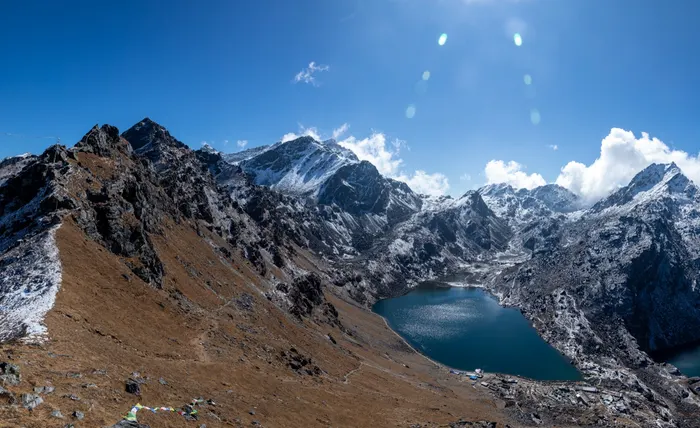
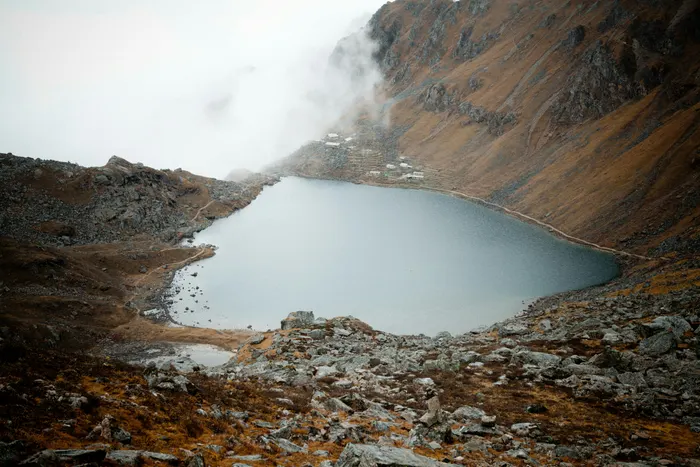
Whether you are a first-time trekker in Nepal or a seasoned hiker looking for a shorter alternative to the Annapurna or Everest regions, the Langtang Valley Trek delivers an unforgettable combination of natural beauty, cultural immersion, and achievable challenge. In this guide, we cover every aspect of the trek: a detailed day-by-day itinerary, information on permits and costs, accommodation options, the best time to go, and practical advice on difficulty and preparation.
Route Overview: Syabrubesi to Kyanjin Gompa and Back
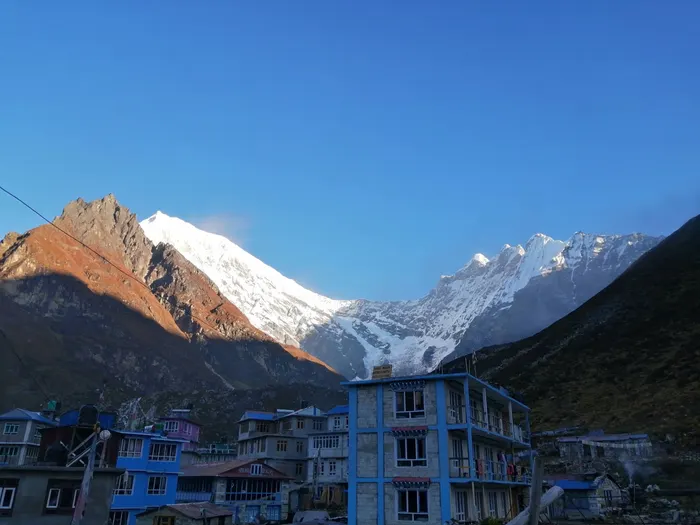
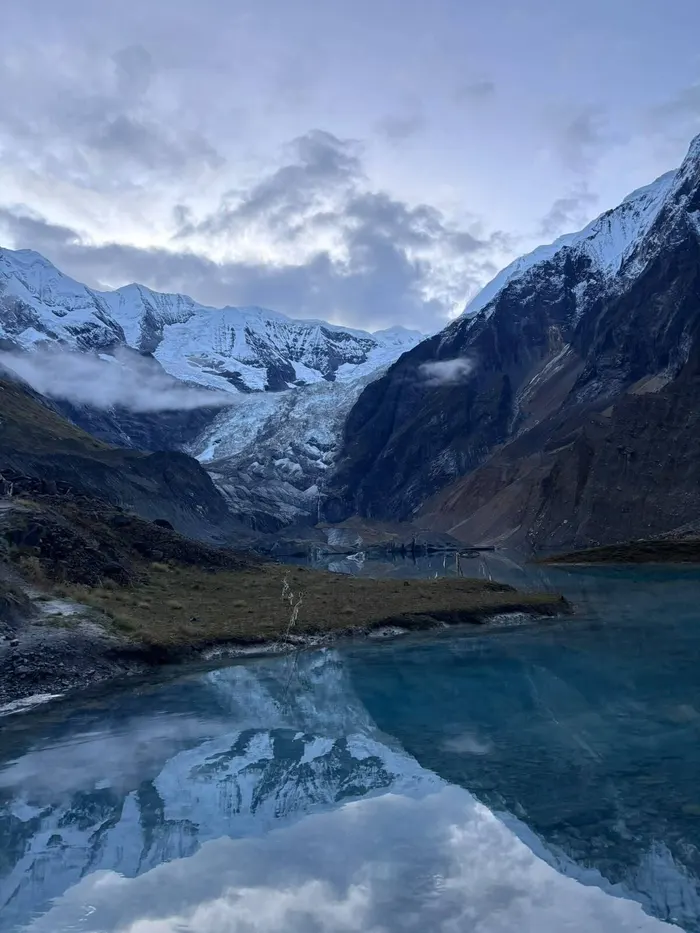
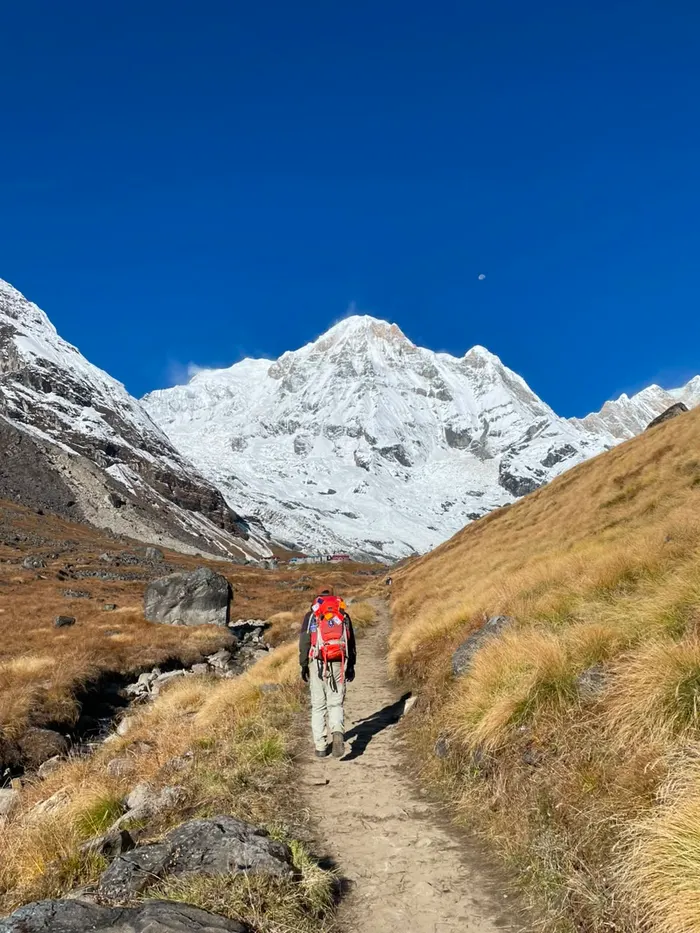
The standard Langtang Valley Trek follows an out-and-back route beginning and ending at Syabrubesi, a small village at 1,550 meters that serves as the gateway to Langtang National Park. From Syabrubesi, the trail climbs steadily along the Langtang Khola (river) through subtropical forests and small Tamang settlements. Over the course of three days, you ascend more than 2,000 meters to reach Kyanjin Gompa at 3,870 meters, the highest permanent settlement in the valley. Here you spend two nights for acclimatization, including a hike up to Kyanjin Ri at 4,773 meters for panoramic mountain views. The return journey follows the same trail back to Syabrubesi over two days, though the downhill miles pass quickly compared to the ascent.
The total trekking distance is roughly 77 kilometers. The trail is well-marked and maintained, making navigation straightforward even for those trekking independently. You pass through a variety of ecological zones, from subtropical river valleys to alpine meadows, and the vegetation changes dramatically as you gain elevation. The lower sections are lush with bamboo and rhododendron, while the upper valley opens into wide grasslands where yaks graze against a backdrop of snow-capped peaks. The route stays within Langtang National Park for its entire length, and wildlife sightings are possible, including Himalayan tahr, red pandas (rare but present), and numerous bird species such as the danphe (Nepal's national bird, the Himalayan monal).
This itinerary is designed to be completed in 7 days of trekking, plus one day for the drive from Kathmandu to Syabrubesi and one day for the return drive. The pacing allows for proper acclimatization, with rest days built in at key elevations. Trekkers who are short on time can compress the return journey into a single long day, but we recommend the full 7-day schedule to enjoy the valley at a relaxed pace and reduce the risk of altitude-related problems.
Day 1: Kathmandu to Syabrubesi (1,550 m)
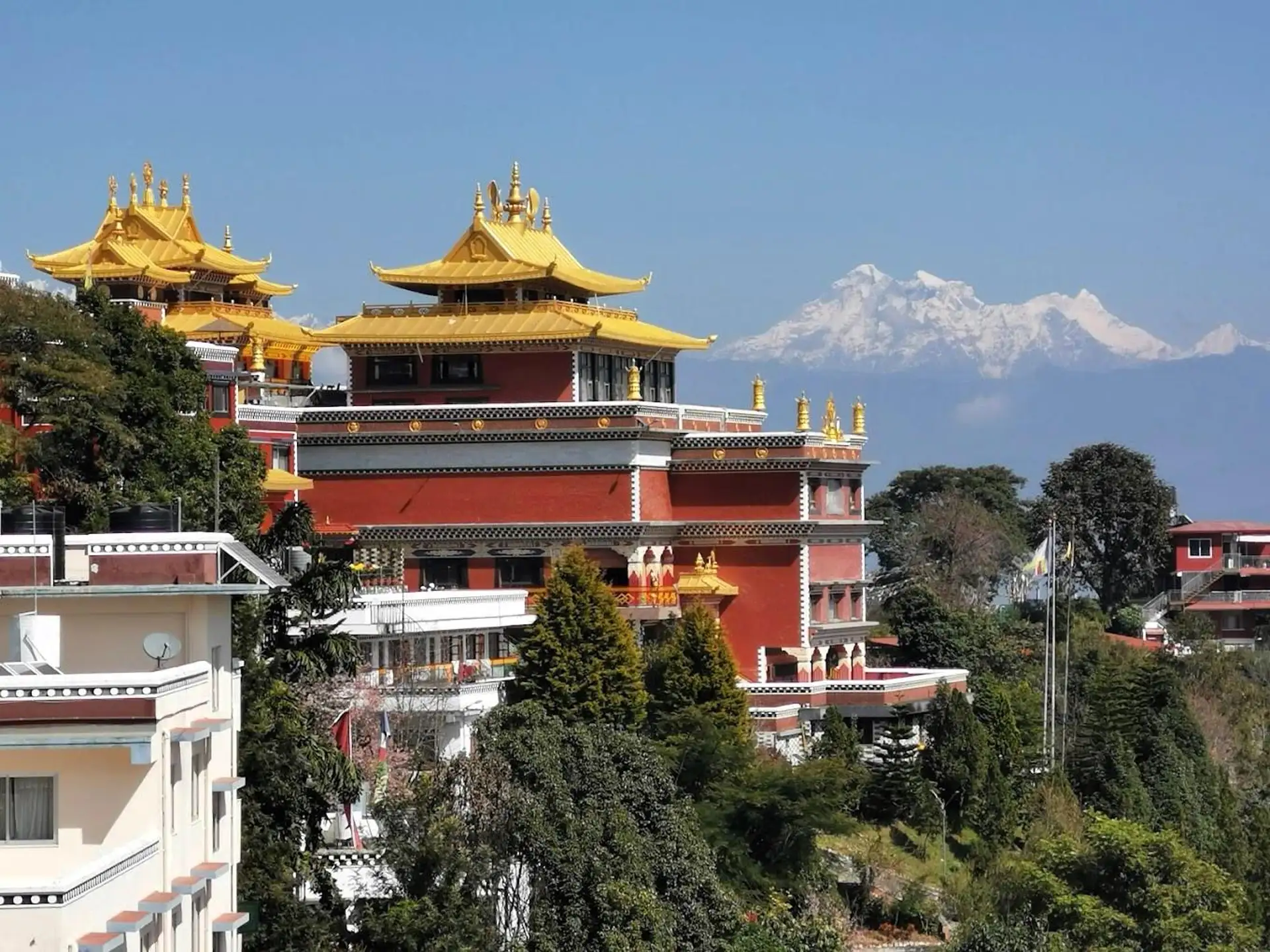
Your trek begins with a scenic drive from Kathmandu to Syabrubesi, covering approximately 117 kilometers by road. The journey takes about 7 to 8 hours depending on road conditions, which can vary significantly with the season. The road winds north through the Trishuli River valley, passing through terraced farmland, small towns, and sections of forested hills. As you climb toward the Rasuwa district, the landscape becomes increasingly rugged, and you may catch your first glimpses of Ganesh Himal towering to the west. The final stretch descends to Syabrubesi, a small but bustling village at the confluence of the Langtang Khola and Bhote Koshi rivers.
Syabrubesi is the administrative entry point for Langtang National Park and the starting point for both the Langtang Valley Trek and the Tamang Heritage Trail. There are several lodges and guesthouses here where you can spend the night before beginning the trek. This is also your last chance to stock up on any supplies you might need, though the villages along the trail do sell basic snacks and water purification tablets. Use the evening to rest, hydrate, and prepare your gear for the first day of walking.
Day 2: Syabrubesi to Lama Hotel (2,480 m)
The first day of trekking begins with a descent to the Langtang Khola, followed by a steady climb through dense bamboo and rhododendron forests. The trail crosses several suspension bridges over the river, each offering dramatic views of the rushing water below. You pass through the small settlements of Wangal and Dovan, where the forest is thick with bamboo, a favorite habitat of the red panda. While sightings are rare, the knowledge that these elusive creatures live in these woods adds a sense of wilderness to the journey.
As you continue ascending, the forest transitions from bamboo to oak and maple, and the air grows noticeably cooler. The trail is well-graded but includes several sections of stone steps that can be tiring, especially for those still adjusting to carrying a backpack at elevation. After approximately 5 to 6 hours of walking, you arrive at Lama Hotel, a cluster of teahouses nestled in a forested clearing at 2,480 meters. This is a popular overnight stop, and the lodges here serve hearty meals ranging from dal bhat to Tibetan momos.
Day 3: Lama Hotel to Langtang Village (3,430 m)
Leaving Lama Hotel, the trail continues its ascent through beautiful old-growth forest. The trees grow taller here, and moss-draped branches create an almost enchanted atmosphere. You cross the river again and begin a steeper climb toward the village of Ghora Tabela, situated at around 3,000 meters. Ghora Tabela, whose name means "horse stable," was once a resting place for traders traveling between Nepal and Tibet. Today it has a few teahouses and an open meadow with views up the valley.
From Ghora Tabela, the forest begins to thin and the valley widens. You pass a national park checkpoint and soon enter the area that was most affected by the 2015 earthquake. The original Langtang village, once a thriving settlement of more than 400 residents and dozens of lodges, was almost entirely destroyed when a massive landslide triggered by the earthquake buried much of the village under ice, rock, and debris. The loss of life was staggering, and the disaster drew international attention to this remote corner of Nepal.
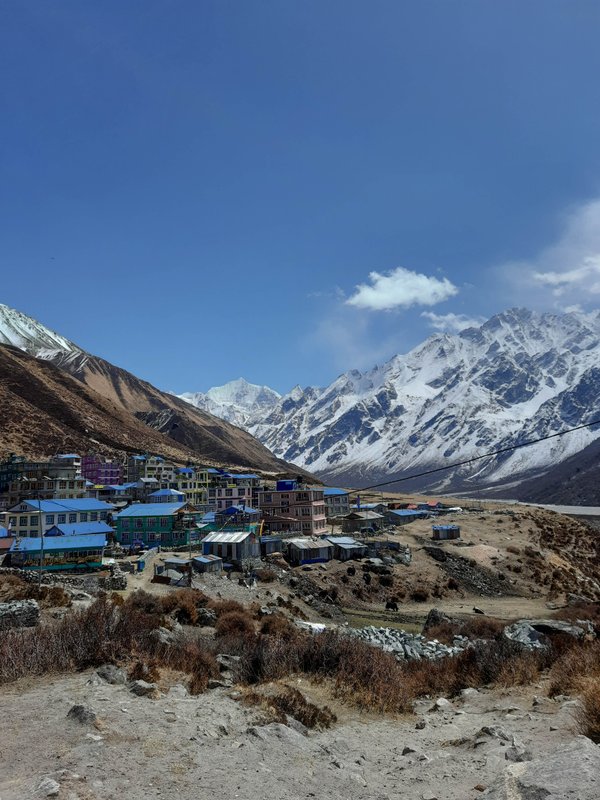
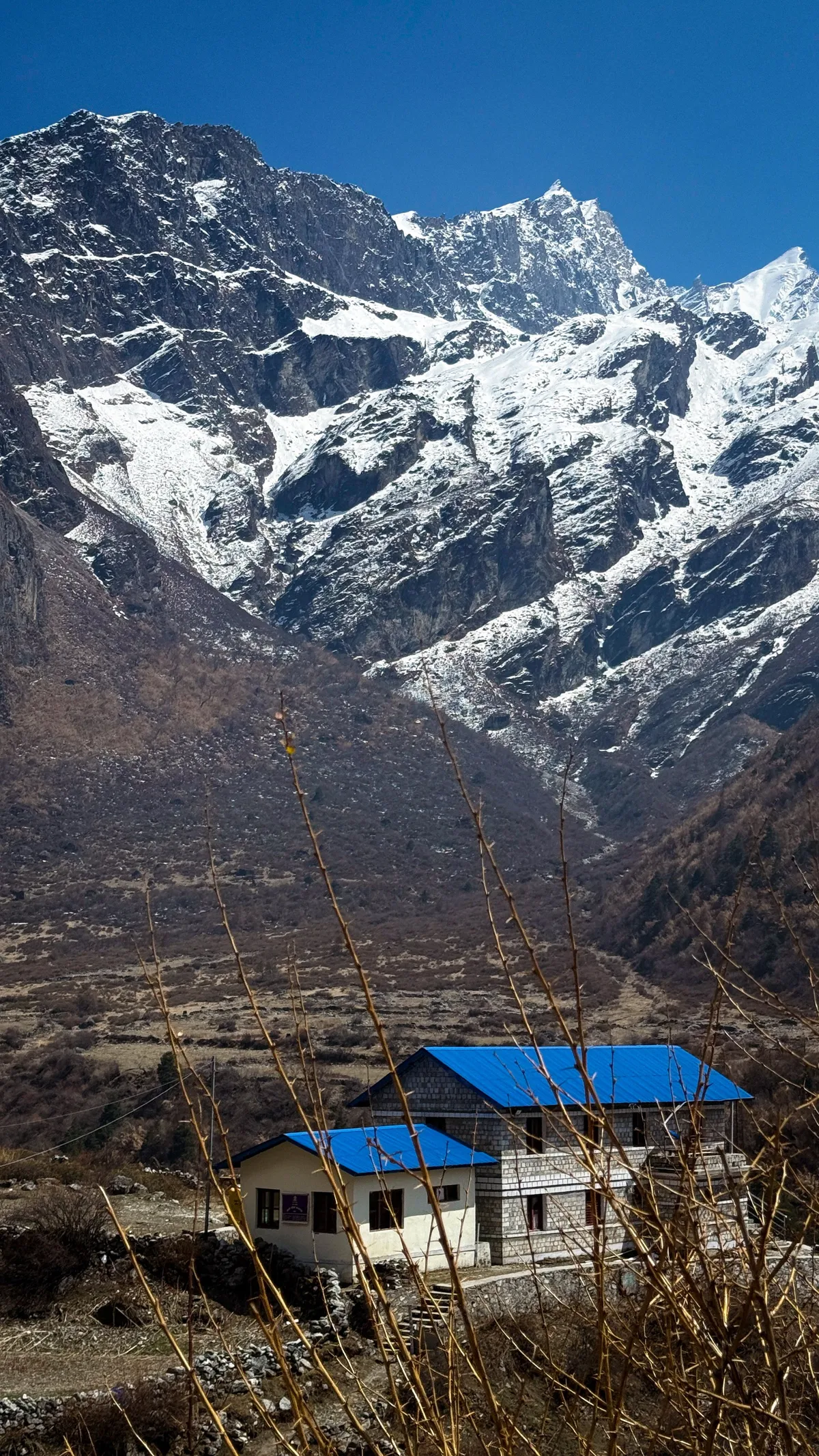
Despite the devastation, the surviving residents and returning families have rebuilt Langtang village with remarkable courage. New stone houses and lodges have been constructed on safer ground nearby, and the community has reestablished itself as a key stop on the trekking route. Walking through the new village, you will see memorial sites honoring those who lost their lives, alongside vibrant teahouses where trekkers are welcomed with warm meals and smiles. The resilience of the Langtang community is one of the most moving aspects of this trek, and spending an evening here offers a chance to speak with local families and learn about their journey of recovery.
Day 4: Langtang Village to Kyanjin Gompa (3,870 m)
The trail from Langtang Village to Kyanjin Gompa is shorter and more gradual than the previous days, allowing you to take it at an easy pace and continue adjusting to the altitude. You leave the village and walk through wide open yak pastures, with the peaks of Langtang Lirung dominating the skyline ahead. The valley floor is broad and flat here, crossed by small streams and dotted with mani walls (stone walls carved with Buddhist prayers) and chortens that reflect the deep Tibetan Buddhist culture of the region.
After about 3 to 4 hours of walking, you arrive at Kyanjin Gompa, a small settlement at 3,870 meters that is home to one of the oldest monasteries in the Langtang region. The Kyanjin Gompa monastery, set against a backdrop of glacial peaks, is a place of pilgrimage for the local Tamang and Tibetan communities. You will often see devotees circumambulating the monastery, spinning prayer wheels, and lighting butter lamps. The settlement also has a famous yak cheese factory, established with Swiss assistance in the 1950s, which produces yak cheese that is sold locally and in Kathmandu. A visit to the cheese factory is a must, and sampling the fresh cheese with a piece of local bread is a simple but memorable experience.
Because you have gained significant elevation, it is important to use the afternoon wisely. Stay hydrated, avoid strenuous activity, and consider taking a short walk around the village to help your body adjust. The air at 3,870 meters is noticeably thinner, and some trekkers may experience mild symptoms of altitude sickness such as headache or shortness of breath. Listen to your body and inform your guide or companions if you feel unwell.
Day 5: Acclimatization Day at Kyanjin Gompa and Hike to Kyanjin Ri (4,773 m)
Day 5 is reserved for acclimatization and exploration, and it includes one of the most rewarding excursions of the entire trek: the hike up to Kyanjin Ri. At 4,773 meters, Kyanjin Ri is the highest point on this itinerary and offers what many consider the finest panoramic viewpoint in the Langtang region. There are actually two summits commonly referred to as Kyanjin Ri, with the lower one at approximately 4,600 meters and the higher one at 4,773 meters. Most trekkers aim for the higher summit, though either provides spectacular views.
The hike begins early in the morning to take advantage of clear skies before afternoon clouds roll in. The trail starts behind the village and climbs steeply up a grassy ridge. There is no defined path for much of the ascent, but the direction is obvious, and cairns mark the way. The climb takes about 2 to 3 hours, and the effort is rewarded with a breathtaking 360-degree panorama. To the north, the Langtang Lirung glacier spills down from its summit, while to the east, the peaks of Dorje Lakpa, Gang Chenpo, Yala Peak, and Naya Kang rise in a jagged line. On a clear day, you can even see Shishapangma (8,027 m), the 14th-highest mountain in the world, located across the border in Tibet. Prayer flags flutter from the summit cairn, and the silence of the high altitude creates a profound sense of space and solitude.
After descending back to Kyanjin Gompa, spend the rest of the day exploring the village. Visit the monastery, watch cheese being made at the yak cheese factory, or take a short walk to the nearby glacial moraine. Some trekkers choose to hike further up the valley toward Langshisha Kharka, an al pasture at around 4,100 meters, but this should only be attempted if you are feeling well acclimatized. The afternoon is also a good time to rest and enjoy the warmth of the teahouse, sipping ginger tea and watching the play of light on the peaks as the sun drops behind the ridge.
Day 6: Kyanjin Gompa to Lama Hotel (2,480 m)
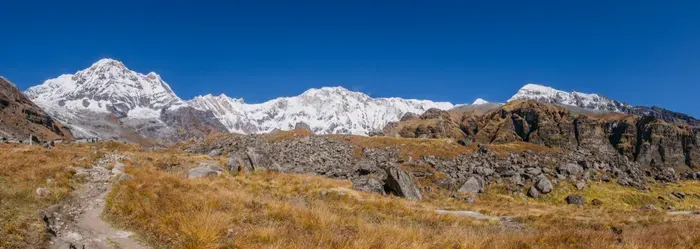
After the magic of Kyanjin Gompa and Kyanjin Ri, the return journey begins. The descent is much faster than the ascent, as gravity is on your side and the trail is mostly downhill. You retrace your steps through Langtang Village, Ghora Tabela, and the forested sections above Lama Hotel. The landscape that took three days to ascend is now familiar, and you may notice details you missed on the way up: a particular waterfall, a brightly painted mani wall, or a view of a distant peak framed by trees.
Descending from high altitude carries its own risks, particularly for the knees. Take care on the stone steps and steep sections, and use trekking poles to reduce impact on your joints. It is tempting to move quickly on the downhill, but a controlled pace will save your legs for the final day. By the time you reach Lama Hotel, you will have dropped nearly 1,400 meters in elevation, and the warmer, denser air at 2,480 meters feels luxurious after the thin atmosphere of Kyanjin Gompa.
Day 7: Lama Hotel to Syabrubesi (1,550 m)
The final day of trekking brings you back to Syabrubesi, completing the out-and-back circuit. The trail descends through the same bamboo and rhododendron forests you passed through on Day 2, crossing suspension bridges and passing the small settlements along the river. The birdlife is more active in the lower elevations, and you may spot langurs swinging through the trees or hear the call of a cuckoo echoing through the valley.
Arriving in Syabrubesi feels like returning to civilization. After days of simple teahouse living and the vast silence of the high valley, the sounds of the village, the warmth of a hot shower, and the prospect of a cold drink are deeply satisfying. Take the evening to celebrate the completion of your trek with your guide and fellow trekkers. Many lodges in Syabrubesi offer a farewell dinner, and it is a fitting way to close out the journey.
Tamang Culture and People of Langtang
The people of the Langtang Valley are predominantly Tamang, one of the largest indigenous ethnic groups in Nepal. The Tamang people have their own language, customs, and religious practices, though most follow Tibetan Buddhism mixed with elements of the pre-Buddhist Bon religion. Throughout the trek, you will see evidence of this rich cultural heritage in the form of monasteries, prayer flags, mani walls, and chortens that line the trail.
The Tamang have historically been traders, herders, and farmers, with close cultural and economic ties to Tibet across the nearby border. The yak is central to their way of life, providing milk for cheese and butter, wool for clothing, and power for carrying loads. In the villages along the trail, you will see yaks grazing in the high pastures during the summer and being brought to lower elevations in winter.
Interacting with the Tamang people is one of the highlights of the Langtang Valley Trek. Most families in the teahouses are Tamang, and they are known for their warmth and hospitality. Take time to learn a few words of the Tamang language, ask about their daily life, and observe their customs. Many teahouse owners are happy to share stories about the region, the earthquake, and the rebuilding process. Purchasing local products such as yak cheese, handicrafts, or knitted hats directly supports the community and helps sustain the local economy.
Cultural festivals in the Langtang region often coincide with the Buddhist calendar. If you are trekking during the spring or autumn, you may encounter celebrations at the monasteries, including chanting, masked dances, and the lighting of butter lamps. These festivals are colorful and deeply spiritual, and visitors are usually welcomed with respect and curiosity.
Langtang Village: Rebuilt After the 2015 Earthquake
The story of Langtang village is impossible to separate from the story of the 2015 Nepal earthquake. On April 25, 2015, a magnitude 7.8 earthquake struck central Nepal, causing widespread destruction across the country. In Langtang village, the earthquake triggered a massive avalanche and landslide that swept down from the slopes above, burying the village under a layer of ice, rock, and debris estimated to be up to 20 meters deep in places. An estimated 310 people lost their lives in Langtang village alone, including local residents, Nepali workers, and foreign trekkers. It was one of the single deadliest events of the entire earthquake.
In the years since, the surviving residents and families of Langtang have undertaken the monumental task of rebuilding. With support from national and international organizations, a new Langtang village has been constructed on safer ground a short distance from the original site. New teahouses, lodges, and homes have been built using improved techniques and materials. A memorial has been established at the site of the old village, with prayer flags and stones inscribed with the names of those who died. Trekking through the area, you can see both the scars of the disaster and the determination of the community to move forward.
The rebuilding of Langtang village is not just a physical reconstruction but a cultural and spiritual renewal. The Tamang people who returned to the valley did so with a deep commitment to preserving their way of life and continuing to welcome trekkers. By visiting Langtang and spending money in the local teahouses, you are directly contributing to the ongoing recovery and sustainability of this remarkable community. The resilience of Langtang is a testament to the strength of the human spirit, and it adds a layer of meaning to the trek that goes beyond the beauty of the mountains.
Trek Difficulty and Fitness Requirements
The Langtang Valley Trek is classified as moderate in difficulty. It does not require any technical mountaineering skills or specialized equipment, but it does involve sustained uphill walking over multiple days, with significant elevation gain and loss. The highest point on the standard itinerary is Kyanjin Ri at 4,773 meters, which is high enough that altitude sickness is a real consideration. However, the itinerary is designed with gradual ascent and acclimatization days, which significantly reduces the risk.
In terms of fitness, trekkers should be in good general health and capable of walking 5 to 7 hours per day over varied terrain while carrying a daypack. You do not need to be an athlete, but some preparation beforehand will make the experience far more enjoyable. We recommend engaging in regular cardiovascular exercise such as hiking, jogging, cycling, or swimming for at least 4 to 6 weeks before the trek. If possible, practice hiking on hills or stairs with a loaded backpack to simulate the conditions on the trail.
The trail itself is well-maintained and consists of dirt paths, stone steps, and some rocky sections. There are no exposed ridges or dangerous crossings on the standard route. Suspension bridges are sturdy and well-constructed. The main challenges are the sustained climbing, the altitude, and the cumulative fatigue of trekking for several consecutive days. Proper pacing, hydration, and nutrition are key to managing these challenges successfully.
Trekking poles are highly recommended, particularly for the descent, as they reduce strain on the knees and improve stability. A good pair of broken-in hiking boots is essential. Layers are important for managing the wide temperature range between the lower valley and the high altitude of Kyanjin Gompa and Kyanjin Ri.
Best Time to Trek Langtang Valley
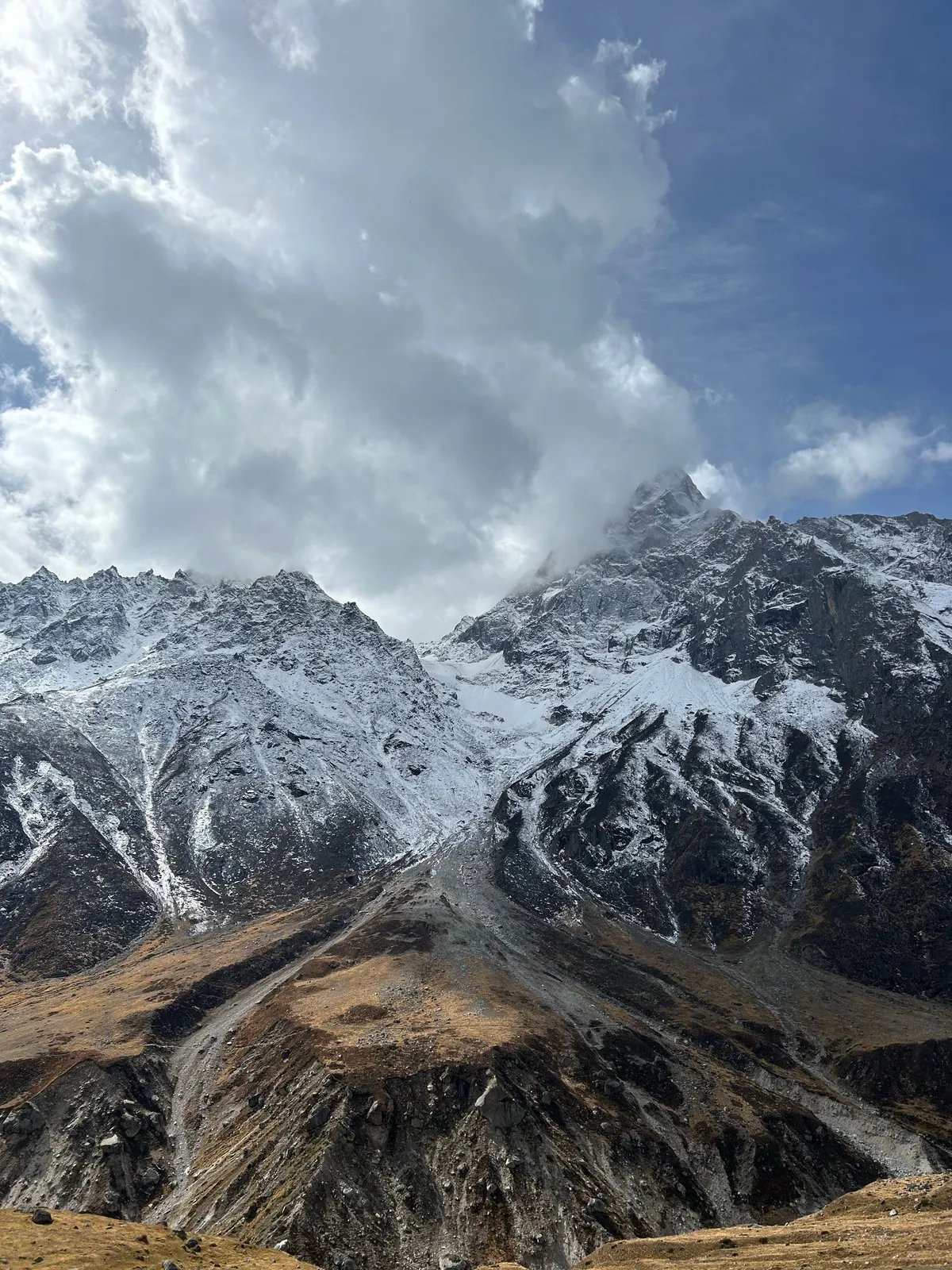
The best times for the Langtang Valley Trek are the classic Nepal trekking seasons: spring (March to May) and autumn (September to November). Each season has its own distinct character and advantages.
Spring (March to May): Spring is one of the most popular times to trek in Nepal, and for good reason. The weather is warm and stable, with clear mornings and increasingly lush vegetation as the season progresses. The rhododendron forests along the trail burst into bloom in April, covering the hillsides in shades of red, pink, and white. Daytime temperatures are comfortable for walking, and the mountain views are generally excellent in the morning, though some cloud buildup can occur in the afternoon. Spring is also when many cultural festivals take place, adding a cultural dimension to the trek.
Autumn (September to November): Autumn is widely considered the best trekking season in Nepal. The monsoon rains have cleared the air of dust and haze, resulting in crystal-clear mountain views. The weather is cool and stable, with blue skies prevailing throughout the day. The trail is busy during this season, and teahouses can fill up, so it is advisable to book in advance or start walking early in the day. The temperatures at higher elevations can be cold, especially at night, but daytime walking conditions are near perfect.
Winter (December to February): Winter trekking in Langtang is possible but comes with challenges. The weather is cold, particularly at higher elevations, and snow can block the trail to Kyanjin Gompa and Kyanjin Ri. However, the views are often spectacularly clear, and the trail is much quieter. Trekkers considering a winter trip should be prepared for cold conditions and check on trail conditions before setting out. Some teahouses at higher elevations may close for the winter.
Monsoon (June to August): The monsoon season brings heavy rain to the Langtang region, making the trail slippery and increasing the risk of landslides. Leeches are common in the lower forests. However, the valley is lush and green during this time, and the upper sections above the tree line receive less rain. Trekkers who choose to go during the monsoon should be prepared for wet conditions and potential trail disruptions.
Permits Required for the Langtang Valley Trek
Two permits are required for the Langtang Valley Trek: the Langtang National Park Entry Permit and the Trekkers' Information Management System (TIMS) Card.
1. Langtang National Park Entry Permit: This permit is required because the entire trek takes place within Langtang National Park, Nepal's first Himalayan national park, established in 1976. The park covers an area of 1,710 square kilometers and is home to a wide range of flora and fauna, including red pandas, Himalayan black bears, musk deer, and more than 250 species of birds. The permit can be obtained at the Nepal Tourism Board office in Kathmandu or at the park entrance checkpoint in Syabrubesi. The fee is approximately NPR 3,000 (about USD 23) for foreign nationals, with a reduced rate for SAARC nationals. You will need to present your passport and two passport-size photos when applying.
2. TIMS Card: The TIMS Card is a mandatory registration system that helps authorities track trekkers for safety purposes. It is required for all trekkers in Nepal, including those on organized tours and independent trekkers. The TIMS Card can be obtained through the Nepal Tourism Board or through a registered trekking agency. The fee is approximately NPR 2,000 (about USD 15) for individual trekkers and NPR 1,000 for those trekking through a registered agency. You will need your passport, passport-size photos, and a copy of your insurance details.
Both permits can be arranged in Kathmandu before departing for Syabrubesi, and most trekking agencies will handle this as part of their package. If you are trekking independently, allow a few hours in Kathmandu to obtain the permits, or ask your hotel or a local agency to assist you. Always carry your permits with you on the trail, as they will be checked at multiple points along the route.
Costs of the Langtang Valley Trek
The cost of the Langtang Valley Trek varies depending on whether you trek independently or through an agency, the level of comfort you prefer, and the size of your group. Below is a general breakdown of the main expenses.
Permits: Langtang National Park permit (NPR 3,000) plus TIMS Card (NPR 2,000 for independent trekkers) totals approximately NPR 5,000 (about USD 38).
Transportation: The drive from Kathmandu to Syabrubesi and back costs approximately NPR 2,000 to NPR 3,000 each way by local bus, or NPR 15,000 to NPR 25,000 each way by private jeep. Most trekkers opt for a shared jeep, which costs around NPR 3,000 to NPR 5,000 per person each way.
Accommodation and meals: Teahouse accommodation along the trail is inexpensive, typically NPR 500 to NPR 1,000 per night for a room. However, you are expected to eat your meals at the teahouse where you stay, and this is where the bulk of your daily expense comes from. Meals cost approximately NPR 500 to NPR 800 for breakfast, NPR 700 to NPR 1,000 for lunch, and NPR 800 to NPR 1,200 for dinner. Over 7 days of trekking, food and lodging typically totals NPR 15,000 to NPR 25,000 (about USD 115 to USD 190).
Guide and porter (optional): If you hire a guide, expect to pay approximately USD 25 to USD 35 per day, including their food and accommodation. A porter costs approximately USD 20 to USD 25 per day. Hiring a guide is not mandatory for the Langtang Valley Trek, but it is recommended for safety, cultural insight, and support with navigation and communication.
Accommodation on the Langtang Valley Trek
Accommodation along the Langtang Valley Trek is in the form of teahouses, which are family-run mountain lodges that provide both lodging and meals. The teahouses are basic but comfortable, and they have improved significantly in recent years as the region has recovered and rebuilt. Rooms are typically twin-share with foam mattresses on wooden beds. Blankets are usually provided, but we strongly recommend bringing your own sleeping bag rated to at least minus 10 degrees Celsius, as the nights at higher elevations can be very cold.
Most teahouses have shared squat toilets, though some of the newer and larger lodges have Western-style flush toilets. Hot showers are available at most stops, usually for an additional fee of NPR 200 to NPR 500. The hot water is typically heated by gas or solar, and at higher elevations, a hot shower is a bucket of heated water rather than a piped shower. Charging electronic devices is possible at most teahouses for a small fee (NPR 200 to NPR 500 per charge), though at higher elevations, charging may rely on solar power and be available only during daylight hours.
The dining area is the social hub of each teahouse, where trekkers gather around a communal table, often warmed by a yak dung or wood stove in the evening. Meals are ordered from a menu, and the selection is surprisingly varied, including dal bhat (rice and lentils), momos (dumplings), chow mein, fried rice, soups, pasta, and even apple pie and pancakes. Dal bhat is the most popular choice among trekkers because it is filling, nutritious, and often comes with free refills on rice and lentils.
In Kyanjin Gompa, several teahouses offer slightly upgraded amenities, including attached bathrooms and better insulation. It is worth noting that during peak season, teahouses can fill up quickly, so arriving by mid-afternoon ensures you get a room. If you are trekking with a guide, they will usually arrange accommodation in advance.
Packing List and Preparation Tips
Packing appropriately for the Langtang Valley Trek can make the difference between a comfortable journey and a miserable one. The key is to bring enough layers to handle the temperature range from the warm lower valley to the freezing conditions at Kyanjin Ri, without overloading your pack. A well-organized duffel bag carried by a porter or a well-fitted backpack of 40 to 50 liters is ideal.
Essential clothing: A base layer of moisture-wicking tops and bottoms, a mid layer of fleece or wool, an insulating down jacket, and a waterproof and windproof outer shell. Trekking pants (two pairs), a warm hat, a sun hat, gloves (two pairs of different weights), and several pairs of woolen trekking socks. Good hiking boots with ankle support, broken in before the trek.
Essential gear: A sleeping bag rated to minus 10 degrees Celsius or lower, a daypack, trekking poles, a headlamp with spare batteries, a water bottle or hydration bladder (at least 2 liters), water purification tablets or a filter, sunglasses with UV protection, and a basic first aid kit including medication for altitude sickness, stomach issues, and blisters.
Other items: Sunscreen (SPF 50+), lip balm, quick-dry towel, toiletries, a camera, a power bank, and a few snacks such as energy bars or trail mix. A lightweight down jacket can be rented in Kathmandu if you do not own one. Avoid overpacking, as every gram counts at altitude.
Conclusion
The Langtang Valley Trek is a journey that combines some of the most beautiful scenery in the Himalayas with a deep cultural experience and a story of human resilience that is rare to encounter on a trekking route. In just 7 days, you traverse subtropical forests, alpine meadows, and glacial valleys, reaching a high point of 4,773 meters at Kyanjin Ri with views that rival any in Nepal. You walk through villages rebuilt after unimaginable loss, share meals with Tamang families whose hospitality is legendary, and stand in the shadow of peaks that have drawn travelers and pilgrims for centuries.
This trek is accessible to a wide range of fitness levels, does not require technical skills, and is more affordable and less crowded than the major trekking routes in the Annapurna and Everest regions. Whether you are a solo traveler, a couple, or a group of friends, the Langtang Valley Trek offers a complete Himalayan experience in a compact and manageable package. With proper preparation, the right permits, and a spirit of adventure, this 7-day journey will leave you with memories that last a lifetime and a profound appreciation for the mountains and the people who call them home.