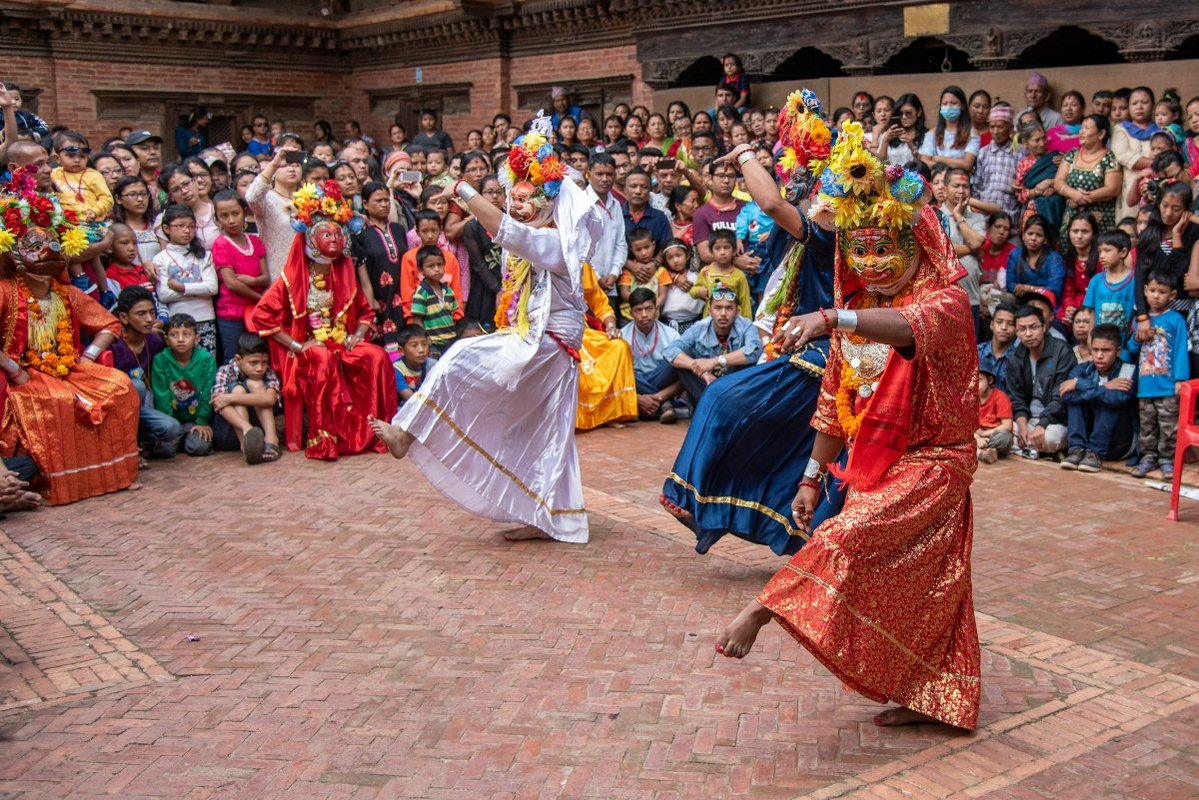
Kathmandu is not just a city of ancient temples and mountain vistas. It is a living stage where the music and dance of dozens of ethnic communities echo through courtyards, festival squares, and heritage restaurants every single night. For travelers seeking a deeper connection to Nepal beyond trekking trails, cultural shows in Kathmandu open a window into the soul of the nation. The rhythmic beat of the madal drum, the haunting melody of the sarangi fiddle, and the swirling colors of masked dancers tell stories that have been passed down for centuries. Whether you are watching a Lakhe dance in a Newar square or listening to devotional bhajans at a temple at dusk, these performances are not tourist spectacles alone. They are living traditions that continue to shape identity, community, and spiritual life across the Kathmandu Valley and far beyond.
This guide explores everything you need to know about Nepali cultural shows, from the traditional instruments that anchor every performance to the best venues in Kathmandu where you can experience them firsthand. For a broader understanding of how cultural experiences fit into travel in Nepal, our complete guide to cultural and spiritual tours in Nepal provides the wider context. And if your journey extends beyond the valley into the mountains, our guide to choosing the best trekking agency in Nepal helps you plan the full adventure.


What Are Nepali Cultural Shows and Why Do They Matter?
Nepali cultural shows are curated live performances that showcase the traditional music, dance, and storytelling of Nepal's many ethnic communities, including the Newar, Tamang, Gurung, Sherpa, Magar, Tharu, and others. They matter because Nepal is one of the most ethnically diverse countries in Asia, and each community carries its own distinct artistic language. These shows are not merely entertainment. They are a bridge between generations, a way of keeping endangered art forms alive, and a means for visitors to understand the depth of Nepali civilization in a single evening. In a rapidly modernizing Kathmandu, cultural shows also provide economic support to traditional artists who might otherwise abandon their craft for more stable work.
Traditional Nepali Music: Folk Songs, Bhajans, and Fusion
Traditional Nepali music spans folk songs, devotional bhajans, and modern fusion, each rooted in a different community and occasion. Folk songs like the Newar Dapha Bhajan and the Tamang Selo are sung at festivals, harvests, and gatherings, carrying stories of love, labor, and the land. Devotional bhajans, often performed at temples during morning and evening prayers, invoke Hindu and Buddhist deities through call-and-response chanting. Modern fusion blends traditional instruments with contemporary arrangements, creating a sound that appeals to younger audiences while preserving the old melodies. At a typical cultural show in Kathmandu, you will hear a mix of all three, giving you a panoramic sense of Nepal's musical landscape in a single sitting.
Which Traditional Nepali Dance Forms Are Performed in Kathmandu?
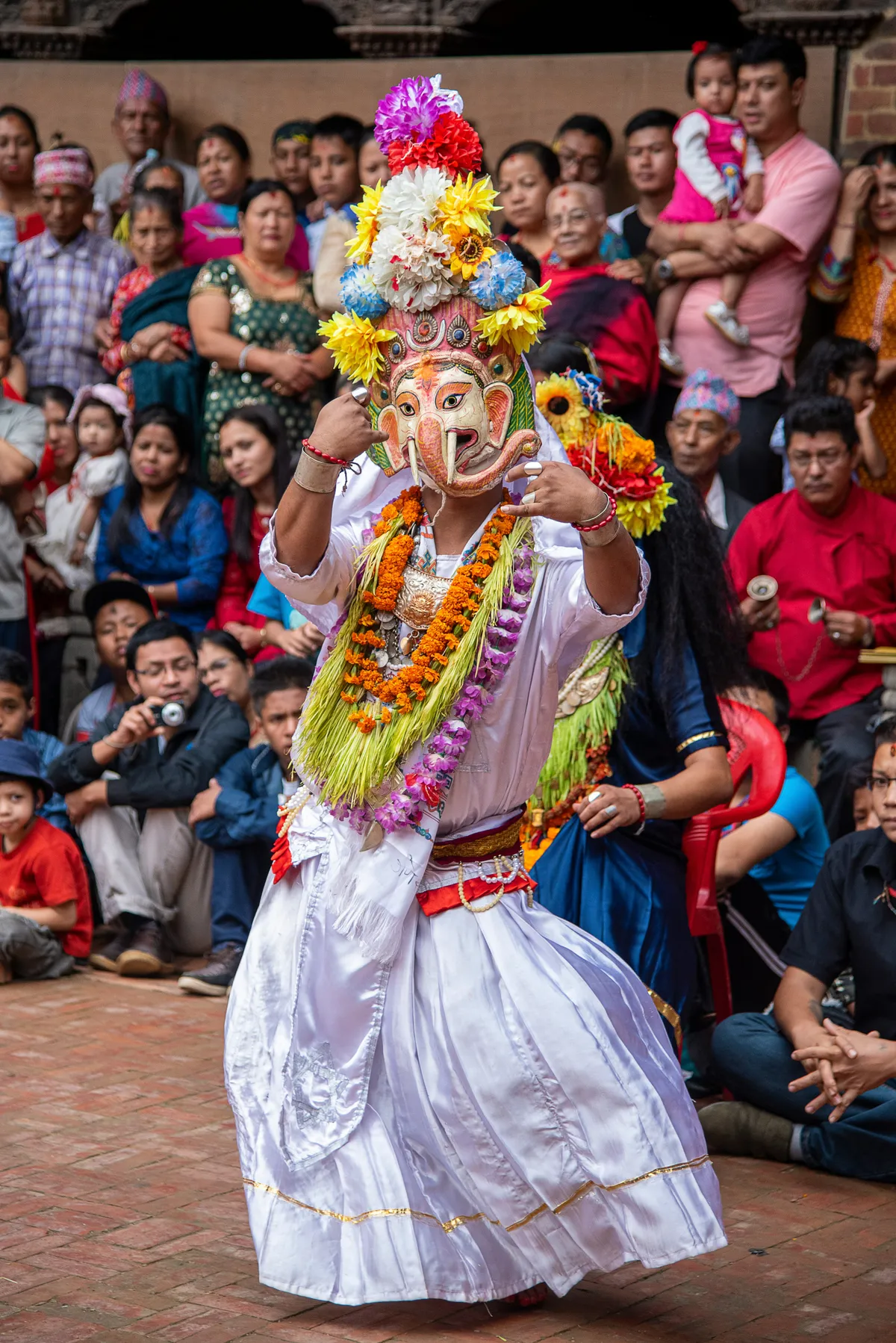
The dances performed at Kathmandu cultural shows come from communities across the country, each with its own costumes, rhythms, and symbolic meanings. The Lakhe dance of the Newars is perhaps the most iconic, featuring a performer in a fearsome red mask who leaps and spins through the streets during Indra Jatra. Sherpa dances, performed in high-altitude festivals, are slow and graceful, reflecting the patience and spiritual depth of Himalayan life. Tamang Selo is a lively dance accompanied by the damphu drum, often performed in a circle with rapid footwork. Gurung Ghantu is a slower, more meditative dance traditionally performed by young women in white costumes, telling stories of ancient kingdoms. Maruni, originally from the Gurung and Magar communities but popular across western Nepal, is a colorful dance often performed during Tihar and other festivals, featuring elaborate costumes and playful exchanges between dancers.
Instruments That Anchor Every Nepali Performance
Every Nepali cultural performance is anchored by traditional instruments that have been handcrafted for centuries. The madal is the most ubiquitous, a double-headed drum worn around the waist that provides the heartbeat of folk music across the country. The sarangi is a small four-stringed fiddle carved from a single block of wood, traditionally played by the Gandharva musician caste to tell stories of village life and heartbreak. The bansuri, a simple bamboo flute, carries melodies that range from joyful festival tunes to soulful devotional airs. The damphu, a single-headed frame drum with a skin stretched over a wooden ring, is central to Tamang music and is often decorated with symbols of the community. The tungna, a long-necked string instrument from the Himalayan region, accompanies Sherpa and mountain songs with a deep, resonant tone. Together, these instruments create a sound that is unmistakably Nepali, layered with the textures of the land and the people who play them.
Where Can You See Cultural Shows in Kathmandu?
Kathmandu offers several venues where cultural shows are held regularly, each with its own atmosphere and level of authenticity. Heritage restaurants in Patan and Bhaktapur often host dinner-and-show evenings, where you eat traditional Newar cuisine in a centuries-old courtyard while musicians and dancers perform between courses. Cultural centers such as the Nepal Academy and the Gurukul Theatre stage larger productions featuring ensembles from multiple ethnic communities. During festival seasons, the best shows are not in theaters at all but in the open squares of the old cities, where entire communities gather to perform and watch. For visitors who want the most immersive experience, combining a cultural show with a traditional Nepali culinary food tour gives you both the flavors and the sounds of the valley in a single evening.
The Heritage Dinner With Cultural Show Experience
The heritage dinner with cultural show is one of the most popular cultural experiences in Kathmandu, and for good reason. You arrive at a restored Newar building, often 150 or more years old, with carved wooden windows and a central courtyard lit by lanterns. A multi-course Nepali meal is served, typically including dal bhat, momos, sel roti, and Newar specialties like choila and chatamari. Between courses, musicians and dancers emerge to perform, often starting with a gentle instrumental piece and building to a climax with a high-energy Lakhe or Tamang Selo dance. The performers are usually local artists who have trained in their traditions since childhood, and many shows include a brief explanation of each piece so you understand the story behind the movement. The full experience lasts about two hours and is suitable for all ages, making it ideal for families, couples, and solo travelers alike.
How Do Cultural Shows Connect to Nepali Festivals?
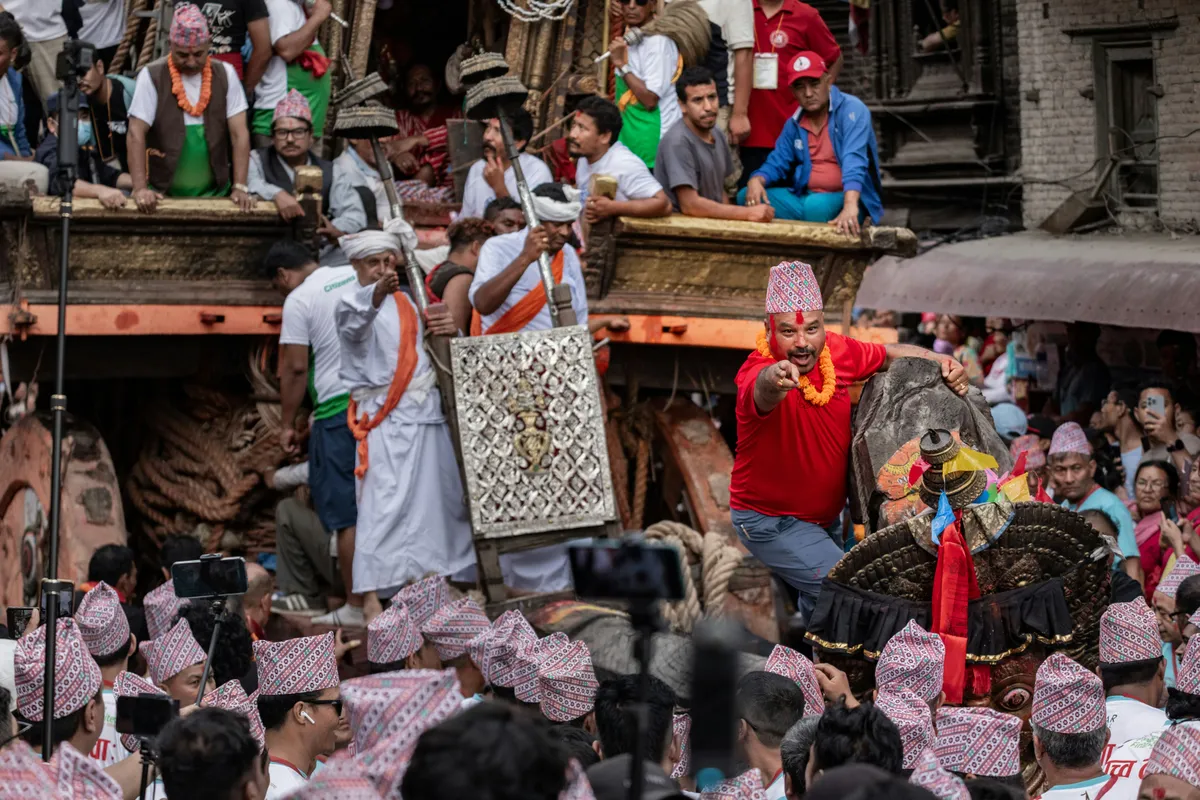 Nepali cultural shows are deeply intertwined with the festival calendar, and many of the dances and musical pieces you see at a heritage dinner originate in specific festival contexts. During Indra Jatra, celebrated in September in Kathmandu's Durbar Square, the Lakhe dance takes to the streets alongside the chariot of the living goddess Kumari. Dashain, the biggest Hindu festival in Nepal, brings families together for devotional music and community gatherings that often include impromptu folk performances. Tihar, the festival of lights, features Deusi and Bhailo songs, where groups of young people go door to door singing and dancing in exchange for blessings and sweets. If you are fortunate enough to visit Kathmandu during one of these festivals, you can experience the cultural show in its most authentic form, performed not for tourists but for the community itself. The Indra Jatra festival experience in Kathmandu is one of the best ways to witness this living tradition up close.
How Do Cultural Shows Preserve Nepali Heritage for Visitors?
Cultural shows serve as a critical preservation mechanism for Nepali heritage, especially in an era when globalization and urbanization threaten to erase traditional art forms. Many of the instruments, dances, and musical styles performed at these shows are passed down orally from master to student, with no written notation. If they are not performed regularly, they risk disappearing entirely. By providing a stage and a paying audience, cultural shows give traditional artists a reason to keep practicing and teaching. For visitors, this means that the show you watch tonight is not a static museum piece but a living, evolving tradition. You are watching the same Lakhe dance that Newar families have performed for generations, the same sarangi melodies that once traveled from village to village, and the same devotional bhajans that still echo through temple courtyards at dawn. To understand how this fits into the broader spiritual life of the valley, explore the ancient traditions of the Newars and the spiritual heritage of Kathmandu Valley.

What Should You Expect as a Tourist at a Nepali Cultural Show?
As a tourist attending a cultural show in Kathmandu, you can expect an intimate, sensory-rich experience that lasts between 90 minutes and two hours. Most heritage restaurants and cultural centers begin their evening shows around 7:00 or 7:30 PM, often after dinner service has started. The atmosphere is usually relaxed and informal, with audience members seated at tables or on floor cushions. Performances typically include four to six different pieces, each representing a different ethnic community or musical style. You will see costume changes, hear explanations of the cultural significance of each dance, and may even be invited to join in the final number. Photography is usually welcome, though flash is discouraged during sacred or devotional pieces. The vibe is celebratory but respectful, and you do not need any prior knowledge of Nepali culture to enjoy it fully.
Tips for Enjoying and Photographing Cultural Performances
To get the most out of a Nepali cultural show, arrive early enough to settle in before the first performance begins, as the opening piece is often the most atmospheric. Sit near the front if you want to capture detailed photographs, but be mindful of blocking the view for others. For photography, use a fast lens and a high ISO setting, as lighting is typically warm and dim, which is beautiful for the eyes but challenging for cameras. Avoid flash, which washes out the rich colors of traditional costumes and can disturb the dancers. If you are filming video, focus on capturing the rhythm and the audience reactions as much as the performers themselves, because the energy of the room is a big part of the experience. Most importantly, put your camera down for at least one piece and simply watch. The magic of a live cultural performance is not something a lens can fully capture.
How Can You Combine Cultural Shows With Food Tours and Heritage Walks?
One of the most rewarding ways to experience Kathmandu is to combine a cultural show with a food tour and a heritage walk, creating a full day of sensory immersion in the valley's living traditions. Start your afternoon with a guided walk through the old city, exploring hidden courtyards, temple complexes, and artisan workshops that most visitors never see. As the sun sets, transition to a food tour that takes you through local markets and family-run kitchens, tasting Newar snacks, fresh street food, and traditional sweets along the way. End the evening at a heritage restaurant for the cultural show and dinner, where the sounds, flavors, and stories of the day come together in a single celebration. The traditional Nepali culinary food tour is designed to weave these elements together seamlessly, and the temple aarti evening heritage walk in Kathmandu adds a spiritual dimension to the journey.
What Role Does Religion Play in Nepali Music and Dance?
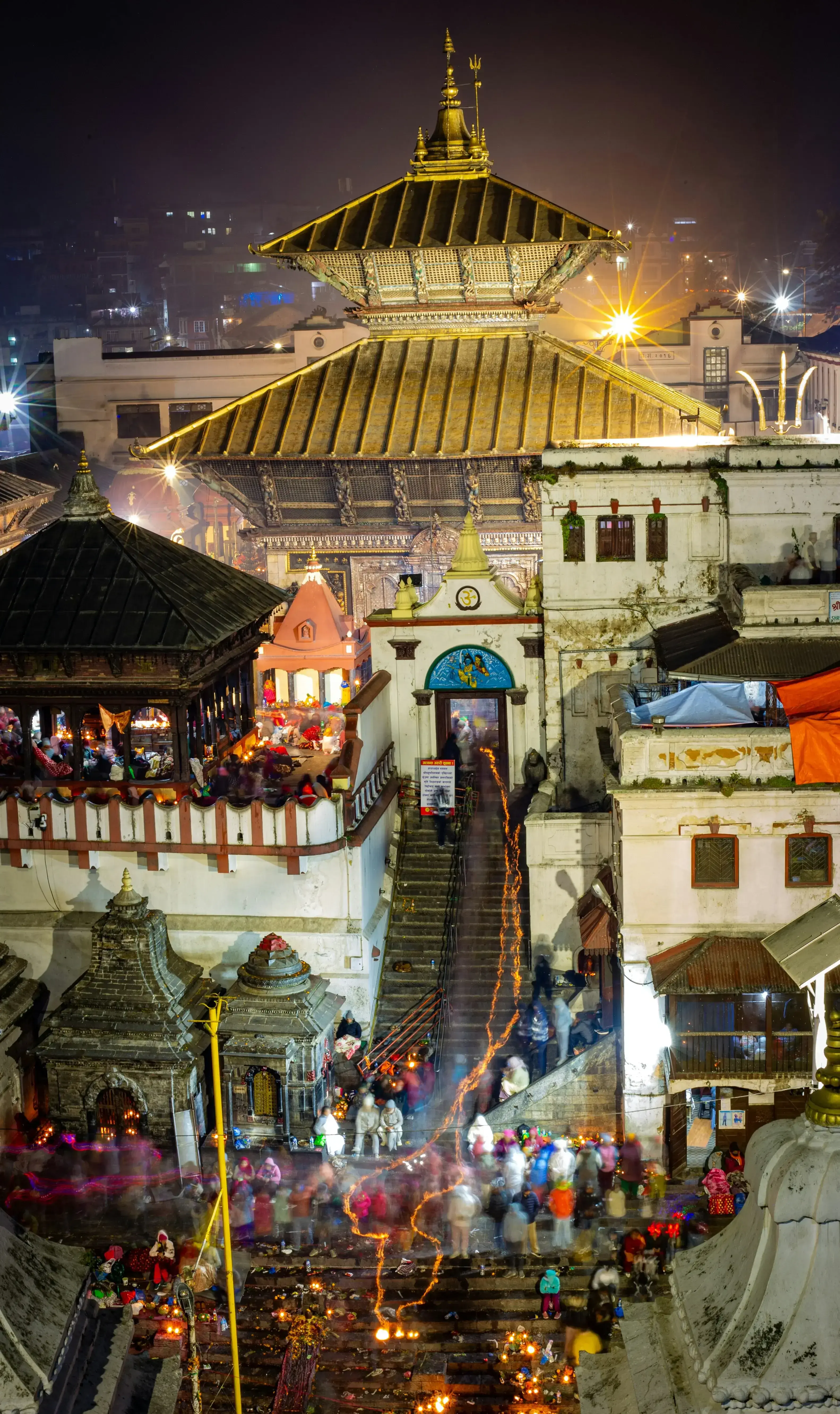
Religion is woven into the fabric of Nepali music and dance so deeply that it is impossible to separate the two. Many of the dances performed at cultural shows, from the Lakhe dance to the Gurung Ghantu, have roots in religious mythology and ritual practice. The Lakhe, for example, is not just a character in a dance but a guardian spirit in Newar Buddhist and Hindu cosmology, believed to protect the community from evil. Devotional bhajans sung at temples are prayers set to music, and the instruments used in these performances are often consecrated before they are played. Even secular folk songs carry spiritual undertones, referencing local deities, sacred rivers, and pilgrimage sites. Understanding this religious dimension enriches your experience of a cultural show, because you realize that what you are watching is not just art but a form of worship and communal memory. The spiritual evening aarati at Pashupatinath offers a powerful example of how music, fire, and devotion merge in Nepali spiritual practice.
Are Nepali Cultural Shows Suitable for Families and Children?
Nepali cultural shows are exceptionally family-friendly and are one of the best evening activities in Kathmandu for travelers with children. The performances are visual, energetic, and full of color, which naturally captivates young audiences. The Lakhe dance, with its giant mask and acrobatic leaps, is particularly thrilling for kids, while the melodic sarangi and bansuri pieces provide a calmer counterpoint. Most heritage restaurants serve mild, child-friendly Nepali dishes alongside spicier options, and the informal seating arrangement means children can move around without disrupting the performance. Many shows include an interactive segment at the end where audience members, including children, are invited to try a simple dance step or play a rhythm on the madal. This hands-on participation makes the experience memorable for the whole family and gives children a tangible connection to Nepali culture that no museum can replicate.
How Are Modern Nepali Musicians Blending Tradition With Contemporary Sounds?
A new generation of Nepali musicians is actively blending traditional sounds with contemporary genres, creating a fusion scene that is gaining recognition both within Nepal and internationally. Artists are combining the sarangi and madal with electric guitars, synthesizers, and digital production techniques to create music that feels both ancient and new. Some cultural shows in Kathmandu now include a fusion segment alongside the traditional pieces, giving audiences a taste of where Nepali music is heading, not just where it has been. This evolution is not a threat to tradition but a continuation of it, because Nepali music has always absorbed influences from neighboring cultures while maintaining its core identity. The result is a living art form that remains relevant to younger generations and accessible to global audiences, ensuring that the traditions you see on stage tonight will continue to evolve for decades to come.
The Best Season for Experiencing Cultural Shows in Kathmandu
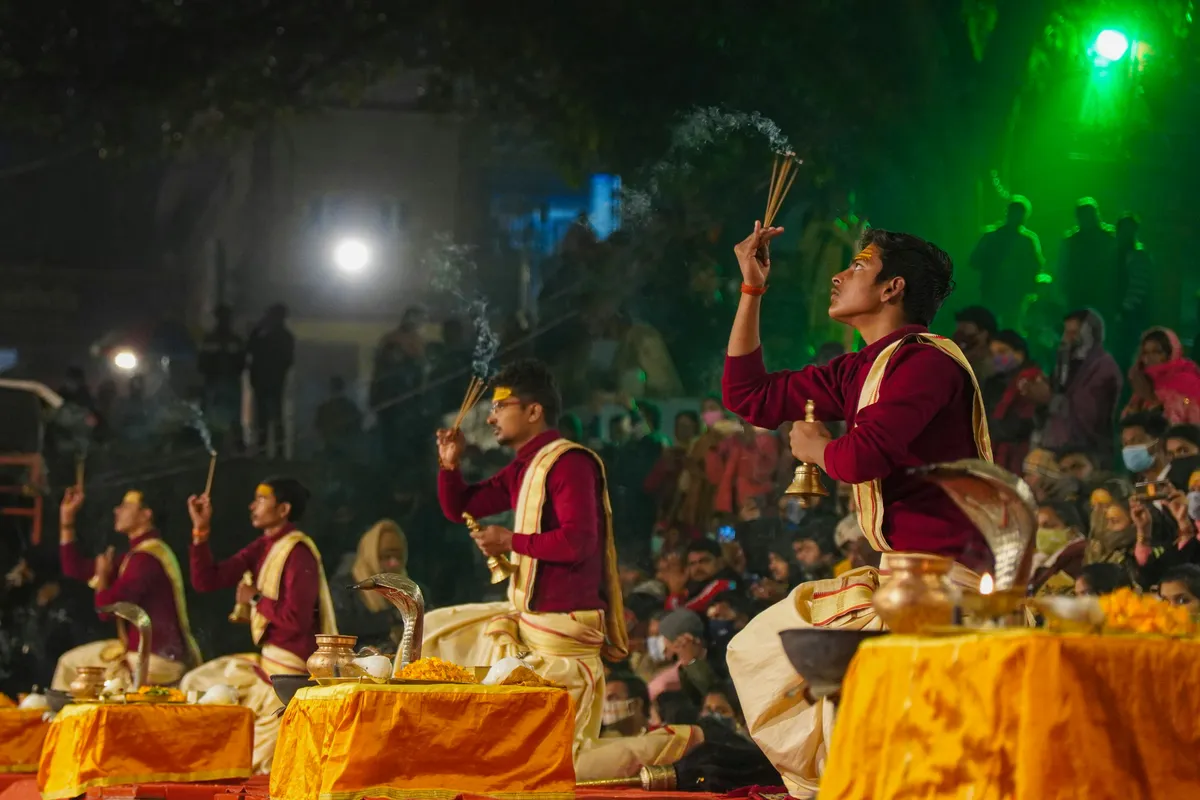
Kathmandu offers cultural shows year-round, but the best seasons for experiencing them are autumn (September to November) and spring (March to May), when the weather is mild, the skies are clear, and the festival calendar is at its richest. Autumn is the peak festival season in Nepal, with Indra Jatra, Dashain, and Tihar all falling within a span of about two months. During this period, cultural shows are more frequent, more elaborate, and often augmented by spontaneous street performances that you will not find at any other time of year. Spring brings the Nepali New Year (Bisket Jatra in Bhaktapur) and Holi, the festival of colors, both of which feature vibrant musical traditions. Winter (December to February) is quieter but offers intimate indoor shows in heritage restaurants, while the monsoon season (June to August) sees fewer outdoor performances but is a good time to experience cultural centers and theater productions. Whenever you visit, there is always a show to be found in Kathmandu.
How Cultural Shows Support Local Artists and Communities
The economic impact of cultural shows on local artists and communities is significant and multifaceted. Traditional musicians and dancers in Nepal often struggle to make a living from their art alone, and many are forced to take day jobs in tourism, construction, or office work to support their families. Cultural shows provide a reliable income stream that allows these artists to dedicate more time to practicing, teaching, and preserving their traditions. Many heritage restaurants and cultural centers also source their food, decor, and staff from the surrounding community, multiplying the economic benefit. Some organizations go further by running workshops and training programs for young people, ensuring that the next generation of performers is equipped to carry the traditions forward. When you buy a ticket to a cultural show, you are not just paying for an evening of entertainment. You are directly supporting the survival of art forms that have no written record and no institutional backing, and you are helping the people who keep them alive.