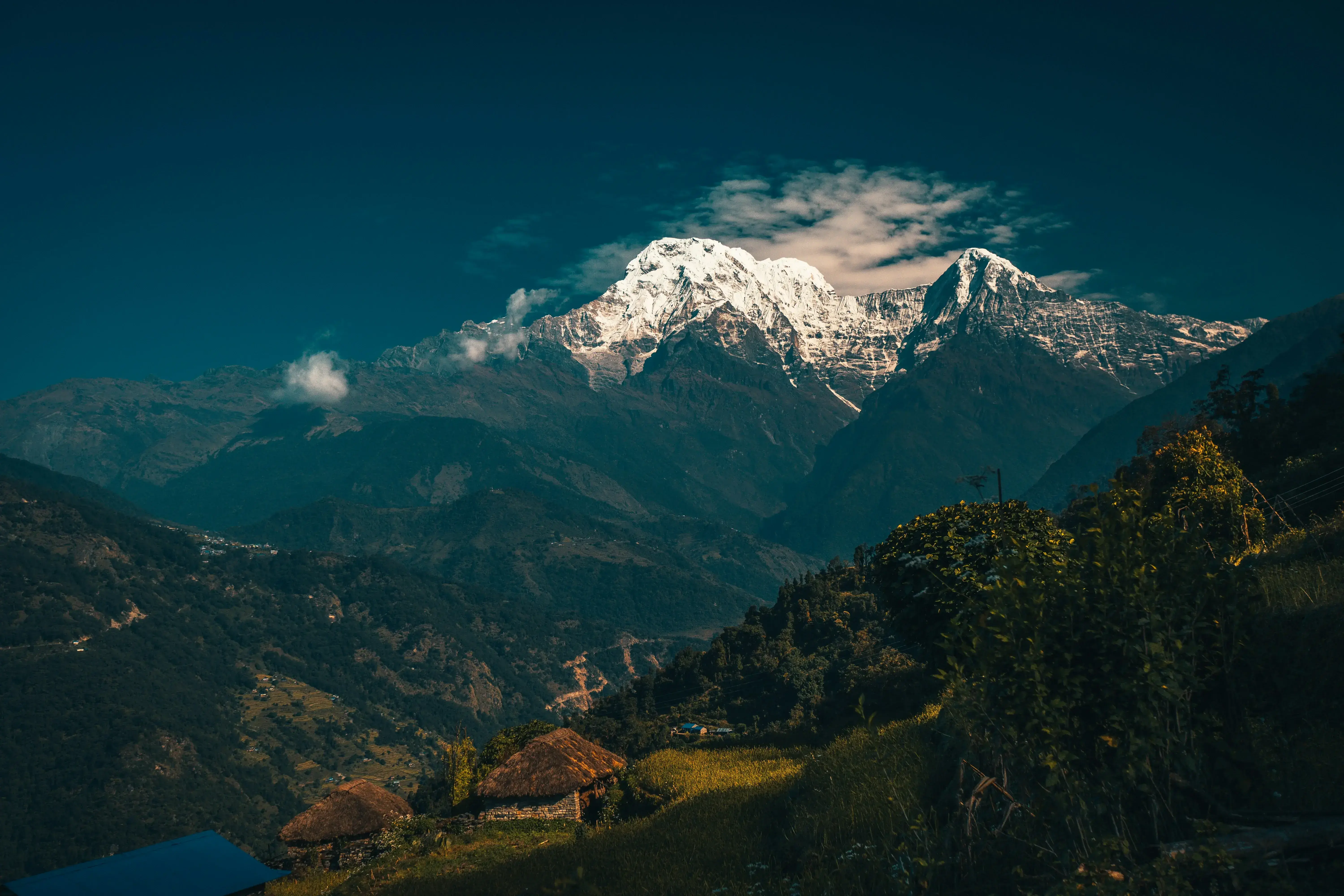
Kathmandu, the beating heart of Nepal, sits in a bowl-shaped valley ringed by green hills where three ancient kingdoms once traded spices, rice, and recipes across the Himalayan foothills. Today the capital is South Asia's most underrated food city, a place where Newar feasts from the medieval Malla courts share the same street with Tibetan dumpling steamers, Thakali highland kitchens, and Indian chaat carts. A Nepali food tour in Kathmandu in 2026 is not just a meal, it is a 2,000-year journey through migration, trade, and devotion, served on brass plates and banana leaves.
This guide walks you through every essential dish, neighborhood, and dining experience you need to plan the ultimate culinary trip to Nepal's capital. Whether you are wondering what to eat first in Thamel, how to decode a samay baji platter, or where to find the best Thakali thali, you will find practical, tested answers below. For a deeper cultural framing of Nepal's heritage landscape, see our complete 2026 guide to cultural and spiritual tours in Nepal.


Why Is Kathmandu a Top Food Destination in South Asia in 2026?
Kathmandu earns its place as a top South Asian food destination because no other city layers so many living culinary traditions inside a 20-kilometer valley. The indigenous Newar people built a sophisticated feasting culture around courtyard buffets, ritual foods, and fermented preparations that still define the city's flavor. Layered on top are Tibetan, North Indian, and highland Thakali influences carried in by traders, pilgrims, and migrants over centuries. In 2026, a new wave of heritage restaurants, guided food walks, and farm-to-table Newari kitchens has made the city more accessible to visitors than ever, without losing its street-level authenticity.
What Are the Must-Try Nepali Dishes Every Visitor Should Eat?
Every visitor to Kathmandu should eat five foundational Nepali dishes to understand the national palate: steamed momos, dal bhat, sel roti, yomari, and choila. Together these dishes cover the full range of Nepali cooking, from everyday home meals to festival sweets and grilled street snacks. They appear in every neighborhood from Thamel to Bhaktapur, and a good traditional Nepali culinary food tour will make sure you taste each one in its most authentic setting.
Momos: Nepal's Beloved Steamed Dumplings
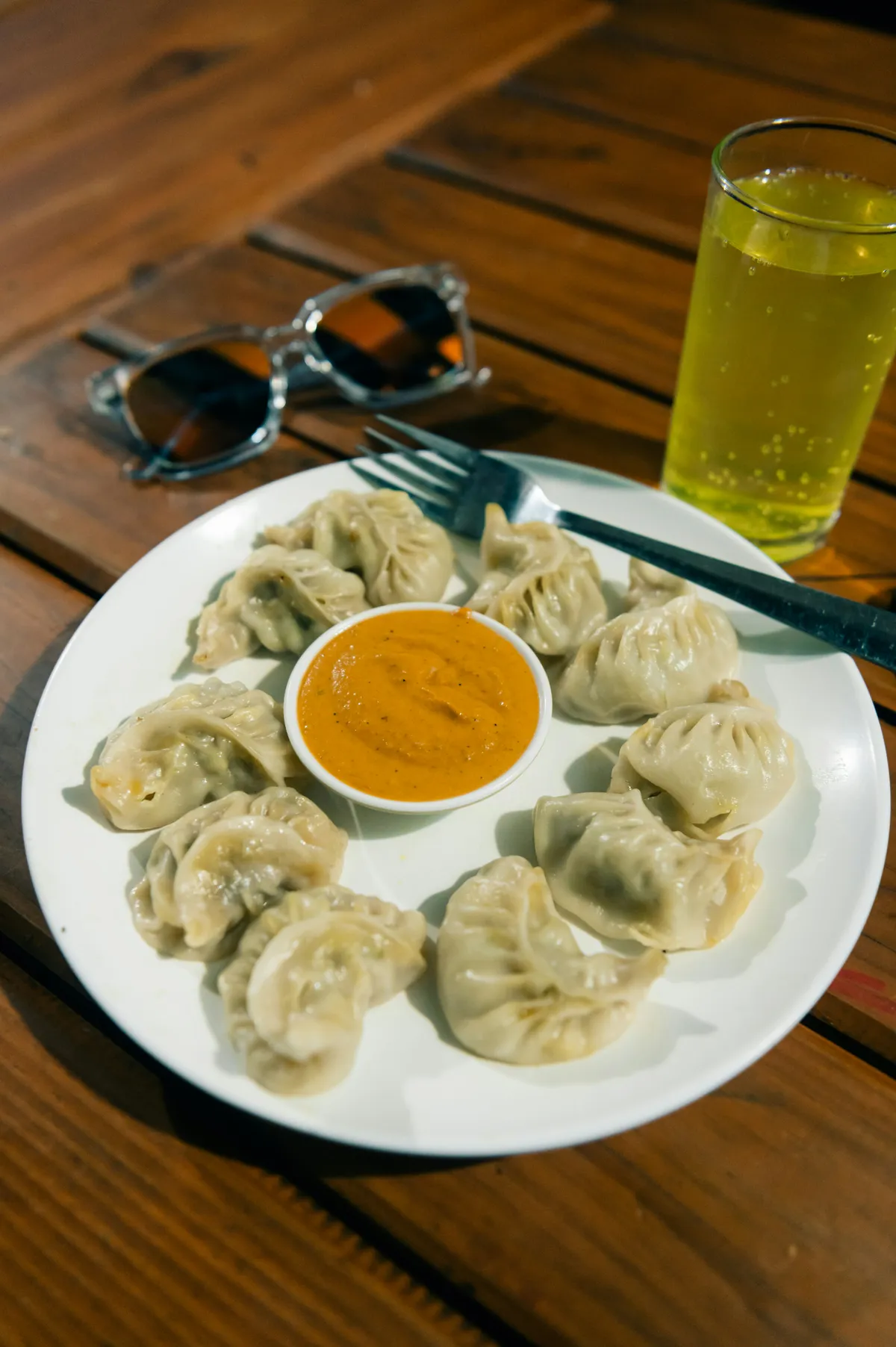
Momos are Nepal's national obsession, small dumplings of wheat flour wrapped around a filling of minced buffalo, chicken, or vegetables, then steamed in bamboo baskets and served with a fiery tomato achar (chutney). You will find momo shops on every corner of Kathmandu, from hole-in-the-wall counters in Asan to rooftop restaurants in Thamel. The best ones have a thin, almost translucent wrapper and a filling that balances garlic, ginger, and toasted cumin. Order them steamed first, then try kothey (half-fried, half-steamed) and C-momo (pan-fried in a spicy sauce) for the full experience. For most travelers, the first plate of momos is the dish that turns a trip into a food pilgrimage.
Dal Bhat: The Soul of Nepali Home Cooking
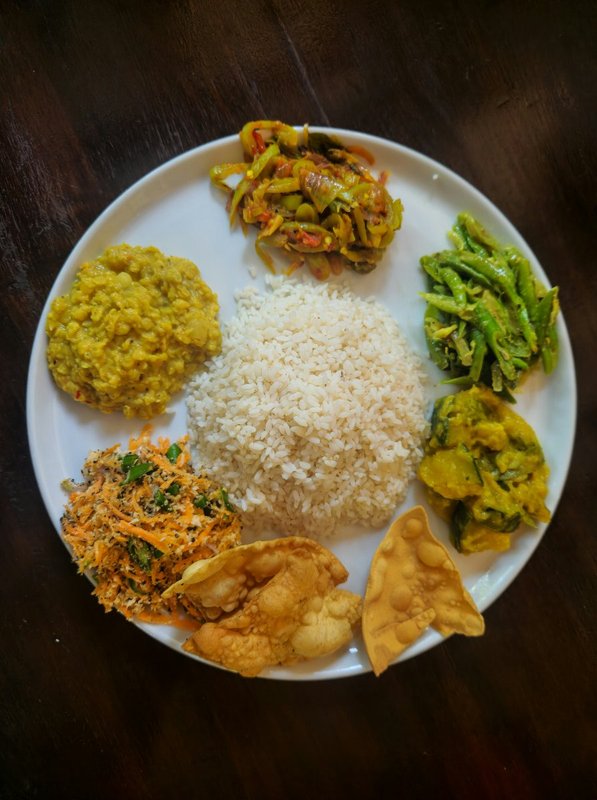
Dal bhat is the meal that fuels Nepal, a plate of steamed rice (bhat) paired with a bowl of slow-cooked lentil soup (dal), seasonal vegetables (tarkari), and a scoop of greens (sag). In 2026 it is still the dish Nepalis miss most when they travel abroad, and it is the meal you will eat on every trek from Annapurna to Everest. In Kathmandu, dal bhat is served everywhere from roadside stalls to refined Newari restaurants, often with unlimited refills of rice and dal. A proper dal bhat plate may also include achar, papad, and a small piece of meat curry, making it a complete, balanced meal that tells you exactly how Nepalis eat at home. Our deeper dive into this dish lives in A Taste of Nepal: Dal Bhat, Newari Feasts, and the Thakali Thali.
Sel Roti: The Ring-Shaped Rice Flour Bread
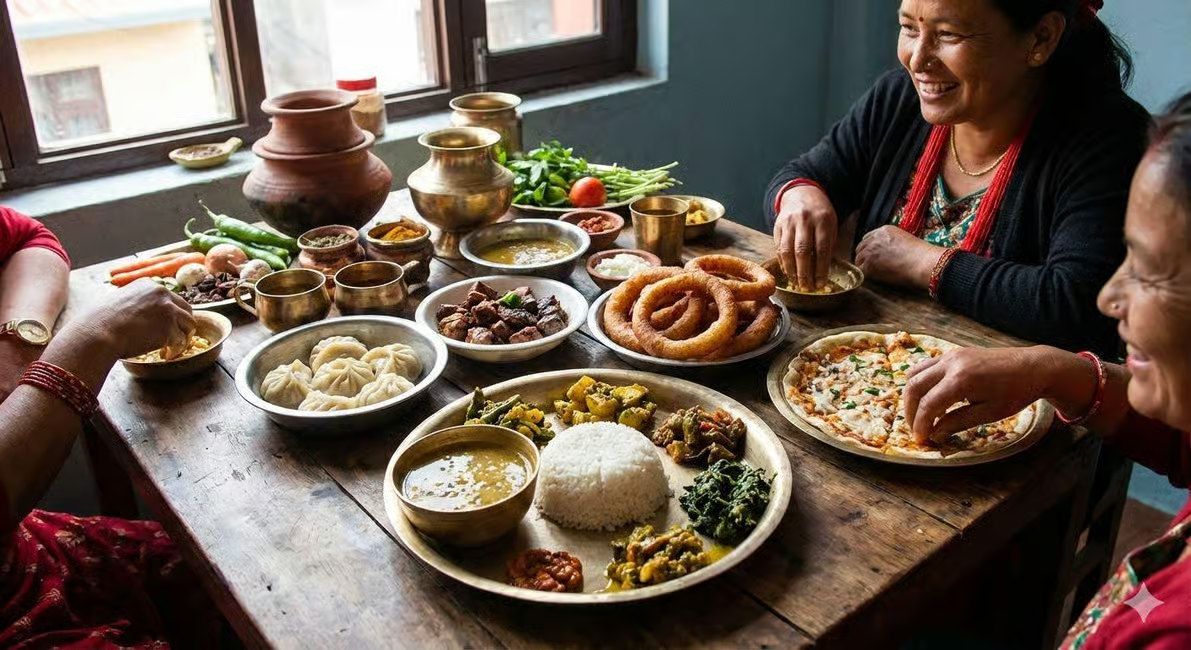
Sel roti is a festive rice flour bread shaped like a thin ring, deep-fried until golden and slightly crisp on the outside while soft and slightly sweet inside. It appears in every Nepali household during Dashain and Tihar, but in Kathmandu you can find it year-round in the old market lanes of Asan and Indrachowk, where vendors fry it in large woks over gas burners. Eaten with a cup of milk tea or paired with aloo dum (spiced potato curry), sel roti is the taste of Nepali celebration. It is also one of the most photogenic foods in the country, and you will see locals carrying strings of sel roti on buses heading home for the holidays.
Yomari: The Sweet Steamed Dumpling of the Newar
Yomari is a delicacy of the Newar people, a steamed dumpling shaped like a fig, filled with a warm mixture of molasses (chaku) and sesame seeds, or sometimes khuwa (thickened milk). It is traditionally made during the Yomari Punhi festival in December, when farmers celebrate the rice harvest, but several heritage kitchens in Kathmandu now serve it throughout the year. The first bite is a surprise: the soft rice dough gives way to a molten, caramel-like center that is deeply sweet without being heavy. If you visit Kathmandu in winter, yomari is the dish that will make you understand why Nepali sweets are so revered.
Choila: Spiced Grilled Meat from the Newar Kitchen
Choila is the centerpiece of Newar snacking, a dish of grilled, spiced meat, traditionally water buffalo, sliced thin and tossed with roasted mustard oil, fresh garlic, ginger, and toasted timur (Nepali peppercorn). It is smoky, pungent, and electrifying, and it is almost always eaten with beaten rice (chiura) and a shot of chhyang (rice beer). In Kathmandu, the best choila is found in Newar eateries in Patan and Bhaktapur, where it is grilled over open coals in the morning and sold until it runs out. Vegetarian versions made with mushrooms or soya chunks are increasingly common, so ask if you do not eat meat.
What Makes Newari Cuisine So Special in Kathmandu?
Newari cuisine is special because it is one of the oldest living feasting traditions in the Himalayas, developed by the Newar people who have inhabited the Kathmandu Valley for over two millennia. Every Newar dish is tied to a ritual, a festival, or a caste obligation, which means eating Newari food is also an act of cultural preservation. In Kathmandu, Newari kitchens serve everything from simple street snacks to elaborate 12-course buffets called bhoj, and many of the dishes below cannot be found anywhere else in Nepal or the world.
Samay Baji: The Newar Ritual Feast on a Plate
Samay baji is the quintessential Newar plate, a ritual meal laid out on a leaf or brass plate that includes beaten rice, choila, boiled eggs, fried fish, soybeans (bodi), black soybean (mas), ginger, garlic, and achar. It is the food served at Newar festivals, weddings, and life-cycle ceremonies, and it is now available at heritage restaurants across Kathmandu and Patan. Eating samay baji is not just a meal, it is an invitation into the social and spiritual fabric of Newar life. Each item has a symbolic meaning, and the plate is traditionally blessed before eating.
Bara: The Savory Lentil Pancake
Bara is a pan-fried pancake made from soaked black lentil batter, lightly spiced and cooked until crisp on the edges and soft in the center. It can be topped with an egg (known as dbin lhayegu) or eaten plain, and it is a staple at Newar street stalls, especially during the Siti Nakha festival. For vegetarians, bara is one of the most satisfying and protein-rich dishes in Nepali cuisine, and it pairs beautifully with a bowl of wat (Newar meat or vegetable curry).
Chatamari: The So-Called Newari Pizza
Chatamari is a thin, crepe-like rice flour pancake topped with minced meat, eggs, and herbs, often called the "Newari pizza" by locals and guides. It is cooked on a hot griddle until the base is crisp and the topping is set, then cut into wedges and eaten with the hands. Vegetarian versions topped with vegetables and cheese are widely available. Chatamari is a must-order at any Newari restaurant, and it is one of the dishes most likely to surprise visitors who think Nepali food is only momos and dal bhat.
Chhyang: The Traditional Rice Beer
Chhyang (also spelled chhaang) is a mildly alcoholic fermented rice beer that has been drunk in the Kathmandu Valley for centuries, traditionally served warm in wooden or brass bowls. It is the drink that accompanies Newar feasts, and it has a slightly sweet, cloudy flavor that is far gentler than commercial beer. In 2026, several Newari restaurants in Kathmandu still brew their own chhyang in clay pots, and it is the perfect accompaniment to choila and samay baji on a cool evening.
What Is a Thakali Thali and Where Can You Find the Best One?
A Thakali thali is a complete meal set from the Thakali people of the Kali Gandaki valley in Mustang, served on a brass or steel platter with rice in the center surrounded by small bowls of dal, gundruk (fermented greens), achar, meat curry, vegetables, and curd. The defining element is the jimbu-seasoned dal, made with a Himalayan herb that gives it a distinctive savory aroma found nowhere else in Nepal. Thakali thali is often considered the finest everyday meal in the country, and Kathmandu has dozens of restaurants specializing in it, from casual lunch counters to upscale heritage kitchens. If you only eat one set meal in Kathmandu, make it a Thakali thali, and read our companion piece on dal bhat, Newari feasts, and the Thakali thali for the full story.
Gundruk: Nepal's Fermented Leafy Green Superfood
Gundruk is Nepal's signature preserved food, made by fermenting leafy greens (usually mustard or radish leaves) in earthen pots for several weeks, then sun-drying the result. It has a tangy, slightly sour flavor and is most often cooked into a soup or stir-fried with tomatoes and chilies. Gundruk is the taste of winter in a Nepali village, and it appears as a side in nearly every Thakali thali. It is also one of the most sustainable food traditions in the country, using zero-waste fermentation to preserve the summer harvest for the cold months.
Achar: The Nepali Pickle That Wakes Up Every Meal
Achar is the umbrella term for Nepal's vast world of pickles and chutneys, ranging from fresh tomato-cilantro achar served with momos to aged fermented radish achar that lasts for months. A good achar is the condiment that makes every plate of dal bhat or momo come alive, and no Thakali thali is complete without at least two types. In Kathmandu, you will find achar made with sesame, mustard oil, lemon, roasted soybeans, and even bamboo shoots, each one adding a different layer of heat, sourness, and umami.
Where Can You Find the Best Street Food in Kathmandu?
The best street food in Kathmandu is found in the old market squares of Asan, Indrachowk, and Mangal Bazaar in Patan, where vendors have been selling the same recipes for generations. Look for carts selling chatpate (a tangy mix of puffed rice, potato, chickpeas, and tamarind), panipuri (crispy shells filled with spiced water), and aloo tikki (fried potato patties). In the mornings, the lanes around Asan fill with sellers of sel roti, jeri (jalebi), and freshly boiled milk. Street food in Kathmandu is fast, cheap, and intensely flavorful, and it is the best way to eat like a local, but always choose busy stalls with high turnover to ensure freshness.
How Do Heritage Dining Experiences Work in Kathmandu?
Heritage dining experiences in Kathmandu combine a multi-course Nepali or Newari meal with a cultural performance, typically held in a restored courtyard, traditional Newar house, or restaurant designed to feel like a village feast. The meal usually includes a samay baji platter, dal bhat, seasonal vegetables, achar, and a dessert like yomari or sikarni (spiced yogurt). The cultural show features traditional music, masked dance, or a short performance of Nepali folk storytelling. These dinners are ideal for travelers who want to understand the food and the culture in one evening, and they start from around USD 30 per person with hotel pick-up included. You can book one through our traditional Nepali culinary food tour activity page.
Should You Take a Guided Food Tour or Eat Your Way Solo?
Whether to take a guided food tour or eat solo depends on your time and confidence. A guided tour is ideal for first-time visitors who want to decode the menu, avoid stomach issues, and reach authentic spots they would never find alone. Most guided food walks in Kathmandu last three to four hours, cover six to eight tastings, and include a local guide who explains the cultural significance of each dish. Self-guided eating is rewarding for experienced travelers who are comfortable navigating narrow alleys and ordering in basic Nepali. If you have only one or two days in the city, a guided tour maximizes both safety and flavor, and it pairs well with a longer trekking itinerary, which you can plan using our 2026 guide to choosing the best trekking agency in Nepal.

Which Are the Best Areas for Food in Kathmandu?
The best areas for food in Kathmandu are Thamel for accessibility and variety, Asan for traditional street food and Newari snacks, Patan for the deepest Newari cuisine, and Bhaktapur for king curd and festival sweets. Each area has a distinct character and a different set of specialties, so the most rewarding food trip will visit at least two or three of them. Below is a quick breakdown of what to eat where.
Thamel: The Gateway Kitchen
Thamel is where most travelers start, and while it has a reputation for tourist menus, the best Thamel restaurants serve excellent momos, Thakali thali, and Newari set meals in clean, comfortable settings. It is the easiest place to eat after a long flight, and many rooftop restaurants here offer views over the old city. Look beyond the main strip for the better kitchens, especially the side streets near Chhetrapati and Jyatha.
Asan and Indrachowk: The Old Market Trail
Asan and Indrachowk are the oldest market streets in Kathmandu, and they are the best places to eat street food shoulder-to-shoulder with locals. Here you will find sel roti, chatpate, fresh fruit stalls, and small Newari counters selling bara and choila. Walk through in the morning for breakfast snacks or in the late afternoon for the busiest street food hour. This is the area where a guided walk makes the biggest difference, since the best stalls are unmarked and change location by season.
Patan: The Newar Heartland
Patan, just across the Bagmati River from Kathmandu, is the spiritual home of Newari cuisine. The alleys around Mangal Bazaar and Patan Durbar Square are filled with Newari kitchens serving samay baji, chatamari, and choila grilled over open coals. Patan also has several heritage restaurants that serve elaborate Newari bhoj meals in restored courtyards. If you only have time for one Newari meal, eat it in Patan.
Bhaktapur: The City of Curd and Sweets
Bhaktapur, the third of the valley's ancient kingdoms, is famous for juju dhau, "king curd," a rich, sweet yogurt set in clay pots that is unlike any yogurt you have tasted. The city is also known for its sweets, including lakhamari (a hard, sweet bread) and barfi, and its Newari street food is some of the most authentic in the valley. A day trip to Bhaktapur is worth it for the curd alone, and the old city's traffic-free lanes make it a relaxed place to wander and snack.
What Should Vegetarians and Dietary-Conscious Travelers Know?
Nepali cuisine is one of the most vegetarian-friendly in South Asia, partly because a large share of the population is Hindu vegetarian and partly because Buddhist traditions emphasize ahimsa (non-violence). Almost every restaurant in Kathmandu offers vegetarian versions of momos, dal bhat, and Thakali thali, and many Newari dishes like bara and chatamari have vegetarian variants. When ordering, say "ma vegetarian" (I am vegetarian) or "maasu hudaina" (no meat) to be understood. For strict vegans, avoid ghee (clarified butter) and curd, which are common in Nepali cooking. Spice levels are generally moderate, but achar can be very hot, so ask for "kam tito" (less spicy) if you are sensitive. Food safety is manageable if you follow a few rules: eat at busy stalls, drink only bottled or filtered water, avoid raw salads in street stalls, and peel fruit yourself. Your stomach will usually adjust within a day or two.
What Seasonal and Festival Foods Should You Look For in 2026?
Nepali food is deeply seasonal, and many specialties appear only during festivals or at specific times of the year. In autumn, during Dashain (October), families eat sel roti, goat meat, and rice with special achars. During Tihar (November), homes prepare sweets like laddu, barfi, and sel roti for guests and for the crow, dog, and cow celebrations. In December, the Yomari Punhi festival brings yomari to every Newar household, and in spring, the Holi festival coincides with fresh greens and the first warm-weather fruits. In summer, look for cooled yogurt drinks (lassi), fresh mango, and the lighter vegetable curries that replace the hearty winter stews. If you are planning a trip around Nepal's festival calendar, pair it with our guide to cultural and spiritual tours in Nepal for a fuller itinerary.
What Are the Best Nepali Drinks to Try in Kathmandu?
Nepali drinks are as varied as the food, and three stand out for any visitor: chiya, raksi, and tongba. Chiya is Nepali milk tea, brewed with black tea, milk, sugar, cardamom, and sometimes ginger, and it is the social fuel of the country, served in every home, shop, and trail-side stall. Raksi is a strong distilled spirit, usually made from rice or millet, with a clean, potent bite, and it is the drink of Newar celebrations and rural gatherings. Tongba is a warm millet beer poured into a wooden or bamboo vessel, filled with hot water repeatedly until the grain is spent, and it is the iconic drink of the eastern Himalayan communities. All three are worth trying, but drink raksi and tongba in moderation, as they are stronger than they taste. For a non-alcoholic alternative, try lassi (sweet yogurt drink) or fresh sugarcane juice from street presses.
How Should You Photograph Food and Respect Local Customs?
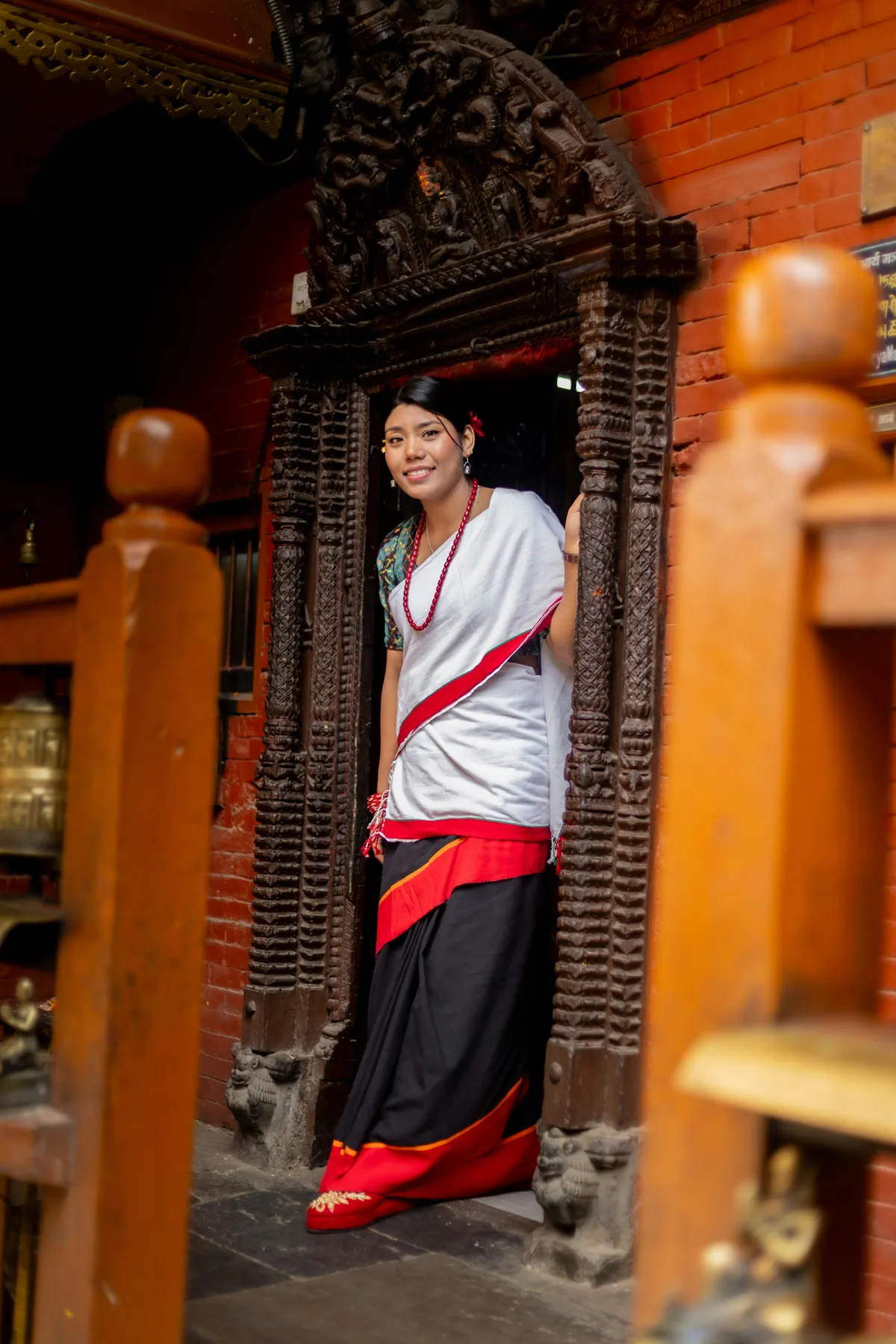
Food photography in Kathmandu is welcomed in most restaurants and street stalls, but a few customs should be respected. Always ask before photographing inside a temple kitchen or a home, as some ritual foods are sacred and photographing them may be inappropriate. When shooting street food, a smile and a quick "photo linchu?" (may I take a photo?) goes a long way. Do not use flash in dimly lit heritage restaurants, as it disrupts the atmosphere. When eating with your hands, as is traditional for dal bhat, use only the right hand, never the left, which is considered unclean. Remove shoes before entering a Newar home kitchen, and do not touch serving vessels or plates with the hand you have eaten from. These small gestures show respect and will often earn you an invitation to taste something off the menu.
How Can You Bring Nepali Food Home With You?
The best way to bring Nepali food home is to learn the recipes yourself, and Kathmandu offers hands-on cooking classes where you shop in a local market, cook in a family kitchen, and eat what you prepare. Most classes cover momos, dal bhat, and two or three achars, and they are suitable for beginners. You can also buy packaged spices, timur, jimbu, and dried gundruk in Asan or Kalimati to take home. For the full experience, join a Nepali cooking class in Kathmandu and learn to make momos and dal bhat from a local family. It is the most delicious souvenir you can carry back from Nepal.