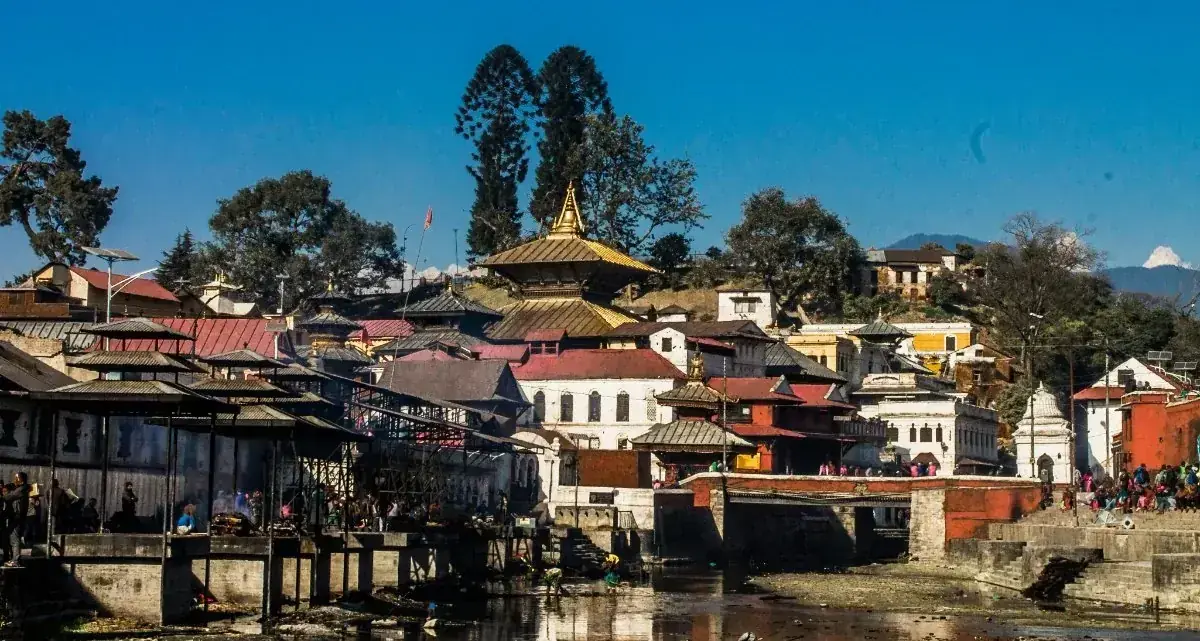
Nepal is not just a trekking destination. It is one of the most spiritually charged places on earth, where ancient Hindu and Buddhist traditions live side by side in a landscape of temples, stupas, mountain lakes, and meditation caves. From the sacred ghats of Pashupatinath to the birthplace of Buddha in Lumbini, from Himalayan yoga retreats to Ayurvedic healing centers in Kathmandu, Nepal offers a spiritual and wellness journey unlike anywhere else. This guide covers everything you need to plan a transformative trip that follows the Enticing Himalayas philosophy: Explore, Heal, Thrive. Whether you are seeking inner peace, physical rejuvenation, or cultural immersion, Nepal's spiritual landscape has something profound to offer.
What Makes Nepal a Premier Destination for Spiritual and Wellness Travel?
Nepal's unique spiritual identity stems from its position as the birthplace of Buddha and home to Pashupatinath, the most sacred Shiva temple in the world. The country's geography adds another dimension: the Himalayas themselves are considered sacred in both Hindu and Buddhist cosmology, with peaks like Kailash, Machhapuchhre, and Gauri Shankar revered as divine abodes. Unlike heavily commercialized wellness destinations, Nepal's spiritual infrastructure remains deeply authentic. Monasteries still teach centuries-old meditation techniques, Ayurvedic practitioners use formulas passed through family lineages, and yoga is practiced on temple grounds where it has been taught for generations. The affordability of extended retreats, the warmth of Nepali hospitality, and the combination of spiritual depth with physical beauty make Nepal an ideal destination for travelers seeking genuine transformation rather than surface-level relaxation.
Where Are the Most Sacred Sites for Spiritual Travel in Nepal?
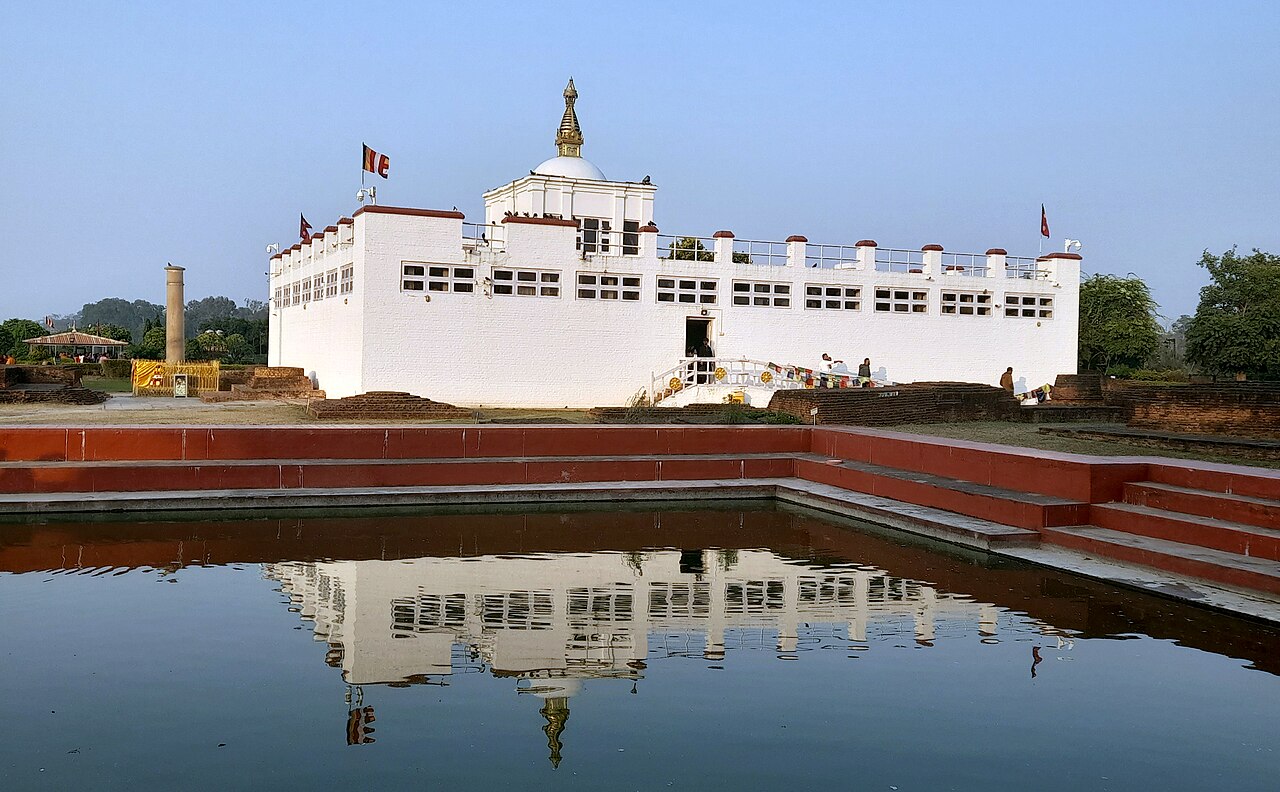
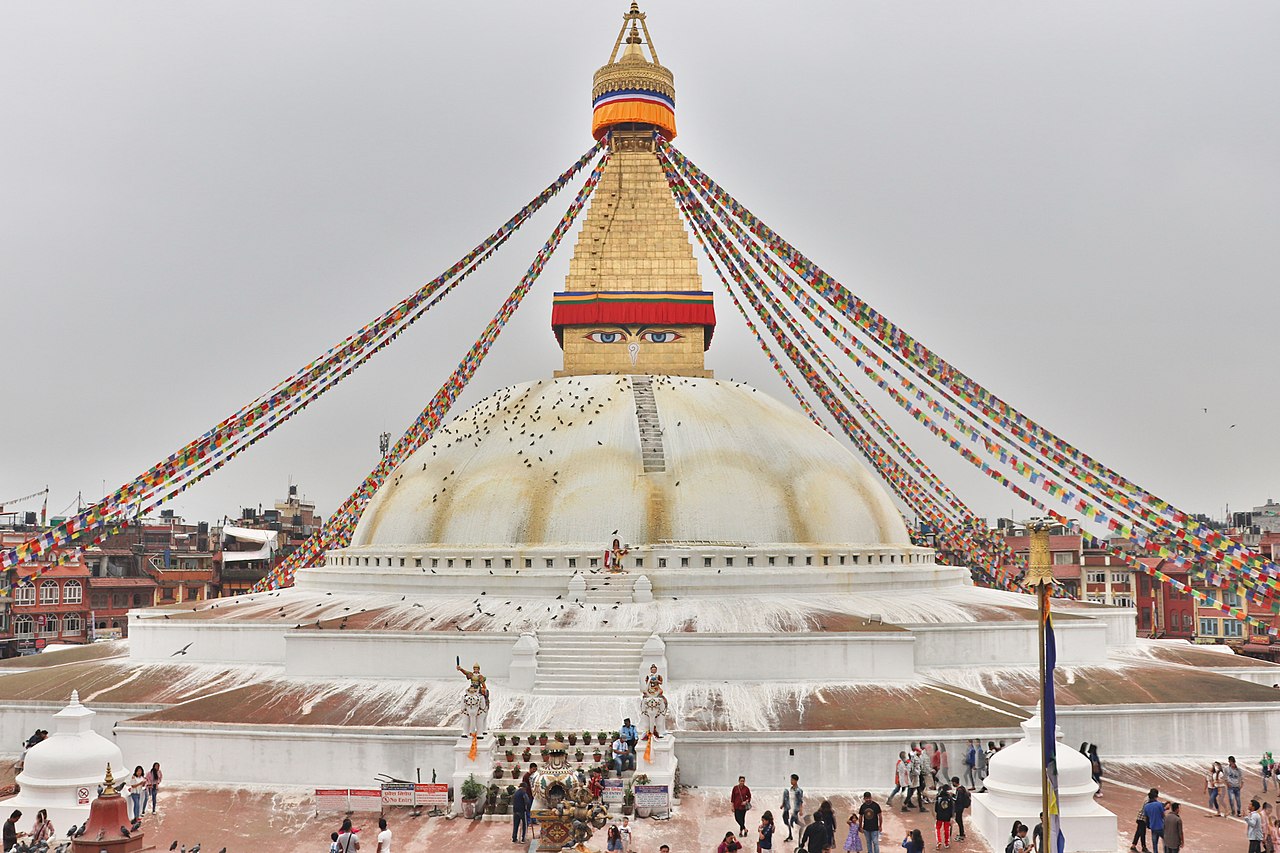
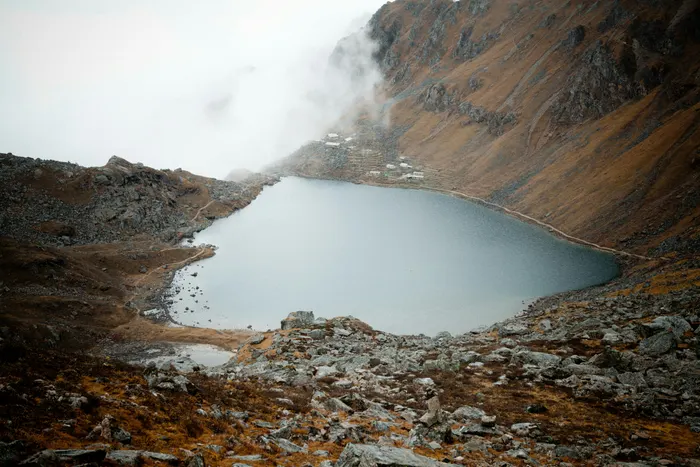
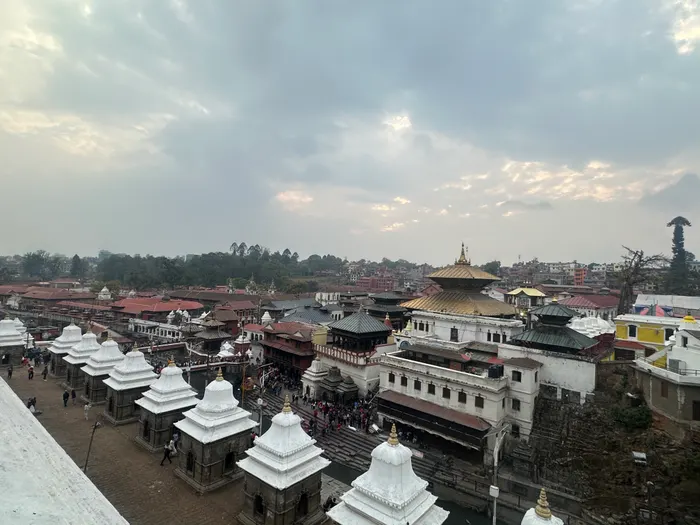
Nepal's sacred geography spans the entire country, from the tropical plains to the high Himalaya. In the Kathmandu Valley alone, seven UNESCO World Heritage Sites form one of the densest concentrations of sacred architecture anywhere in the world. Pashupatinath Temple on the Bagmati River is the holiest Hindu site in Nepal, where the daily Aarati ceremony draws pilgrims and travelers alike. Boudhanath Stupa, one of the largest Buddhist stupas in the world, is the center of Tibetan Buddhism in Nepal, surrounded by monasteries and prayer wheels. Swayambhunath, perched on a hilltop overlooking Kathmandu, is sacred to both Buddhists and Hindus and offers panoramic valley views. Beyond the valley, Lumbini marks the birthplace of Siddhartha Gautama (the Buddha) and is a major pilgrimage destination with monasteries representing Buddhist traditions from dozens of countries. Muktinath, at 3,710 meters in the Annapurna region, is sacred to both Hindus and Buddhists, featuring 108 sacred water spouts and eternal flames. Gosaikunda Lake, at 4,380 meters, is a sacred alpine lake dedicated to Lord Shiva, reached by a trek through pristine forest.
What Types of Yoga Retreats Are Available in Nepal?
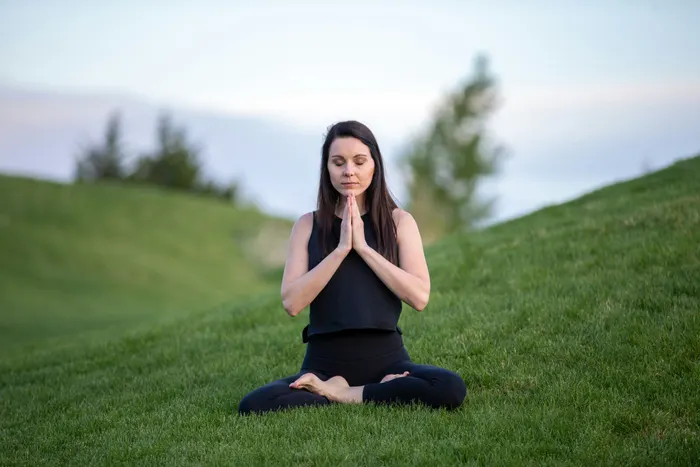
Nepal offers yoga retreats ranging from single-day introductory sessions to multi-week immersive programs. In Kathmandu, the 3 Days Yoga and Sound Healing Retreat combines daily yoga practice with Himalayan sound therapy, using singing bowls and mantras to deepen relaxation. The 4 Days Yoga Retreat and Reiki Healing Therapy adds energy healing to the yoga practice, offering Reiki sessions alongside asana and meditation. The 5 Days Yoga Retreat and Hiking blends yoga with gentle day hikes through the Kathmandu Valley hills, connecting physical practice with nature immersion. Longer programs include the 6 Days Yoga and Stress Management Retreat and the 7 Days Yoga Retreat with Sightseeing, which balances intensive practice with cultural exploration. For a luxury experience, the 9 Days Luxury Yoga, Wellness and Himalayan Escape offers premium accommodations and a curated wellness itinerary.

How Does Ayurveda Work in Nepal's Wellness Tradition?
Ayurveda, the ancient Indian system of natural medicine, has been practiced in Nepal for over 2,000 years. Nepali Ayurvedic traditions draw from both Indian and Tibetan medical systems, creating a unique approach that uses Himalayan herbs, minerals, and dietary therapies. Panchakarma, the signature Ayurvedic detoxification treatment, involves a series of oil massages, herbal steam baths, nasal cleansing, and dietary restrictions designed to remove toxins (ama) from the body. In Kathmandu, certified Ayurvedic centers offer Panchakarma programs ranging from 7 to 28 days, supervised by licensed practitioners who have completed formal training at institutions like the Nepal Ayurveda Medical College. Treatment begins with a consultation (rogi pariksha) where the practitioner assesses your dosha (constitution) and designs a personalized protocol. For travelers interested in experiencing Ayurveda in a retreat setting, the healing experiences curated by Enticing Himalayas provide access to verified practitioners and certified centers.
What Is Sound Healing and How Is It Practiced in Nepal?
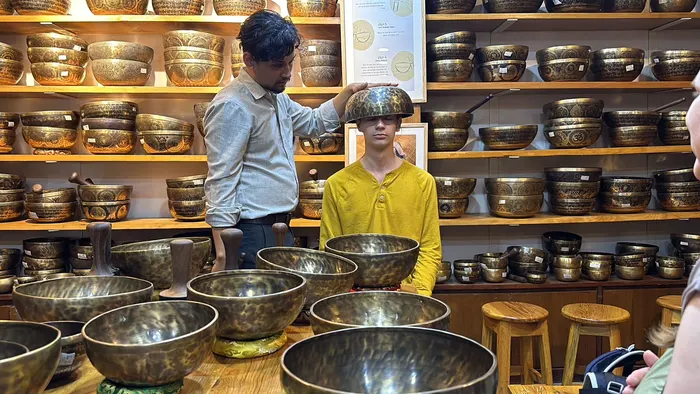
Sound healing is a therapeutic practice that uses vibration and resonance to promote physical and emotional well-being. In Nepal, sound healing is deeply rooted in both Hindu and Buddhist traditions, where mantras, bells, conch shells, and singing bowls have been used for centuries in meditation and healing rituals. Himalayan singing bowls, made from a specific alloy of metals, produce complex harmonic overtones when struck or circled with a mallet. A typical sound healing session lasts 60 to 90 minutes, during which the practitioner places bowls on or near the body and plays them in sequences designed to release tension and induce deep relaxation. The Kathmandu Healing and Himalayan Sound Therapy Retreat (3 Days) offers an immersive experience combining sound healing with yoga and meditation. Sound healing is also a component of many yoga retreats in Nepal, often incorporated as an evening practice to deepen the meditative state.
Where Can You Experience Meditation and Monastery Stays?
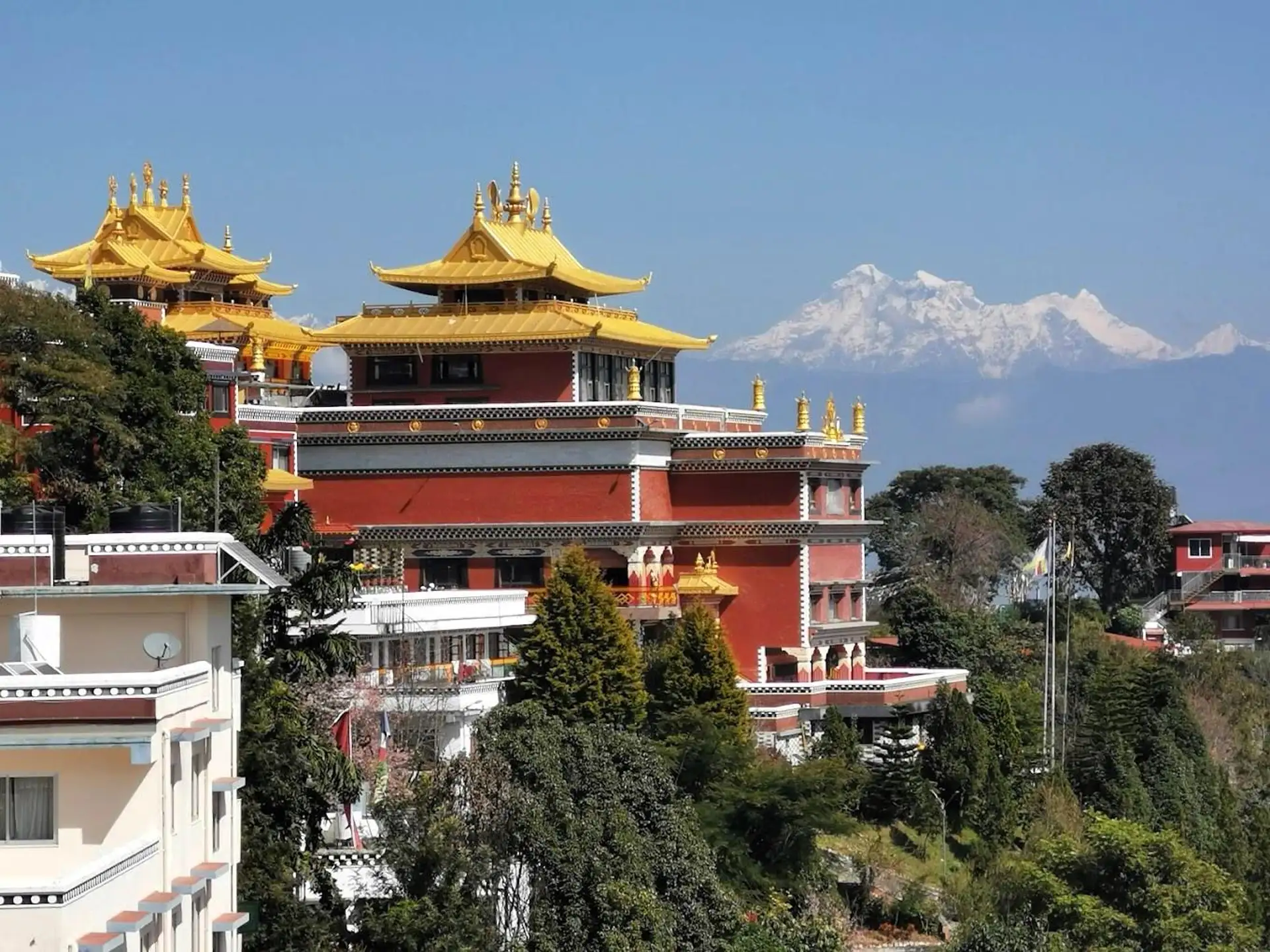
Nepal's Buddhist monasteries offer some of the most authentic meditation experiences available to travelers. In the Kathmandu Valley, monasteries around Boudhanath welcome visitors for day visits and short retreats. Kopan Monastery, on the outskirts of Kathmandu, is famous for its introductory courses in Tibetan Buddhist meditation, offered in formats ranging from one-day sessions to 10-day residential courses. For travelers seeking a quieter setting, the hills around Dhulikhel and Nagarkot offer meditation retreats with Himalayan mountain views. In Lumbini, the birthplace of Buddha, monasteries from numerous countries line the sacred garden, and several offer meditation programs. The Lumbini Buddhist Pilgrimage (3 Days) package provides a structured visit with meditation at key sites. For a combined spiritual and hiking experience, the Dhulikhel to Namobuddha Spiritual Guided Hike connects meditation with a scenic walk through sacred landscapes.
What Wellness Spa and Rejuvenation Options Exist in Kathmandu?
Kathmandu has a growing wellness scene that ranges from day spas to full-service wellness retreats. The Kathmandu Half-Day Wellness and Spa Escape offers a quick rejuvenation experience with massage, steam, and relaxation in a tranquil setting. The Kathmandu Full-Day Trekkers Spa and Wellness Retreat is designed for trekkers returning from the mountains, combining deep tissue massage, herbal steam, and restorative yoga. Many wellness centers in Kathmandu incorporate Ayurvedic principles into their treatments, using locally produced herbal oils and following traditional massage techniques. The Nuwakot Healing Retreat takes wellness beyond the city, offering a nature-immersive healing experience in the hills north of Kathmandu, where clean air, river bathing, and organic food complement meditation and yoga practice. This holistic approach to wellness, combining physical treatments with natural surroundings and spiritual practice, is what sets Nepal's wellness offerings apart from standard spa destinations.
Can You Combine Trekking with Spiritual Practice in Nepal?
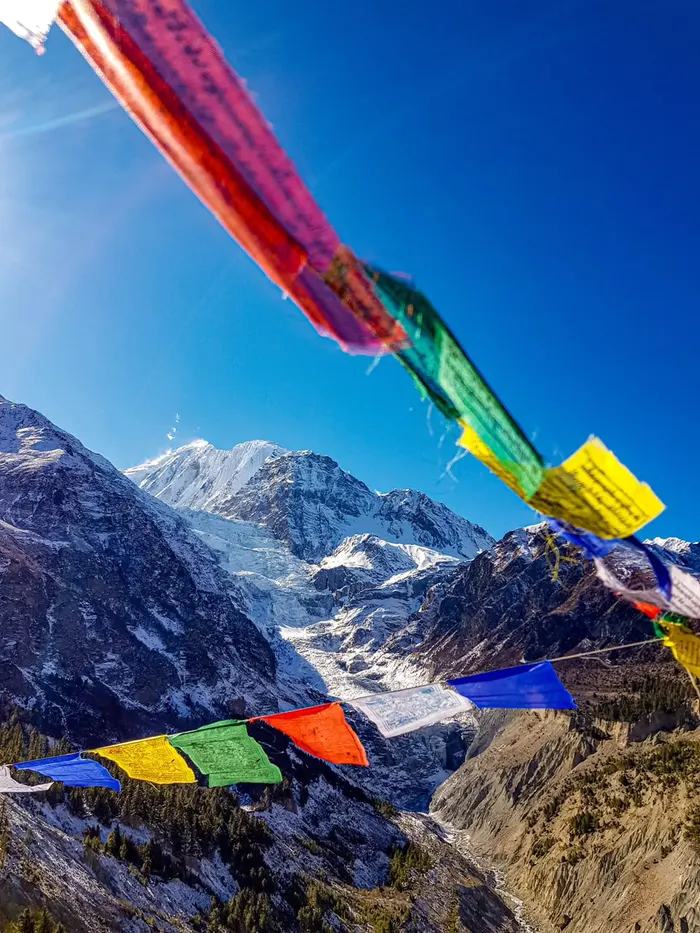
One of Nepal's most unique offerings is the ability to combine trekking with spiritual practice. The Gosaikunda Sacred Lakes Trek and Yoga Retreat (5 Days) combines daily yoga with a trek to one of Hinduism's most sacred alpine lakes. The Annapurna Yoga Trek (9 Days) integrates yoga sessions into a classic Annapurna trekking itinerary, with practice at sunrise against Himalayan backdrops. Treks to Muktinath in the Annapurna region combine physical challenge with pilgrimage, as the site is sacred to both Hindus and Buddhists. For those who want to reach Muktinath quickly, the Muktinath Helicopter Pilgrimage offers a one-day journey from Kathmandu. The concept of combining movement with mindfulness is deeply embedded in Nepali culture, where walking pilgrimages to sacred sites have been a tradition for centuries. These trekking-yoga combinations allow travelers to experience the physical grandeur of the Himalayas while deepening their spiritual practice.
What Is the Best Time of Year for Spiritual and Wellness Travel?
The optimal seasons for spiritual and wellness travel in Nepal are autumn (October to November) and spring (March to May). During autumn, the skies are clear, temperatures are comfortable, and major festivals like Dashain and Tihar add cultural richness to any visit. Spring brings blooming rhododendrons and mild weather, ideal for outdoor yoga and meditation. Winter (December to February) is excellent for indoor retreats in Kathmandu, where the climate is still pleasant during the day, though mornings and evenings can be cold. Monsoon season (June to September) offers a unique atmosphere for meditation retreats, as the rain creates a naturally introspective environment, though trekking routes may be affected. Festival timing can also enhance the spiritual experience: Maha Shivaratri at Pashupatinath (February or March), Buddha Jayanti at Lumbini (May), and Janai Purnima at Gosaikunda (August) are among the most significant spiritual celebrations.
How Do You Choose a Reputable Ayurvedic or Yoga Center?
Selecting the right wellness center requires careful evaluation. Look for practitioners with formal certification from recognized institutions such as the Nepal Ayurveda Medical College, Tribhuvan University, or international yoga alliances. Reputable Ayurvedic centers will conduct a full consultation before treatment, assessing your dosha (body constitution) and medical history rather than offering generic massages. For yoga retreats, check whether the teachers are registered with Yoga Alliance or have equivalent credentials, and whether the retreat includes personalized attention rather than large group-only classes. Reading reviews from past participants, checking the center's website for transparency about their practitioners' qualifications, and asking about the daily schedule and included services are all important steps. Enticing Himalayas partners with verified centers across Nepal, ensuring that the wellness experiences offered through their healing programs meet quality and safety standards. Avoid centers that make extravagant health claims or pressure you into expensive treatment packages.
What Should You Pack for a Spiritual Retreat in Nepal?
Packing for a spiritual retreat in Nepal requires balancing comfort, modesty, and practicality. Bring loose-fitting, breathable clothing for yoga and meditation sessions, covering shoulders and knees for temple visits. Layered clothing is essential for the temperature variation between warm afternoons and cool mornings and evenings, especially if your retreat includes outdoor practice. A good quality yoga mat (though most centers provide them), a reusable water bottle, natural insect repellent, and a journal for reflection are recommended. If visiting during monsoon, include a lightweight rain jacket and quick-dry clothing. For retreats outside Kathmandu, especially in hill towns like Dhulikhel or Nuwakot, pack warm layers for evenings. Comfortable walking shoes are needed for any trekking or hiking components. Most wellness centers provide basic amenities, but personal items like natural toiletries, any specific medications, and a small first-aid kit are wise to carry.
How Much Does a Spiritual or Wellness Trip to Nepal Cost?
Nepal is one of the most affordable destinations for spiritual and wellness travel, with options ranging from budget-friendly to luxury. A 3-day yoga and sound healing retreat in Kathmandu starts at approximately USD 200 to 400, while a 7-day immersive yoga retreat with sightseeing typically ranges from USD 500 to 900. Longer luxury wellness programs, such as the 9-day Himalayan escape, can range from USD 1,200 to 2,500 depending on accommodation level and included services. Ayurvedic Panchakarma treatments vary widely: a basic 7-day program starts around USD 400, while a full 21-day detoxification program at a premium center can cost USD 1,500 to 3,000. Day spa experiences like the half-day wellness escape are available from USD 60 to 120. These prices are significantly lower than equivalent programs in India, Thailand, or Western countries, making Nepal an exceptional value for extended wellness stays.
What Are the Benefits of Combining Spiritual Travel with Cultural Exploration?
Spiritual travel in Nepal is inherently cultural, as the sacred sites are living centers of daily life, not museum pieces. When you visit Pashupatinath, you witness cremation rituals that have continued for millennia. At Boudhanath, you join devotees walking the kora around the stupa, spinning prayer wheels as they have for generations. The Sacred Valleys and Living Goddesses journey explores both the spiritual and cultural dimensions of the Kathmandu Valley, including the tradition of the Kumari, the living goddess. Combining wellness retreats with cultural sightseeing, as in the 7 Days Yoga Retreat with Sightseeing, allows travelers to balance inner work with outer discovery. This integration of spiritual practice and cultural immersion is what makes Nepal's wellness offerings uniquely enriching, addressing not just the body and mind but also the human need for connection and meaning. Browse the full tour list to discover itineraries that combine spiritual and cultural exploration.

Frequently Asked Questions About Spiritual and Wellness Travel in Nepal
Do I need to be religious to enjoy spiritual travel in Nepal?
No. Nepal's spiritual sites welcome visitors of all faiths and none. The temples, stupas, and monasteries are open to respectful observers, and many wellness practices like yoga and sound healing are secular in their application. The emphasis is on personal experience and reflection, not religious conversion or belief requirements. Travelers of any background can benefit from the peaceful atmosphere and ancient practices.
How long should I stay for a wellness retreat in Nepal?
For a meaningful wellness experience, plan at least 3 to 5 days for a yoga or sound healing retreat, and 7 to 14 days for an Ayurvedic Panchakarma program. Shorter stays of 1 to 2 days are suitable for introductory sessions or spa experiences. If combining spiritual travel with trekking or cultural sightseeing, allow 10 to 14 days for a well-rounded journey that includes both retreat time and exploration.
Is Nepal safe for solo wellness travelers?
Yes, Nepal is one of the safest South Asian countries for solo travelers, including women. Wellness centers and retreats are accustomed to hosting international solo guests, and the general atmosphere is welcoming and respectful. Basic precautions like using registered taxis and keeping valuables secure are advisable. Enticing Himalayas also offers women-only group options for those who prefer a shared experience.
What is the difference between yoga retreats in Kathmandu and Pokhara?
Kathmandu yoga retreats tend to emphasize traditional practices in a spiritually dense environment, with easy access to temples and monasteries. Pokhara retreats, like the Pokhara Yoga and Wellness Healing Retreat, offer a more nature-focused setting with lakeside practice and mountain views. Both locations provide authentic experiences, and the choice depends on whether you prefer cultural immersion or natural tranquility.
Can I combine Ayurveda treatment with a trekking trip?
Yes, and many travelers do. A common approach is to begin with a trek, then follow it with a few days of Ayurvedic massage and rest in Kathmandu. The full-day trekkers spa and wellness retreat is specifically designed for post-trek recovery. Panchakarma, however, requires a dedicated period without strenuous physical activity, so plan it before or well after trekking.
What vaccinations or health preparations do I need for Nepal?
Consult your travel medicine provider 4 to 6 weeks before departure. Recommended vaccinations typically include hepatitis A and B, typhoid, and tetanus. If traveling to lowland areas like Chitwan, consider Japanese encephalitis and anti-malarial prophylaxis. For retreats at higher elevations, allow time for acclimatization. Drink only purified or bottled water, and eat at reputable establishments to avoid foodborne illness during your wellness stay.