What Is Executive Burnout and Why Is It Different from Ordinary Tiredness?
Executive burnout is a syndrome of chronic, unmanaged workplace stress that erodes energy, deepens cynicism, and quietly dismantles professional effectiveness. The World Health Organization classifies it in the ICD-11 not as a medical disease but as an occupational phenomenon, which means the cure is not a pill but a change in environment and rhythm. High performers are especially vulnerable because they push through early warning signs, treating exhaustion as a badge of honor rather than a signal. Recovery requires a structured break from the conditions that caused it.
Why Are High Performers Choosing the Himalayas for Burnout Recovery?
A client of ours, a fund manager in his early forties, landed in Kathmandu and said the first true sentence of his year: "I can't remember the last time I was bored." Not tired, bored. His calendar had eaten the empty space his mind needed to repair itself. He is not unusual. The people now booking Himalayan wellness trips are not backpackers. They are founders, surgeons, partners, and operators who optimized everything except their own interior life. The Himalayas offer what Ibiza, Bali, and Malibu cannot: genuine altitude, real silence, and centuries-old contemplative practice that reset the nervous system at a level a spa day cannot reach.
How Does Altitude and Silence Reset the Nervous System?
There is a reason high performers end up here instead of on a beach. Altitude, silence, and ritual do something a resort cannot. At elevations above 1,300 meters, the body adjusts its breathing patterns, which naturally slows the heart rate and engages the parasympathetic nervous system. Add the absence of traffic, notifications, and calendar pressure, and the stress response begins to downregulate within 48 hours. This is not folklore. It is the same mechanism every recovery clinic names, delivered by a place rather than a machine. The nervous system needs rhythm, not just rest, and the Himalayas provide that rhythm through dawn rituals, mountain silence, and the physical reality of being far from everything that was running you ragged.
Which Wellness Practices in the Himalayas Actually Help Burnout?
Three practices stand out in what we run for executive guests. Each one addresses a different layer of the burnout pattern, and together they form a protocol that is more than the sum of its parts.
Himalayan singing bowl therapy
Himalayan bowls are tuned to frequencies that drop most people into a slowed brain state within minutes. Our guides describe it as the neurological equivalent of a deep meditation, and guests describe it as the first quiet they have heard in years. The vibrations work through the body, not just the ears, and a single 45-minute session can lower cortisol levels measurably. Many of our guests book the Kathmandu Healing and Himalayan Sound Therapy Retreat specifically for this practice.
Silent monastery stays
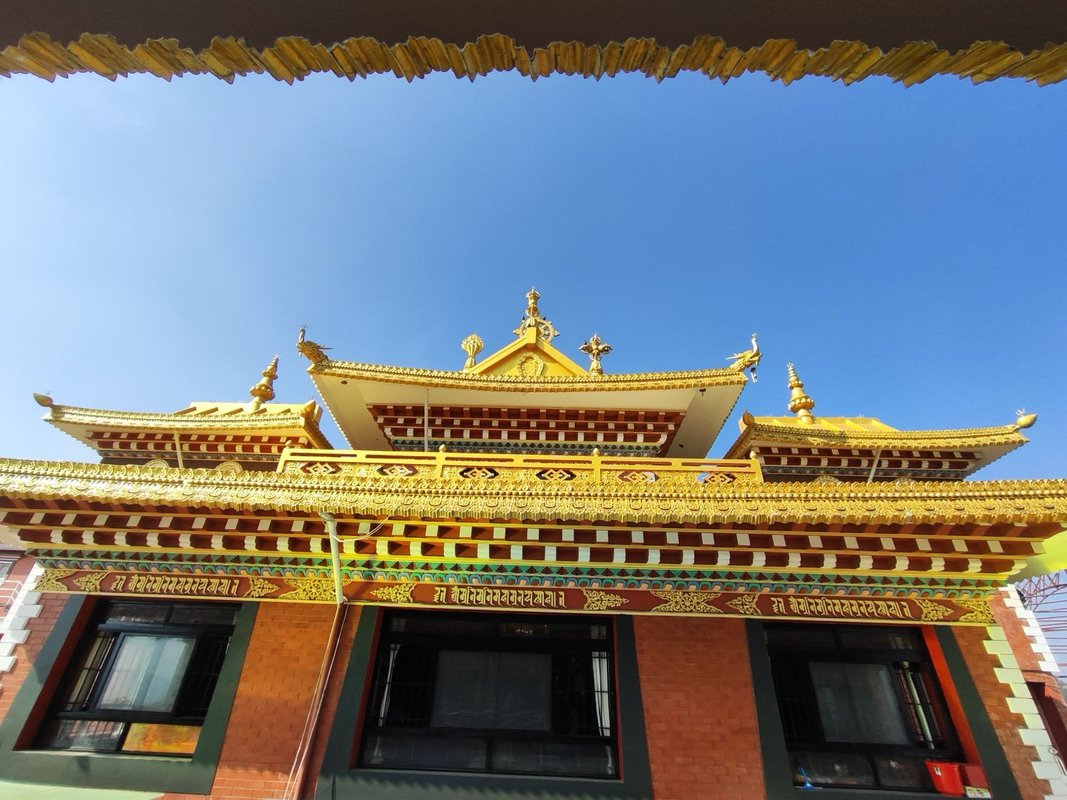
A night at a working gompa removes choice. No menu, no notifications, no schedule to win. The simplicity is the therapy. When the brain stops making micro-decisions for 24 hours, something fundamental recalibrates. Guests report sleeping deeply for the first time in months and waking without the low-grade anxiety that usually accompanies the morning. This is not a luxury. It is a neurological reset that costs nothing but willingness.
Yoga and breathwork at altitude
Daily yoga and pranayama at altitude do something sea-level studios cannot. The thinner air forces deeper, more conscious breathing, which activates the vagus nerve and shifts the body out of fight-or-flight. Combined with the pre-dawn timing that Himalayan practice naturally adopts, guests find themselves in a rhythm that their body remembers long after they fly home. The 6 Days Yoga and Stress Management Retreat is built around exactly this combination.

What Does a Himalayan Burnout Recovery Itinerary Look Like?
The arc is deliberate. We do not front-load sightseeing or pack the schedule. The entire structure is designed to give the nervous system time to stand down, which means the first days feel almost too empty. That emptiness is the point.
- Days 1 to 2: Arrive and decompress. Two days in the valley with no agenda. Most guests resist this. All of them need it. Light walks, gentle food, no scheduling pressure.
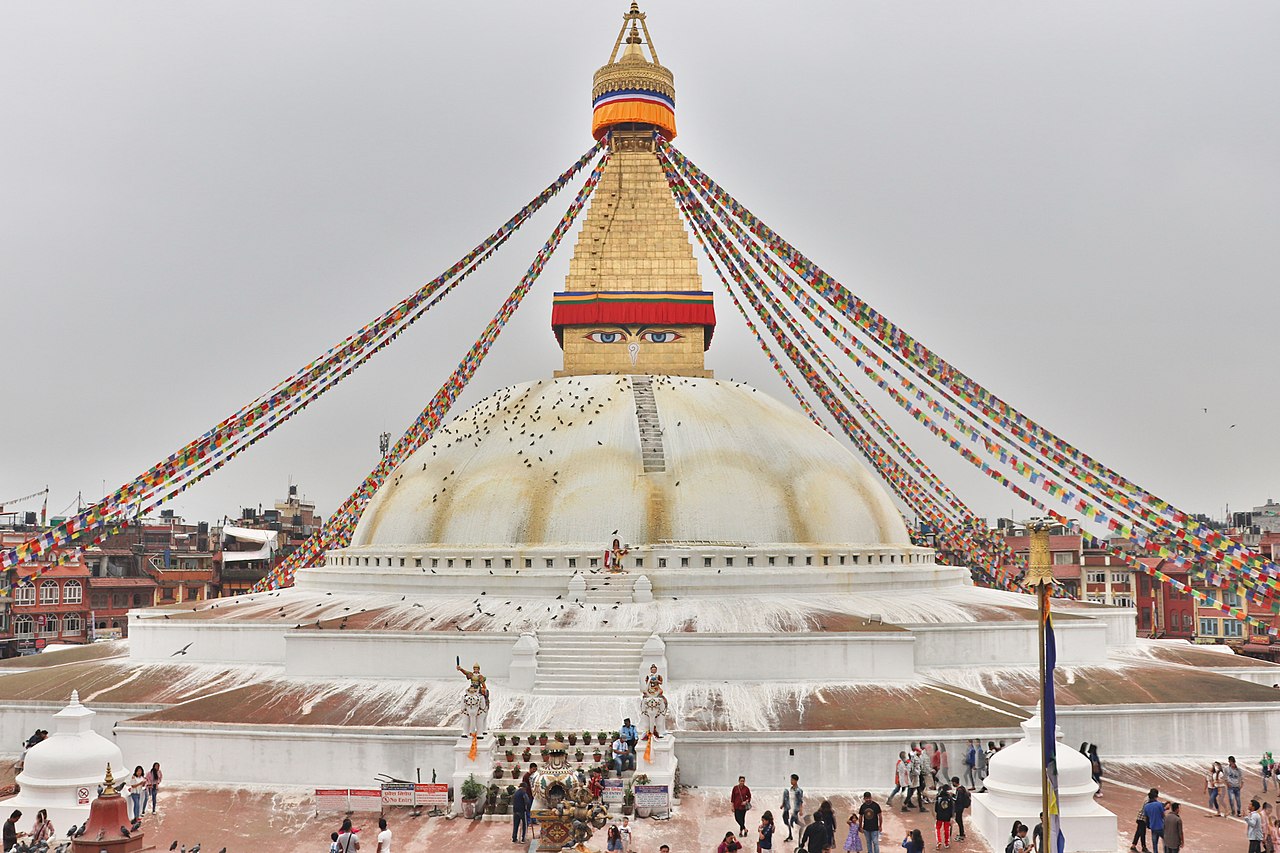
- Days 3 to 5: Daily practice. Yoga, breathwork, and a singing bowl session each morning before any activity. Afternoons are free for gentle exploration of sacred sites like Boudhanath Stupa or Swayambhunath, but nothing is mandatory.
- Day 6: One silent day. No phone, no talk, one monastery. This is the turning point for most guests. The noise leaves the body slowly, and by evening something has shifted that cannot be named.
- Days 7 to 8: Integration. The last two days build a practice you can keep at home, not just admire in photos. We teach a 15-minute morning routine and a simple breathwork sequence that fits into any calendar.
The 9 Day Luxury Yoga, Wellness and Himalayan Escape is designed for exactly this traveler. Private, low logistics, and unapologetically restorative. For those who cannot take nine days, the 3 Days Yoga and Sound Healing Retreat in Kathmandu delivers a compressed version of the same protocol.

Can a Shorter Retreat Still Help Executive Burnout?
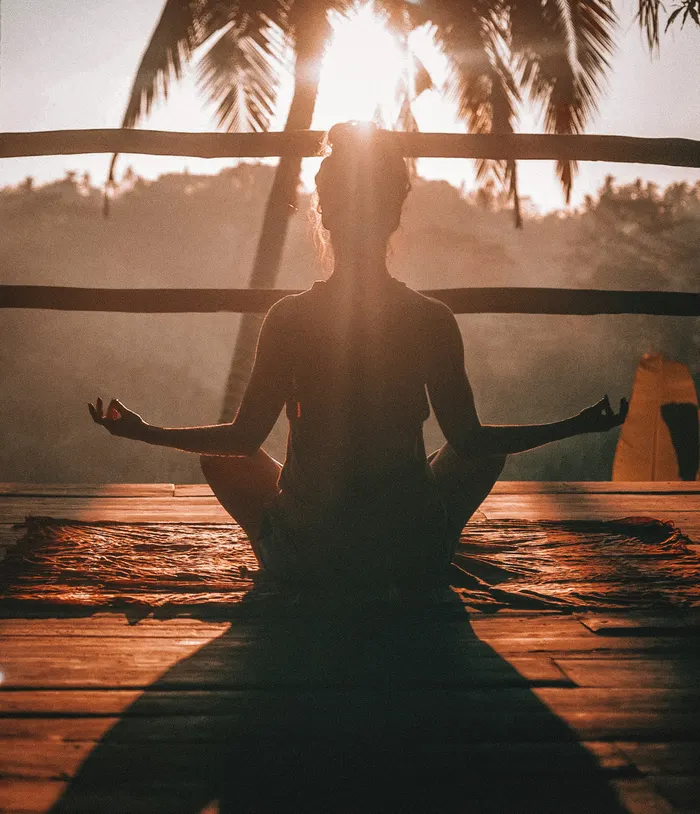
Yes. Not every executive can clear nine days, and a well-structured three-day retreat can deliver meaningful results when it follows the same principles. The 3 Days Yoga and Sound Healing Retreat concentrates singing bowl therapy, daily yoga, and guided meditation into a compressed arc. The key is that every day has protected silence, no forced group bonding, and a practice that carries home. A three-day reset will not fully resolve deep burnout, but it will break the loop, lower stress markers, and give you a daily practice to continue.
What Role Does Nature Play in Himalayan Burnout Recovery?
Nature is not a backdrop in these programs. It is an active ingredient. Research on nature exposure shows measurable reductions in cortisol, blood pressure, and rumination after as little as 30 minutes in a natural setting. In the Himalayas, that exposure is not a park walk but immersion in landscapes that have been considered sacred for millennia. The Nuwakot Healing Retreat: Explore Nature, Peace and Well-Being takes guests into the hills above the Kathmandu Valley, where river sounds, forest air, and the absence of screens do work that no therapy app can replicate. The body responds to real nature differently than it responds to a photo of it.
How Does Spa and Body Work Complement the Inner Practice?
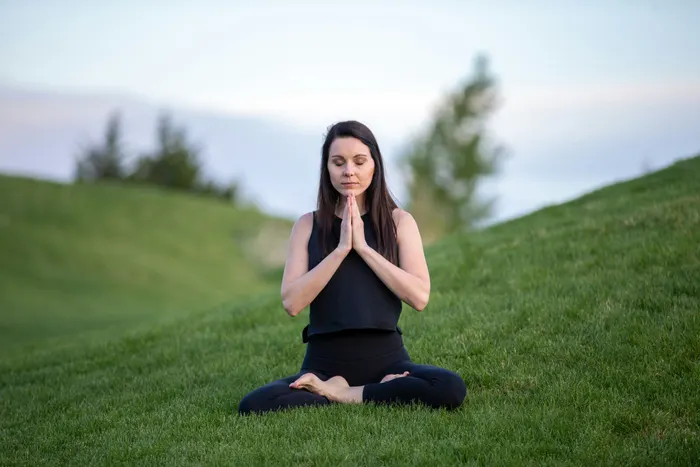
Burnout lives in the body as much as in the mind. Tight shoulders, shallow breathing, and a jaw that never unclenches are physical signatures of chronic stress. Ayurvedic massage and spa therapies address this layer directly. The Kathmandu Full-Day Trekkers Spa and Wellness Retreat and the Kathmandu Half-Day Wellness and Spa Escape offer targeted body work that releases stored tension. Combined with the inner practices of meditation and yoga, the result is a recovery that addresses both the physical and mental layers of burnout simultaneously.
Is Pokhara a Better Base than Kathmandu for Recovery?
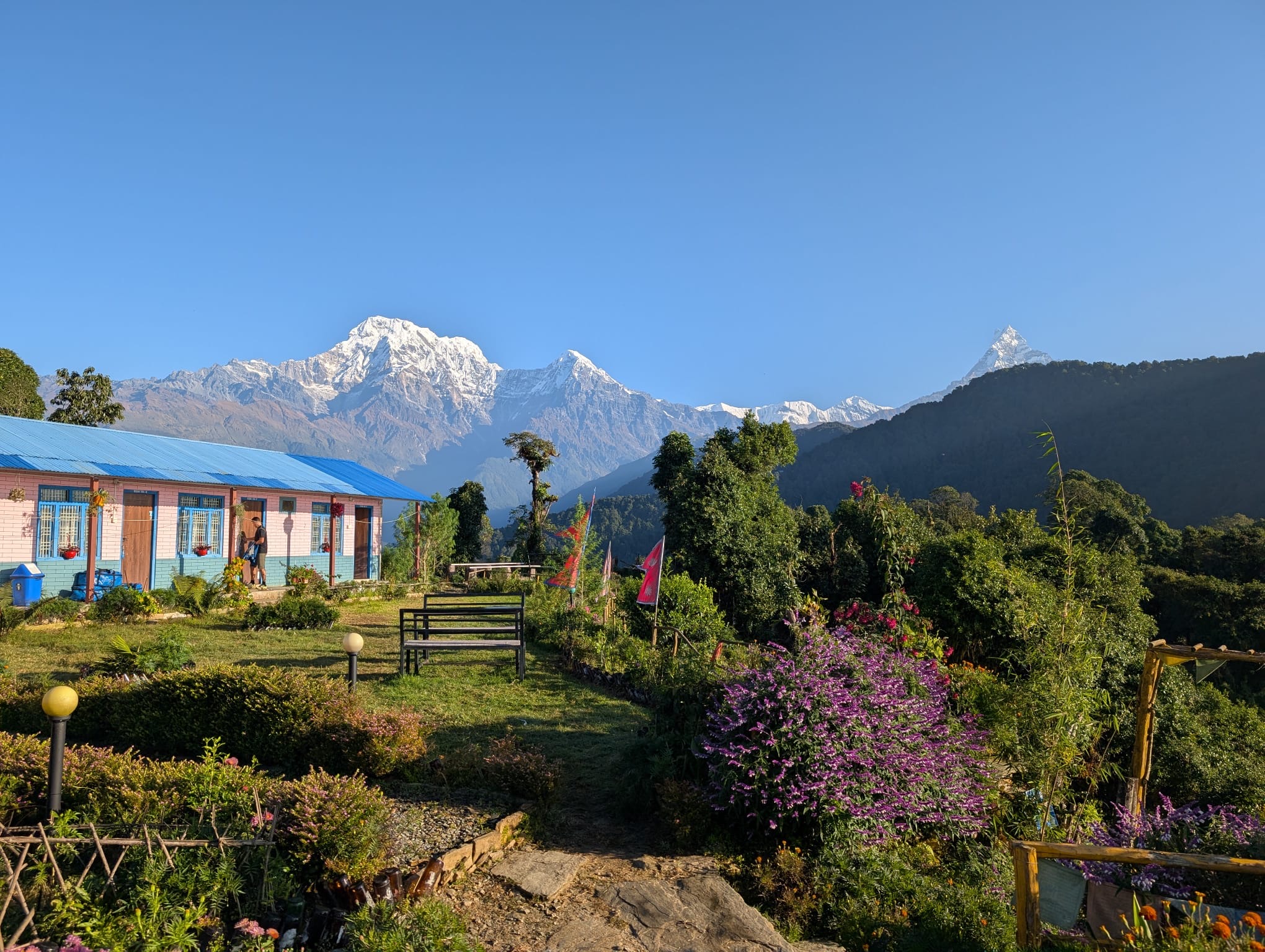
Both cities serve different phases of recovery. Kathmandu offers access to monasteries, singing bowl masters, and the spiritual density of centuries of practice in one valley. Pokhara offers lakeside quiet, mountain views, and a slower pace that some guests prefer for the integration phase. The Pokhara Yoga and Wellness Healing Retreat is ideal for guests who want to combine the practice with gentle nature walks, lake meditation, and the visual calm of the Annapurna range. Some itineraries use both cities, starting in Kathmandu for the intensive practice and moving to Pokhara for the integration.
What Should Executives Do Before Flying to Nepal for Recovery?
The trip does the heavy lifting, but a little prep protects the quiet once you land. These are the four things we ask every executive guest to do before boarding.
- Clear your calendar for three days after return. The reset continues at home, and a packed Monday undoes a week of mountains. Protect the re-entry.
- Tell us your stress profile. Sleep quality, focus levels, irritability patterns. We shape the daily practice around your specific burnout signature.
- Leave the laptop. If you cannot, tell us and we will build the boundary in for you. A laptop on a retreat is a loaded gun for the nervous system.
- Expect the second day to be the hardest. The noise leaves the body slowly. The restlessness you feel on day two is the stress leaving, not a sign the retreat is not working.
How Does This Recovery Connect to a Wider Himalayan Wellness Journey?
Burnout recovery is one door into Nepal. Once the nervous system has reset, many guests want to go deeper. The slower movement door is gentle trekking combined with mindfulness practice, which builds the body while keeping the inner work alive. The body repair door is Ayurveda and Panchakarma, which detoxifies and strengthens after the stress has been processed. The deeper spiritual door is pilgrimage to sacred sites like Pashupatinath and Lumbini. The national frame for all of this is Nepal Wellness Tourism Year 2027, which is putting infrastructure, standards, and visibility behind the country's wellness offerings. You can explore the full range of options on our healing programs page.
What Does the Research Say About Rest and Recovery?
The science is clear, even if the workplace culture that produces burnout is not. Here is what established behavioral health literature tells us, and how we apply it.
| Finding | Source | What we do with it |
|---|---|---|
| Burnout is chronic unmanaged workplace stress, not personal weakness | WHO ICD-11 | We treat it as recovery, not a reward |
| Silence and nature lower stress markers | Established behavioral health literature | Remote stays, low guest counts, no forced group bonding |
| Routine and rhythm aid nervous system repair | Clinical recovery practice | Fixed daily practice, protected empty hours |
| Breathwork activates parasympathetic response | Polyvagal theory research | Daily pranayama sessions before sunrise |
| Nature exposure reduces rumination measurably | Environmental psychology studies | Nuwakot and Pokhara immersion days |
What Is a Practitioner's View on Burnout Recovery?
"Burnout is not a willpower problem. You cannot think your way out of a body that has been on alarm for two years. What reverses it is repetition and safety. We build the day so the guest has nothing to optimize. The practice is simple. The environment does the rest." - wellness lead, Enticing Himalayas partner clinic, Kathmandu
Which EHT Packages Are Best Suited for Executive Recovery?
Different burnout profiles call for different packages. Here is how we match them. The 9-Day Luxury Yoga, Wellness and Himalayan Escape is our flagship for deep burnout, offering the full arc from arrival to integration. The 7 Days Yoga Retreat with Sightseeing adds cultural depth for guests who want to combine inner work with heritage exploration. The 5 Days Yoga Retreat and Hiking blends gentle movement with practice for those who need physical activity to feel normal again. The 4 Days Yoga Retreat and Reiki Healing Therapy adds energy healing for guests dealing with emotional burnout layers. Each program can be taken privately or in small groups, and all follow the same principle: the schedule serves the recovery, not the other way around.


Frequently Asked Questions
Can a trip really help executive burnout?
Yes, when it is built as recovery, not entertainment. The gains come from silence, rhythm, and removed choice, not from ticking off sights. We pace the trip like healing, not a race, with protected empty hours and no forced social pressure. Guests consistently report the turning point is the single silent day, not any single treatment.
Is the 9-day escape suitable for couples or solo travelers?
Both. Many come solo for the quiet. Couples come for the same reason, without the group pressure. Every itinerary is private, and we shape the daily practice around whether you want shared time or separate space. The structure stays the same: slow mornings, real practice, and genuine rest.
Do I need experience with yoga or meditation?
No. Sessions meet you where you are. Several guests arrive skeptical and leave with a practice they still use. Our guides are used to first-timers and people who have not sat still in years. The only requirement is willingness to show up, not any prior skill or flexibility.
How quickly will I feel the effects of a Himalayan recovery retreat?
Most guests report a shift by day three or four, when the novelty wears off and the nervous system starts to actually stand down. The singing bowl sessions often produce an immediate calm, but the deeper changes come from the cumulative effect of daily practice, silence, and nature exposure over the full arc.
Will I be grouped with other executives or strangers?
No. We keep groups small and often fully private. The point is space, not networking. You will not be placed in a cohort or a workshop full of strangers. If you want a shared retreat with specific people, we can build that, but the default is privacy so the recovery has room to happen.
Can I combine burnout recovery with a short trek in Nepal?
Yes. Gentle trekking combined with daily yoga and meditation is one of the most effective recovery formats. The 5 Days Yoga Retreat and Hiking package is designed for this. Movement at altitude with breathwork and silence creates a protocol that rebuilds both body and mind without the intensity of a full trekking expedition.