Loading...
10 days
1 Option Available
Everest Base Camp Helicopter Trek — Trek Up, Fly Back
Country
Nepal
Duration
10 days
Group size
Flexible group size
Difficulty
moderate
4.9(8 reviews)
Solukhumbu, Everest Region
Tour Description
Everest Base Camp Helicopter Trek: 10 Days of Adventure and Luxury
Everest Base Camp Helicopter Trek: The Best of Both Worlds
The Everest Base Camp Helicopter Trek is designed for travelers who want to experience the magic of the Himalayas without spending several extra days retracing their steps. This 10-day journey follows the legendary Khumbu route, passing through traditional Sherpa villages, peaceful Buddhist monasteries, dramatic mountain valleys, and rugged landscapes shaped by glaciers. The ultimate reward is reaching Everest Base Camp at 5,364 meters, where the atmosphere of the world's highest mountain region becomes unforgettable. Instead of returning to Lukla on foot, you take a spectacular helicopter flight from Gorak Shep, subject to weather and operational conditions. The combination of trekking, mountain culture, high-altitude achievement, and an aerial journey makes this experience ideal for travelers seeking adventure with a more comfortable finish.
For travelers looking for a carefully organized version of this experience, the Everest Base Camp Helicopter Trek — Trek Up, Fly Back combines the classic trekking route with a helicopter return. It is an excellent option for those who want to experience the Khumbu on foot while making the most of limited holiday time.
Why Choose a Helicopter Return from Gorak Shep?
Reaching Everest Base Camp is a major achievement, but the journey does not become easier simply because you have reached your destination. After days of walking at high altitude, returning along the same trail can be physically demanding. The helicopter option offers a different way to complete the adventure. Instead of walking for several more days through the Khumbu Valley, travelers can fly from the Gorak Shep area toward Lukla, depending on the flight plan, weather, and landing conditions. From the air, the landscape reveals a remarkable perspective of glacial valleys, rugged ridgelines, and snow-covered Himalayan peaks. The flight is not merely a convenient transfer; it becomes one of the memorable experiences of the entire trip.
The helicopter return can also help travelers manage a tighter schedule. However, it is important to understand that a shorter itinerary should never mean ignoring acclimatization or rushing through altitude-related precautions. The body needs time to adjust to lower oxygen levels, particularly above 3,000 meters. A responsible itinerary includes gradual ascent, appropriate rest, and a guide who monitors how trekkers are feeling. Weather delays can also affect helicopter operations, so travelers should keep some flexibility in their plans. The helicopter is a convenient return option, but it should never be treated as a guaranteed emergency rescue service.
Following the Classic Khumbu Route
The journey generally begins in Kathmandu, Nepal's lively capital, where travelers prepare for the trek and receive an itinerary briefing. Depending on flight operations and weather, the trip continues with a flight to Lukla, the famous mountain gateway to the Everest region. From Lukla, the trail follows the Dudh Koshi River through small settlements, forested paths, suspension bridges, and traditional villages. The changing scenery gives travelers time to settle into the walking rhythm while enjoying their first glimpses of the region's distinctive mountain environment. Each day introduces a different side of the Khumbu, from green lower valleys to the exposed alpine landscapes found at higher elevations.
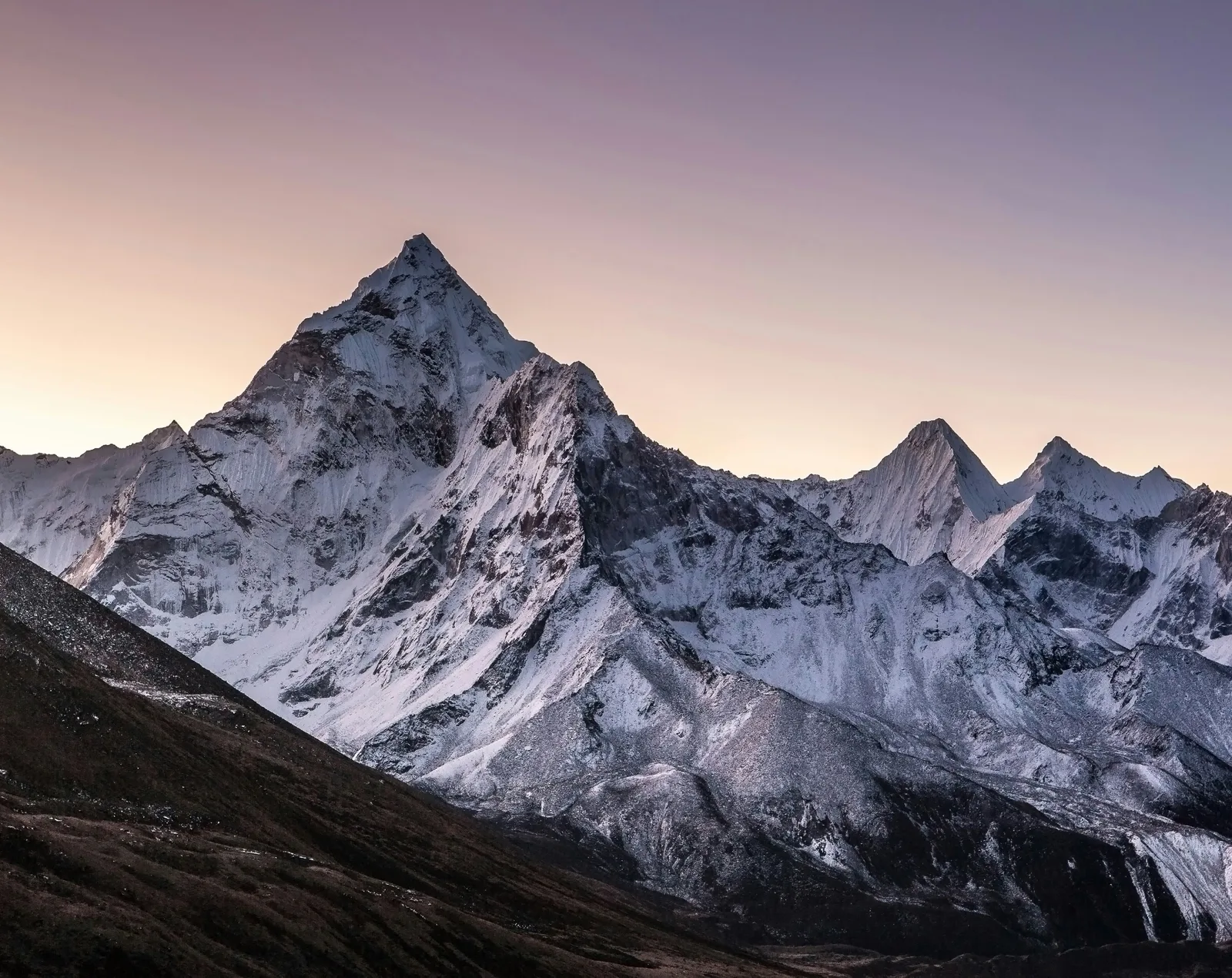
The route continues toward Namche Bazaar, the region's principal trading town and an important stop for acclimatization. Namche is known for its mountain views, Sherpa heritage, small shops, bakeries, and welcoming teahouses. Spending adequate time here helps travelers prepare for the higher elevations ahead. From Namche, the trail winds toward Tengboche, where the monastery sits in a dramatic mountain setting with views of peaks such as Ama Dablam on clear days. As the trail continues toward Dingboche and beyond, the landscape becomes increasingly rugged, with fewer trees and more expansive views of the surrounding mountains. The experience is as much about discovering the Khumbu's communities and traditions as it is about reaching Everest Base Camp.
Acclimatization and Preparing for High Altitude
One of the most important parts of an Everest Base Camp trek is allowing the body to adapt to altitude. As the trail climbs higher, the amount of oxygen available with each breath decreases, and even fit travelers can experience headaches, nausea, dizziness, tiredness, or difficulty sleeping. A good itinerary includes acclimatization time and a steady walking pace rather than treating the journey as a race. Travelers should follow their guide's advice, drink fluids regularly, eat enough, and report symptoms promptly. If symptoms worsen, continuing upward can be dangerous. A descent may be necessary, depending on the situation and the advice of trained professionals.
The Everest region rewards preparation, but physical fitness alone cannot eliminate altitude-related risks. Before departure, travelers should build their stamina through regular walking, uphill hikes, and cardiovascular exercise. Suitable trekking boots, warm layers, waterproof clothing, gloves, sunglasses, sunscreen, and a reliable daypack are essential. A warm sleeping bag may be useful depending on the season and accommodation. Travelers should also arrange insurance that specifically covers high-altitude trekking and helicopter evacuation. The helicopter return is a planned part of this itinerary, not a substitute for suitable insurance, medical assessment, or responsible decisions on the trail.
Reaching Everest Base Camp at 5,364 Meters
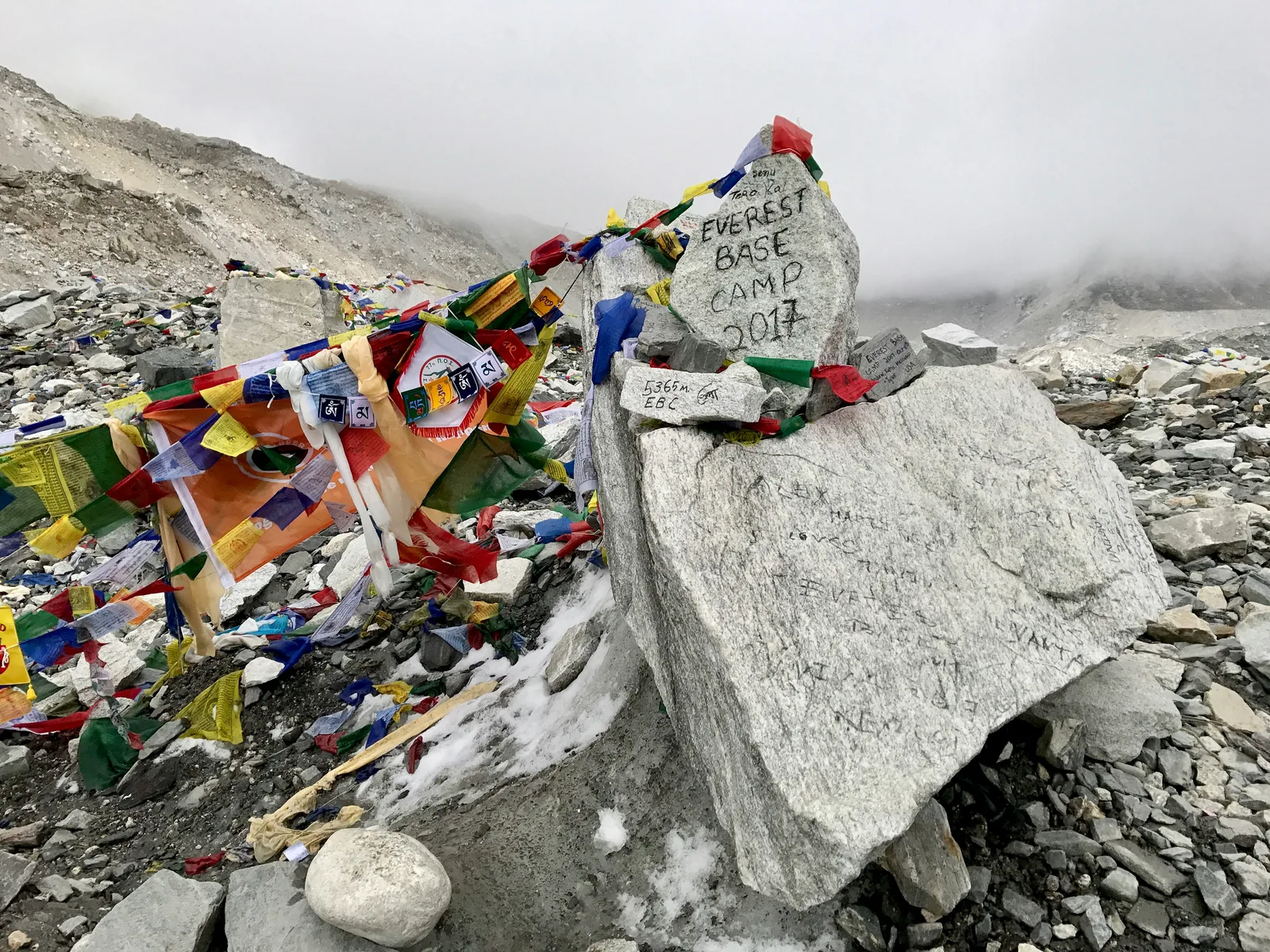
Everest Base Camp is the emotional highlight of the journey. Located beside the Khumbu Glacier, it is a rugged landscape of rocks, ice, and shifting glacial terrain rather than a conventional viewpoint with a broad summit panorama. During the climbing season, expedition tents may be visible, creating a powerful connection with the mountaineers preparing for Everest. Outside that period, the area can feel quieter and more remote. Standing at Base Camp gives trekkers a sense of the scale and difficulty of Himalayan mountaineering, even though reaching Base Camp is different from climbing Mount Everest itself.
The walk to Base Camp usually begins from Gorak Shep and involves uneven ground at significant altitude. Conditions can change quickly, so the timing and pace should be guided by the group's condition and the day's weather. Travelers should not assume that reaching Base Camp guarantees ideal photographs or clear views; clouds, wind, and snow can change the experience. The achievement is still meaningful because it reflects several days of preparation, consistent effort, and adaptation to a challenging environment. Taking time to appreciate the surroundings, rather than rushing for photographs, often makes the moment more memorable.
Kala Patthar and the Himalayan Panorama
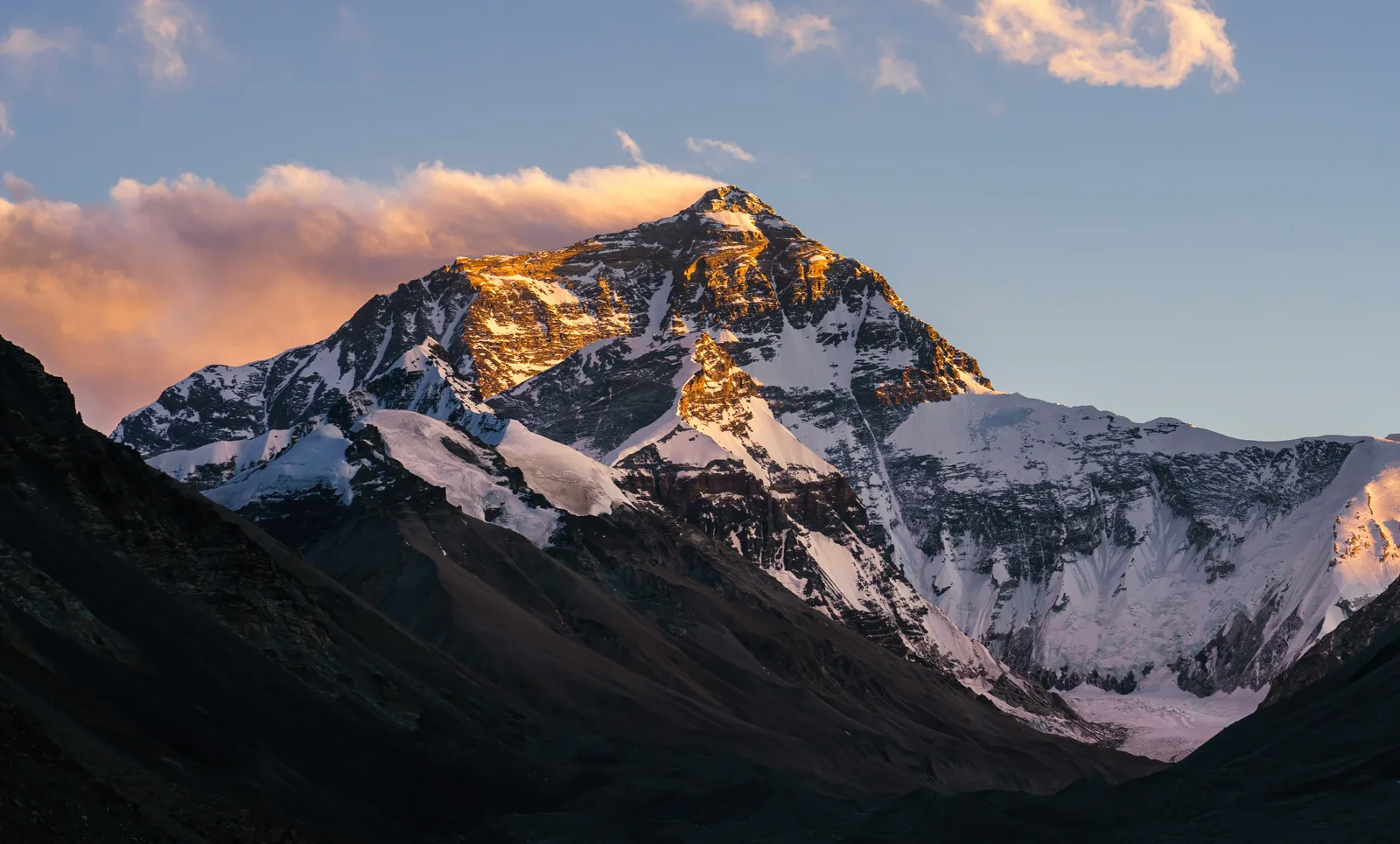
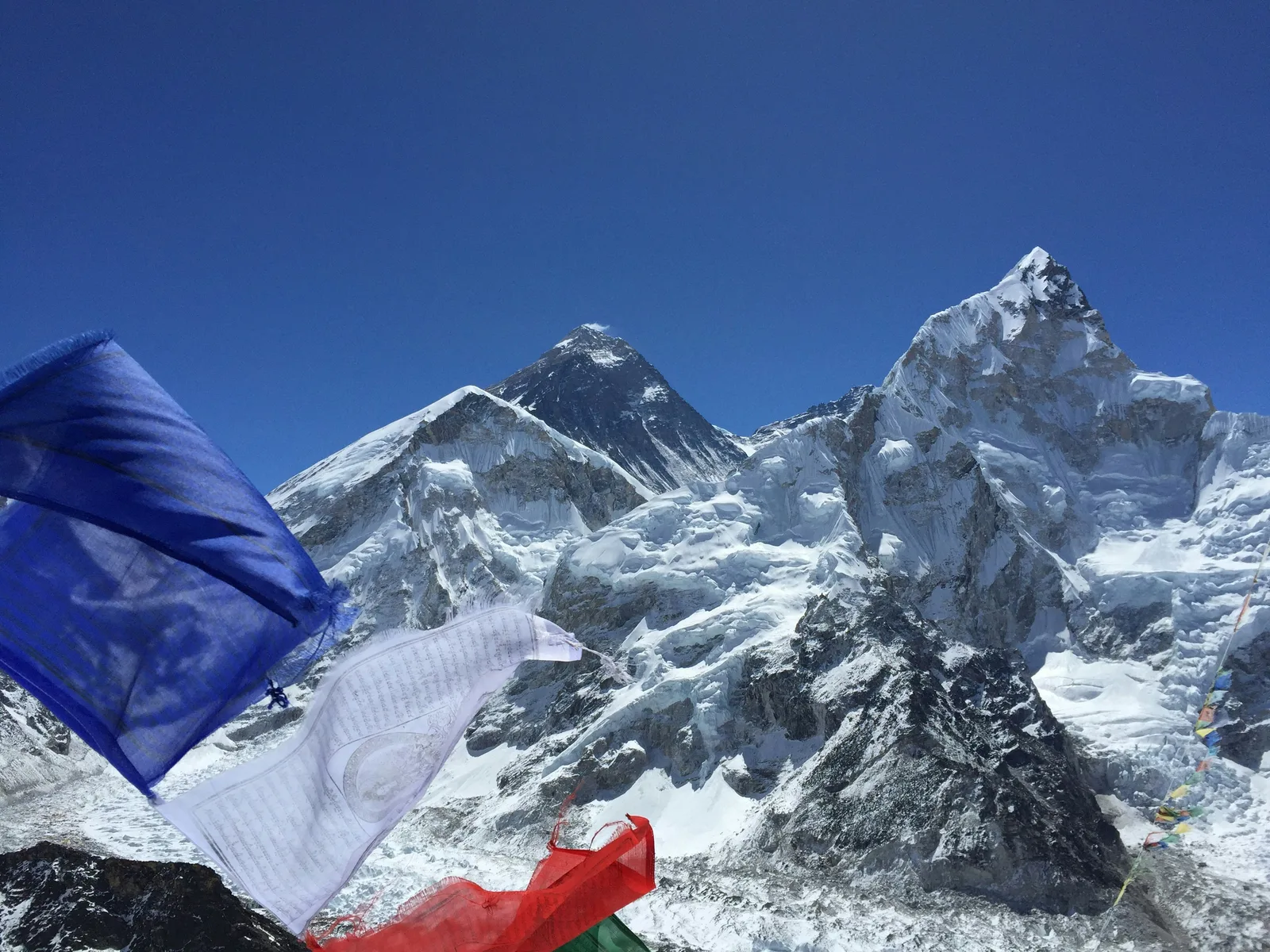
Many Everest Base Camp itineraries also include an early-morning ascent toward Kala Patthar, a celebrated viewpoint known for its dramatic perspective of Mount Everest and neighboring peaks. At approximately 5,545 meters, the climb is strenuous, and the thin air makes every step feel harder than it would at a lower elevation. On a clear morning, the first light illuminates the surrounding summits, creating a remarkable scene of snow, rock, and shadow. Whether this viewpoint is included before the helicopter departure depends on the itinerary, weather, the group's condition, and operational arrangements. Travelers should confirm the exact plan before booking.
The view from Kala Patthar complements the experience at Base Camp. Base Camp provides a close encounter with the glacial landscape and expedition environment, while Kala Patthar offers a more open mountain panorama. Both locations are physically demanding to reach, and neither should be approached casually. If a traveler feels unwell, safety should take priority over completing an optional viewpoint hike. The best mountain experiences are those that balance ambition with sensible decisions and respect for the environment.
The Helicopter Flight: A Memorable Return
After completing the high-altitude trekking portion, the helicopter return provides a striking change of perspective. From the air, the valleys and ridgelines that took days to cross appear as a vast Himalayan landscape, with glaciers, rocky slopes, and scattered settlements unfolding below. For photographers, the flight can offer unusual views of the terrain, although visibility depends on weather and flight conditions. Travelers should follow the pilot's instructions, respect baggage limits, and understand that the aircraft may need to adjust its route or timing for safety.
Helicopter logistics require flexibility. Flights from high-altitude locations are affected by wind, visibility, temperature, landing conditions, and aviation requirements. The departure point and transfer arrangements should be confirmed with the operator, as aircraft may use different landing locations depending on the day's conditions. Shared flights can also depend on passenger numbers and operational planning. Travelers should keep buffer time in their wider Nepal itinerary, especially if they have an international flight to catch shortly after the trek. A well-planned journey leaves room for the realities of mountain weather.
Accommodation, Meals, and Comfort on the Trail
Luxury in the Everest region means thoughtful service and the best available comfort for the location, rather than expecting five-star facilities in remote mountain villages. Accommodation is generally provided in trekking lodges or teahouses, with room standards varying from one settlement to another. Private rooms, attached bathrooms, and hot showers may be available in some locations but cannot be guaranteed at every stop. At higher elevations, facilities become simpler, and cold nights are part of the experience. A warm dining room, comfortable bedding, and a welcoming local host can make a significant difference after a long day outdoors.
Meals usually feature familiar trekking staples such as dal bhat, soups, noodles, rice, potatoes, eggs, porridge, and other simple dishes. Eating enough is important because trekking at altitude requires energy even when appetite decreases. Travelers with dietary restrictions should communicate their needs before departure and discuss what can realistically be arranged along the route. A premium package may include a private guide, porter support, selected accommodation, meals during trekking days, permits, and transport arrangements. Before booking, review the inclusions and exclusions carefully so you understand what is covered and which personal expenses remain your responsibility.
Best Time for the Everest Base Camp Helicopter Trek
Spring and autumn are generally popular seasons for trekking in the Everest region. Spring brings longer days and the excitement of the climbing season, while autumn often offers crisp air and impressive mountain visibility after the monsoon. Winter can provide quieter trails and cold, clear days, but freezing temperatures and snowfall can make conditions more challenging. The monsoon period brings greater chances of cloud, rain, and flight disruption, particularly at lower elevations. There is no single season that guarantees perfect weather, so travelers should choose dates based on their comfort with cold, flexibility, and trekking experience.
Because the helicopter return depends on aviation conditions as well as trail conditions, choosing a season with generally favorable weather can improve the overall experience without removing uncertainty. Build flexibility into your travel dates, carry appropriate clothing, and avoid scheduling the trip so tightly that a weather delay causes major problems. For more trip options and related Himalayan journeys, browse the Enticing Himalayas tour list and compare itineraries based on duration, difficulty, comfort, and the kind of experience you want.
Who Is This Trek Best For?
The Everest Base Camp Helicopter Trek suits travelers who want the satisfaction of trekking to Base Camp but prefer to avoid the full return walk. It can appeal to experienced hikers, time-conscious professionals, couples, photographers, and travelers who value a premium travel arrangement. However, the trek is still physically demanding. The helicopter reduces the walking required on the return journey; it does not remove the need to walk uphill for several days, sleep at high altitude, or manage changing mountain conditions. Travelers should honestly assess their fitness and speak with a qualified medical professional if they have concerns about high-altitude activity.
It is also worth remembering that luxury does not mean every part of the journey will be easy. Weather may interrupt flights, lodges may offer limited facilities, and long walking days can be tiring. The best approach is to combine realistic expectations with good preparation and a flexible mindset. With suitable planning, a knowledgeable guide, and respect for altitude safety, this journey can offer an exceptional balance of challenge and comfort.
Book Your Everest Base Camp Helicopter Trek
The Everest Base Camp Helicopter Trek brings together the classic Khumbu trail, the achievement of reaching 5,364 meters, the cultural richness of Sherpa communities, and the unforgettable perspective of a Himalayan helicopter flight. It is a strong choice for travelers who want to experience the mountains on foot while making their return more time-efficient. From the suspension bridges near Lukla to the high-altitude landscapes around Gorak Shep, every stage offers a different view of Nepal's extraordinary mountain region.
Before booking, check the detailed itinerary, acclimatization plan, accommodation standards, helicopter arrangements, baggage allowance, permits, insurance requirements, and cancellation terms. Confirm which services are included and how the operator handles weather delays or changes to the flight plan. With these details understood in advance, you can prepare for the journey with confidence and focus on the experience itself: walking through the Khumbu, reaching Everest Base Camp, and seeing the Himalayas from a remarkable new perspective.
Highlights
What's Included
What's Not Included
Not Suitable For
Important Information
What to Bring
Know Before You Go
Not Allowed
Detailed Itinerary
Day 1Arrival in Kathmandu (1,400m)
Welcome to Nepal! Upon arrival at Tribhuvan International Airport, our representative will greet you and transfer you to your 4-star hotel in Thamel. After checking in, take time to relax following your journey or explore the lively streets, shops, and cafés nearby. In the evening, meet your Sherpa trekking guide for a briefing about the Everest Base Camp adventure, route conditions, altitude considerations, and essential trekking equipment. Enjoy a welcome dinner featuring traditional Nepali cuisine and experience the warm hospitality of Nepal before your journey into the Himalayas begins.
Elevation: 1,400m
Accommodation: 4-Star Hotel
Meals: Welcome Dinner
Meals:dinnerStay:hotel
Day 2Fly to Lukla (2,840m) & Trek to Phakding (2,610m)
Begin your adventure with a scenic mountain flight to Lukla, home to the famous Tenzing-Hillary Airport. After meeting your trekking support team and organizing your luggage, start walking along the Dudh Koshi River toward Phakding. The trail passes through charming Sherpa villages, pine forests, prayer wheels, stone walls, and suspension bridges decorated with colorful prayer flags. The gentle descent makes this a comfortable introduction to trekking in the Khumbu region. Along the way, enjoy views of the surrounding hills and observe traditional mountain life. Arrive in Phakding, settle into your premium teahouse, and enjoy a warm dinner before resting for the next day's climb.
Elevation: 2,840m → 2,610m
Trekking: 3–4 hours
Accommodation: Premium Teahouse
Meals: Breakfast, Lunch, Dinner
Meals:all mealsStay:teahouse
Day 3Trek to Namche Bazaar (3,440m)
After breakfast, follow the Dudh Koshi River through forested trails and traditional settlements toward Namche Bazaar, the vibrant trading center of the Sherpa community. Cross several suspension bridges, including the famous Hillary Suspension Bridge, and pass through Monjo, where the trail enters Sagarmatha National Park. Continue through Jorsale before beginning the challenging uphill climb to Namche Bazaar. On clear days, you may catch your first distant glimpse of Mount Everest along the route. The final ascent rewards you with views of the surrounding Himalayan landscape and the colorful houses of Namche. Upon arrival, check into your premium lodge, enjoy dinner, and rest at this important acclimatization stop.
Elevation: 2,610m → 3,440m
Trekking: 5–6 hours
Accommodation: Premium Lodge
Meals: Breakfast, Lunch, Dinner
Meals:all mealsStay:teahouse
Day 4Acclimatization Day at Namche Bazaar
Spend the day helping your body adjust to the increasing altitude around Namche Bazaar. After breakfast, take an acclimatization hike toward Everest View Hotel at approximately 3,880m, where clear weather may reveal spectacular views of Mount Everest, Ama Dablam, Lhotse, and Thamserku. Return to Namche and explore the Sherpa Culture Museum, local markets, bakeries, and trekking shops. You can also learn about the history of Himalayan mountaineering and the traditions of Sherpa communities. Although this is a rest day, light activity helps with acclimatization when undertaken at a comfortable pace. Return to your premium lodge, stay hydrated, and prepare for the trail toward Tengboche.
Elevation: 3,440m; optional hike to approximately 3,880m
Activity: 3–4 hours
Accommodation: Premium Lodge
Meals: Breakfast, Lunch, Dinner
Meals:all mealsStay:teahouse
Day 5Trek to Tengboche (3,860m)
Leave Namche Bazaar and follow a scenic trail offering panoramic views of Everest, Ama Dablam, and other Himalayan peaks. The route initially contours along the hillside before descending toward the Dudh Koshi River at Phunki Tenga. After crossing the river, climb steadily through beautiful pine and rhododendron forests toward Tengboche. This peaceful mountain settlement is famous for Tengboche Monastery, one of the most important Buddhist monasteries in the Khumbu region. Depending on the monastery's schedule, you may have an opportunity to observe prayers and learn about local Buddhist traditions. Enjoy the surrounding mountain scenery before settling into your premium teahouse for dinner and an overnight stay.
Elevation: 3,440m → 3,860m
Distance: Approximately 10km
Trekking: 5–6 hours
Accommodation: Premium Teahouse
Meals: Breakfast, Lunch, Dinner
Meals:all mealsStay:teahouse
Day 6Trek to Dingboche (4,410m)
After breakfast, descend through the forest toward Deboche and continue across the Imja Khola area. Pass traditional villages, mani walls, chortens, and fields enclosed by stone walls as the landscape gradually changes from woodland to alpine terrain. The trail continues through Pangboche, a traditional Sherpa settlement with impressive views of Ama Dablam. From here, climb toward the broad valley of Dingboche, where stone-walled fields protect crops from mountain winds. As you gain elevation, the air becomes thinner, so maintain a steady pace and take regular breaks. Upon reaching Dingboche, check into your premium lodge, enjoy a warm meal, and rest in preparation for another acclimatization day.
Elevation: 3,860m → 4,410m
Distance: Approximately 9km
Trekking: Around 5 hours
Accommodation: Premium Lodge
Meals: Breakfast, Lunch, Dinner
Meals:all mealsStay:teahouse
Day 7Acclimatization Day at Dingboche
Today is dedicated to acclimatization before continuing toward Everest Base Camp. After breakfast, take an optional hike toward Nangkartshang Peak, a high viewpoint above Dingboche. The uphill trail offers magnificent views of Makalu, Island Peak, Ama Dablam, and the surrounding Himalayan valleys on clear days. The ascent is physically demanding because of the altitude, so walk slowly and turn back if you experience concerning symptoms. Return to Dingboche for lunch and spend the afternoon relaxing, hydrating, and preparing your equipment for the next stage. This extra day helps your body adjust to the high-altitude environment while giving you more time to appreciate the dramatic landscape of the Khumbu region.
Elevation: 4,410m; optional hike toward Nangkartshang Peak (approximately 5,083m)
Activity: 4–5 hours, depending on the route and conditions
Meals:all mealsStay:teahouse
Day 8Trek to Lobuche (4,940m) & Everest Base Camp (5,364m)
Start early and trek from Dingboche toward Lobuche, following a rugged trail through the high-altitude landscape. Pass through Dusa and Dughla before climbing toward the memorial area dedicated to climbers who lost their lives on Everest. Continue along the rocky path with views of the Khumbu Glacier and surrounding peaks. From Lobuche, proceed toward Gorak Shep, where you can leave unnecessary belongings at your teahouse before continuing to Everest Base Camp. The route to Base Camp crosses uneven glacial moraine and requires careful footing. At approximately 5,364m, experience the atmosphere of this world-famous mountaineering destination near the Khumbu Icefall. Return to Gorak Shep for dinner and an overnight stay.
Elevation: Dingboche (4,410m) → Lobuche (4,940m) → Everest Base Camp (approximately 5,364m) → Gorak Shep (approximately 5,140m)
Trekking: Approximately 7–9 hours; a demanding high-altitude day
Accommodation: Gorak Shep Teahouse
Meals: Breakfast, Lunch, Dinner
Meals:all mealsStay:teahouse
Day 9Kala Patthar Sunrise (5,545m) & Helicopter Return to Lukla
Enjoy a leisurely breakfast at your hotel and take some final photographs of Pokhara if your departure schedule allows. Depending on your onward travel arrangements, a representative will transfer your family to Pokhara Airport or the tourist bus station. If you have extra time, enjoy a short walk around Lakeside or pick up souvenirs before leaving. Your nine-day Annapurna Family Trek concludes with wonderful memories of mountain sunrises, traditional Gurung culture, forest trails, and shared family experiences in Nepal.
Walking Distance: Optional 0–2 km
Walking Duration: Optional short walk
Food: Breakfast
Accommodation: Not included; the trip ends in Pokhara
Meals:all mealsStay:teahouse
Day 10Fly to Kathmandu — Departure
After breakfast in Lukla, board your scheduled flight to Kathmandu, subject to mountain weather and airport operations. During the scenic flight, enjoy a final view of the Himalayan landscape before returning to the Kathmandu Valley. Upon arrival, transfer to your hotel or continue to Tribhuvan International Airport for your onward international flight, depending on your travel arrangements. If time permits, you may relax at a café, explore local shops, or purchase souvenirs to remember your journey. Your trek concludes with memories of Sherpa villages, dramatic mountain scenery, Everest Base Camp, and the sunrise from Kala Patthar. Because flights from Lukla can be delayed, keeping a buffer day before an international departure is strongly recommended.
Elevation: Lukla (2,840m) → Kathmandu (approximately 1,400m) Flight: Approximately 30–40 minutes, subject to conditions
Accommodation: Not included unless arranged
Meals: Breakfast
Meals:breakfast
Gallery
0 photosNo gallery images available for this tour.
Downloads
No downloadable files available for this tour.
4.98 reviews
5
7
4
1
3
0
2
0
1
0
N
Nina Petrova
Russia · ✓ Verified
A transformative mountain journey
My partner and I did Everest Base Camp Helicopter Trek for our honeymoon — couldn't have picked better. Guide Pemba adjusted the pace perfectly when I struggled on the steeper sections. The valley views opened up dramatically after we passed the treeline. Hot showers and warm meals felt like luxury after long walking days. We watched a sunrise puja ceremony that grounded me for the day ahead. The pre-trek briefing in Kathmandu answered every question I had. Each village has its own character — charming and distinct. We crossed three high passes and each one felt like a personal victory. Walking above the tree line for hours was surreal. Thank you Pemba and team — you made this unforgettable.
F
Freya Nielsen
Denmark · ✓ Verified
Authentic, safe, breathtaking
As someone who usually plans trips independently, trusting Enticing Himalayas with Everest Base Camp Helicopter Trek was the right call. Lakpa balanced the group perfectly — fast hikers and leisurely walkers both felt comfortable. Prayer flags fluttering against snow-capped peaks — an image burned into my memory. The cook at one teahouse taught me to make Tibetan bread — a skill I'll keep. Standing at the highest point, surrounded by giants, I felt truly alive. The teahouses were basic but clean — and the blankets were warm. Pickup from the airport was seamless — I was met despite flight delays. The teahouse-to-teahouse rhythm was meditative and grounding. Walking above the tree line for hours was surreal. Five stars without hesitation.
O
Oscar Lindqvist
Sweden · ✓ Verified
Authentic, safe, breathtaking
The booking process for Everest Base Camp Helicopter Trek was so smooth I knew I was in good hands. Golden hour lighting on the mountains is something every photographer must see. Fresh apple pie at 3,800m — a delightful surprise. Cold mornings were tough, but the first cup of tea warmed everything. They stored my extra luggage safely — a small but appreciated service. The morning light on the peaks is something I'll never forget. Each village has its own character — charming and distinct. I'll be back, and I'll bring friends.
A
Ava Novak
Slovenia · ✓ Verified
From Kathmandu chaos to mountain peace
After recovering from a health scare, I wanted something meaningful — Everest Base Camp Helicopter Trek gave me purpose again. Tea house momos (dumplings) became my daily reward. Cold mornings were tough, but the first cup of tea warmed everything. We crossed three high passes and each one felt like a personal victory. Each village has its own character — charming and distinct. The teahouse-to-teahouse rhythm was meditative and grounding. Worth every penny and every step.
S
Sophie Martin
France · ✓ Verified
Pure mountain magic with exceptional guides
My second trek in Nepal, my first with this company — Everest Base Camp Helicopter Trek convinced me I'll come back. When my knees acted up, Ang Rita arranged a porter within hours. Professional and kind. We spotted a family of blue sheep grazing on the high slopes. Dal bhat power 24 hour! The local lentil curry fueled me through the toughest days. The homestay experience in Chhukung village gave me insight into real Nepali life. A spontaneous dance party at a teahouse — pure joy. The teahouse-to-teahouse rhythm was meditative and grounding. The morning light on the peaks is something I'll never forget. The hardest part was saying goodbye to the mountains.
E
Elena Volkov
Russia · ✓ Verified
Highly recommend Everest Base Camp Helicopter Trek
The photos of Everest Base Camp Helicopter Trek looked too good to be true. They're not — it's that beautiful. What I appreciated most: Ang Tenzing checked in with each of us individually every evening. The glacial river water was the clearest blue I've ever seen. The suspension bridge over the gorge required courage but was exhilarating. The morning light on the peaks is something I'll never forget. The suspension bridges over the deep gorges were heart-pounding. The teahouse-to-teahouse rhythm was meditative and grounding. If you're reading this and hesitating — just book it.
H
Hannah Kim
South Korea ·
Best decision of my year
After months of research, I booked Everest Base Camp Helicopter Trek with Enticing Himalayas and it delivered on every promise. Karma woke up at 5am with us every morning to catch the best sunrise light. Tea house momos (dumplings) became my daily reward. Altitude headaches hit me at 3,500m — our guide managed it professionally. Walking above the tree line for hours was surreal. The trail markers were excellent — very easy to follow. We crossed three high passes and each one felt like a personal victory. Worth every penny and every step.
H
Hans Mueller
Switzerland ·
Incredible guides, incredible views
This was on my bucket list for five years. Everest Base Camp Helicopter Trek finally happened. Guide Ang Tenzing adjusted the pace perfectly when I struggled on the steeper sections. Tea house momos (dumplings) became my daily reward. We attended a local festival and were welcomed like family. Each village has its own character — charming and distinct. Walking above the tree line for hours was surreal. The trail markers were excellent — very easy to follow. This changed how I think about travel and about myself.
Tour Video
No video available for this tour.
1 option available
Everest Base Camp Helicopter Trek — Trek Up, Fly Back
Standard tour package with flexible dates
10 days
Guide: English
Select a date
1
$3,300
1 Adult × $3,300
Free cancellation
Cancel up to 24 hours in advance for a full refund
From
$3,300/person
Booking options
Choose a departure below, or use the availability calendar to select a flexible date. Availability and final pricing are confirmed during booking.