Which Annapurna Trek Should You Choose in 2026: ABC or the Circuit?
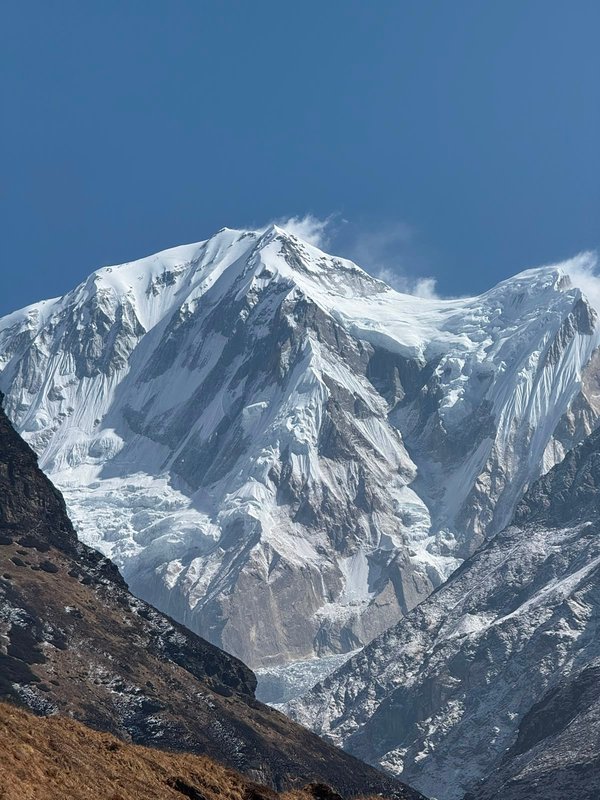
The two flagship treks of the Annapurna region, Annapurna Base Camp (ABC) and the Annapurna Circuit, offer profoundly different experiences despite sharing the same mountain range. ABC takes you into the glacial heart of the Annapurna Sanctuary, a natural amphitheatre surrounded by some of the highest peaks on Earth. The Circuit takes you around the entire Annapurna massif, crossing from subtropical valleys to the trans-Himalayan desert over the 5,416-metre Thorong La pass. Both are world-class treks, but they suit different fitness levels, time frames, and adventure appetites. This guide compares them across every dimension to help you make the right choice for your 2026 Annapurna adventure.
What Is the Annapurna Base Camp Trek Like?
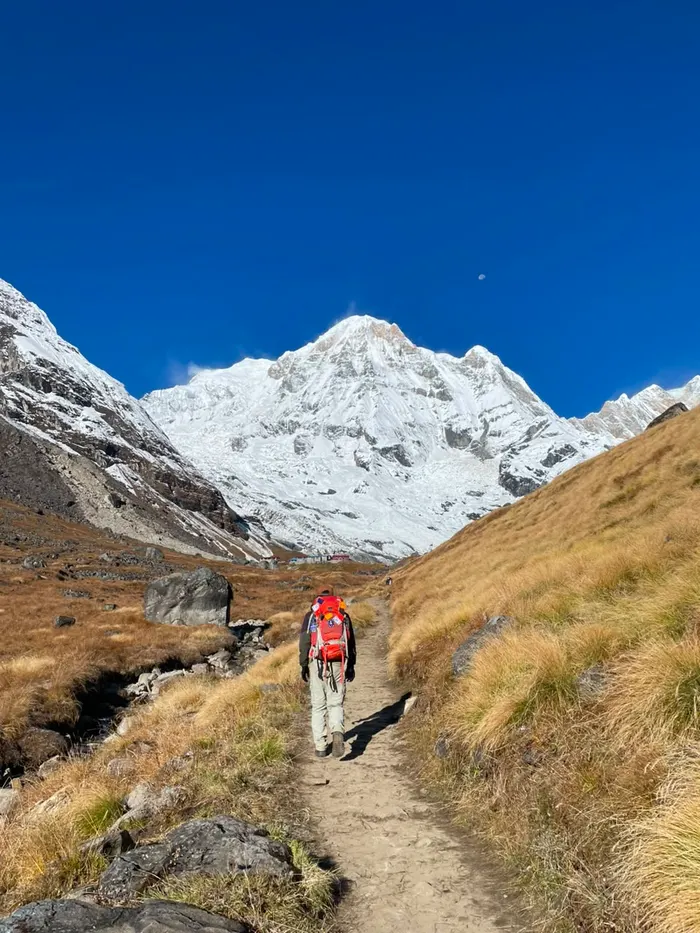
The Annapurna Base Camp Trek is a 10-day round trip from Pokhara that reaches 4,130 metres at the base of Annapurna South. The trail climbs through terraced farmland, Gurung villages like Ghandruk and Chhomrong, dense rhododendron and bamboo forests, and finally into the Annapurna Sanctuary, a cirque of peaks including Annapurna I, Machhapuchhre, and Hiunchuli. The climax at ABC places you surrounded by 360-degree mountain walls, a moment many trekkers describe as the most dramatic mountain amphitheatre on Earth. The trek is moderate in difficulty, with no high passes to cross, making it accessible to trekkers with basic fitness. A shorter version, the 7-day Express ABC, covers the same highlights in a compressed timeframe.
What Is the Annapurna Circuit Trek Like?
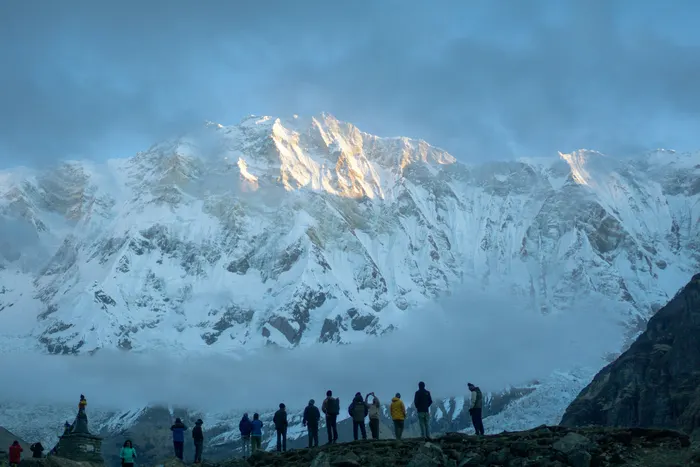
The Annapurna Circuit with Tilicho Lake is a 13 to 14-day journey that circles the entire Annapurna massif. Starting in the subtropical Marsyangdi Valley, the trail climbs through pine forests, alpine meadows, and high desert to the Thorong La pass at 5,416 metres, the highest trekking pass in the world. Beyond the pass, the landscape transforms into the arid trans-Himalayan terrain around Muktinath, with Tibetan Buddhist culture, prayer flags, and ancient monasteries. The 14-day Circuit budget trek is the classic option. The Circuit is the most ecologically diverse trek in Nepal, passing through 12 different climate zones in a single journey. It demands strong fitness and careful acclimatisation, but the reward is an experience unmatched anywhere in the Himalaya.
How Do ABC and the Circuit Compare in Difficulty?
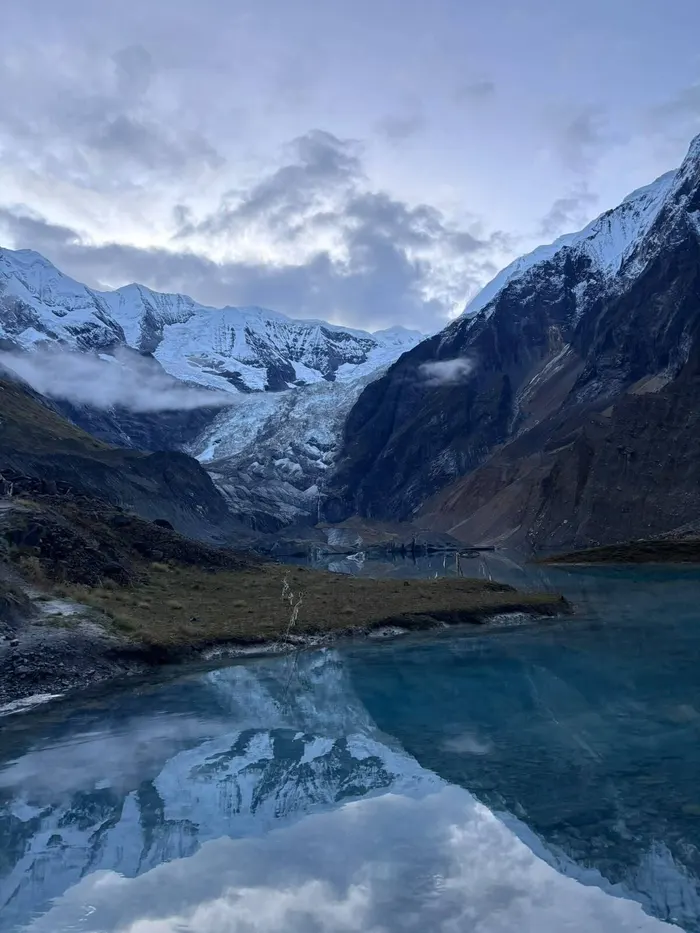
The Annapurna Base Camp trek is moderate in difficulty. The maximum altitude is 4,130 metres, well below the danger zone for most trekkers, and there are no high passes. Daily walking distances are 5 to 7 hours on well-maintained stone trails. The main challenge is the continuous ascent and descent on stone steps, which can be hard on knees. The Annapurna Circuit is strenuous. The Thorong La pass at 5,416 metres requires careful acclimatisation over several days, and weather at the pass can change rapidly. The crossing day involves 7 to 9 hours of walking, starting before dawn. The Circuit also involves longer overall duration (13 to 14 days versus 10 for ABC) and more remote sections. For first-time trekkers or those with moderate fitness, ABC is the clear choice. For experienced trekkers seeking a challenge, the Circuit delivers.
Which Trek Has Better Mountain Views: ABC or the Circuit?
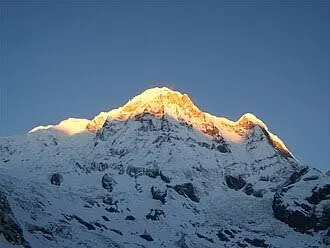
Both treks offer extraordinary mountain views, but in fundamentally different ways. ABC places you inside the Annapurna Sanctuary, surrounded on all sides by peaks: Annapurna South, Annapurna I, Machhapuchhre, Hiunchuli, and Ganggapurna are within touching distance. The intimacy and scale of the sanctuary is unmatched; you are standing at the base of 7,000 and 8,000-metre giants. The Circuit offers panoramic views across the entire range, including Dhaulagiri to the west, the Manaslu range to the east, and the Annapurna massif throughout. The Thorong La crossing and the approach through the Manang Valley deliver some of the most expansive mountain vistas in Nepal. For close-up, immersive mountain drama, ABC wins. For variety and breadth of mountain panorama, the Circuit is unbeatable.
How Do the Treks Compare in Duration and Cost?
The ABC trek takes 7 to 10 days depending on the starting point and pace. The 7-day express version is ideal for those with limited time. The Circuit takes 13 to 16 days, with the 13-day Tilicho Lake version being the most popular. Longer treks naturally cost more due to additional days of meals, lodging, guide, and porter fees. The group-joining budget Circuit helps reduce costs by sharing expenses. For those with a tight schedule or budget, ABC is the more practical option. For those with two or more weeks available, the Circuit offers greater value in terms of the diversity of landscapes and cultures experienced per day.
Which Trek Is Better for First-Time Trekkers?
For first-time trekkers in the Himalaya, Annapurna Base Camp is the better choice. The maximum altitude of 4,130 metres is manageable with basic acclimatisation, and the trail network is well-developed with abundant teahouses and good communication coverage. The walking is moderate, with no technical sections or high-pass crossings. The 10-day ABC trek allows for a gradual ascent profile. For those wanting an even gentler introduction, the Poon Hill trek stays below 3,210 metres and is perfect for first-timers. The Annapurna Circuit, with its 5,416-metre pass and longer duration, is better suited to trekkers with previous high-altitude experience and strong fitness. The Annapurna region offers something for every level.
Which Trek Offers Better Cultural Experiences?
The Annapurna Circuit wins on cultural diversity. Starting in Hindu Gurung and Magar villages in the lower Marsyangdi Valley, the trail reaches the Tibetan Buddhist region of Manang and Muktinath, where ancient monasteries, prayer walls, and the sacred 108 water spouts create one of the most important Hindu-Buddhist pilgrimage sites in the Himalaya. The contrast between the green Hindu south and the arid Buddhist north is one of the great cultural transitions in any trek on Earth. ABC passes through beautiful Gurung villages like Ghandruk and Chhomrong, offering warm hospitality and traditional architecture, but the cultural range is narrower. For trekkers drawn to cultural immersion and the meeting point of Hindu and Buddhist worlds, the Circuit is the clear winner. For those focused primarily on mountain scenery, ABC delivers more concentrated drama.
Can You Combine ABC and the Circuit in One Trek?
Yes, and this is an increasingly popular option for trekkers with 18 to 21 days available. A combined trek starts with the Circuit (crossing Thorong La and descending to Jomsom), then connects to ABC via the Ghorepani and Poon Hill route or directly from Tatopani. This combination offers the full Annapurna experience: the high pass, the trans-Himalayan desert, the sacred sites of Muktinath, the rhododendron forests, the Poon Hill sunrise, and the Annapurna Sanctuary itself. The Annapurna region is one of the few places in the Himalaya where such a combination is feasible due to the density of trails and teahouse infrastructure. Contact Enticing Himalayas for a custom combined itinerary.
What Are the Permit and Logistical Differences?
Both treks require the ACAP (Annapurna Conservation Area Project) entry permit and the TIMS card. The Circuit additionally requires attention to acclimatisation schedules and weather windows for the Thorong La crossing, which can close due to snow, particularly in winter. Both treks start from Pokhara, though the Circuit starts from Besisahar (a 4 to 5 hour drive from Pokhara) while ABC starts from Nayapul (a 1.5 hour drive). The Circuit ends at Jomsom, from where you can fly or drive back to Pokhara. ABC is a round trip from the same trailhead. The helicopter return option is available for ABC, adding a spectacular flight back to Pokhara. For the Circuit, the Jomsom to Pokhara flight is a common shortcut.
Which Trek Is Better for Photography?
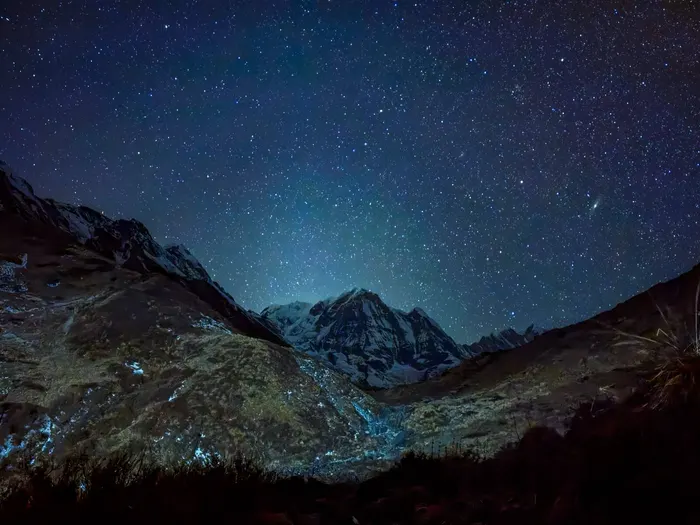
Both treks are superb for photography, but they suit different styles. ABC offers intimate, dramatic close-up mountain compositions, particularly at Annapurna Base Camp where 360-degree peaks surround you. The Annapurna Photography Trek combines ABC with Poon Hill for golden-hour shooting. The Circuit offers greater landscape variety: subtropical valleys, alpine meadows, high desert, the dramatic Thorong La with its prayer flags, and the culturally rich villages of Manang and Mustang. For photographers who want both, the Sarangkot sunrise above Pokhara adds a pre-trek panorama, while Upper Mustang extension from the Circuit offers otherworldly desert-mountain photography. The choice depends on whether you prefer concentrated mountain drama (ABC) or diverse landscape and cultural storytelling (Circuit).
What Are the Accommodation Differences Between ABC and the Circuit?
Both treks use the teahouse lodge system, but the quality and availability differ. The ABC trail has a denser network of comfortable lodges, many with attached bathrooms and hot showers at lower altitudes. As you climb above 3,000 metres, facilities become more basic but still reliable. The luxury lodge trek upgrades ABC accommodation to premium lodges with heated dining and en-suite bathrooms. The Circuit has longer stretches between lodges in the Manang Valley and before the Thorong La crossing, and the lodges in the trans-Himalayan north (beyond Muktinath) tend to be more basic. The Upper Mustang extension has simpler accommodation still. For trekkers who prioritise comfort, ABC is the better choice. For those who prioritise adventure and diversity, the Circuit's varied accommodation adds to the experience.
When Is the Best Time to Trek ABC or the Circuit?
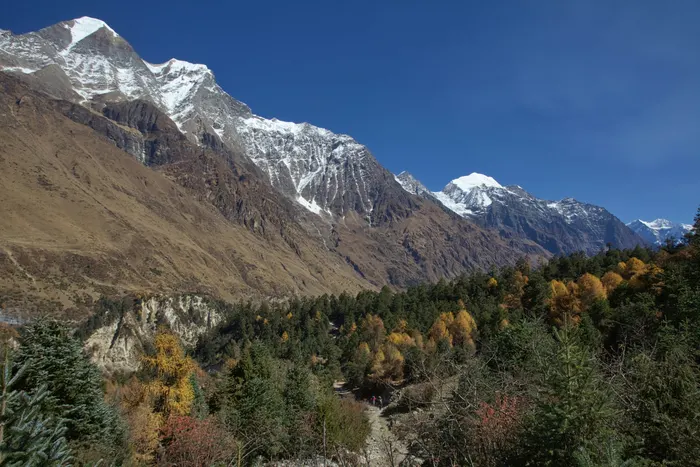
Both treks share the same optimal seasons: autumn (October to November) and spring (March to April). Autumn brings the clearest skies and stable weather, ideal for both routes. Spring adds the rhododendron bloom, particularly spectacular on the ABC approach through Ghorepani and the lower Circuit. Winter (December to February) is possible for ABC, though cold, and for the Circuit, though Thorong La may close due to snow, making it risky. The winter trek package focuses on lower routes. The monsoon (June to September) brings rain to both routes' southern sections, though the northern Circuit beyond Muktinath is in the rainshadow and remains dry. For Upper Mustang extensions, monsoon season is actually ideal.
Frequently Asked Questions
Which is harder: Annapurna Base Camp or the Annapurna Circuit?
The Annapurna Circuit is significantly harder. It crosses Thorong La at 5,416 metres, requiring careful acclimatisation and strong fitness, with a 7 to 9 hour crossing day. Annapurna Base Camp reaches 4,130 metres with no high passes, making it moderate in difficulty and accessible to trekkers with basic fitness. For first-time Himalayan trekkers, ABC is the recommended starting point.
Can I do both ABC and the Circuit in one trip?
Yes. A combined trek takes 18 to 21 days and covers both routes, starting with the Circuit (crossing Thorong La) and then connecting to ABC via Ghorepani or Tatopani. This offers the complete Annapurna experience. Enticing Himalayas can arrange a custom combined itinerary. The dense trail network of the Annapurna region makes this combination feasible and increasingly popular among experienced trekkers.
Which trek has better mountain views?
ABC offers more intimate, dramatic close-up views, placing you inside the Annapurna Sanctuary surrounded by 7,000 and 8,000 metre peaks. The Circuit offers broader panoramic views across the entire range, including Dhaulagiri, Manaslu, and the trans-Himalayan landscape. For concentrated mountain drama, choose ABC. For variety and breadth, choose the Circuit. Both are world-class.
How many days do I need for each trek?
ABC takes 7 to 10 days, with the 7-day express version being the shortest. The Circuit takes 13 to 16 days, with the 13-day Tilicho Lake version being popular. Add 2 to 3 days for travel to and from Pokhara. If you have less than two weeks, choose ABC. If you have two to three weeks, the Circuit is the better use of your time.
Is Thorong La pass dangerous?
Thorong La (5,416 metres) is challenging but not inherently dangerous if you acclimatise properly and cross in good weather. The risks are altitude sickness and sudden weather changes. Cross early in the morning before afternoon winds and potential snow. Your guide assesses conditions before the crossing day. In winter (December to February), the pass may close due to heavy snow. Always follow your guide's advice on whether it is safe to cross.
Which trek is better for beginners?
Annapurna Base Camp is better for beginners. The maximum altitude is 4,130 metres with no high passes, and the trail is well-maintained with abundant teahouses. The 7-day express version or the 10-day standard version both offer gradual ascent. The Circuit requires previous high-altitude experience and strong fitness due to the 5,416-metre Thorong La crossing.