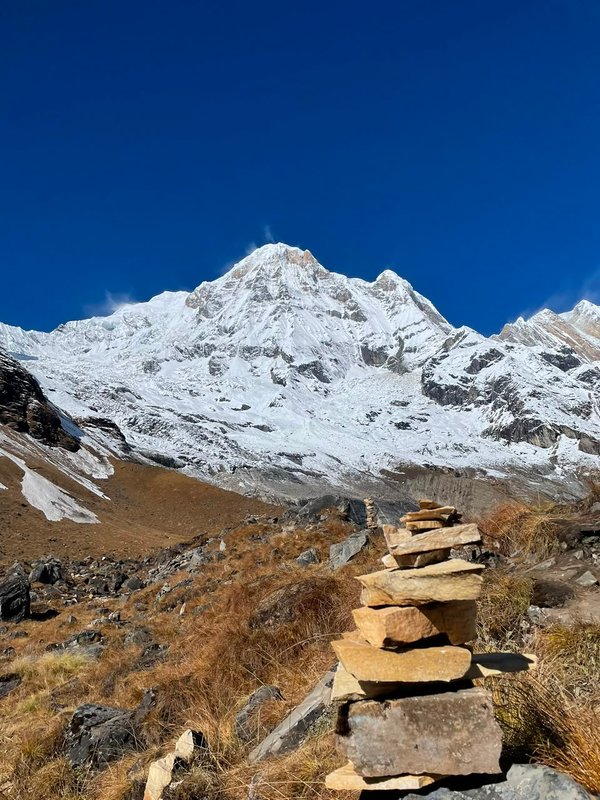
What Should You Pack for an Annapurna Trek in 2026?
Packing for an Annapurna trek in 2026 means preparing for a remarkable range of climates in a single journey. The Annapurna trails take you from subtropical river valleys near 800 metres to alpine passes above 5,000 metres, and your gear must handle every zone in between. The goal is not to carry everything but to carry the right layers, the right footwear, and a few essentials that keep you safe, warm, and comfortable on the trail. This packing list reflects what experienced trekkers actually use on the Annapurna Circuit and Annapurna Base Camp routes, updated for 2026 conditions, permit rules, and lodge infrastructure.
How Do You Layer Clothing for Annapurna's Changing Climate?
The layering system is the single most important packing principle for any Annapurna trek. You will start a trekking day in a T-shirt at 1,000 metres and finish in a down jacket at 4,000 metres. A proper base layer of moisture-wicking synthetic or merino wool tops keeps sweat off your skin. A mid layer of fleece or a lightweight insulated jacket traps warmth. An outer shell of waterproof and windproof material protects you from afternoon rain, wind, and the cold of high passes like Thorong La. Pack two base-layer tops, one fleece, one down jacket, and one hard shell, and you can handle anything the Annapurna range throws at you.
What Footwear Do You Need for Annapurna Trekking Trails?
Your boots are the most critical item on this list. Annapurna trails include stone steps, loose gravel, river crossings, and snow at high altitudes. Choose broken-in, waterproof trekking boots with good ankle support and a grippy sole. Do not arrive in Nepal with brand new boots, as blisters will end your trek faster than altitude sickness. Bring quality merino wool trekking socks, at least three pairs, and consider lightweight camp shoes or sandals for evenings in the lodge. Many trekkers also pack gaiters for the Thorong La crossing or winter treks where snow and scree can enter boot tops.
What trekking gear and accessories should you bring?
Beyond clothing and boots, a set of core trekking accessories makes each day on the trail safer and more enjoyable. A well-fitted 40 to 50 litre daypack lets you carry your layers, water, and camera without strain. Trekking poles reduce knee impact on the long descents from places like Poon Hill and Thorong La, and they are invaluable on uneven stone steps. A headlamp with spare batteries is essential for pre-dawn starts and for lodge corridors at night. Pack a good quality water bottle or hydration bladder, water purification tablets or a filter, sunglasses with UV protection, and high-factor sunscreen. The UV intensity at altitude is severe and often underestimated by first-time trekkers.
Which Trek Should You Choose: ABC or the Circuit?
Your packing list depends partly on which Annapurna trek you choose. The Annapurna Base Camp Trek reaches 4,130 metres and requires warm layers but not extreme cold-weather gear. The Annapurna Circuit with Tilicho Lake crosses Thorong La at 5,416 metres and needs serious insulation, a four-season sleeping bag, and full wind protection. For a shorter, lower option, the Ghorepani Poon Hill Trek stays below 3,200 metres, making it ideal for those who want to pack lighter. Match your gear to the maximum altitude and duration of your chosen route.
How Much Should Your Backpack Weigh on the Annapurna Trail?
A common mistake among first-time trekkers is overpacking. Your packed trekking backpack should weigh no more than 10 to 12 percent of your body weight, typically 8 to 12 kilograms for most people. Everything beyond that slows you down, increases fatigue, and raises injury risk. If you book a guided trek through Enticing Himalayas, a porter can carry your main duffel bag (up to 15 kg) while you carry only a light daypack with water, layers, and camera gear. This is the most comfortable way to trek and lets you focus on the scenery rather than the weight on your shoulders.
What Sleeping Gear Do You Need for Annapurna Teahouses?
Most Annapurna treks use teahouse lodges, which provide a bed and blanket but not always a warm room. A three-season sleeping bag rated to minus 10 degrees Celsius is the standard recommendation for ABC and the Circuit. For winter treks or high camps, consider a four-season bag rated to minus 20 degrees. A silk or fleece sleeping bag liner adds warmth and hygiene. The Annapurna Luxury Lodge Trek offers upgraded rooms with better bedding, but even there a personal sleeping bag ensures comfort and warmth at altitude where lodge rooms are unheated after sundown.
What First Aid and Health Items Are Essential?
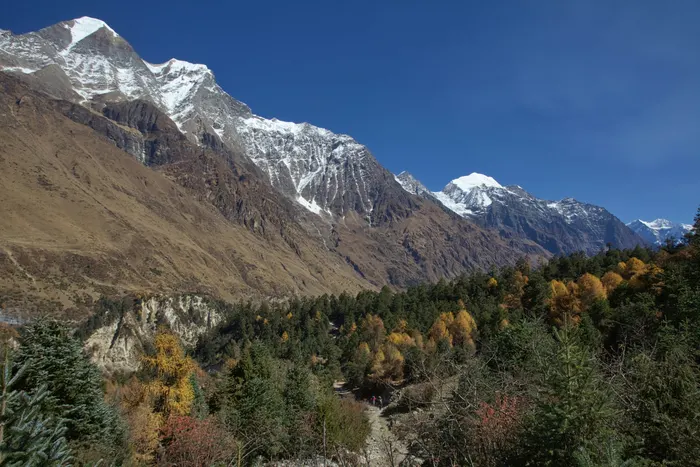
A personal first aid kit is non-negotiable on the Annapurna trails. Include blister plasters, bandages, antiseptic cream, pain relievers, anti-diarrhoea tablets, rehydration salts, and any prescription medications you take. Diamox (acetazolamide) for altitude sickness should be discussed with your doctor before departure. Water purification tablets or drops are essential since bottled water is not always available and creates plastic waste. Hand sanitiser, wet wipes, and a small towel round out your health and hygiene kit. Your guide on any Enticing Himalayas trek will carry a group medical kit, but personal items remain your responsibility.
What Electronics and Documents Should You Carry?
Electronics on the Annapurna trail need to be lightweight and rechargeable. A smartphone with offline maps and a downloaded trekking app is useful, plus a power bank of at least 10,000 mAh since charging at teahouses costs extra above 3,000 metres. A camera with spare batteries captures the scenery, and the Annapurna Photography Trek is designed specifically around golden-hour shooting. Essential documents include your passport with Nepal visa, trekking permits (ACAP and TIMS), travel insurance with helicopter evacuation cover, and a few passport-size photos for permit processing. Keep these in a waterproof document sleeve.
What Should You Pack for Winter Annapurna Treks?
Winter trekking in Annapurna (December to February) requires a significant upgrade in insulation. The Annapurna Winter Trek sees daytime temperatures at altitude regularly below freezing and night-time temperatures plunging to minus 20 degrees or colder. Pack a four-season sleeping bag, expedition-weight down jacket, thermal base layers (top and bottom), warm gloves with liner, a balaclava or warm hat, and gaiters. Chemical hand warmers are a welcome addition for early morning starts at Poon Hill or high camps. Always check trail conditions before departure, as Thorong La may close due to snow.
What Toiletries and Personal Items Are Needed?
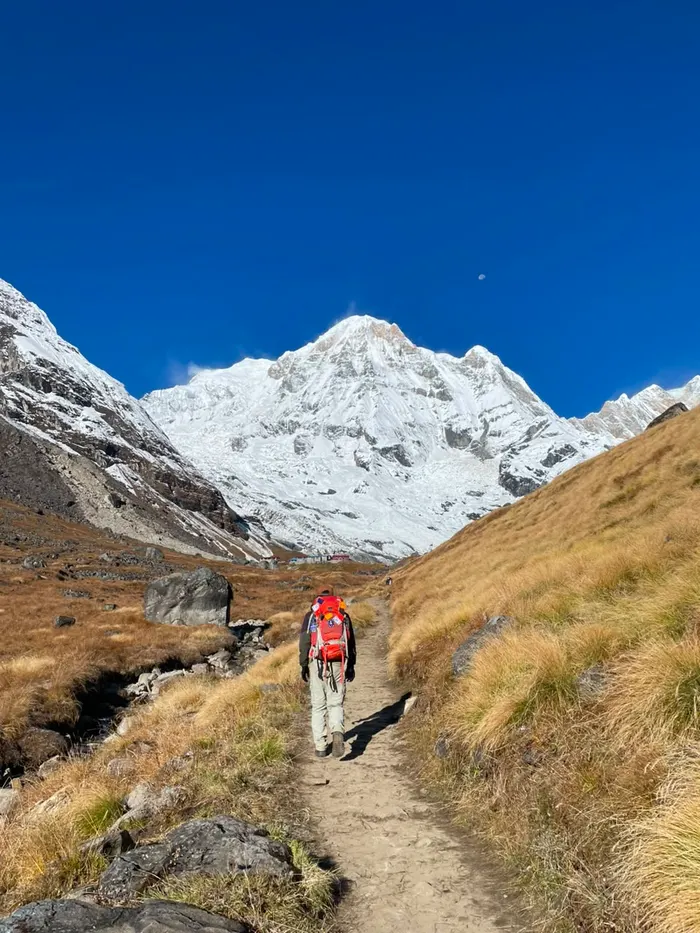
Keep toiletries minimal and biodegradable. Pack travel-size toothpaste, a toothbrush, biodegradable soap, shampoo, and a quick-dry travel towel. Wet wipes are invaluable when showers are unavailable, and hand sanitiser prevents illness. For women, bring adequate menstrual supplies as they are hard to find on the trail. Sunscreen of SPF 50 or higher and lip balm with SPF are critical at altitude where UV exposure is intense. A small mirror, nail clippers, and any personal hygiene items complete the kit. Remember that all waste, including wet wipe packaging, must be carried out or disposed of properly at lodges.
How Do You Pack for Different Annapurna Trek Durations?
Shorter treks like the 7-day Annapurna Base Camp Express allow for a lighter pack since you are never far from the trailhead. Longer treks like the 14-day Annapurna Circuit Budget Trek need more base layers, extra socks, and a larger power bank. For any trek over 10 days, pack at least four pairs of socks and three base-layer tops. Laundry is available at lower lodges but not above 3,000 metres, so plan clothing rotation carefully. A compression sack for your sleeping bag saves valuable pack space on longer routes.
What Trekking Poles and Accessories Help on the Trail?
Trekking poles are not a luxury on Annapurna trails; they are a practical necessity that protects your knees on the thousands of stone steps between villages like Ghandruk and Chhomrong. Adjustable aluminium or carbon poles with a locking mechanism are best, and they should be collapsible for packing. A buff or neck gaiter protects against dust, wind, and sun simultaneously. A dry bag or pack liner keeps your clothing and electronics dry during afternoon rain showers, which are common even in the dry season. A small pack of safety pins and a roll of duct tape serve as on-trail repair tools for torn packs, broken straps, or blister plasters that lose adhesion. These small, lightweight items take minimal space but solve real problems when you are two days from the nearest shop.
What Should You NOT Bring on an Annapurna Trek?
Knowing what to leave behind is as important as knowing what to pack. Do not bring cotton clothing, which stays wet and cold. Avoid heavy jeans, bulky towels, hair dryers, or full-size toiletries. Do not bring multiple pairs of shoes; one pair of trekking boots and one pair of camp sandals is enough. Leave behind hardcover books (use an e-reader instead), unnecessary electronics, and any gear rated for conditions colder than your trek requires. Overpacking is the most common regret among Annapurna trekkers. If in doubt, leave it out. You can rent or buy most items in Pokhara or Kathmandu at reasonable prices.
Where Can You Buy or Rent Trekking Gear in Nepal?
Both Kathmandu and Pokhara have dozens of trekking gear shops in Thamel and Lakeside respectively. You can buy or rent sleeping bags, down jackets, trekking poles, and most other items at a fraction of the cost back home. Quality varies, so inspect zips, seams, and insulation carefully before renting. Many shops sell genuine branded gear alongside cheaper local copies. If you are joining an Enticing Himalayas guided trek, ask in advance whether certain items are included with your package, as some group treks provide sleeping bags and down jackets for the duration of the journey.
Frequently Asked Questions
What is the most important item to pack for an Annapurna trek?
A good pair of broken-in, waterproof trekking boots is the most important item. The Annapurna trails include stone steps, river crossings, and high-altitude snow, so proper footwear prevents blisters and injuries. Everything else can be rented or bought in Kathmandu or Pokhara, but boots should be your own and well broken in before you arrive.
Do I need a sleeping bag for Annapurna teahouse treks?
Yes. Teahouses provide a bed and blanket but rooms are unheated and can drop below freezing at altitude. A three-season sleeping bag rated to minus 10 degrees Celsius is recommended for most Annapurna treks. For winter treks or high camps above 4,000 metres, bring a four-season bag rated to minus 20 degrees. A silk or fleece liner adds warmth and hygiene.
How heavy should my backpack be for the Annapurna Circuit?
Your daypack should weigh 8 to 12 kilograms, roughly 10 percent of your body weight. If you hire a porter through your trekking company, the porter carries your main duffel bag up to 15 kilograms, and you carry only water, layers, and essentials. This is the most comfortable arrangement for multi-day Annapurna treks, especially the full Circuit over Thorong La.
Can I buy trekking gear in Kathmandu or Pokhara?
Yes, both cities have extensive trekking gear shops, especially in Thamel (Kathmandu) and Lakeside (Pokhara). You can buy or rent sleeping bags, down jackets, trekking poles, and most items at reasonable prices. Quality varies, so inspect gear carefully. Some Enticing Himalayas guided treks include certain items, so check your package details before purchasing.
Do I need special permits packed before starting the trek?
Yes. You need the ACAP (Annapurna Conservation Area Project) entry permit and the TIMS card, both arranged by your trekking company or obtainable in Kathmandu and Pokhara. Keep your passport, Nepal visa, permits, and travel insurance documents in a waterproof sleeve. For restricted zones like Upper Mustang, additional special permits are required and arranged in advance.
What electronics should I bring for an Annapurna trek?
Bring a smartphone with offline maps, a power bank of at least 10,000 mAh, a camera with spare batteries if you are into photography, and a headlamp. Charging costs extra at teahouses above 3,000 metres, so a power bank is essential. Keep electronics in a dry bag inside your pack to protect against rain and sweat.