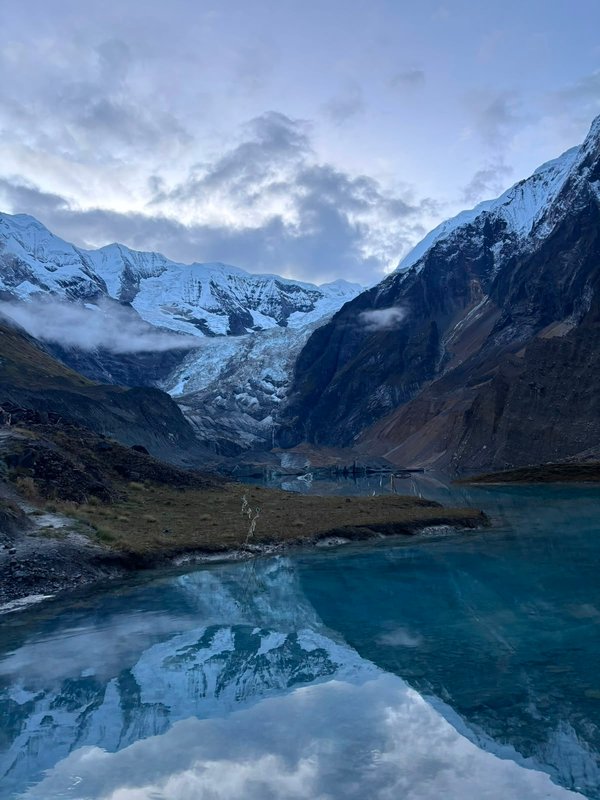
The Annapurna region is one of the most accessible and spectacular trekking destinations in Nepal, but choosing the right time to go can make the difference between crystal-clear mountain views and a cloud-shrouded disappointment. This month-by-month guide for 2026 walks you through weather patterns, trail conditions, crowd levels, and the best windows for photography, wildlife spotting, and cultural immersion. Whether you are planning a short Ghorepani Poon Hill trek or the full Annapurna Circuit, timing matters. Explore with us as we break down every month so you can plan the perfect Annapurna adventure.
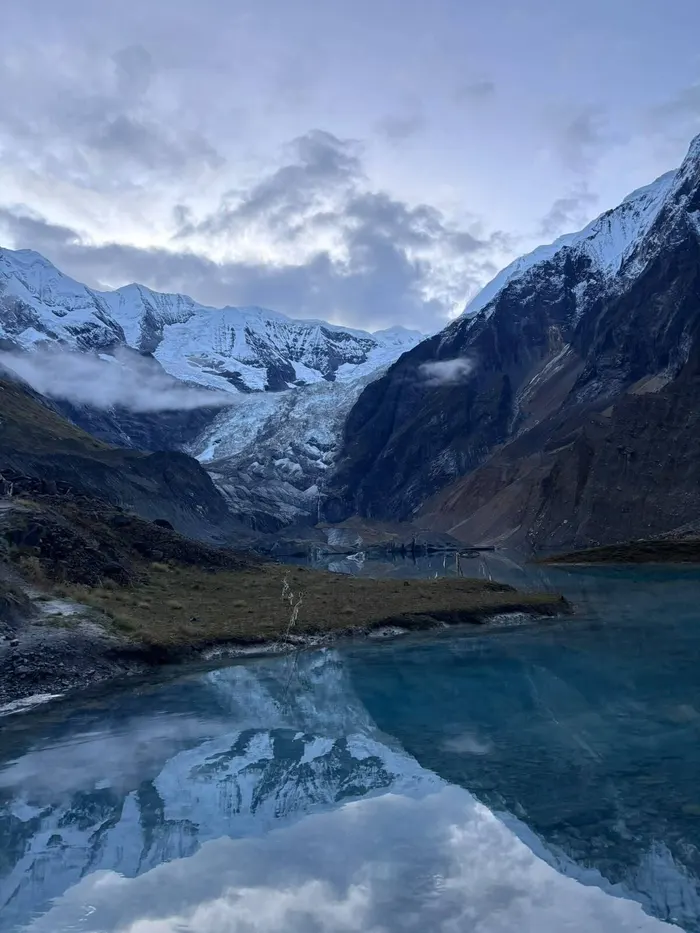
When Is the Best Time for Annapurna Trek in 2026?
The two best windows for trekking in the Annapurna region are autumn (September to November) and spring (March to May). Autumn offers the clearest skies of the year after the monsoon rains wash the atmosphere clean, while spring brings blooming rhododendron forests and warmer temperatures. Both seasons have stable weather, minimal precipitation, and excellent trail conditions. Winter and monsoon months are possible but come with challenges like cold, snow, and trail washouts. Most trekkers choose autumn for views and spring for flowers, but each month has its own character.
January: Snow, Silence, and Solitude on the Annapurna Trail
January is the coldest month in the Annapurna region, with nighttime temperatures at higher elevations dropping well below freezing. The Annapurna Base Camp area and Thorong La pass on the Circuit often see heavy snow, and the pass may close for days at a time. Lower elevation trails around Ghorepani and Poon Hill remain manageable if you are prepared for cold mornings. The big advantage of January is that you will have the trails almost entirely to yourself. Tea houses are quiet, lodge owners have plenty of time to chat, and the mountain views on clear days are razor-sharp. If you want to experience the Annapurna region in winter, consider the Annapurna Winter Trek, which is specifically designed for the December to February snow season. Pack a four-season sleeping bag, thermals, and solid waterproof boots. Shorter daylight hours mean you should plan to arrive at your tea house by 3:00 PM.
February: The Transition Month Before Spring
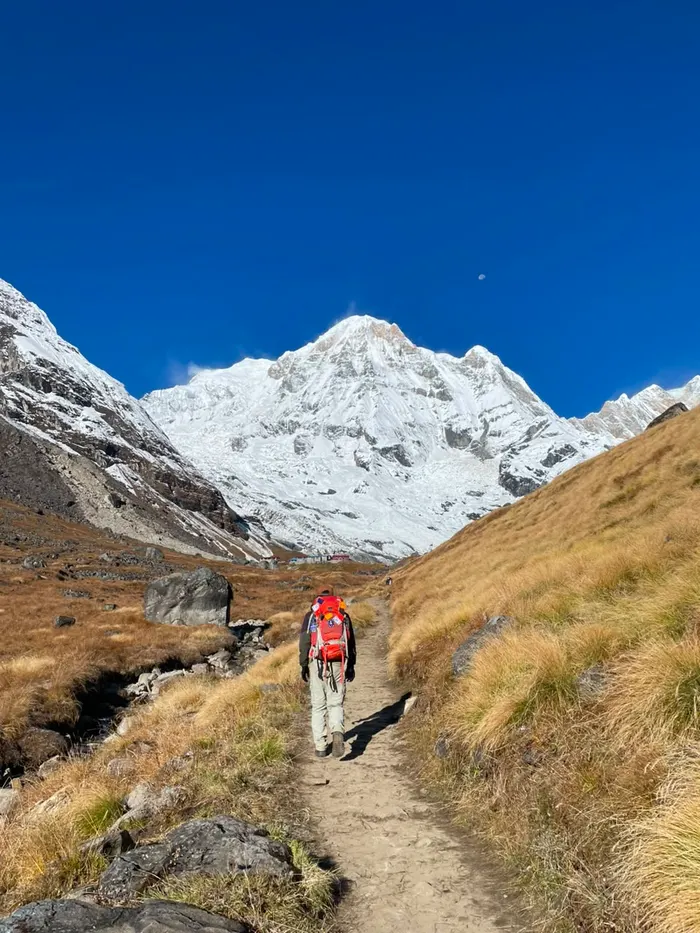
February marks the tail end of winter in the Annapurna region. Temperatures begin to climb gradually, but higher elevations remain cold with occasional snowfall. The days grow longer, giving you more daylight hours for trekking. Trails are still uncrowded, making February a good choice for trekkers who want solitude without the deep freeze of January. The lower elevation trails around Pokhara and the foothills start to show the first signs of spring greenery. Rhododendron buds begin to form, though the full bloom is still weeks away. This is a transition month: weather can be unpredictable, with clear sunny days followed by sudden afternoon clouds. If you trek in February, check trail reports for Thorong La conditions before committing to the full Circuit. For a shorter, lower-altitude option, the Mardi Himal Trek reaches about 4,500 meters and is more manageable in late February.
March: Spring Blooms and Trekking Season Begins
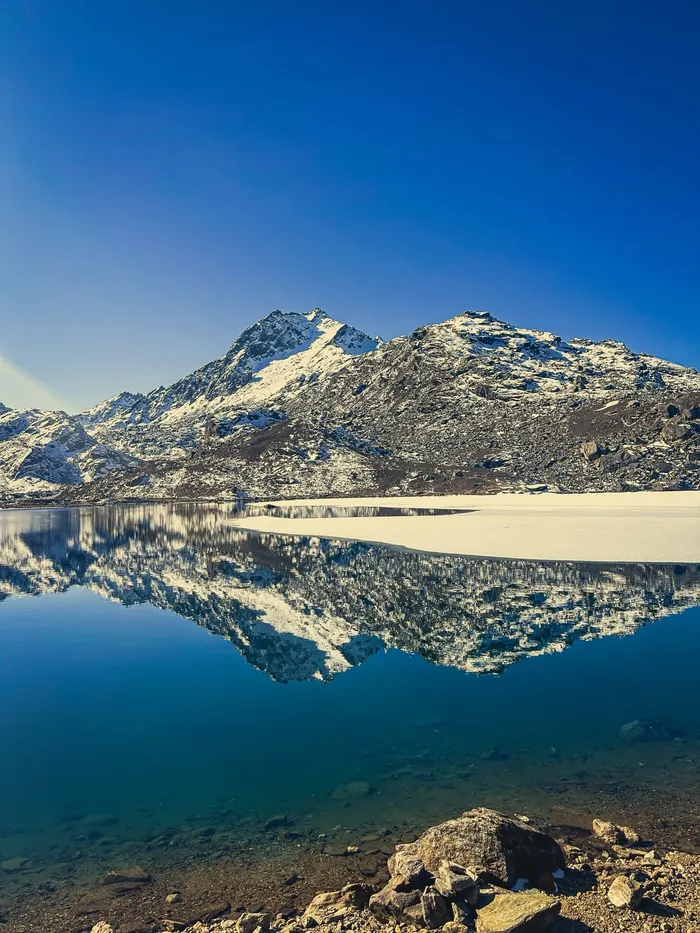
March is when the Annapurna trekking season truly kicks into gear. The weather warms noticeably, skies are generally clear, and the famous rhododendron forests begin to bloom. The lower and middle elevations transform into a carpet of red, pink, and white flowers, especially along the Ghorepani to Ghandruk section. Daytime temperatures are comfortable for walking, while nights are cool but not extreme. March sees a steady increase in trekkers, so book your tea houses in advance, particularly in popular stops like Ghorepani and Chhomrong. The Annapurna Family Trek is an excellent March choice, combining moderate terrain with cultural highlights in Gurung villages. For photographers, the combination of flowering forests and snow-capped peaks creates stunning compositions. March is also when you start seeing more wildlife activity, with birds nesting and langurs foraging near the trail.
April: Peak Spring Season with Perfect Conditions
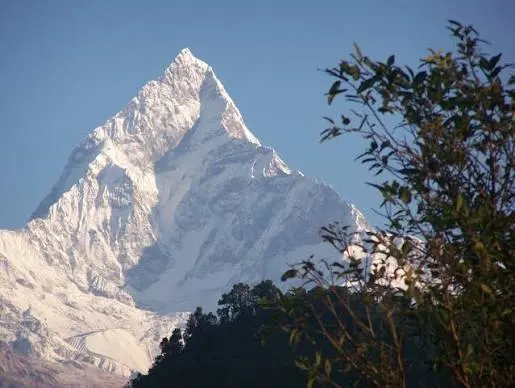
April is arguably the most popular month for Annapurna trekking, and for good reason. The rhododendron forests are in full bloom across the mid-elevation zones, the weather is stable with warm days and crisp nights, and visibility is excellent. The trails are at their busiest, especially on the ABC and Poon Hill routes. This is the month when tea houses fill up by early afternoon, so starting your daily walk early gives you the best choice of rooms. April is ideal for the classic Annapurna Base Camp Trek, where you walk through flower-filled valleys toward the base of the tenth highest mountain in the world. For a photography-focused experience, the Annapurna Photography Trek is timed for golden-hour sessions at both ABC and Poon Hill. Pack layers: daytime temperatures at lower elevations can reach 25 degrees Celsius, while nights at Base Camp drop below zero.
May: Warm Days and the Last Clear Views Before Monsoon
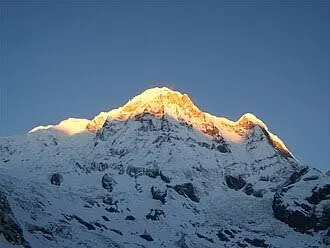
May is the final month of the spring trekking season. Days are the warmest of the year at trekking elevations, making high-altitude sections more comfortable. The rhododendron bloom moves higher up the slopes, and the forests take on a lush, green mantle. Morning visibility is still good, but afternoons increasingly bring haze and clouds as the monsoon approaches. May is a great month for the Annapurna Circuit with Tilicho Lake, because the warmer temperatures make the high passes more pleasant and the trail to Tilicho Lake at 4,919 meters is usually clear of snow. Wildlife sightings increase as animals become more active in the warmth. By late May, the first pre-monsoon showers may appear, so carry full rain gear even if the forecast looks clear. This is also an excellent month for the Annapurna Yoga Trek, where morning yoga sessions complement the serene spring atmosphere.
June to August: Monsoon Season Challenges and Rewards
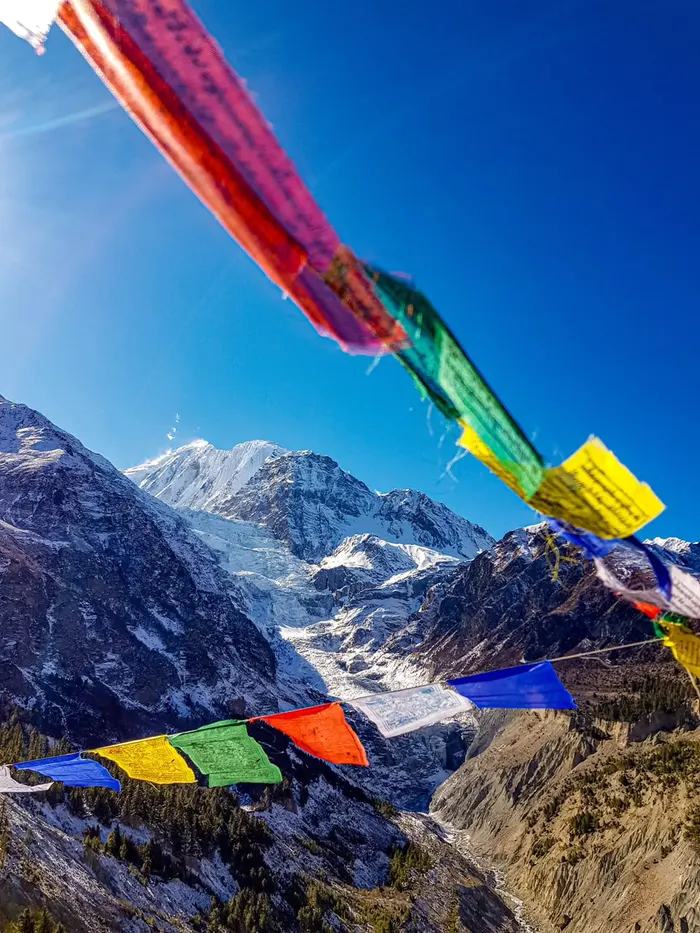
June, July, and August bring the monsoon to the Annapurna region. Rainfall is heavy, trails become muddy and leech-infested at lower elevations, and mountain views are frequently obscured by clouds. Landslides can block trails, and some tea houses close for the season. However, the monsoon months have their own appeal: the landscape is intensely green, waterfalls are spectacular, and the crowds vanish entirely. Upper Mustang, which lies in the rain shadow, remains dry and trekking-friendly. The Upper Mustang region and the northern sections of the Annapurna Circuit beyond Manang receive very little monsoon rain, making them viable summer options. If you must trek during the monsoon, focus on these rain-shadow areas. Agricultural activity is at its peak, with rice paddies and millet fields vibrant against the hillsides. Start early in the morning, as rain typically arrives in the afternoon, and always carry a reliable rain cover for your backpack.
September: The Monsoon Clears and Autumn Season Opens
September is a transition month as the monsoon withdraws and the autumn trekking season begins. Early September can still see rainfall, but by mid-month the skies start to clear and the dust-free air delivers some of the sharpest mountain views of the year. The landscape is lush and green from months of rain, rivers are full, and waterfalls are spectacular. Trails are being repaired and tea houses are reopening. September is less crowded than October, making it a sweet spot for trekkers who want clear views without the peak-season crowds. The Annapurna Solo Women's Trek is a great September option, combining safety, community, and stunning post-monsoon scenery. Check trail conditions before you go, as some sections may still be recovering from monsoon damage. Pack rain gear for the first week, then expect increasingly dry and clear conditions as the month progresses.
October: The Busiest and Best Month for Annapurna Trekking
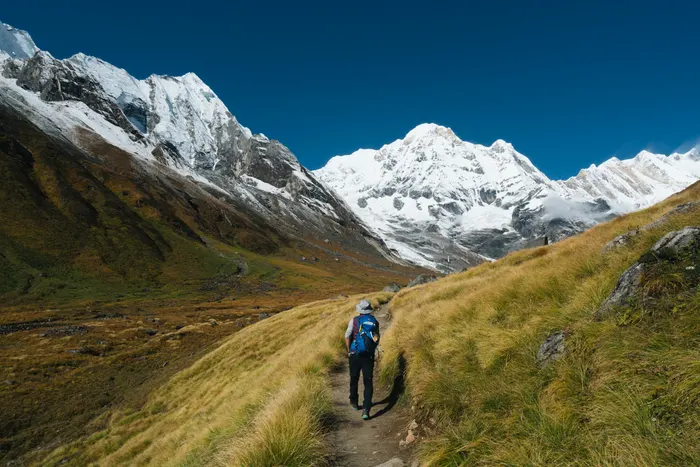
October is the single most popular month for trekking in the Annapurna region, and it earns that reputation. The weather is stable, skies are crystal clear, temperatures are comfortable at all elevations, and the mountain views are at their absolute best. Every tea house along the main routes will be full, so plan ahead and book where possible. The atmosphere on the trail is vibrant, with trekkers from around the world sharing stories over evening dal bhat. For the full Circuit experience, the Annapurna Circuit Budget Trek crosses the 5,416-meter Thorong La pass under ideal conditions. If you prefer a shorter trek, the ABC Short Trek delivers the base camp experience in just seven days. October is also festival season in Nepal, with Dashain often falling in this month, adding cultural richness to your trek. Start your daily walks early to secure the best tea house rooms and enjoy the clearest morning views.
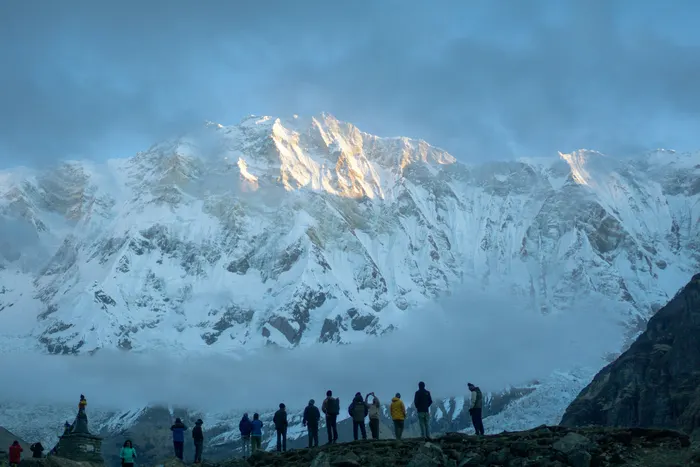
November: The Last Golden Month of Autumn
November is the final month of the autumn trekking season and offers nearly perfect conditions. Skies remain clear, temperatures start to drop (especially at night), and the post-harvest landscape is golden and dry. The crowds of October thin out slightly, but popular tea houses still fill up early. November is ideal for trekkers who want autumn conditions with a bit more tranquility. The Annapurna Luxury Lodge Trek is a wonderful November choice, combining premium accommodation with the season's best weather. As the month progresses, higher elevations get colder, and by late November, Thorong La may see its first significant snowfall. Pack warmer gear than you would for October, especially for nights at ABC or high camps. The clear, dry air makes November one of the best months for landscape photography, with long-range visibility and dramatic light on the peaks.
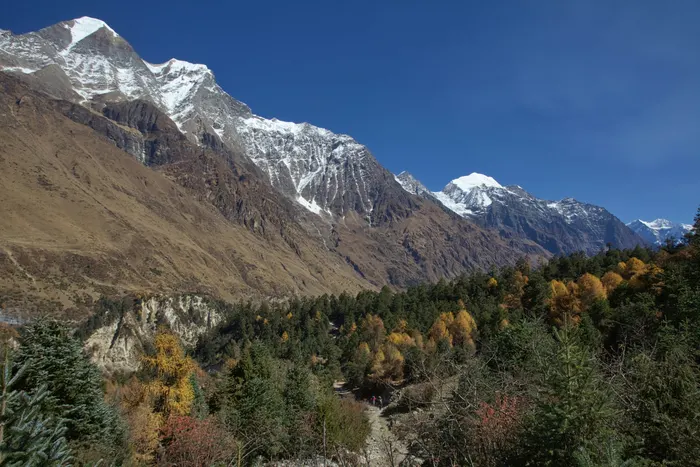
December: Early Winter Trekking with Fewer Crowds
December marks the beginning of winter in the Annapurna region. Temperatures drop significantly, especially at higher elevations, and snow begins to accumulate on the high passes. However, the first two weeks of December often still offer clear skies and stable weather, making it a good choice for trekkers who want solitude and crisp views. Tea houses are uncrowded, and the trail has a peaceful, end-of-season feel. The Annapurna Senior Trek with its gentle pace and moderate altitudes is well suited for December, as it avoids the highest passes. For a unique experience, the Annapurna Helicopter Return Trek lets you trek up to ABC and fly back, reducing exposure to cold conditions on the return. Pack for serious cold: four-season sleeping bag, down jacket, and thermal layers are essential. Check weather forecasts daily, as conditions can change rapidly.
What Should You Pack for Each Season on the Annapurna Trail?
Your packing list should adapt to the season. For autumn and spring treks, a three-season sleeping bag (rated to minus 5 degrees Celsius), a down jacket, trekking trousers, moisture-wicking base layers, a waterproof shell, and sturdy boots are sufficient. For winter months, upgrade to a four-season sleeping bag, add insulated trousers, bring gaiters for snow, and carry hand warmers. For the monsoon season, prioritize a quality rain cover, quick-dry clothing, and leech socks for lower elevation trails. Regardless of season, always carry a headlamp, a basic first aid kit, water purification tablets, and a refillable water bottle. Sunglasses with UV protection and high-SPF sunscreen are essential year-round at altitude.
How Does Altitude Affect Your Timing Plans?
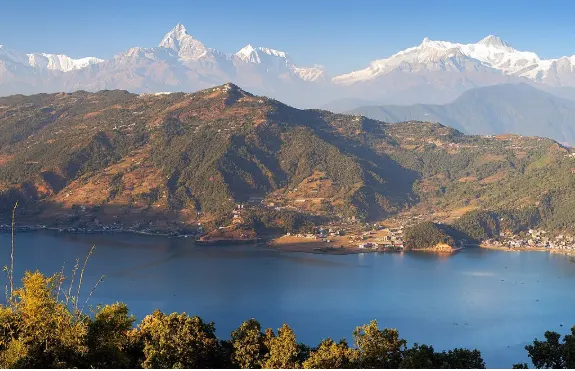
Altitude plays a critical role in when and how you trek the Annapurna region. In winter, high passes like Thorong La (5,416m) may close due to snow, making the full Circuit impossible. In spring and autumn, the passes are typically open, but you still need acclimatization days. If you are trekking to Annapurna Base Camp (4,130m), altitude is less of a concern than on the Circuit, but gradual ascent is still essential. Always factor in at least one acclimatization day for treks above 3,500 meters. The Panchase Panorama Trek stays below 2,500 meters, making it a year-round option that avoids altitude concerns entirely.
Which Annapurna Trek Should You Choose for Each Season?
Matching the right trek to the season maximizes your experience. In autumn, the Annapurna Base Camp Trek and the full Circuit are the classic choices. In spring, the Ghorepani Poon Hill Trek showcases the rhododendron bloom beautifully. In winter, lower elevation treks like Mardi Himal or Poon Hill are safer options. In monsoon, head to Upper Mustang or Muktinath in the rain shadow. For families, spring and autumn are ideal for the Mother Daughter Trek. Browse all available options on our tour list to find the perfect match for your schedule and fitness level.
Conclusion: Plan Your 2026 Annapurna Trek with Confidence
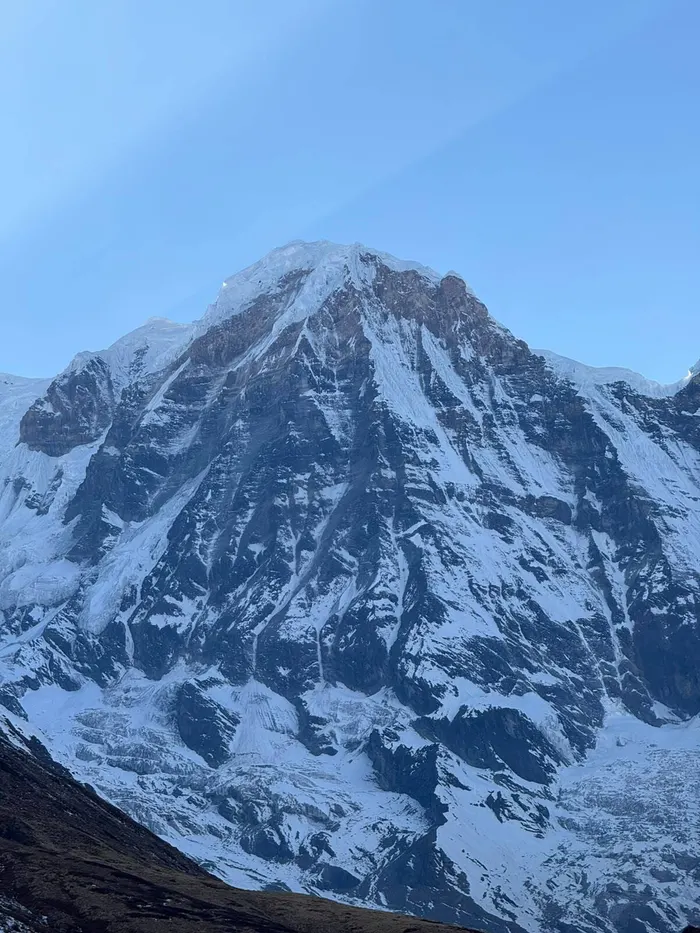
Choosing the best time for your Annapurna trek in 2026 comes down to what you value most: clear views, flowering forests, solitude, or cultural festivals. Autumn (September to November) delivers the best overall conditions, while spring (March to May) offers blooming landscapes and warming weather. Winter brings solitude and sharp views but demands serious cold-weather preparation. The monsoon reshapes the landscape into a lush green paradise, best enjoyed in the rain shadow of Upper Mustang. Whatever season you choose, the Annapurna region rewards careful planning with unforgettable mountain experiences. Explore, Heal, Thrive with Enticing Himalayas as your guide to the world's most diverse trekking region.
Frequently Asked Questions About the Best Time for Annapurna Trek
Which month is best for Annapurna Base Camp trek?
October and April are the two best months for the Annapurna Base Camp trek. October offers the clearest post-monsoon skies and stable weather, while April combines comfortable temperatures with full rhododendron blooms along the approach valleys. Both months have reliable tea house availability but book early as they are peak season.
Can you trek Annapurna in winter?
Yes, you can trek Annapurna in winter (December to February) but with important caveats. High passes like Thorong La may close due to snow, and temperatures at Annapurna Base Camp drop well below freezing. Lower elevation treks like Poon Hill and Mardi Himal remain accessible. Pack a four-season sleeping bag and check trail conditions daily.
Is the monsoon season good for Annapurna trekking?
The monsoon season (June to August) is generally not ideal for the main Annapurna routes due to heavy rain, leeches, and obscured views. However, Upper Mustang and the northern Circuit beyond Manang lie in the rain shadow and remain dry and trekking-friendly. These areas offer a unique summer trekking experience with green landscapes and minimal crowds.
What is the weather like at Annapurna Base Camp in October?
In October, Annapurna Base Camp (4,130m) has daytime temperatures around 5 to 10 degrees Celsius and nighttime temperatures dropping to minus 5 to minus 10 degrees Celsius. Skies are typically crystal clear with excellent visibility. Mornings are the best time for views, while afternoons can bring light cloud cover. Pack warm layers and a good sleeping bag.
Do I need to book tea houses in advance for peak season?
During October and April, the most popular tea houses in Ghorepani, Chhomrong, and ABC fill up by early afternoon. If you arrive late, you may need to walk to the next village. Booking ahead through your trekking agency or guide is recommended for these peak months. In off-season months, tea houses rarely fill up and advance booking is unnecessary.
Which Annapurna trek is best for beginners?
The Ghorepani Poon Hill trek (7 days, max 3,210m) is the best Annapurna trek for beginners. It offers spectacular sunrise views over the Annapurna and Dhaulagiri ranges, comfortable tea houses, and moderate daily walking hours. Spring is the ideal season, when rhododendron forests are in full bloom along the trail. The Mardi Himal trek is another good beginner option.