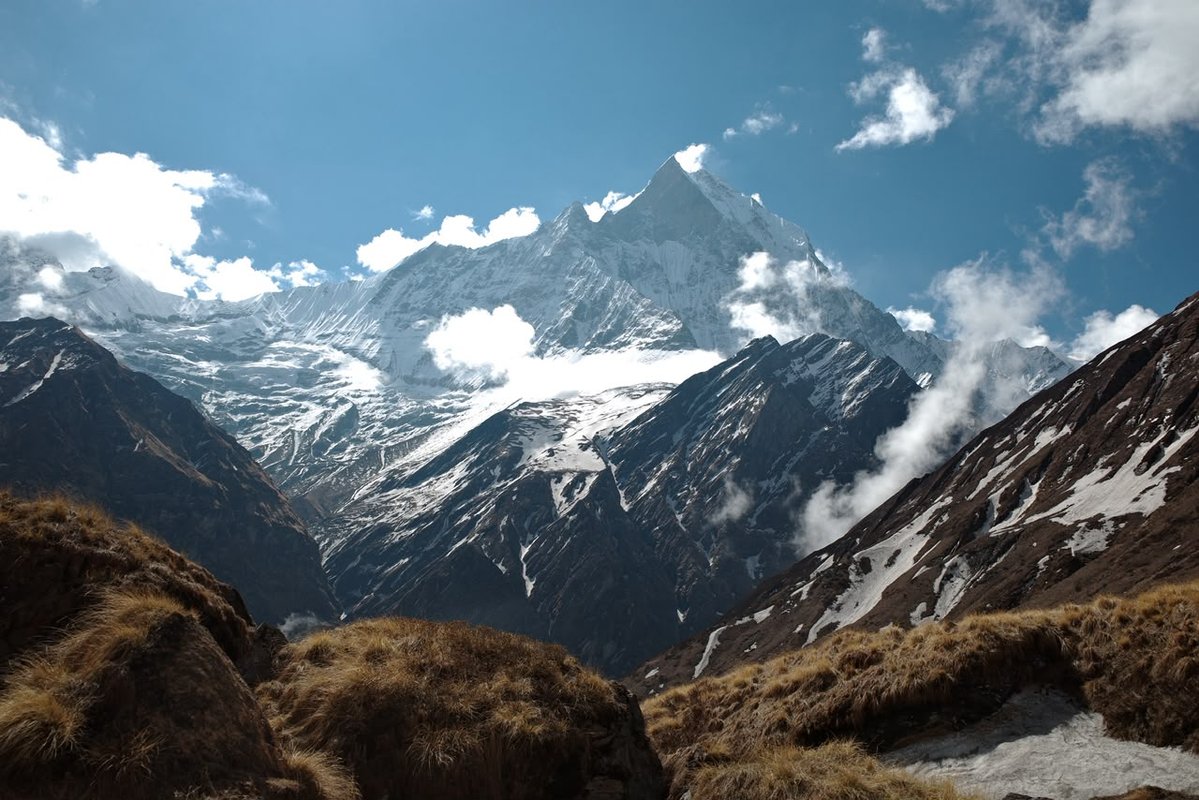
Why Is Nepal Called the Land of the Himalayas?
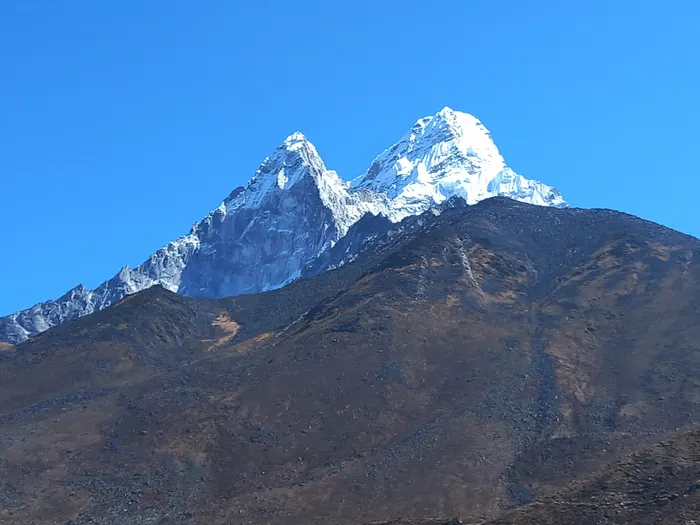
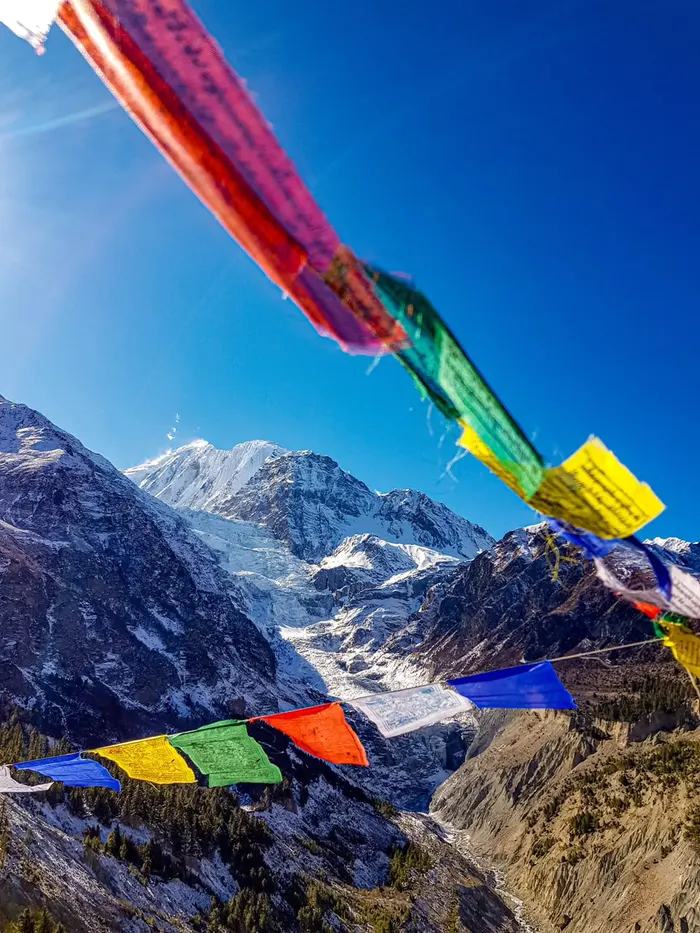
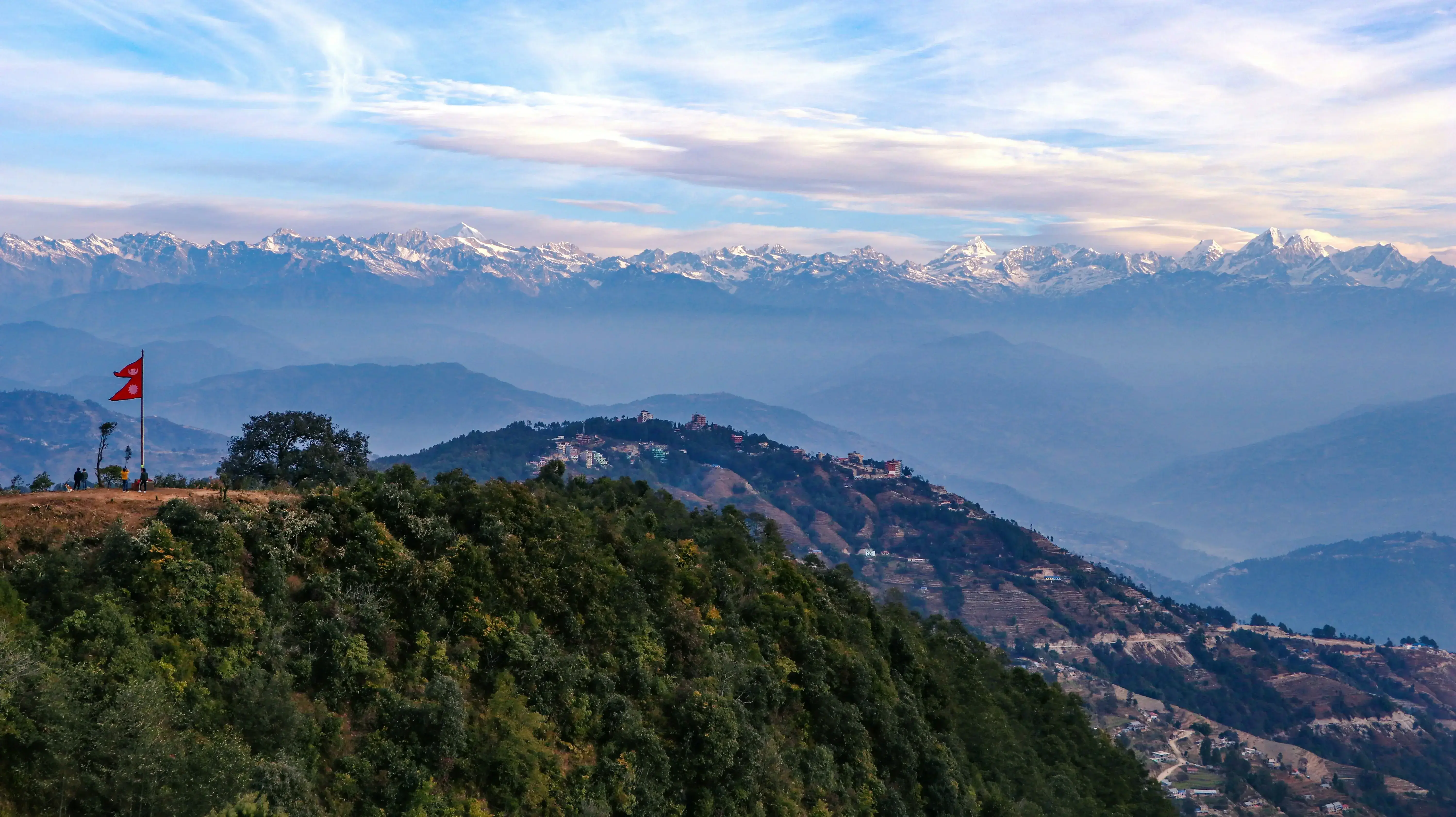
Nepal is called the Land of the Himalayas because it contains the greatest concentration of high peaks on Earth. Eight of the world's fourteen 8,000-metre mountains stand within its borders or on its frontiers, including Mount Everest (8,849 metres), Kanchenjunga (8,586 metres), Lhotse (8,516 metres), Makalu (8,485 metres), Cho Oyu (8,188 metres), Dhaulagiri (8,167 metres), Manaslu (8,163 metres), and Annapurna I (8,091 metres). The Himalayan range spans Nepal from east to west, forming the country's northern border with Tibet and creating the most dramatic mountain landscape on the planet. For trekkers, climbers, and travellers, Nepal is the ultimate Himalayan destination, a place where the world's highest mountains meet ancient cultures, dense forests, and warm hospitality. The philosophy of Enticing Himalayas, "Explore, Heal, Thrive," captures what makes this country so special.
What Are the Main Trekking Regions in Nepal?
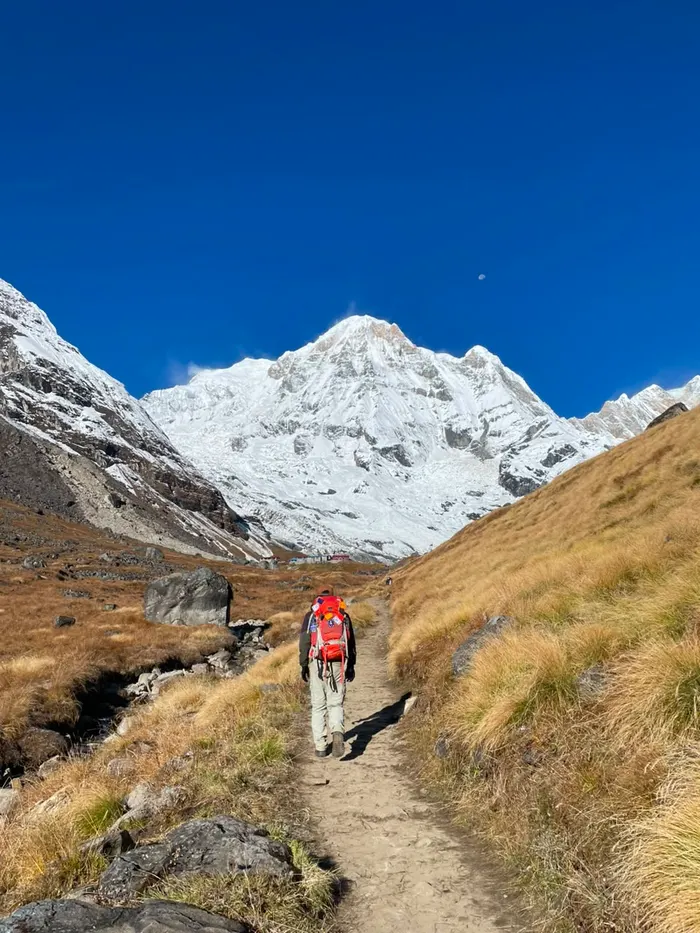
Nepal has three major trekking regions, each with its own character. The Everest region in the east is home to Mount Everest and the Sherpa culture, offering iconic treks like the Everest Base Camp Trek and the Everest View Short Trek. The Annapurna region in central Nepal is the most popular trekking area, with routes ranging from the gentle Poon Hill trek to the challenging Annapurna Circuit. The Manaslu region offers a quieter, restricted-area alternative with pristine trails and Tibetan-influenced culture. Each region offers a distinct blend of scenery, culture, and difficulty, and Enticing Himalayas operates treks in all three.
What Cultural Heritage Does Nepal Offer Beyond the Mountains?
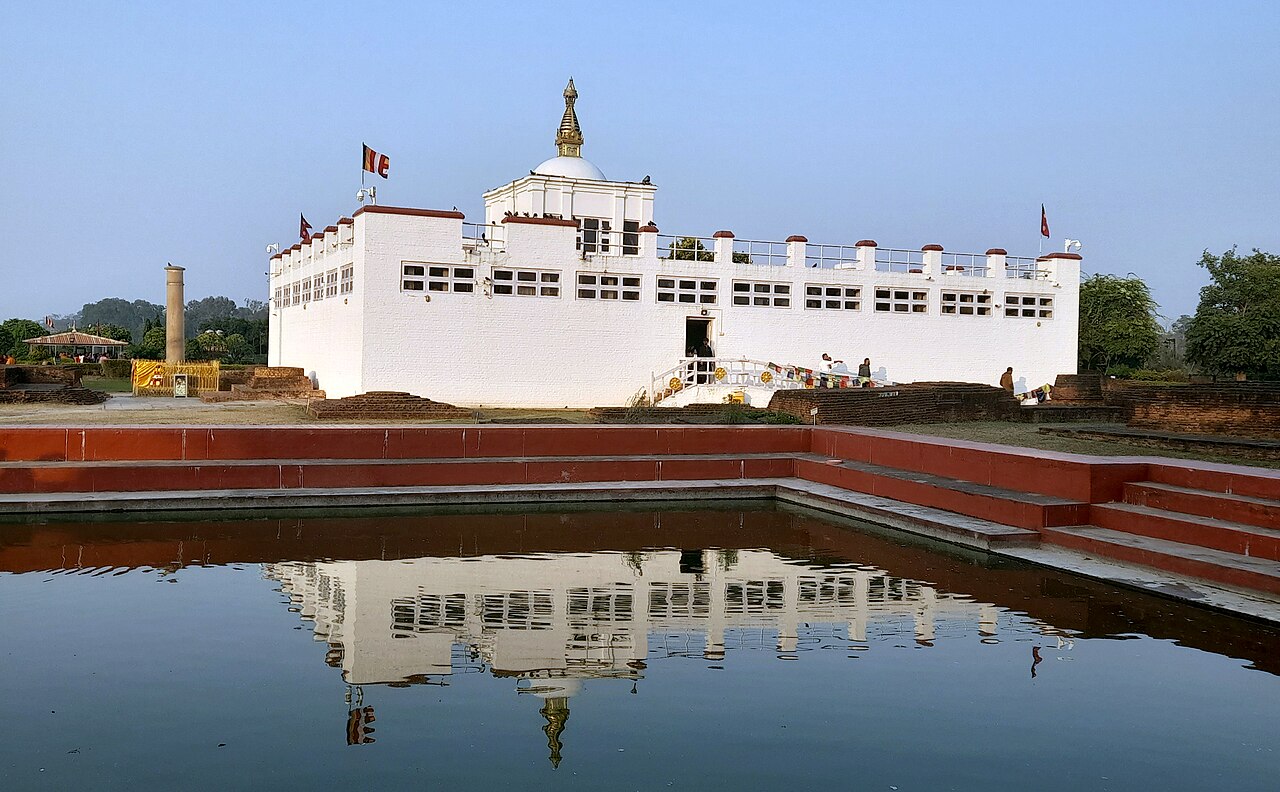
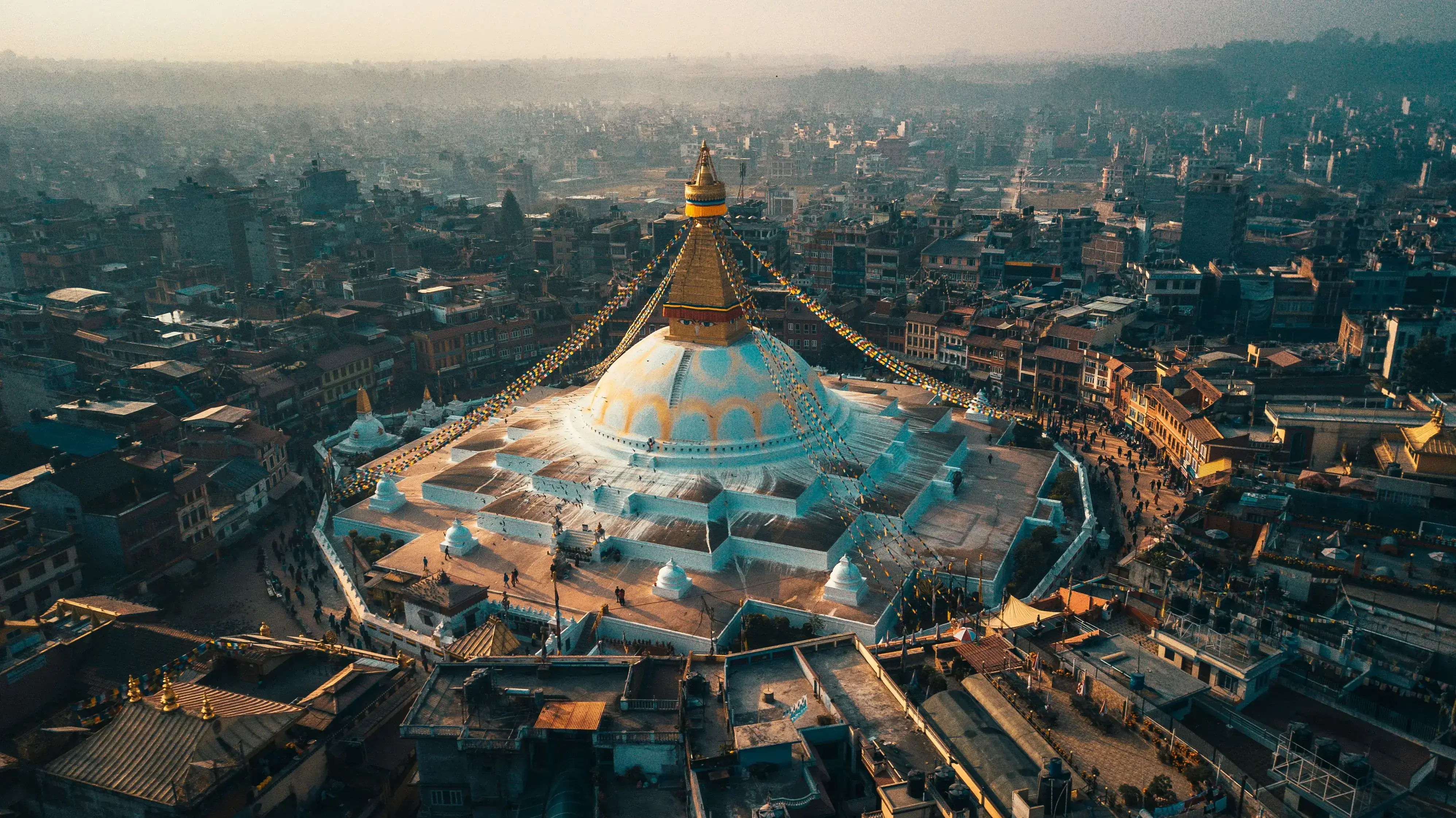
Nepal's cultural heritage is as remarkable as its mountains. The Kathmandu Valley contains seven UNESCO World Heritage monument zones, including the Durbar Squares of Kathmandu, Patan, and Bhaktapur, the stupas of Swayambhunath and Boudhanath, and the sacred Hindu temple of Pashupatinath. The 5-day Kathmandu Valley Tour covers these sites with expert local guides. Lumbini, the birthplace of Buddha, is a major pilgrimage destination, explored through the Lumbini Buddhist Pilgrimage. Nepal is a living mosaic of Hinduism and Buddhism, with festivals, rituals, and traditions practised continuously for centuries. The Newar people of the Kathmandu Valley are renowned for their art, architecture, and craftsmanship, visible in every temple, courtyard, and festival.
When Is the Best Time to Visit Nepal?
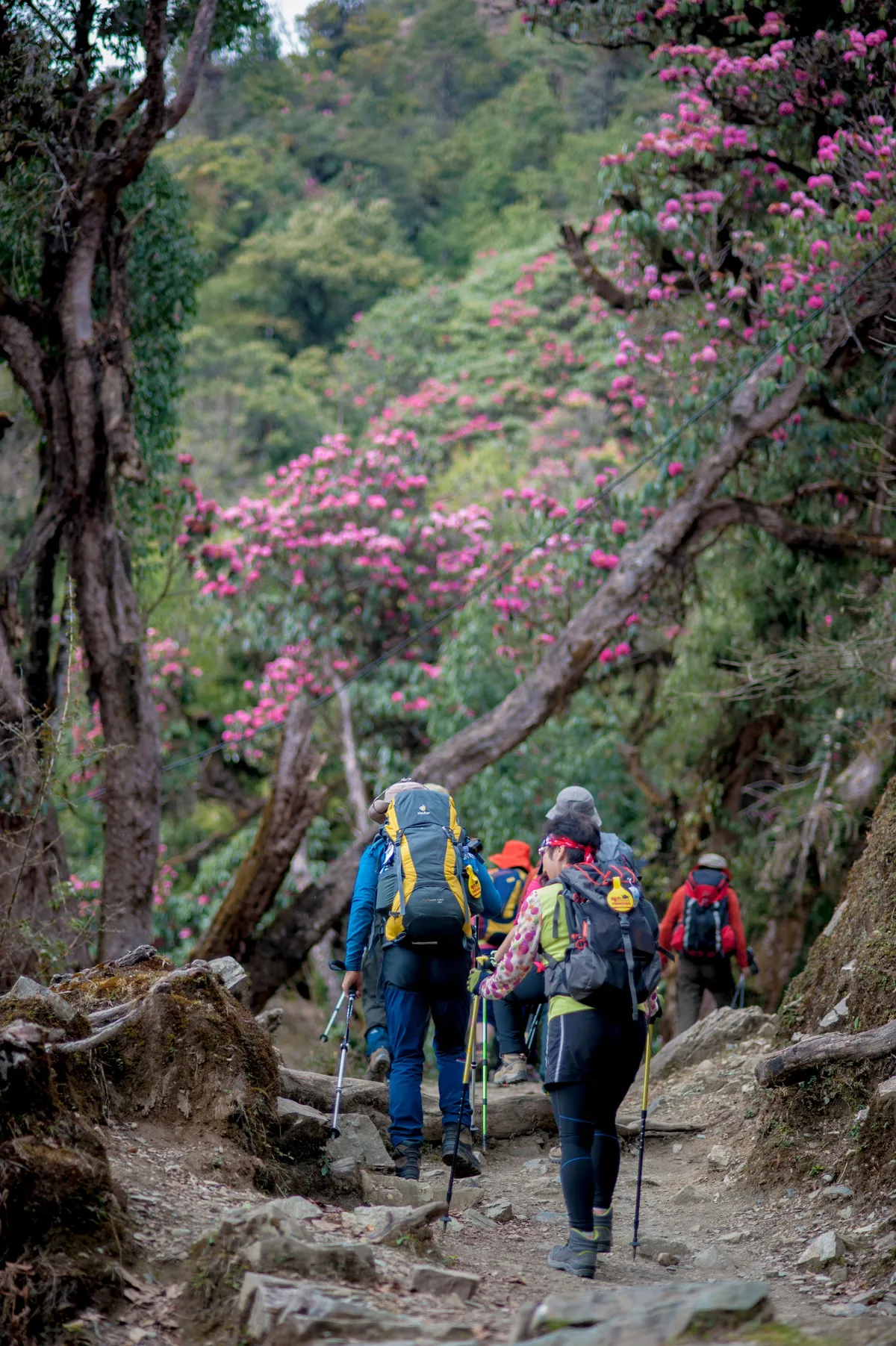
The best time to visit Nepal is during the two peak seasons: autumn (October to November) and spring (March to April). Autumn brings clear skies, stable weather, and the sharpest mountain views after the monsoon rains. It is also festival season, with Dashain and Tihar transforming the country into a celebration of lights, family, and faith. Spring offers warmer temperatures, blooming rhododendrons across the trekking trails, and good visibility. Winter (December to February) is cold but offers crystal-clear air and fewer crowds, ideal for lower-altitude treks and cultural touring. The monsoon (June to September) brings rain to most of the country, but the Upper Mustang rainshadow region remains dry and accessible. The Annapurna Winter Trek is an option for the colder months, while the Chitwan lowlands are warm year-round for wildlife safaris.
What Wildlife and Nature Can You Experience in Nepal?
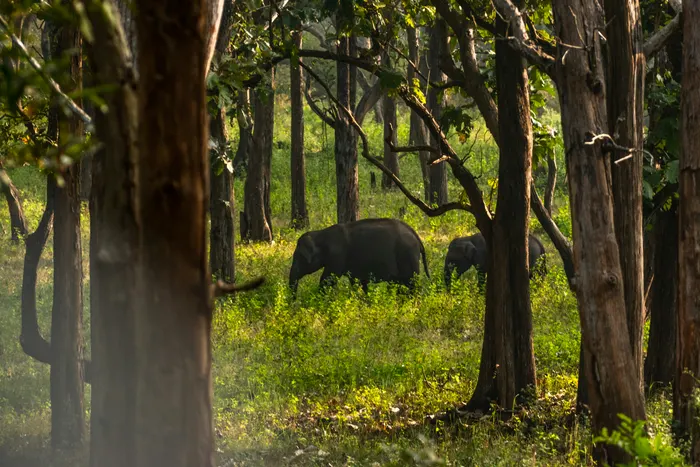
Nepal's biodiversity is extraordinary, ranging from subtropical jungles in the south to alpine meadows in the north. Chitwan National Park, a UNESCO World Heritage site, is home to the one-horned rhinoceros, Bengal tiger, Asian elephant, and over 500 bird species. The Chitwan Bird Watching Expedition is designed for wildlife enthusiasts. In the high Himalaya, the Annapurna and Manaslu conservation areas protect snow leopards, Himalayan tahr, musk deer, and red pandas. The Langtang region offers accessible trekking through forests of rhododendron and bamboo with chances to see langur monkeys and, rarely, red pandas. Nepal's national parks and conservation areas cover nearly 25 percent of the country's land area, making it one of the most committed conservation nations in Asia.
What Are the Best Short Treks for Visitors with Limited Time?
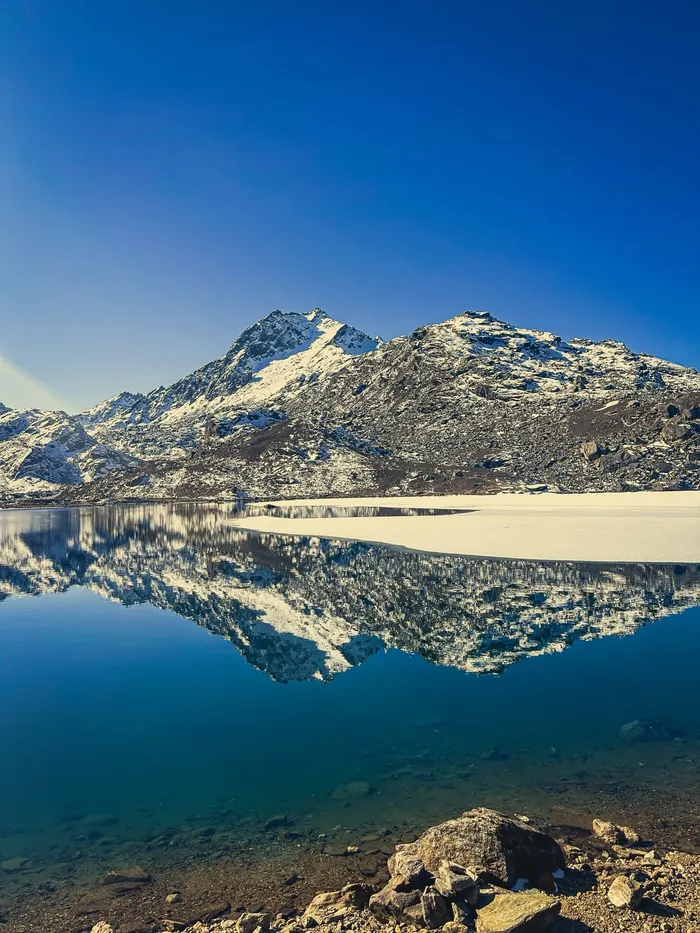
Not every Nepal trek requires two weeks. Several short treks deliver incredible mountain experiences in 5 to 7 days. The Ghorepani Poon Hill Trek (7 days) offers the classic Annapurna sunrise panorama at 3,210 metres, suitable for all fitness levels. The Mardi Himal Trek (5 days) is a quiet ridge walk near Pokhara with close views of Machhapuchhre. The Everest View Short Trek (5 days) reaches Namche Bazaar and delivers Everest panoramas without the commitment of a full Base Camp trek. The Gosaikunda Lake Trek (5 days) combines sacred alpine lakes with Himalayan views. These shorter options are perfect for travellers combining trekking with cultural touring or wildlife safaris in a single Nepal visit.
What Spiritual and Wellness Experiences Does Nepal Offer?
Nepal is a global centre for spiritual and wellness experiences, drawing practitioners and seekers from around the world. The healing programmes at Enticing Himalayas include yoga, meditation, sound healing, and Reiki in settings from Kathmandu to Pokhara. The 6-day Yoga Stress Management Retreat combines daily yoga, meditation, and holistic therapies. The Annapurna Yoga Trek blends trekking with daily yoga sessions in the foothills. Sacred sites like Muktinath, Gosaikunda Lake, and Lumbini offer pilgrimage experiences for both Hindus and Buddhists. The Gosaikunda Sacred Lake Trek and the Muktinath Helicopter Pilgrimage are two of the most profound spiritual journeys in the Himalaya.

What Adventure Activities Beyond Trekking Can You Do in Nepal?
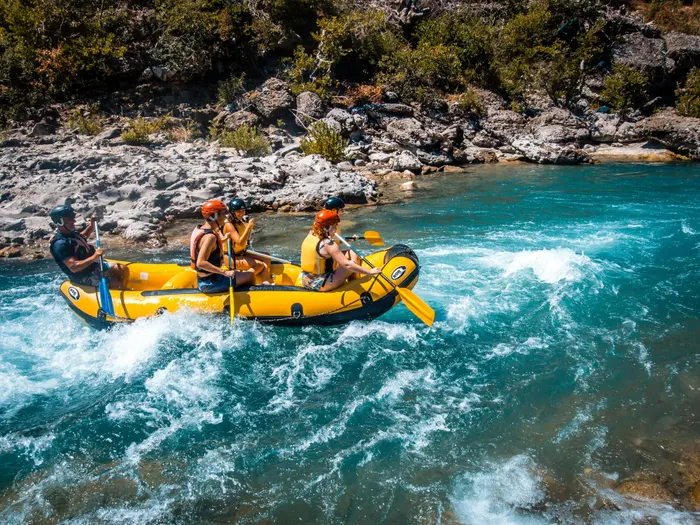
Nepal is the adventure capital of Asia, offering far more than trekking. White-water rafting on the Trishuli River is a family-friendly thrill suitable for beginners. Paragliding from Sarangkot above Pokhara offers tandem flights with Himalayan panoramas. Bungee jumping, canyon swinging, and rock climbing are available near the Last Resort on the Bhote Koshi river. Mountain biking through the Kathmandu Valley and along the Annapurna Circuit's jeep tracks is growing in popularity. For the ultimate adventure, the Everest Base Camp Trek or peak climbing expeditions like Island Peak offer mountaineering challenges. The diversity of adventure options means every traveller can find their own level of adrenaline in Nepal.
How Do You Plan a Nepal Trip for 2026?
Planning a Nepal trip for 2026 starts with deciding your priorities: trekking, culture, wildlife, wellness, or a combination. Most international travellers arrive at Tribhuvan International Airport in Kathmandu, where a day or two of cultural touring helps with acclimatisation. From Kathmandu, domestic flights and road connections reach Pokhara for Annapurna treks, Lukla for Everest, or trailheads for Manaslu and Langtang. A comprehensive option is the 8-day Nepal Highlights Tour, which combines Kathmandu, Pokhara, and Chitwan. The Golden Triangle Nepal Tour is another excellent all-round option. Book treks and tours several months in advance for peak season (October to November and March to April), as permits, guides, and premium lodges are in high demand. Enticing Himalayas handles all logistics, permits, guides, and accommodation for a seamless experience.
What Makes Nepal Different from Other Himalayan Countries?
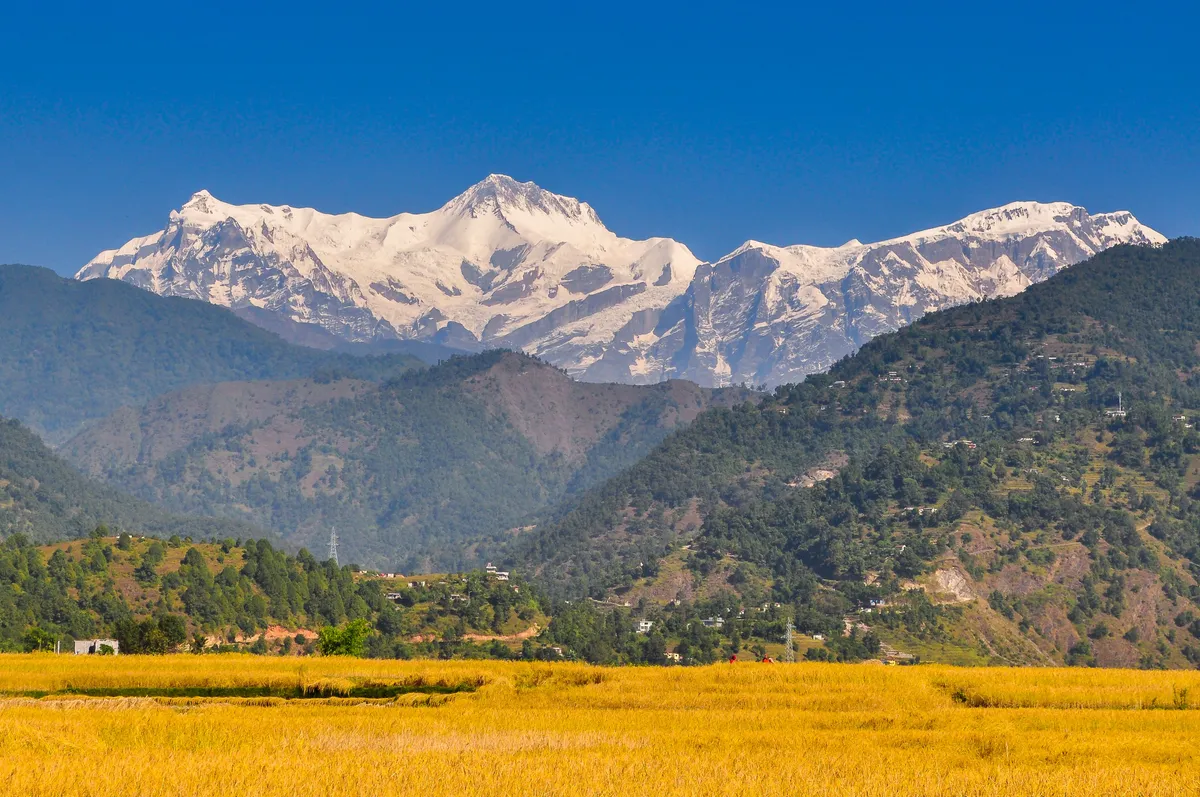
Nepal stands apart from other Himalayan countries like Bhutan, India, and Pakistan for several reasons. Its trekking infrastructure is the most developed in the Himalaya, with thousands of teahouse lodges along well-marked trails, making multi-day trekking accessible without camping. The cultural diversity is extraordinary: over 120 ethnic groups, 123 languages, and a unique blend of Hinduism and Buddhism that coexist peacefully. Nepal is also more affordable than Bhutan and more accessible than Pakistan's Karakoram. The range of experiences within a small country is unmatched: you can trek to the base of the world's highest mountain, safari among rhinos in the lowland jungle, meditate at Buddha's birthplace, and wander medieval temple squares, all within a two-week visit. Nepal is the complete Himalayan package.
What Should First-Time Visitors Know About Nepal?
First-time visitors should know that Nepal is safe, welcoming, and far more developed than many expect. The main tourist areas of Kathmandu (Thamel) and Pokhara (Lakeside) have extensive restaurants, cafes, Wi-Fi, and trekking shops. A visa on arrival is available for most nationalities at the airport. The currency is the Nepali Rupee (NPR), and ATMs are widely available in cities. English is spoken in all tourist areas. For trekking, a licensed guide is mandatory, and Enticing Himalayas provides experienced, insured guides. Altitude awareness is critical: ascend slowly, hydrate constantly, and listen to your body. The Nepali people are renowned for their warmth and hospitality, and visitors consistently leave with memories that go beyond the mountains to the human connections they made along the way.
What Unique Foods and Culinary Traditions Should You Try in Nepal?
Nepali cuisine is a reflection of the country's diversity, with each ethnic group contributing distinct dishes and flavours. The national dish, dal bhat, is a hearty plate of rice, lentil soup, seasonal vegetables, and pickle, served everywhere from teahouses to city restaurants. In the Kathmandu Valley, Newari cuisine offers delicacies like momos (dumplings), bara (lentil patties), samay baji (a ceremonial platter), and juju dhau (king of curd) from Bhaktapur. In the Annapurna region, Thakali cuisine from the Kali Gandaki valley is renowned for its precise flavours and use of buckwheat and local spices. The apple orchards around Ghorepani and Marpha produce some of the best fruit in the Himalaya. Tea is central to Nepali social life, and a cup of milk tea (chiya) is offered everywhere as a gesture of hospitality. Culinary tours and cooking classes in Kathmandu let visitors learn the techniques behind these traditions.
How Can You Combine Trekking, Culture, and Wildlife in One Nepal Trip?
The ultimate Nepal trip combines trekking, cultural heritage, and wildlife. A popular 14 to 18 day itinerary includes two days in Kathmandu for UNESCO heritage sites, a 7 to 10 day trek in the Annapurna or Everest region, and 2 to 3 days in Chitwan for jungle safari. The Sacred Valleys and Living Goddesses tour is a curated cultural journey, while the 9-day Nepal Luxury Tour offers a premium combination of culture and comfort. For families, the Trishuli rafting add-on between Kathmandu and Chitwan adds adventure for all ages. Enticing Himalayas specialises in multi-activity itineraries that showcase the full breadth of what Nepal offers, from its highest peaks to its deepest jungles, from ancient temples to living traditions.
Frequently Asked Questions
How many 8,000-metre peaks are in Nepal?
Nepal contains eight of the world's fourteen 8,000-metre peaks: Mount Everest (8,849 m), Kanchenjunga (8,586 m), Lhotse (8,516 m), Makalu (8,485 m), Cho Oyu (8,188 m), Dhaulagiri (8,167 m), Manaslu (8,163 m), and Annapurna I (8,091 m). This concentration of the world's highest mountains is why Nepal is called the Land of the Himalayas.
When is the best time to visit Nepal?
Autumn (October to November) and spring (March to April) are the best seasons. Autumn offers the clearest mountain views and stable weather after the monsoon, plus major festivals. Spring brings warmer temperatures and blooming rhododendrons. Winter is good for lower treks and cultural tours. The monsoon (June to September) is ideal for Upper Mustang, which sits in the rainshadow.
Do I need a guide to trek in Nepal?
Yes. Since 2012, a licensed guide is mandatory for all trekkers in Nepal's protected areas, including Annapurna, Everest, and Langtang. Your guide handles navigation, permits, safety, and cultural interpretation. Enticing Himalayas provides experienced, insured guides for all treks. Trekkers also need the relevant conservation area permits and the TIMS card.
Which trekking region is best for beginners?
The Annapurna region is best for beginners, particularly the Poon Hill trek (7 days, max 3,210 m) and the Annapurna Base Camp trek (10 days, max 4,130 m). These routes have well-developed teahouse networks, moderate daily distances, and no high-pass crossings. The Everest View Short Trek (5 days) is also beginner-friendly with moderate altitude and spectacular views.
Can I combine trekking with wildlife safari in Nepal?
Yes. A popular 14 to 18 day itinerary combines a trek in the Annapurna or Everest region with 2 to 3 days in Chitwan National Park for rhino and tiger safari. The Trishuli River rafting trip can be added between Kathmandu and Chitwan. Enticing Himalayas specialises in multi-activity itineraries that showcase trekking, culture, and wildlife in a single visit.
Is Nepal safe for solo travellers?
Yes, Nepal is one of the safest countries in Asia for travellers. The tourist areas are well-developed, the people are famously welcoming, and violent crime is extremely rare. Solo trekkers must hire a guide (mandatory since 2012), which adds safety. Solo female travellers can join women-only group treks like the Annapurna Solo Women's Trek for added comfort and community.