The Ultimate Guide to Kathmandu Durbar Square: History, Architecture, and Places to Visit
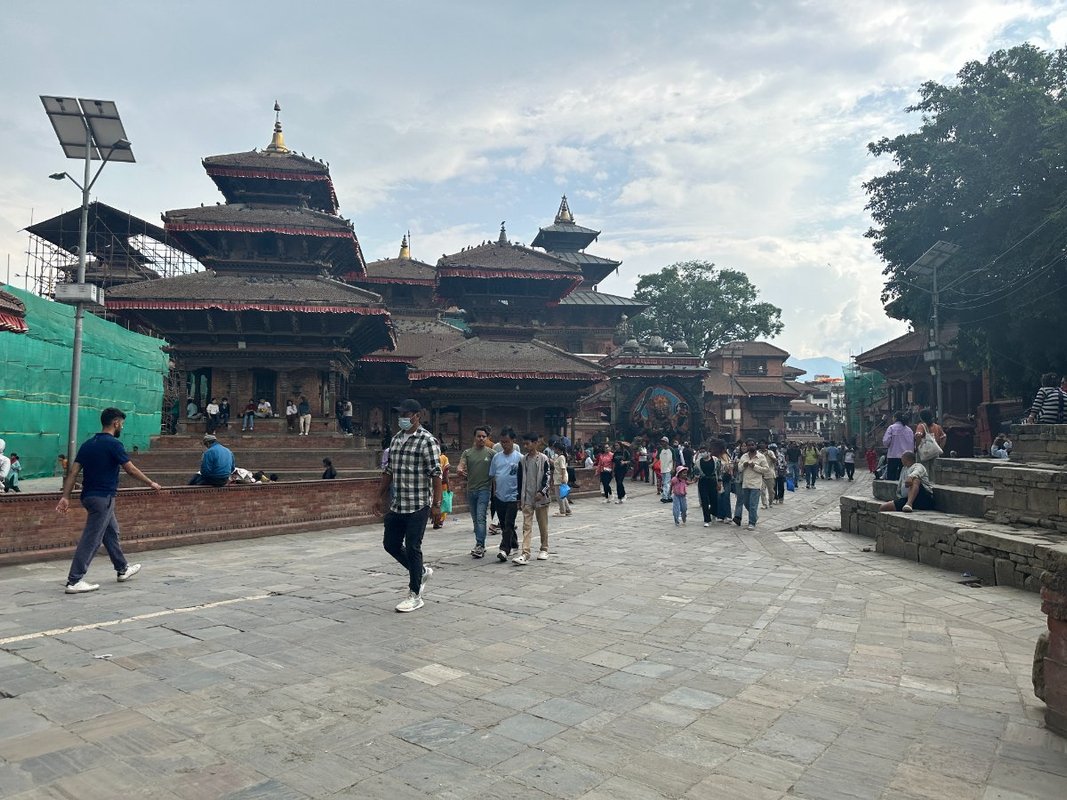
Stepping into Kathmandu Durbar Square is like walking through a living, breathing museum. Located in the bustling cultural heart of Nepal's capital, this spectacular ancient plaza was once the royal residence of the mighty Malla and Shah kings. Today, it remains the spiritual and historical epicenter of the city. Whether you are a history enthusiast on a short holiday or a digital nomad settling into the valley for a multi-day cultural immersion, this location is an absolutely mandatory stop on your Kathmandu city explorations.
Also locally referred to as Hanuman Dhoka Square, this mesmerizing location is where the kings of Nepal were once crowned. As you walk through its brick-paved alleys, you are surrounded by spectacular traditional Newari architecture, showcasing intricate wood carvings, towering multi-tiered pagodas, and ancient stone sculptures that date back as far as the 12th century. The square is globally recognized, holding a prominent place on the UNESCO World Heritage List.
The Architectural Marvel of the Malla Era
The vast majority of the majestic structures in Kathmandu Durbar Square were built during the reigns of the Malla Kings, who ruled over the valley from the 12th to the 18th century. The Malla period is widely regarded as a golden age for arts, culture, and architecture in Nepal. For travelers embarking on our 7 UNESCO Wonders of Kathmandu 4-Day Tour, the square offers endless architectural inspiration.
Top Places to Visit in Kathmandu Durbar Square
When looking at a Durbar square nepal map, the sheer density of temples, shrines, and courtyards can easily overwhelm a first-time visitor. If you are searching for the best Durbar square nepal places to visit, here are the most significant landmarks you need to include in your itinerary:
1. Hanuman Dhoka Palace Complex
This sprawling complex served as the official royal palace of the Nepalese monarchs until the late 19th century. It is named after the Hindu monkey god Hanuman, whose red-cloaked statue guards the main entrance. Inside, the palace features beautifully carved wooden doors and expansive courtyards like Nasal Chowk, where coronations took place. Following the 2015 earthquake, the meticulous restoration process—supported by global organizations like the World Monuments Fund—has become a fascinating showcase of Nepali resilience.
2. Kumari Ghar (Temple of the Living Goddess)
One of the most unique cultural phenomena in the world is the Kumari Ghar. This magnificent three-story brick building is home to the Royal Kumari, a young pre-pubescent girl revered as the living human incarnation of the Hindu goddess Taleju. If you are fortunate, you might catch a brief, silent glimpse of her from the intricately carved wooden windows overlooking the inner courtyard. At Enticing Himalayas Travel, our expert local guides, like Anish and Pranav, always ensure visitors understand the deep cultural respect required here, including the strict prohibition of photography.
3. Kasthamandap
Kasthamandap, which translates to "Wood-Covered Shelter," is famously believed to be the structure from which the city of Kathmandu derives its name. According to local legend and historical texts, this massive three-story pavilion was constructed entirely using the wood of a single colossal Sal tree. Historically serving as a rest house for merchants and pilgrims along the ancient trade route connecting India and Tibet, it remains a powerful symbol of Kathmandu's enduring legacy.
The Rich Culture and Festivals of the Square
Kathmandu Durbar Square is not merely a static museum; it is the beating heart of Nepal's cultural celebrations. Throughout the year, the square transforms into a vibrant stage. One of the most significant festivals is Indra Jatra, typically held in September. During this week-long festival, the square is packed with devotees, featuring the grand chariot procession of the Living Goddess Kumari and mesmerizing masked Lakhey dances. You can experience this profound spiritual energy firsthand by joining our dedicated Indra Jatra Festival Experience.
How Many Durbar Squares are in Nepal?
A common query from travelers cross-referencing their guidebooks is: How many Durbar Square in Nepal are there? The truth is, the Kathmandu Valley actually boasts three magnificent, historically distinct royal squares. Aside from Kathmandu, the other two are:
- Patan Durbar Square: Located just south of Kathmandu across the Bagmati River, Patan (Lalitpur) is celebrated as the city of fine arts. It is known for its exquisite Newari architecture and the stunning stone Krishna Mandir.
- Bhaktapur Durbar Square: Situated further to the east, Bhaktapur is famous for its remarkably well-preserved medieval layout, the 55-Window Palace, and vibrant pottery squares. If you want to capture incredible Bhaktapur Durbar Square photos of traffic-free, brick-paved streets, we highly recommend our comprehensive Bhaktapur Day Tour.
Top Things to Do in Durbar Square Nepal
Beyond sightseeing, there are plenty of immersive Durbar square nepal things to do. We highly recommend grabbing a cup of local Nepali chiya (sweet spiced tea) from one of the nearby rooftop cafes just before sunset. For those looking for a deeper spiritual connection, you can also join an evening Temple Aarti Heritage Walk to witness the ancient lighting rituals accompanied by the ringing of temple bells.
Plan Your Next Himalayan Journey
Navigating the rich history, bustling streets, and profound cultural nuances of Nepal's heritage sites is best done with local expertise. Whether you're looking for a comprehensive city excursion like our 3-Day Kathmandu Tour or planning to customize a unique multi-day itinerary, the team at Enticing Himalayas Travel is dedicated to making your trip seamless and deeply insightful.