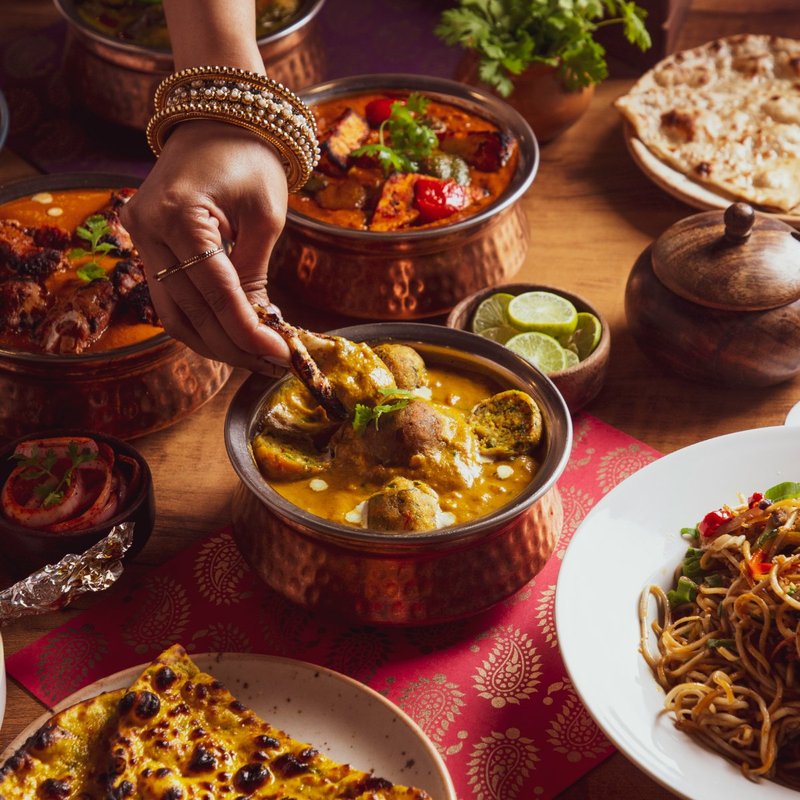
Heritage Dining in Kathmandu: Where History Meets Cuisine
Kathmandu is a city where every alleyway holds a story, every courtyard echoes with centuries of tradition, and every meal can become a journey through time. Heritage dining in this ancient valley goes far beyond mere food. It is an immersive experience where you sit inside buildings that have witnessed the rise and fall of dynasties, taste recipes passed down through generations, and participate in dining customs that predate modern Nepal itself. Whether you are a passionate foodie, a history enthusiast, or a traveler seeking authentic cultural immersion, heritage dining in Kathmandu offers an unforgettable convergence of architecture, cuisine, and living tradition. This guide explores everything you need to know about experiencing the finest heritage dining in the Kathmandu Valley, from Rana-era palace restaurants to intimate Newar courtyard feasts.
What Is Heritage Dining and Why Is Kathmandu the Perfect Place for It?
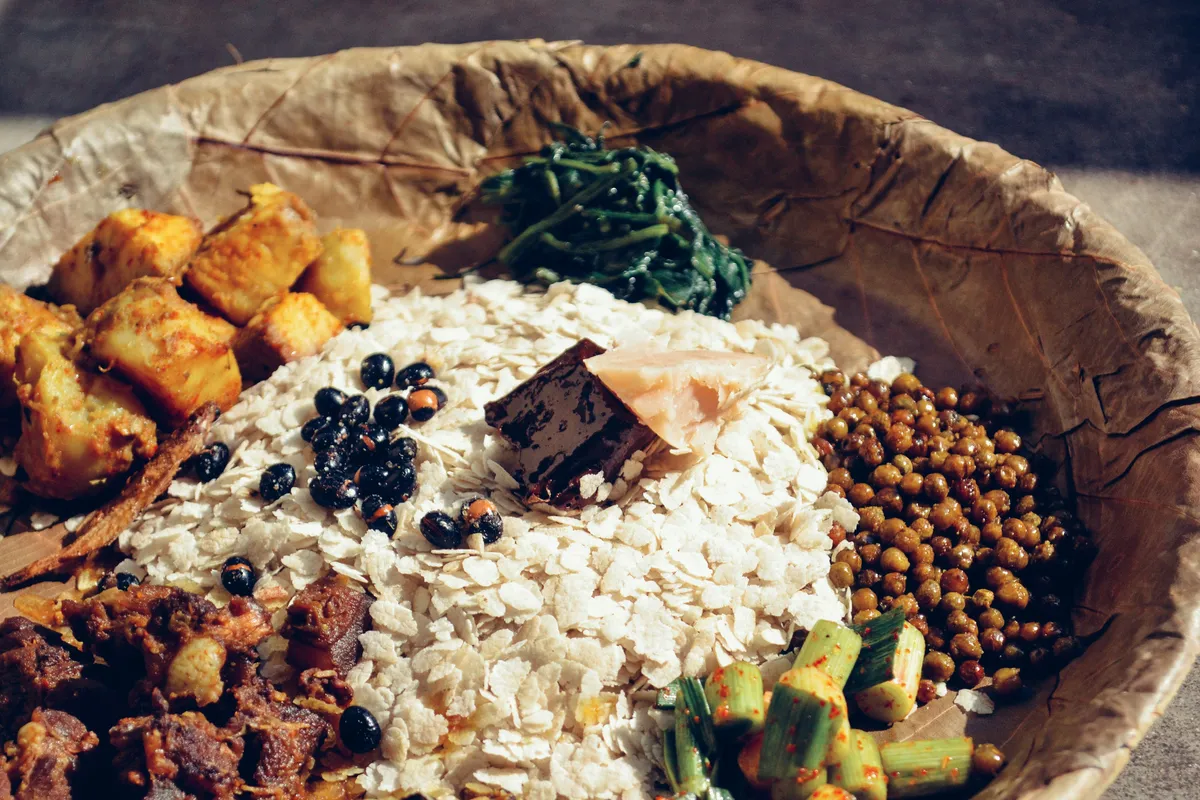 Heritage dining is the practice of enjoying traditional cuisine inside historically significant buildings, using authentic recipes, conventional utensils, and age-old dining customs that reflect the cultural identity of a place. It is the intersection of gastronomy, architecture, and cultural preservation. Kathmandu is arguably the finest destination in all of South Asia for heritage dining because no other city packs such extraordinary architectural diversity into such a compact valley. The Kathmandu Valley holds seven UNESCO World Heritage Sites, centuries-old Newar settlements, grand Rana-era palaces, and royal priest residences that have been thoughtfully restored and converted into dining spaces. Few cities on earth let you eat a 300-year-old recipe inside a 200-year-old building while surrounded by hand-carved wooden windows, brick courtyards, and bronze ritual vessels. The valley's unique position as a crossroads of trade, religion, and royal power created a culinary tradition as layered and rich as its architecture, making every heritage meal here a genuine encounter with living history.
What Architectural Heritage Defines the Kathmandu Valley's Dining Spaces?
The Kathmandu Valley's architectural heritage spans three major traditions that shape today's heritage dining venues: Rana palaces, Newar merchant houses, and royal priest residences. Rana palaces, built between 1846 and 1951, are grand neoclassical structures with white facades, chandeliers, sweeping staircases, and formal gardens that reflect the opulence of Nepal's autocratic Rana regime. Newar merchant houses, found in Patan, Bhaktapur, and old Kathmandu, feature intricate carved wooden windows, sunken courtyards (chowks), tiled roofs, and ground-floor shop fronts that served the valley's indigenous Newar trading community. Royal priest residences, known as Math, are Brahmin homes near temples like Pashupatinath, characterized by austere brick construction, inner gardens, and sacred spaces. Each architectural type brings its own dining ambiance, from the ballroom grandeur of a Rana palace dinner to the intimate communal warmth of a Newar courtyard feast. Understanding these architectural traditions helps you appreciate that heritage dining is as much about the space as it is about the plate. For a deeper understanding of how these traditions shape the valley's spiritual landscape, explore our guide on the ancient traditions of the Newars and the spiritual heritage of Kathmandu Valley.


How Do 150-Year-Old Heritage Buildings Become Restaurants?
Converting a 150-year-old heritage building into a restaurant is a meticulous process that balances preservation with functionality. Many of Kathmandu's finest heritage dining establishments occupy buildings that were once private palaces, merchant homes, or priest residences that had fallen into disrepair. Restoration typically begins with structural stabilization using traditional materials: local brick, lime mortar, sal wood beams, and carved wooden window frames crafted by hereditary Newar woodcarvers. Modern kitchens and plumbing are discreetly installed behind original walls so the historical facade and interior remain visually authentic. Dining rooms are furnished with period-appropriate pieces: brass plates, low wooden tables (kot), floor cushions, and hand-woven Dhaka textile runners. The goal is to make the building feel as it would have centuries ago while meeting contemporary safety and hygiene standards. This careful approach means that when you sit down to dinner in a restored Rana palace or Newar merchant house, you are experiencing the space almost exactly as a 19th-century Kathmandu resident would have, only with the addition of modern comfort and professional service. Several of these venues participate in the broader cultural and spiritual tourism ecosystem described in our complete 2026 guide to cultural and spiritual tours in Nepal.

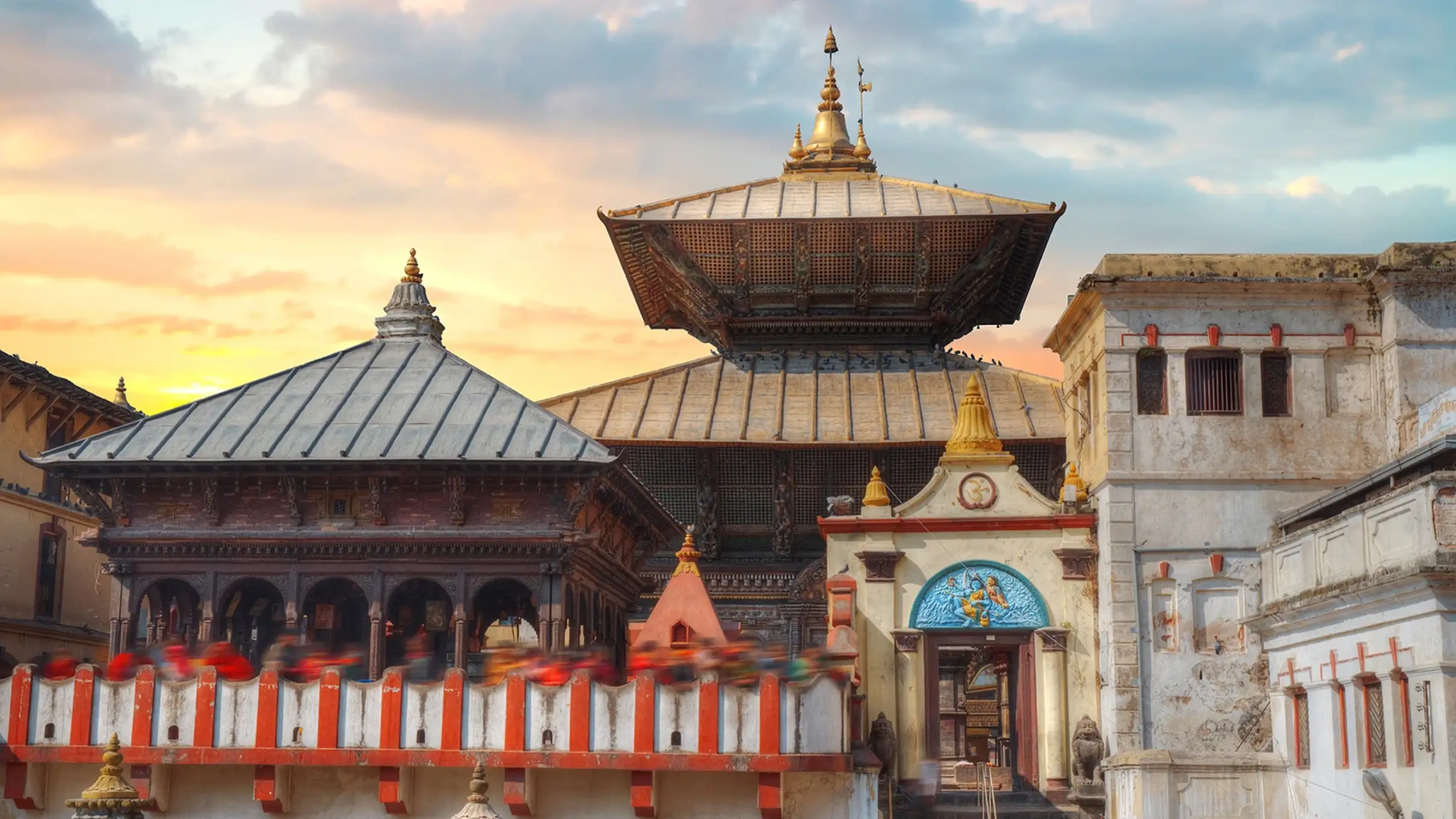
What Traditional Dining Customs Should You Expect in Heritage Restaurants?
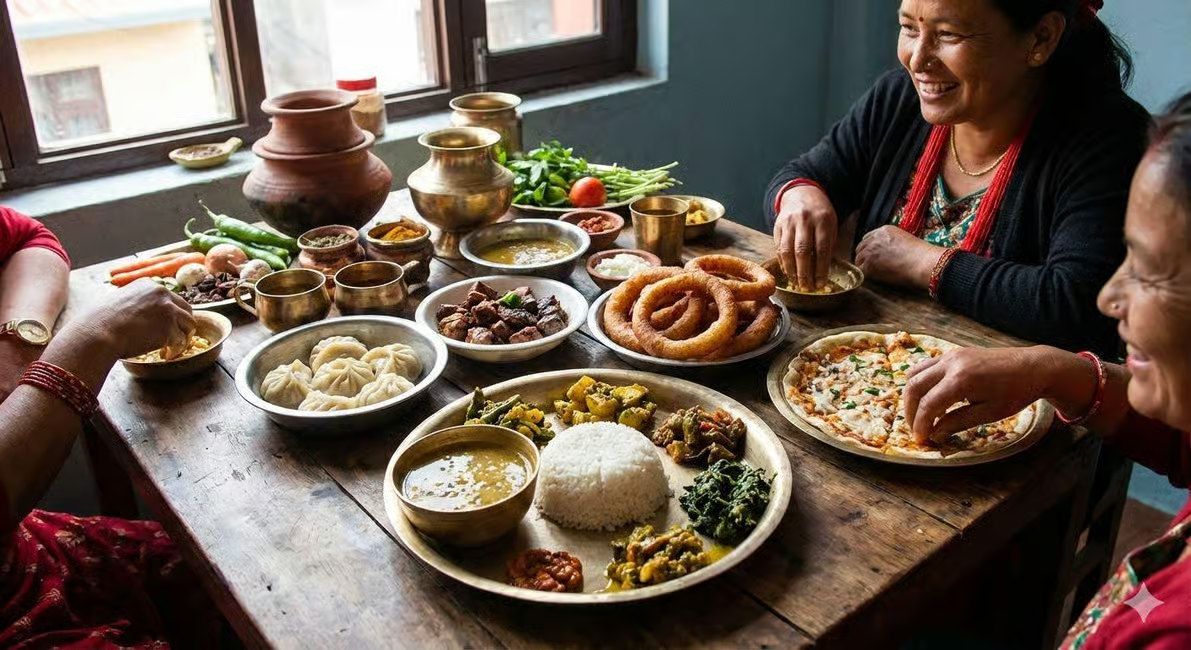
Heritage dining in Kathmandu is defined by customs that transform a meal into a cultural ritual. Instead of Western-style tables and chairs, many heritage restaurants seat guests on floor cushions around low wooden tables called kot, echoing how Nepali families have eaten for centuries. Food is often served on brass or bronze plates (thali) and bowls (bata), metals believed in Ayurvedic tradition to have purifying properties. Meals are typically eaten with the right hand, though spoons are always provided for visitors. Communal eating is central to the experience: dishes are shared from a central platter, reinforcing the Nepali value of togetherness. In Newar heritage dining, you may encounter the traditional Newar feast format called bhoj, where dozens of dishes are served sequentially on a leaf plate (dyapala) in a specific order dictated by centuries of ritual. Some heritage restaurants also incorporate elements of the Newar samaybaji, a ceremonial plate of flattened rice, roasted soybeans, spiced potatoes, pickled greens, and ailaa (Newar rice liquor). These customs are not theatrical reenactments but living traditions that heritage restaurants preserve and share with visitors.
What Does a Heritage Dinner with Cultural Show Include?
A heritage dinner with a cultural show is the most complete way to experience Kathmandu's culinary and performing arts heritage in a single evening. The experience typically begins with hotel pickup in Kathmandu, followed by arrival at a restored heritage building where you are welcomed with a traditional tika or garland. Dinner is served in a historic dining hall or courtyard, featuring a multi-course Nepali meal that may include dal bhat, Newar specialties, seasonal vegetables, and traditional desserts like sikarni (spiced yogurt) or juju dhau (king curd from Bhaktapur). During or after the meal, a live cultural performance showcases classical and folk traditions: Newar Lakhey dance, Nepali classical music with instruments like the sarangi and tabla, ethnic dances from the Himalayan regions, and sometimes a traditional drumming performance. The entire experience typically lasts about two and a half hours, blending cuisine, architecture, and performance into a single immersive evening. This experience is available for USD 30 per person including hotel pickup, and you can book it directly through our traditional Nepali culinary food tour activity page.
Newari Cuisine vs Thakali Cuisine: Which Heritage Dining Style Suits You?
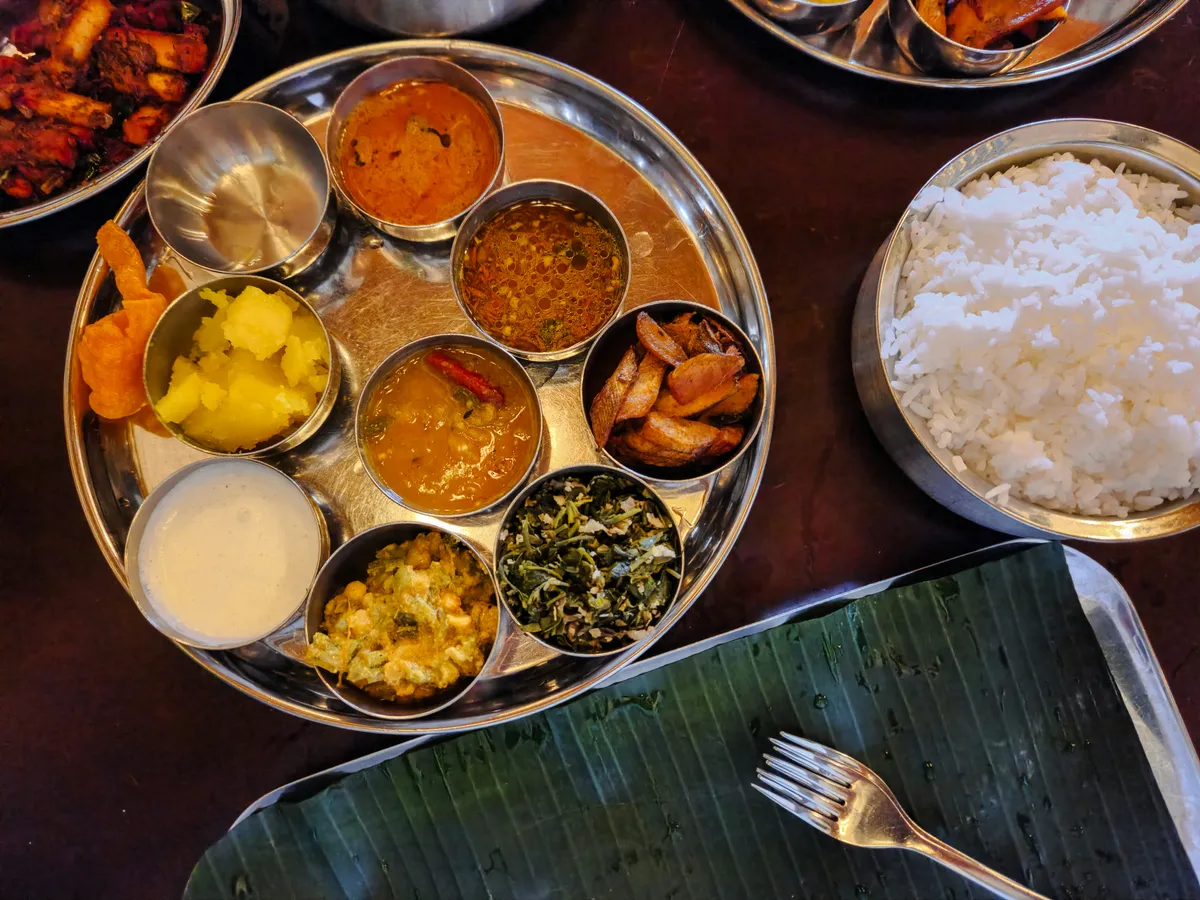
Newari and Thakali cuisines are the two most celebrated culinary traditions you will encounter in Kathmandu's heritage dining scene, and each offers a distinct experience. Newari cuisine originates from the indigenous Newar people of the Kathmandu Valley and is characterized by its bold, complex flavors and ceremonial presentation. Signature Newar dishes include choila (spiced grilled meat), samaybaji (the ritual plate described above), chatamari (a rice-flour crepe often called Newari pizza), bara (fried lentil patties), kachila (spiced minced raw meat), and dhau (yogurt). Newari heritage dining emphasizes the bhoj format, communal plates, and the pairing of food with ailaa. Thakali cuisine comes from the Thakali people of the Kali Gandaki valley in the Annapurna region and is renowned for its refined, balanced flavors and elaborate thali presentation. A Thakali thali features perfectly cooked buckwheat or millet dhindo, dal prepared with Himalayan timur (Sichuan pepper), gundruk (fermented leafy greens), seasonal curries, and a series of pickles and chutneys. Thakali dining in a heritage setting often feels more formal and structured, with courses arriving in a precise sequence. To dive deeper into both traditions, read our guide on a taste of Nepal: dal bhat, Newari feasts, and the Thakali thali.
How Can You Tell an Authentic Heritage Restaurant from a Touristy One?
Distinguishing an authentic heritage restaurant from a touristy imitation requires attention to several key markers. Authentic heritage restaurants are usually housed in genuinely old buildings with original architectural features: hand-carved wooden window struts, exposed brick walls, traditional courtyard layouts, and period furnishings. The food is cooked from scratch using family recipes and traditional techniques, not adapted for mass consumption. Menus are often limited to what is seasonal and locally available, reflecting the Nepali principle of eating with the rhythms of nature. Staff can explain the history of the building and the significance of each dish in detail. Authentic venues attract a mix of local Nepali families and international visitors, not exclusively tourists. Look for restaurants that participate in cultural preservation initiatives, employ hereditary cooks or Newar chefs, and source ingredients from local markets rather than importing Western substitutes. A touristy venue, by contrast, often occupies a newly constructed building designed to look old, serves generic "Nepali" food adapted to foreign palates, and relies on atmosphere rather than substance. For a curated experience that guarantees authenticity, consider joining our traditional Nepali culinary food tour, which has been designed to connect travelers with genuine heritage dining venues.
Why Do Organic and Locally Sourced Ingredients Matter in Heritage Dining?
The use of organic and locally sourced ingredients is not a modern trend in Nepali heritage dining but rather a return to how food was always prepared before industrial agriculture. Traditional Nepali cuisine is inherently local and seasonal: vegetables come from nearby farms, spices are grown in the hills, grains are stone-milled, and dairy is produced by local herders. Heritage restaurants that honor this tradition source ingredients from the same valley networks that have fed Kathmandu for centuries. Local varieties of rice like jarneli and anadi, indigenous greens like rayo saag, fresh buffalo milk for yogurt and paneer, and wild-foraged herbs like timur and jimbu all contribute flavors that cannot be replicated with imported substitutes. This commitment to local sourcing does more than improve taste. It supports small-scale farmers, preserves indigenous crop varieties, and keeps traditional foodways economically viable. When a heritage restaurant buys from a local Newar pickle maker or a Tamang herb forager, it sustains an entire ecosystem of artisanal producers that is part of Nepal's intangible cultural heritage. For travelers who care about culinary sustainability, heritage dining in Kathmandu offers a model of eating that is environmentally responsible and culturally restorative.
How Does Heritage Dining Combine with Cultural Performances?
The combination of heritage dining and cultural performance is one of Kathmandu's most memorable evening experiences. In a heritage setting, a cultural show is not mere entertainment but an extension of the dining ritual. Newar Lakhey dance, performed by a dancer wearing a fearsome mask and red costume, is traditionally associated with the chariot festival of Indra Jatra and brings sacred energy into the dining space. Nepali classical music performances on the sarangi, a four-stringed fiddle, evoke the folk traditions of the Gandharva musician caste. Ethnic dances from the Gurung, Tamang, Sherpa, and Magar communities showcase the Himalayan cultural diversity that converges in Kathmandu. Some heritage venues also feature a traditional drum ensemble with the dhime, the double-headed Newar drum that has accompanied festivals and processions for centuries. The key to a meaningful cultural performance is that it is presented with context: the performers explain the origin and significance of each piece, connecting the audience to the living culture behind the spectacle. This thoughtful pairing of food and performance is what elevates a heritage dinner from a meal into a cultural journey. For more culinary exploration, our traditional Nepali food tour guide for 2026 covers the broader landscape of Kathmandu's food experiences.
Circuit de 5 jours dans la vallée de Katmandou : sites classés au patrimoine mondial de l’UNESCO et aventure aérienne dans l’Himalaya
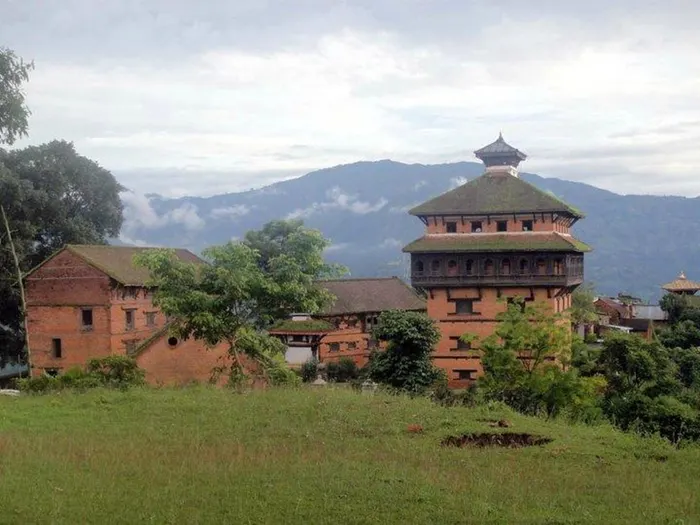
Circuit du patrimoine culturel et des collines panoramiques de Nuwakot, Népal
When Is the Best Time to Visit Kathmandu for Heritage Dining?
The best time for heritage dining in Kathmandu depends on what kind of experience you seek, but evening is universally the most atmospheric time for a heritage meal. As the sun sets over the valley, the warm light catches the carved wooden windows and brick facades of heritage buildings, oil lamps are lit in courtyards, and the cooler evening air makes the spiced aromas of Nepali cooking feel even more inviting. For seasonal timing, autumn (October to November) is ideal: the skies are clear, temperatures are mild, and major festivals like Dashain and Tihar fill the city with celebratory energy and special festive foods. Spring (March to April) is another excellent window, with warm days, blooming flowers in heritage courtyards, and the Nepali New Year (Nava Varsha) in mid-April bringing seasonal delicacies. Winter (December to February) offers crisp evenings that are perfect for warm, hearty Thakali thali meals, though you should bring a layer for the unheated dining halls. The monsoon season (June to September) transforms heritage courtyards with the sound of rain on tiled roofs, creating an intimate, cozy ambiance, though some cultural performances may move indoors. Festival seasons are particularly special because many heritage restaurants prepare ceremonial dishes that are only available during those specific celebrations.
How Does Heritage Dining Preserve Nepali Architectural and Culinary Traditions?
Heritage dining plays a vital and often underappreciated role in preserving both Nepal's architectural and culinary heritage. On the architectural side, converting old buildings into revenue-generating restaurants provides an economic incentive to restore and maintain structures that might otherwise collapse or be demolished for modern construction. Each restored Rana palace or Newar merchant house that becomes a restaurant is a building saved from the rapid urbanization that has erased much of old Kathmandu. The restoration process also sustains traditional crafts: hereditary Newar woodcarvers, brick masons, metalworkers, and Dhaka weavers all find employment in maintaining these buildings. On the culinary side, heritage restaurants preserve recipes and techniques that are disappearing as younger generations move away from traditional cooking. Dishes like kachila, chatamari, yomari (a steamed rice-flour dumpling filled with chaku), and traditional pickles require specialized knowledge that lives in the hands of experienced cooks. By serving these dishes to paying customers, heritage restaurants create a market that keeps traditional cooks employed and their skills in demand. Heritage dining is therefore not a nostalgic exercise but a living system of cultural preservation that benefits visitors and locals alike. This preservation ethos is central to the broader mission of responsible cultural tourism described in our guide to trekking and cultural travel in Nepal for 2026.

What Tips Should Visitors Know Before Booking a Heritage Dining Experience?
A few practical tips will help you make the most of your heritage dining experience in Kathmandu. First, reservations are strongly recommended, especially during peak season (October to November and March to April), as the best heritage restaurants have limited seating in their historic dining rooms. Book at least two to three days in advance, and a week ahead during festival periods. Second, dress modestly and comfortably: smart casual attire is appropriate, and since some venues involve sitting on floor cushions, avoid tight clothing. Third, regarding dietary restrictions, most heritage restaurants can accommodate vegetarian, vegan, and gluten-free requests with advance notice, though traditional Newari cuisine is heavily meat-oriented so vegetarian Newari options are more limited. Fourth, arrive with an open mind about eating with your hands if you wish to try the traditional method, though utensils are always available. Fifth, pace yourself: a traditional Nepali bhoj or Thakali thali includes many courses, and the hospitality culture means your plate will be refilled if you finish it. Sixth, take time to appreciate the building itself: ask about the history of the space, the architectural details, and the stories behind the dishes. The best heritage dining experiences are conversations, not just meals.
Can You Combine Heritage Dining with a Full Kathmandu Heritage Tour?
Absolutely, and doing so creates the most complete cultural experience of Kathmandu. Many travelers pair an evening heritage dinner with daytime guided tours of the valley's UNESCO World Heritage Sites, creating a full-day immersion in Nepali history, architecture, and cuisine. A typical combination might include a morning visit to Kathmandu Durbar Square with its royal palaces and temples, an afternoon exploration of Patan's ancient Newar architecture and courtyards, and an evening heritage dinner in a restored building nearby. This combination deepens the dining experience because you arrive with context: you have seen the temples whose ritual foods you are now tasting, you have walked through the courtyards whose architectural traditions shaped your dining space, and you have learned the stories behind the culture you are now experiencing through food. Our 7 UNESCO Wonders of Kathmandu 4-day cultural heritage tour is designed to cover all seven World Heritage Sites in the valley, while the Kathmandu Spiritual Circuit covering Pashupatinath, Boudhanath, and Swayambhunath focuses on the valley's most sacred sites. Both can be enhanced with a heritage dining evening for the complete Kathmandu cultural experience.