Loading...
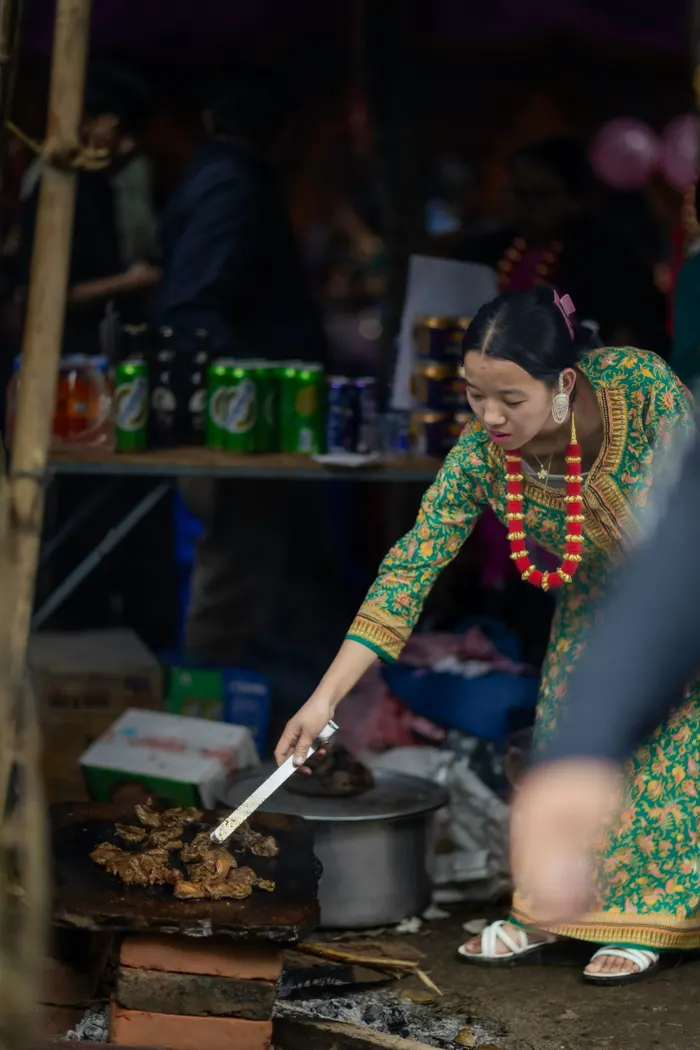
Cooking in a Homestay Nepal: Authentic Local Food Experience
Table of Contents
No sections available
About Cooking in a Homestay Nepal: Authentic Local Food Experience
Cooking in a Homestay in Nepal: Experience Local Food and Culture
Cooking in a homestay in Nepal is one of the most enjoyable ways to experience the country's food, culture, traditions and everyday lifestyle from a local perspective. Instead of simply visiting restaurants and ordering familiar dishes, travelers can enter a Nepali home, meet a local family and discover how traditional meals are prepared. From making dal bhat and momos to preparing local pickles, curries and seasonal snacks, a homestay cooking experience turns an ordinary meal into a memorable cultural adventure.
Nepal is famous for its Himalayan landscapes, trekking routes, temples and ancient cities, but its food culture is equally fascinating. Food is closely connected with family life, festivals, hospitality and community. Recipes are commonly passed from parents and grandparents to younger generations, with each family and community adding its own style. During a Nepal homestay cooking experience, travelers have the chance to learn these traditions directly from local hosts while enjoying the warmth of a Nepali home.
Why Try Cooking in a Nepali Homestay?
A homestay cooking activity allows travelers to experience Nepal beyond its famous tourist attractions. Instead of observing local culture from a distance, you become part of an everyday household activity. You can watch how ingredients are selected, how spices are combined and how meals are prepared for family members and guests.
The experience is also highly interactive. Travelers may wash and cut vegetables, prepare dough, grind spices, shape momos, cook vegetables or prepare traditional achar. Hosts can explain the names of ingredients, cooking techniques and stories connected with particular dishes. Even travelers with no previous cooking experience can usually participate.
For people interested in cultural tourism in Nepal, this activity provides a simple but meaningful way to connect with local communities. It is not only about learning a recipe; it is about understanding how food brings people together.
Learn to Cook Traditional Nepali Food
One of the biggest highlights of a homestay cooking experience is learning how to prepare authentic Nepali dishes. Dal bhat is one of the most recognizable meals in Nepal and commonly includes rice, lentil soup, vegetables, pickles and other side dishes. Learning to prepare it gives visitors an introduction to the everyday flavors of Nepali cuisine.
Travelers can also learn how to make momos, Nepal's famous steamed dumplings. Preparing momos is a hands-on activity that can be enjoyed by individuals, couples, families and groups. Guests can help prepare the filling, roll the dough, add the filling and learn different folding techniques before steaming the finished dumplings.
Depending on the homestay, visitors may also learn to prepare vegetable curry, chicken curry, achar, sel roti, thukpa, local bread, seasonal vegetables and traditional snacks. The dishes available can change according to the location, family traditions and season.
Visit a Local Market Before Cooking
Some homestay cooking experiences in Nepal can begin with a visit to a nearby local market. Rather than purchasing ingredients from a supermarket, travelers can explore a traditional market with their host and discover the fresh products used in local kitchens.
Markets provide an opportunity to see seasonal vegetables, fruits, herbs, spices, grains and other ingredients. Your host can explain how to select fresh produce and which ingredients are important for a particular recipe.
The market visit also adds another cultural dimension to the activity. You can observe how local people shop, interact with vendors and purchase ingredients for their families. After shopping, you return to the homestay and begin preparing the meal together.
Experience Traditional Nepali Hospitality
Nepali hospitality is an important part of the homestay experience. Guests are often welcomed into the home as temporary members of the family rather than simply as customers.
Cooking together creates a relaxed environment where travelers and hosts can communicate, exchange stories and learn about each other's cultures. Even if there is a language difference, food provides an easy way to connect.
You may find that the most memorable part of the experience is not the recipe but the conversations, laughter and shared meal afterward. Sitting together at the dining table and eating food that you helped prepare creates a personal connection that is difficult to experience in an ordinary restaurant.
Cooking Momos with a Local Family
Momo making is one of the most popular activities in a Nepali cooking experience. Although the basic ingredients are simple, making perfectly shaped momos requires a little practice.
The process usually starts by preparing a filling using vegetables, meat or other ingredients and a mixture of spices. The dough is then prepared and rolled into thin circular pieces. The host demonstrates how to place the filling in the center and fold the dough into the desired shape.
After shaping the momos, they are steamed until cooked and served with achar or another dipping sauce. Travelers can enjoy eating their own homemade momos while talking with the host family.
For many visitors, momo-making becomes one of the most fun and memorable parts of a Nepal food experience.
Learn About Nepali Spices and Ingredients
Nepali cuisine uses a variety of spices and herbs to create its distinctive flavors. During a homestay cooking class, hosts may introduce travelers to ingredients such as cumin, turmeric, coriander, ginger, garlic, fenugreek, chili and other locally used spices.
You can learn how different spices are combined and at what stage they are added to a dish. Some families may also demonstrate traditional methods of preparing spices, grinding ingredients or making fresh achar.
Learning about these ingredients can change the way travelers understand Nepali food. Instead of simply recognizing the taste of a curry, you begin to understand how individual ingredients contribute to its aroma, flavor and texture.
Discover Traditional Nepali Achar
Achar, or Nepali pickle, is an important part of many Nepali meals. Different families and communities prepare achar in different ways, using ingredients such as tomatoes, radish, chili, sesame, vegetables and local spices.
During a cooking experience, travelers may have the opportunity to prepare a simple achar alongside the main meal. This is a great way to learn about the balance of spicy, sour, salty and savory flavors commonly found in Nepali cuisine.
Achar can also be one of the easiest recipes for travelers to recreate when they return home, allowing the memories of their Nepal trip to continue through food.
Cooking in Different Parts of Nepal
A homestay cooking experience in Nepal can vary significantly depending on the destination. Nepal has many ethnic communities and geographical regions, each with distinctive food traditions.
In the Kathmandu Valley, travelers can discover Newari cuisine, which is known for its variety of dishes, spices, snacks and traditional preparation methods. Exploring local Newari food can provide an additional cultural experience while staying in or around Kathmandu.
In Pokhara and surrounding villages, homestays can provide opportunities to experience local mountain food and the traditions of communities such as Gurung and Magar families. The dishes may reflect locally available ingredients and household traditions.
In Himalayan communities, food is often adapted to colder climates and local agricultural conditions. Travelers may encounter dishes made from grains, potatoes, vegetables, noodles and other ingredients that are practical for mountain life.
This regional diversity makes traditional cooking in Nepal especially interesting for travelers visiting several destinations.
Cooking and Cultural Exchange
Cooking is one of the easiest ways for travelers and local communities to connect. You do not need to be an expert cook or speak the same language perfectly. Preparing vegetables, shaping momos and sharing a meal create natural opportunities for communication.
Travelers can teach their hosts something about food from their own country, while hosts can introduce them to Nepali ingredients and traditions. This creates a genuine cultural exchange rather than a one-way tourist experience.
For solo travelers, cooking can also provide a friendly social experience. Couples can enjoy preparing a meal together, while families can involve children in simple and safe food preparation activities.
Learn Traditional Cooking Techniques
A homestay cooking activity can introduce travelers to cooking methods that may differ from what they use at home. Hosts may demonstrate steaming, roasting, boiling, frying or slow cooking depending on the dish.
Travelers can also learn how ingredients are prepared before cooking. Cutting vegetables, kneading dough, preparing lentils and mixing spices may seem simple, but these steps reveal how much care goes into traditional home cooking.
The experience is especially valuable because the techniques are usually demonstrated in a real household environment rather than only in a classroom.
Cooking with Seasonal Ingredients
Seasonality is an important part of traditional food culture. Nepali households often make use of ingredients that are available locally during different times of the year.
A spring or summer cooking experience may include fresh vegetables and herbs, while winter meals can feature ingredients and dishes suited to colder weather. In rural areas, travelers may also learn how families preserve food for later use.
This makes every homestay experience slightly different. Returning to the same destination during another season can even provide an opportunity to discover new dishes.
Cooking and Family Life
Food provides a window into family life in Nepal. Travelers can observe how meals are prepared, when families eat together and how food is shared among household members.
Depending on the homestay, visitors may have breakfast with the family, help prepare lunch or participate in an evening cooking session. These simple moments can reveal aspects of daily life that are rarely visible during conventional sightseeing.
The experience is particularly meaningful for travelers who want to understand Nepal at a local level rather than only visiting famous attractions.
Cooking as a Sustainable Travel Experience
Homestays can also support community-based tourism when they are operated responsibly. Spending money directly with local families and communities can help create income opportunities outside major tourist centers.
Using locally sourced ingredients can reduce the distance food travels while supporting local farmers and markets. More importantly, travelers can gain a better understanding of local food systems and traditional practices.
Choosing a community-based homestay and respecting the host family's customs can help make the experience beneficial for both visitors and local residents.
Best Places for a Homestay Cooking Experience in Nepal
Cooking experiences can be arranged in different parts of Nepal, depending on the type of culture and food travelers want to discover.
Kathmandu Valley is excellent for travelers interested in Newari cuisine, traditional markets and historic cultural surroundings.
Pokhara provides opportunities to combine local food experiences with mountain scenery, village visits and cultural activities.
Gurung and Magar villages can offer a closer look at community traditions and local mountain cuisine.
Rural Nepal is ideal for travelers who want a slower experience and greater interaction with local families.
Himalayan villages provide an opportunity to discover food traditions shaped by high-altitude environments and local lifestyles.
Best Time for a Homestay Cooking Experience
Cooking in a homestay in Nepal can be enjoyed throughout the year. Since the activity takes place mainly indoors, it is also a useful cultural experience when weather affects outdoor activities.
Spring and autumn are popular seasons for traveling around Nepal, offering pleasant conditions for combining cooking with trekking, sightseeing and village walks.
Winter can be especially enjoyable for a cozy home-cooking experience, while the monsoon season provides another good opportunity to focus on indoor cultural activities when rain makes outdoor sightseeing less predictable.
Who Can Join?
A homestay cooking activity is suitable for almost everyone. No previous cooking experience is required, making it an accessible activity for first-time travelers.
Families can participate together, with children helping with simple preparation tasks under appropriate supervision. Couples can make it a fun shared experience, while solo travelers can enjoy the social connection with the host family.
Vegetarian travelers can also request vegetarian dishes. Travelers with allergies, food intolerances or other dietary requirements should communicate these needs with their host before the activity begins.
How Long Does the Cooking Experience Take?
A basic Nepali homestay cooking experience can take around three to four hours. This may include meeting the host, preparing ingredients, cooking traditional dishes and sharing the finished meal.
If a local market visit is included, the experience may take longer. Full-day cultural experiences can combine cooking with village walks, sightseeing and other activities.
For a tourism activity listing, 3–4 hours is a practical duration for a standard cooking, dining and cultural exchange experience.
What to Bring
You do not need special cooking equipment for a homestay experience. Comfortable clothing, closed shoes, drinking water and a willingness to participate are usually enough.
If you have dietary restrictions or allergies, communicate them before cooking begins. Travelers may also want to bring a small notebook or use their phone to record recipes and cooking tips, provided the host is comfortable with photography or recording.
Respectful behavior is just as important as what you bring. Ask before photographing people, private spaces or religious objects inside the home.
Important Things to Know
Every homestay is different, so the exact menu, cooking methods and activities may vary. Travelers should remain flexible and respect the traditions of their host family.
Food preparation may take place in a traditional home kitchen, so the facilities may not look like a modern restaurant kitchen. This is actually part of the experience, allowing travelers to see how food is prepared in an authentic household environment.
Guests should also follow basic kitchen safety instructions and inform hosts about allergies or dietary restrictions in advance.
Why Cooking in a Homestay Is Special
The biggest attraction of cooking in a Homestay in Nepal is authenticity. You are not simply tasting Nepali food—you are learning how it is prepared in a local home and understanding the culture behind it.
You see the ingredients, participate in preparation, learn family recipes, hear stories about local food and finally sit down with your hosts to enjoy the meal. The experience combines food, hospitality, cultural exchange and everyday life.
For travelers who want to experience local food, traditional cooking, cultural exchange and authentic Nepali hospitality, a homestay cooking activity is an excellent addition to a Nepal itinerary.
Experience a Nepali Homestay with Enticing Himalayas
A Nepal homestay cooking experience can be combined with cultural tours, village walks, sightseeing and other local activities. Instead of simply passing through Nepal, travelers can spend meaningful time with local families and discover how people cook, eat and share their traditions.
Whether you want to learn momo making in Kathmandu, discover traditional Newari cuisine, cook with a family in a rural village, experience mountain food in Pokhara or enjoy local dishes after a Himalayan trek, cooking in a homestay offers a warm and personal side of Nepal.
For travelers searching for an authentic Nepal food experience, this activity provides something that ordinary sightseeing cannot: the chance to sit inside a local home, cook together and share a meal as guests of the family.
Explore authentic cultural experiences in Nepal with Enticing Himalayas.
Ready to explore?
Check out Cooking in a Homestay Nepal: Authentic Local Food Experience at different destinations.
Available Packages
No packages available at the moment. Please check back later.
Activity
Cooking in a Homestay Nepal: Authentic Local Food Experience