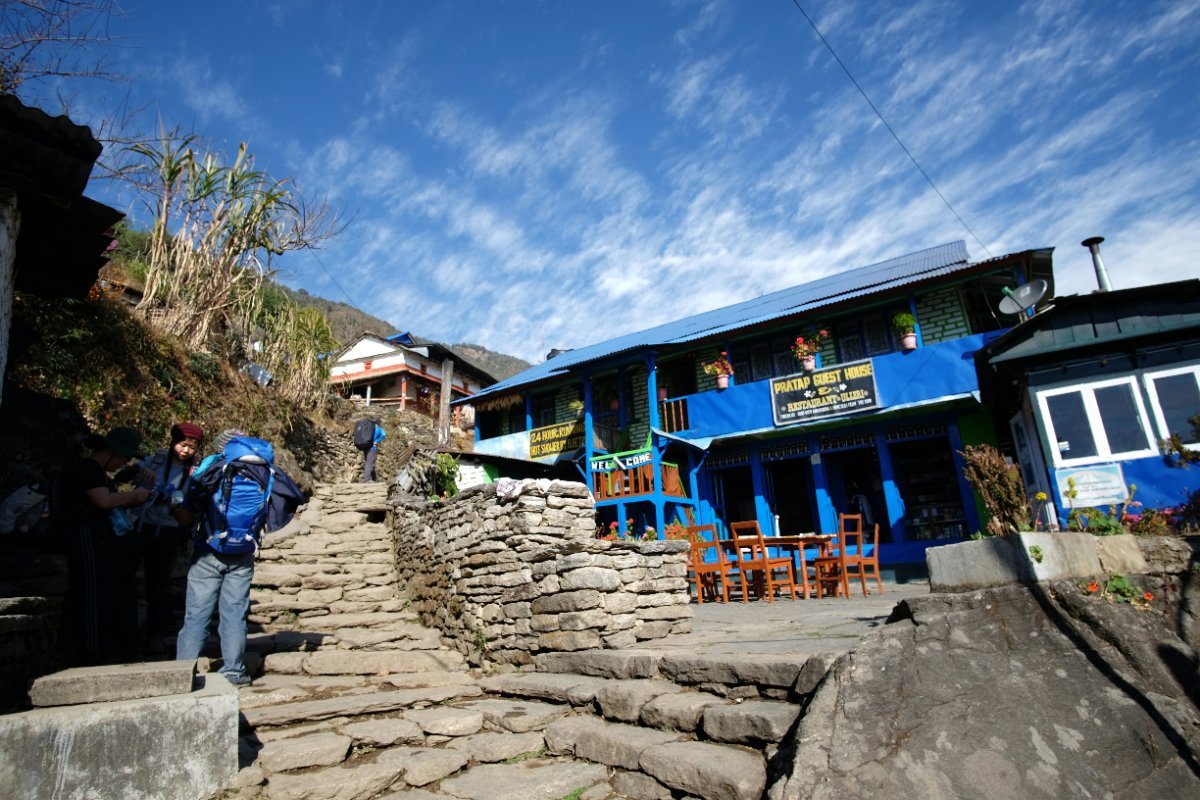
Authentic Community Homestay in Nepal: Living With Local Families, Culture and Traditions 2026
Nepal is not just a destination you visit. It is a place you live, even if only for a few days. An authentic community homestay experience in Nepal strips away the hotel walls and tour-bus windows that separate travelers from the people who actually call this country home. You sleep in a family guestroom, eat what the household eats, help harvest vegetables from the garden, and fall into conversations that no guidebook can script. This guide walks you through everything you need to know to plan a homestay that is respectful, enriching, and genuinely transformative.
Community homestays in Nepal occupy a unique space between tourism and cultural exchange. They are not homestays in the Western Airbnb sense, where a spare room is rented for income. Nepali community homestays are organized at the village level, often through cooperatives or local tourism committees. Families who host have agreed to shared standards of cleanliness, safety, and hospitality. The income stays in the village, funding schools, water systems, and trail maintenance. When you book a community homestay, you are not just finding a place to sleep. You are supporting a grassroots economy.
What Makes a Community Homestay in Nepal Different
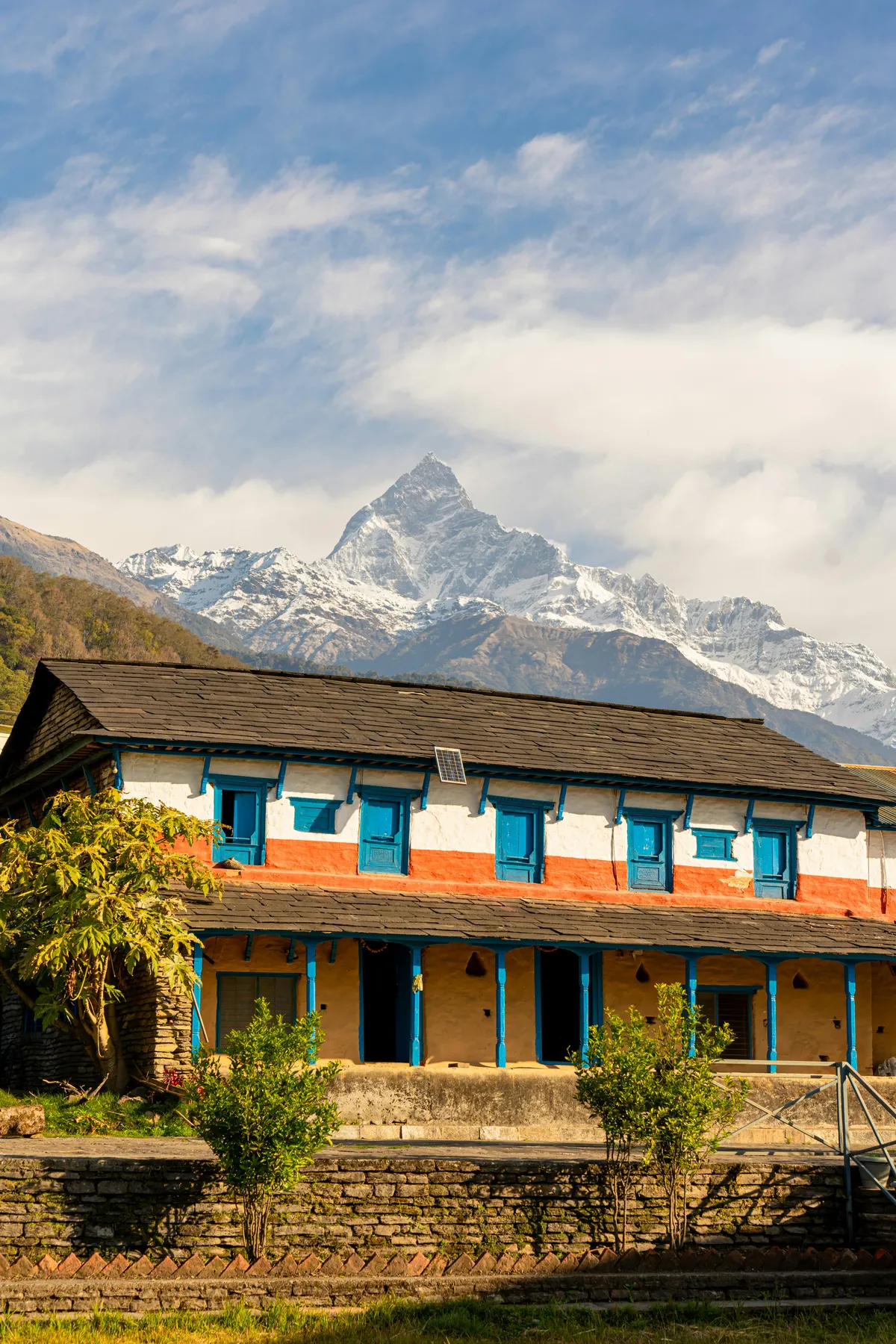
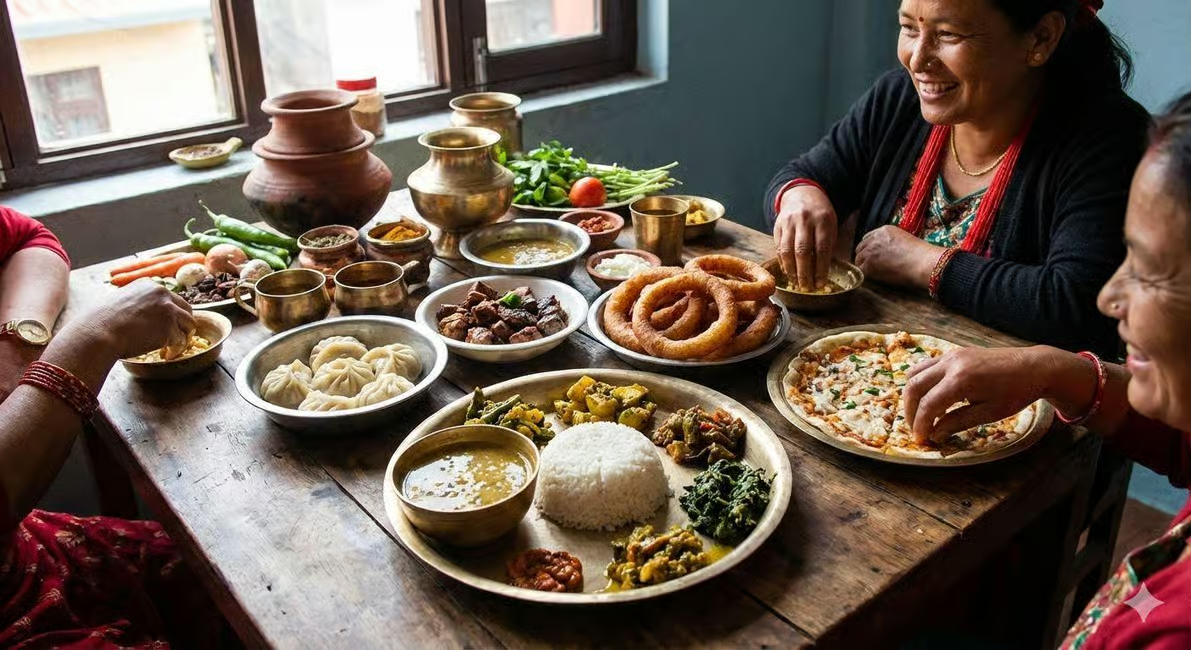
The difference between a standard teahouse trek and a community homestay comes down to immersion. On a teahouse route like the Annapurna Circuit or the Everest Base Camp trail, you interact with lodge owners in a commercial relationship. You order food from a menu, pay a bill, and move on. A community homestay inverts that dynamic. You become a temporary member of a household. There is no menu. You eat what the family prepares, often dal bhat in the evening and tea with roti in the morning. You sit on the floor together, eat with your right hand if you choose, and the rhythm of the day is set by the family, not by a trekking itinerary.
Community homestays also tend to be in places that mainstream tourism overlooks. Instead of the busy trail corridors of Khumbu or Annapurna, you find them in villages like Ghale Gaun, Sirubari, Bandipur, Panauti, or the Tamang Heritage Trail. These are communities that have chosen to open their doors on their own terms. The pace is slower. The interactions are deeper. And the cultural learning is unfiltered.
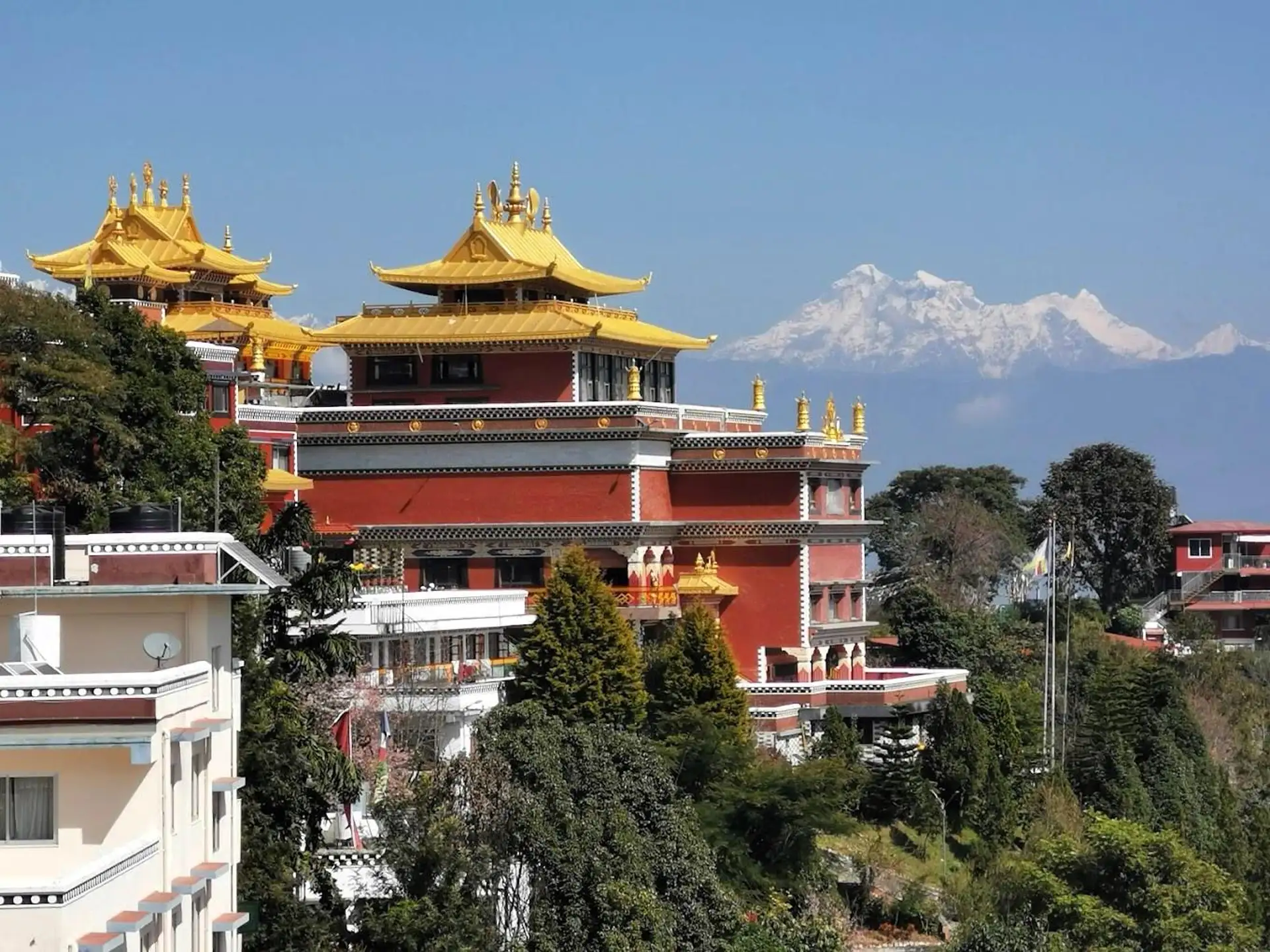
For travelers seeking deeper cultural engagement, a community homestay complements the kind of cultural and spiritual tours in Nepal that focus on heritage and pilgrimage. A temple tour teaches you about Nepali religion. A homestay teaches you about Nepali life. Together, they give you a three-dimensional picture of the country.


Where to Find the Best Community Homestays in Nepal
Community homestays are spread across Nepal's mid-hills and lower mountain regions. Here are the most established and rewarding destinations:
Ghale Gaun (Lamjung District)
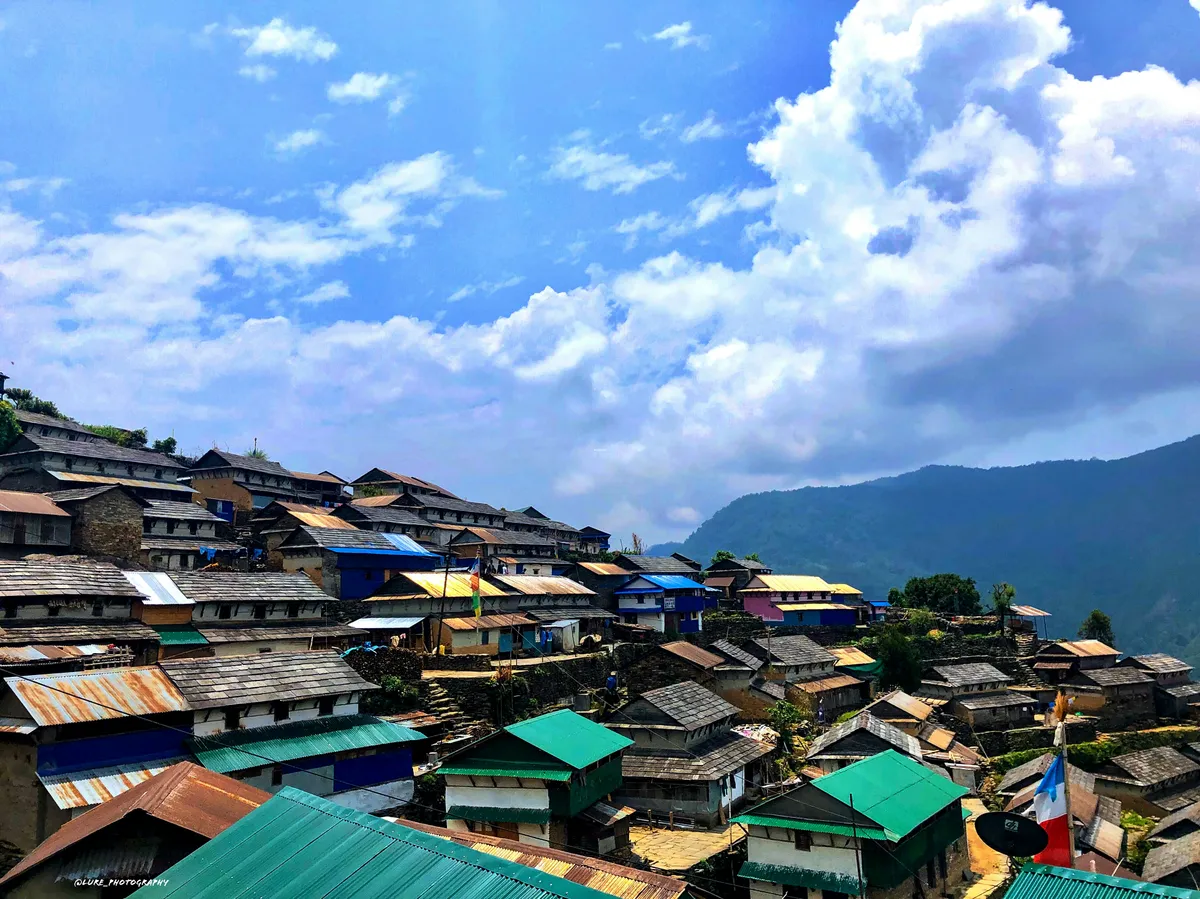 Ghale Gaun is perhaps the most celebrated community homestay village in Nepal. Perched at 2,100 meters in the foothills of the Annapurna range, this Gurung village has been running organized homestays since the early 2000s. The views from the village span Annapurna I, Manaslu, and the Lamjung Himal. Families host in traditional stone houses with slate roofs. Guests are welcomed with a garland of flowers, served local Gurung food, and often invited to cultural performances in the evening. The village has a community hall where traditional Gurung dances are performed for visitors. This is not a staged show. It is a genuine community celebration that happens whether tourists are present or not.
Sirubari (Syangja District)
Sirubari holds the distinction of being Nepal's first model village for community-based tourism, recognized by the Nepal Tourism Board in 2003. The village is populated primarily by Gurung families who have built a well-organized homestay network. Each host family maintains a clean guestroom with bedding and a shared bathroom. The community coordinates arrivals so that guests are distributed evenly among households. Sirubari is accessible by road from Pokhara, making it one of the easier homestay destinations to reach.
Panauti (Kavrepalanchok District)
For travelers who want a homestay experience without venturing far from Kathmandu, Panauti is the answer. This Newari town, about 32 kilometers southeast of the capital, has a community homestay program run primarily by women. Staying here gives you access to one of Nepal's most beautifully preserved medieval towns, with its Triple Roofted Temple, ancient rest houses, and confluence of the Roshi and Punyamati rivers. The Newari culinary tradition is a highlight. Your host family may teach you how to prepare chatamari (Newari rice crepe), yomari (steamed sweet dumpling), or a traditional Newari feast plate called samay baji.
Tamang Heritage Trail (Rasuwa District)
The Tamang Heritage Trail, north of Kathmandu along the Langtang approach, offers a multi-day homestay experience through several Tamang villages. The trail passes through Gatlang, Tatopani, Thuman, and Briddim. Each village has its own character, but all share the Tamang cultural framework of Tibetan Buddhism, shamanic traditions, and a rich oral history. Homestays here are rustic. You sleep in a traditional Tamang home, eat Tibetan-influenced food like thukpa and momo, and may be invited to observe or participate in daily prayers at the family altar.
Bandipur (Tanahun District)
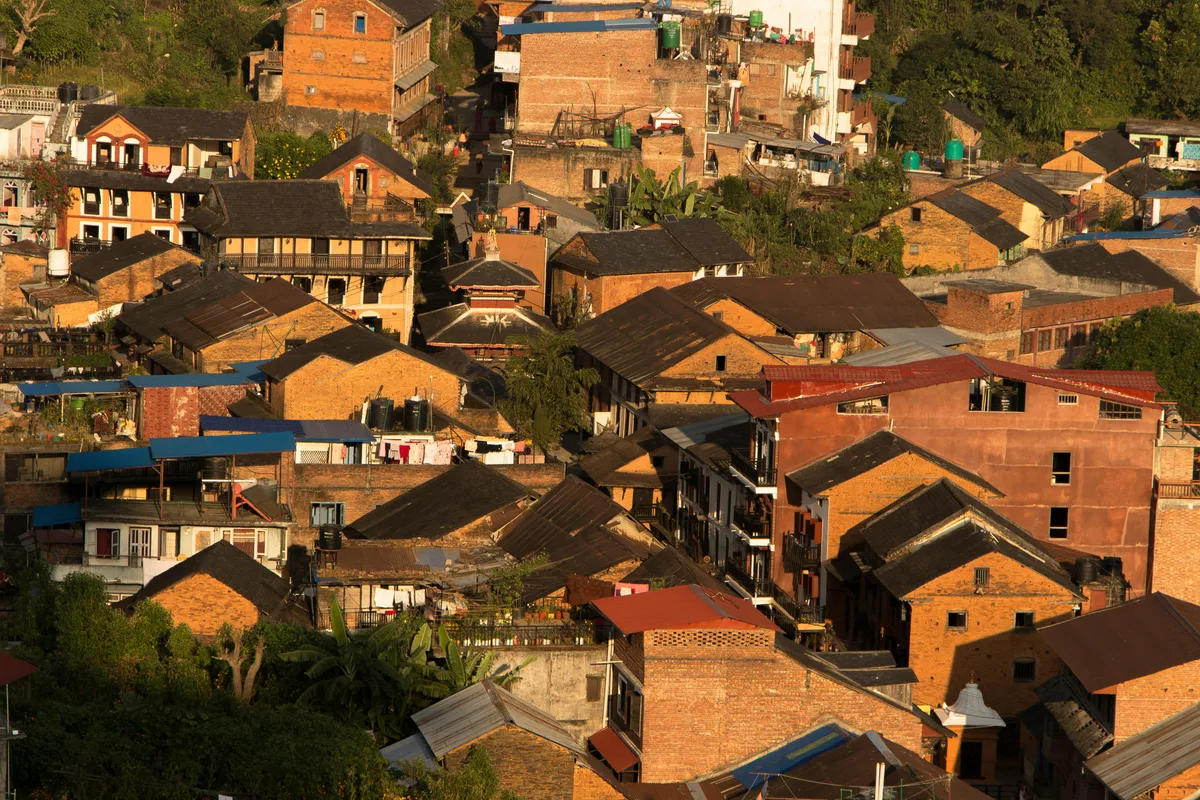
Bandipur is a hilltop town midway between Kathmandu and Pokhara that has been beautifully restored. Several families offer homestays in traditional Newari houses along the traffic-free main street. Bandipur's homestay experience combines cultural immersion with stunning mountain views and access to nearby caves, silk farms, and hiking trails. The town's community tourism committee ensures quality standards across all host families.
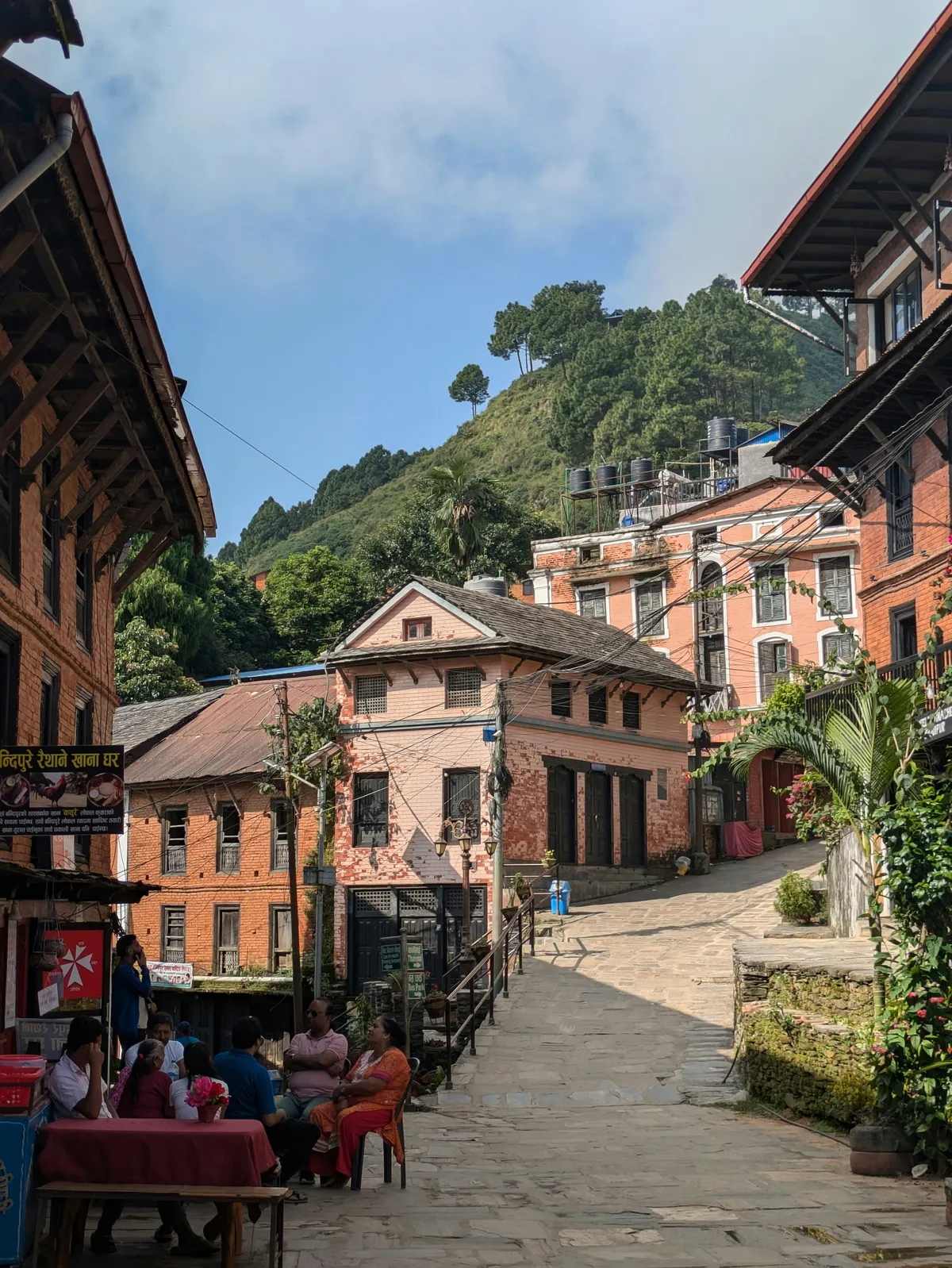
A Typical Day in a Nepali Community Homestay
Understanding the daily rhythm of a homestay helps you prepare mentally and adjust your expectations. A typical day follows the natural cycle of rural Nepali life:
Early morning (5:30 to 7:00 AM): The household wakes before sunrise. The first sound you hear is the kitchen fire crackling as your host prepares tea. In many homes, this is milk tea (chiya) brewed with cardamom and ginger. You may be invited to join morning prayers if the family is Hindu or Buddhist. Many Nepali households have a small shrine room or altar where incense is lit and a brief puja is performed.
Breakfast (7:30 to 8:30 AM): Breakfast varies by ethnic group. Gurung families may serve Tibetan bread with honey. Newari families might offer chura (beaten rice) with yogurt. In Tamang homes, you might have tsampa (roasted barley flour) mixed with butter tea. Whatever is served, it is fresh, simple, and made with ingredients from the household garden or local market.
Midday (10:00 AM to 3:00 PM): This is when the village is most active. You may accompany your host to the fields, help with seasonal work like planting rice, harvesting millet, or herding goats. Alternatively, you can explore the village, visit the local school, talk to elders, or hike to nearby viewpoints. Lunch is typically dal bhat, the Nepali national meal of lentil soup, rice, and seasonal vegetables, served at around 11:30 AM.
Evening (5:00 PM onwards): As the sun drops behind the hills, the household gathers. This is the most precious time of a homestay. You sit together, often around the kitchen fire, and talk. Language barriers dissolve through gesture, shared laughter, and the universal language of food. Dinner is served around 7:00 PM, again dal bhat or a regional specialty. After dinner, you might hear stories about village history, local legends, or family genealogies that go back generations.
How to Prepare for Your Homestay
A successful homestay requires some mental and practical preparation. Here are the essentials:
What to Pack
Pack conservatively. You do not need trekking gear for most community homestays. Bring comfortable walking shoes, layered clothing for variable mountain temperatures, a flashlight or headlamp (power outages are common in rural Nepal), a refillable water bottle, and basic toiletries. A small gift for your host family is deeply appreciated. Good choices include fruit from a nearby market, a packet of good tea, or something from your home country. Avoid giving money directly to children.
Language
Nepali is the lingua franca, but many homestay hosts in ethnic villages speak their own mother tongue (Gurung, Tamang, Newari, Magar) as a first language. English is spoken at varying levels, especially in villages with longer tourism exposure. Download a basic Nepali phrase app and learn a few key phrases: namaste (hello/goodbye), dhanyabad (thank you), mitho cha (it is delicious), and ghar (house). Effort in the local language goes a very long way in building rapport.
Cultural Etiquette
Nepali households have cultural norms that you should respect. Always remove your shoes before entering the home. Use your right hand for eating (the left hand is considered unclean). Do not touch anyone's head, including children. When accepting food or tea, receive with both hands or the right hand. Ask before taking photos of people, religious objects, or the interior of homes. Dress modestly, covering shoulders and knees. In Hindu homes, do not enter the kitchen during menstruation if asked not to. In Buddhist homes, walk around stupas and shrines clockwise.
Food and Water
Food in a community homestay is home-cooked and generally safe. The dal bhat you eat is the same the family eats. If you have dietary restrictions, communicate them in advance through your booking agent. Most families can accommodate vegetarian preferences easily. For drinking water, bring a water purification method (tablets, filter bottle, or SteriPen) rather than relying on bottled water, which may not be available in remote villages.
The Cultural Depth of a Nepali Homestay
Beyond the practical logistics, a community homestay in Nepal opens a window into cultural practices that few outsiders ever witness. These are not museum exhibits. They are living traditions that continue because the community itself values them.
Religious Life
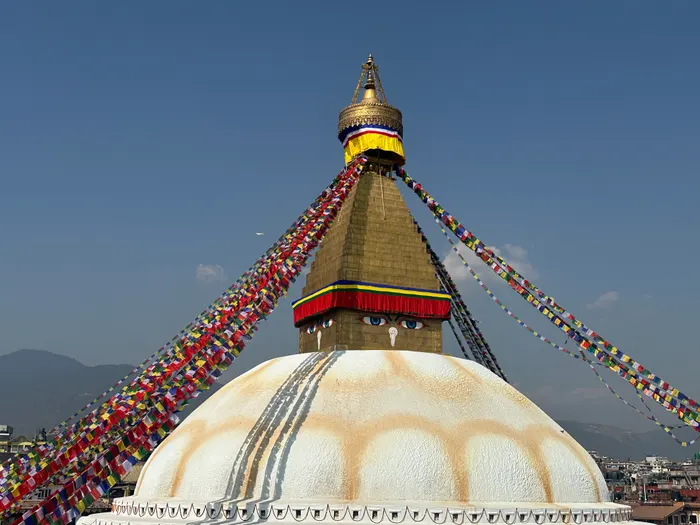
Most Nepali households practice some form of Hinduism, Buddhism, or a syncretic blend of both. Morning prayers are a daily routine, not a special event. In a Hindu home, you may see the family light a diya (oil lamp) and offer flowers to a deity image. In a Buddhist home, the family may chant mantras and turn prayer wheels. If you are curious and respectful, your hosts will often explain the meaning behind these practices. This is the kind of cultural learning that organized temple tours can only describe from the outside. A homestay lets you experience it from within.
Festivals and Celebrations
If your homestay coincides with a festival, you have won a cultural lottery. Dashain, Tihar, Losar, and Holi transform village life. During Dashain, families put tika on each other's foreheads and share special foods. During Tihar, the festival of lights, homes are decorated with oil lamps and flower garlands, and songs are sung door to door. Losar, the Tibetan New Year celebrated by Tamang and Sherpa communities, involves elaborate preparation of special foods and community gatherings. Your host family will likely invite you to participate as an honorary member of the household.
Traditional Crafts and Skills
Many homestay villages have artisans who practice traditional crafts. In the Tamang Heritage Trail villages, you may watch weavers at work on traditional backstrap looms. In Panauti, Newari metalworkers and woodcarvers maintain centuries-old techniques. In Ghale Gaun, you might learn about traditional honey hunting from community elders. These are not demonstrations put on for tourists. They are livelihoods, and your interest in them supports their continuation.
Food as Cultural Communication
Food in a Nepali homestay is never just sustenance. It is communication. When your host serves you a second helping of dal bhat, it is an expression of care. When they prepare a special dish for you that is not part of the daily routine, it is a gesture of honor. Learning to cook alongside your host, even just helping chop vegetables or roll roti, creates a bond that transcends language. For a deeper dive into the culinary landscape, our traditional Nepali food tour guide explores the regional cuisines you may encounter during a homestay.
The Economics of Community Homestays
Understanding the financial structure of community homestays helps you appreciate their development impact. When you pay for a homestay, the money flows through a community-managed system. A typical breakdown might allocate 60 to 70 percent directly to the host family, 15 to 20 percent to a community fund for shared projects, and 10 to 15 percent to the local tourism committee for maintenance and promotion.
The community fund is what distinguishes a homestay from a private guesthouse. In Ghale Gaun, the community fund has financed a drinking water system and a school library. In Sirubari, it has supported trail maintenance and a health post. This means your nightly payment does not just support one family. It supports an entire village's development priorities.
The scale is modest but meaningful. A family hosting four guests per month at a rate of roughly NPR 1,500 per night (including meals) earns supplemental income that can cover school fees for two children. In communities where cash income is scarce and agriculture provides subsistence but little surplus, homestay revenue is transformative.
For travelers interested in the broader picture of ethical tourism, our guide to responsible and community tourism in Nepal covers how your travel choices impact local communities and what ethical travel looks like in practice.
Planning Your Homestay: Practical Logistics
Best Time to Visit
The best seasons for community homestays are spring (March to May) and autumn (September to November). Spring brings rhododendron blooms in the mid-hills and comfortable temperatures. Autumn offers clear mountain views, post-monsoon green landscapes, and the festival season (Dashain and Tihar both fall in autumn). Winter (December to February) is possible at lower elevations like Panauti and Bandipur but cold at higher villages like Ghale Gaun. Monsoon season (June to August) brings heavy rain, leeches on trails, and limited mountain views, but it is also when villages are at their greenest and rice paddies are most picturesque.
How to Book
Community homestays can be booked through several channels. The most reliable is through a registered trekking or tour agency that has direct relationships with village homestay committees. This ensures that your booking is confirmed, that someone meets you at the trailhead, and that there is a clear chain of accountability. You can also contact village tourism committees directly, though this requires more planning and communication. Some community homestays are listed on the Nepal Tourism Board's community tourism portal.
Duration
The ideal homestay duration is two to three nights. One night is too short to settle in and build any rapport. Beyond four nights, the novelty wears off for both you and the family, and you risk becoming a burden on the household's daily routine. Two to three nights gives you time to participate in a full daily cycle, share multiple meals, and have unhurried conversations.
Cost Expectations
Community homestays are affordable compared to hotel-based travel. Expect to pay between NPR 1,000 and NPR 2,500 per night, including all meals. This translates to roughly USD 8 to USD 20 per night. Some premium community homestays with upgraded facilities charge more. The fee structure is set by the community committee, not by individual families, so prices are standardized within each village.
Homestays and Responsible Travel
Community homestays represent one of the most responsible ways to travel in Nepal. They distribute tourism income directly to rural communities, bypassing the urban-based hotel and agency networks that capture most tourism revenue. They preserve cultural traditions by giving them economic value. They slow down the pace of travel, reducing the carbon footprint associated with frequent transportation.
But responsible travel is not automatic just because you are staying in a homestay. Your behavior matters. Be a gracious guest. Do not impose your dietary preferences if they are unreasonable. Do not photograph people without asking. Do not give gifts that create dependency or jealousy within the community. Do respect privacy, religious spaces, and household rules. Do engage with genuine curiosity and humility.
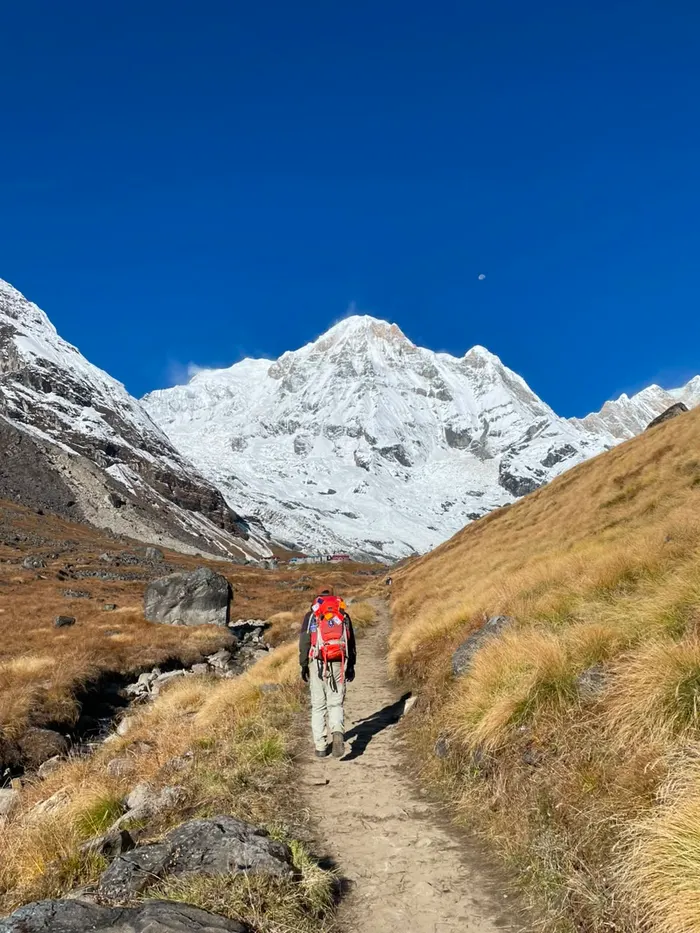
If you are planning a broader Nepal journey, a community homestay pairs beautifully with a trekking adventure. You might trek for a week in the Annapurna region and then spend two nights in a community homestay village on the return. This combination gives you both the physical grandeur of the high mountains and the human warmth of village life.

Specific Community Homestay Destinations in Detail
Ghale Gaun: The Gold Standard
Getting to Ghale Gaun requires a drive from Pokhara or Kathmandu to Besisahar, then a rough road to Khudi, and finally a three to four hour uphill hike to the village. The effort is worth it. Ghale Gaun sits on a ridge with panoramic mountain views. The village has about 100 households, with roughly 20 families participating in the homestay program. The community has established rules: hosts must provide clean bedding, safe drinking water, and at least two meals per day. Cultural programs are offered in the evening, including Gurung dance and song performances. The village also operates a community lodge for overflow guests.
Panauti: The Accessible Option
Panauti is the easiest community homestay to access from Kathmandu, about a 90-minute drive. The homestay program is run by the Panauti Community Homestay, a women-led initiative that has been operating since 2013. The host families live in traditional Newari brick houses with carved windows and inner courtyards. Your stay can include a guided walk through Panauti's medieval core, a cooking class, and a visit to the nearby Brahmayani Temple. This is the ideal choice for travelers who want cultural immersion without a long trek.
Briddim: The Tibetan Buddhist Experience
Briddim is a Tamang village on the Tamang Heritage Trail, about five hours north of Kathmandu via Syabrubesi. The homestay program here offers perhaps the most culturally distinct experience in Nepal. Families practice Tibetan Buddhism, and the village has a small monastery that visitors can observe. The homes are traditional Tamang structures with wooden floors and small shrine rooms. Food is Tibetan-influenced: thukpa (noodle soup), momo (dumplings), and Tibetan bread. The village is surrounded by pine forests and offers views of the Langtang range.
Bandipur: The Restored Hill Town
Bandipur sits at 1,030 meters on a ridge above the Marsyangdi River valley. Once a prosperous trading post on the Tibet-India trade route, it fell into decline when the highway bypassed it. In the 2000s, a restoration project revived its traditional Newari architecture. Today, Bandipur offers both boutique guesthouses and community homestays. The homestay experience here is more urban than in Ghale Gaun or Briddim, but the cultural depth is still significant. You eat Newari food, walk car-free streets, and have access to nearby attractions like the Siddha Cave and Ramkot village.
Connecting Your Homestay With Broader Nepal Travel
A community homestay does not have to be a standalone experience. It can be woven into a longer Nepal itinerary in several ways:
Homestay Plus Trekking
If you are trekking in the Langtang region, a homestay in Briddim or Gatlang makes a natural acclimatization stop before continuing up the valley. If you are trekking the Annapurna region, a night in Ghale Gaun before or after your trek adds a cultural dimension. Our yoga and trekking retreats guide shows how wellness and physical adventure can be combined, and a homestay adds a third layer of cultural immersion.
Homestay Plus Spiritual Pilgrimage
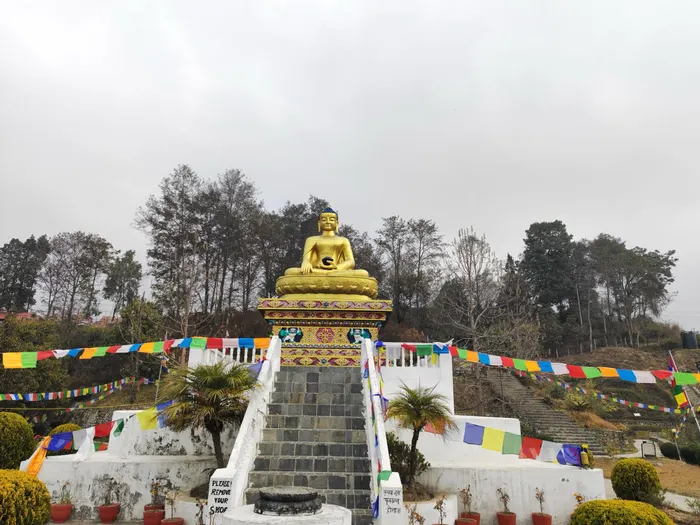
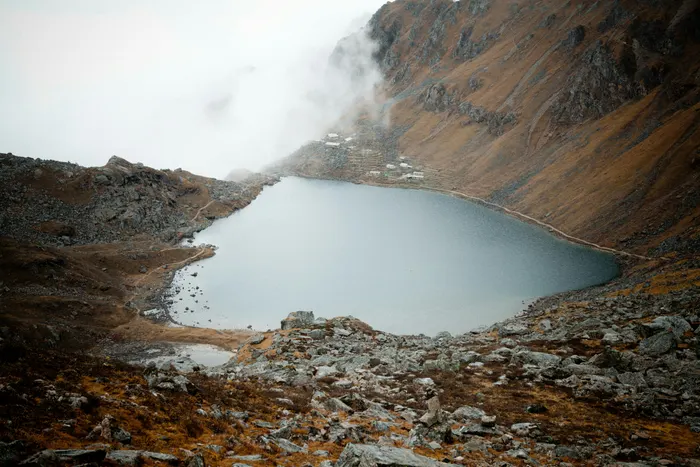
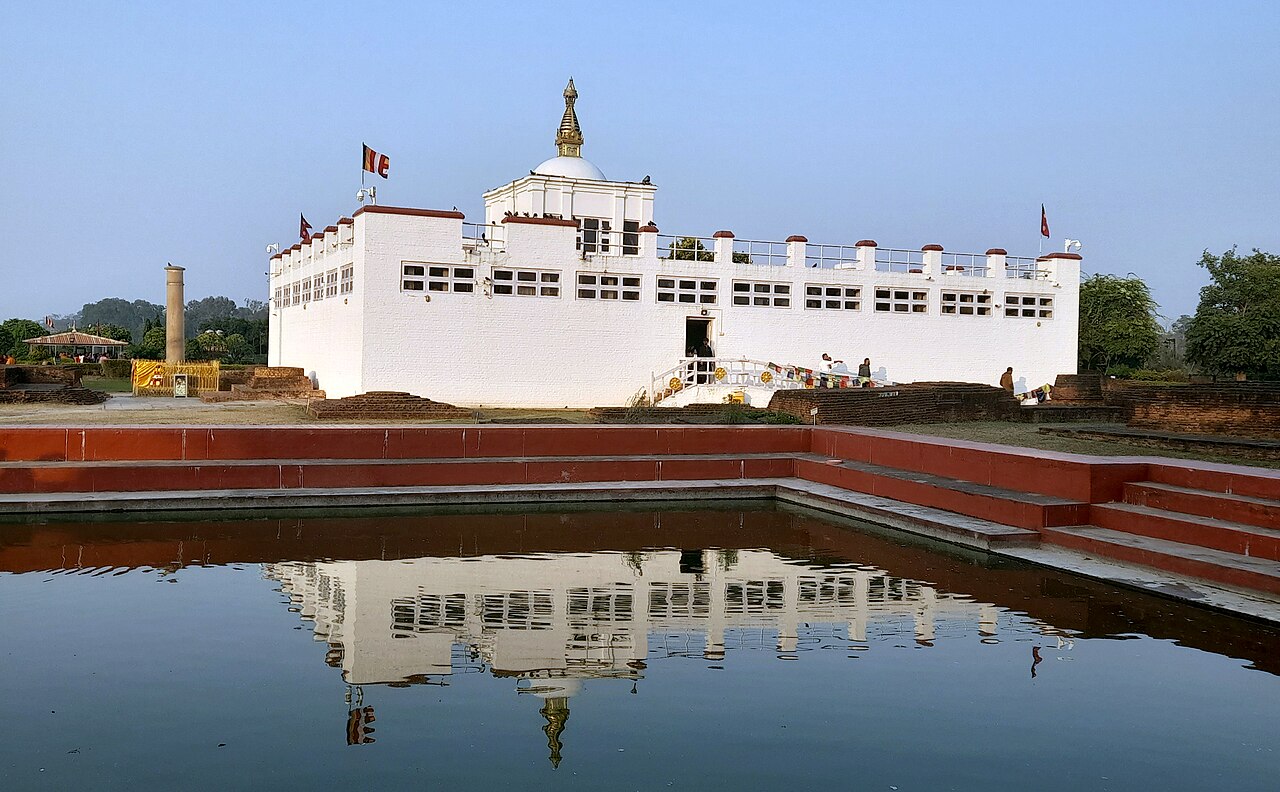
Nepal's sacred sites are often located near traditional villages. A homestay in Panauti can be combined with a visit to the nearby Namo Buddha stupa, one of Buddhism's holiest sites in Nepal. Our Namobuddda spiritual hike guide describes this experience in detail. Similarly, a homestay near Lumbini can complement a Buddhist pilgrimage, letting you experience village life in the Buddha's birthplace region.
Homestay Plus Wildlife
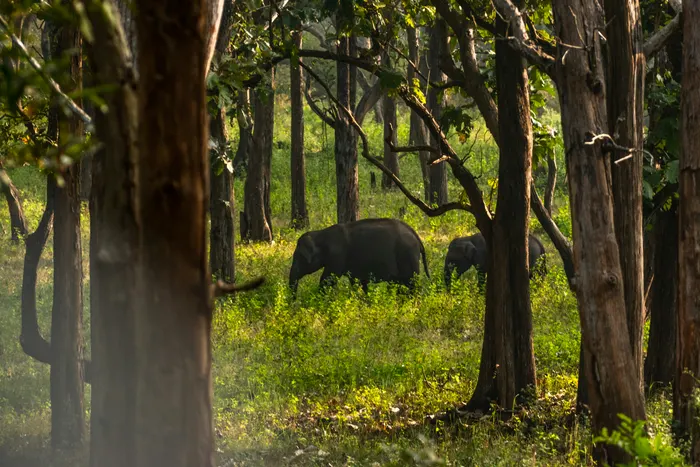
If you are visiting Chitwan National Park for a wildlife safari, consider adding a night in a Tharu community homestay near the park. The Tharu are an indigenous people of the Terai lowlands with a distinct culture, cuisine, and architecture. This combination gives you both the natural world of the jungle and the human world of the people who have lived alongside it for centuries. Our wildlife safari guide covers the Chitwan and Bardia experience.
Conclusion: Why a Community Homestay Should Be Part of Your Nepal Journey
A community homestay in Nepal is more than accommodation. It is an invitation to step out of the traveler's bubble and into the daily fabric of Himalayan life. The mountains draw people to Nepal, but it is the people who make them stay longer, return more often, and tell stories for years afterward. When you sit on a kitchen floor in Ghale Gaun, eating dal bhat with a family you met hours ago, watching the firelight play on their faces, you understand something that no hotel can teach: Nepal is not a postcard. It is a living, breathing, deeply human place, and its greatest treasure is the warmth of its people.
Whether you pair your community homestay experience with a trek through the Annapurna foothills, a pilgrimage to Lumbini, or a wildlife safari in Chitwan, the experience will reframe how you see Nepal. You will leave with more than photos. You will leave with relationships, memories, and a perspective on travel that prioritizes connection over consumption. That is the true gift of a community homestay, and it is waiting for you in villages across the Nepali hills.
Start planning your authentic community homestay in Nepal today. The families are ready to welcome you.