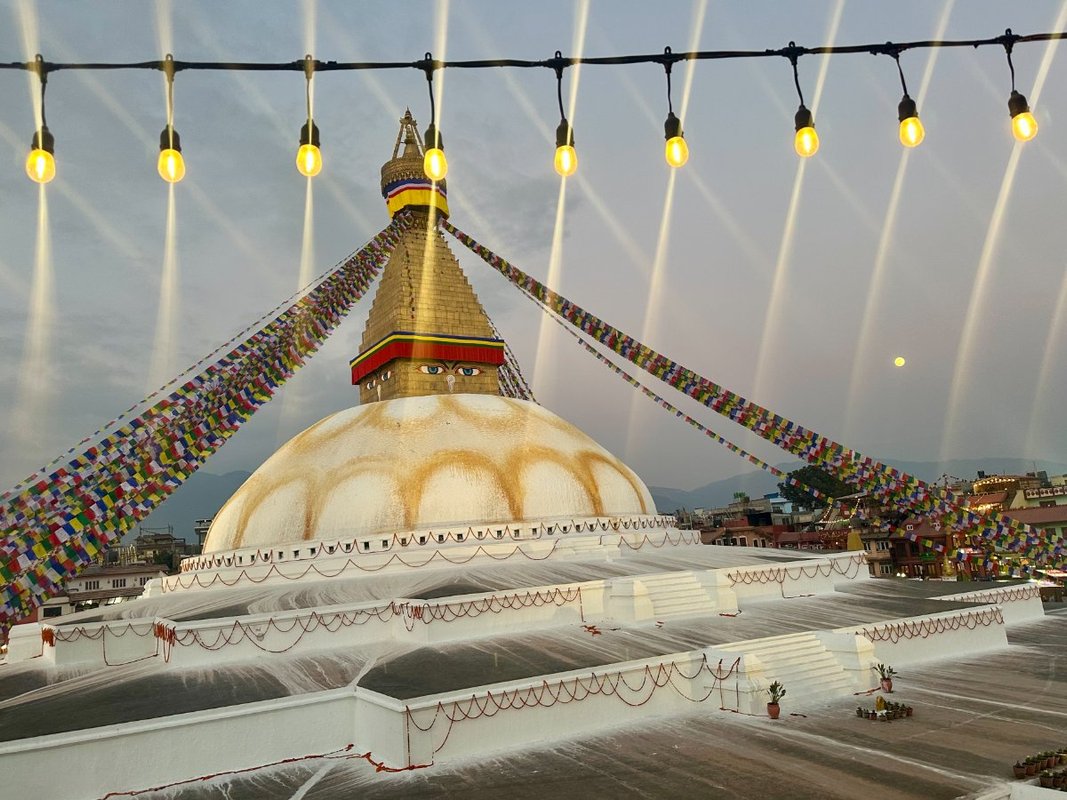
Nepal is a land of towering peaks, ancient temples, vibrant cultures, and warm hospitality that has captivated travelers for centuries. Whether you are a seasoned mountaineer, a cultural enthusiast, or someone seeking spiritual renewal, Nepal offers experiences that transform the way you see the world. Enticing Himalayas is your trusted partner for exploring this extraordinary country, combining deep local expertise with a passion for authentic, responsible travel. From the iconic trails of Everest and Annapurna to the serene meditation caves of Kathmandu Valley, we craft journeys that go beyond sightseeing to create genuine connection and lasting memories. In this guide, we walk you through everything you need to know about trekking and touring in Nepal with Enticing Himalayas, our philosophy, and our signature experiences.
What Makes Enticing Himalayas Different from Other Nepal Operators?
Enticing Himalayas was founded on a simple belief: travel should be transformative, not transactional. We are a Nepal-based company rooted in local communities, employing Sherpa guides, Tamang porters, and Newar cultural experts who call these mountains home. Our approach combines three pillars: Explore, Heal, and Thrive. We help you explore the most breathtaking landscapes on earth, heal through wellness and spiritual experiences, and thrive by pushing your boundaries in a safe, supportive environment. Unlike international operators who outsource everything, we own every aspect of your journey from airport pickup to summit day. Our guides are certified wilderness first responders, our itineraries are meticulously crafted, and our commitment to responsible tourism means we invest in local communities through education and environmental initiatives.
Where Should You Start Your Nepal Adventure?
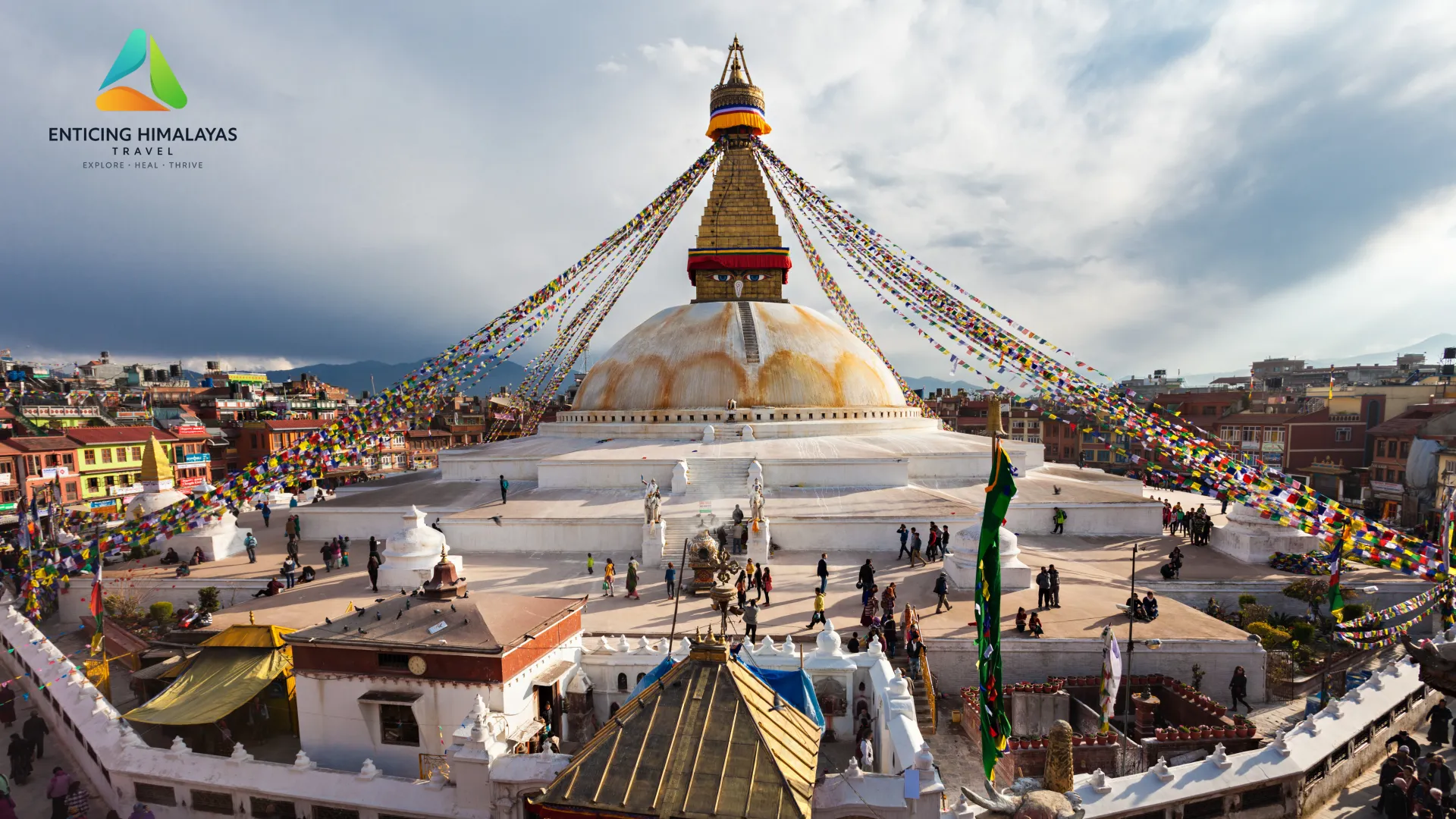
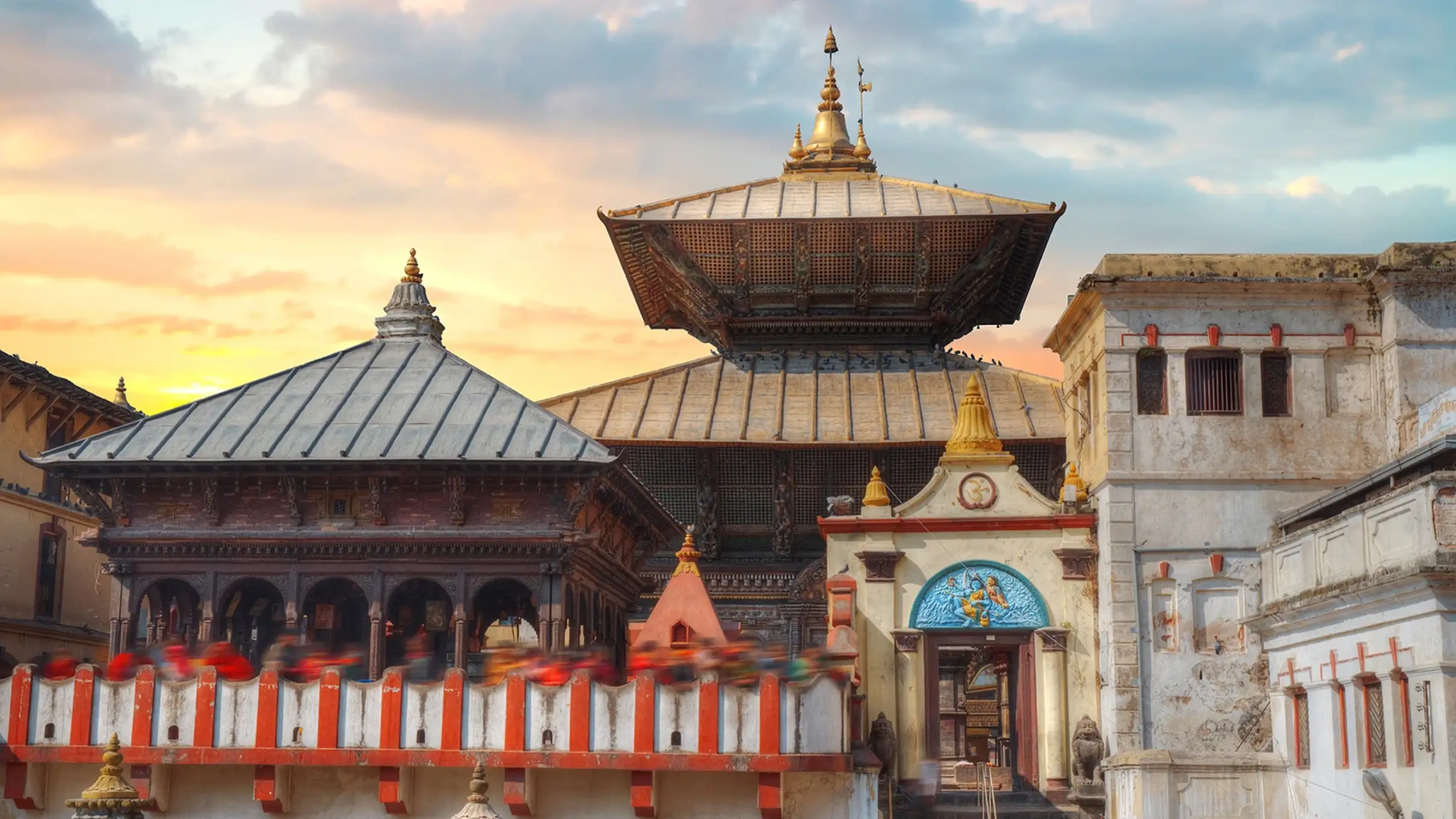
Every Nepal journey begins in Kathmandu, the vibrant capital city where ancient and modern worlds collide. Kathmandu Valley is home to seven UNESCO World Heritage Sites, including the sacred stupa of Swayambhunath, the Great Stupa of Boudhanath, and the revered Hindu temple of Pashupatinath. Before heading to the mountains, spend at least two days exploring the valley's temples, sampling Newari cuisine, and adjusting to the altitude. The 3-Day Spiritual Kathmandu Heritage Tour is the perfect introduction, covering the most significant cultural sites with an expert guide. For a deeper dive, the 4-Day 7 UNESCO Wonders Tour explores all seven heritage sites in depth.
What Are the Best Treks in Nepal for First-Time Visitors?
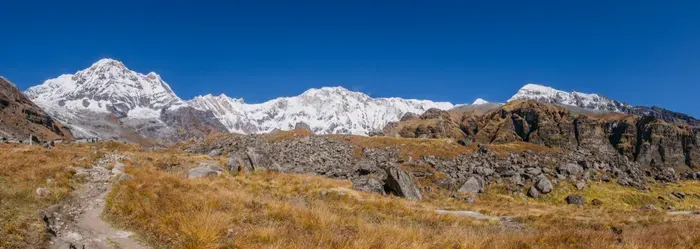
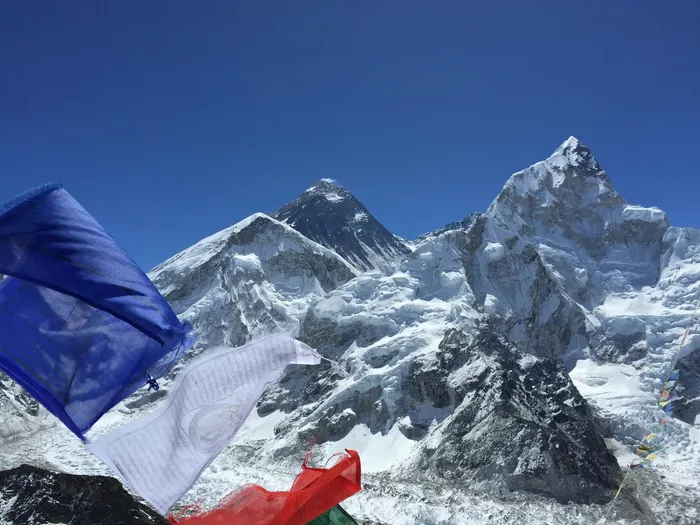
If you are trekking in Nepal for the first time, choosing the right route is essential for a positive experience. The 7-Day Ghorepani Poon Hill Trek is widely considered the best introduction to Himalayan trekking: moderate difficulty, stunning sunrise views over Annapurna and Dhaulagiri, and comfortable teahouse accommodation throughout. The 5-Day Mardi Himal Trek offers a shorter, less-crowded alternative with ridge-top views of the Annapurna massif. For those who want the full Everest experience, the classic 14-Day Everest Base Camp Trek remains the ultimate bucket-list adventure. The 10-Day Annapurna Base Camp Trek is another excellent choice, combining diverse landscapes with rich cultural encounters.
How Do You Choose Between Everest and Annapurna?
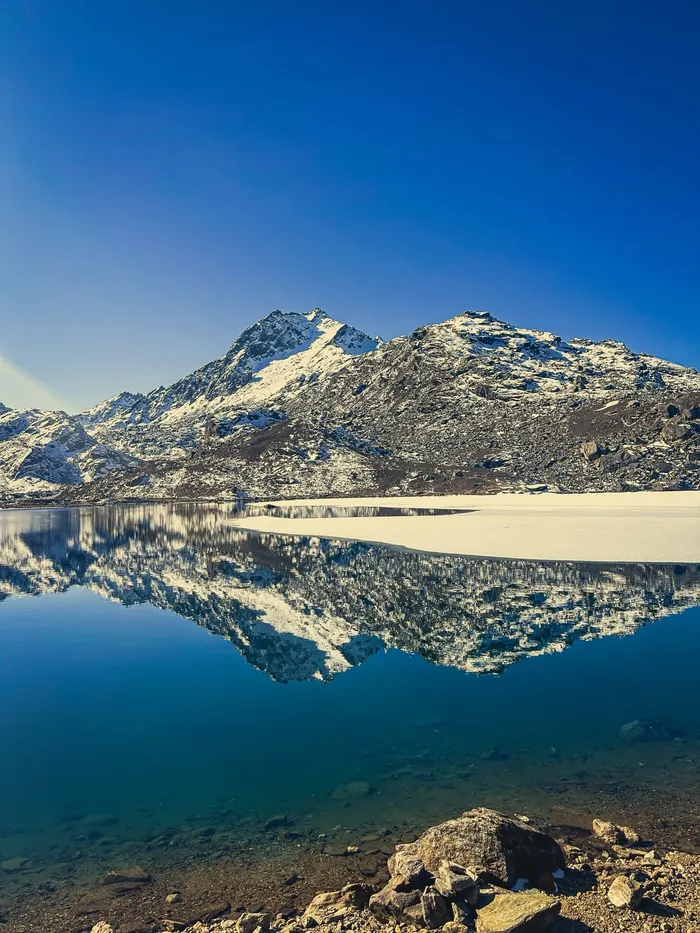
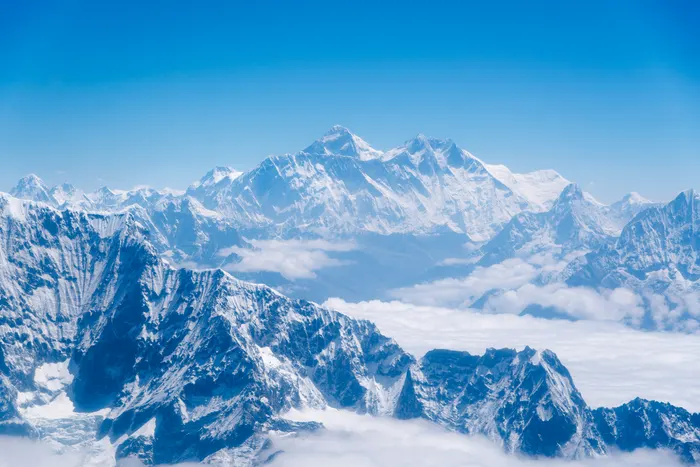
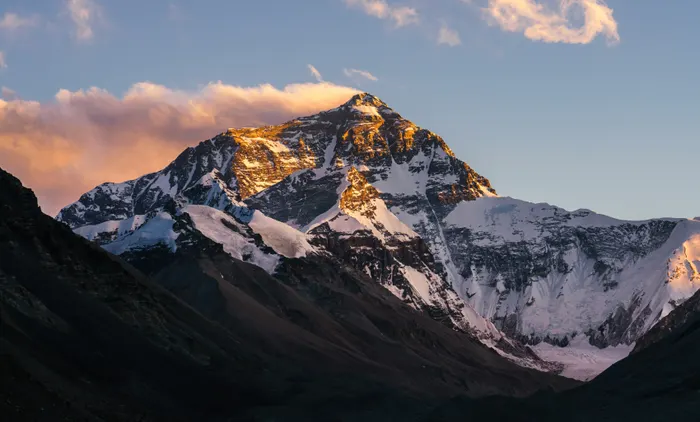
This is the most common question we receive, and the answer depends on your priorities. The Everest region offers higher altitudes, the cultural richness of Sherpa communities, and the unmatched thrill of standing at the base of the world's tallest mountain. Treks here tend to be longer and more expensive due to flight access and remote logistics. The Annapurna region is more accessible, starting from Pokhara, with diverse landscapes from subtropical valleys to high-altitude deserts. Annapurna treks are generally shorter, less expensive, and offer more cultural variety. If you want the ultimate Himalayan challenge, choose Everest. If you prefer variety, comfort, and accessibility, choose Annapurna. Many of our clients do both on separate trips.
What Is the Best Time of Year to Visit Nepal?
Nepal has two primary trekking seasons: autumn (October to November) and spring (March to May). Autumn offers the clearest mountain views, stable weather, and comfortable temperatures. Spring brings rhododendron blooms, warmer days, and the excitement of mountaineering expeditions preparing for summit pushes. Winter (December to February) is ideal for those who prefer solitude and do not mind cold weather, with clear skies and uncrowded trails. The monsoon season (June to September) brings rain to most of Nepal, but the rain-shadow regions of Upper Mustang and Muktinath remain dry and accessible. For cultural tours, Kathmandu and Lumbini are rewarding year-round.
What Should You Pack for a Nepal Trek?
Packing for a Nepal trek depends on the season, altitude, and duration, but there are essentials every trekker needs. A good quality backpack (40 to 60 liters), broken-in hiking boots, layered clothing (base layer, fleece, down jacket, shell), a sleeping bag rated to at least minus 10 degrees Celsius, a headlamp, water purification tablets or a filter, sunscreen, and a basic first aid kit are non-negotiable. For higher-altitude treks, add trekking poles, a buff or balaclava, and hand warmers. For cultural tours, pack modest clothing that covers shoulders and knees for temple visits. We provide a comprehensive packing list tailored to your specific itinerary after booking. Remember that you can rent or buy gear in Kathmandu, though quality varies.
How Difficult Is Trekking in Nepal?
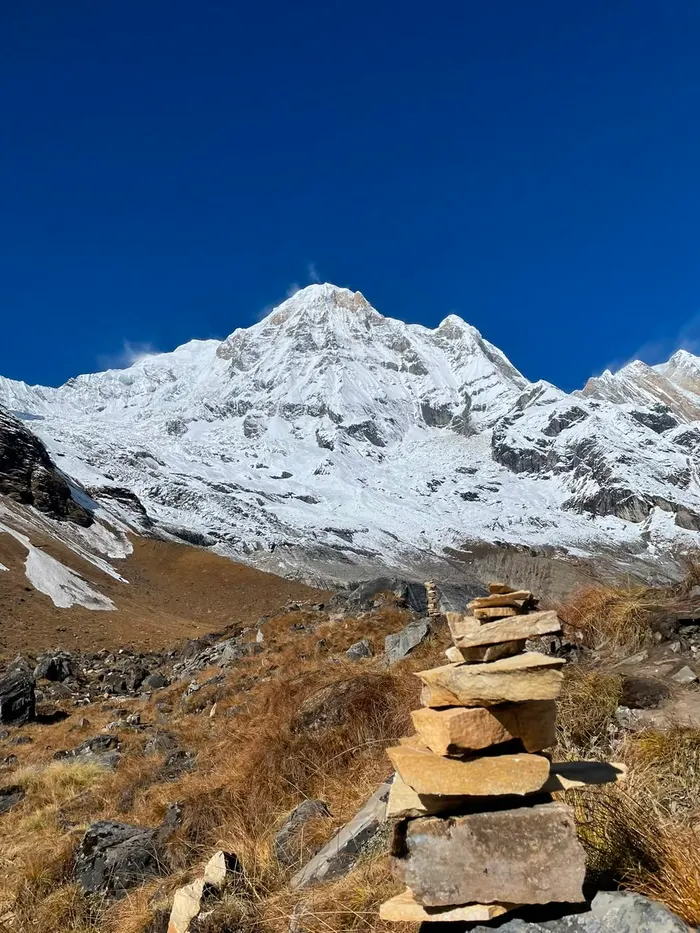
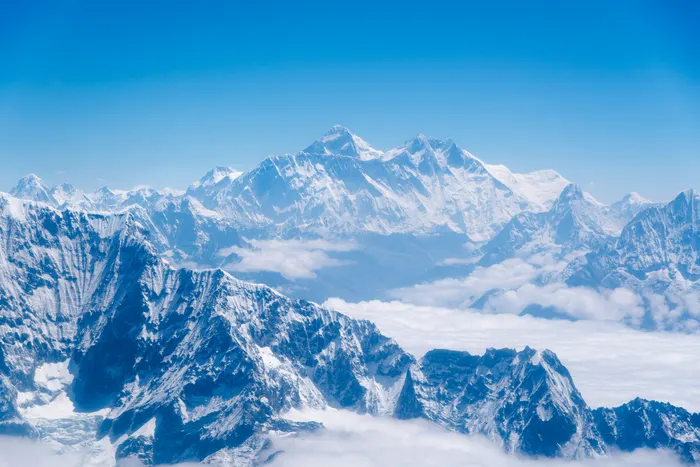
Nepal offers treks for every fitness level, from gentle valley walks to extreme high-altitude mountaineering. The difficulty of your trek depends on altitude, daily distance, trail conditions, and weather. Easy treks like the Ghorepani Poon Hill circuit and Mardi Himal route are suitable for anyone with basic fitness. Moderate treks like Annapurna Base Camp and the Everest View Trek require good stamina but no technical skills. Challenging treks like Everest Base Camp, the 13-Day Annapurna Circuit with Tilicho Lake, and the 18-Day Everest Three Passes Trek demand excellent physical conditioning and mental resilience. We assess each client's fitness and experience before recommending an itinerary, ensuring you choose a trek that matches your abilities.
Do You Need a Guide or Porter for Trekking in Nepal?
Since 2023, Nepal requires all trekkers in protected areas to be accompanied by a licensed guide. This regulation enhances safety and supports the local trekking economy. A guide transforms your trek from a physical challenge into a cultural and educational journey, sharing knowledge about mountains, flora, fauna, and local traditions. Porters carry your heavy gear, allowing you to trek with a light daypack and enjoy the experience fully. On our group treks, one guide accompanies every four to six trekkers, and porters carry up to 15 kg of group gear. We pay our guides and porters above industry-standard wages and provide them with proper gear and insurance, reflecting our commitment to ethical tourism.
What About Altitude Sickness?
Altitude sickness, or acute mountain sickness (AMS), is a real risk on any trek above 3,000m. Symptoms include headache, nausea, loss of appetite, and fatigue. In severe cases, it can progress to life-threatening conditions like HAPE (high-altitude pulmonary edema) or HACE (high-altitude cerebral edema). Prevention is straightforward: ascend slowly, stay hydrated, eat well, and take acclimatization days. Our itineraries all include built-in acclimatization days at key elevations. Your guide checks your condition daily using the Lake Louise scoring system and carries a pulse oximeter and emergency oxygen. If symptoms worsen, the only effective treatment is immediate descent. We never push clients to continue if they show signs of AMS. Your safety always comes first.
What Cultural Experiences Should You Not Miss in Nepal?
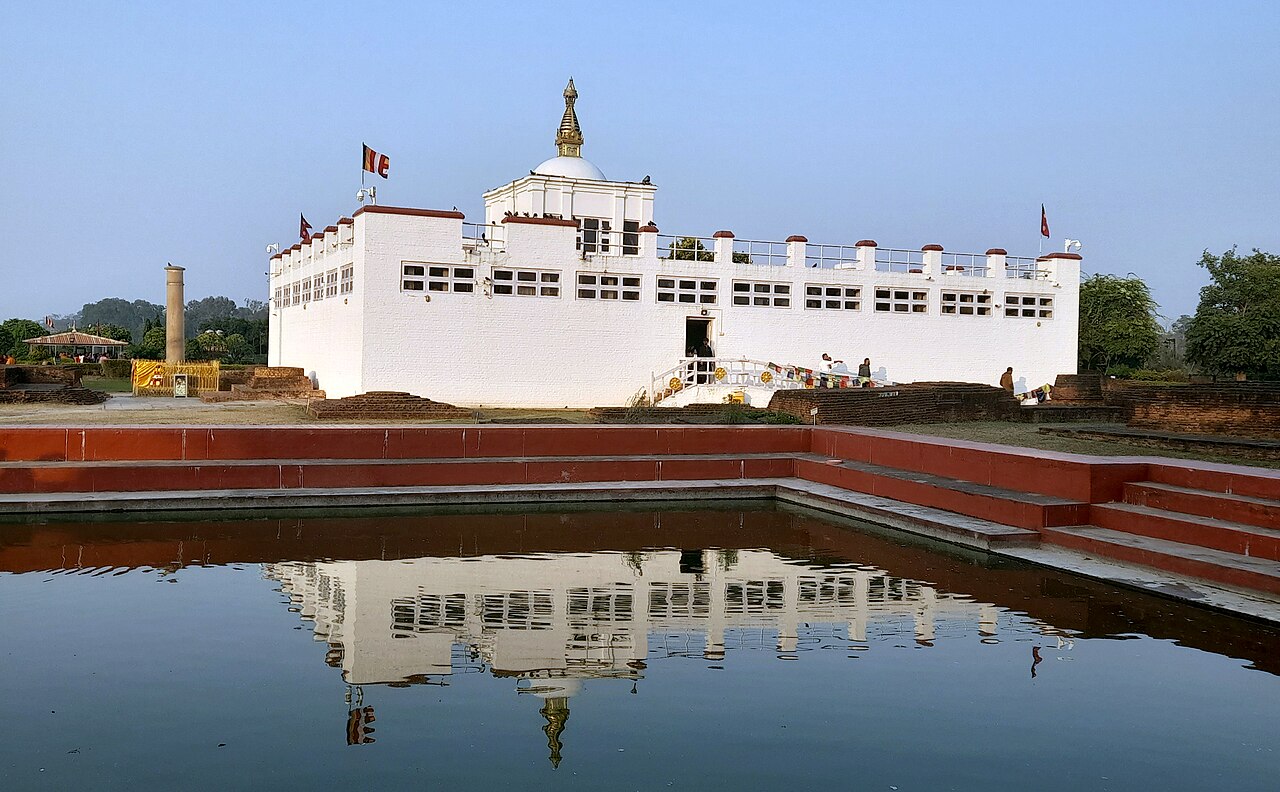
Nepal's cultural richness is as compelling as its mountains. In Kathmandu Valley, explore the medieval squares of Bhaktapur and Patan, where Newar artisans continue centuries-old traditions of woodcarving, metalwork, and painting. The 2-Day Kathmandu Spiritual Circuit takes you to the valley's most sacred Hindu and Buddhist sites. In Lumbini, the birthplace of Buddha, walk the sacred garden where Maya Devi gave birth and visit monasteries built by nations from around the world. The 3-Day Lumbini Buddhist Pilgrimage is a deeply moving journey for anyone interested in Buddhism. For a broader cultural immersion, the 8-Day Golden Triangle Nepal Tour combines Kathmandu, Chitwan, and Pokhara.
What Wellness and Healing Experiences Does Nepal Offer?
Nepal has a profound tradition of healing practices, from Buddhist meditation to Ayurvedic medicine to sound therapy with singing bowls. Our Heal pillar celebrates these traditions. The 3-Day Yoga and Sound Healing Retreat in Kathmandu introduces you to Himalayan singing bowl therapy, daily yoga, and meditation in a serene setting. The 3-Day Himalayan Sound Therapy Retreat goes deeper into vibrational healing techniques. For a longer immersion, the 7-Day Yoga Retreat with Sightseeing combines daily practice with cultural exploration. The heal section of our site showcases all wellness offerings, from spa days to multi-day retreats that combine yoga, meditation, and trekking.

How Much Does a Nepal Trek or Tour Cost?
Nepal is one of the most affordable Himalayan destinations, but costs vary widely depending on the type of experience. Short cultural tours start at modest per-day rates including accommodation, transport, and guiding. Teahouse treks are generally less expensive than camping treks because lodging and meals are provided by local teahouses. The 14-Day Everest Base Camp Budget Trek offers the most economical way to reach base camp. Luxury treks like the Everest Base Camp Luxury Lodge Trek and the 9-Day Nepal Luxury Tour Package provide premium accommodations, private guides, and fine dining. We are transparent about all costs: there are no hidden fees, and our pricing includes permits, guide and porter wages, meals, and accommodation as specified in each itinerary.
What About Family Travel in Nepal?
Nepal is a wonderful destination for families, offering experiences that build confidence and create lifelong memories. The 7-Day Everest Panorama Family Trek is designed specifically for families with children, featuring shorter walking days, lower altitudes, and engaging cultural activities. The 9-Day Annapurna Family Trek combines gentle hiking with village stays and wildlife spotting. For families who prefer not to trek, the 6-Day Cultural, Nature and Himalayan Experience includes cultural tours, wildlife safaris, and mountain viewpoints without strenuous hiking. We adjust itineraries based on children's ages and energy levels, and our guides are experienced in keeping young trekkers motivated and safe.
Is Nepal Safe for Solo and Women Travelers?
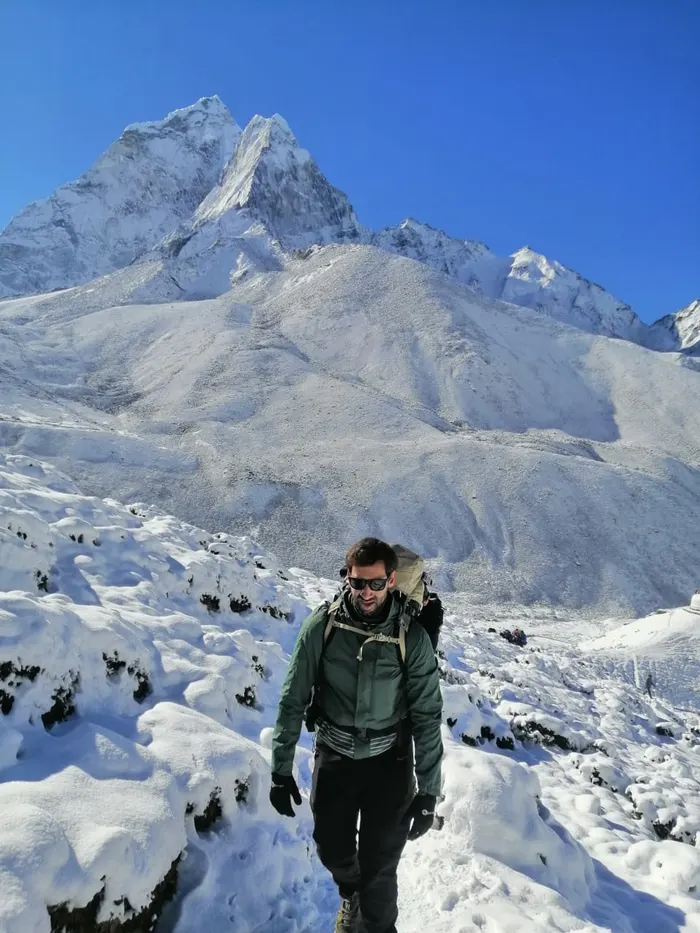
Nepal is generally very safe for solo travelers, and the trekking community is supportive and welcoming. For solo women travelers, we offer specialized group departures like the 14-Day Everest Base Camp Solo Women Trek and the Women-Only Guided Everest Base Camp Trek, both led by female guides with full support teams. These groups provide a safe, empowering environment where women can challenge themselves while building friendships. For mixed-gender group treks, our group-joining departures are a great way to meet fellow travelers. We vet all accommodation for safety and comfort, and our guides are trained to handle any situation that may arise.
What Wildlife Can You See in Nepal?
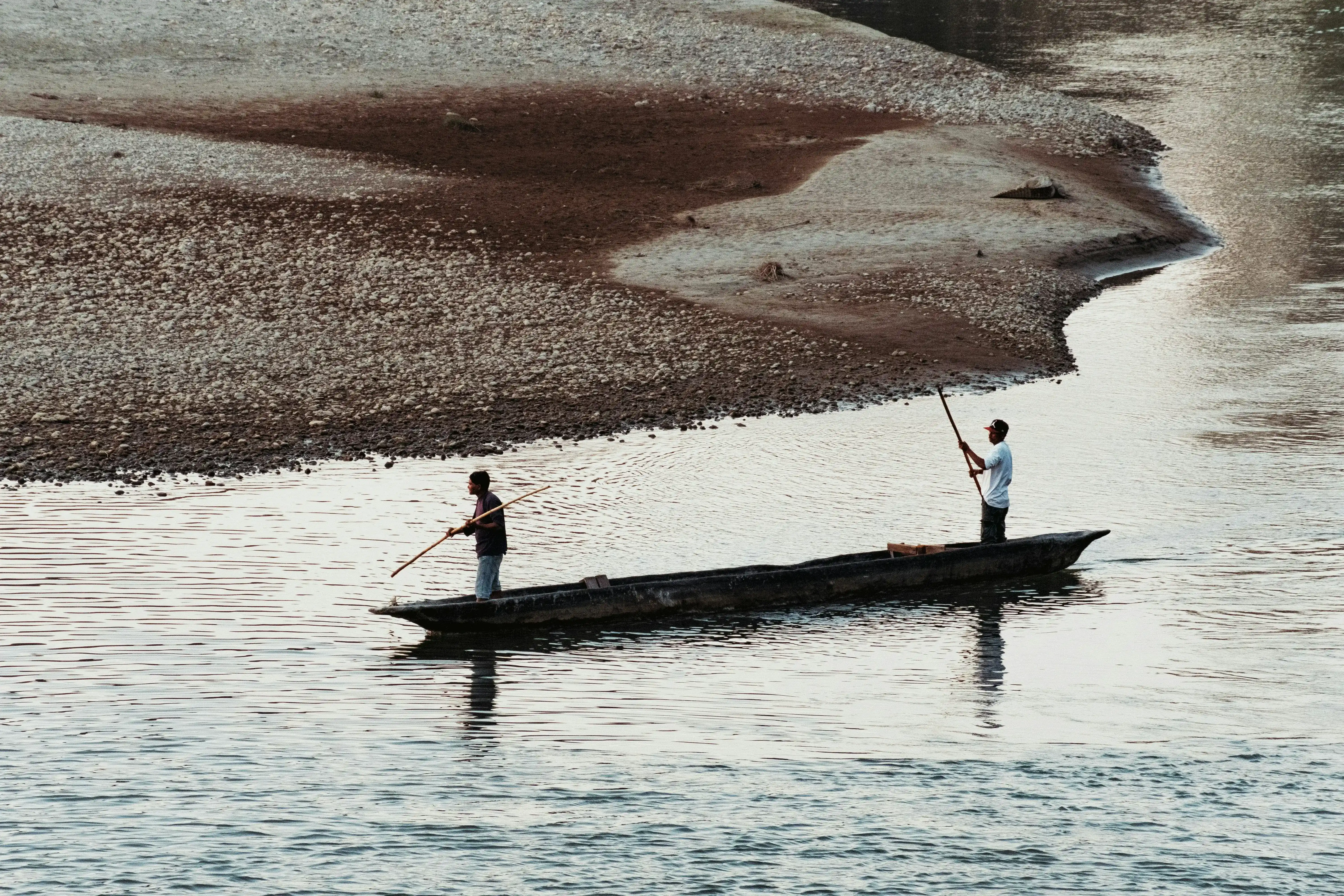
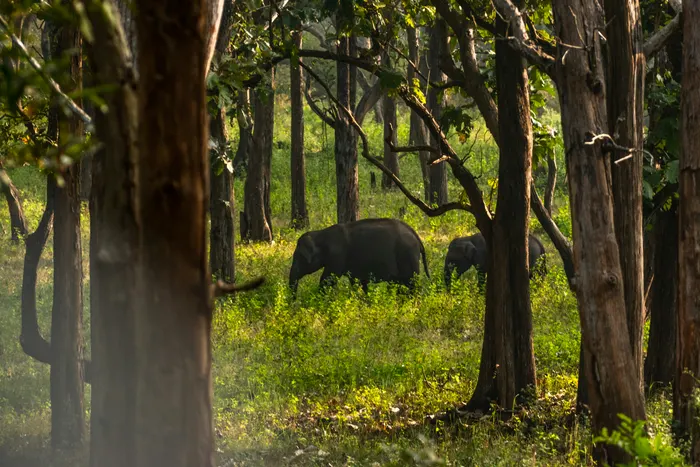
Nepal's biodiversity is remarkable for a country its size, ranging from tropical lowland jungles to alpine meadows. Chitwan National Park is the most popular wildlife destination, home to one-horned rhinoceros, Bengal tigers, Asian elephants, and over 500 bird species. The 7-Day Nepal Heritage and Wildlife Experience combines cultural tours with a Chitwan safari. For serious birdwatchers, the Chitwan Bird Watching Expedition offers expert-guided birding in the Terai lowlands. Bardiya National Park in western Nepal is wilder and less visited, offering a more intimate wildlife experience with better tiger sighting odds.
How Does Enticing Himalayas Support Sustainable Tourism?
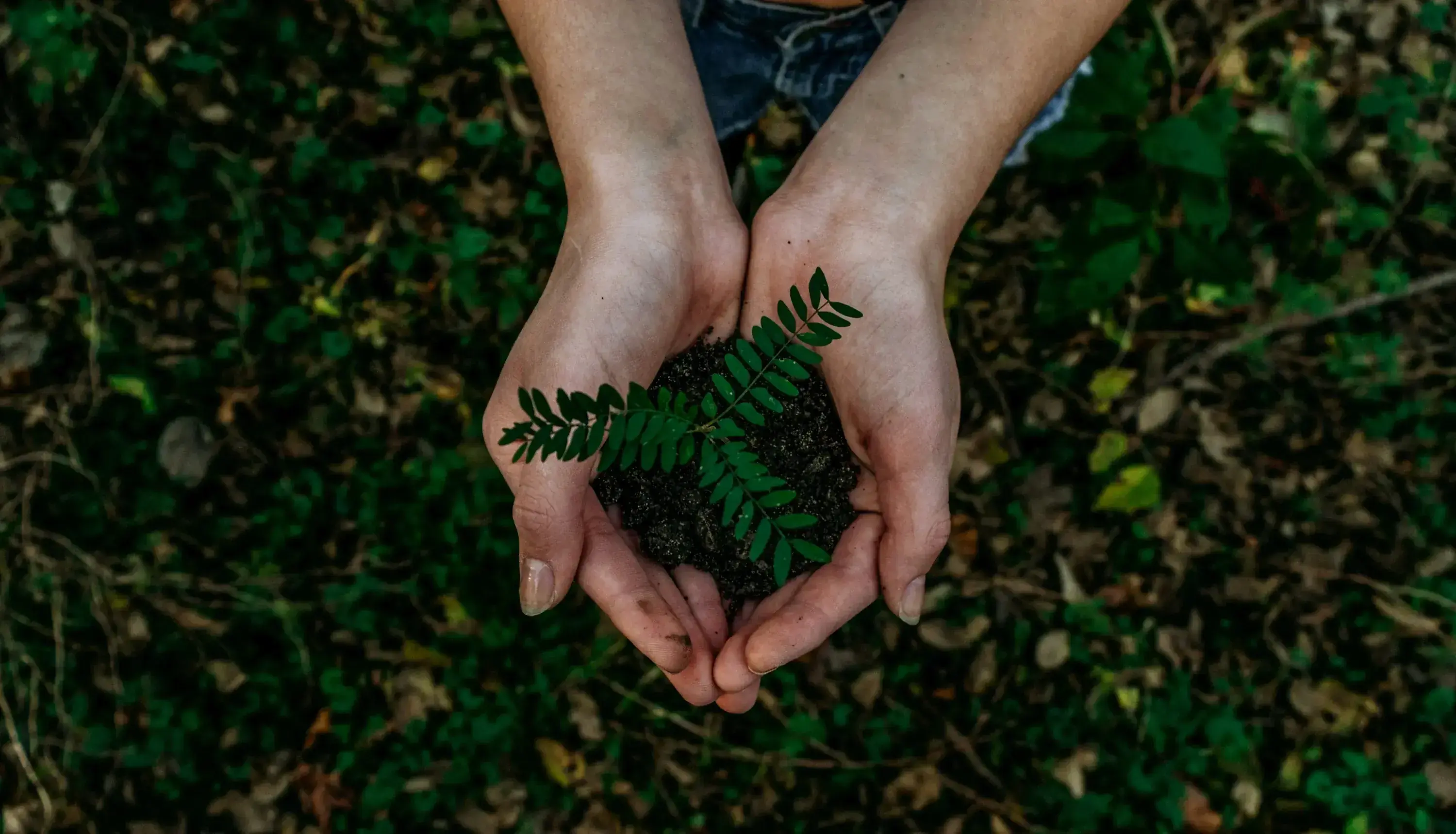
Sustainability is not a marketing slogan for us; it is how we operate. We employ local guides and porters, ensuring tourism revenue stays in mountain communities. We use teahouse accommodation rather than setting up independent camps, supporting local economies. We carry out all waste, including portable toilet systems on camping treks. We support community projects including school supplies for rural villages and tree-planting initiatives. The Jamacho Hike and Tree Planting activity lets travelers contribute directly to carbon-neutral tourism. We are accredited by the Nepal Tourism Board and maintain membership in the Trekking Agencies Association of Nepal. Our philosophy of Explore, Heal, Thrive extends to the communities and environments that make our journeys possible.
What Are the Most Unique Experiences Only Enticing Himalayas Offers?
Several of our packages are truly unique in the Nepal trekking landscape. The Annapurna Mother-Daughter Trek is a one-of-a-kind experience designed for mothers and daughters to bond in the Himalayas. The Everest Base Camp Sisters' Adventure Photo Trek combines trekking with professional photography guidance. The Gosaikunda Sacred Lakes Trek and Yoga Retreat blends pilgrimage hiking with daily yoga practice at sacred alpine lakes. The Nuwakot Heritage and Hills Tour takes you off the beaten path to a lesser-known historical gem. Each of these reflects our commitment to creating journeys that are meaningful, personal, and unforgettable.
How Do You Book a Trip with Enticing Himalayas?
Booking with us is simple and transparent. Browse our complete tour list to find the experience that matches your interests and fitness level. Each package page includes a detailed itinerary, pricing, inclusions, and FAQs. Once you have selected a trip, contact us through the inquiry form or directly via email or WhatsApp. We will confirm availability, answer any questions, and send a booking form. A deposit secures your spot, with the balance due before departure. We handle all permits, domestic flights, transportation, and accommodation bookings so you can focus on preparing for your adventure. Our team is available before, during, and after your trip for any support you need. Explore our explore section for inspiration and start planning your Nepal journey today.