Loading...
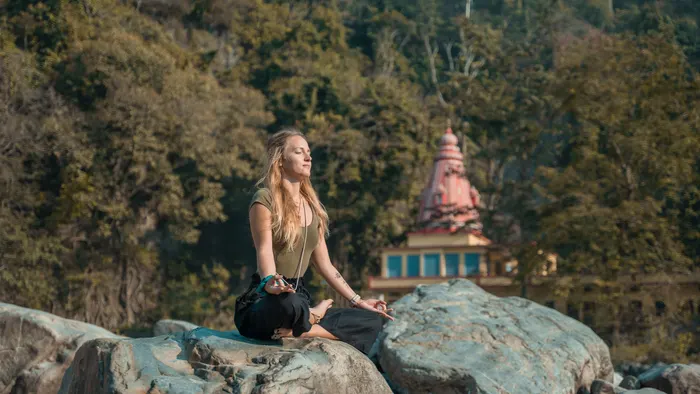
Meditation in the Himalayas, Nepal: Best Places & Retreats
Table of Contents
No sections available
About Meditation in the Himalayas, Nepal: Best Places & Retreats
Meditation in the Himalayas, Nepal
Meditation in the Himalayas, Nepal is more than a wellness activity; it is a journey into silence, nature, spirituality and self-discovery. Surrounded by snow-covered mountains, ancient monasteries, sacred temples, peaceful forests and traditional Himalayan communities, Nepal provides a unique environment for travelers who want to slow down, breathe deeply and reconnect with themselves. From the spiritual atmosphere of Kathmandu and Boudhanath to the peaceful mountain landscapes of Annapurna, Mustang, Tengboche and Khaptad, meditation can become an important part of a Himalayan journey.
Nepal has a particularly deep connection with meditation because Lumbini, in southern Nepal, is recognized as the birthplace of Siddhartha Gautama Buddha. Across the country, Buddhist and Hindu traditions have developed alongside one another for centuries. Monasteries, stupas, temples, caves, forests and mountain landscapes continue to provide spaces for prayer, contemplation and spiritual practice. The Kathmandu Valley alone offers numerous meditation centers and monasteries, while mountain regions provide opportunities to practice mindfulness in quieter natural surroundings.
Why Practice Meditation in the Himalayas of Nepal?
The Himalayas naturally encourage a slower rhythm. The sound of wind moving through pine forests, prayer flags moving in the mountain breeze, distant bells from monasteries and views of snow-covered peaks can create an atmosphere very different from everyday urban life. For many travelers, meditation becomes easier when surrounded by nature and removed from constant digital distractions.
A meditation journey in Nepal can also combine spiritual practice with trekking, yoga, cultural exploration and pilgrimage. Instead of spending an entire holiday inside a retreat center, travelers can meditate in the morning, walk through mountain villages during the day and practice reflection again in the evening. This combination makes Himalayan meditation in Nepal particularly attractive for wellness travelers and adventure seekers.
Best Places for Meditation in Nepal
1. Kathmandu Valley
The Kathmandu Valley is one of the best starting points for meditation in Nepal. Although Kathmandu is a busy city, its surrounding hills, monasteries and sacred sites provide many peaceful places for contemplation.
Boudhanath Stupa is especially important for Buddhist meditation. The huge white stupa is surrounded by monasteries, prayer wheels, incense, pilgrims and traditional Tibetan Buddhist culture. Walking slowly around the stupa while focusing on breathing or mantra recitation can itself become a mindful practice.
Nearby Kopan Monastery is another major destination for meditation and Buddhist teachings. Located on a hill overlooking Kathmandu Valley, Kopan offers introductory and advanced courses, meditation programs and Buddhist teachings. Its official visitor information describes the monastery as a place for Buddhist study, meditation, retreat and quiet reflection.
For travelers looking for a structured experience, Kopan can be an excellent choice because programs range from introductory courses to deeper Buddhist study and retreats.
2. Pharping
Pharping is one of the most peaceful meditation destinations near Kathmandu. Located in the hills south of the capital, the area is associated with Tibetan Buddhist traditions, monasteries, caves and retreat centers.
Pharping is particularly suitable for travelers who want to escape Kathmandu's urban environment without traveling deep into the mountains. Its forests, hills and monasteries create a quieter setting for meditation, reflection and spiritual practice.
The area is also connected with important Buddhist traditions and sacred sites, making it an excellent choice for people interested in Buddhist meditation in Nepal.
3. Pokhara and the Annapurna Region
Pokhara is one of Nepal's most popular destinations for meditation, yoga and wellness travel. With Phewa Lake in the foreground and the Annapurna and Machhapuchhre mountains rising behind it, the environment naturally encourages relaxation and reflection.
Meditation around World Peace Pagoda, Sarangkot and the surrounding hills can be especially rewarding at sunrise. Travelers can combine meditation with gentle hiking, yoga or sightseeing.
Pokhara also has established Buddhist meditation centers. Ganden Yiga Chozin, for example, offers guided meditation, Buddhist philosophy courses and retreats and welcomes beginners without requiring previous meditation experience.
The city's official tourism information also promotes a Buddhist circuit including the World Peace Pagoda, Tibetan monasteries, Matepani Gumba, Hemja monasteries and other Buddhist sites.
4. Sarangkot
Sarangkot is ideal for travelers who want meditation with spectacular Himalayan scenery. The famous viewpoint above Pokhara is known for sunrise views over the Annapurna and Dhaulagiri ranges.
Early morning meditation in Sarangkot can be combined with breathing exercises, yoga or simple mindfulness. Sitting quietly while the mountains gradually appear in the morning light provides a memorable Himalayan wellness experience.
For travelers who do not want a long retreat, Sarangkot is a practical option for a short meditation escape from Pokhara.
5. Lumbini
For Buddhist pilgrims and spiritual travelers, Lumbini offers a completely different meditation experience. This is the sacred birthplace of Buddha and contains monasteries and temples representing different Buddhist traditions.
Meditation in Lumbini is less about dramatic mountain scenery and more about spiritual history and contemplation. Visitors can spend time around the Sacred Garden, monasteries and peaceful surroundings while reflecting on Buddhist teachings.
Lumbini is particularly suitable for travelers interested in Buddhist meditation, mindfulness, pilgrimage and spiritual tourism in Nepal.
6. Tengboche
For a genuine Himalayan meditation experience, Tengboche in the Everest region is one of the most remarkable destinations. Located along the Everest trekking route, Tengboche is famous for its monastery and spectacular views of Himalayan peaks.
Meditating in Tengboche combines mountain adventure with Buddhist spirituality. Travelers can experience the atmosphere of the monastery, observe local Buddhist traditions and spend quiet time surrounded by the Himalayas.
The Nepal Tourism Board specifically lists Tengboche among Nepal's meditation destinations.
Because Tengboche is located at high altitude, however, travelers should approach meditation trekking carefully and allow sufficient time for acclimatization.
7. Jomsom and Muktinath
The Jomsom–Muktinath region offers another fascinating combination of Himalayan spirituality and natural beauty. Muktinath is an important pilgrimage destination for both Hindus and Buddhists.
The landscape around Mustang is dramatically different from the greener valleys of Nepal. Dry cliffs, deep valleys, ancient villages and Himalayan peaks create a powerful atmosphere for reflection.
Meditation here can be combined with pilgrimage, trekking and exploration of traditional Himalayan culture. Nepal Tourism Board includes Jomsom and Muktinath among places where visitors can experience meditation.
8. Upper Mustang
Upper Mustang is one of Nepal's most distinctive destinations for a Himalayan meditation journey. The region is characterized by Tibetan-influenced culture, ancient monasteries, caves, dramatic cliffs and vast high-altitude landscapes.
A meditation and trekking journey through Upper Mustang can provide a deeper sense of solitude than more crowded tourist destinations. Some wellness programs combine trekking with morning yoga, breathing exercises and evening meditation in the Himalayan environment.
This destination is especially suitable for experienced travelers who want to combine meditation, trekking, Tibetan culture and Himalayan adventure.
9. Khaptad National Park
For travelers looking for nature-based meditation away from the major tourist centers, Khaptad is an excellent option. The region is known for forests, grasslands, hills and a peaceful natural environment.
The area has a long association with spiritual practice, making it attractive to travelers interested in combining meditation with hiking and nature exploration.
Khaptad is less accessible than Kathmandu or Pokhara, but that distance can become part of the experience. The journey itself helps travelers disconnect from busy routines and move toward a slower Himalayan lifestyle.
10. Annapurna Region
The Annapurna region offers perhaps one of the most flexible ways to experience meditation in the Himalayas. Travelers can combine daily trekking with short meditation sessions in villages, forests, viewpoints and mountain lodges.
Routes around the Annapurna region can include meditation, yoga and mindfulness practices without requiring travelers to commit to a formal residential retreat.
For example, a traveler could meditate at sunrise, trek through Himalayan villages during the day and practice breathing or mindfulness in the evening. This creates a natural connection between physical movement and mental relaxation.
Meditation and Trekking in the Himalayas
One of Nepal's greatest advantages is the ability to combine meditation with Himalayan trekking. Instead of separating adventure and wellness, travelers can experience both during the same journey.
Shorter routes such as areas around Pokhara and Poon Hill can be suitable for beginners, while longer journeys toward Annapurna Base Camp, Everest and Upper Mustang require greater physical preparation. Current retreat listings also show trekking programs combining meditation and yoga with routes such as Poon Hill, Mardi Himal and Annapurna Base Camp.
A typical meditation trekking day might begin with 15–30 minutes of breathing or mindfulness practice. After breakfast, travelers trek through forests, villages and mountain trails. In the evening, a short meditation session can help relax the body and reflect on the day's experience.
What Kind of Meditation Can You Practice?
Nepal offers different meditation traditions, so travelers can choose an experience that matches their interests.
Mindfulness meditation focuses on awareness of breathing, thoughts, emotions and sensations.
Vipassana meditation emphasizes observation, awareness and insight. Nepal has established Vipassana programs, including structured ten-day courses where participants follow a strict daily schedule and periods of silence.
Tibetan Buddhist meditation can include visualization, analytical meditation, compassion practices, mantra and other traditional techniques. Kopan Monastery is particularly well known for Tibetan Buddhist teachings and meditation programs.
Yoga and meditation are also popular in Pokhara and Kathmandu, where travelers can combine physical movement, breathing exercises and meditation.
Best Time for Meditation in the Himalayas
The best seasons for a Himalayan meditation journey are generally spring and autumn. March to May brings warmer temperatures, blooming landscapes and good mountain visibility, while September to November is usually known for clear skies and excellent Himalayan views.
Winter can also be peaceful, particularly in Kathmandu, Pokhara and lower-altitude retreat centers, although higher Himalayan areas can become extremely cold.
The monsoon months bring rain to much of Nepal, especially the southern and central regions. However, some rain-shadow destinations such as Mustang can offer different conditions and may remain attractive for experienced travelers.
How Long Should a Meditation Retreat in Nepal Be?
The ideal duration depends on your goals.
A 1–3 day meditation experience is suitable for travelers who simply want to introduce mindfulness into their holiday.
A 5–7 day retreat provides more time to develop a daily routine and disconnect from normal life.
A 10-day Vipassana course offers a much more intensive experience with a structured schedule and silence.
A 2–3 week Himalayan wellness journey can combine meditation, yoga, trekking, cultural experiences and spiritual destinations.
For a deeper experience, travelers can also combine Kathmandu, Pokhara and Lumbini or add a Himalayan trekking destination such as Annapurna, Everest or Mustang.
What Does a Typical Meditation Day Look Like?
A retreat day in Nepal is usually simple and structured. You may wake early, meditate before breakfast, attend a teaching or guided session, enjoy a simple meal and spend time walking or practicing mindfulness.
In a monastery environment, the experience may also include prayers, Buddhist teachings and observing daily monastic routines. In a nature-based retreat, more time may be dedicated to walking, yoga, breathing exercises and outdoor meditation.
The goal is not necessarily to meditate for many hours immediately. Beginners can start with short sessions and gradually increase their practice.
What Should You Bring?
For a Himalayan meditation retreat, pack comfortable and modest clothing, warm layers, walking shoes, a reusable water bottle, personal toiletries and any medication you normally require.
A small notebook can also be useful for journaling thoughts and experiences. If you are trekking to a high-altitude meditation destination, your packing list should also include appropriate trekking clothing, sun protection and altitude-conscious equipment.
The most important thing to bring, however, is an open mind and willingness to slow down.
Why Choose Meditation in the Himalayas?
Meditation in Nepal is special because the practice is connected with the environment. You are not simply sitting inside a modern wellness studio. You may be sitting beside an ancient monastery, looking toward a snow-covered mountain, listening to prayer wheels turning or watching the sunrise over the Annapurna range.
The experience can therefore become both a physical journey and an inward journey.
For travelers searching for meditation retreats in Nepal, Himalayan meditation, Buddhist meditation in Nepal, spiritual tours in Nepal, yoga and meditation retreats, or meditation trekking in Nepal, the country offers options ranging from accessible short experiences to serious residential retreats.
Experience Meditation in the Himalayas with Enticing Himalayas
A Himalayan meditation journey can be designed around your interests, available time and preferred level of adventure. You can begin with Buddhist sites in Kathmandu, continue to peaceful meditation experiences around Pokhara, visit the birthplace of Buddha in Lumbini and then travel into the Himalayas for a trekking and meditation experience.
Whether your goal is inner peace, mindfulness, spiritual exploration, Buddhist learning, yoga, wellness or simply escaping everyday stress, Nepal provides a rare combination of culture, nature and Himalayan silence.
Explore Nepal's meditation and spiritual travel experiences with Enticing Himalayas: Enticing Himalayas
Ready to explore?
Check out Meditation in the Himalayas, Nepal: Best Places & Retreats at different destinations.
Available Packages
No packages available at the moment. Please check back later.
Activity
Meditation in the Himalayas, Nepal: Best Places & Retreats