Annapurna Base Camp Trek – 10 Days: A Day-by-Day Itinerary into the Heart of the Sanctuary
The Annapurna Base Camp (ABC) Trek is one of Nepal's most iconic short trekking adventures — a perfect blend of cultural richness and Himalayan grandeur. In ten days you travel from the chaos of Kathmandu to a 360-degree amphitheatre of snow at 4,130 m, walking through Gurung villages, rhododendron forests, and the glacial basin of the Annapurna Sanctuary. This is the full, day-by-day itinerary as run by Enticing Himalayas — no filler, no invented trails.

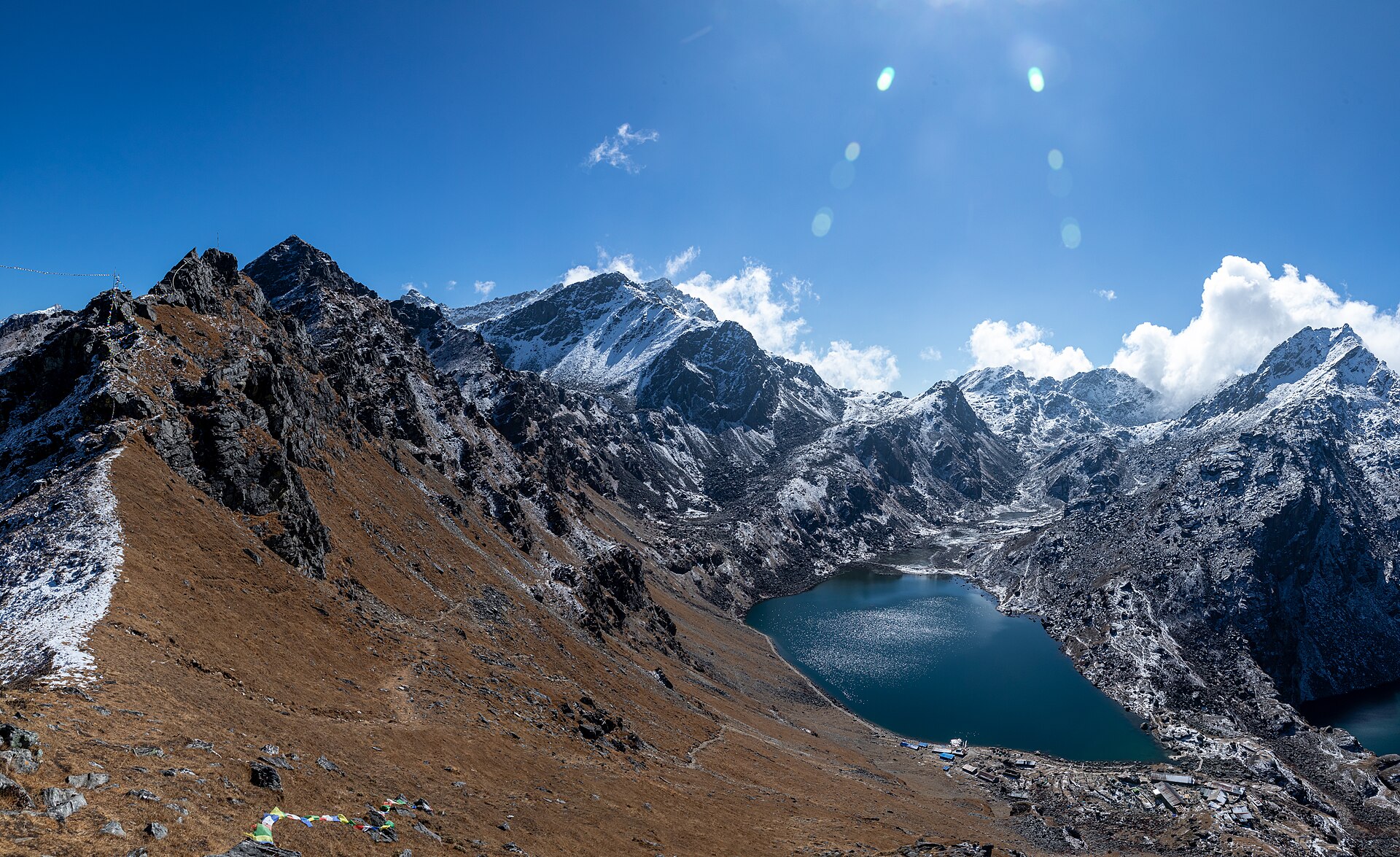
Annapurna Base Camp (4,130 m) — the destination of the trek, ringed by Annapurna I, Machapuchare, Hiunchuli and Annapurna South. Photo: Wikimedia Commons (CC BY-SA).
Trip Overview
The Annapurna Base Camp Trek starts from the vibrant capital of Kathmandu and heads to the beautiful lake city of Pokhara, then takes you deep into the heart of the Annapurna region. The trail passes through traditional Gurung villages like Ghandruk and Chomrong, lush rhododendron forests, terraced farmlands, and dramatic river valleys before reaching the Annapurna Sanctuary — a natural cirque of peaks that few treks on Earth can match for sheer vertical drama.
10 days / 9 nights
4,130 m (Annapurna Base Camp)
Moderate — suitable for fit first-time trekkers
Hotel in cities, teahouse/lodge on trek
All meals included during the trek
Mar–May & Oct–Nov
Highlights
- Scenic drive between Kathmandu and Pokhara
- Explore the traditional Gurung village of Ghandruk
- Stunning sunrise and mountain views throughout the trek
- Walk through dense rhododendron and bamboo forests
- Reach Annapurna Base Camp (4,130 m)
- Panoramic views of the Annapurna range and Machapuchare (Fishtail)
- Relax in the natural hot springs at Jhinu Danda
- Experience local culture, hospitality, and Himalayan lifestyle

Machapuchare (Fishtail, 6,993 m) — sacred and unclimbed, and a constant companion on the ABC route. Photo: Wikimedia Commons (CC BY-SA).
The Route at a Glance
| Day | Route | Altitude | Walking Time | Overnight |
|---|---|---|---|---|
| 1 | Kathmandu → Pokhara (Drive) | 822 m | 6–8 hrs | Hotel |
| 2 | Pokhara → Naya Pul → Ghandruk | 1,940 m | 5–7 hrs | Teahouse |
| 3 | Ghandruk → Chomrong | 2,170 m | ~6 hrs | Teahouse |
| 4 | Chomrong → Bamboo | 2,310 m | 4–5 hrs | Teahouse |
| 5 | Bamboo → Deurali | 3,230 m | 3–4 hrs | Teahouse |
| 6 | Deurali → Annapurna Base Camp | 4,130 m | 5–6 hrs | Teahouse |
| 7 | ABC → Bamboo | 2,310 m | 6–7 hrs | Teahouse |
| 8 | Bamboo → Jhinu Danda | 1,780 m | 5–6 hrs | Teahouse |
| 9 | Jhinu Danda → Naya Pul → Pokhara | 830 m | ~7 hrs | Hotel |
| 10 | Pokhara → Kathmandu (Drive) | 1,300 m | 7–8 hrs | — |
Day-by-Day Itinerary
Day 1 — Kathmandu to Pokhara (Drive)
Altitude: 822 m Duration: 6–8 hours
Your journey begins with a scenic drive from Kathmandu to Pokhara along the Prithvi Highway. The route follows the Trishuli River, offering picturesque views of terraced fields, green hills, riverside villages, and distant Himalayan peaks.
Upon arrival in Pokhara, you will notice a dramatic change in atmosphere — from the busy capital to a calm lakeside city. In the evening, you can stroll around Lakeside, enjoy cafés, or admire the reflection of the Annapurna range on Phewa Lake.

Phewa Lake, Pokhara — your gateway to the Annapurna region. Photo: Wikimedia Commons (CC BY-SA).
Day 2 — Pokhara to Naya Pul – Trek to Ghandruk
Altitude: 1,940 m Duration: 5–7 hours
After breakfast, drive to Naya Pul, the starting point of your trek. The trail gradually ascends through lush landscapes, terraced farms, and traditional settlements inhabited by Gurung communities.
You will pass through small villages, suspension bridges, and scenic trails before reaching Ghandruk — one of the most beautiful villages in the Annapurna region. The village offers stunning views of Annapurna South and Machapuchare. You can also explore the local museum and experience authentic Gurung culture.

Ghandruk — a traditional Gurung village with sweeping views of Annapurna South and Machapuchare. Photo: Wikimedia Commons (CC BY-SA).
Day 3 — Trek Ghandruk to Chomrong
Altitude: 2,170 m Duration: ~6 hours
The day begins with a descent through stone steps and forested trails to Kimrong Khola. After crossing the river, the trail ascends steadily through rhododendron forests and small settlements.
Chomrong is a beautiful hillside village and the gateway to the Annapurna Sanctuary. From here, you can enjoy magnificent views of Annapurna South and Hiunchuli. This is the last permanent settlement before entering deeper into the conservation area.
Day 4 — Chomrong to Bamboo
Altitude: 2,310 m Duration: 4–5 hours
Today involves a steep descent down stone steps to the Chomrong Khola, followed by a steady climb to Sinuwa. From here, the trail enters dense bamboo and rhododendron forests.
The peaceful forest walk, accompanied by the sounds of birds and rivers, makes this section particularly enjoyable. Bamboo is a small settlement surrounded by thick forest, offering a calm overnight stay.
Day 5 — Bamboo to Deurali
Altitude: 3,230 m Duration: 3–4 hours
The trail gradually ascends through dense forest before opening into a narrower valley. You will pass through Dovan and Himalaya, with waterfalls cascading down steep cliffs.
As you gain altitude, the vegetation becomes sparse, and the landscape turns more rugged and alpine. Deurali offers spectacular views of surrounding peaks and is an important acclimatization point before heading higher.
Day 6 — Deurali to Annapurna Base Camp
Altitude: 4,130 m Duration: 5–6 hours
This is the most exciting and rewarding day of the trek. You will walk through the glacial basin, passing Machapuchare Base Camp (MBC), where the views become increasingly dramatic.
From MBC, the trail gently ascends into the Annapurna Sanctuary, surrounded by towering peaks including Annapurna I, Machapuchare, Hiunchuli, and Annapurna South.
Reaching Annapurna Base Camp is a truly unforgettablJe experience, offering a 360-degree panoramic view of snow-covered Himalayan giants.
Day 7 — Annapurna Base Camp to Bamboo
Altitude: 2,310 m Duration: 6–7 hours
Wake up early to witness a breathtaking sunrise over the Annapurna range as golden light illuminates the peaks. After breakfast, begin your descent following the same trail back.
The downhill trek is easier and faster, passing through MBC, Deurali, and forested sections before reaching Bamboo for an overnight stay.
Day 8 — Bamboo to Jhinu Danda
Altitude: 1,780 m Duration: 5–6 hours
Retrace your steps back to Chomrong and then descend steeply to Jhinu Danda. This village is famous for its natural hot springs located beside the Modi Khola river.
After a long trek, you can relax and rejuvenate in the warm therapeutic waters — one of the highlights of the journey.
Day 9 — Jhinu Danda to Naya Pul – Drive to Pokhara
Altitude: 830 m Duration: ~7 hours
Enjoy a short and pleasant trek through villages and farmland to reach Naya Pul. From here, drive back to Pokhara.
The evening is free to relax, enjoy lakeside dining, or celebrate the successful completion of your trek.
Day 10 — Pokhara to Kathmandu (Drive)
Altitude: 1,300 m Duration: 7–8 hours
After breakfast, drive back to Kathmandu along the scenic highway. Upon arrival, you can spend your remaining time exploring the city, shopping for souvenirs, or relaxing before your departure.
What's Included / Not Included
Included
- Airport pickup and drop-off
- Accommodation in Kathmandu and Pokhara (with breakfast)
- Teahouse/lodge accommodation during the trek
- All meals during the trek (Breakfast, Lunch, Dinner)
- Professional English-speaking trekking guide
- Necessary trekking permits (ACAP & TIMS)
- Transportation (Kathmandu–Pokhara–Kathmandu by tourist bus)
- Pokhara to Naya Pul and return transportation
- First aid kit and basic medical support
- All government taxes and service charges
Not Included
- International airfare
- Nepal visa fees
- Travel insurance (mandatory)
- Personal expenses (drinks, Wi-Fi, hot shower, etc.)
- Porter service (available on request)
- Tips for guide and porter
- Any expenses not mentioned in "Includes"
Annapurna Base Camp Trek Difficulty and Fitness Requirements
The Annapurna Base Camp Trek is rated moderate in difficulty, which places it well within reach of healthy, active travelers who are willing to prepare. You do not need prior mountaineering experience, technical climbing skills, or specialized gear. The trail is a well-established teahouse route with stone steps, dirt paths, and suspension bridges over river gorges. The real challenge on this trek is not the terrain but the cumulative altitude gain and the daily walking hours, which typically range from five to seven hours with some days pushing eight hours on the approach to base camp.
The maximum altitude reached is 4,130 m at Annapurna Base Camp, and the itinerary is designed to ascend gradually with acclimatization points along the way. Most trekkers who follow the recommended pace do not experience severe altitude issues. That said, a reasonable level of cardiovascular fitness is important. If you can walk briskly uphill for two to three hours carrying a light daypack without becoming breathless, you are likely fit enough. Running, swimming, cycling, or hiking on inclines three to four times per week for at least a month before the trek will build the stamina needed.
Strength in your legs and core helps prevent fatigue and injury on the long descents, which can be harder on knees than the climbs. Simple exercises like squats, lunges, step-ups, and calf raises done at home for a few weeks before departure make a noticeable difference on the trail. Stretching after each walking day and using trekking poles also reduce strain on your joints. If you have pre-existing knee, back, or heart conditions, consult your doctor before booking. Porters can carry your main bag so you only need a daypack with water, snacks, and layers, which significantly reduces the physical load.
Permits and Costs for the Annapurna Base Camp Trek
Two permits are required for the Annapurna Base Camp Trek: the TIMS (Trekkers Information Management System) Card and the Annapurna Conservation Area Permit (ACAP). Both are mandatory and checked at checkpoints along the trail. The TIMS Card is administered by the Nepal Tourism Board and TAAN and serves as a trekker registration and safety tracking system. The ACAP is managed by the Annapurna Conservation Area Project under the National Trust for Nature Conservation and funds trail maintenance, conservation work, and community programs in the Annapurna region.
As of 2026, the TIMS Card costs NPR 2,000 per person for individual trekkers in the autumn and spring seasons and NPR 1,000 in the winter and monsoon seasons. For trekkers going through a registered agency, the TIMS Card is typically arranged as part of the package. The ACAP permit costs NPR 3,000 per person for SAARC nationals and NPR 3,000 per person for foreign nationals (the fee was unified in recent years). For SAARC nationals the ACAP fee is NPR 1,000. Children under 10 receive the ACAP free. These permits can be obtained in Kathmandu at the Nepal Tourism Board office in Bhrikutimandap or in Pokhara at the Tourism Board office in Damside.
When you book through Enticing Himalayas, both permits are arranged for you and included in the package price, along with a licensed guide, all meals and accommodation on the trek, ground transport, and flights between Kathmandu and Pokhara if the itinerary calls for it. The total package cost varies based on group size, guide-to-trekker ratio, accommodation standard in cities, and whether you add a porter. As a rough figure, a full-service ten-day ABC trek package from a reputable agency ranges from USD 900 to USD 1,400 per person for international travelers. Budgeting an additional USD 150 to USD 250 for personal expenses, hot showers, Wi-Fi, charging, drinks, and tips for guide and porter is a safe margin.
Best Time to Trek Annapurna Base Camp: Month by Month
Choosing the right season for your Annapurna Base Camp Trek shapes the entire experience. The two primary trekking windows are autumn (October to November) and spring (March to May), each offering stable weather, clear mountain views, and comfortable daytime temperatures. Understanding how conditions shift month by month helps you pick the window that matches your priorities, whether that means peak clarity, rhododendron blooms, or quiet trails.
October: The monsoon has just ended and the air is washed clean, producing the clearest mountain views of the year. Daytime temperatures at trekking altitude are pleasant, ranging from 10 to 20 degrees Celsius, with nights dropping to near freezing at higher elevations. This is the most popular month on the trail, so expect busier teahouses, especially in Ghandruk, Chomrong, and ABC itself. Booking accommodation in advance through your agency is recommended.
November: Conditions remain excellent with crisp, clear skies and minimal rainfall. Temperatures begin to drop, particularly in the second half of the month, with nights at base camp falling well below freezing. The crowds thin slightly after the first week. This is an ideal month for photographers who want sharp, dry-air visibility of the Annapurna massif. Bring a four-season sleeping bag rated to at least minus 10 degrees Celsius.
December and January: Winter trekking is possible but cold. Daytime highs at lower elevations remain comfortable at 8 to 15 degrees Celsius, but at ABC and above 3,500 m, temperatures plunge well below freezing both day and night. Snow can close the trail above Deurali or Machapuchare Base Camp for short periods. The trade-off is near-empty trails and pristine snow conditions. Only attempt this if you are experienced with cold-weather trekking and carry appropriate gear.
February: The tail end of winter. Conditions are cold but improving, and the rhododendrons begin to show buds at lower elevations. Trails remain quiet. This is a good choice for trekkers who want solitude and can handle cold nights.
March to May: Spring is the second peak season. The rhodododendron forests between Ghandruk and Deurali erupt in red, pink, and white blooms, making this the most visually striking time on the trail. Daytime temperatures climb steadily, reaching 15 to 22 degrees Celsius at lower elevations, with comfortable walking conditions through April. May is warmer and slightly hazier as the monsoon approaches, but morning views from ABC remain spectacular. March and April see moderate crowds but less than October. This is the best window if you want wildflowers and milder temperatures.
June to September: The monsoon season brings heavy rain, leeches, slippery trails, and cloud-obscured views. Teahouses remain open but are largely empty. Some trekkers choose this window for the lush green landscape and the cultural experience of off-season Nepal, but mountain views are unreliable and the risk of landslides on the drive to the trailhead increases. This period is not recommended for first-time trekkers or those whose primary goal is photography of the peaks.
What to Pack for the Annapurna Base Camp Trek
Packing well for the Annapurna Base Camp Trek means balancing warmth, weight, and versatility. Since porters carry your main duffel bag (limited to approximately 10 to 12 kg per trekker), you only need to carry a daypack with water, snacks, rain shell, extra layer, camera, and valuables. The layering system is the most important principle: you will be walking in a base layer in the morning heat and adding insulation as you gain altitude, then a full down jacket and windproof shell at base camp in the evening.
For clothing, bring two to three moisture-wicking base layer tops, one long-sleeve trekking shirt, one pair of trekking trousers, a pair of thermal bottoms for evenings, a fleece mid-layer jacket, an insulated down jacket rated for sub-zero conditions, a waterproof and windproof outer shell jacket, a warm hat, a sun hat, gloves (liner and insulated pair), and three to four pairs of quality merino wool socks. Trekking boots with good ankle support, broken in before the trip, are essential. A pair of camp shoes or sandals for evenings in teahouses is a welcome relief for your feet.
For gear, carry a 30 to 40 liter daypack, a two-liter water bottle or hydration bladder, water purification tablets or a filter bottle (bottled water is available on the trail but creates plastic waste), a headlamp with spare batteries, trekking poles, a quick-dry travel towel, sunscreen (SPF 50+), lip balm with SPF, personal first aid kit including blister treatment and any prescription medications, a four-season sleeping bag (many agencies rent these), and a power bank for charging devices. Teahouses charge for device charging above certain elevations, so a 10,000 mAh or larger power bank is advisable. A lightweight stuff sack for dirty clothes and a small padlock for your duffel add convenience.
Altitude Sickness Prevention on the ABC Trek
Altitude sickness, also known as Acute Mountain Sickness (AMS), is the single most important health consideration on the Annapurna Base Camp Trek. It occurs when your body does not have enough time to adapt to the reduced oxygen levels at high altitude. The ABC trek reaches 4,130 m, which is well above the 2,500 m threshold where altitude effects begin. While the itinerary is designed for gradual ascent, every trekker should understand the symptoms, prevention strategies, and response protocols.
The key prevention strategy is ascending slowly. The golden rule is to gain no more than 300 to 500 m of sleeping altitude per day above 3,000 m, and to include a rest or acclimatization day when the itinerary allows. The standard ABC itinerary includes acclimatization stops that help your body produce more red blood cells and adjust to the thinner air. Staying hydrated is equally critical. Drink at least three to four liters of water per day on the trail. Avoid alcohol, sedatives, and heavy meals in the first days at altitude, as they can worsen symptoms and mask warning signs.
Symptoms of mild AMS include headache, nausea, loss of appetite, dizziness, and difficulty sleeping. These are common and usually resolve with rest, hydration, and pain relievers. If symptoms worsen to include severe headache unresponsive to medication, persistent vomiting, confusion, loss of coordination, or breathlessness at rest, these may indicate High Altitude Cerebral Edema (HACE) or High Altitude Pulmonary Edema (HAPE), both of which are life-threatening and require immediate descent. Your guide is trained to recognize these signs and carries a pulse oximeter and a Gamow bag for emergencies. Always communicate how you feel honestly with your guide, and never push through worsening symptoms to reach base camp. Descending even 300 to 500 m can bring rapid improvement. Some trekkers take Diamox (acetazolamide) as a preventive measure, but consult your doctor before the trek to discuss whether it is appropriate for you.
Food and Accommodation on the Annapurna Base Camp Trail
The Annapurna Base Camp Trek is a teahouse trek, which means you sleep and eat in small family-run lodges along the trail rather than camping in tents. This is one of the great advantages of trekking in the Annapurna region: the infrastructure is well developed, and you can finish each day with a hot meal, a warm room, and a shared dining hall with a wood stove or gas heater. The teahouse system has been built and refined by the Gurung and Magar communities who have lived in these valleys for generations, and staying in their lodges directly supports the local economy.
Rooms are typically simple twin-share spaces with two single beds, a mattress, a pillow, and a woolen blanket. You bring your own sleeping bag for warmth and hygiene. Shared bathrooms are standard, usually squat toilets or western-style at the lower elevations. At higher villages like Himalaya, Deurali, and ABC itself, facilities are more basic and hot showers are available for a fee (sometimes just a bucket of hot water). Wi-Fi is available at most teahouses for a small charge, and device charging costs between NPR 200 and NPR 500 per device at higher altitudes where electricity comes from solar panels.
The food on the trail is hearty and surprisingly varied. Every teahouse menu follows a similar pattern built around the staple of Nepal: dal bhat, a generous plate of rice, lentil soup, seasonal vegetables, pickles, and sometimes chicken or greens, with free refills on rice and dal. For trekkers, dal bhat provides the best fuel-to-weight ratio and the most reliable source of carbohydrates and protein. Other common dishes include momos (steamed or fried dumplings), chow mein (noodles with vegetables and egg), Tibetan bread, porridge, fried rice, pasta, and seasonal soups. At higher altitudes, the menu narrows and prices increase as all supplies must be carried up by porters or mules. Vegetarian options are abundant and reliable throughout the trail. Bottled water is available at every stop, but treating tap or spring water with purification tablets is cheaper and reduces plastic waste. Tea, coffee, and hot lemon are the standard drinks, and a cup of ginger-honey-lemon tea in a cold dining hall after a long walking day is one of the trek's quiet rewards.
Frequently Asked Questions
Do I need trekking experience for the ABC trek?
No technical climbing is involved — it is a teahouse trek on well-marked trails. A reasonable fitness level and some prior hiking help, but many first-time trekkers complete it comfortably with our guides.
When is the best time to go?
October to November (clear autumn skies, festival season) and March to May (spring rhododendron bloom) are ideal. Winter is cold but quiet; the monsoon (Jun–Sep) brings leeches and cloud.
How is altitude handled?
The itinerary is paced for gradual ascent with an acclijmatization point at Deurali (3,230 m) before climbing to ABC (4,130 m). Our guides monitor everyone daily and carry a first aid kit.
Can the trek be customized?
Yes. Enticing Himalayas builds flexible itineraries — add a porter, extend in Pokhara, or combine with a cultural or wellness add-on. Start a custom plan here.
Where This Trek Fits the Spiritual Tour of Nepal
The Annapurna Base Camp Trek is the physical, moving half of a much older idea — that Nepal is traveled to be changed, not just seen. It sits naturally inside our wider Spiritual Tour in Nepal plan, and pairs with three of its doors:
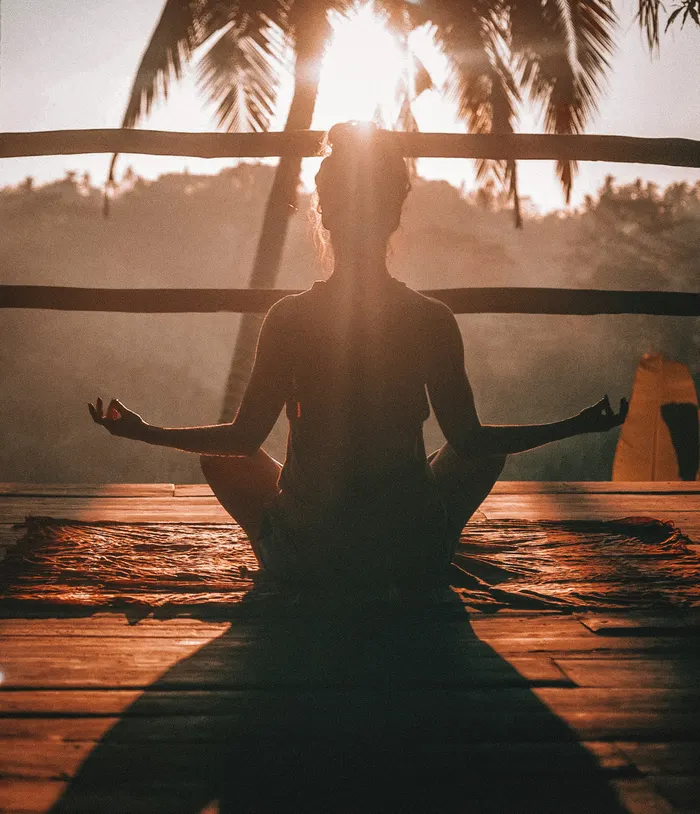
- The journey, not the summit. ABC is best walked slowly, with attention. Our slow trekking and mindfulness approach turns the same trail into a moving meditation.
- Recover what the climb asks of you. High performers use the trek to reset. See why executives are going quiet in the Himalayas before and after the walk.
- Heal the body after the altitude. Follow the trek with real treatment — our guide to certified Ayurveda and Panchakarma shows where to find genuine healers.
It also lands inside Nepal Wellness Tourism Year 2027 — the government push making vetted wellness and trekking itineraries easier to book than ever. And if you want the older current beneath the mountains, the shamanic healing tour runs the same ridges with a different lens.

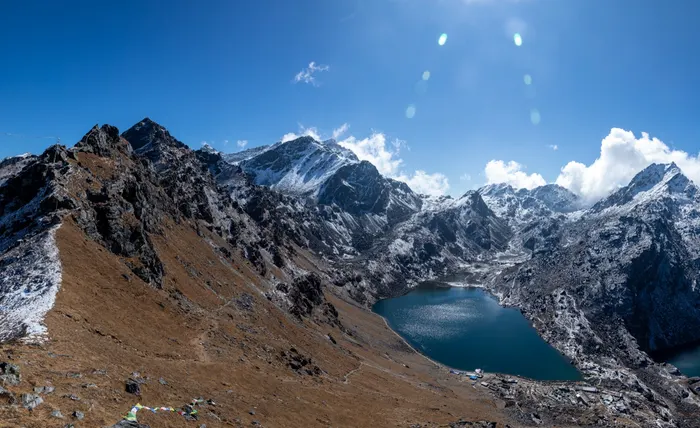
Ten days. One sanctuary. A view that rewires you.
The Annapurna Base Camp Trek is the shortest route to the deepest Himalayan silence. Contact Enticing Himalayas to lock in your dates — expert local guides, all permits, all meals, and a pace built around you.
Start your custom itinerary → · Browse Annapurna tour packages →