Vipassana Meditation in Nepal: A Complete Guide to 10-Day Silent Retreats
Nepal, the birthplace of the Buddha, has drawn spiritual seekers for over two and a half millennia. Among the many meditation traditions that flourish in the Himalayan foothills, Vipassana stands apart as one of the most rigorous and transformative. A 10-day Vipassana retreat in Nepal is not a wellness getaway or a relaxation holiday. It is a deep, structured immersion into the practice of self-observation, conducted in complete silence, that has changed the lives of thousands of people who have sat in meditation halls from Kathmandu to Lumbini.
This guide covers everything you need to know about Vipassana meditation in Nepal: what the practice is, where the centers are, what a typical 10-day schedule looks like, how much it costs, how to prepare, and what to expect when the silence finally breaks. Whether you are a first-time meditator or an experienced practitioner looking to sit a course in the land where the Buddha taught, this is your complete resource.
What Is Vipassana Meditation?
Vipassana, which means "insight" or "clear seeing" in Pali, is one of India's oldest meditation techniques. It was rediscovered by Gotama Buddha more than 2,500 years ago and taught as a universal remedy for universal ills. The technique was preserved in its original purity in Myanmar (Burma) and reintroduced to India and the world by S.N. Goenka in the 1970s. Today, Vipassana courses are offered in over 100 countries, and Nepal hosts several dedicated centers where the technique is taught exactly as Goenka prescribed.
Unlike guided visualization, mantra repetition, or concentration-based practices, Vipassana is a technique of self-observation. Practitioners learn to observe the natural breath and bodily sensations without reacting, developing equanimity and a direct, experiential understanding of impermanence. The goal is not to escape from life but to purify the mind at its deepest level, freeing it from the patterns of craving and aversion that cause suffering.
The 10-day residential course is the standard introductory format. It is free of charge, funded entirely by donations from previous students who have experienced the benefits and wish to give others the same opportunity. This donation-based model is one of the most distinctive features of the Goenka Vipassana tradition and ensures that the teaching remains accessible to everyone, regardless of financial means.
Vipassana Centers in Nepal
Nepal has several established Vipassana meditation centers, each offering regular 10-day courses throughout the year. The centers are located in and around the Kathmandu Valley, with additional facilities in Lumbini and Pokhara. All centers follow the same standardized curriculum, so the experience is consistent regardless of which location you choose.
Dhamma Shringa (Kathmandu)
Dhamma Shringa, meaning "Peak of Dhamma," is the main Vipassana center in Nepal. Located in Budhanilkantha, on the northern outskirts of Kathmandu at the base of the Shivapuri hills, the center sits in a peaceful forested setting with views of the surrounding mountains. The center can accommodate approximately 80 students per course, with separate residential facilities for men and women. The meditation hall is spacious and well-ventilated, and the walking paths through the pine forest provide a serene environment for rest periods between sittings.
Dhamma Shringa runs 10-day courses roughly twice a month, with additional 3-day courses for old students and occasional 20-day and 30-day long courses for serious practitioners. The center is about a 30-minute drive from central Kathmandu, making it the most accessible option for international visitors flying into Tribhuvan International Airport.
Dhamma Janani (Lumbini)
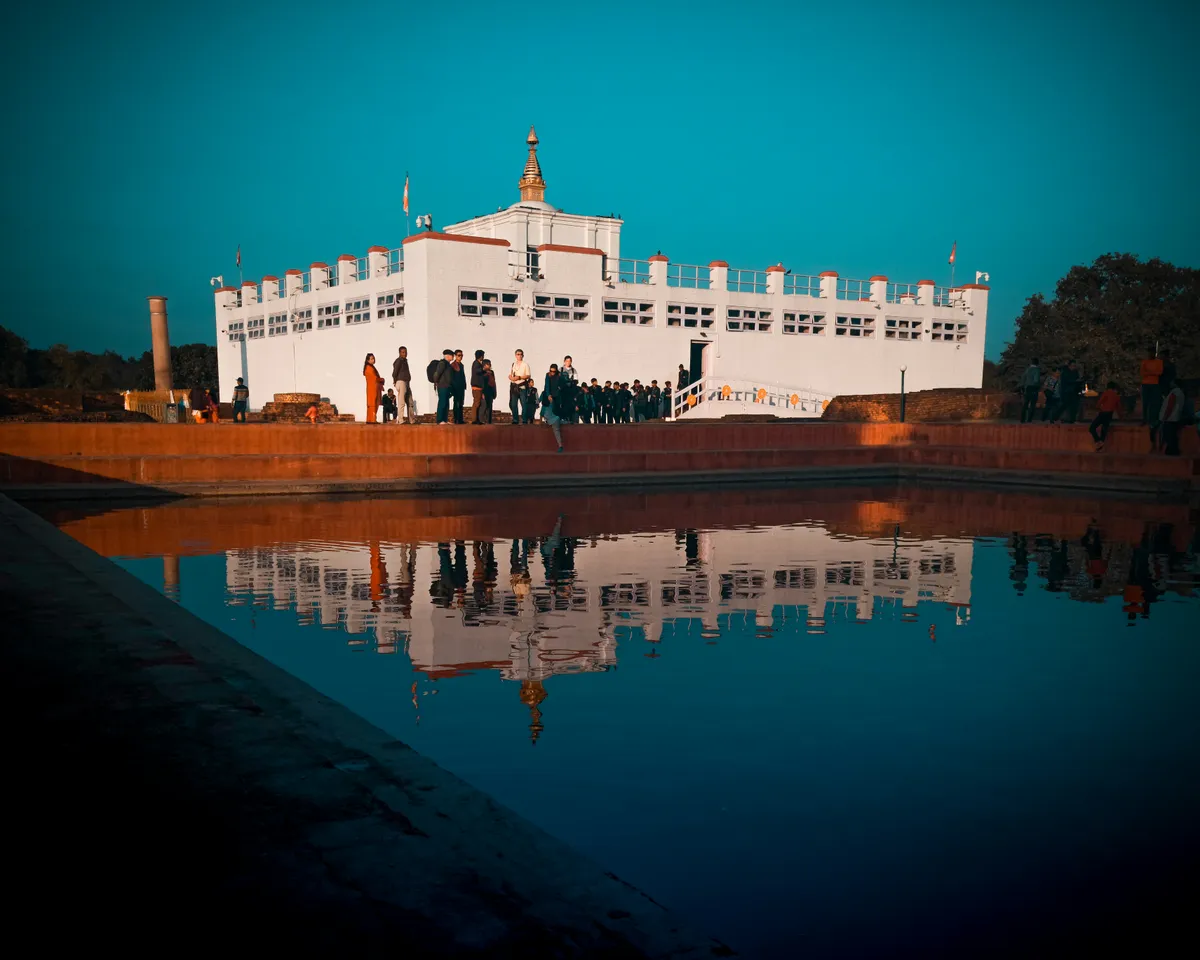
Dhamma Janani, located in Lumbini, the birthplace of the Buddha, holds special significance for practitioners. Sitting a Vipassana course in the very place where Siddhartha Gautama was born adds a profound historical and spiritual dimension to the practice. The center is situated within the Lumbini Sacred Garden complex, a UNESCO World Heritage Site, and the atmosphere is charged with the energy of countless pilgrims who have visited over the centuries.
The Lumbini center is smaller than Dhamma Shringa, accommodating around 50 students, but the setting is extraordinary. Between meditation sessions, students can walk the peaceful grounds and reflect on the fact that they are practicing the same technique the Buddha taught, in the land of his birth. Courses at Dhamma Janani fill up quickly, especially during the cooler months from October to March, so early registration is essential.
Dhamma Pokhara (Pokhara)
Dhamma Pokhara serves the western region of Nepal and is located near Pokhara, the lakeside city with stunning views of the Annapurna range. The center sits on a hillside overlooking Phewa Lake, and the natural beauty of the surroundings enhances the meditative atmosphere. Pokhara is already a major destination for meditation in Nepal, with numerous yoga and wellness retreats in the area, and the Vipassana center adds a rigorous, donation-based option to the city's spiritual offerings.
The Pokhara center runs courses less frequently than the Kathmandu center, typically once a month, so planning ahead is important. The combination of a 10-day Vipassana course followed by a few days of gentle exploration in Pokhara is a popular itinerary for international visitors seeking a complete spiritual tour in Nepal.

The 10-Day Schedule: What Happens Day by Day
The daily schedule at a Vipassana course is demanding and unchanging. The day begins at 4:00 AM and ends at 9:00 PM, with approximately 10 hours of meditation each day. Here is the standard timetable:
- 4:00 AM : Wake-up bell
- 4:30-6:30 AM : Meditation in the hall or in your room
- 6:30-8:00 AM : Breakfast and rest
- 8:00-9:00 AM : Group meditation in the hall
- 9:00-11:00 AM : Meditation in the hall or in your room (per teacher instructions)
- 11:00 AM-1:00 PM : Lunch and rest
- 1:00-2:30 PM : Meditation in the hall or in your room
- 2:30-3:30 PM : Group meditation in the hall
- 3:30-5:00 PM : Meditation in the hall or in your room (per teacher instructions)
- 5:00-6:00 PM : Tea break (new students get fruit and tea; old students only tea)
- 6:00-7:00 PM : Group meditation in the hall
- 7:00-8:15 PM : Teacher's discourse (video recording of S.N. Goenka)
- 8:15-9:00 PM : Group meditation in the hall
- 9:00 PM : Lights out
The first three days are devoted to Anapana meditation, which involves observing the natural breath as it enters and leaves the nostrils. This sharpens the mind and develops the concentration necessary for Vipassana proper. On the fourth day, Vipassana is introduced: students learn to observe sensations throughout the body, from the top of the head to the tips of the toes, without reacting with craving or aversion.
Days five through nine deepen the practice, with longer periods of "strong determination" sittings where students commit to not moving for the entire hour. The evening discourses, delivered via video recordings of S.N. Goenka, explain the theory behind the practice with clarity, humor, and practical examples. On the tenth day, noble silence is broken, and students are taught Metta Bhavana (loving-kindness meditation) before re-entering the world.
The Code of Discipline
All students must agree to follow a strict code of discipline for the duration of the course. This is not optional, and anyone unable to comply is asked to leave. The five precepts are:
- No killing : a vegetarian diet is provided, and students must not harm any living being.
- No stealing : personal belongings are safe, and nothing should be taken.
- No sexual activity : complete celibacy is required; men and women are segregated.
- No lying : noble silence includes truthfulness in all communication.
- No intoxicants : no alcohol, drugs, tobacco, or any mind-altering substances.
In addition to the five precepts, students must observe Noble Silence from the beginning of the course until the morning of the tenth day. This means no speaking, no gestures, no eye contact, and no written communication with fellow students. Silence extends to reading, writing, phones, and any form of external entertainment. All devices are surrendered at registration. The only permitted communication is with the course teacher or management regarding practical or meditation-related questions.
This level of discipline can feel intimidating, but it serves a purpose. By removing all external distractions and social interactions, the mind is forced to turn inward. Many students report that the silence is initially the hardest part of the course and, by the end, the most liberating.
How Much Does a Vipassana Retreat Cost in Nepal?
One of the most remarkable aspects of the Goenka Vipassana tradition is that courses are offered entirely free of charge. There is no fee for the teaching, accommodation, or food. The centers are funded by donations from old students who have completed at least one 10-day course and wish to contribute so that others may benefit. There is no pressure to donate, and first-time students are not even permitted to donate until they have completed a course.
This model removes the financial barrier that keeps many people from exploring intensive meditation. A 10-day Vipassana course in Nepal costs you nothing except your time, commitment, and the travel expenses to reach the center. For international visitors, the main costs are the flight to Nepal, a night or two of accommodation in Kathmandu before and after the course, and any visa fees. Compared to commercial meditation retreats that charge hundreds or thousands of dollars, Vipassana is genuinely accessible to all.
If you are planning a broader spiritual tour in Nepal that includes a Vipassana course, budget for your pre- and post-retreat accommodation, internal transport to the center, and any sightseeing you wish to do. The course itself will cost you nothing.

How to Register for a Vipassana Course in Nepal
Registration for all Goenka Vipassana courses worldwide is handled through the central website at dhamma.org. You will need to create an account, select Nepal as the country, choose your preferred center and course dates, and complete a detailed application form. The form asks about your physical and mental health history, meditation experience, and reasons for wanting to attend. Be honest in your responses; the centers need to know about any conditions that might affect your ability to complete the course.
Courses in Nepal, especially at Dhamma Shringa in Kathmandu, fill up weeks or months in advance during the peak season (October to March). Apply as early as possible. If your first choice is full, you can join the waiting list; cancellations are common, and many waitlisted applicants are eventually accepted. The Lumbini and Pokhara centers tend to have slightly more availability, though they also fill during the high season.
Once accepted, you will receive a confirmation email with detailed instructions on what to bring, how to reach the center, and the arrival time (typically between 2:00 PM and 4:00 PM on the first day). Read this carefully. Arriving late may result in losing your spot.
What to Pack for a 10-Day Vipassana Retreat
Packing for a Vipassana course is straightforward because the list of permitted items is short. You will not need books, journals, phones, laptops, or any entertainment. Here is what to bring:
- Comfortable, loose clothing : you will be sitting for many hours each day. Loose trousers, long skirts, and modest tops are appropriate. Avoid tight jeans, shorts, or revealing clothing. Bring layers; the meditation hall can be cool in the early morning and warm in the afternoon.
- A shawl or blanket : for warmth during early morning and evening sittings. The centers provide meditation cushions and mats, but a personal shawl is comforting.
- A water bottle : staying hydrated is important, especially at altitude.
- Toiletries : basic personal care items. Avoid strongly scented products, as they can distract other meditators.
- An alarm clock or watch : since phones are surrendered, you will need a simple alarm to wake up at 4:00 AM. A small travel alarm or a basic digital watch works well.
- A flashlight or headlamp : for navigating paths at night. The centers have some lighting, but a personal light is helpful.
- Comfortable walking shoes or sandals : for rest periods between sittings.
- Any essential medications : inform the center of any medical conditions during registration.
Leave valuables, jewelry, and unnecessary electronics at your hotel or at home. The centers provide secure storage for surrendered items, but it is best to travel light.
Preparing Your Body and Mind
A 10-day Vipassana course is physically and mentally demanding. Sitting cross-legged for 10 hours a day is not something most bodies are accustomed to, and the psychological intensity of prolonged silence and self-observation can be challenging. A little preparation goes a long way.
Physical preparation: In the weeks before your course, practice sitting cross-legged on the floor for increasing periods. Start with 20 minutes and work up to an hour. Stretch your hips, knees, and lower back daily. Yoga is excellent preparation. If you have chronic pain or injuries, consult your doctor and inform the center; they can provide a chair if medically necessary.
Mental preparation: Reduce your of news, social media, and entertainment in the days leading up to the course. This eases the transition into silence. Reflect on your intention for attending. Vipassana is not a quick fix or a holiday; it is a serious undertaking that requires commitment. Approach it with humility and an open mind.
Practical preparation: Arrange your travel so that you arrive in Nepal at least a day or two before the course begins. This gives you time to adjust to the time zone, recover from jet lag, and handle any logistical issues. Similarly, plan for a day or two after the course ends before flying out. The transition back to normal life can be disorienting, and you will appreciate the buffer.
What to Expect: The Emotional Journey
Every Vipassana student's experience is unique, but certain patterns are common enough to be worth describing. The first two days are often the hardest physically, as the body protests against hours of sitting. Aches, pains, restlessness, and boredom are normal. The mind, suddenly deprived of its usual distractions, can feel like a cage of repetitive thoughts.
Around day three or four, as concentration deepens, many students experience a shift. The physical discomfort may ease, and the mind begins to settle. This is when Vipassana is introduced, and the real work begins. Days five through eight are the core of the practice, and they can be emotionally intense. Buried memories, unresolved emotions, and deep-seated patterns may surface. The technique provides a framework for observing these without getting caught in them, but the process can be turbulent.
Day nine often brings a sense of lightness and clarity. The mind, having been worked like a muscle for over a week, becomes sharp and calm. The tenth day, when silence breaks, is frequently described as joyful and overwhelming. Students who have not spoken a word to each other for nine days suddenly share their experiences, and the sense of connection is profound.
After the course, the real test begins: interating the practice into daily life. Goenka recommends two hours of daily meditation, one hour in the morning and one in the evening. Many students find this challenging to sustain, but even 20 to 30 minutes a day can maintain the benefits. The technique is a tool for life, not just a 10-day experience.
Vipassana and the Broader Meditation Landscape in Nepal
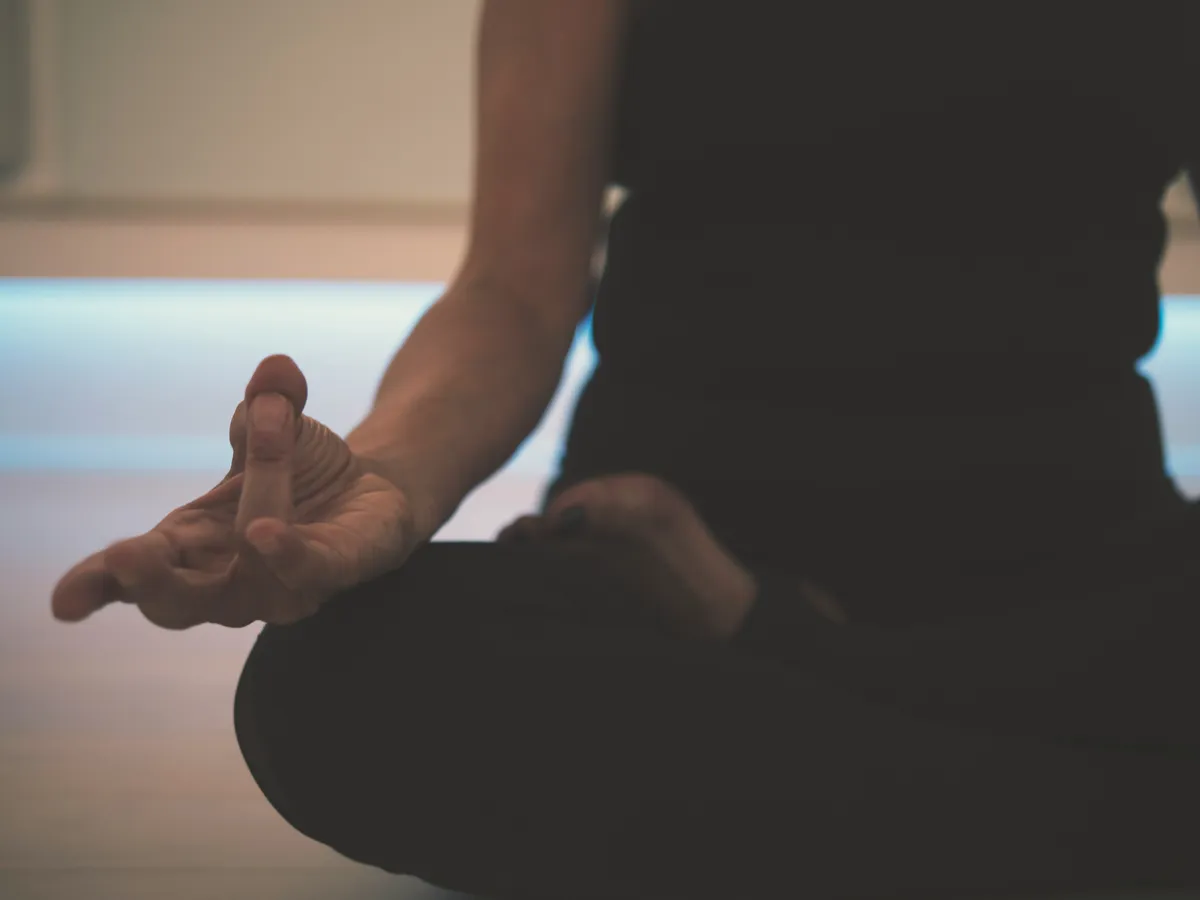
Vipassana is one of many meditation traditions available in Nepal. The country is also home to Tibetan Buddhist monasteries that offer teachings in shamatha (calm abiding) and vipashyana (insight), Zen centers, and a growing number of secular mindfulness programs. For those interested in a less intensive introduction, meditation in Nepal can take many forms, from a one-hour guided session at a Kathmandu monastery to a week-long yoga and meditation retreat in Pokhara.
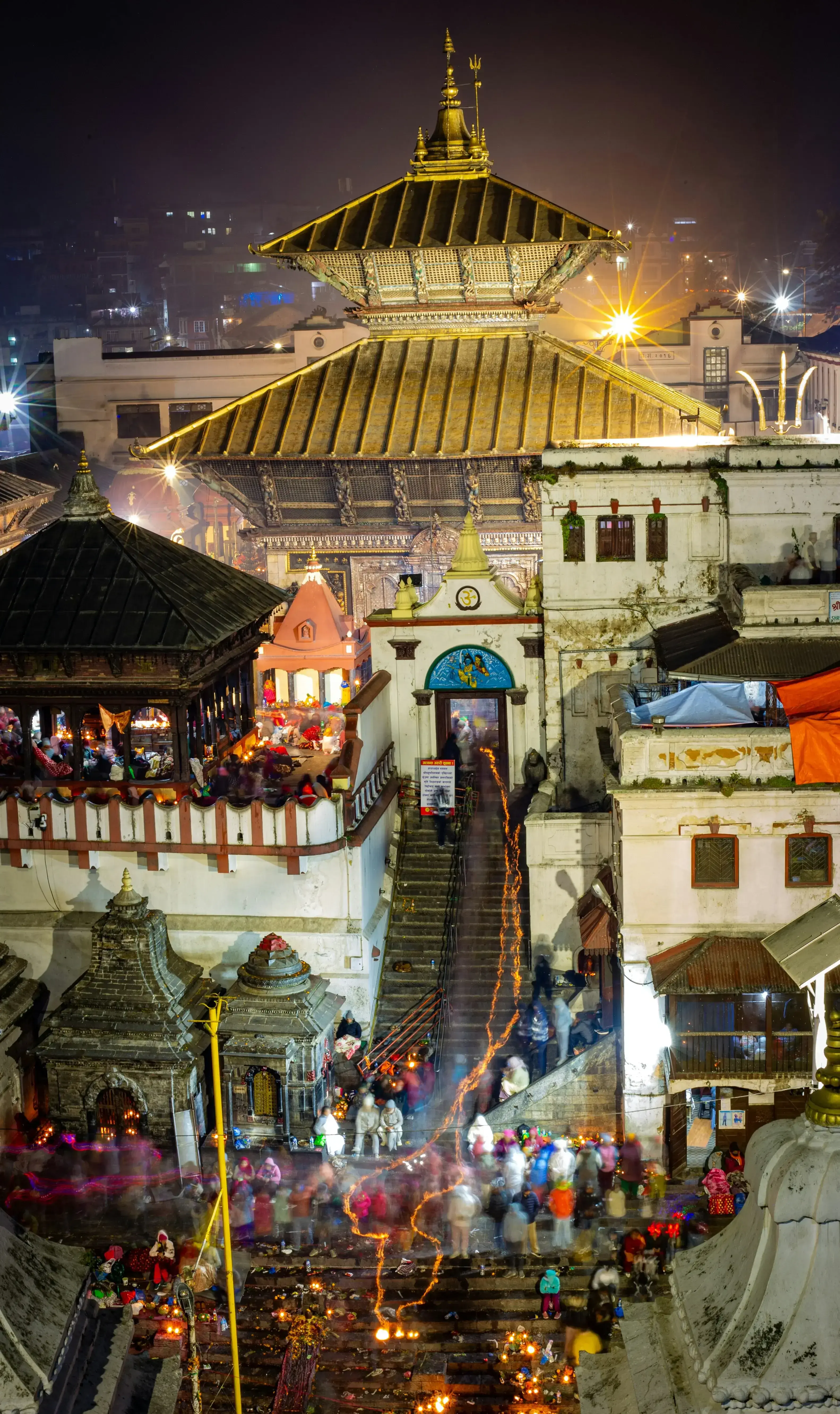
The Kathmandu spiritual circuit of Pashupatinath, Boudhanath, and Swayambhunath offers a gentler entry point for travelers who want to experience Nepal's meditative atmosphere without committing to a 10-day silent retreat. Boudhanath, in particular, with its giant stupa and surrounding monasteries, is one of the most powerful places in the world to simply sit and observe the mind.
For those drawn to sound-based practices, sound healing in Kathmandu offers singing bowl therapy and vibrational healing that complement a meditation practice. And for travelers who want to combine movement with stillness, slow trekking and mindfulness in Nepal describes how the simple act of walking through the Himalayas can become a meditation in itself.

Nepal's Wellness Tourism Year 2027 initiative is expected to bring even more meditation and wellness offerings to the country, making it an ideal time to plan a visit. Whether you choose the rigorous path of Vipassana or a gentler introduction, the Himalayas have been a cradle of contemplative practice for millennia, and that energy is palpable.

Frequently Asked Questions
Combining Vipassana with Nepal's Spiritual Heritage
A Vipassana course is an intense, inward-focused experience, but Nepal offers a wealth of spiritual sites that complement the practice beautifully. Many international students plan their trip so that they can explore Nepal's sacred places before or after their course. The cultural and spiritual tours in Nepal guide covers the full range of heritage and pilgrimage sites, from the ancient stupas of Kathmandu to the remote monasteries of Mustang.

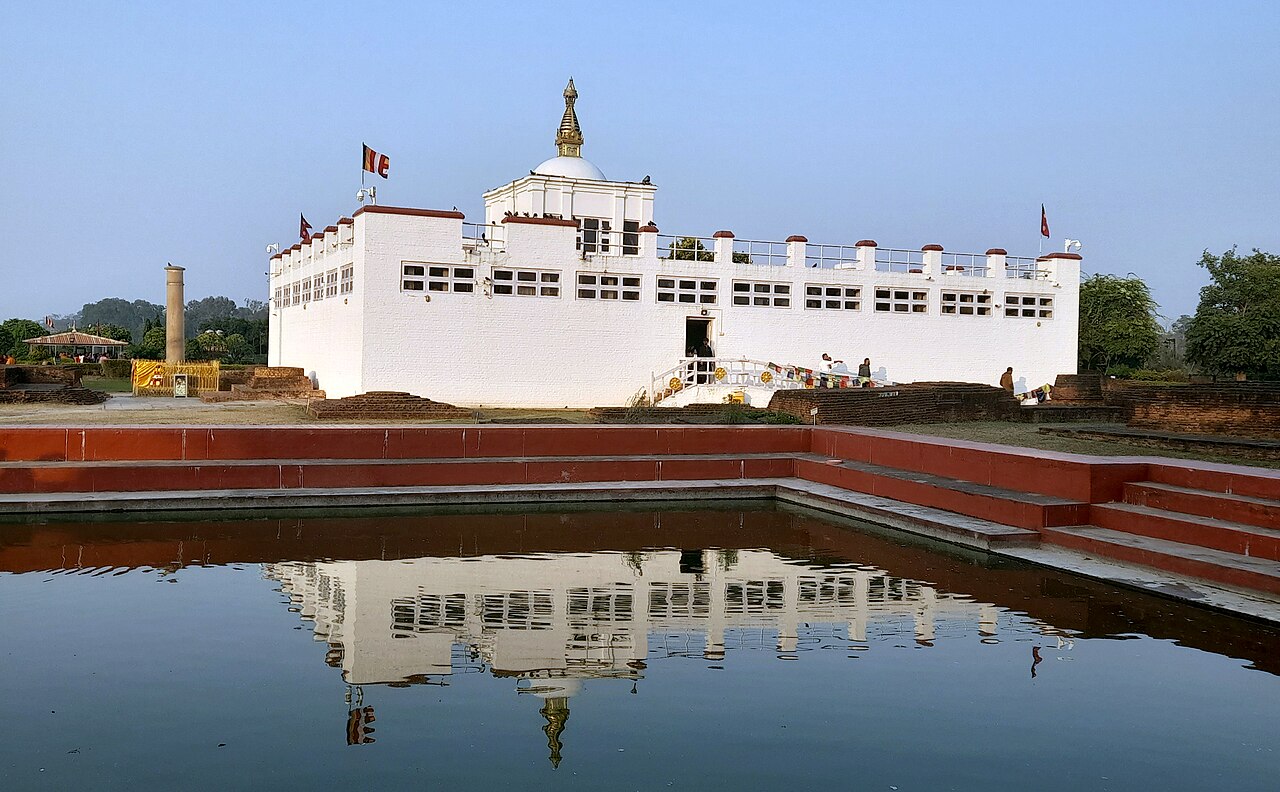
Lumbini, where the Buddha was born, is the most natural complement to a Vipassana course. The sacred garden, the Maya Devi Temple marking the exact birthplace, and the monasteries built by Buddhist communities from around the world create an atmosphere of profound peace. Many students who sit a course at Dhamma Janani spend additional days exploring the Lumbini complex and reflecting on the historical continuity of the practice.
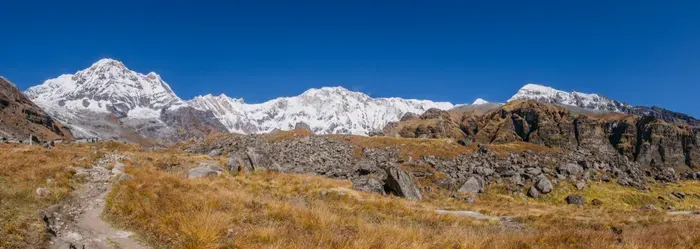
For those who want to combine meditation with trekking, the complete guide to trekking in Nepal offers routes that pass through monasteries, sacred lakes, and mountain passes that have been pilgrimage paths for centuries. The Annapurna and Langtang regions, in particular, offer treks that can be paired with meditation retreats for a holistic Himalayan experience.

Sources