What Is Food Like on the Manaslu Circuit Trek?
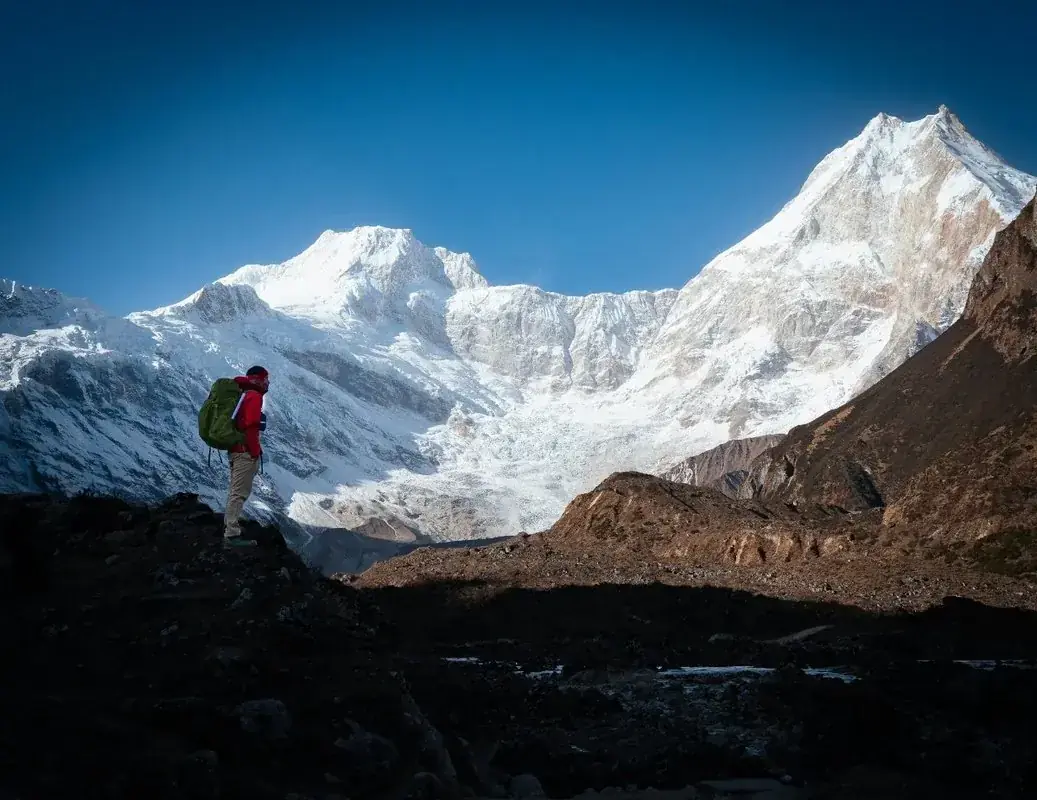
The Manaslu Circuit Trek, circling Nepal's eighth-highest peak, is more than a journey through mountains. It is a cultural and culinary adventure. As you trek from lush river valleys to the windswept Larkya La Pass (5,160 m), your body works overtime to adapt to the altitude and demands of the trail. What keeps you going is not just stamina. It is food. The teahouse kitchens along the Manaslu route serve a mix of traditional Nepali fare, Tibetan-influenced dishes, and increasingly varied international options as the trail modernizes. This guide covers what to eat, where to find it, how the food changes with altitude, and why dining on the Manaslu Circuit is one of the most rewarding parts of the trek.
What Is the Staple Meal on the Manaslu Circuit?
Dal bhat is the king of trail food, and it is the meal you will eat most often on the Manaslu Circuit. It consists of rice (bhat), lentil soup (dal), vegetable curry, and sometimes chicken or fish. The beauty of dal bhat is that it is effectively unlimited: most teahouses offer free refills on rice and dal, which means you can eat until you are genuinely full after a long day of walking. The nutritional profile is solid: carbohydrates from the rice, protein from the lentils, vitamins from the vegetables, and the warmth is deeply comforting at altitude. Dal bhat is also the meal the guides and porters eat, which tells you it is the right fuel for the trail. At lower elevations, the vegetable curry is rich and varied. Higher up, the options narrow, but the dal bhat remains reliable.
How Does Food Change with Altitude on the Manaslu Circuit?
Food variety inversely correlates with altitude on the Manaslu Circuit. In the lower valleys (below 2,000 m), teahouse menus are extensive: you can get pancakes, porridge, eggs any style, pasta, pizza, momos, thukpa, and even spring rolls. As you climb above 3,000 m, the menu narrows. Supplies must be carried up by porters or animals, so fresh vegetables become scarce and prices rise. Above 4,000 m, you are largely eating dal bhat, instant noodles, boiled potatoes, tsampa (roasted barley flour), and Tibetan bread. The teahouses at higher camps often bake their own bread, which is dense, filling, and perfect with peanut butter or honey. At the highest camps near Larkya La, the menu is basic but adequate, and a hot bowl of thukpa (Tibetan noodle soup) is the most welcome thing in the world after a cold crossing of the pass.
What Tibetan Dishes Should You Try on the Manaslu Circuit?
The Manaslu region has strong Tibetan cultural influence, and the food reflects it. Momos (steamed or fried dumplings filled with vegetables or meat) are the most popular and are available at almost every teahouse. Thukpa (Tibetan noodle soup with vegetables and sometimes meat) is the ideal cold-weather meal, especially at higher camps. Tsampa (roasted barley flour mixed with tea or water) is the traditional Sherpa and Tibetan trail food, eaten by locals daily. Tibetan bread (a flat, slightly sweet fried bread) makes a great breakfast with honey or jam. Chhurpi (hard yak cheese, often chewed like gum for hours) is a local specialty that provides slow-release energy on the trail. Sel roti (a ring-shaped fried bread) appears during festivals and is worth trying if available.
What Breakfast Options Are Available on the Manaslu Trail?
Breakfast on the Manaslu Circuit is typically hearty and carbohydrate-focused. The most common options are: Tibetan bread with honey or peanut butter, porridge (oatmeal or tsampa) with milk and sugar, pancakes (plain or with banana or apple), eggs (fried, scrambled, or boiled) with toast or chapati, and hash browns with toast. At lower elevations, you may also find muesli with milk, French toast, and even omelets with vegetables. Tea or coffee accompanies every breakfast. At higher camps, the bread is often baked fresh that morning, and the smell of baking is one of the great trail memories. Most trekkers eat breakfast at 6:30 or 7:00 AM to get an early start, and a second cup of tea while packing up is a ritual.
What About Drinking Water and Beverages on the Trek?
Safe drinking water is critical on the Manaslu Circuit. At lower elevations, you can buy bottled water, but this creates plastic waste. The better approach is to carry a reusable bottle and use water purification tablets (Aquatabs or iodine) or a filter. Most teahouses sell boiled water for a small fee, which is the safest and most environmentally responsible option. Tea is available everywhere: black tea (milk tea), ginger tea, lemon tea, and masala tea. Coffee is available but is usually instant, and quality varies. At higher camps, hot lemon is a popular evening drink, both for warmth and for vitamin C. Chhang (a traditional fermented millet drink) is offered at some lower villages and is worth trying, but go easy at altitude.
How Do Dietary Restrictions Work on the Manaslu Circuit?
Vegetarian food is widely available and is the default for many teahouse kitchens. In fact, many Hindu Nepali families in the lower valleys are vegetarian, and Buddhist villages higher up often avoid meat on certain days. Vegan is more challenging but manageable: dal bhat without ghee, vegetable curries, and tofu (where available) are the staples. Gluten-free is difficult at altitude because much of the available food is wheat or barley based, but rice and dal are naturally gluten-free. If you have specific allergies or restrictions, tell your guide in advance so they can communicate with teahouse owners. The Budget Manaslu Circuit Trek (12 Days) and the Manaslu Circuit Luxury Trek (14 Days) both accommodate dietary needs with advance notice.
What Is the Teahouse Dining Experience Like on Manaslu?
Teahouse dining on the Manaslu Circuit is communal and warm. The dining hall is the social center of every lodge, with a stove or fire in the middle (often fueled by yak dung or wood) and long benches around the walls. Trekkers, guides, and porters eat together or at adjacent tables. The teahouse owner's family cooks in a back kitchen and brings food out as it is ready. Evenings are long: dinner is ordered by 6:00 PM, eaten by 7:00 PM, and then everyone sits around the stove talking, playing cards, or reading until the cold drives them to their sleeping bags. The dining hall is also where you charge devices (for a fee, where solar power is available) and where route information is exchanged between groups heading in opposite directions.
How Much Does Food Cost on the Manaslu Circuit?
Food costs rise with altitude because everything above the trailhead must be carried up by porter or animal. A dal bhat that costs NPR 250 in the lower valleys may cost NPR 400 or more at higher camps. A cup of tea that costs NPR 30 at the start may cost NPR 80 at Larkya Phedi. Budget roughly USD 25 to 35 per day for food and drinks on the Manaslu Circuit, depending on how much you eat and how high you go. Most teahouses accept Nepali rupees only, so carry enough cash for the full trek. The Epic Manaslu Circuit Trek (13 Days) includes meals in the package price, which removes the need to carry trek cash and budget day by day.
What Should You Pack for Food and Snacks on the Manaslu Trek?
Even though teahouse food is adequate, bringing trail snacks improves both energy and morale. Recommended items: energy bars, trail mix with nuts and dried fruit, chocolate (which melts at lower altitudes but is fine higher up), hard candies for quick sugar on the trail, electrolyte powder for water, peanut butter packets, and instant coffee if you are particular. Do not bring fresh fruit or perishables, as they will not last. Buy snacks in Kathmandu or Pokhara before the trek, as there are no shops along the Manaslu route. A small bag of tsampa or roasted barley is a great local trail food that you can buy in the villages. Pack everything in sealed bags to protect from moisture.
How Does the Food Connect to the Culture of the Manaslu Region?
The food on the Manaslu Circuit is not just fuel. It is a window into the cultures that live along the trail. The lower valleys are predominantly Hindu and Gurung, and the food reflects that: dal bhat, vegetable curries, and sel roti. As you climb into the higher regions, the culture shifts to Tibetan Buddhist: momos, thukpa, tsampa, and yak dairy become dominant. The villages around Samagaon and Samdo are culturally Tibetan, and their food is shaped by altitude, Buddhism, and the practical need to preserve food through long winters. Yak cheese, dried meat, and fermented foods are survival foods that have become cultural traditions. Eating what the locals eat is not just practical. It is one of the most authentic ways to experience the culture of the Manaslu region.
How Do You Avoid Food-Related Illness on the Manaslu Circuit?
Food safety on the Manaslu Circuit is generally good, but there are precautions. Eat at established teahouses with good turnover, which ensures food is fresh. Avoid raw vegetables that may have been washed in untreated water above 3,000 m. Stick to cooked food, especially at higher altitudes. Drink only boiled, filtered, or purified water. Carry hand sanitizer and use it before eating. If a teahouse looks dirty, trust your instinct and move on. The most common issue is mild stomach upset from changes in diet, which usually passes in a day or two. More serious food poisoning is rare but possible. Carry basic medication (Imodium, rehydration salts) and tell your guide if you feel unwell so they can adjust the pace.
What Makes Manaslu Trail Food Different from Other Nepal Treks?
The Manaslu Circuit is a restricted-area trek, which means fewer trekkers, fewer teahouses, and less commercialization than the Annapurna or Everest routes. This directly affects the food. The teahouse kitchens are smaller, the menus are shorter, and the food is more closely tied to what the local family eats rather than what trekkers expect. In the lower Gurung villages, you will find dishes influenced by Gurung home cooking: nettle soup, buckwheat pancakes, and local greens. In the higher Tibetan-Buddhist villages around Samagaon and Samdo, the food shifts to yak dairy, dried meat, and barley-based items. The Manaslu region has not yet developed the international menu range of the Annapurna or Khumbu routes, which means you eat closer to the local tradition. For food-curious trekkers, this is an advantage, not a limitation.
What Special Meals and Drinks Mark the Larkya La Crossing?
The crossing of the Larkya La Pass (5,160 m) is the high point of the Manaslu Circuit, both literally and emotionally. The night before, at Larkya Phedi (4,460 m), the teahouse serves a simple but critical meal: usually dal bhat or thukpa, with plenty of garlic soup (a Nepali trail remedy believed to help with altitude). The morning of the crossing starts early, often at 4:00 AM, with a quick breakfast of Tibetan bread or porridge and strong tea. The crossing itself takes 4 to 7 hours depending on conditions, and you eat trail snacks on the move. On the other side, at Bimthang (3,720 m), the first real meal is one of the most satisfying of the trek: a hot bowl of dal bhat or noodles that feels like the reward it is. Celebratory chhang (millet beer) may appear if the teahouse has it.
How Do Porters and Guides Eat on the Manaslu Circuit?
Porters and guides on the Manaslu Circuit eat dal bhat, often twice a day, and it is the meal that fuels the hardest physical labor on the trail. They typically eat in the teahouse kitchen rather than the dining hall, and their meals are subsidized or included by the teahouse owner as part of the group booking. The nutritional reality is that porters carry 20 to 30 kg loads at altitude on a diet of rice, dal, and vegetables, which is a testament to the adequacy of the traditional Nepali diet. Tipping your guide and porter fairly is not just about wages. It is about ensuring they can afford the snacks and supplements that keep them healthy on repeated circuits. Fair tipping and good treatment of staff is a core part of responsible trekking on the Manaslu Circuit.
Frequently Asked Questions
What kind of food can I expect on the Manaslu Circuit Trek?
Teahouse menus offer dal bhat (rice and lentils with vegetable curry), momos, thukpa, Tibetan bread, pancakes, eggs, and noodles at lower elevations. As you climb higher, the variety narrows to dal bhat, boiled potatoes, tsampa, and basic soups. The food is hearty, carbohydrate-rich, and designed for trekking energy needs.
Is vegetarian food available on the Manaslu Circuit?
Yes, vegetarian food is widely available and is the default at many teahouses. Dal bhat without meat, vegetable curries, momos with vegetable filling, and Tibetan bread are all vegetarian-friendly. Vegan is possible but requires communication with the kitchen to avoid ghee and dairy.
How much does food cost on the Manaslu Circuit?
Food costs rise with altitude because supplies are carried up by porter. A dal bhat that costs NPR 250 in the lower valleys may cost NPR 400 or more at higher camps. Budget roughly USD 25 to 35 per day for food and drinks. Most teahouses accept only Nepali rupees, so carry enough cash for the full trek.
Can I get safe drinking water on the Manaslu Circuit?
Yes. Most teahouses sell boiled water for a small fee, which is the safest option. You can also use water purification tablets or a filter with tap or stream water. Carry a reusable bottle and avoid buying plastic bottled water, which creates waste on the trail.
Should I bring my own snacks for the Manaslu Circuit?
Yes, bring trail snacks like energy bars, trail mix, chocolate, and electrolyte powder from Kathmandu or Pokhara before the trek. There are no shops along the Manaslu route. Snacks improve energy and morale between meals, especially on long climbing days.
What is dal bhat and why is it the main trail food?
Dal bhat is rice with lentil soup and vegetable curry, and it is the staple meal of Nepal. On the trail, most teahouses offer free refills on rice and dal, making it the most filling and cost-effective option. It provides the carbohydrates, protein, and vegetables that trekkers need, and it is what guides and porters eat.