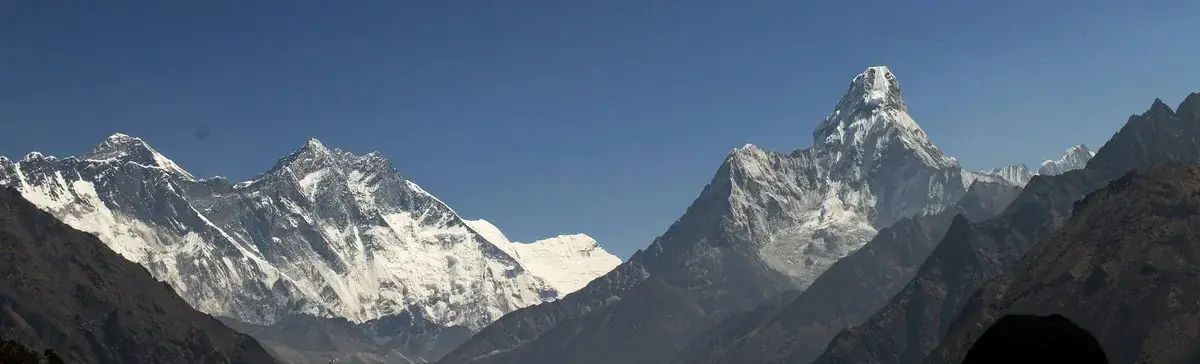
If you are dreaming of a quieter, more surreal Himalayan experience, the Everest Base Camp trek in December offers something truly special. Winter transforms the Khumbu region into a pristine wonderland of snow-dusted trails, frozen waterfalls, and crystal-clear mountain views. While most trekkers flock to Everest during the busy autumn months, those who venture in December are rewarded with peaceful teahouses, unobstructed panoramas, and a deeply personal connection with the world's tallest peaks. In this guide, we explore why December is one of the best-kept secrets for trekking to Everest Base Camp, what to expect, and how to prepare for a winter journey to the roof of the world.
Why Trek Everest Base Camp in December?
December marks the beginning of winter in Nepal, revealing a completely different side of the Everest region: quieter, colder, and incredibly beautiful. The trails that buzz with hundreds of trekkers in October and November become serene pathways where you can walk for hours without meeting another group. Teahouse owners have more time to chat, shared dining rooms feel intimate, and the mountains stand sharp against deep blue skies without the haze that summer brings. For photographers, solo travelers, and anyone seeking solitude in the Himalayas, December is unmatched.
What Makes December Different from Peak Trekking Seasons?
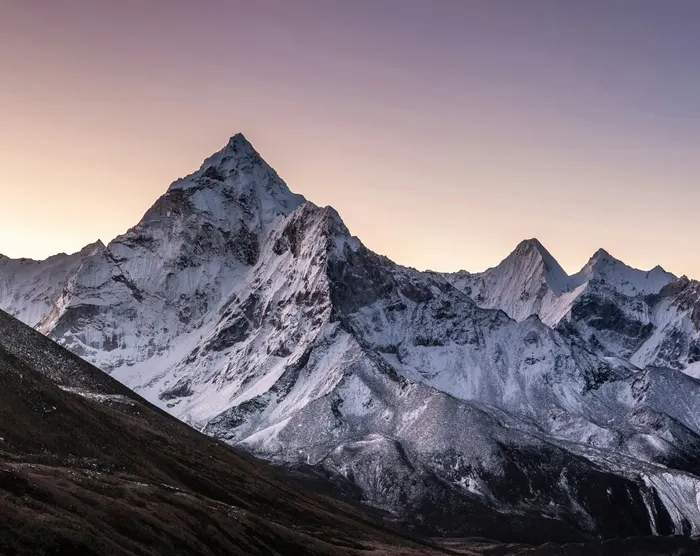
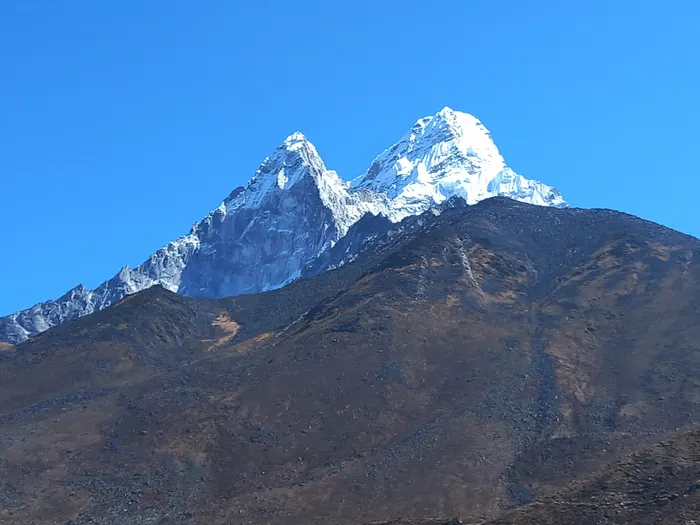
The autumn season from late September to November is the most popular time for Everest Base Camp, with stable weather and moderate temperatures. However, December brings several advantages that experienced trekkers appreciate. The air becomes even drier, meaning visibility is at its absolute best. You will see Everest, Lhotse, Nuptse, and Ama Dablam with razor-sharp clarity. Trails are less crowded, so you can set your own pace without pressure. Teahouse prices may be slightly lower, and lodge owners often upgrade rooms for free since they have vacancies. The trade-off is colder nights, but with proper gear, December trekking is entirely manageable and deeply rewarding.
How Cold Does It Get at Everest Base Camp in December?
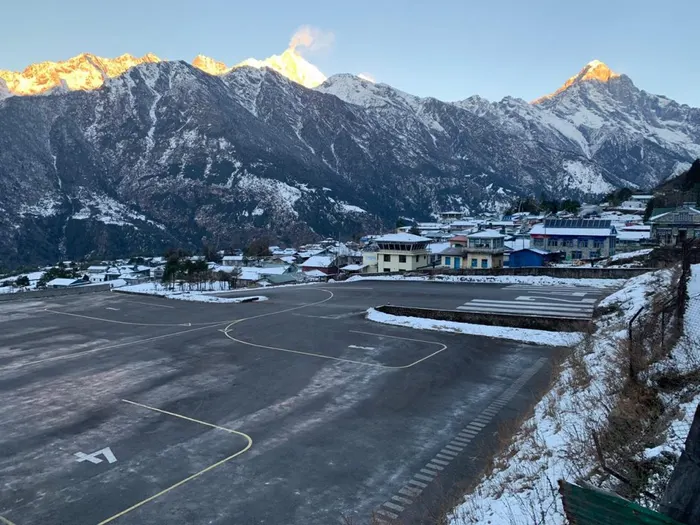
Understanding the weather is crucial before planning a winter trek. December temperatures in the Everest region vary significantly by altitude. At lower elevations like Lukla (2,860m), daytime temperatures hover around 5 to 10 degrees Celsius, with nights dropping to around minus 5. At Namche Bazaar (3,440m), expect daytime highs of 2 to 5 degrees and nighttime lows around minus 10. At Everest Base Camp (5,364m) and Kala Patthar (5,545m), daytime temperatures range from minus 5 to minus 10, and nights can plunge to minus 20 or colder. Despite the cold, December skies are mostly clear and dry, with light to moderate snowfall possible but rarely heavy enough to block trails in early December.
What Are the Trail Conditions Like in December?
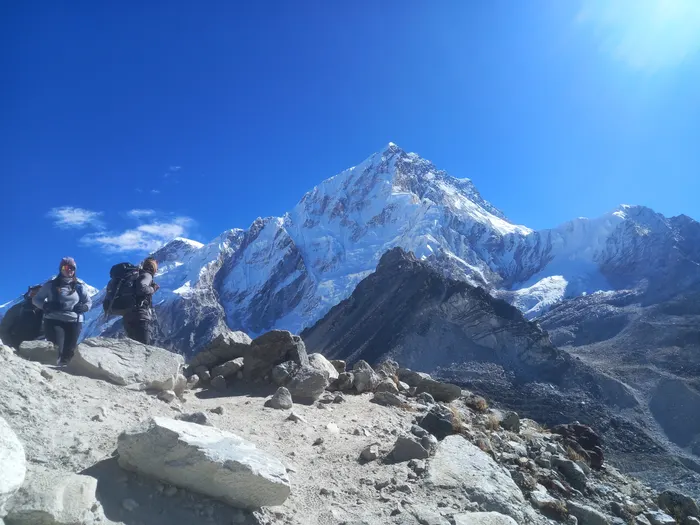
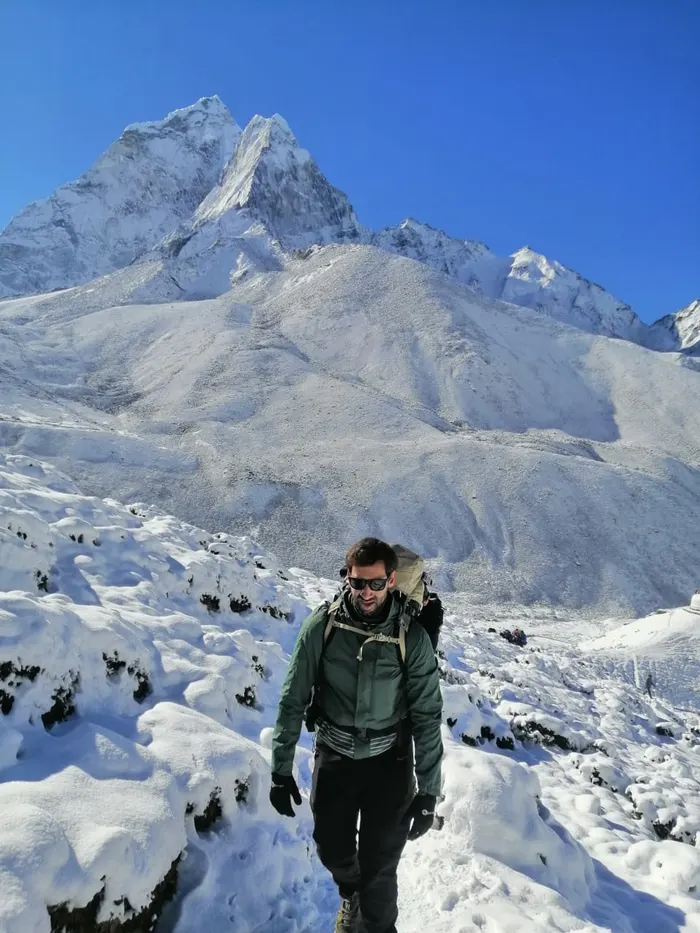
Trail conditions in December depend on how early in the month you trek. Early December typically has well-maintained trails with only occasional frost patches in shaded areas. By mid-to-late December, light snow may accumulate at higher altitudes above Dingboche, creating a beautiful winter landscape that requires careful footing but no technical climbing. Suspension bridges remain sturdy and safe. The most important consideration is that some teahouses at higher elevations may close for winter, so it is essential to confirm lodging availability in advance or trek with an organized group whose guide arranges accommodation. The 14-Day Everest Base Camp Trek from Kathmandu is a well-supported option that handles all winter logistics.
What Should You Pack for a December Everest Trek?
Packing for December requires careful attention to layering and cold-weather gear. Your packing list should include a four-season sleeping bag rated to minus 20 degrees Celsius, thermal base layers (top and bottom), a high-quality down jacket, fleece mid-layers, waterproof and windproof shell jackets, insulated trekking pants, warm gloves (bring two pairs), a warm hat or balaclava, and proper sunglasses with UV protection. Trekking poles are essential for stability on potentially icy sections. Bring a good quality headlamp with extra batteries, as December days are shorter with sunset around 5 PM. A thermos for hot drinks is a wonderful addition that keeps your water from freezing and your spirits warm.
How Difficult Is the Everest Base Camp Trek in Winter?
The difficulty of the Everest Base Camp trek in December is comparable to the standard season, with the added challenge of colder temperatures. The trekking itself involves the same daily elevation gains and distances, typically 5 to 7 hours of walking per day over 12 to 14 days. Acclimatization remains critical, and the standard rest day in Namche Bazaar and a second acclimatization stop in Dingboche are still necessary. Cold weather can make muscles stiffer in the morning, so a longer warm-up period at the start of each day is recommended. For trekkers concerned about the cold, the Everest Comfort Trek with upgraded lodges offers heated dining areas and better insulation at night.
What Are the Highlights of Trekking to Everest Base Camp in December?
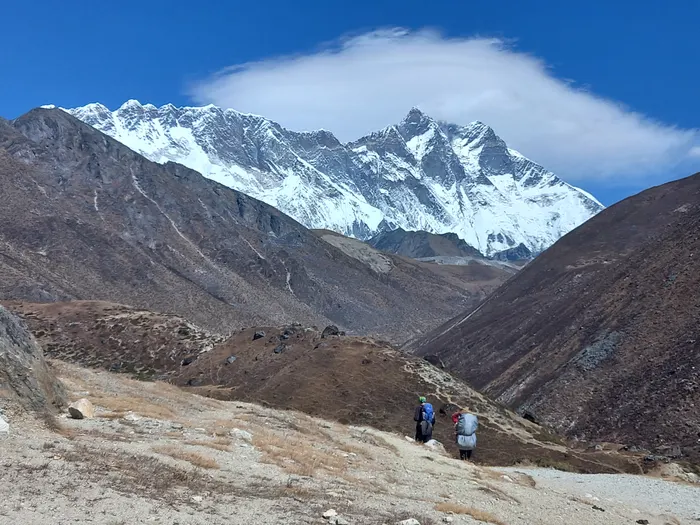
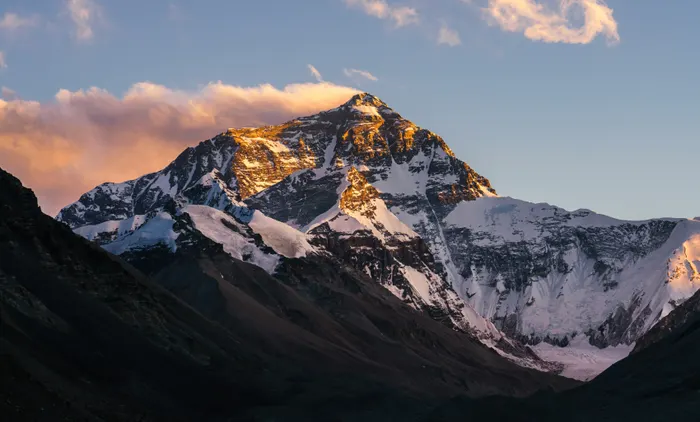
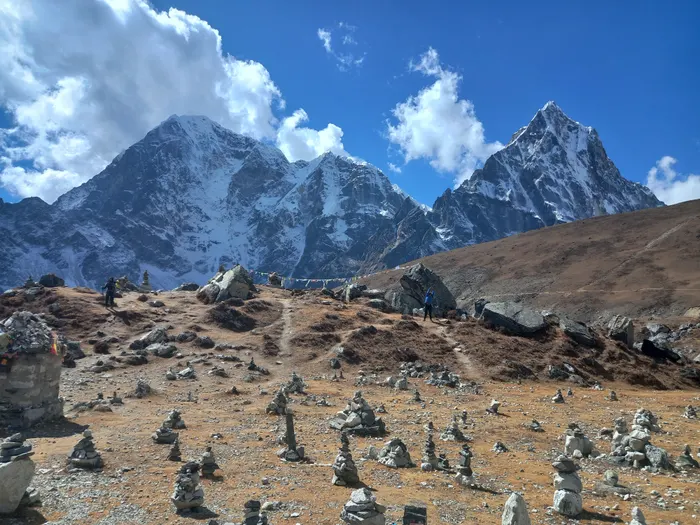
December highlights are distinct from any other season. The snow-covered villages of the Khumbu look like scenes from a storybook, with prayer flags standing out vividly against white landscapes. Frozen waterfalls line the Dudh Koshi valley, and icicles hang from teahouse roofs. The view from Kala Patthar at sunrise is breathtaking, with Everest glowing pink and gold in air so clear you feel you could reach out and touch the summit. Wildlife is easier to spot without foliage, including Himalayan tahr, musk deer, and occasionally snow leopard tracks in fresh snow. The famous Sherpa hospitality feels even warmer when you return from a cold day on the trail to a cozy dining room with a yak-dung stove.
Which Route Is Best for December Trekking?
The classic route from Lukla through Namche Bazaar, Tengboche, Dingboche, Lobuche, Gorak Shep, and finally Everest Base Camp remains the best option for December. This well-established trail has the most reliable teahouse network, giving you the best chance of finding open lodges even in winter. The 14-Day Everest Base Camp Budget Trek follows this proven route with group-joining options that keep costs reasonable. For those with less time, the 10-Day Everest Base Camp Express Trek compresses the itinerary while maintaining proper acclimatization. Avoid remote alternative routes in December, as higher passes like Cho La may have unstable snow conditions.
Do You Need a Guide for a December Everest Trek?
While independent trekking is technically possible on the main Everest route, a guide is strongly recommended for December treks. Winter conditions can change quickly, and having someone who knows which teahouses are open, which trail sections may have ice, and how to respond to altitude sickness in cold conditions is invaluable. Guides also handle emergency logistics, which become more complex in winter when helicopter evacuations may be delayed by weather. Trekking with a guide supports the local Sherpa economy and gives you a richer cultural experience, as guides share stories about the mountains, monasteries, and traditions of the Khumbu that you would miss on your own.
What About Altitude Sickness in December?
Altitude sickness does not discriminate by season, and the risk is the same in December as in autumn. The key preventive measures remain identical: ascend slowly, stay hydrated, eat well, and take scheduled rest days. Cold weather adds one extra consideration: dehydration happens faster in dry winter air, so you must drink more water than you think you need. Hot ginger tea and garlic soup (a Khumbu specialty) are excellent for both hydration and warmth. If symptoms of acute mountain sickness appear (headache, nausea, dizziness, loss of appetite), descend immediately. Your guide will monitor your condition daily, and carrying a pulse oximeter is a smart precaution for winter treks.
How Much Does a December Everest Base Camp Trek Cost?
December trekking costs are generally similar to peak season, with some potential savings. Group-joining treks start at lower rates because operators want to fill departures during the quieter month. Teahouse lodging may be free or discounted if you eat meals at the same lodge. The main costs include the Sagarmatha National Park permit, the Khumbu Pasang Lhamu Rural Municipality entrance fee, domestic flights to Lukla, guide and porter services, meals, and gear rental if needed. The budget group-joining trek offers the most economical approach, while the luxury lodge trek provides premium comfort for those who want warmth and fine dining on the trail.
Are There Alternative Everest Treks for December?
If you want a different perspective on the Everest region in winter, several alternatives are worth considering. The Gokyo Lakes and Everest Base Camp Trek via Cho La Pass adds the stunning turquoise Gokyo Lakes, which freeze partially in December, creating an otherworldly sight. The 5-Day Everest View Short Trek is perfect for those who want Everest panoramas without committing to a full base camp journey in winter. The 7-Day Everest Panorama Family Trek offers an easier, family-friendly option with maximum views and moderate altitudes. For a true challenge, the 18-Day Everest Three Passes Trek tests experienced trekkers with three high-altitude crossings.
What About Photography on a December Everest Trek?
December is a photographer's dream in the Everest region. The dry air eliminates haze, producing sharp, high-contrast images that are impossible in other seasons. Snow adds texture and depth to every composition, from wide mountain panoramas to close-up shots of prayer wheels and mani walls. Golden hour lasts longer in December because the sun angle is lower, casting warm light across the peaks for extended periods. The 12-Day Everest Photography Trek with a professional guide is specifically designed for photographers, with flexible timing to catch the best light and expert guidance on composition and exposure in challenging winter conditions.
How to Prepare Physically for a Winter Trek?
Physical preparation for a December Everest trek should begin at least two to three months before departure. Focus on cardiovascular endurance through hiking, running, cycling, or stair climbing. Build leg strength with squats, lunges, and step-ups. Practice hiking with a loaded backpack to simulate trekking conditions. If you live in a cold climate, train outdoors in winter to acclimatize your body to cold-weather exertion. Flexibility training (yoga or stretching) helps prevent injuries on uneven, potentially icy trails. Most importantly, do several long day hikes on consecutive days to build the stamina needed for 12 to 14 days of continuous trekking at altitude.
What Food Is Available on the Trail in December?
Teahouse menus in December remain surprisingly varied, though fresh vegetables become scarcer at higher altitudes. You will find dal bhat (rice and lentils), Sherpa stew, momos, fried rice, pasta, and porridge at most lodges. Warm drinks are essential: ginger tea, lemon honey tea, and hot chocolate are trekking staples. Dal bhat is the best value and most nutritious option, often with unlimited refills. December is an excellent time to try locally sourced winter foods like Tibetan bread, tsampa (roasted barley flour), and yak cheese. Eating well is critical for energy and warmth, so plan to spend adequately on meals even on a budget trek.
Is December Safe for Solo Trekkers?
Solo trekking in December is possible but requires extra caution. The main risks are colder nighttime temperatures, fewer fellow trekkers to share costs and companionship with, and potentially limited teahouse availability at higher altitudes. If you trek solo in December, carry a satellite phone or GPS messenger, as mobile signal is unreliable above Namche. Register your trekking permit with TIMS and leave a copy of your itinerary with someone in Kathmandu. The safest approach for solo travelers is to join a group departure, such as the group-joining budget trek, which pairs you with like-minded trekkers and provides a guide and porter. Solo women trekkers should consider the fully supported women's trek for added safety and community.
What Are the Cultural Experiences in the Khumbu During Winter?
December offers unique cultural insights because the Khumbu's Sherpa communities are less busy with tourist traffic. You may have the chance to attend a monastery ceremony at Tengboche, the largest monastery in the Khumbu, without crowds. Monks perform morning prayers that are open to visitors, and the quiet winter setting makes the experience more intimate. In Namche Bazaar, the Sherwi Khangba Cultural Center showcases Sherpa heritage with exhibits on mountaineering history, traditional dress, and Buddhist artifacts. December is also a time when families prepare for Losar (Tibetan New Year, usually in February), and you may see early preparations. Engaging with teahouse families over evening meals gives you authentic insight into Sherpa life that is harder to find during peak season rush.
How to Get to Lukla in December?
The standard way to reach the Everest region is by flying from Kathmandu to Lukla on a small Twin Otter or Dornier aircraft. December flights are generally reliable due to clear skies, but morning fog can occasionally cause delays. Book your flight for the earliest departure possible, as winds pick up later in the day. An alternative is the overland route via Jiri, which adds about five to seven extra trekking days but avoids any flight uncertainty. The 21-Day Everest Base Camp Trek via Jiri follows the classic Hillary route and is an excellent option for those who enjoy longer, more immersive treks. If weather cancels your Lukla flight, the helicopter return trek option provides a reliable backup plan.
What If You Want a Shorter Winter Everest Experience?
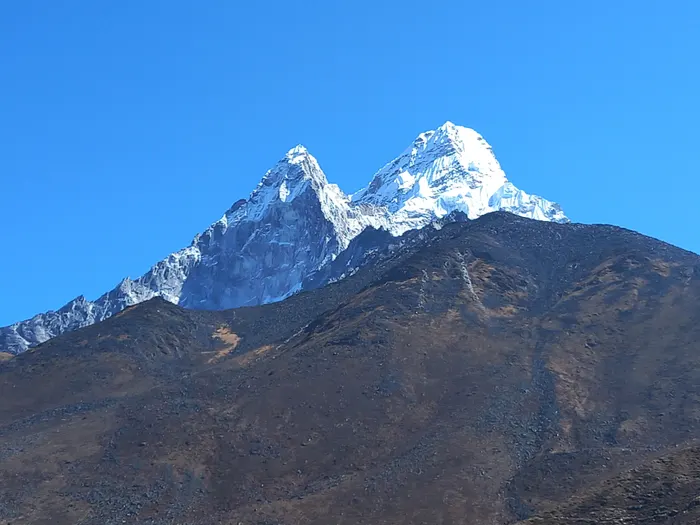
Not everyone has two weeks for a full base camp trek, and December offers excellent shorter alternatives. The 5-Day Everest View Short Trek takes you to Namche Bazaar and the Everest View Hotel, where you enjoy panoramic views of Everest, Lhotse, and Ama Dablam without the commitment of reaching base camp. The 8-Day Everest Panorama Senior Trek is designed for older travelers or those who prefer a gentler pace, with maximum views at moderate altitudes. For families, the 7-Day Everest Panorama Family Trek provides an easy, kid-friendly introduction to the Everest region with comfortable teahouses and flexible daily distances.
Should You Choose a Helicopter Return Option in December?
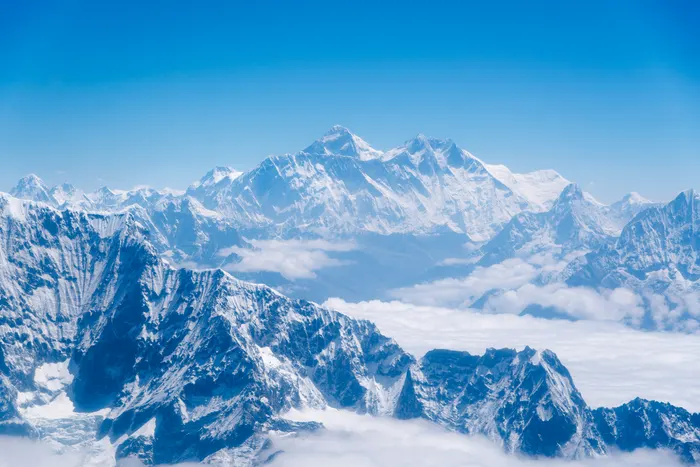
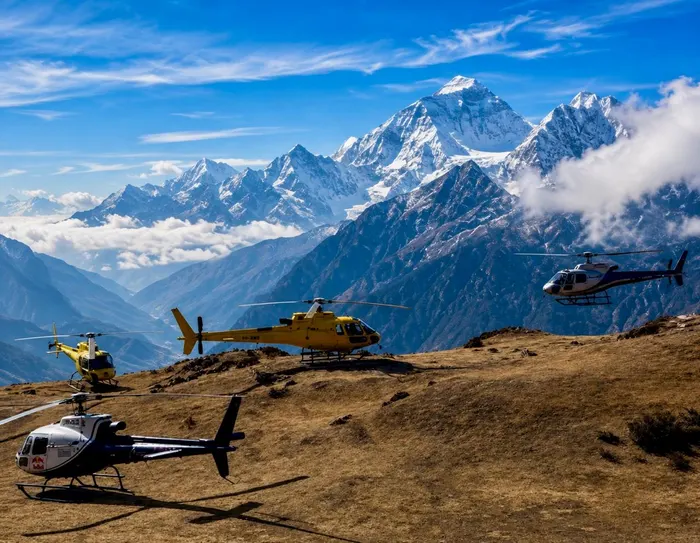
A helicopter return from Gorak Shep or Kala Patthar is an increasingly popular option, especially in winter when the weather is clear and flying conditions are ideal. The Everest Base Camp Helicopter Trek (trek up, fly back) lets you trek the full route to base camp and then enjoy a scenic helicopter flight back to Kathmandu, saving two days of return trekking and giving you an aerial perspective of the entire Khumbu. In December, clear skies make helicopter flights more reliable than in other seasons. The flight passes over glaciers, frozen lakes, and tiny Sherpa villages, landing at Lukla before continuing to Kathmandu. This option is perfect for trekkers with limited time or those whose knees prefer not to descend the full trail.
What Are the Best Day Hikes from Everest Base Camp Route in December?
Beyond the main trail, several day hikes enhance your December Everest experience. The hike to Kala Patthar (5,545m) is the single best viewpoint for Everest itself, and December's clear air makes the sunrise view unforgettable. Nangkartshang Peak above Dingboche offers spectacular views of Makalu, the fifth-highest mountain in the world. The hike to the Everest Base Camp site itself, a 3-hour round trip from Gorak Shep, lets you stand at the foot of the Khumbu Icefall. In Namche, the short walk to the Everest View Hotel and Syangboche airstrip provides one of the most accessible panoramas. Each of these hikes is more rewarding in December because the clear weather guarantees visibility that other seasons cannot promise.
What Insurance Do You Need for a December Trek?
Comprehensive travel insurance is non-negotiable for a December Everest trek. Your policy must cover trekking to altitudes above 5,000m and include helicopter evacuation from high altitudes. Read the fine print carefully, as many standard policies exclude trekking or have altitude limits of 3,000 or 4,000m. Confirm that the policy covers winter trekking specifically. Carry a printed copy of your insurance details and emergency contact numbers. In the Khumbu, the Everest ER clinic at Pheriche provides medical care and is staffed during trekking season. Register your insurance and trekking plans with your embassy in Kathmandu as an additional safety measure.
How Does December Compare to January and February?
December is the mildest of the three winter months and generally the best choice for winter trekking. January is colder, with shorter days and a higher likelihood of snow at higher altitudes. February begins to warm slightly but can still see heavy snowfall. December strikes the ideal balance: cold but manageable, clear skies, minimal snow on the main trail, and enough open teahouses to support a comfortable trek. By mid-December, you get the best of winter without the extremes of deep January cold. If you are choosing between the three months, December is the safest and most enjoyable winter option for the Everest Base Camp trek.
Explore, Heal, Thrive: Your December Everest Adventure Awaits
Trekking to Everest Base Camp in December is a decision you will never regret. The winter Khumbu rewards you with solitude, clarity, and beauty that peak season simply cannot match. With proper preparation, the right gear, and a spirit of adventure, you can experience the Himalayas at their most pristine and powerful. Whether you choose the classic 14-day route, a shorter panorama trek, or a helicopter return option, December delivers an unforgettable journey to the base of the world's highest mountain. Explore the trails, heal in the mountain silence, and thrive in the accomplishment of reaching Everest Base Camp in winter. Discover more trekking options on the full tour list or learn about the Everest region to plan your adventure.