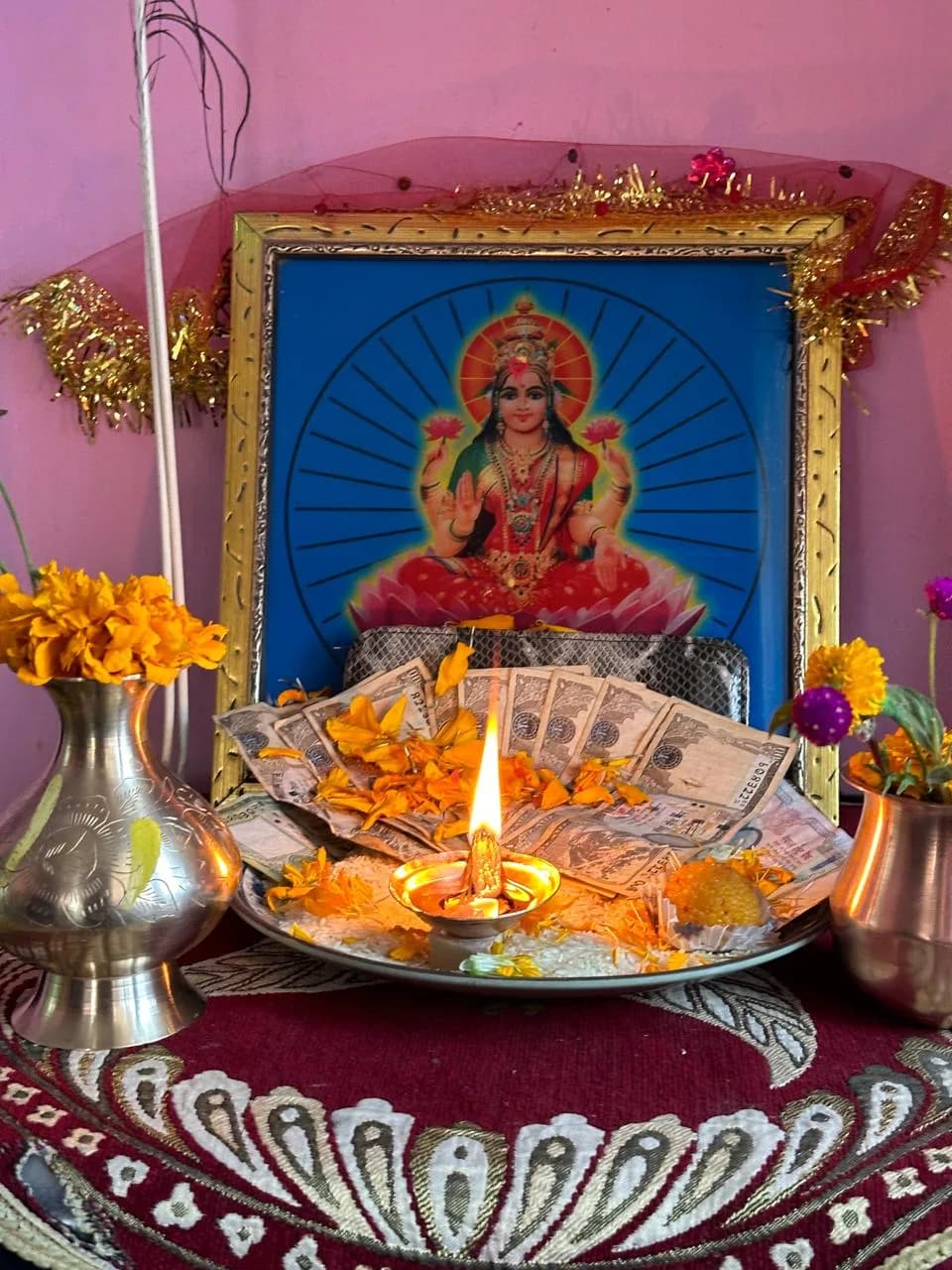
 Nov 8 – Nov 8, 2026
Kathamandu
Laxmi Puja 2026 in Nepal: Tihar Festival Guide
Festival
1 Tag
Festival
Free
Kathamandu1 Tag
Event Details
Loading...
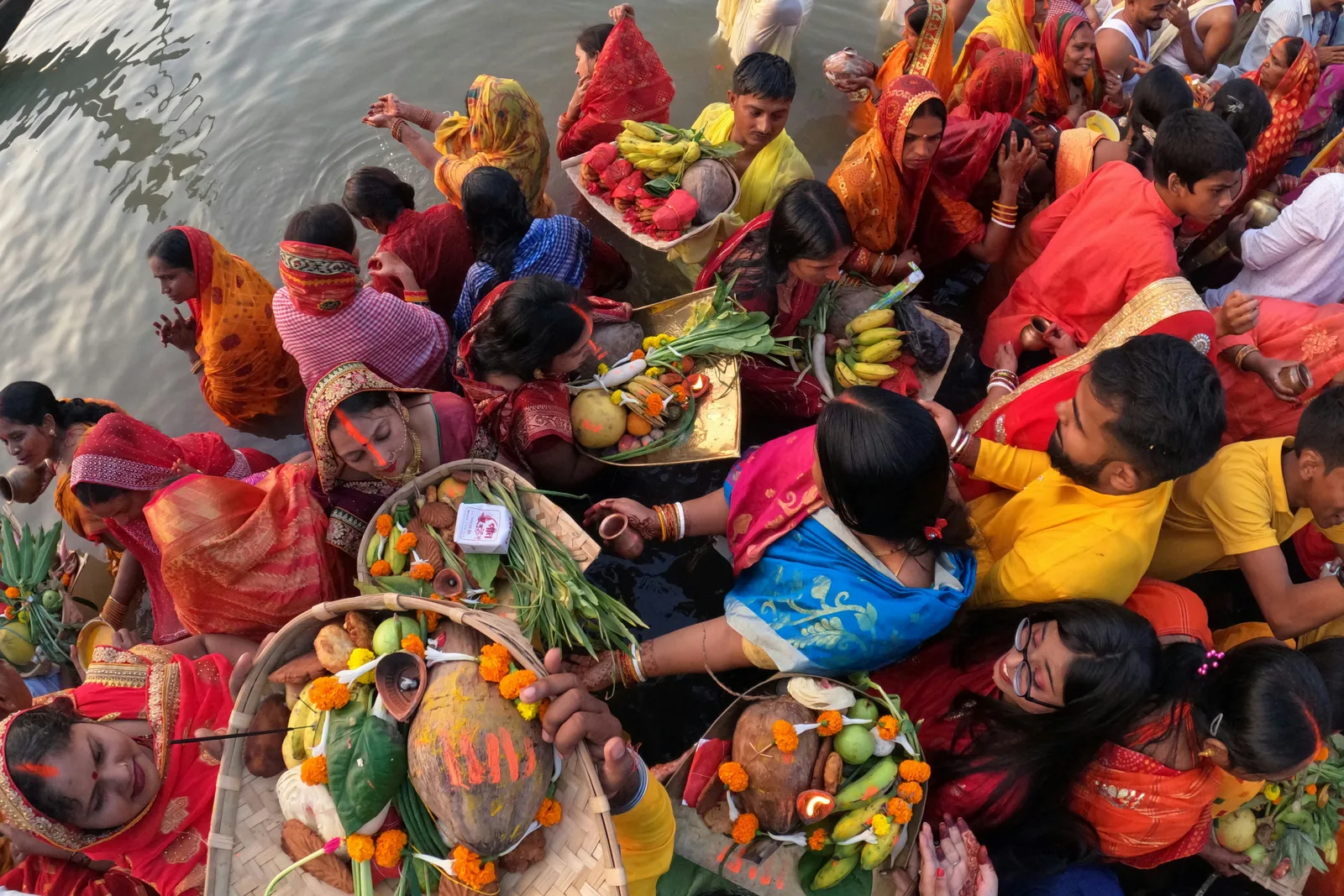
Chhath Parva is one of the most sacred Hindu festivals celebrated in Nepal, particularly in the Terai and Madhesh regions. Dedicated to Surya Dev (the Sun God) and Chhathi Maiya, the festival expresses gratitude for life, health, prosperity, and well-being. Devotees observe strict fasting, maintain purity, and offer prayers to the setting and rising sun at rivers, ponds, and lakes. The festival is especially popular in Janakpur and along the Bagmati River in Kathmandu, where thousands gather to perform rituals and seek blessings for their families and communities.
The history of Chhath Parva in Nepal is deeply connected to the ancient Mithila civilization and the cultural traditions of the Terai region. The festival has been celebrated for centuries as a sacred form of Sun worship, honoring Surya Dev (the Sun God) and Chhathi Maiya for health, prosperity, and well-being. Chhath is especially significant in Janakpur, the historic center of Mithila and one of Nepal's most important religious cities. The festival has long been an integral part of the Maithili cultural heritage and continues to be observed with great devotion.
Historically, devotees gathered at the numerous ponds, lakes, and sacred water bodies of Janakpur, including Ganga Sagar and Dhanush Sagar, to perform rituals and offer prayers to the setting and rising sun. Over time, the festival spread beyond the Terai and is now celebrated throughout Nepal, including Kathmandu, where devotees gather along the banks of the Bagmati River to perform Chhath rituals.
Chhath Parva is considered one of the oldest living traditions of sun worship in South Asia. The festival emphasizes physical and spiritual purity through fasting, prayer, and devotion. Women traditionally play a central role in the observance, undertaking rigorous fasts and offering prayers for the health and prosperity of their families. The festival's enduring popularity reflects its deep cultural, religious, and social importance in Nepalese society.
Today, Chhath Parva is recognized as one of Nepal's most important cultural and religious festivals, attracting thousands of pilgrims and visitors who come to witness its unique rituals, vibrant atmosphere, and profound spiritual significance.
Chhath Parva is one of the most sacred Hindu festivals dedicated to Surya Dev (the Sun God) and Chhathi Maiya, who are worshipped for health, prosperity, happiness, and family well-being. The festival holds profound religious significance because it expresses gratitude to the Sun, the visible source of life and energy on Earth. Devotees believe that the Sun God sustains all living beings by providing light, warmth, and nourishment, making Chhath a celebration of nature and divine power.
The festival emphasizes purity, discipline, devotion, and self-sacrifice. Through strict fasting, prayer, and ritual bathing, devotees seek both physical and spiritual purification. During the four-day observance, worshippers offer Arghya (holy offerings) to the setting and rising sun while standing in rivers, ponds, and lakes, symbolizing respect for the natural forces that sustain life.
Chhath Parva is also associated with seeking blessings for good health, longevity, prosperity, and protection from illness. Many devotees perform the rituals for the well-being of their families and children. The worship of Chhathi Maiya is believed to bring happiness, harmony, and protection to the household.
Beyond its religious importance, Chhath Parva promotes a deep connection between humans and nature. It teaches gratitude, humility, environmental respect, and spiritual devotion, making it one of the most meaningful and revered festivals celebrated in Nepal and across the Mithila region.
Chhath Parva is celebrated to worship Surya Dev (the Sun God) and Chhathi Maiya, expressing gratitude for sustaining life on Earth and seeking blessings for health, prosperity, happiness, and family well-being. The festival recognizes the Sun as the ultimate source of energy, light, and nourishment, making it one of the few Hindu festivals dedicated entirely to nature and solar worship.
Devotees observe strict fasting, prayer, and purification rituals to achieve both physical and spiritual purity. During the festival, worshippers offer Arghya (holy offerings) to the setting and rising sun while standing in rivers, ponds, and lakes. These rituals symbolize gratitude, devotion, and respect for the natural forces that support life.
Many people celebrate Chhath Parva to pray for the well-being of their families, the good health of their children, success, prosperity, and protection from illness. The festival also promotes self-discipline, environmental harmony, and a deep connection between humans and nature. Through its traditions of fasting, prayer, and community participation, Chhath Parva remains one of the most spiritually meaningful and culturally important festivals in Nepal, especially in the Mithila and Terai regions.
Chhath Parva is a four-day Hindu festival dedicated to Surya Dev (the Sun God) and Chhathi Maiya. Each day has unique rituals that emphasize purity, devotion, discipline, and gratitude. The festival concludes with offerings to both the setting and rising sun, making it one of the most distinctive celebrations in Nepal and the Mithila region. self-discipline, devotion, and spiritual strength. setting sun while singing devotional songs and prayers. friends, and the community. The festival concludes with blessings for health, prosperity, happiness, and family well-being. , prayer, and Sun worship, devotees seek blessings for health, prosperity, peace, and the well-being of their families.
The first day of Chhath Parva is known as Nahay Khay, which means "Bath and Eat." This day marks the beginning of the four-day festival and focuses on physical and spiritual purification. Devotees wake up early, thoroughly clean their homes and surroundings, and take a holy bath in a nearby river, pond, or other sacred water body. The ritual symbolizes cleansing the body, mind, and soul before the start of the sacred observances.
After bathing, devotees prepare a simple satvik (pure vegetarian) meal, traditionally consisting of rice, lentils, and bottle gourd cooked without onion or garlic. The food is first offered to the deity and then consumed by the devotee as their only meal of the day. This meal signifies purity, discipline, and readiness for the fasting and rituals that follow during the remaining days of Chhath Parva.
Nahay Khay is considered the foundation of the festival because it establishes a state of cleanliness, devotion, and self-discipline. Through purification and simple living, devotees prepare themselves to worship Surya Dev (the Sun God) and Chhathi Maiya, seeking blessings for health, prosperity, happiness, and family well-being.
The second day of Chhath Parva is known as Kharna or Lohanda, one of the most important and sacred rituals of the four-day festival. On this day, devotees observe a strict fast from sunrise to sunset without consuming food or water. The day symbolizes self-discipline, purification, devotion, and spiritual preparation for the main Chhath rituals. family well-being.
The third day of Chhath Parva is known as Sandhya Arghya, the most important and visually spectacular day of the festival. After observing a rigorous fast, devotees spend the day preparing sacred offerings such as Thekua, fruits, coconuts, sugarcane, rice sweets, and other traditional prasad, which are arranged in bamboo baskets with great care and purity.
In the evening, devotees, accompanied by family members and relatives, proceed to rivers, ponds, lakes, and other water bodies. Standing in the water and facing the setting sun, they offer Arghya (a sacred offering of water, milk, and prayers) to Surya Dev (the Sun God). Devotional songs, prayers, and traditional rituals create a deeply spiritual atmosphere as worshippers express gratitude for life, health, prosperity, and family well-being.
Sandhya Arghya symbolizes respect for nature and the life-giving energy of the sun. The ritual teaches humility, devotion, discipline, and gratitude while strengthening family and community bonds. As the sun sets, thousands of lamps illuminate the riverbanks, creating one of the most beautiful and sacred moments of the entire Chhath festival.
The fourth and final day of Chhath Parva is known as Usha Arghya, which means the offering to the rising sun. This is the most sacred and concluding ritual of the festival. Before sunrise, devotees gather at rivers, ponds, lakes, and other water bodies carrying bamboo baskets filled with fruits, coconuts, sugarcane, Thekua, and other sacred offerings. Standing in the water and facing east, they offer Arghya (holy offerings of water and prayers) to Surya Dev (the Sun God) as the first rays of sunlight appear on the horizon.
The ritual symbolizes gratitude for life, health, prosperity, and well-being. Devotees also pray to Chhathi Maiya for the happiness, protection, and success of their families. The atmosphere is filled with devotional songs, prayers, and deep spiritual devotion as thousands of worshippers participate in the ceremony.
After completing the offering, devotees perform Paran (Parana), the ritual of breaking the 36-hour fast. They consume a small amount of prasad and water, marking the successful completion of the four-day observance. The prasad is then shared among family members, relatives, neighbors, and other devotees as a symbol of blessings, gratitude, and community harmony.
Usha Arghya represents hope, renewal, faith, and the triumph of devotion. It concludes Chhath Parva with prayers for peace, prosperity, good health, and a bright future for all.
Chhath Parva in Nepal is unique because it combines ancient Mithila culture, deep spiritual traditions, and sacred pilgrimage sites that are closely connected to Nepal's history and identity. While the festival is celebrated in many parts of South Asia, Nepal offers a distinctive experience centered around Janakpur, the cultural heart of the Mithila region and one of the country's most important religious destinations.
One of the most unique aspects of Chhath in Nepal is the celebration at the sacred ponds of Ganga Sagar, Dhanush Sagar, and other historic water bodies in Janakpur, where thousands of devotees gather to offer prayers to the setting and rising sun. The magnificent Janaki Temple, dedicated to Goddess Sita, provides a spiritual backdrop that cannot be found elsewhere.
Another distinctive feature is the strong influence of Mithila culture, reflected in traditional songs, rituals, clothing, and the world-famous Mithila Art that decorates homes and festival spaces during important religious occasions. This cultural heritage adds a unique artistic and spiritual dimension to the celebration.
Unlike many festivals, Chhath emphasizes purity, environmental harmony, and direct worship of natural elements. Devotees perform rituals in rivers, ponds, and lakes without idols, offering gratitude directly to the Sun God for life, energy, and prosperity. In Nepal, the festival is celebrated not only in Janakpur but also along the Bagmati River in Kathmandu, bringing together communities from different regions and backgrounds.
Key experiences and features
Mithila culture
Chhath Parva in Nepal
Surya Dev
Religious Tourism Nepal
Dhanush Sagar
Recommended packing list
Janaki Temple,Janakpur
Janakpurdham, Dhanusha District, Madhesh Province, Nepal, Janakpurdham, Dhanusha, Madhesh , Nepal
Got questions about this event?
Chhath Parva is a sacred Hindu festival dedicated to Surya Dev (the Sun God) and Chhathi Maiya, celebrated for health, prosperity, happiness, and family well-being.
Chhath is celebrated throughout Nepal, especially in Janakpur, Madhesh Province, and along the Bagmati River in Kathmandu.
The festival is celebrated to thank the Sun God for sustaining life and to seek blessings for health, prosperity, longevity, and family happiness.
Anyone can observe or participate in Chhath celebrations, while devotees who perform the rituals traditionally observe fasting and purification practices.
Visitors should wear modest, comfortable, and culturally respectful clothing suitable for religious ceremonies.
Sep 13 – Sep 16, 2026
4 days
Quick Info
More festival experiences
Nov 8 – Nov 8, 2026Kathamandu
 Aug 17 – Sep 16, 2027
Godavari Kunda
 Jan 15 – Jan 16, 2027
Swayambhu Bhuikhhel