 Nov 8 – Nov 8, 2026
Kathamandu
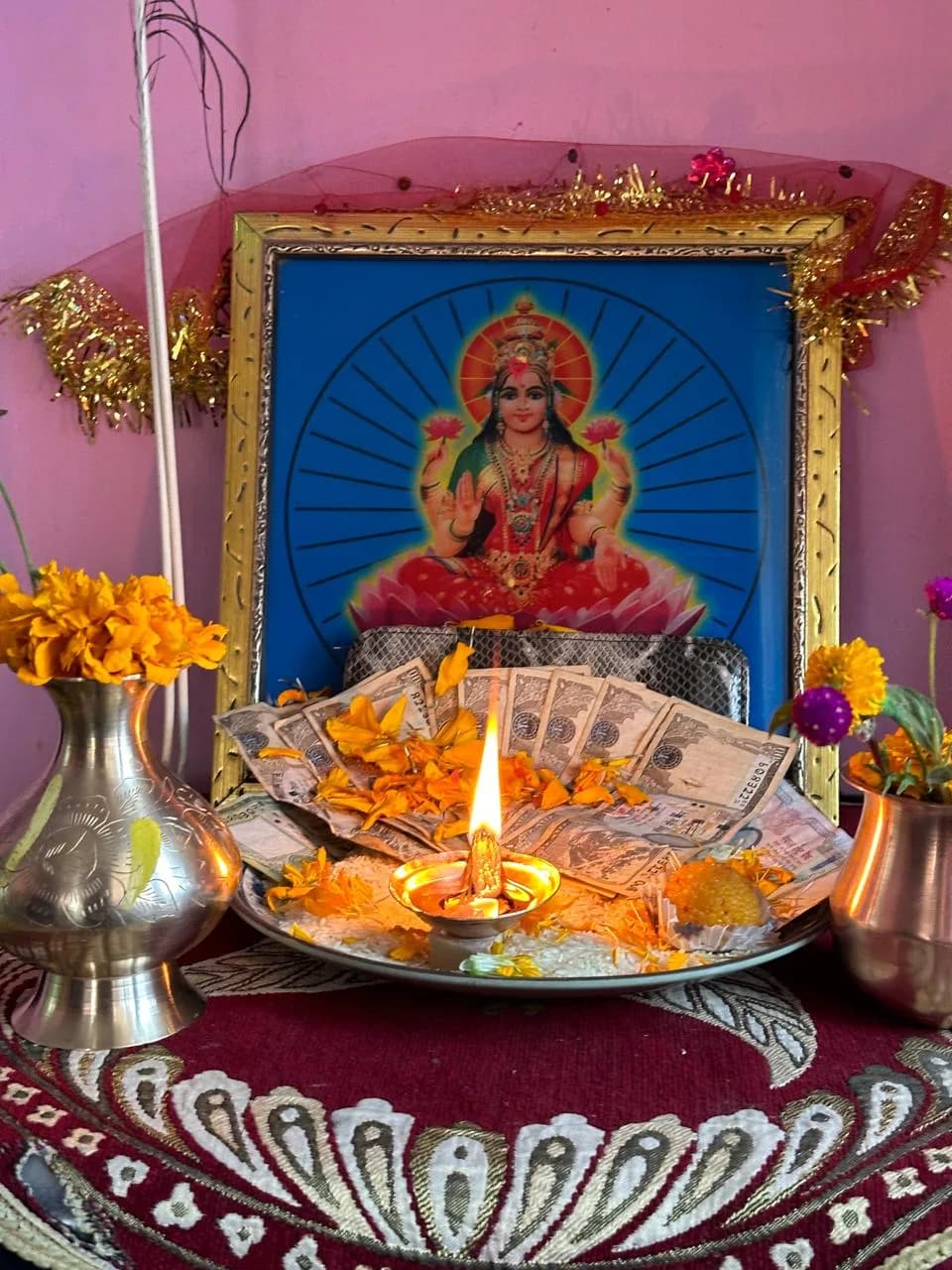
Laxmi Puja 2026 in Nepal: Tihar Festival Guide
Festival
1 Tag
Festival
Free
Kathamandu1 Tag
Event Details
Loading...
Indra Jatra Festival Kathmandu 2025 was one of the most colorful and important cultural celebrations in the Kathmandu Valley. Known locally as Yenya Punhi, the festival brought together Newar culture, Hindu and Buddhist traditions, chariot processions, masked dances, music, religious rituals, and historic Kathmandu heritage. The main festival period was observed in September 2025, with major chariot processions on September 6, September 7, and September 11. The festival traditionally centers on Lord Indra, the god associated with rain, and the Living Goddess Kumari is one of its most important attractions.
For travelers, Indra Jatra in Kathmandu is much more than a colorful street event. It is an opportunity to see an ancient tradition taking place in the middle of a modern capital city. Crowds gather around Kathmandu Durbar Square, Basantapur, Indra Chowk, Asan, and nearby historic streets to watch chariots move through narrow roads, hear traditional drums and cymbals, and see masked characters such as Lakhey and Pulu Kisi. The festival connects religion, history, art, architecture, food, music, and community life. Visitors planning a cultural trip can use Nepal travel experiences to explore other destinations and activities that can be combined with this festival.
Indra Jatra is an eight-day religious and cultural festival celebrated mainly in Kathmandu. It is also known as Yenya or Yenya Punhi in Nepal Bhasa and is deeply connected with Newar heritage. Nepal Tourism Board describes it as one of the most important festivals of the Newar community, featuring chariot processions, masked dances, religious performances, lights, colors, and the Living Goddess Kumari. The festival begins with the raising of a sacred wooden pole at Basantapur, in front of the old Hanuman Dhoka Palace.
The festival has several layers of meaning. At one level, it honors Lord Indra, traditionally associated with rain and harvest. At another level, it celebrates the rich cultural identity of Kathmandu's Newar communities. It also includes Kumari Jatra, the procession of the Living Goddess, along with the chariots of Ganesh and Bhairav. Because Hindu and Buddhist traditions both have important roles in the celebration, Indra Jatra demonstrates the religious diversity that has shaped Kathmandu for centuries. Visitors interested in this heritage can explore a Kathmandu cultural tour as part of a wider itinerary.
The main public celebration of Indra Jatra 2025 took place in September. The Hotel Association Nepal's 2082 calendar lists the Kathmandu festival period as September 6–11, 2025, while Nepal Tourism Board describes Indra Jatra as an eight-day festival.
The 2025 festival included several major processions. On September 6, the chariots of Kumari, Ganesh, and Bhairav were pulled through the southern part of Kathmandu. On September 7, another procession moved through the northern part of the historic city toward Asan. On September 11, the Nānichāyā procession featured Kumari's chariot being pulled by an all-women team, according to reporting by The Rising Nepal.
Because different sources describe the overall festival window and major public procession days differently, travelers should distinguish between the full ritual cycle and the major public chariot days when planning future visits.
The cultural importance of Indra Jatra in Kathmandu comes from its connection with rain, agriculture, religion, ancestry, and Newar identity. Kathmandu's historic communities traditionally depended on seasonal rainfall and agricultural cycles, so honoring Indra has a strong symbolic connection with prosperity and harvest.
The festival also brings together different generations. Older residents pass down knowledge of rituals, music, dances, food, and procession routes to younger people. Streets that normally function as busy urban spaces become temporary ceremonial routes. This transformation is one reason the festival feels so different from ordinary sightseeing.
For travelers, this means the festival should be understood as living heritage, not simply a performance. People are celebrating traditions that are part of their own community identity. Respectful visitors can observe, learn, photograph where appropriate, and enjoy the atmosphere without treating sacred rituals as entertainment created solely for tourists.
Several traditional stories explain the origins of Indra Jatra. Nepal Tourism Board describes a legend in which Indra comes down from heaven in human form while searching for an herb. He is captured, and the events that follow become part of the festival tradition.
Different communities may tell the story with variations, but the central theme remains connected with Indra, rain, flowers, devotion, and Kathmandu's traditional culture. Another important part of the festival is remembering deceased family members through rituals and processions.
The legends help explain why so many symbolic figures appear during the celebration. Indra, Bhairav, Kumari, Ganesh, Lakhey, and Pulu Kisi each contribute to a festival atmosphere that combines religious stories with public street culture.
One of the most important opening rituals is the raising of the Yosin, also called the lingo, a tall ceremonial wooden pole carrying Indra's banner. The pole is erected at Basantapur Durbar Square near Hanuman Dhoka.
In 2025, the ceremonial pole was raised on September 4, marking the formal opening of the festival's major public rituals. Reports described the pole as being brought from a community forest in Suryabinayak, Bhaktapur, before being installed at Basantapur.
For visitors, the pole-raising ceremony provides an excellent introduction to the festival. It shows that Indra Jatra is not simply about the famous Kumari chariot. The festival begins with a sequence of ritual preparation, sacred objects, music, crowds, and community participation.
Kathmandu Durbar Square becomes the heart of the celebration. The historic palace area, temples, courtyards, and surrounding streets fill with residents and visitors. The square's architecture creates a dramatic setting for chariot processions and traditional performances.
During the festival, familiar landmarks take on a different role. Historic buildings become viewing points, streets become procession routes, and public squares become places for rituals and gatherings. This makes Indra Jatra especially valuable for travelers interested in the connection between architecture and cultural heritage.
Visitors can learn more about the historic capital through Kathmandu heritage stories, especially articles covering temples, Newar traditions, traditional neighborhoods, and cultural attractions.
One of the most famous features of Indra Jatra Festival Kathmandu 2025 was the appearance of the Living Goddess Kumari. The Kumari is a young girl regarded as a living manifestation of the goddess Taleju in the Newar tradition.
During the festival, Kumari travels through Kathmandu in a specially constructed chariot. The procession is one of the most anticipated parts of the celebration and attracts large crowds. The Kumari's chariot moves alongside those of Ganesh and Bhairav, creating a major public religious spectacle.
The Kumari tradition should be approached with cultural sensitivity. Visitors should not treat her as an ordinary celebrity or attempt to force photographs. The procession is a sacred event, and visitors should follow instructions from organizers and local residents.
Kumari Jatra is closely connected with Indra Jatra and focuses on the chariot procession of the Living Goddess. The three major chariots represent Kumari, Ganesh, and Bhairav.
In 2025, the major procession routes included the southern and northern areas of historic Kathmandu, followed by the Nānichāyā procession. The Rising Nepal reported that an all-women team pulled Kumari's chariot during the September 11 procession.
The procession provides a fascinating view of how religion and urban community life interact. Hundreds or thousands of people may gather in narrow streets, while traditional musicians, volunteers, worshippers, and spectators all contribute to the atmosphere.
The Majipa Lakhey is one of the most recognizable masked figures associated with Indra Jatra. Lakhey dancers appear in large, expressive masks and traditional costumes while performing energetic movements accompanied by drums and other instruments.
The Lakhey tradition adds a dramatic visual element to the festival. For photographers and cultural travelers, the masks, costumes, movement, and music create some of the most memorable scenes.
However, visitors should remember that these dances are part of a religious and cultural tradition. Photograph respectfully, avoid blocking performers, and allow local viewers space to participate.
Another famous character is Pulu Kisi, traditionally represented as a white elephant. The figure is connected with Indra and appears during the festival's street celebrations.
Pulu Kisi is particularly popular with children and families because the performance brings movement and humor into the otherwise highly religious festival environment. The character represents the elephant searching for Indra and contributes to the storytelling tradition of the festival.
Together, Pulu Kisi and Lakhey demonstrate how Indra Jatra uses performance to communicate traditional stories through movement, costume, music, and public space.
The enormous mask of Sweta Bhairav, or White Bhairav, is another major attraction during Indra Jatra. The mask is displayed in Kathmandu Durbar Square and becomes an important focus for devotees and spectators.
Bhairav is a powerful form associated with Shiva, and the festival's Bhairav traditions demonstrate the strong religious symbolism within Indra Jatra. Visitors may see large crowds gathered around the display.
The sight can be impressive, but tourists should remember that religious offerings and rituals are taking place. Keep a respectful distance and follow the instructions of local organizers.
Indra Chowk and Asan are important areas for experiencing the atmosphere of old Kathmandu during Indra Jatra. The streets become busy with people, traditional music, religious activity, food, and movement.
Walking through these historic neighborhoods during the festival allows visitors to experience Kathmandu as a living urban heritage site. The narrow streets, old buildings, courtyards, shrines, and markets become part of the festival environment.
Travelers can combine this experience with a traditional food activity such as a Nepali culinary experience, where they can learn more about local dishes and ingredients beyond the festival itself.
Music is essential to Indra Jatra in Kathmandu. Traditional drums, cymbals, horns, and other instruments accompany processions and dances. The sound of music traveling through narrow streets is one of the defining features of the celebration.
For many Newar communities, music is not simply background entertainment. Different musical traditions are linked with particular rituals, processions, and community groups. Young people may learn instruments and songs from older generations, helping preserve the tradition.
Visitors interested in music should listen carefully and observe how musicians interact with dancers, chariot teams, and religious ceremonies.
Indra Jatra is one of the best opportunities to experience Newar culture in Kathmandu. The Newar community has contributed enormously to the valley's architecture, sculpture, festivals, music, food, trade, and religious traditions.
The festival shows this cultural richness in one place. Newar architecture provides the setting, traditional music provides the sound, religious rituals provide the spiritual foundation, and community participation keeps the festival alive.
For visitors, understanding this background makes the experience much more meaningful. Rather than simply searching for colorful photographs, travelers can look at how community identity and heritage shape the celebration.
Indra Jatra is notable because Hindu and Buddhist traditions both have important roles in the festival. Kathmandu's religious history has long involved interaction between these traditions, particularly within Newar society.
This religious coexistence is visible through rituals, sacred images, processions, temples, and community practices. It is one of the reasons Kathmandu is such an important destination for travelers interested in South Asian religious history.
A broader spiritual journey can be built around this heritage. For example, travelers can explore a specific Hindu and Buddhist pilgrimage tour to experience several religious sites beyond Kathmandu.
Indra Jatra also has traditions connected with remembering deceased family members. One example is the lighting of butter lamps and participation in processions connected with ancestors.
This gives the festival another emotional dimension. It is not only a public celebration but also a time when families remember people who have died.
For travelers, this is an important reminder that public festivals can contain both joy and remembrance. Crowds, music, dancing, and colorful costumes exist alongside quieter religious practices dedicated to family members.
Mata Biye, meaning the offering or lighting of butter lamps, is associated with remembering deceased relatives during the festival period. Families may walk through the historic city carrying lamps as part of their remembrance.
The sight of lamps moving through Kathmandu's old streets can be deeply atmospheric, particularly in the evening. Visitors should avoid interrupting participants or standing directly in procession routes.
This tradition shows how Indra Jatra connects community celebration with personal memory, making it much more complex than a simple street festival.
Food is another important part of experiencing Indra Jatra Kathmandu. Newar cuisine includes many distinctive dishes, snacks, drinks, and ceremonial foods. During the festival, visitors may find local foods being prepared and shared around historic neighborhoods.
Traditional foods can include samay baji, bara, choila, yomari, beaten rice, pickles, and other Newari dishes. The exact foods available depend on the household, community, and location.
Food tourism is a useful way to understand festivals because recipes often carry family and community history. Visitors can explore a traditional Nepali food activity before or after the festival to learn more about the wider culinary culture.
The festival cannot be separated from Kathmandu's historic architecture. Basantapur, Hanuman Dhoka, Kumari Ghar, Indra Chowk, Asan, and surrounding courtyards form a cultural landscape where the festival has developed over generations.
This relationship between festival and place is important. If Indra Jatra were moved to a modern stadium, much of its cultural atmosphere would change. The narrow streets, old temples, public squares, and historic houses are part of the experience.
That is why travelers should spend time walking through the old city rather than staying only in one viewing area.
For Indra Jatra 2025, important viewing areas included Kathmandu Durbar Square, Basantapur, Indra Chowk, Asan, and streets along the chariot routes. The exact best location depends on which procession or ritual you want to see.
Kathmandu Durbar Square is ideal for understanding the central religious setting. Indra Chowk and Asan can offer a more street-level experience. Chariot routes provide opportunities to see the procession moving through historic neighborhoods.
Because crowds can become extremely large, arrive early and choose a safe location where you can remain without blocking local participants.
Visitors should treat Indra Jatra as a sacred cultural event, not only a tourist attraction. Dress respectfully when visiting temples and religious spaces. Ask before photographing individuals, especially during private rituals.
Never climb onto religious structures or chariots simply for a better photograph. Do not touch idols, offerings, masks, or ceremonial objects unless invited to do so. Follow police, volunteers, and community instructions during crowded processions.
These simple practices help protect both visitors and local participants while creating a more respectful form of cultural tourism.
Indra Jatra is highly photogenic, but good festival photography requires patience. Instead of standing in the middle of a procession, find a safe position at the side of the street.
Early morning and late afternoon light can be particularly useful for photographing architecture and crowds. Evening processions offer a different atmosphere with lamps, lights, and illuminated temples.
A wide lens can capture the relationship between the chariot, crowd, temple, and historic street, while a longer lens can capture details without getting too close to participants.
If you plan to visit Kathmandu during Indra Jatra, book your accommodation early because the central areas can become busy. Use comfortable shoes because you may walk for several hours.
Keep your belongings secure in dense crowds. Carry drinking water and avoid carrying unnecessary large bags into crowded procession areas.
Public transport and road conditions can change because streets may be closed or controlled during processions. A flexible itinerary is therefore better than a tightly scheduled sightseeing plan.
For a wider Nepal journey, explore individual Nepal travel experiences and combine Kathmandu with destinations outside the valley.
Travelers who enjoy history, photography, religion, architecture, food, and anthropology will find Indra Jatra especially rewarding. The festival brings many areas of Nepali culture together in one experience.
It also provides an opportunity to see how traditional culture survives within a modern city. Kathmandu is filled with offices, vehicles, restaurants, hotels, and modern businesses, yet its historic streets continue to host ceremonies that have developed over centuries.
This contrast between modern Kathmandu and traditional Kathmandu is one of the most interesting aspects of visiting during festival season.
Visiting Kathmandu during Indra Jatra Festival gives travelers a chance to experience the city at one of its most energetic times. Historic squares become full of music, crowds, religious activity, and traditional performances.
The experience can be especially valuable for visitors who have already seen Kathmandu's major monuments and want to understand how those monuments are used by local communities.
Instead of seeing Kathmandu Durbar Square simply as an archaeological site, travelers can see it functioning as a religious and community space.
Responsible tourism is especially important during large festivals. Visitors should support local businesses, use local guides when helpful, avoid littering, and respect religious restrictions.
Buying local food and crafts can help small businesses benefit from increased visitors. However, travelers should avoid bargaining aggressively over handmade cultural products simply to save a small amount.
Respect also means understanding that not every part of a festival is for tourists. Some rituals may be private or restricted. Observing from a respectful distance is often the best choice.
Festivals such as Indra Jatra help keep Newar cultural heritage visible to younger generations. However, traditions require active community participation to survive. Music, masks, chariot construction, rituals, crafts, and oral histories all depend on people learning and practicing them.
Tourism can provide support when it is managed responsibly. Increased interest can encourage communities to maintain traditional skills and local businesses. At the same time, excessive commercialization can weaken the cultural meaning of a festival.
The best future is therefore a balance between community ownership, cultural respect, and responsible tourism.
Key experiences and features
Chariot procession of Living Goddess Kumari at Kathmandu Durbar Square
Traditional Majipa Lakhey and Pulukisi masked street dances
Tasting authentic Newari traditional Samay Baji feast
Illuminated ancient temples and night-time cultural celebrations
Recommended packing list
Gaddhi Baithak, Kathmandu Durbar Square at 09:30 AM
Please respect local customs. Photography is allowed in Durbar Square but avoid flash photography directly facing the Living Goddess Kumari.
Detailed pricing breakdown
Per Person Rate
$25 USD
Early Bird Rate 🐦
$20 USD
Group Rate 👥
$18 USD
Child Rate 👶
$10 USD
3 photos
Basantapur, Kathmandu 44600, Kathmandu, Kathmandu, Bagmati, Nepal
Got questions about this event?
Yes, Indra Jatra is a joyful community festival suitable for all ages.
We recommend arriving by 9:30 AM to secure comfortable viewing spots before the chariot pull begins.
Sep 15 – Sep 22, 2025
8 days
Quick Info
More festival experiences
Nov 8 – Nov 8, 2026Kathamandu
 Aug 17 – Sep 16, 2027
Godavari Kunda
 Jan 15 – Jan 16, 2027
Swayambhu Bhuikhhel