 Mar 23 – Mar 7, 2027
Kathmandu
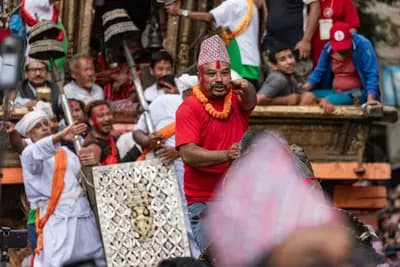
Seto Machindranath Jatra 2027: Kathmandu’s Sacred Festival
Culture
5 Tage
Festival
Free
Kathmandu 5 Tage
Event Details
Loading...
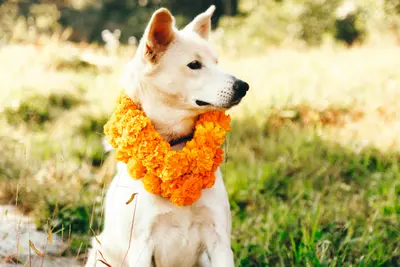
Kukur Tihar in Nepal is one of the most meaningful days of Tihar, the five-day festival of lights. It is dedicated to dogs, which are honored with garlands, tika, food, and prayers. The festival celebrates the loyalty, friendship, protection, and companionship that dogs provide to people. In Nepal, dogs are not treated only as household animals during this festival. They are respected as sacred companions and are connected with Yama, the Hindu god of death.
Kukur Tihar usually falls on the second day of Tihar, although the exact date changes every year according to the lunar calendar. On this day, families, communities, animal lovers, and even police and security organizations honor dogs. People place marigold garlands around their necks, apply red tika to their foreheads, and offer special meals. The celebration is colorful, emotional, and deeply connected with Nepali culture.
For travelers, Kukur Tihar Festival offers a special way to understand Nepal’s relationship with animals, religion, family, and daily life. Unlike many large public festivals, Kukur Tihar can be experienced in homes, streets, temples, shelters, and local communities. It shows how a simple act of kindness toward an animal can become a national cultural tradition.
Kukur Tihar is the day of Tihar dedicated to the worship and appreciation of dogs. The Nepali word “kukur” means dog, while Tihar is the festival of lights celebrated throughout Nepal. During Kukur Tihar, people honor both domestic and stray dogs by offering food, flowers, tika, and respect.
The festival is based on the belief that dogs are connected with Yama, the god of death. In Hindu tradition, dogs are considered the guardians of the path between life and death. They are also described as companions or messengers of Yama. Because of this connection, people believe that showing love and respect to dogs is an important part of the festival.
The celebration also has a simple human meaning. Dogs are known for their loyalty, courage, protection, and friendship. They guard homes, support people with disabilities, assist police and rescue teams, and provide emotional comfort. Kukur Tihar reminds people to recognize these qualities and treat animals with care throughout the year.
Kukur Tihar is celebrated on the second day of Tihar, a five-day Hindu festival in Nepal. Since Tihar follows the lunar calendar, its date changes every year and usually falls in October or November. The festival begins with Kaag Tihar, which honors crows, followed by Kukur Tihar, dedicated to dogs. The third day includes Gai Tihar and Laxmi Puja, when cows and Goddess Laxmi are worshipped. The fourth day is known as Goru Tihar and Mha Puja, honoring oxen and the self, while the final day is Bhai Tika, a special celebration between brothers and sisters. According to the Nepal Tourism Board, dogs are honored during Kukur Tihar because they are regarded as companions or agents of Yama, the Hindu god of death. Tihar is also famous for oil lamps, candles, colorful decorations, family gatherings, and prosperity rituals. Travelers should check the updated Nepal festival calendar before planning a visit, as the exact date changes each year. The Nepal Festival Calendar can help visitors explore major cultural celebrations and plan their journey around local events.
Dogs are worshipped during Kukur Tihar because they represent loyalty, protection, friendship, and spiritual guidance. In Hindu mythology, dogs are connected with Yama and are believed to guard the path taken by souls after death.
The festival is also linked with the story of Yudhishthira from the Mahabharata. According to the traditional story, Yudhishthira refused to enter heaven without the dog that had followed him during his final journey. The dog was later revealed to be a form of Dharma, representing righteousness and moral duty. This story highlights the importance of loyalty and compassion.
In everyday Nepali life, dogs have many practical roles. They protect homes, guard livestock, assist security forces, and provide companionship. Some dogs work with police, rescue teams, and disability-support organizations. Kukur Tihar honors all these roles and reminds people that animals deserve kindness.
The religious meaning of Kukur Tihar is connected with the relationship between humans, animals, and the divine. Hindu traditions often recognize animals as important parts of the natural and spiritual world. During Tihar, crows, dogs, cows, and oxen are each honored on different days.
Dogs are associated with Yama, the god of death, and are seen as guardians and guides. Worshipping them is believed to bring protection and help people maintain a respectful relationship with the spiritual world.
However, the festival is not only about gaining blessings. It also teaches gratitude. People depend on animals in many ways, and Kukur Tihar creates a special moment to recognize that connection. The festival encourages kindness toward animals that may often be ignored during normal days.
The celebration usually begins with cleaning the dog. Family members may bathe their dogs or gently clean them before the puja. Afterward, they place a marigold garland around the dog’s neck and apply tika to its forehead.
Dogs are then offered special food. The meal may include meat, rice, eggs, milk, biscuits, fruits, or other foods suitable for the animal. Some families prepare a special plate, while others offer the dog its favorite meal.
People may also light incense, offer flowers, and say prayers. The dog is treated with respect and affection throughout the ceremony. In many homes, family members take photographs with their pets and share the celebration with friends and relatives.
The same respect may be shown to street dogs. People offer food and garlands to dogs living around neighborhoods, temples, markets, and public spaces. This is one of the most touching parts of the festival because it includes animals that may not have permanent homes.
Two of the most recognizable parts of Kukur Tihar are the marigold garland and red tika. Marigold flowers are widely used in Nepali festivals because they represent beauty, purity, celebration, and good fortune.
During Kukur Tihar, the garland is placed around the dog’s neck as a sign of honor. The red tika is applied to the forehead as a blessing. Some families may also use rice grains mixed with colored powder.
These actions are simple, but they carry strong cultural meaning. The dog becomes the center of attention and receives the same kind of ceremonial respect that people may offer to important guests or sacred figures.
Visitors should remember that not every dog enjoys being touched or decorated. If a dog appears nervous, uncomfortable, or aggressive, it should be left alone. Animal comfort must come before photography or ritual decoration.
Food is an important part of Kukur Tihar. Families offer dogs a special meal as a sign of love and gratitude. Common offerings may include rice, meat, eggs, milk, biscuits, fruits, and other suitable foods.
However, not every human food is safe for dogs. Visitors and families should avoid offering chocolate, onions, garlic, grapes, alcohol, very spicy food, or foods containing harmful ingredients. Food should be prepared according to the animal’s needs.
For street dogs, clean water and suitable food can be especially helpful. People should avoid throwing food onto busy roads because it may create traffic danger or cause dogs to run into vehicles.
Kukur Tihar is most meaningful when food offerings are combined with responsible animal care.
Nepal has many community dogs, especially in cities such as Kathmandu, Lalitpur, Bhaktapur, Pokhara, and other urban areas. During Kukur Tihar, people often honor street dogs by offering food, tika, and flower garlands.
This practice gives visibility to animals that may face hunger, illness, injury, or neglect during the rest of the year. Animal welfare groups and volunteers sometimes organize special programs to feed, treat, vaccinate, or rescue street dogs during the festival.
The celebration can therefore become more than a religious ceremony. It can encourage people to think about animal welfare, responsible pet ownership, sterilization, vaccination, adoption, and humane treatment.
Travelers who want to support animals can donate to a trusted local shelter or animal welfare organization instead of giving money to unverified individuals.
The Kathmandu Valley is one of the best places to understand the cultural meaning of Kukur Tihar. Kathmandu, Patan, and Bhaktapur are known for their temples, courtyards, festivals, traditional neighborhoods, and living heritage.
During Tihar, homes and streets are decorated with oil lamps, candles, flowers, rangoli, and colorful lights. Dogs can be seen wearing garlands and tika as families celebrate the festival.
The valley is also home to many historic religious sites and traditional communities. A traveler can combine Kukur Tihar with heritage walks, temple visits, local food, and cultural activities. The Kathmandu Valley cultural guide provides information about the valley’s temples, cities, festivals, craft traditions, and local experiences.
The Newar communities of Kathmandu Valley have a rich festival culture that combines Hindu and Buddhist traditions. Tihar is celebrated with family rituals, traditional foods, lights, worship, and community gatherings.
Kukur Tihar forms part of this wider cultural pattern. It shows how animals are included in religious life and how ordinary household practices can become sacred traditions.
In Newar communities, Tihar may also include Mha Puja, the worship of the self, and other family-centered rituals. These celebrations reflect ideas of balance, health, prosperity, identity, and spiritual well-being.
Travelers interested in Newar culture can explore traditional courtyards, temples, local markets, and food experiences. A specific Traditional Nepali Culinary and Food Tour can help visitors understand local food traditions, Newar cuisine, and the cultural meaning of shared meals.
Although Kukur Tihar is a religious festival, it also creates an opportunity to discuss animal welfare. Worshipping a dog for one day is meaningful, but responsible care should continue throughout the year.
Pet owners should provide clean water, suitable food, shelter, vaccinations, medical care, and regular attention. Dogs should not be abandoned when they become sick, old, or difficult to manage.
The festival can also encourage people to treat street dogs with compassion. Instead of chasing, beating, or poisoning them, communities can support humane population management through vaccination and sterilization programs.
The true message of Kukur Tihar is not only to decorate dogs. It is to recognize their value and treat them with kindness and responsibility every day.
Police and security dogs are often honored during Kukur Tihar because of their important work. These dogs may help with search and rescue, security, disaster response, tracking, and detecting dangerous materials.
Their training requires discipline, patience, and close cooperation between dogs and handlers. Kukur Tihar provides a chance to recognize the effort of both the animals and the people who care for them.
In some places, police departments and security organizations organize special ceremonies for working dogs. These events can help the public understand how animals contribute to public safety.
Travelers should not enter security facilities or approach working dogs without permission. Working animals must be allowed to focus on their duties.
Tihar is strongly connected with family, home, food, and blessings. During Kukur Tihar, family members often gather to honor their pets and neighborhood dogs.
Children may take part by preparing flowers, helping with food, or placing tika on the dog’s forehead. This teaches young people about compassion, respect, and responsibility.
For many families, pets are treated as members of the household. Kukur Tihar strengthens that bond and creates a joyful memory that can be shared through photographs and stories.
The festival also reminds families that animals depend on humans for care. A dog may provide protection and companionship, but it also needs patience, medical attention, exercise, and a safe environment.
Tihar is famous for its lights, flowers, sweets, music, and family meals. On Kukur Tihar, people may prepare food for dogs while also cooking traditional dishes for family members.
Homes are often decorated with marigold flowers, oil lamps, candles, and colorful rangoli designs. The atmosphere is peaceful in some neighborhoods and lively in others.
Visitors may see families taking photographs with dogs, children playing with pets, and people offering food to street animals. These small moments can be more meaningful than large public performances because they show the festival as part of everyday life.
Travelers should observe quietly and avoid interrupting private family rituals.
Kukur Tihar is visually beautiful, but responsible photography is important. Ask permission before photographing people, homes, private rituals, or animal shelters.
Do not force a dog to sit, wear a garland, or accept tika if it appears uncomfortable. Avoid using flash close to an animal’s face. Do not block roads, doorways, temple entrances, or family ceremonies.
When photographing street dogs, keep a safe distance and avoid touching unfamiliar animals. Some dogs may be frightened, sick, or protective of their space.
A good photograph should show respect, not pressure. Travelers can capture the colors and emotions of the festival while allowing animals and people to remain comfortable.
Travelers visiting Nepal during Kukur Tihar should wear comfortable and respectful clothing. Traditional neighborhoods, temples, and religious places may have specific customs related to clothing, footwear, and behavior. Light clothing is suitable for daytime, while a warm layer may be useful during the evening. Comfortable walking shoes are recommended for exploring old streets, courtyards, temples, and local markets. Visitors should also carry a water bottle, camera or smartphone, hand sanitizer, small backpack, personal medicines, comfortable shoes, and respectful clothing. If visiting an animal shelter, workshop, or community event, follow the instructions of the organizers and avoid disturbing animals or religious activities. Dressing properly and carrying essential items helps travelers enjoy the festival comfortably while showing respect for local culture and traditions.
Kukur Tihar is a religious and cultural celebration, so visitors should follow local customs. Ask permission before joining rituals or taking photographs. Avoid touching religious objects, food offerings, or dogs without permission.
Do not make loud jokes about the ceremony. Do not disturb families while they are praying. If a dog does not want to be touched, respect its space.
Visitors should also avoid feeding dogs unsuitable food. If they want to help street animals, they should offer clean water or suitable food in a safe place.
The most important rule is simple: observe with kindness and respect.
Cultural tourism should benefit local communities and support the protection of animals. Travelers can contribute by choosing local guides, supporting ethical animal welfare groups, buying local products, and respecting community traditions.
Avoid activities that exploit animals for entertainment. Do not support organizations that keep animals in poor conditions or use them for forced photographs.
If you want to include animal welfare in your journey, ask a trusted local organization about safe volunteering, donations, adoption programs, vaccination campaigns, or educational visits.
Kukur Tihar provides an opportunity to practice responsible tourism by connecting cultural learning with compassion for animals.
Activities to Combine With Kukur Tihar
Visitors can combine Kukur Tihar with several cultural activities to enjoy a deeper experience of Nepal’s traditions. These may include Kathmandu heritage walks, visits to Patan Durbar Square, and Bhaktapur cultural sightseeing, where travelers can explore ancient temples, courtyards, and traditional architecture. A traditional food tour is another enjoyable option, allowing visitors to taste local dishes and learn about Nepali food culture. Travelers can also visit temples, join photography walks, explore local markets, and discover community traditions. Spiritual tours and local cultural experiences can provide further insight into Nepal’s religious diversity and daily life. Visitors interested in animals may also support a trusted animal welfare organization or learn about responsible pet care. Combining these activities with Kukur Tihar creates a meaningful journey that connects festivals, heritage, food, spirituality, and local communitie
Traditional craft visits
A food experience is especially suitable because Tihar is closely connected with family meals and traditional dishes. The Traditional Nepali Culinary and Food Tour introduces visitors to dishes such as momo, choila, yomari, sel roti, and dal bhat while explaining local food culture.
Travelers who want a wider cultural journey can explore the Spiritual Tour in Nepal 2026, which connects sacred places, rituals, temples, and spiritual traditions across Nepal.
International visitors may find Kukur Tihar in Nepal unique because it combines religious belief with animal appreciation. Many cultures value dogs, but Nepal gives them a special ceremonial place during Tihar.
The festival allows visitors to see how Nepali society connects animals, mythology, family, religion, and daily life. It is not simply a public performance. It is a living tradition practiced in homes and communities.
Visitors should approach the festival with curiosity rather than judgment. Some rituals may be unfamiliar, but listening to local explanations can help travelers understand their meaning.
The best experience is often a quiet moment: a family placing a garland around a dog, a child offering food, or a street dog receiving kindness from a local resident.
Kukur Tihar is the second day of Tihar, dedicated to honoring dogs with garlands, tika, food, prayers, and respect.
Kukur Tihar is celebrated on the second day of Tihar, usually in October or November. The exact date changes every year according to the lunar calendar.
Dogs are worshipped because they are associated with Yama, the Hindu god of death, and represent loyalty, protection, friendship, and guidance.
People commonly offer dogs marigold garlands, red tika, rice, meat, eggs, milk, biscuits, and other suitable food.
No. People also honor street dogs and working dogs, including police, rescue, and security dogs.
Yes, tourists can observe or participate when invited. They should ask permission, respect local customs, and avoid disturbing animals or private rituals.
Kukur Tihar is part of the major Tihar festival, which is widely celebrated across Nepal. Public holiday arrangements may vary by year.
Visitors can experience it in Kathmandu Valley, local neighborhoods, homes, temples, animal shelters, and community events.
Travelers should avoid forcing dogs to pose, feeding unsafe food, touching unfamiliar animals, taking photographs without permission, or disturbing religious ceremonies.
The main message is to show gratitude, kindness, loyalty, and respect toward dogs and all living beings.
Kukur Tihar in Nepal is a beautiful festival that honors dogs through garlands, tika, food, prayers, and affection. It is part of the wider Tihar festival, but its message is simple and universal: animals deserve respect, care, and kindness.
The festival connects ancient Hindu beliefs with modern ideas of animal welfare and responsible living. It reminds people that dogs protect homes, support workers, provide companionship, and remain loyal friends. For travelers, Kukur Tihar offers a meaningful cultural experience that goes beyond sightseeing.
Whether experienced in Kathmandu, Patan, Bhaktapur, Pokhara, or a small local community, the festival reveals an important part of Nepal’s living heritage. Visitors who observe respectfully can learn how religion, family, animals, and daily life come together during one of Nepal’s most loved celebrations.
Key experiences and features
Dog Worship
Marigold Garlands
Tika Ceremony
Special Food Offerings
Yama Tradition
Street Dog Care
Family Celebration
Recommended packing list
Kathmandu, Kathmandu, Bagmati, Nepal
Nov 8, 2026
1 day
Quick Info
More culture experiences
Mar 23 – Mar 7, 2027Kathmandu
 Dec 13 – Dec 17, 2026
Janaki Mandir, Janakpur
 Nov 15 – Nov 16, 2026
Tsum Valley