Nepal occupies a unique place in the spiritual geography of the world. It is the birthplace of the Buddha and the home of Pashupatinath, one of the most sacred Shiva temples in Hinduism. For centuries, pilgrims from India, Tibet, Bhutan, and beyond have crossed the Himalayas to walk the same stone paths, light the same butter lamps, and offer the same prayers that echo through Nepal's temples and monasteries today. A 10-day Hindu and Buddhist pilgrimage circuit is the most comprehensive way to experience this dual spiritual heritage. It takes you from the ancient stupas of Kathmandu to the high-altitude shrine of Muktinath in Mustang, and finally to the peaceful gardens of Lumbini where the Buddha was born. This itinerary is designed for travelers who want to go beyond a surface-level tour and immerse themselves in the living traditions of two of the world's great religions, practiced side by side in the Himalayan foothills for over two millennia.
This 10-day circuit is paced to allow for genuine reflection at each site. You will not be rushed from temple to temple. Instead, you will have time to sit, observe, and absorb the atmosphere of each sacred place. The itinerary includes domestic flights to minimize long road journeys, and accommodation ranges from comfortable tourist-standard hotels in the cities to simple guesthouses near the pilgrimage sites. If you are looking for a broader overview of what Nepal offers the spiritual traveler, our complete guide to cultural and spiritual tours in Nepal covers everything from short city circuits to month-long retreats. For those who want to combine pilgrimage with trekking, our guide to the best trekking agency in Nepal will help you plan a journey that includes both sacred sites and mountain trails.
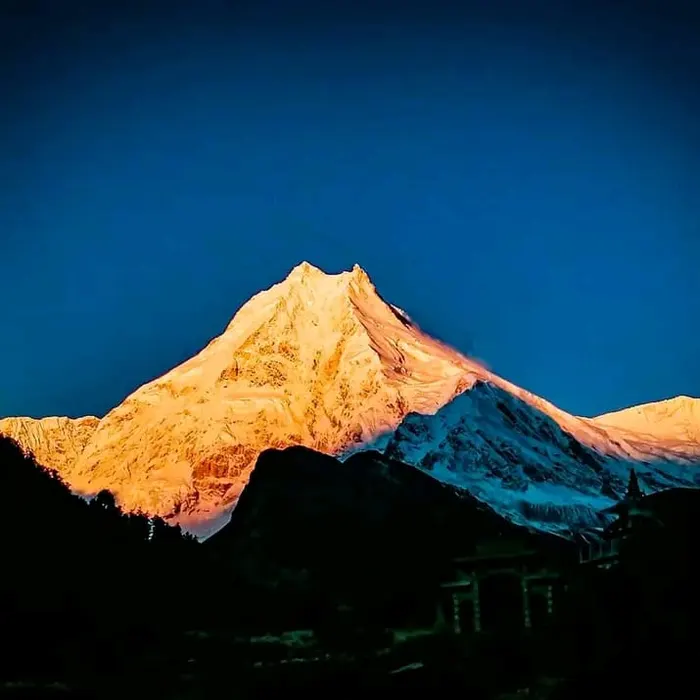
Day 1: Arrival in Kathmandu and Pashupatinath Darshan
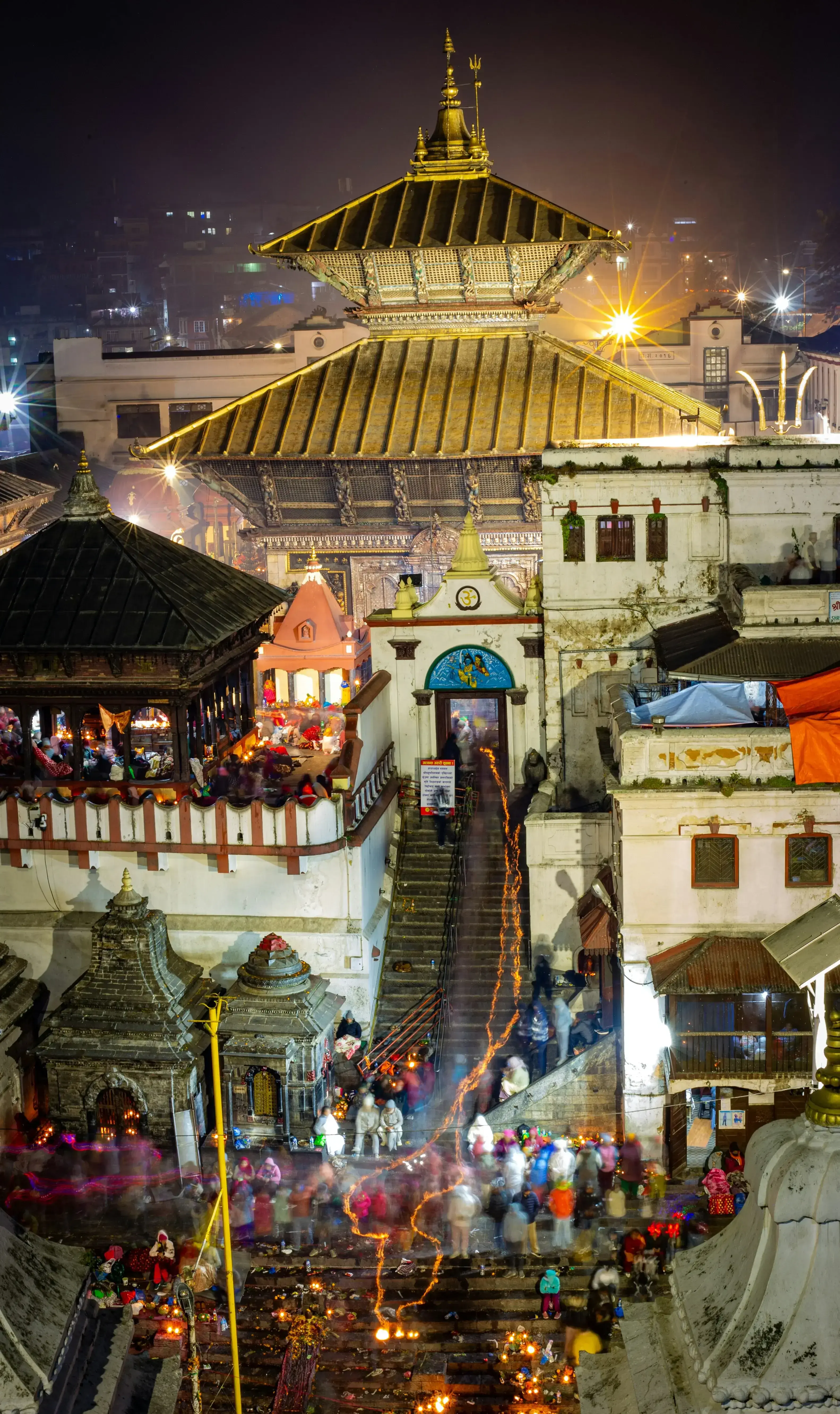
Your pilgrimage begins at Tribhuvan International Airport in Kathmandu. After clearing immigration, you will be met by your guide and transferred to your hotel. Take the afternoon to rest and acclimatize. Kathmandu's elevation of roughly 1,400 meters means altitude is not a concern, but the transition from your home country to the sensory richness of Nepal deserves a few hours of quiet adjustment. In the late afternoon, you will make your first pilgrimage visit to Pashupatinath, the most sacred Hindu temple complex in Nepal. The main temple, with its distinctive two-tiered golden roof and silver doors, is dedicated to Lord Shiva in his form as Pashupati, the lord of all living beings. Non-Hindus are not permitted inside the main temple, but the surrounding complex of smaller shrines, ashrams, and the ghats along the Bagmati River offers a profound experience for all visitors.
The evening Ganga Aarti at Pashupatinath is one of the most powerful spiritual ceremonies you will witness anywhere in South Asia. As the sun sets, priests perform an elaborate ritual of fire, incense, and chanting on the riverbank. The synchronized movement of brass lamps, the resonance of bells and conch shells, and the collective devotion of hundreds of worshippers create an atmosphere that transcends religious boundaries. After the aarti, return to your hotel for a welcome dinner and an orientation briefing from your guide. This is a good time to ask any questions about the days ahead and to set your personal intentions for the pilgrimage.
Day 2: Swayambhunath, Kathmandu Durbar Square, and the Living Goddess
Begin your first full day at Swayambhunath Stupa, the ancient Buddhist monument that crowns a hilltop west of the city center. Known as the Monkey Temple for the troops of rhesus macaques that inhabit the surrounding forest, Swayambhunath is one of the oldest Buddhist sites in Nepal, with origins dating back to the 5th century. The white dome of the main stupa is topped by a gilded spire painted with the all-seeing eyes of the Buddha, and the complex is ringed by dozens of smaller shrines, temples, and monasteries representing both Buddhist and Hindu traditions. This intermingling of faiths is a theme you will encounter throughout your pilgrimage. Climb the 365 steps to the top, spin the prayer wheels, and take in the panoramic view of the Kathmandu Valley.
From Swayambhunath, descend into the old city to explore Kathmandu Durbar Square. This UNESCO World Heritage Site is a living museum of Newar architecture, with intricately carved wooden palaces, courtyards, and temples dating from the 12th to the 18th centuries. Visit the Kumari Ghar, home to the Kumari, a young girl revered as the living embodiment of the goddess Taleju. If she appears at the window, it is considered a blessing. The square also houses the Taleju Temple, the massive Kal Bhairav statue, and the Hanuman Dhoka palace complex. For lunch, try a traditional Newari meal at a rooftop restaurant overlooking the square. In the afternoon, wander through the narrow alleys of Asan and Indra Chowk, where the city's spiritual and commercial lives merge in a vibrant tapestry of shrines, spice shops, and textile stalls.
Day 3: Boudhanath Stupa and Kopan Monastery
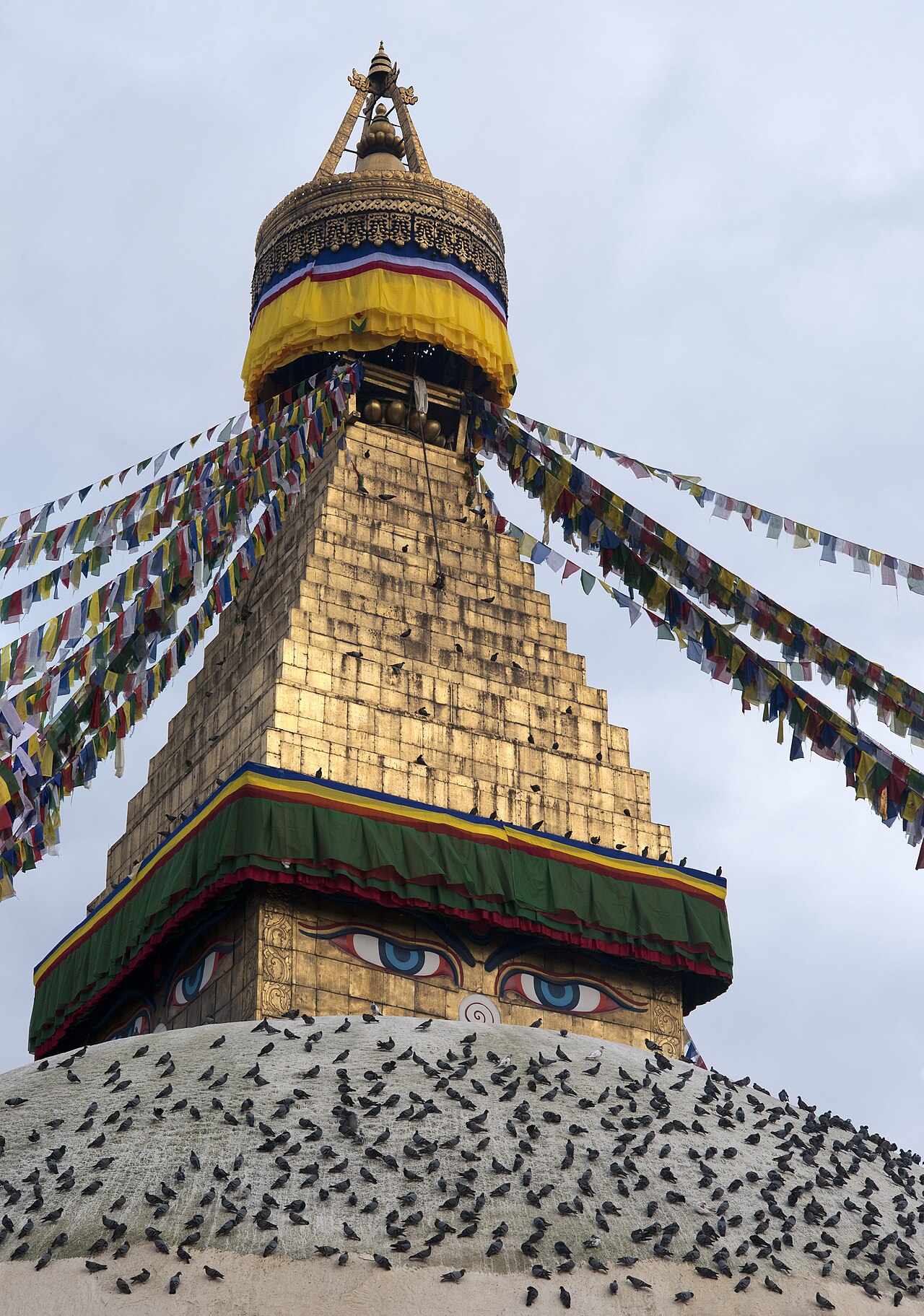
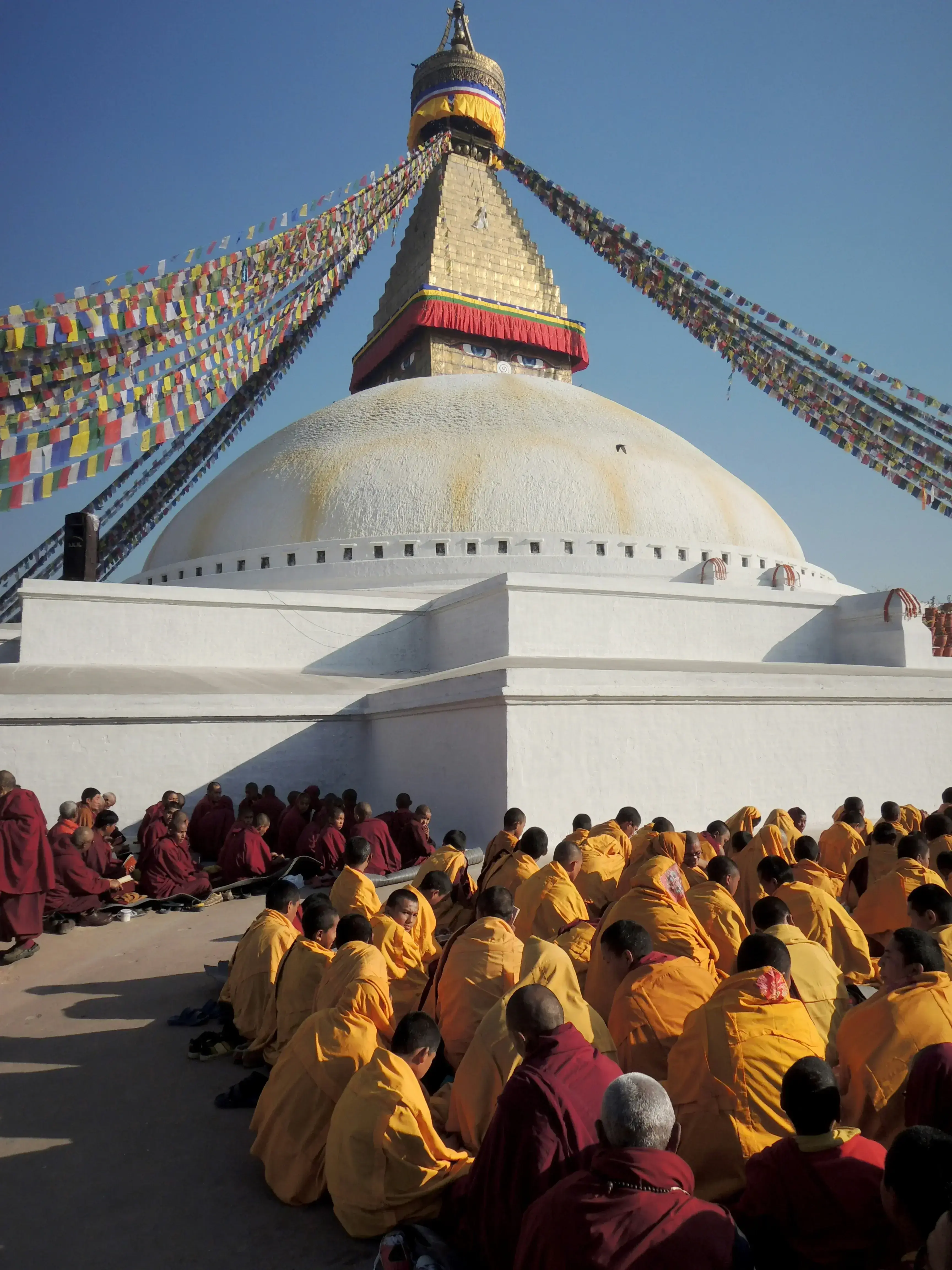
Dedicate your third day to Boudhanath Stupa, the spiritual center of Nepal's Tibetan Buddhist community and one of the largest spherical stupas in the world. Arrive early to join the morning kora, the ritual circumambulation of the stupa performed by monks, nuns, and lay pilgrims. The rhythmic turning of prayer wheels, the murmur of the mantra Om Mani Padme Hum, and the occasional deep blast of a temple horn create a meditative rhythm that draws you into the present moment. The stupa itself is a three-dimensional mandala, a representation of the Buddhist cosmos, and every element of its architecture carries symbolic meaning.
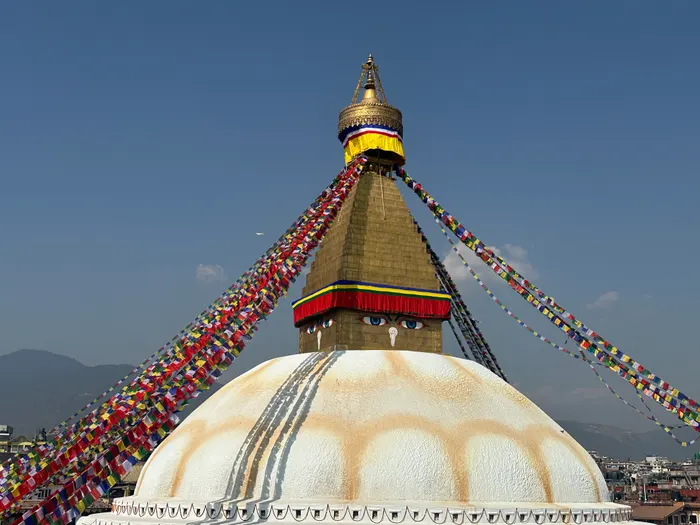
After completing your kora, visit Kopan Monastery, a short drive from Boudhanath. Kopan is a Gelugpa Tibetan Buddhist monastery known internationally for its meditation courses and teachings. The monastery sits on a hilltop with views over the Kathmandu Valley, and its gardens, prayer halls, and library offer a peaceful retreat from the city below. Visitors are welcome to explore the grounds, observe prayer sessions, and visit the main gompa, which houses a magnificent golden statue of Shakyamuni Buddha. The monastery also runs a small guesthouse and cafe where you can enjoy a simple vegetarian lunch. In the afternoon, return to Boudhanath for a second kora, this time with the perspective of someone who has now spent several hours absorbing the teachings and atmosphere of this sacred place. For those interested in deeper wellness experiences, our guide to spiritual wellness travel in Nepal explores retreats that combine meditation with yoga and Himalayan nature.

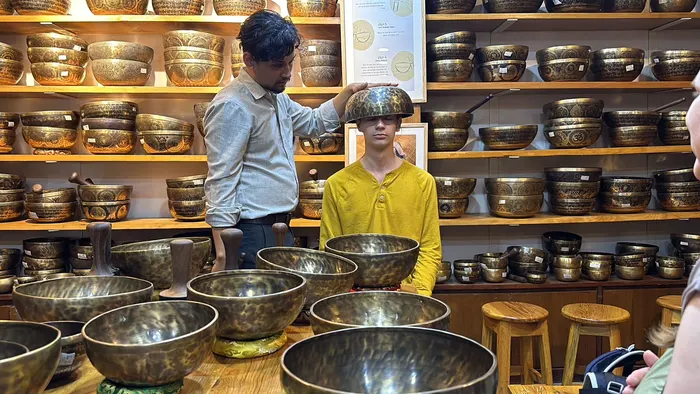
Day 4: Fly to Pokhara and Lakeside Serenity
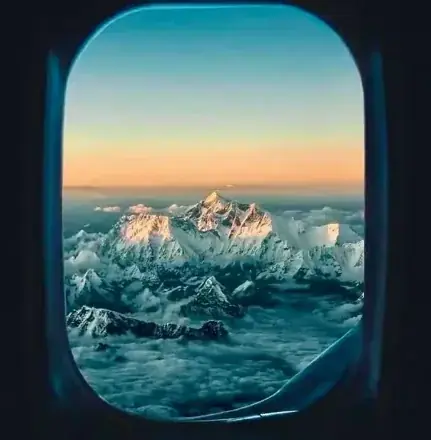
Take a morning flight from Kathmandu to Pokhara, a journey of roughly 25 minutes that offers spectacular views of the Annapurna and Manaslu ranges. Pokhara sits at about 820 meters on the shore of Phewa Lake, and its relaxed atmosphere is a welcome contrast to the intensity of Kathmandu. After checking into your hotel, spend the afternoon exploring the lakeside area. Visit the Barahi Temple, a two-story pagoda dedicated to the goddess Durga, situated on a small island in the middle of Phewa Lake. You can reach it by hiring a traditional wooden boat and rowing across the calm waters, a peaceful ritual that many pilgrims have performed for generations.
In the late afternoon, visit the World Peace Pagoda, a gleaming white Buddhist stupa perched on a hilltop overlooking Phewa Lake and the Annapurna range. Built by Japanese Buddhist monks, the pagoda is one of several peace pagodas around the world and offers a serene space for meditation and reflection. The short hike up through the forest is gentle and suitable for all fitness levels. From the pagoda, the sunset view over the lake with the Himalayas as a backdrop is nothing short of transcendent. Return to your hotel for dinner and an early night. Tomorrow you will fly to one of the most sacred sites in the entire Himalayan region.
Day 5: Muktinath, the Sacred Confluence of Fire, Water, Earth, and Sky
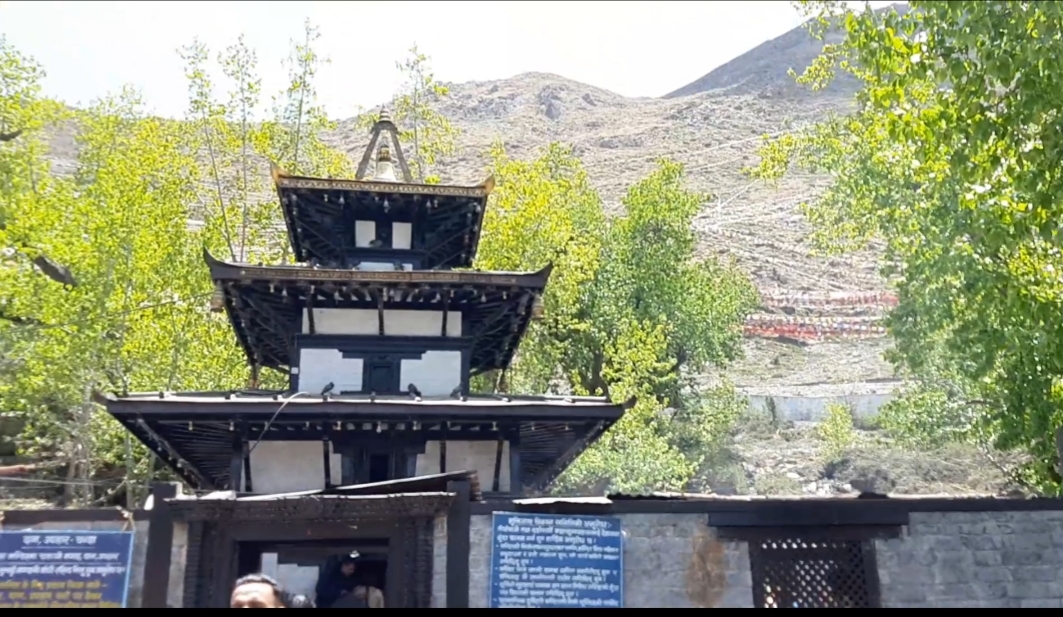
Today is one of the most significant days of your pilgrimage. You will take an early morning flight from Pokhara to Jomsom, the administrative center of the Mustang region, followed by a short drive or helicopter transfer to Muktinath. Sitting at an elevation of 3,710 meters in the rain shadow of the Annapurna range, Muktinath is one of the few places in the world that is sacred to both Hindus and Buddhists. For Hindus, it is a Mukti Kshetra, a place of liberation, where Lord Vishnu is believed to have attained release from a curse. For Buddhists, it is Chumig Gyatsa, the Hundred Waters, a place where the great sage Guru Rinpoche meditated on his journey to Tibet. The Muktinath spiritual circuit is one of the most profound pilgrimage experiences in the Himalayas.
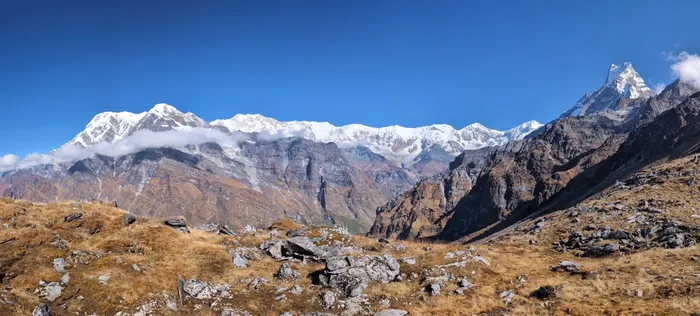
The main shrine at Muktinath is a Vishnu temple built in the pagoda style, surrounded by 108 water spouts shaped like cow heads. Pilgrims walk beneath the freezing water of all 108 spouts, a ritual believed to wash away the sins of a lifetime. Behind the temple, an eternal flame burns from a natural gas vent, fed by the same geological forces that heat the water of the spouts. The coexistence of fire, water, earth, and sky in a single sacred site is a powerful symbol of the elemental unity that underlies both Hindu and Buddhist cosmology. After your darshan and rituals, take time to sit quietly and absorb the stark beauty of the Mustang landscape. The return journey to Pokhara takes you back through the Kali Gandaki gorge, the deepest gorge in the world, where pilgrims have searched for saligrams, fossilized ammonites considered sacred manifestations of Vishnu, for centuries. For those who want to experience Muktinath without the long journey, our Muktinath helicopter pilgrimage from Kathmandu offers a direct one-day option.
Day 6: Pokhara to Lumbini, the Birthplace of the Buddha
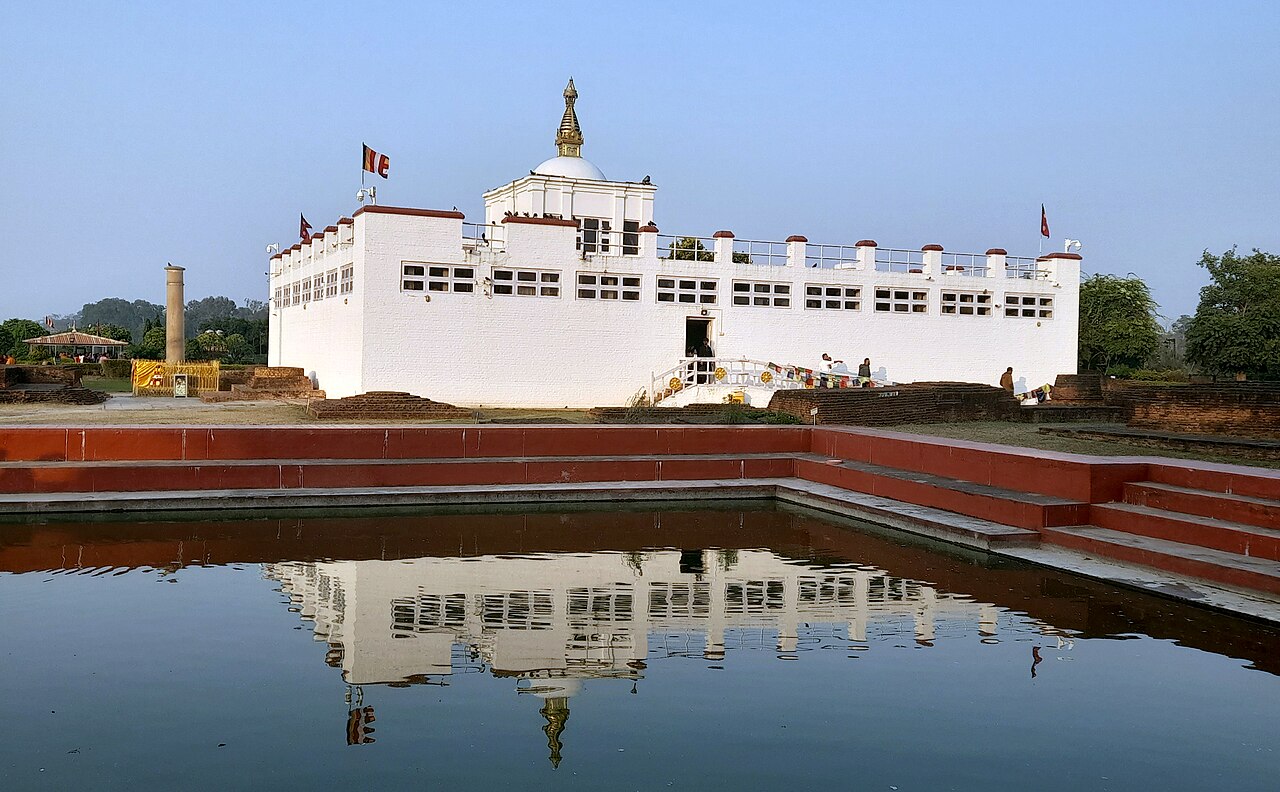
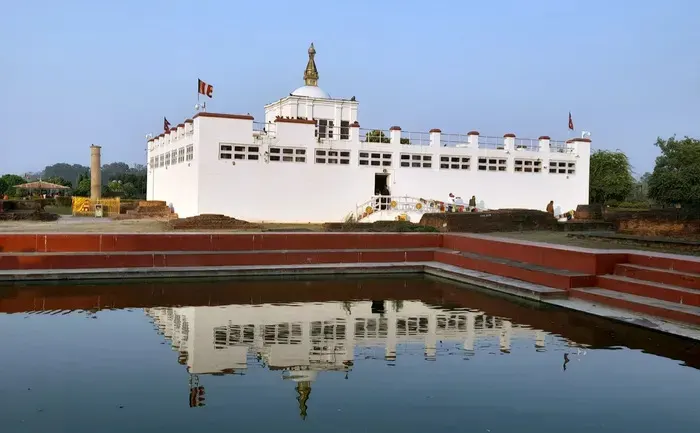
After breakfast, take a morning flight from Pokhara to Bhairahawa, followed by a short drive to Lumbini, the birthplace of Siddhartha Gautama, who would become the Buddha. Lumbini is a UNESCO World Heritage Site and one of the four main pilgrimage sites of Buddhism, alongside Bodh Gaya, Sarnath, and Kushinagar. The atmosphere here is markedly different from the mountain shrines you have visited so far. Lumbini is a vast, flat garden landscape dotted with monasteries built by Buddhist communities from around the world, each reflecting the architectural traditions of its home country. The centerpiece is the Maya Devi Temple, which houses the marker stone and the Nativity sculpture depicting the birth of the Buddha, as well as the sacred pond where Queen Maya Devi is said to have bathed before giving birth.
Spend the afternoon exploring the Sacred Garden and the surrounding monastic zone. The Ashoka Pillar, erected by Emperor Ashoka in 249 BCE, is one of the oldest inscribed monuments in Nepal and provides the earliest archaeological evidence of Lumbini as the Buddha's birthplace. Walk or hire a bicycle to visit the monasteries built by Thailand, Myanmar, China, Japan, Germany, and many other nations. Each monastery is a working religious institution, and many welcome visitors to observe or participate in meditation sessions. The World Peace Pagoda, the Eternal Flame, and the Lumbini Museum are also worth visiting. For a deeper exploration of this sacred site, our Lumbini pilgrimage guide provides detailed information on the Maya Devi Temple, the monasteries, and practical tips for your visit. If you are considering a dedicated Lumbini trip, the Lumbini Buddhist pilgrimage package offers a focused three-day experience.
Day 7: Lumbini Monastic Zone and Meditation
Dedicate your second day in Lumbini to a deeper exploration of the monastic zone and a guided meditation session. Begin with an early morning visit to the Maya Devi Temple, when the site is quiet and the light is soft. The marker stone, protected by a glass enclosure, is the exact spot identified by archaeologists as the birthplace of the Buddha. Standing before it, in the same space where one of the world's great spiritual teachers entered the world, is a moment of profound significance for Buddhist pilgrims and a deeply moving experience for visitors of any background.
After your temple visit, spend the morning exploring the monasteries you did not reach on the previous day. The Chinese Monastery, with its striking red and gold architecture, and the Thai Monastery, with its gleaming white chedi, are particularly impressive. The Korean Monastery, the German Monastery, and the Vietnamese Monastery each offer unique perspectives on how Buddhism has been interpreted and practiced across cultures. Many monasteries offer meditation sessions or dharma talks, and the monks are generally happy to share their knowledge with respectful visitors. In the afternoon, participate in a guided meditation session at one of the monasteries or at the Lumbini International Meditation Center. The practice of sitting in silence, in the place where the Buddha himself first drew breath, carries a resonance that is difficult to put into words. In the evening, take a quiet walk through the Sacred Garden as the sun sets, and reflect on the journey that has brought you here.
Day 8: Return to Kathmandu and Patan Durbar Square
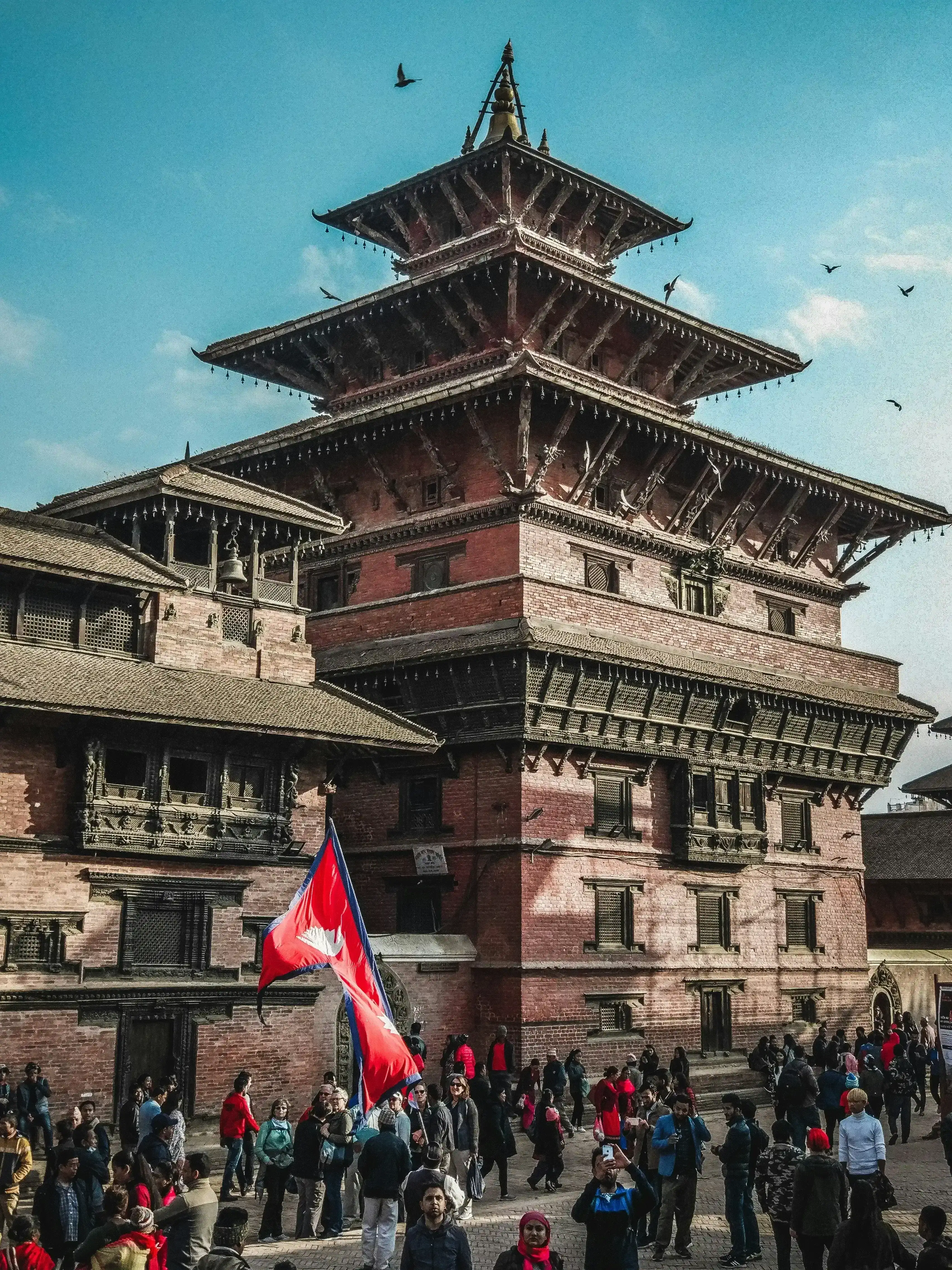
Take a morning flight from Bhairahawa back to Kathmandu. After checking into your hotel and a brief rest, spend the afternoon exploring Patan Durbar Square, the ancient royal city of Lalitpur, located just across the Bagmati River from Kathmandu. Patan is often considered the most beautiful of the three Durbar Squares in the Kathmandu Valley, with its harmonious arrangement of temples, palaces, and courtyards. The Patan Museum, housed in a restored section of the old royal palace, contains one of the finest collections of Hindu and Buddhist religious art in South Asia. The exhibits trace the development of Nepali sacred art from the Licchavi period through the Malla dynasty, and the building itself, with its intricately carved windows and courtyards, is a work of art.
Beyond the main square, Patan reveals itself in quieter ways. The Golden Temple, or Hiranya Varna Mahavihar, is a 12th-century Buddhist monastery with a stunning golden facade and courtyard filled with statues, prayer wheels, and offerings. The Mahabouddha Temple, known as the Temple of a Thousand Buddhas, is a terracotta structure whose every brick is stamped with an image of the Buddha. The Kumbheshwar Temple, a five-tiered pagoda dedicated to Shiva, is one of the oldest temples in the valley. As you walk through Patan's narrow streets, you will encounter countless smaller shrines, courtyards, and workshops where artisans continue the traditions of metal casting, wood carving, and thangka painting that have defined the valley's sacred art for centuries. For those interested in combining trekking with spiritual exploration, our guide to treks with a spiritual side offers excellent multi-day options that include monastery stays and pilgrimage sites along the trail.
Day 9: Bhaktapur and Changu Narayan
On your penultimate day, drive east to Bhaktapur, the best-preserved of the three medieval city-states of the Kathmandu Valley. Bhaktapur is a living museum of Newar culture, and its brick-paved squares, ornate temples, and traditional pottery workshops feel suspended in time. Start at Bhaktapur Durbar Square, where the 55-Window Palace, the Golden Gate, and the Vatsala Temple showcase the finest examples of Newar wood and stone carving. The Nyatapola Temple, a five-tiered pagoda dedicated to the goddess Siddhi Lakshmi, is the tallest temple in Nepal and a masterpiece of structural engineering that has withstood multiple earthquakes. Climb its steep steps and look out over the square, where life unfolds much as it has for centuries.
From Bhaktapur, continue to Changu Narayan, a hilltop temple dedicated to Lord Vishnu that is considered the oldest temple in the Kathmandu Valley, with inscriptions dating back to 464 CE. The temple is a UNESCO World Heritage Site and houses some of the finest examples of Licchavi-period stone sculpture in Nepal. The main shrine is a two-story pagoda surrounded by courtyards filled with intricate carvings depicting scenes from the Ramayana and Mahabharata. The atmosphere here is peaceful and unhurried, a fitting place for reflection as your pilgrimage nears its end. Return to Kathmandu in the late afternoon. In the evening, consider attending a final aarti at Pashupatinath or a quiet dinner at one of the rooftop restaurants overlooking Boudhanath. Reflect on the ten days that have passed and the sacred sites you have visited, from the high-altitude shrine of Muktinath to the birthplace of the Buddha.
Day 10: Morning Meditation and Departure
On your final morning, rise early for a last visit to Boudhanath or Swayambhunath. There is something different about visiting a sacred site at the end of a pilgrimage. You see it with new eyes, informed by everything you have experienced over the preceding days. The prayer wheels turn with a familiar rhythm, the scent of incense is no longer exotic but comforting, and the faces of the pilgrims around you reflect the same journey you have undertaken. Take a final kora, offer a last butter lamp, and sit for a few minutes of quiet meditation. This is your moment to integrate the pilgrimage before returning to the world you left behind.
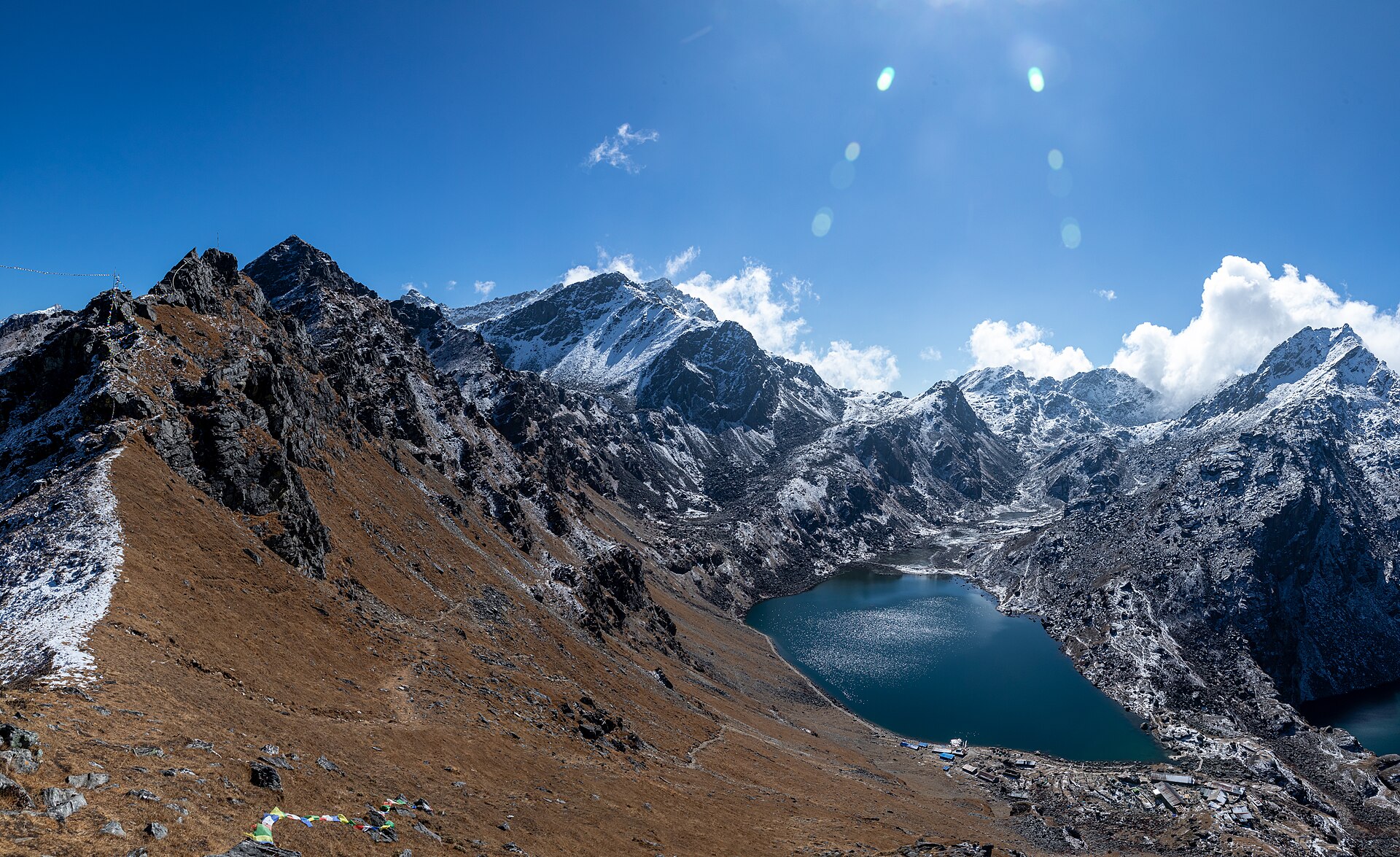
After breakfast, your guide will transfer you to the airport for your departure flight. As you board the plane, you will carry with you not just photographs and souvenirs, but a deeper connection to the spiritual traditions that have shaped the Himalayan world for millennia. If this pilgrimage has awakened a desire to explore further, consider timing your next visit to coincide with one of Nepal's great festivals. Our guide to the major festivals of Nepal covers Dashain, Tihar, Holi, and Indra Jatra, each of which transforms the sacred sites you have visited into vibrant celebrations of faith and community. For those who want to reach remote pilgrimage sites without the long trek, our helicopter pilgrimage and trek combos offer efficient access to Muktinath, Gosaikunda, and other high-altitude shrines. And for a comprehensive overview of all spiritual tour options, visit our spiritual tour in Nepal hub.
Practical Tips for Your Pilgrimage Circuit
A 10-day pilgrimage circuit covering both Hindu and Buddhist sites requires some practical preparation. Here are the essentials. Dress modestly at all sacred sites. Shoulders and knees should be covered, and shoes must be removed before entering temple inner sanctums and monastery prayer halls. A scarf or shawl is invaluable for covering shoulders and can also serve as a head covering where appropriate. Carry a small daypack with water, sunscreen, a hat, and any personal medications. The high-altitude visit to Muktinath at 3,710 meters requires some awareness of altitude. While most people do not experience serious symptoms at this elevation, it is wise to move slowly, stay hydrated, and inform your guide immediately if you feel unwell.
Photography is generally permitted in outdoor areas of temples and monasteries, but always ask before photographing monks, sadhus, or worshippers. Some inner sanctums prohibit photography entirely. A small donation at monasteries and temples is appreciated and helps support the upkeep of these sacred sites. Tipping your guide and driver is customary. A guideline is roughly USD 8 to USD 12 per day for your guide and USD 5 to USD 8 per day for your driver, depending on the quality of service. Finally, keep a journal. A pilgrimage of this depth will stir reflections and insights that are worth capturing. Many travelers find that the act of writing helps them process and integrate the experiences of each day.
Package Recommendations for Your Pilgrimage
Enticing Himalayas offers several packages that align with this 10-day circuit or can be combined to create a customized pilgrimage experience. The Nepal cultural pilgrimage Himalayan experience covers the major sacred sites of the Kathmandu Valley with expert guides. The Sacred Kathmandu heritage tour provides a deep dive into the valley's UNESCO World Heritage Sites. For those focused on Buddhist sites, the Lumbini Buddhist pilgrimage offers a dedicated journey to the Buddha's birthplace. The Muktinath helicopter pilgrimage provides efficient access to the high-altitude shrine. For trekkers, the Gosaikunda sacred lake trek combines pilgrimage with Himalayan trekking. And for those seeking a shorter Kathmandu immersion, the Kathmandu spiritual circuit covers the three most important sites in two days. Each package can be customized to your dates, interests, and budget.
Frequently Asked Questions
Is 10 days enough to cover both Hindu and Buddhist pilgrimage sites in Nepal?
Yes, 10 days is sufficient for a well-paced circuit covering the major Hindu and Buddhist sites. You will visit Pashupatinath, Muktinath, Swayambhunath, Boudhanath, and Lumbini with time for meditation and reflection at each. The itinerary uses domestic flights to minimize road travel and maximize time at the sacred sites themselves.
Can non-Hindus and non-Buddhists participate in this pilgrimage circuit?
Absolutely. This pilgrimage circuit is open to travelers of all backgrounds. While non-Hindus cannot enter the inner sanctum of the Pashupatinath temple, the surrounding complex, the aarti ceremony, and all Buddhist sites are fully accessible. The experience is cultural and meditative as much as it is religious, and no prior knowledge of either tradition is required.
What is the altitude at Muktinath and do I need to worry about altitude sickness?
Muktinath sits at 3,710 meters above sea level. Most visitors do not experience serious altitude symptoms at this elevation, especially since you fly in and spend only a few hours there. However, it is wise to move slowly, stay well hydrated, and inform your guide immediately if you feel dizzy, nauseous, or unusually short of breath.
How do I get from Pokhara to Muktinath?
The most common route is a 25-minute flight from Pokhara to Jomsom, followed by a roughly 90-minute jeep drive to Muktinath. Alternatively, a helicopter transfer from Pokhara takes about 45 minutes and lands directly at Muktinath. The helicopter option is faster and avoids the bumpy jeep track, making it a popular choice for pilgrims with limited time or mobility concerns.
What is the best time of year for this 10-day pilgrimage circuit?
The best seasons are October to November and March to May, when skies are clear and temperatures are comfortable across all elevations. The monsoon months of June through September bring rain that can disrupt flights to Jomsom and Pokhara. Winter visits to Muktinath are possible but cold, with temperatures often dropping below freezing at the shrine.
Can this itinerary be customized to include Gosaikunda or Janakpur?
Yes, the 10-day circuit can be extended or modified to include additional pilgrimage sites. Gosaikunda, the sacred high-altitude lake, requires a 4 to 5 day trek from Dhunche and is best added as an extension after the Kathmandu portion. Janakpur, the birthplace of Sita and a major Hindu pilgrimage site, can be reached by a short flight from Kathmandu and typically adds two days to the itinerary.