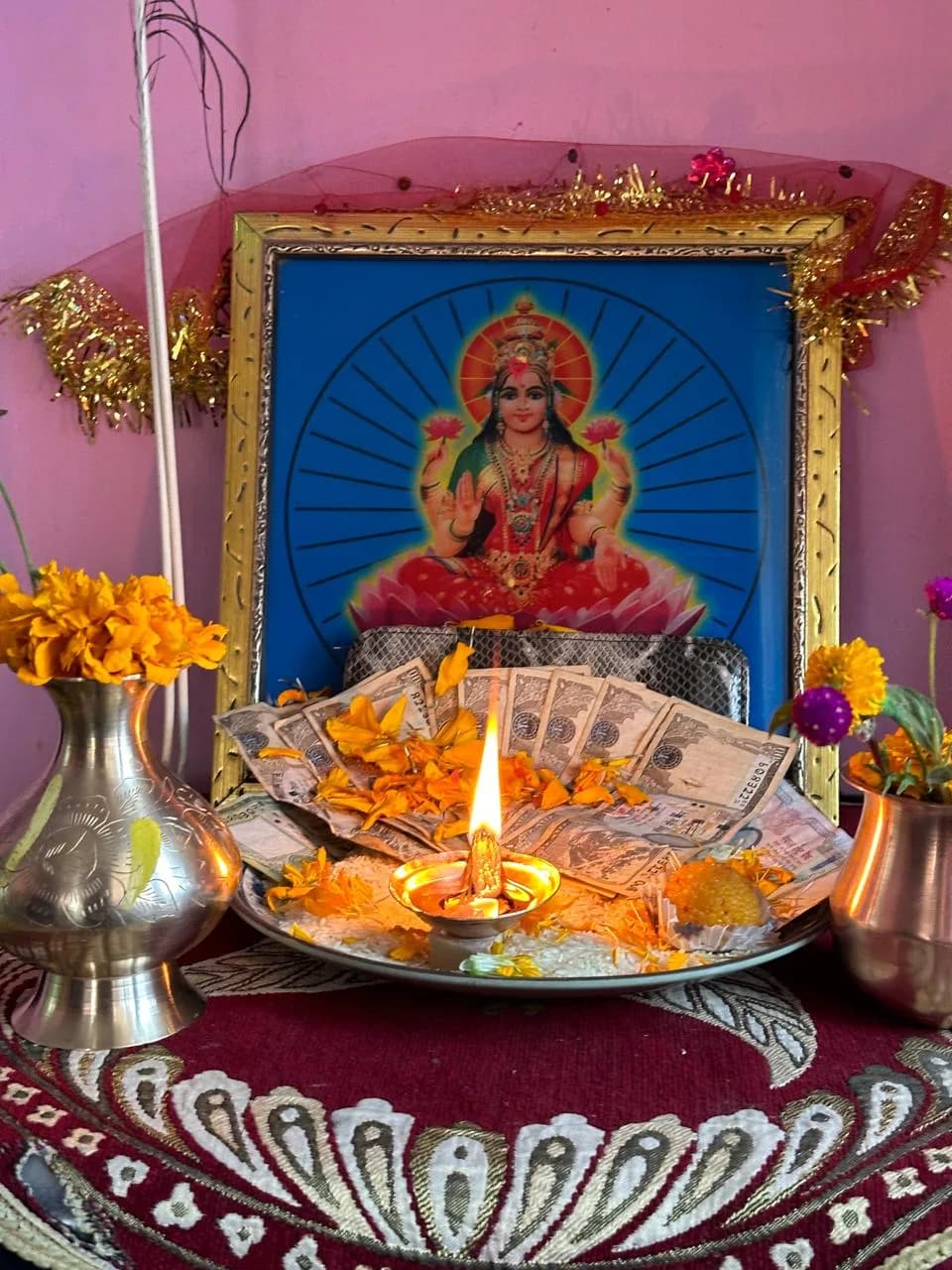
 Nov 8 – Nov 8, 2026
Kathamandu
Laxmi Puja 2026 in Nepal: Tihar Festival Guide
Festival
1 Tag
Festival
Free
Kathamandu1 Tag
Event Details
Loading...
Event starts in
Maha Shivaratri is one of the most important Hindu festivals in Nepal, dedicated to Lord Shiva, the god of transformation and destruction. Celebrated annually in February or March, the festival attracts thousands of devotees, saints, and pilgrims from Nepal and around the world. The largest celebrations take place at the sacred Pashupatinath Temple in Kathmandu, one of the holiest Shiva temples in the world.
During Maha Shivaratri, devotees observe fasting, offer prayers, light oil lamps, chant sacred mantras, and remain awake throughout the night in worship of Lord Shiva. The festival symbolizes the victory of light over darkness, knowledge over ignorance, and spiritual awakening. Temples across Nepal are beautifully decorated, and special religious ceremonies, bhajans, and cultural programs are organized.
Maha Shivaratri is not only a religious celebration but also a major cultural and spiritual event that showcases Nepal's rich Hindu heritage. The festival offers visitors a unique opportunity to witness ancient traditions, devotion, and the vibrant atmosphere surrounding one of the most revered festivals in the Hindu calendar.
Maha Shivaratri is one of the oldest and most sacred Hindu festivals dedicated to Lord Shiva. The name "Maha Shivaratri" means the "Great Night of Shiva." The festival is celebrated annually during the Hindu month of Falgun (February–March) and holds immense religious significance for millions of devotees in Nepal and around the world.
According to Hindu mythology, several legends explain the origin of Maha Shivaratri. One of the most popular beliefs is that this is the sacred night when Lord Shiva and Goddess Parvati were married, symbolizing the union of divine consciousness and energy. Another legend states that during the Samudra Manthan (Churning of the Ocean), a deadly poison emerged that threatened to destroy the universe. To save all living beings, Lord Shiva drank the poison and held it in his throat, which turned blue and earned him the name Neelkantha (Blue-Throated One). Devotees honor this act of sacrifice during Maha Shivaratri.
Ancient Hindu scriptures such as the Skanda Purana, Linga Purana, and Padma Purana mention Maha Shivaratri and describe its importance. The festival is also associated with Shiva's cosmic dance, known as Tandava, which represents creation, preservation, and destruction in the universe.
In Nepal, Maha Shivaratri has been celebrated for centuries, with the grandest observance taking place at Pashupatinath Temple. Hundreds of thousands of devotees, sadhus, yogis, and pilgrims gather at the sacred temple to offer prayers, perform rituals, fast, and stay awake throughout the night chanting "Om Namah Shivaya." The festival has become one of Nepal's largest religious events and an important attraction for spiritual and cultural tourism.
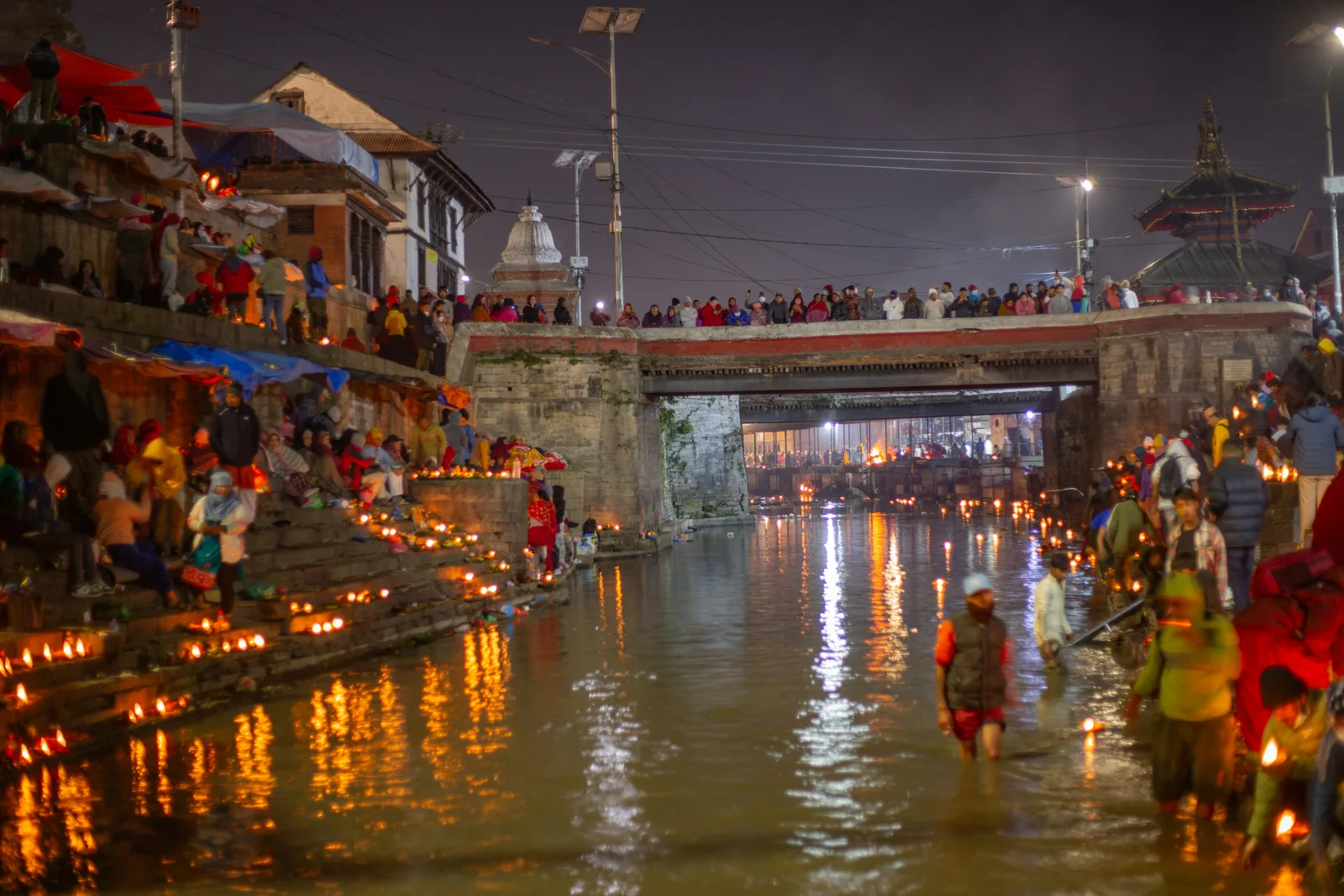
Maha Shivaratri is celebrated at Pashupatinath Temple because it is Nepal's holiest shrine dedicated to Lord Shiva. Located on the sacred Bagmati River in Kathmandu, the temple attracts hundreds of thousands of pilgrims who gather to honor Shiva through fasting, prayers, meditation, and night-long worship. The temple's ancient connection to Lord Shiva and its status as a major Hindu pilgrimage site make it the heart of Shivaratri celebrations in Nepal.
Maha Shivaratri offers tourists a unique opportunity to experience one of Nepal's most important spiritual and cultural festivals. Held at the sacred Pashupatinath Temple, the festival attracts thousands of devotees, Hindu sages (sadhus), pilgrims, and visitors from around the world. The atmosphere is filled with devotion, traditional rituals, sacred chants, oil lamps, and cultural celebrations, creating an unforgettable experience.
Tourists attend Maha Shivaratri to witness authentic Hindu traditions, explore Nepal's rich religious heritage, and observe centuries-old rituals performed throughout the night. The festival also provides excellent opportunities for cultural photography, spiritual learning, and interaction with pilgrims and holy men from different parts of South Asia. Beyond its religious significance, Maha Shivaratri showcases Nepal's living culture, hospitality, and deep connection to spirituality.
Maha Shivaratri is one of the most powerful spiritual festivals in Hinduism, offering devotees an opportunity to connect deeply with Lord Shiva through prayer, meditation, fasting, and devotion. Celebrated across Nepal, especially at the sacred Pashupatinath Temple, the festival is believed to bring spiritual purification, inner peace, and divine blessings. Devotees spend the night chanting sacred mantras, performing rituals, and meditating to awaken higher consciousness and strengthen their spiritual journey.
The spiritual significance of Maha Shivaratri lies in its ability to inspire self-discipline, mindfulness, and personal transformation. Through fasting and prayer, devotees seek to cleanse the mind of negative thoughts and develop qualities such as compassion, humility, patience, and gratitude. The festival symbolizes the victory of wisdom over ignorance and encourages individuals to focus on self-improvement and spiritual growth.
Many believers consider Maha Shivaratri an ideal time for meditation because it is thought to enhance mental clarity, emotional balance, and spiritual awareness. Worshipping Lord Shiva on this sacred night is believed to help devotees overcome obstacles, attain inner harmony, and receive divine guidance. As a result, Maha Shivaratri remains a deeply meaningful festival for those seeking peace, enlightenment, and a stronger connection with their spiritual beliefs.
During Maha Shivaratri, Pashupatinath Temple becomes the spiritual center of Nepal, attracting hundreds of thousands of devotees, pilgrims, sadhus, and tourists from around the world. The temple complex comes alive with prayers, religious ceremonies, devotional music, and a deeply spiritual atmosphere that lasts throughout the day and night.
From early morning, devotees line up to offer prayers, flowers, milk, and sacred items to Lord Shiva. Special worship ceremonies are conducted inside the temple, while the surrounding areas of the Bagmati River are filled with pilgrims chanting "Om Namah Shivaya" and participating in meditation and devotional activities. Holy sadhus and yogis from Nepal and India gather at Pashupatinath, creating a unique cultural and spiritual experience for visitors.
As evening approaches, thousands of oil lamps illuminate the temple area, and special Aarti ceremonies take place along the Bagmati River. Many devotees observe fasting and remain awake throughout the night in a practice known as Jaagaran, spending hours in prayer, meditation, and spiritual reflection. The night-long celebrations symbolize devotion, self-discipline, and the pursuit of spiritual awakening.
For tourists, Maha Shivaratri at Pashupatinath offers an extraordinary opportunity to witness authentic Hindu traditions, sacred rituals, and Nepal's living spiritual heritage. The combination of ancient customs, religious devotion, and the presence of holy men makes this festival one of the most remarkable cultural experiences in Nepal.
Key experiences and features
Maha Shivaratri at Pashupatinath
Pashupatinath Temple
Religious Tourism Nepal
Hindu Pilgrimage Nepal
Bagmati River Aarti
Recommended packing list
Chahabel Chock Ring Road
Chabel Chock, Kathmandu, Kathmandu, Bagmati, Nepal
Got questions about this event?
Maha Shivaratri is a major Hindu festival dedicated to Lord Shiva, celebrated with fasting, prayers, meditation, and night-long worship.
The most famous celebration takes place at Pashupatinath Temple in Kathmandu.
It offers a unique opportunity to witness authentic Hindu traditions, spiritual devotion, cultural heritage, and one of Nepal's most important festivals.
Shivratri is observed every month in honor of Lord Shiva, while Maha Shivaratri is the most important annual Shivratri, celebrated once a year during Falgun (February–March) with special prayers, fasting, and night-long worship.
Devotees fast by avoiding regular meals, spending the day in prayer, meditation, and Shiva worship, then break the fast next morning.
Mar 6 – Mar 7, 2027
51 days
Quick Info
More festival experiences
Nov 8 – Nov 8, 2026Kathamandu
 Aug 17 – Sep 16, 2027
Godavari Kunda
 Jan 15 – Jan 16, 2027
Swayambhu Bhuikhhel