 Nov 8 – Nov 8, 2026
Kathamandu
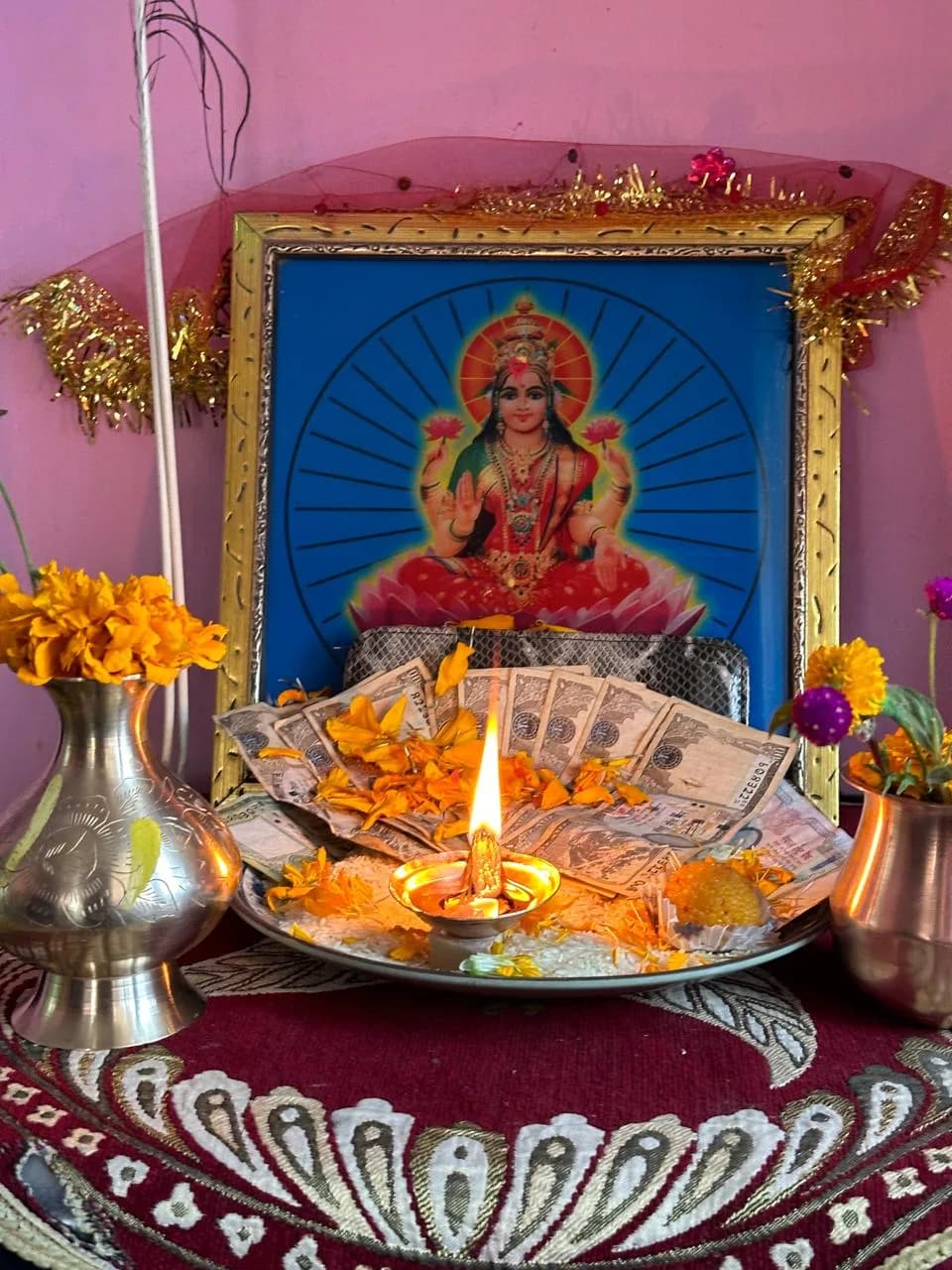
Laxmi Puja 2026 in Nepal: Tihar Festival Guide
Festival
1 Tag
Festival
Free
Kathamandu1 Tag
Event Details
Loading...
Event starts in
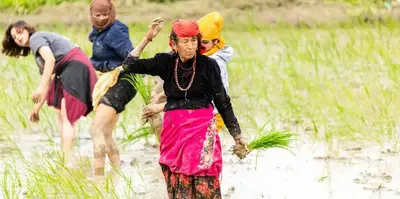
Ropai Jatra, also known as the Rice Planting Festival of Nepal, is one of the country's most colorful and joyful agricultural celebrations. Held annually during the monsoon season, this traditional festival marks the beginning of the rice planting season and highlights the deep connection between Nepalese communities and agriculture. Celebrated across the fertile hills, valleys, and plains of Nepal, Ropai Jatra combines farming traditions, cultural heritage, music, dance, local cuisine, and community participation into a unique and unforgettable experience.
As rice is the staple food of Nepal and a vital part of the nation's economy, the festival carries significant agricultural, cultural, and social importance. Farmers, families, and visitors gather in muddy rice fields to plant seedlings, sing traditional songs, and celebrate the arrival of a promising harvest season. Today, Ropai Jatra has evolved into a popular cultural event that attracts domestic and international travelers seeking authentic experiences in rural Nepal.
Ropai Jatra is a traditional Nepalese festival dedicated to the planting of rice seedlings. The word "Ropai" refers to the process of transplanting rice into flooded fields, while "Jatra" means festival or celebration. The event symbolizes hope, prosperity, and gratitude for nature's blessings.
The festival is celebrated during Asar (June–July), when monsoon rains provide the water necessary for rice cultivation. Communities come together to work in the fields while enjoying traditional music, dancing, and local delicacies. What might appear as agricultural labor becomes a joyful cultural celebration filled with laughter and unity.
Agriculture has been the backbone of Nepalese society for centuries. Long before modern farming techniques were introduced, communities relied heavily on seasonal rains and collective labor to ensure successful harvests. Ropai Jatra emerged as a way to encourage cooperation among farmers while celebrating the importance of rice cultivation.
The festival reflects Nepal's agricultural heritage and demonstrates the strong bond between people and the land. Through generations, traditions associated with rice planting have been preserved, making Ropai Jatra an important part of Nepal's intangible cultural heritage.
Today, the festival continues to strengthen community ties while preserving customs that have shaped rural life for centuries.
Ropai Jatra is one of Nepal's most significant agricultural festivals, celebrating the beginning of the rice planting season and the vital role of agriculture in the country's economy and food security. The festival brings communities together, encouraging cooperation, teamwork, and the preservation of traditional farming practices passed down through generations. Beyond its agricultural value, Ropai Jatra has become an important cultural tourism attraction, allowing visitors to experience authentic rural life, local traditions, traditional music, and Nepalese cuisine. By promoting cultural heritage, supporting local livelihoods, and encouraging sustainable tourism, the festival contributes to both community development and economic growth in Nepal.
Ropai Jatra is celebrated across Nepal during the rice planting season with rice transplantation, traditional Asare songs, cultural dances, and joyful community gatherings. Farmers and visitors participate in muddy fields, enjoy Dahi Chiura, and promote agricultural heritage, cultural tourism, and sustainable rural traditions. The festival highlights the importance of rice farming and community cooperation.
Food is an essential part of Ropai Jatra, reflecting Nepal's rich agricultural heritage and rural traditions. After hours of planting rice seedlings in muddy fields, farmers, families, and visitors gather to enjoy traditional meals that provide energy and celebrate the spirit of the festival. The most iconic food associated with Ropai Jatra and National Rice Day (Asar 15) is Dahi Chiura—a simple yet nutritious combination of fresh yogurt and beaten rice. This traditional dish symbolizes prosperity, abundance, and gratitude for a successful planting season.
Along with Dahi Chiura, participants often enjoy seasonal fruits, homemade pickles, boiled corn, local vegetables, and traditional Nepali meals prepared with fresh farm ingredients. In many villages, communities organize shared feasts featuring rice, lentil soup (Dal Bhat), vegetables, and local delicacies. These foods not only nourish farmers after their hard work but also strengthen community bonds and preserve Nepal's culinary traditions.
The traditional food served during Ropai Jatra highlights the close connection between agriculture, local culture, and rural life. For visitors, tasting these authentic dishes offers a memorable way to experience Nepal's farming traditions and vibrant cultural heritage.
Ropai Jatra in Kathmandu Valley offers a unique opportunity to experience Nepal's traditional rice planting festival close to the country's cultural and urban center. Although Kathmandu is known for its historic temples and heritage sites, several agricultural areas in Kathmandu, Lalitpur, and Bhaktapur continue to celebrate Ropai Jatra with great enthusiasm during the monsoon season. Farmers, local communities, students, and visitors gather in muddy rice fields to plant seedlings, sing traditional Asare songs, and celebrate Nepal's rich agricultural heritage.
The festival showcases the importance of rice farming, community cooperation, and cultural preservation within the valley. Many organizations and tourism groups also host special events that allow domestic and international visitors to participate in rice planting activities, enjoy Dahi Chiura, and learn about traditional farming practices. As a result, Ropai Jatra in Kathmandu Valley has become an increasingly popular cultural tourism experience, combining local traditions, rural lifestyles, and authentic Nepalese hospitality.
Ropai Jatra offers tourists a unique opportunity to experience Nepal's living agricultural traditions and vibrant rural culture. Unlike many festivals that are observed from a distance, visitors can actively participate in rice planting, join local communities in muddy fields, sing traditional Asare songs, and enjoy authentic Nepalese hospitality. The festival provides a deeper understanding of the importance of agriculture in Nepal and the daily lives of farming communities.
For travelers interested in cultural tourism, rural experiences, and local traditions, Ropai Jatra is an unforgettable event. Visitors can taste traditional foods such as Dahi Chiura, interact with local farmers, capture colorful photographs, and learn about sustainable farming practices. The combination of culture, community spirit, agriculture, and monsoon landscapes makes Ropai Jatra in Nepal a memorable and authentic travel experience.
Ropai Jatra in Nepal is far more than a rice planting festival. It is a celebration of community, culture, agriculture, and the enduring relationship between people and nature. From muddy rice fields and traditional songs to local cuisine and community gatherings, the festival showcases the heart of Nepal's rural heritage. As interest in cultural tourism continues to grow, Ropai Jatra remains one of the most meaningful and enjoyable ways to experience the authentic spirit of Nepal while supporting local traditions and sustainable development.
Key experiences and features
Ropai Jatra
Ropai Festival
National Rice Day Nepal
Rice Planting Festival Nepal
Authentic Nepal Experience
Festival Tourism
Winter Festivals in Nepal
Recommended packing list
Kathmandu, Kathmandu, Bagmati, Nepal
Got questions about this event?
Ropai Jatra is Nepal's traditional rice planting festival celebrated during the monsoon season. It marks the beginning of rice transplantation and highlights the importance of agriculture, culture, and community cooperation.
Ropai Jatra is celebrated during the Nepali month of Asar, usually in late June or early July, coinciding with National Rice Day (Asar 15).
Activities include rice planting, singing Asare songs, traditional dances, mud games, community feasts, cultural performances, and agricultural awareness programs.
Tourists can experience Ropai Jatra in Kathmandu Valley, Bhaktapur, Lalitpur, Pokhara, Chitwan, and various rural farming communities across Nepal.
Participants should wear comfortable clothing suitable for muddy fields and bring a change of clothes, a towel, and appropriate footwear.
Jun 29, 2027
1 day
Quick Info
More festival experiences
Nov 8 – Nov 8, 2026Kathamandu
 Aug 17 – Sep 16, 2027
Godavari Kunda
 Jan 15 – Jan 16, 2027
Swayambhu Bhuikhhel