 Nov 8 – Nov 8, 2026
Kathamandu
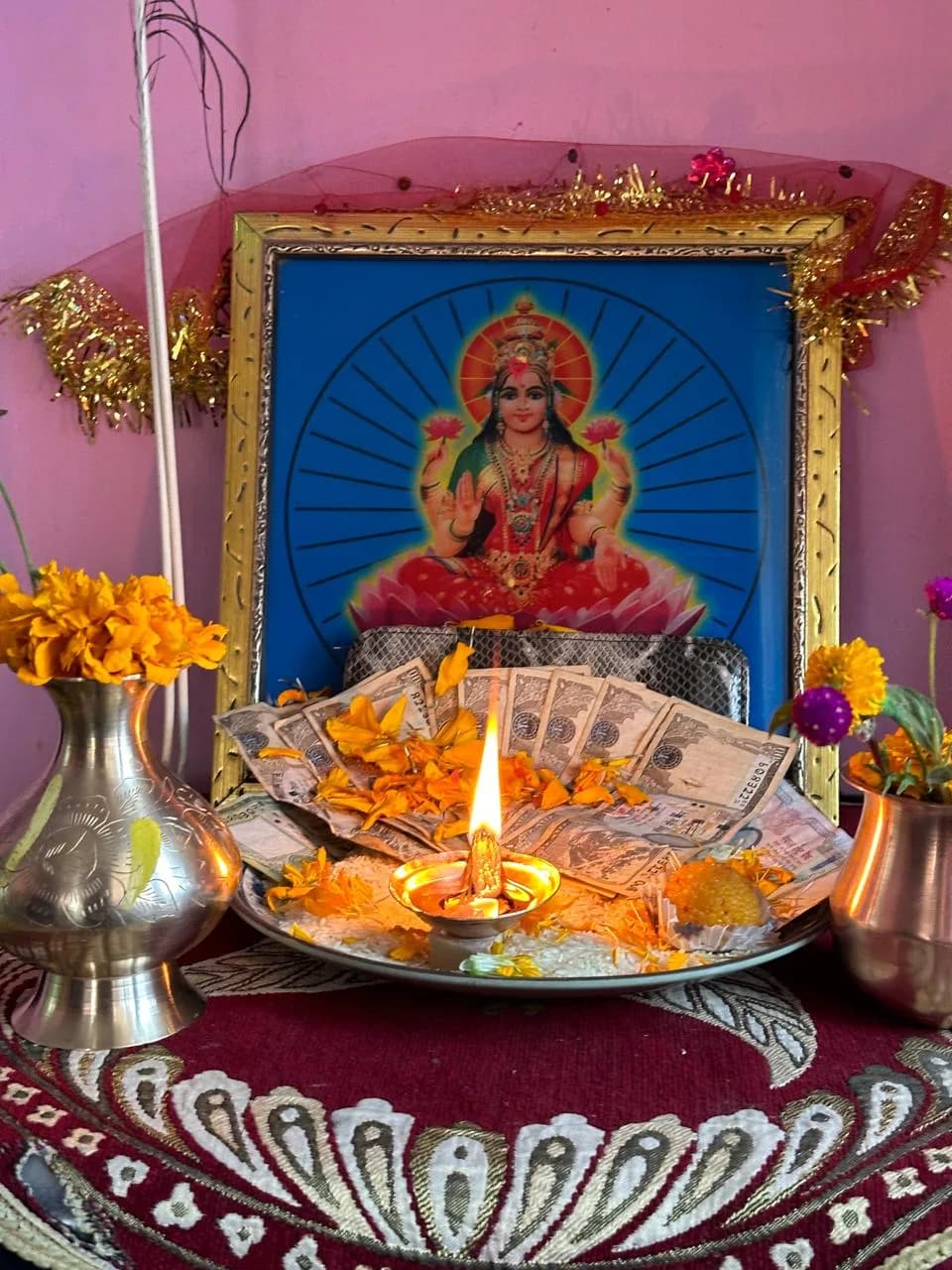
Laxmi Puja 2026 in Nepal: Tihar Festival Guide
Festival
1 Tag
Festival
Free
Kathamandu1 Tag
Event Details
Loading...
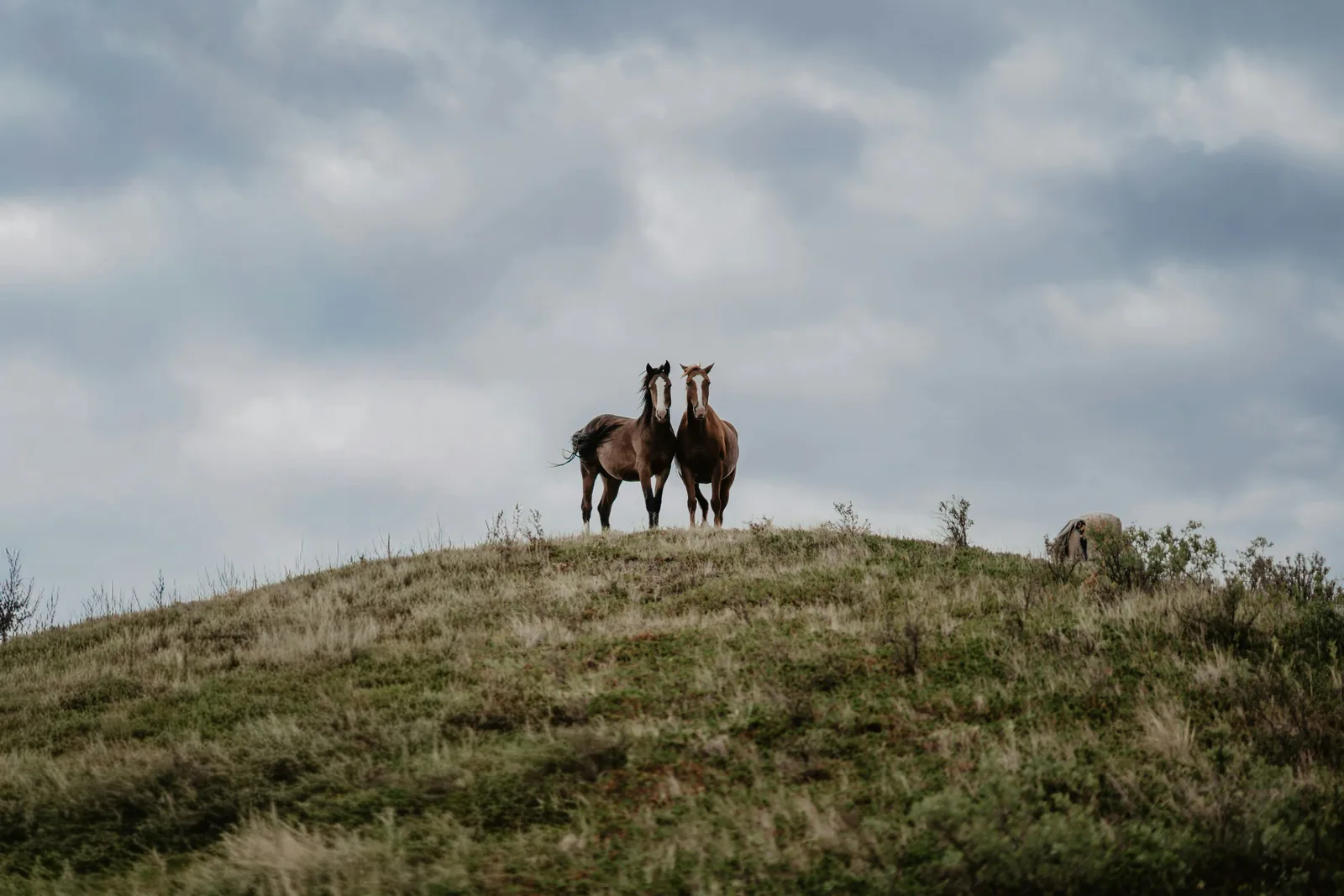
Yartung Festival in Nepal is a vibrant traditional celebration held in the Mustang region, particularly around Lo Manthang and Muktinath. Also known as the Yartung Horse Festival, it showcases traditional horse racing, Buddhist rituals, cultural performances, music, dancing, and community gatherings. Celebrated around the August full-moon period, the Yartung Festival in Mustang reflects the region’s unique Tibetan-influenced heritage and long-standing connection with horses. For travelers, Yartung Festival 2026 offers a rare opportunity to experience authentic Mustang culture while exploring dramatic Himalayan landscapes, ancient monasteries, traditional villages, and historic settlements. The festival is more than a horse-racing event,it is a celebration of community, spirituality, seasonal traditions, and the cultural identity of the people of Mustang.
The Yartung Festival in Nepal has deep roots in the cultural traditions of Mustang, particularly among communities influenced by Tibetan Buddhism. Historically, horses were essential for transportation, trade, communication, and travel across the difficult Himalayan terrain. Yartung developed as a seasonal community celebration where people gathered after the summer period.
The festival gradually became associated with horse racing and traditional equestrian skills, allowing local riders to demonstrate their courage, balance, and horsemanship. Alongside racing, communities celebrated through traditional music, dancing, food, social gatherings, and religious activities.
Today, the Yartung Festival in Mustang continues to preserve this heritage. Although modern tourism has brought more visitors, the festival remains an important community tradition connecting Mustang's Buddhist culture, horse-riding heritage, seasonal life, and local identity.
The Yartung Festival in Nepal is mainly celebrated in the Mustang district of Gandaki Province, particularly in Lo Manthang, Upper Mustang, one of the most culturally significant areas of the region. The festival is also observed in Muktinath, Ranipauwa, and surrounding Mustang villages, where local communities gather for traditional horse racing, Buddhist rituals, music, dancing, and social celebrations. Among these locations, Lo Manthang is especially popular for experiencing the traditional atmosphere of the festival. Surrounded by dramatic Himalayan landscapes, ancient monasteries, traditional mud-brick houses, and historic settlements, Mustang provides a unique setting for Yartung Festival celebrations, combining local heritage, Tibetan-influenced culture, spirituality, and traditional equestrian activities.
The Yartung Festival is celebrated to honor Mustang’s traditional culture, Buddhist heritage, seasonal cycle, and long-standing horse-riding traditions. Historically, horses were essential for transportation, trade, and communication in the Himalayan region. The festival brings communities together through traditional horse racing, prayers, music, dancing, feasting, and social gatherings. It also provides an opportunity for local people to preserve their cultural identity and pass traditional customs from one generation to the next.
The first day of the Yartung Festival traditionally begins with community gatherings and exciting horse-racing activities. Local riders dress in traditional clothing and demonstrate their riding skills, speed, balance, and courage. Families and visitors gather to watch the competitions while enjoying traditional food, music, prayers, and cultural celebrations throughout the day.
The second day focuses strongly on Mustang’s cultural heritage and community spirit. Traditional songs, dances, music, horse-riding performances, and social gatherings create a lively atmosphere. Local people wear traditional costumes and meet relatives and friends. Buddhist prayers and blessings may also form part of the celebration, depending on local customs.
The final day brings together religious traditions, horse-riding activities, community celebrations, and cultural performances. Local Buddhist practices, prayers, and blessings highlight the spiritual importance of Yartung. Horse competitions and traditional entertainment continue before communities gather for food and social activities, concluding the festival with celebration and cultural pride.
The Yartung Festival in Nepal is unique because it combines traditional horse racing, Tibetan Buddhist culture, local customs, and Himalayan community life in one celebration. Unlike many festivals in Nepal, Yartung is closely connected with the historic horse-riding traditions of Mustang, where horses were once essential for transportation, trade, and communication. The festival is celebrated in the spectacular Trans-Himalayan landscape of Mustang, particularly around Lo Manthang and Muktinath. Traditional clothing, music, dancing, Buddhist rituals, local food, and community gatherings add to its cultural richness. For visitors, Yartung provides a rare opportunity to experience authentic Mustang heritage, traditional equestrian skills, and Tibetan-influenced culture while exploring one of Nepal’s most remote and culturally preserved Himalayan regions.
Key experiences and features
Traditional Horse Racing
Mustang Cultural Festival
Buddhist Rituals
Traditional Music & Dance
Horse Riding Skills
Lo Manthang Heritage
Mustang Community Celebration
Recommended packing list
Kathmandu, Kathmandu, Bagmati, Nepal
Got questions about this event?
Yartung is a traditional Mustang festival featuring horse racing, Buddhist traditions, music, dancing, community gatherings, and cultural celebrations.
It is mainly celebrated in Mustang, especially Lo Manthang, with celebrations also taking place around Muktinath and other local communities.
Yartung is generally celebrated around the August full-moon period, although the exact date varies according to the lunar calendar and local arrangements.
Traditional Yartung celebrations generally continue for three days, although programs may differ between locations and communities.
The main attraction is traditional horse racing, accompanied by cultural performances, religious activities, and community celebrations.
Yes. Tourists can attend the festival while respecting local customs, religious practices, community rules, and photography guidelines.
Aug 17, 2026
1 day
Quick Info
More festival experiences
Nov 8 – Nov 8, 2026Kathamandu
 Aug 17 – Sep 16, 2027
Godavari Kunda
 Jan 15 – Jan 16, 2027
Swayambhu Bhuikhhel