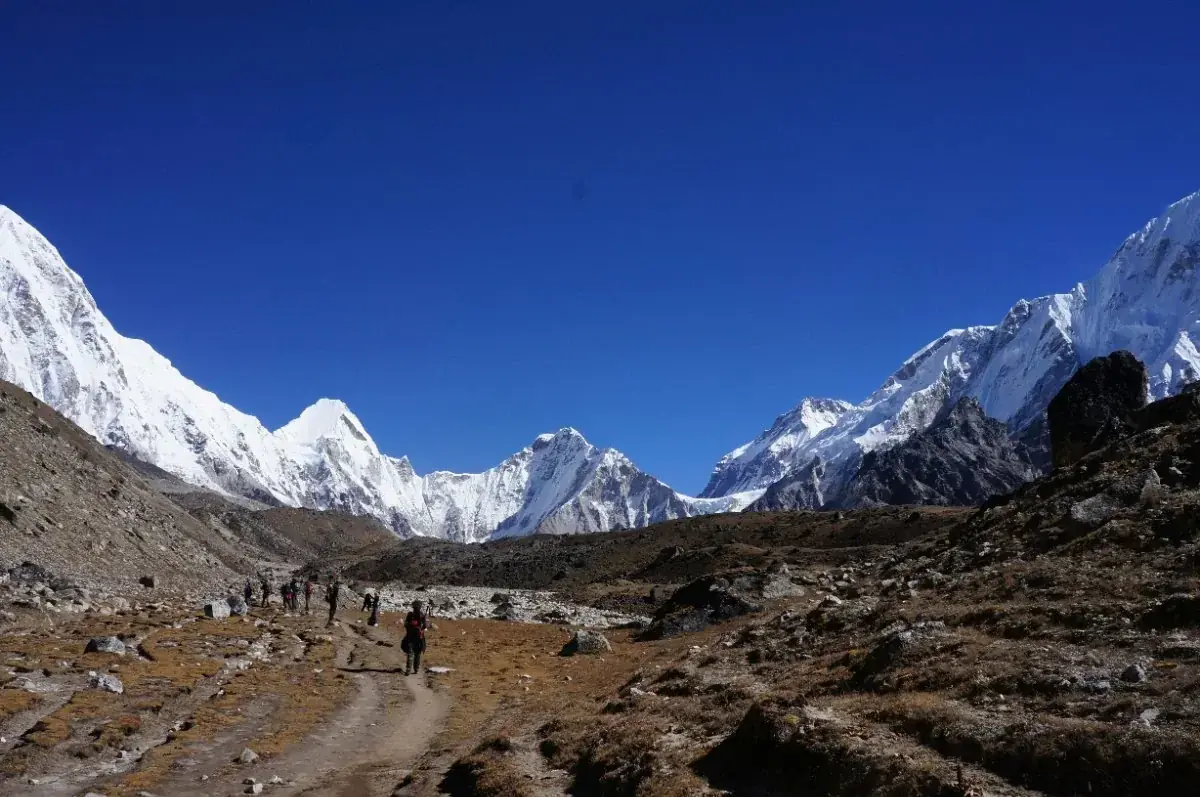
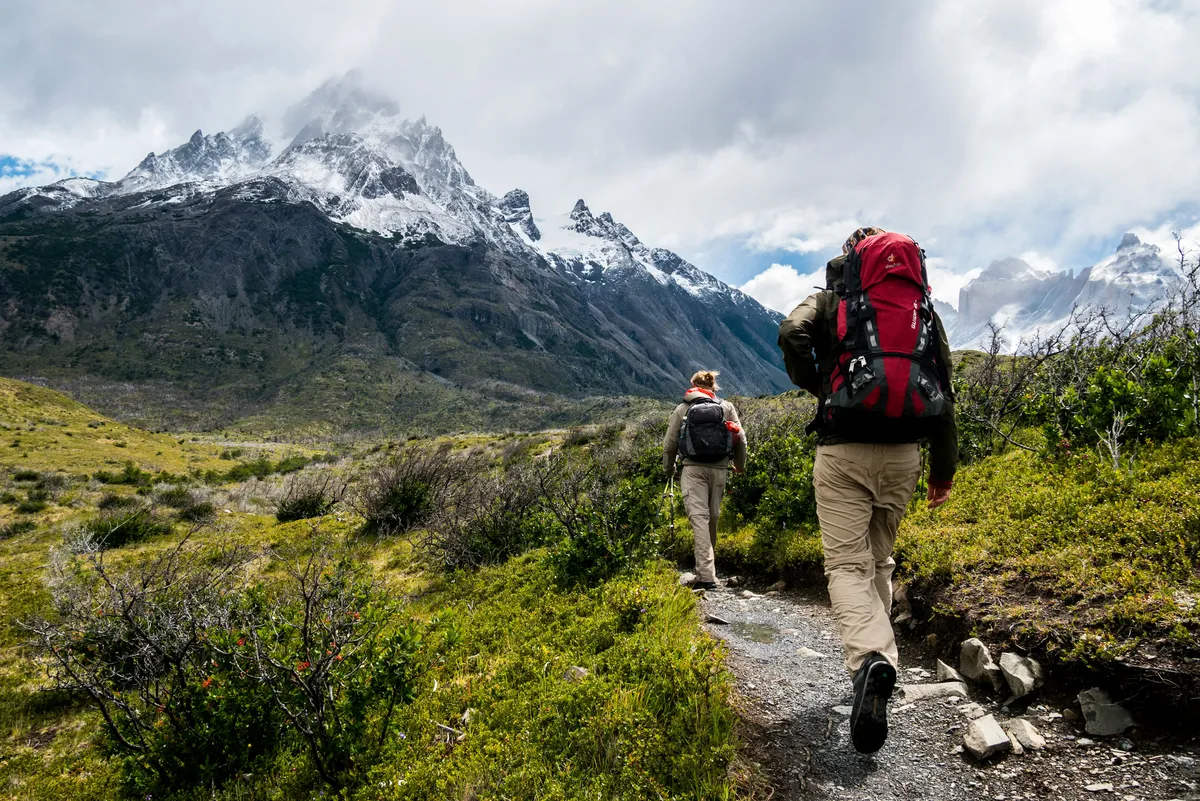
How much does the Everest Base Camp trek actually cost in 2026? It is the single most common question we hear from trekkers planning a first trip to Nepal, and the honest answer is that it depends heavily on how you travel. A shoestring trekker sleeping in basic teahouses and carrying their own pack can comfortably finish the classic 12 to 14 day EBC route for around USD 1,200 to 1,500 all-in. A mid-range trekker joining a guided small group typically spends USD 1,800 to 2,800. A private luxury trek with lodge upgrades and a helicopter return from Gorak Shep can run USD 4,000 to 6,500 or more. All three experiences end at the same rock cairn at 5,364 metres. The difference is comfort, support, and how much logistical friction you want removed.
This guide breaks down every cost line by line: permits, the TIMS card, guides and porters, Kathmandu to Lukla flights (including the Ramechhap departure twist), teahouse rooms at every altitude, food and drink, gear rental in Thamel, insurance, tips, WiFi, hot showers, and the hidden extras that catch first-timers off guard. Every figure is a realistic 2026 market rate in USD, hedged where prices genuinely vary, so you can build a real budget before you board the plane.
If you are still deciding between a Nepal trek and a Nepal cultural journey, our complete 2026 guide to heritage, pilgrimage and Himalayan soul is a useful companion read. If you have already committed to EBC and are comparing operators, our breakdown of how to choose the best trekking agency in Nepal in 2026 pairs well with this budget guide.


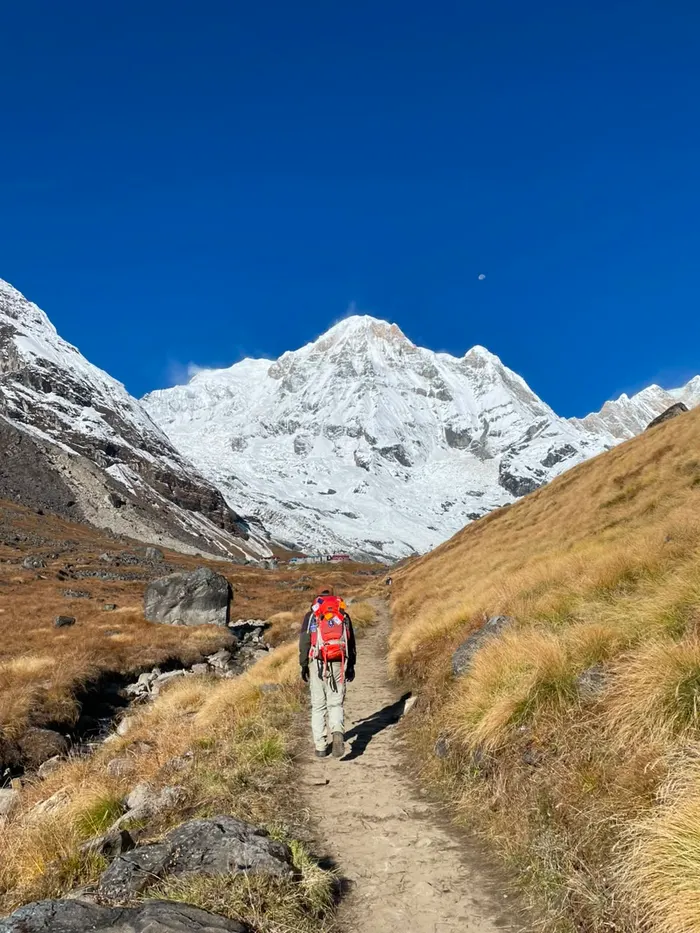
EBC Trek Cost at a Glance (2026)
Per-person totals for the classic 12 to 14 day Everest Base Camp itinerary (Kathmandu to Kathmandu), as of 2026:
| Style | Typical total (USD) | What is included |
|---|---|---|
| Budget / shoestring | $1,200 to $1,500 | Self-planned, porter only or solo, basic teahouses, dal bhat twice a day, fixed-wing Lukla flight |
| Standard guided | $1,800 to $2,800 | Licensed guide, shared porter, mid-range teahouses, full board, fixed-wing flight, permits handled |
| Luxury private | $3,500 to $5,000 | Private guide and porter, luxury lodges (Yeti Mountain Home, Everest Summit Lodge), upgraded meals |
| Luxury + helicopter return | $4,000 to $6,500 | Private trek up, helicopter flight back from Gorak Shep or Pheriche to Kathmandu, premium lodges |
These totals exclude your international flight to Kathmandu and your Nepal tourist visa, but include everything from the moment you land in Kathmandu to the moment you fly home.
1. Permits (Mandatory, Non-Negotiable)
Three permits are required for the Everest region in 2026, and your trekking agency or guide will normally arrange all three before you leave Kathmandu. Budget approximately USD 70 to 90 per person for the full permit stack.
| Permit | Cost (USD, approx) | Where it is issued |
|---|---|---|
| TIMS card (Trekkers Information Management System) | $20 | Kathmandu (NTB or TAAN office), or via your agency |
| Sagarmatha National Park entry permit | $30 (NPR 3,000 + VAT) | Kathmandu NTB office or the Monjo park gate |
| Khumbu Pasang Lhamu Rural Municipality permit | $20 (NPR 2,000) | Lukla or Monjo checkpoint |
The Khumbu local permit replaced the old system in 2018 and is the one most often missed by first-time solo trekkers. For the full breakdown of every trekking permit in Nepal (including ACAP, MCAP, and restricted-area fees for regions like Upper Mustang and Manaslu), read our detailed guide: Nepal trekking permits and TIMS explained 2026.
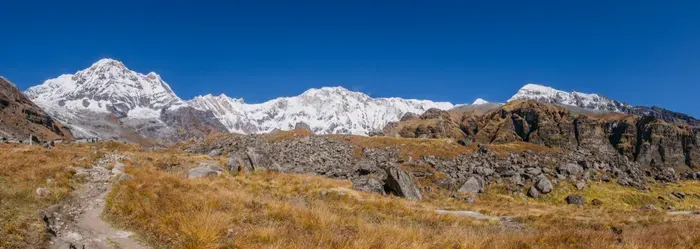
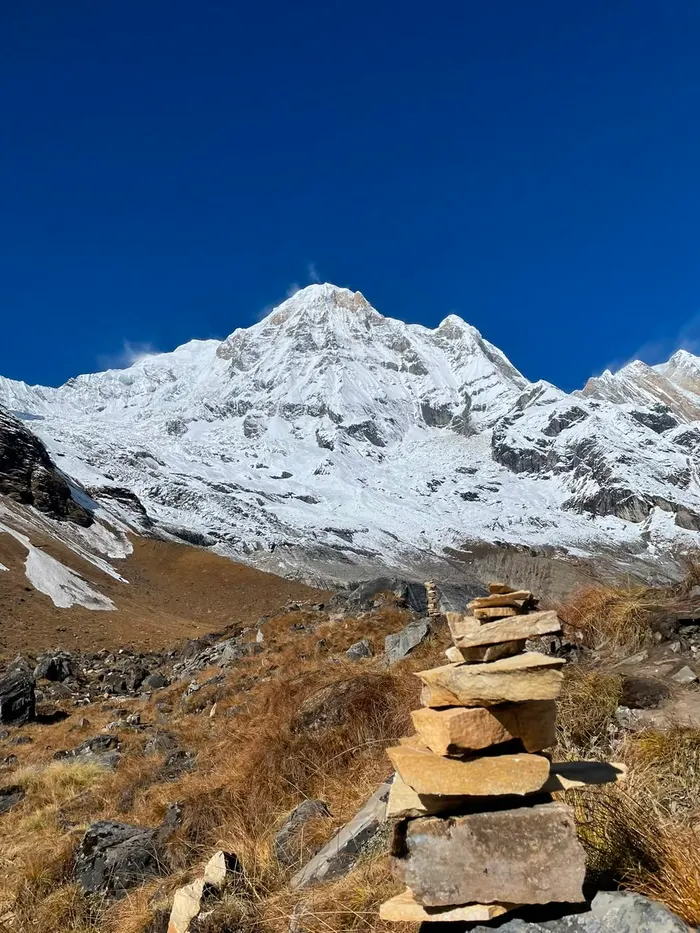
2. Guide and Porter Costs
Hiring local crew is the single most impactful decision you will make on EBC, both for safety and for the local economy. As of 2026, expect market rates in this range per day:
| Role | Daily rate (USD) | Notes |
|---|---|---|
| Licensed trekking guide | $30 to $35 | English-speaking, government-licensed, includes their food, lodging, insurance |
| Porter (carries up to 20 to 25 kg) | $20 to $25 | Includes their teahouse bed and meals |
| Guide-porter (combo, lighter load) | $25 to $28 | Speaks basic English, carries up to 12 to 15 kg |
For a 12 day trek, budget roughly $360 to $420 for a private guide, $240 to $300 for a porter, or $300 to $340 for a guide-porter. On top of the daily rate, a crew tip of 10 percent of the trek cost is customary.
Why we still recommend a guide in 2026
Solo trekking without a guide is technically permitted on the EBC route (unlike the Manaslu or Upper Mustang restricted areas). In practice, going alone above Namche Bazaar carries real risks: altitude sickness can hit fast, weather closes in without warning, and the trail above Lobuche is not always obvious in snow. A licensed guide reads altitude symptoms, manages your acclimatisation schedule, reroutes around landslides or storms, and handles lodge bookings during the busy seasons when beds sell out by 2 pm. For a first-time EBC trekker, the $30 to $35 daily fee is the cheapest insurance you will ever buy. Our piece on altitude sickness prevention and acclimatisation on the Everest and Annapurna treks explains exactly what a trained guide watches for.
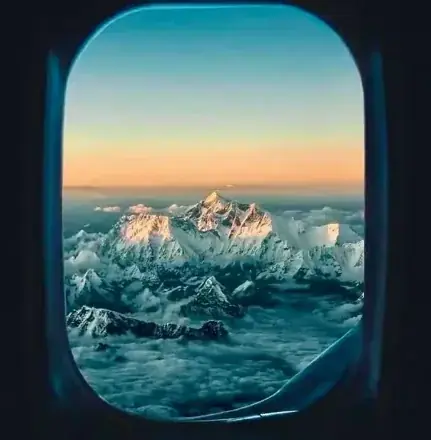
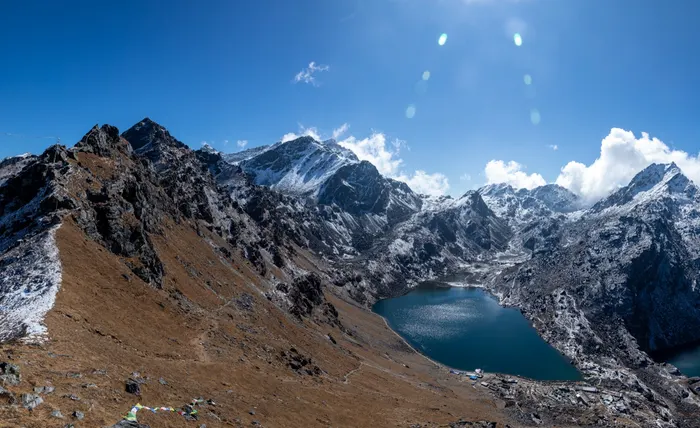
3. Kathmandu to Lukla Flights
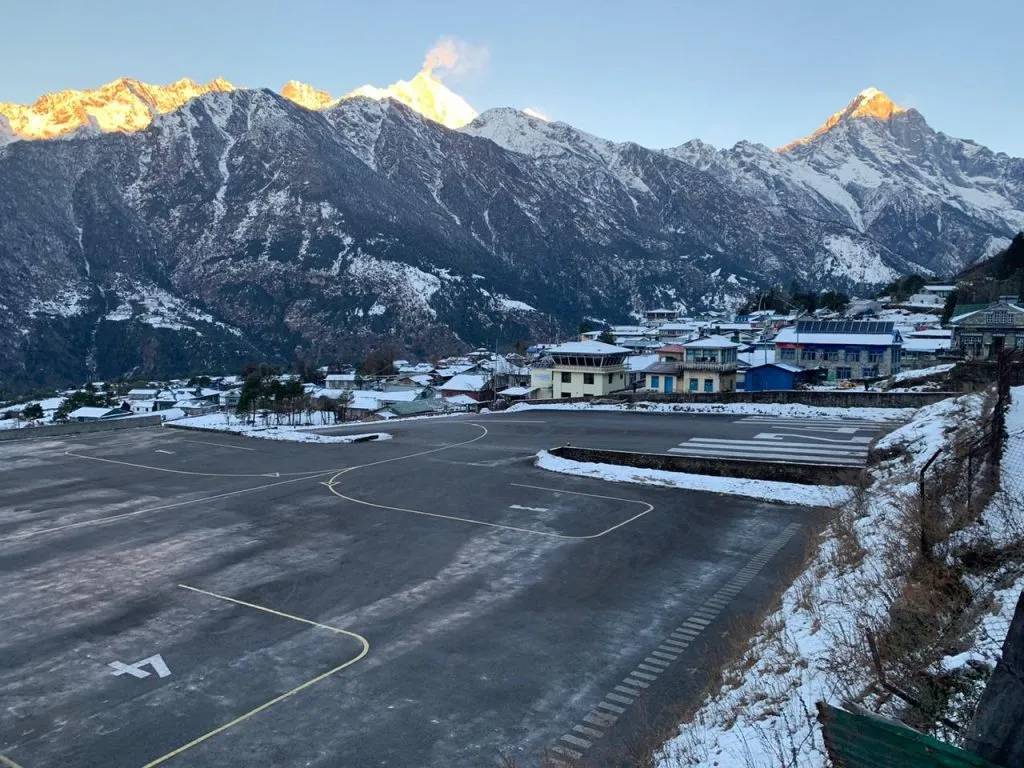
The Lukla flight is the second biggest line item after crew, and the one most likely to disrupt your schedule.
- Fixed-wing (Tara, Summit, or Sita Air), Kathmandu to Lukla one-way: approximately $215 to $230 per person as of 2026.
- Fixed-wing during peak season (Oct, Nov, March, April): flights often depart from Ramechhap (Manthali) Airport, a 4 to 5 hour drive east of Kathmandu, instead of Kathmandu itself. Add roughly $20 to $30 for the shared jeep transfer each way, or $100 to $140 for a private vehicle.
- Helicopter, Kathmandu to Lukla one-way (shared): approximately $450 to $600 per person.
- Helicopter, Gorak Shep / Pheriche to Kathmandu (one-way shared return): approximately $1,200 to $1,800 per person depending on season and pickup point.
Lukla flights are weather-dependent, and delays of one to three days are common in shoulder season. Build at least two buffer days into your itinerary, and book the earliest morning departure slot available. If you would rather skip the fixed-wing lottery altogether, a helicopter tour is the reliable (and spectacular) alternative, see our Luxury Everest Base Camp Helicopter Tour with landing at a view hotel for the premium option, or browse all helicopter tours in Nepal for shared and private configurations.
4. Teahouse Accommodation by Altitude
Teahouse prices climb with altitude, because everything above Namche arrives by porter or yak. Expect the following per-night ranges for a basic twin room as of 2026:
| Village | Elevation | Basic teahouse (USD) | Luxury lodge (USD) |
|---|---|---|---|
| Lukla / Phakding / Monjo | 2,610 to 2,835 m | $5 to $10 | $60 to $120 |
| Namche Bazaar | 3,440 m | $7 to $15 | $80 to $150 (Yeti Mountain Home) |
| Tengboche / Deboche | 3,860 m | $8 to $15 | $70 to $130 |
| Dingboche / Pheriche | 4,240 to 4,410 m | $8 to $15 | limited |
| Lobuche | 4,940 m | $12 to $20 | n/a |
| Gorak Shep | 5,164 m | $15 to $30 | n/a |
Many teahouses will waive the room fee entirely if you eat both dinner and breakfast at their lodge, which is the standard deal on the trail. Over 12 nights, budget trekkers typically spend $100 to $180 on accommodation, while luxury trekkers using Yeti Mountain Home and Everest Summit Lodge properties can spend $800 to $1,500 on lodging alone.
5. Food and Drink on the Trail
Food is your biggest day-to-day variable after accommodation. Every menu on the EBC trail is imported by porter or helicopter, so prices climb about 5 to 10 percent with each village you ascend. As of 2026:
Best matched trek: 14 Days Everest Base Camp Budget Trek Group Joining. The authentic Everest Base Camp budget trek at backpacker prices.
| Item | Lower altitude (Phakding / Namche) | High altitude (Lobuche / Gorak Shep) |
|---|---|---|
| Dal bhat (all-you-can-eat) | $5 to $8 | $9 to $12 |
| Fried rice / noodles / pasta | $6 to $9 | $10 to $14 |
| Pancake / porridge / eggs (breakfast) | $4 to $7 | $7 to $10 |
| Sherpa stew / momo | $6 to $9 | $9 to $13 |
| Tea / coffee / hot lemon | $2 to $4 | $4 to $6 |
| Bottled water (1 L) | $1 to $2 | $3 to $5 |
| Beer (after Namche) | $8 to $12 | $10 to $15 |
| Snickers / chocolate bar | $2 to $3 | $4 to $6 |
Plan roughly $30 to $50 per day for budget full board (three simple meals, tea, no alcohol), or $50 to $80 per day for standard (varied menu, dessert, a beer some evenings). Over 12 trail days, that is $360 to $600 (budget) or $600 to $960 (standard). Eating dal bhat once or twice a day is the single easiest way to lower this number, and refills are free, which matters at 4,000 metres.
Water strategy
Bottled water above Namche is expensive and creates plastic you do not want to be responsible for. Most teahouses sell boiled water for $1 to $2 per litre, or you can refill from taps and purify with chlorine dioxide tablets (a 30-tablet strip in Thamel costs approximately $3 to $5) or a Steripen. Over a 12 day trek, the purification route saves roughly $40 to $80 versus bottled water.
6. Gear: Own, Rent, or Buy in Kathmandu
You do not need to fly to Kathmandu with a full mountaineering kit. Thamel rents and sells everything you need at fair prices. As of 2026, expect these rental rates per day:
- Down jacket (rated to -15 C): $1 to $2 per day
- Sleeping bag (rated to -15 C or lower): $1 to $2 per day
- Trekking poles: $0.50 to $1 per day
- Duffel bag (for porter to carry): $0.50 to $1 per day
For a 12 day trek, renting a down jacket and sleeping bag together costs approximately $25 to $50 total, versus $300 to $700 to buy both new. Items worth owning outright and bringing from home or buying in Thamel: broken-in waterproof boots ($80 to $250), a merino base layer set ($40 to $100), trekking socks, sunglasses, a headlamp, and personal medication. Budget $150 to $400 total if you arrive with boots and layers but rent the bulky cold-weather items in Kathmandu.
7. Hidden Costs Most Trekkers Forget
These line items add up fast and are rarely quoted in headline package prices:
- Crew tips: industry standard is 5 to 10 percent of the total trek cost, split between guide and porter (roughly 60/40). On a $2,000 guided trek that means $100 to $200 in tips.
- WiFi on the trek: Everest Link prepaid cards cost approximately $10 to $15 for 1 GB valid above Namche. Per-hour lodge WiFi runs $3 to $5. Budget $20 to $40 if you want to stay reachable.
- Hot showers: $3 to $5 per shower above Namche, often gas-heated. Many trekkers skip them above Dingboche.
- Device charging: $1 to $3 per device per charge. A 20,000 mAh power bank saves $20 to $40 over the trek.
- Travel insurance with helicopter evacuation: mandatory, non-negotiable. A policy covering trekking up to 6,000 m with helicopter rescue costs approximately $120 to $300 for 3 weeks depending on age and nationality. A single helicopter rescue from Gorak Shep without insurance bills $5,000 to $10,000 USD.
- Nepal tourist visa on arrival: $30 (15 days), $50 (30 days), $125 (90 days), payable in USD cash at Kathmandu airport.
- ATM fees in Kathmandu plus teahouse card surcharges: bring cash in USD and exchange to NPR; teahouses are cash-only above Lukla.
Combined, these extras typically add $200 to $450 to the trek depending on your style.
8. Budget vs Standard vs Luxury: 14-Day Side-by-Side
Here is a realistic 14 day per-person comparison for Kathmandu-to-Kathmandu EBC in 2026:
| Line item | Budget (USD) | Standard (USD) | Luxury (USD) |
|---|---|---|---|
| Permits (TIMS + park + Khumbu) | $70 | $70 | $70 |
| Lukla flights (return, fixed-wing) | $430 | $460 | helicopter return: $215 + $1,400 |
| Guide (12 days) | porter only: $280 | guide: $400 | private senior guide: $600 |
| Porter (12 days, shared budget/standard) | n/a or shared | $280 shared = $140 | private porter: $300 |
| Accommodation (13 nights) | $150 | $220 | $1,200 |
| Food and drink (12 days) | $400 | $720 | $1,000 |
| Gear rental | $40 | $40 | $0 (own premium kit) |
| Insurance | $150 | $200 | $280 |
| WiFi, showers, charging, misc | $80 | $150 | $250 |
| Crew tips | $60 | $160 | $400 |
| Total (approx, per person) | $1,300 to $1,500 | $2,300 to $2,800 | $4,700 to $6,000 |
Joining a fixed-departure small group (6 to 10 trekkers) drops the standard total to approximately $1,800 to $2,200 because guide, porter, and transport costs are shared. That is the value sweet spot for most first-time EBC trekkers in 2026.
9. How to Save Money Without Cutting Safety
Five honest ways to lower the bill:
- Skip the helicopter return unless altitude, time, or health forces it. The Gorak Shep to Kathmandu helicopter is spectacular, but it adds $1,200 to $1,800 to a single trip. Walking down through Tengboche and Namche in three days costs almost nothing and is a beautiful end to the trek.
- Bring a power bank and water purification from home. Together they save $60 to $120 over 12 days.
- Share a porter with a trekking partner. One porter comfortably carries two standard duffels up to a combined 20 to 25 kg, halving the daily porter fee.
- Eat dal bhat twice a day above Namche. Free refills, the most calorically dense meal on the menu, and roughly half the price of fried rice or pasta at altitude.
- Book 3 to 4 months ahead for spring (March to May) or 2 to 4 months ahead for autumn (September to November). Last-minute Lukla flight slots and premium teahouse beds show up at a markup during peak weeks.
And three things you should never cut, no matter how tight the budget:
- A licensed guide above Namche Bazaar. Altitude sickness on the Everest trail is real; see our guide on prevention and acclimatisation if you are unsure why this matters.
- Travel insurance with helicopter rescue coverage up to 6,000 metres.
- Buffer days at the end (we recommend 2) in case Lukla weather delays push your return flight.
10. EBC Cost vs Annapurna Base Camp Cost
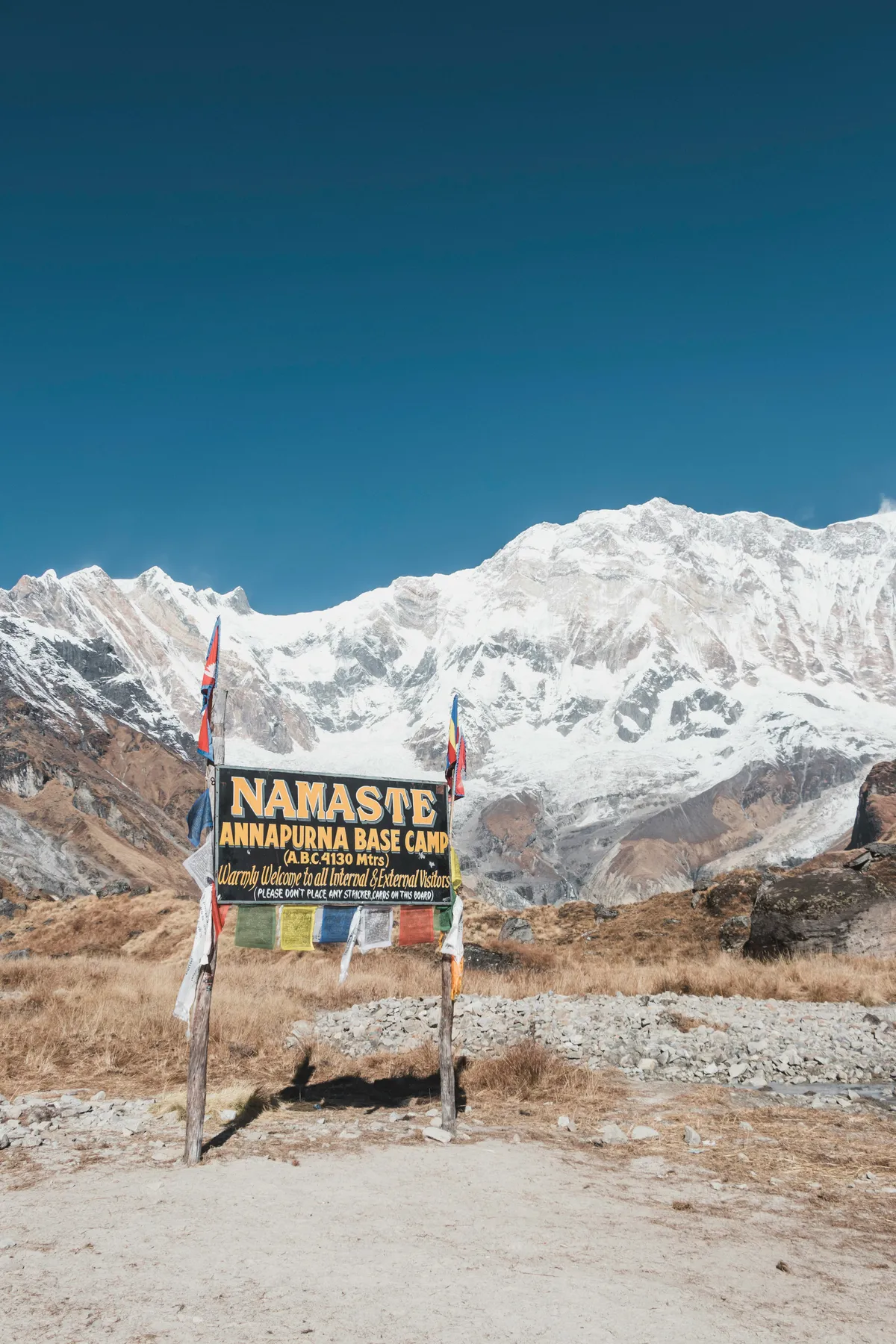
If your main constraint is budget rather than destination, the Annapurna Base Camp trek is the cheaper classic. ABC runs roughly 15 to 25 percent less than EBC for the same comfort level, for two reasons: there is no Lukla flight premium (the drive from Pokhara to the trailhead costs about $20 to $40 by jeep), and food and lodge prices on the Annapurna side rise more slowly with altitude because the supply lines are shorter. A standard guided 10 day ABC trek typically lands between $1,200 and $1,800 all-in, versus $1,800 to $2,800 for the same style on EBC. The Everest name carries a premium; the Annapurna Sanctuary delivers a comparably dramatic amphitheatre of 7,000 and 8,000 metre peaks for meaningfully less. Our Annapurna Base Camp trek (10 days) is the cleanest side-by-side comparison if you are weighing the two.
11. When to Book Your 2026 EBC Trek
The two main trekking windows on the Everest side are March to May (spring, rhododendrons, climbing season atmosphere) and September to November (autumn, clearest skies, busiest trails). For either window, booking lead time matters:
- Spring 2026 (March to May): reserve your spot by December 2025 or January 2026 at the latest. Lukla flight seats sell out 8 to 12 weeks ahead in April.
- Autumn 2026 (September to November): reserve by June or July 2026. The second half of October is the single busiest stretch of the year and teahouse beds in Lobuche and Gorak Shep are rationed by 2 pm most days.
- Buffer days: whatever your season, build two extra Kathmandu nights at the end into your international flight schedule. Lukla weather can hold aircraft for 24 to 72 hours; missing your flight home is the most common (and most expensive) planning mistake.
If you are still comparing seasons, difficulty, and budget across multiple Nepal treks, our framework on how to choose a trek in Nepal by difficulty, permits, seasons and budget walks through the decision tree. And if you are new to trekking in Nepal entirely, our list of the best treks in Nepal for beginners, families and solo women travellers is a useful cross-check before committing to EBC.
12. The Bottom Line
So how much should you actually budget for Everest Base Camp in 2026?
- Tight but safe budget: around $1,400 per person (porter only, basic teahouses, dal bhat menu, water purification, fixed-wing Lukla flight, insurance included).
- Comfortable guided small group: around $2,000 to $2,400 per person, the most popular choice and the one we recommend for first-timers.
- Private premium trek: around $3,500 to $5,000 per person with luxury lodges.
- Private trek plus helicopter return: around $4,500 to $6,500 per person depending on pickup point and lodge tier.
Every figure above is an honest 2026 market estimate. Exact prices vary with season, group size, exchange rates, and personal appetite for cake at altitude, but none of the line items should surprise you now. When you are ready to lock in dates, contact Enticing Himalayas for a private or small-group EBC quote, and we will build the itinerary around your budget rather than the other way around. For a complementary read on who to trust with the booking itself, our honest review of the best trekking agencies in Nepal in 2026 lays out what to look for in a local operator.
Related Guides
- Best Treks in Nepal for Beginners, Families and Solo Women Travellers
- Nepal Trekking Permits and TIMS Explained 2026: ACAP, MCAP and Restricted Area Fees
- Altitude Sickness on the Everest and Annapurna Treks: Prevention and Acclimatisation
- How to Choose a Trek in Nepal: Difficulty, Permits, Seasons and Budget