 Mar 23 – Mar 7, 2027
Kathmandu
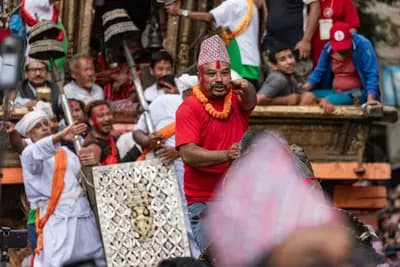
Seto Machindranath Jatra 2027: Kathmandu’s Sacred Festival
Culture
5 days
Festival
Free
Kathmandu 5 days
Event Details
Loading...
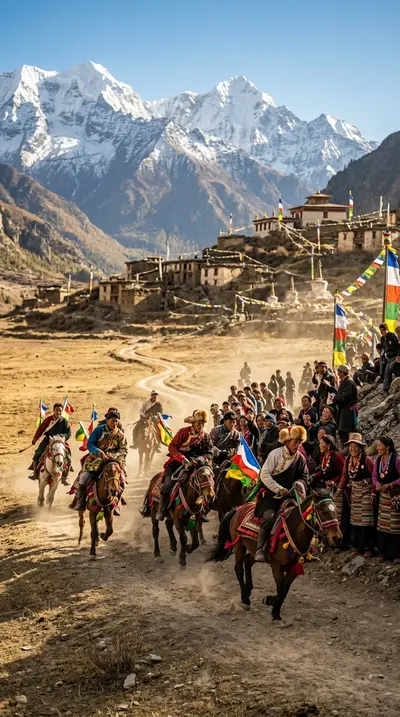
High above the green hills of Gorkha, where prayer flags flutter beside snowy ridges, a hidden valley still celebrates the old way, and Enticing Himalayas is glad to share its horse race story with you. The Tsum Valley Horse Race is known locally as Dhachyang, and it is one of the most colourful festivals in Nepal that few travellers ever see. Riders in traditional dress race beautifully decorated horses across the open ground of a village in Tsum Valley, while lamas pray, families cheer and the Ganesh Himal range watches from behind. In this guide we explain what the festival means, how the days of the celebration usually begin and end, how to reach the valley, which permits and trekking packages you need, and how to plan a respectful cultural tour around it. Read it like a friendly talk with a local guide, and by the end you will know exactly how to prepare.
The first thing to know is that the Tsum Valley Horse Race does not have one fixed date that every village follows. The festival follows the Buddhist lunar calendar, and the local lamas choose the exact day roughly one month before it happens. Different sources place Dhachyang somewhere between November and February, and each settlement in the valley may celebrate on a slightly different day. So if you are planning a trip, treat any calendar with care, and check the Nepal festival calendar and your tour operator for the newest news before you book flights or a tour package.
The good news is that the shape of the festival is easy to understand, even if the date moves. Think of it as a small story with a beginning, a middle and an end. Before the race come village meetings and prayers, on race day come the horses, riders and cheering crowds, and at night come songs, dances and food. To keep things simple, here are the usual stages of the celebration in one short list, and after it we walk through each day in more detail.
Tsum Valley lies in the northern part of Gorkha district, close to the border with Tibet, inside the Manaslu Conservation Area. It sits between the Ganesh Himal, Sringi Himal and Baudha Himal ranges, which means that almost every village has a picture-perfect mountain wall behind it. The valley opened for trekking only around 2008, so it stayed free from many modern changes for a very long time. Even today, you will find prayer wheels more often than mobile towers, and stone paths are still the main highways. Its name comes from a Tibetan word that means vivid, and after one walk you will understand why.
The region has two well-known lower and upper parts, with villages such as Chumling, Chhekampar and Chhokangparo on the way, and the famous Mu Gompa near the Tibetan side. In older times the valley was a trade route between Tibet and the lower parts of Gorkha, and yak caravans and pack horses carried salt, grain and wool. This is one of the reasons horses became so important here. If you like maps and geography, the places to see page is a good starting point for comparing Tsum with other high valleys such as Upper Mustang and Dolpo.
The people of the valley are called Tsumba. They are close to Tibetan communities in language and belief, yet they keep their own dialect, customs and stories. Their daily life follows Tibetan Buddhism, and the monastery calendar guides farming, building and celebration. When you stay in a village you may hear morning bells, see old women turning prayer wheels, and watch farmers moving barley and potatoes on the terraces. The same faith that shapes these small things also shapes Dhachyang, which is why the horse race is never just a sport.
Dhachyang is often called the Horse Festival, and it is regarded as one of the two most important festivals of the region, next to Losar, the Tibetan New Year. It is held for the good health and welfare of the people, and the horse race is the visible part of a deeper wish for peace and protection. Similar celebrations are found across the Himalayan belt, and you can compare them with the Gyalpo Losar festival in Kathmandu or the Sonam Losar and Tamu Losar New Year days on the events page. For a traveller, learning this meaning first makes the noise, colour and speed of the race feel much richer.
In a land without roads, a horse is more than an animal. Before trucks and jeeps reached the lower valleys, families used horses, mules and yaks to carry goods across steep paths, and travellers depended on them to cross rivers and ridges. A strong horse could mean a good trade season or a safe journey, and villagers treated their animals with respect. Even now, many households keep a horse or two for transport and pride, and the festival is a moment to show how much they care.
Because of this bond, the horse race is a proud and emotional event. Horses are groomed for days, their manes are combed, and colourful cloth and decorations are placed on their backs. Riders wear traditional clothes and rich jewellery, and the whole scene feels like a moving painting. In another part of Nepal, the Yartung Festival in Mustang shows the same love for horse riding culture, with races and Buddhist celebration in Lo Manthang. If you enjoy such stories, you can also read about Lo Manthang and see how Himalayan communities keep their horse traditions alive.
Long before the first horse gallops, the village is already busy. The lamas study the lunar calendar and announce the date about a month ahead, and the news spreads from house to house. Committees of villagers decide who will ride, where the track will run, who will cook and who will look after guests. This planning is done with quiet seriousness, because a successful festival is believed to bring good fortune to every family. If you are a visitor, ask your guide to explain how the village chooses its leaders, because it is a lovely lesson in community life.
Physical work starts a few days before. Stones are cleared from the race ground, fences are repaired, and the paths to the monastery are swept. Women prepare butter, flour and other food, while men look after the animals and mend saddles. Traditional costumes are taken out of wooden boxes, and jewellery is polished carefully. Trekkers who arrive during these days will feel a calm excitement everywhere. This is also a good time to walk through nearby villages such as Chumling and Chhekampar, stopping to take photographs, visit small monasteries and understand the setting before race day.
The formal start of the festival usually begins with prayer. Early in the morning, monks and lamas gather in the village monastery or prayer hall, and villagers arrive in clean clothes carrying offerings. Incense is burned in large amounts to please the local spirits, deities and protectors, and butter lamps are lit one by one. The sound of horns, drums and chanting rolls over the roofs, and even a first-time visitor can feel the sacred mood before anything else happens. It is a wonderful moment to visit places such as Mu Gompa or Rachen Gompa, if your route passes near them, and to see how strongly faith and daily life are joined.
After the prayers, the lama blesses the people, the horses and the race ground. Families receive a small blessed thread or a touch of holy water, and elders speak quietly about the year that has passed. Tea and simple snacks are shared, and neighbours who live far apart meet again after months. For guests, the rule is simple: sit quietly, do not walk in front of the lamas, and ask before you take photographs. This first day is not loud, but it is the heart of the festival, and many visitors say it moved them more than the race itself.
On race day, the village wakes up early. Smoke rises from kitchens, and the smell of butter tea fills the lanes. Horses are led out, brushed and dressed in colourful saddle cloths, bells and ornaments. Riders put on traditional clothes and heavy jewellery, and their families help them with the small details. The whole scene is full of bright colours, from red and yellow cloth to silver and turquoise ornaments. If you love photography, this is the best time to capture calm portraits, because everyone is proud and relaxed before the race begins.
Meanwhile, the audience begins to arrive. Neighbours from nearby villages walk in, elders find shady seats, and small children sit on stone walls to get a better view. Some families spread mats on the ground and bring flasks of tea. Guides usually suggest that visitors stand at the side or near the finishing line, where the view is best and the safe distance from the track is easy to keep. Take warm clothes, because winter mornings in the valley are cold, and use this waiting time to learn a few words in the local language, such as a friendly hello to the riders.
When the signal is given, the horses run. The track is usually a stretch of open ground in or near the village, and the race is a lively mix of speed, skill and courage. The riders lean forward, the horses' hooves beat the earth, and the crowd shouts in support. Only men take part in the racing, while women watch, cheer and prepare for the evening. The race is not only about winning, and villagers often speak of it as a way of asking for good health and welfare for the whole community. That is why the atmosphere feels more like a blessing than a competition.
Several rounds may be held, and each race brings a fresh wave of excitement. Between races, riders cool their horses, adjust saddles and greet friends. Elders comment on each horse like experts, and children imitate the riders with sticks. At some settlements the day may also include archery, drumming and other village games, though the exact programme changes from place to place. If you plan to record videos, be careful with drones and tripods, because animals can be startled easily. It is best to stay behind the ropes or stones marked by the organisers and to follow the guide's advice.
Once the last horse has crossed the line, the mood changes from noise to warmth. In the evening women join the celebration, and the whole village comes together for singing and dancing. Circles of dancers hold hands and move slowly in rhythm, songs pass from one group to another, and cups of local drink and tea are shared. The fire in the middle gives a golden glow, and mountain air makes every laugh feel louder. This is the part where visitors are often invited to join, and even a few shy steps are welcomed with smiles.
Food is an important part of the night. You may taste simple Himalayan dishes such as tsampa, potato dishes, butter tea, dumplings and fried bread, all cooked with care and served with generosity. Sitting beside a village fire, listening to old songs, is the kind of experience that a normal hotel can never give. If you want to compare it with other cultural evenings in the country, the Nepal events and festivals page shows how music and food appear in celebrations from the Dumji Festival of the Sherpa people to the Mani Rimdu Festival at Tengboche.
The end of Dhachyang is quieter and more personal than the middle. On the last day, villagers thank the organisers, cooks and helpers, and the community shares a farewell meal. Lamas offer final prayers, and the prayer hall is cleaned. Horses are led home, fed well and allowed to rest, because they carried the pride of the village. Families exchange sweets, and elders remind young people why the festival matters. For many Tsumba, this closing day is a peaceful reset that completes the ritual circle of the celebration.
For visitors, the end of the festival is also a moment to slow down. You might visit a family for tea, walk to a small monastery or simply enjoy the mountain view without the noise. Many trekkers use the day to rest their legs and organise photos before moving on to the next village or to higher places such as Mu Gompa. Then, as the clouds settle over the valley, you begin the long walk home with a full heart and a memory card full of faces, horses and prayer flags. If you want to continue your cultural journey, the tour list offers other options.
The festival belongs to the village, and visitors are welcomed as guests, not as owners of the event. Wear modest clothes, stay quiet during prayers, and never touch sacred items, prayer wheels or altars without permission. Always walk clockwise around stupas, mani walls and monasteries, which is the Buddhist custom. Remove your shoes before entering a monastery, and ask before you photograph monks, riders or women. If someone says no, smile and accept the answer, because respect is the best way to earn trust.
It is also wise to be careful with tips and gifts. Give small gifts, such as school materials or useful items, to a teacher or a community leader instead of handing sweets or money directly to children. Follow your guide's advice about where to stand, because racing horses can be dangerous for people who step onto the track. And remember that a festival is not a show made for tourists. Many of the same values appear in other Himalayan events, such as the Tiji Festival in Upper Mustang, where respect and patience are the best travel tools.
Most journeys to Tsum Valley begin in Kathmandu, the capital, where you can arrange permits, gear and guides. From there a long road journey heads west along the Prithvi Highway to Abu Khaireni, and then on to Arughat and the trailhead villages, which are commonly Soti Khola and Machha Khola. The road can be rough and slow, and the drive itself is part of the adventure. From the trailhead, you walk north along the Budhi Gandaki river through villages like Jagat and Lokpa, and then turn into the Tsum Valley proper. A trek here is a real walking journey, and it can take many days.
Standard itineraries often run between about twelve and eighteen days, depending on the pace, the side trips and the local weather. Most include a night in Kathmandu, the drive to the hills, several days of walking, some rest days for acclimatisation, and the return by the same route or a slightly different one. Because the exact festival date shifts, good operators plan a flexible schedule. You can check different tour styles on the trekking tour list, or ask for a customised plan through the custom tour option so that your walking days match the village calendar.
Tsum Valley is a restricted area, so you cannot simply walk in on your own. You usually need a special restricted area permit and a Manaslu Conservation Area permit, and sometimes other paperwork, which a registered trekking company arranges for you. In most cases, at least two trekkers must go together with a licensed guide. Rules and fees can change, so it is very important to ask your operator to confirm the latest details before you pay for anything. Please do not depend on old blogs or forum posts for permit information, because outdated rules are a common cause of trouble.
A guide is not just a legal requirement, but also a great help. He or she can explain the meaning of the festival, arrange homestays, translate a few words and keep you safe around animals and steep paths. Booking through a trusted company such as Enticing Himalayas also gives you support if the weather changes or a trail is blocked. Compare different guided tour packages, look at what is included, and ask about porters, insurance and rescue plans. A well-organised trip costs a little more, but it saves you from stress and risk.
Because Dhachyang is held mostly in the colder part of the year, you must prepare for winter conditions. Days in the lower villages can be sunny and pleasant, but nights are cold, and higher settlements can see snow, ice and strong winds. Some trails become slippery in the early morning, and short days mean you must start early and finish before dark. Trekkers who enjoy clear winter skies will love the sharp mountain views, but they should never underestimate the cold. If you dislike snow, spring and autumn are the popular seasons for Tsum trekking, though you may not see the horse race then.
Many travellers therefore choose one of two plans. The first is a winter festival trek, which follows the village calendar and offers the horse race and quiet trails. The second is a spring or autumn trek, which gives easier weather but different festivals such as Saka Dawa in May or a harvest celebration later in the year. You can also mix the two by adding a cultural trip to Kathmandu Valley or lake time in Pokhara before the trek. Whichever plan you pick, allow extra days in case flights, roads or snow cause delays.
Packing well makes the difference between a joyful trek and a tiring one. Start with layers: a warm base layer, a fleece, a down jacket and a windproof shell. Bring a warm hat, gloves, thick socks and sturdy boots that you have already worn. A good sleeping bag is essential, even if teahouses provide blankets, because night temperatures drop quickly. Sunglasses, sunscreen and lip balm are also important, since high-altitude sun is strong even in winter. Trekking poles help a lot on icy or steep paths.
Do not forget small but useful items: a headlamp, extra batteries, a water bottle, purification tablets, a basic first aid kit and a power bank. Cash in small notes is important, because there are no banks or ATMs in the valley, and remote teahouses usually accept only Nepali rupees. For the festival itself, carry a scarf, a polite smile and a small notebook if you like to write down names and words. If you need help with a complete gear list, the tour packages on the website often include practical advice, and your guide can add tips that match the weather.
Tsum Valley reaches high altitudes, and although the walking is gentle in many parts, altitude sickness can still happen. Walk slowly, drink lots of water, avoid alcohol on the first days and listen to your body. If you feel a strong headache, nausea or dizziness, tell your guide at once and rest or go down. Acclimatisation days are not a waste of time, because they keep you healthy and give you a chance to explore nearby monasteries and villages. Travel insurance that covers trekking and helicopter evacuation is a very good idea.
Basic health care is also limited, so bring your own medicines and keep your feet dry and clean. Wash your hands, drink safe water and eat freshly cooked food. In cold weather, watch for frostbite in fingers and toes, and never ignore small blisters. Around horses, keep a safe distance and never stand behind an animal, because sudden kicks are dangerous. If you need to leave the trail for any reason, always tell your guide first. Prepared travellers enjoy the festival more, and they also help protect the fragile mountain environment.
Accommodation in the valley is simple, friendly and warm in spirit, even if rooms are basic. Most travellers sleep in small teahouses or family homestays with wooden beds and shared toilets, and evening meals are cooked over a stove where everyone sits together. Menus are short and usually include dal bhat, noodles, momo, potatoes, eggs and butter tea. Ingredients are carried in from lower areas or grown nearby, so prices rise as you go higher. It is polite to eat what is served and to thank your hosts, because they work hard to bring fresh food to remote places.
During festival days, rooms fill up quickly, so a booking through a good operator is important. Some villages may ask visitors to share a room or sleep in a simple hall, and this is part of the real experience. Bring earplugs and a patient mind. If you want more comfort before or after the trek, a hotel in Thamel or a lakeside room in Pokhara offers hot showers and soft beds. A balanced plan includes a few days of rest, so that your body can recover and your memories can settle.
Dhachyang is one star among many. In the same valley, Lhosar, the Tibetan New Year, is celebrated with prayers and feasting in the cold months, Saka Dawa in May remembers the birth, enlightenment and passing of the Buddha, and a mask dance takes place in the summer months. Faning is described as a food festival in the late summer, and villagers also observe harvest and monastery ceremonies through the year. Because each village follows its own calendar, local advice matters a lot. A trip that catches even one of these events can feel unforgettable.
If you want to widen your festival plans, the events page has plenty of ideas. You can watch the sacred masks of the Mani Rimdu Festival in Solukhumbu, join the Dumji Festival in Namche Bazaar, or see the mask dance of the Tiji Festival in Lo Manthang. For a rare adventure, read about the Shey Mela in Dolpo, which is held only once every twelve years. If you love colour and fun, the Holi festival in spring is a friendly contrast, and Buddha Jayanti in Lumbini brings a calm, spiritual mood to the plains.
A festival trek can be the highlight of a longer holiday. Many travellers start with a Kathmandu Valley tour to see heritage squares, Swayambhunath and Boudhanath Stupa, which gives a gentle introduction to Buddhist culture before the mountains. After the trek, a relaxing Pokhara adventure tour with lake views and paragliding can rest the legs. For a wider trip, the Best of Nepal tour connects culture, nature and mountains, and the customised itinerary option lets you shape the days around the festival date. All of these are listed on the tour page.
Other trekkers pair the valley with the wider Manaslu region or add a short Annapurna trek afterwards. Some nature lovers finish with a Chitwan safari tour to see rhinos and birds in warm weather, which makes a lovely contrast to the cold north. Since good operators plan flexible schedules, you can ask for a plan that keeps a few spare days in case the festival date moves. Look at the full tour list, compare the styles and think about the pace that suits you and your family.
Here is a simple idea that shows how a trip could flow, though the exact plan depends on the date and your operator. Day one is arrival in Kathmandu, a walk in Thamel and a permit check. Day two is the long drive to the trailhead. Days three to six are gentle walking days through Jagat, Lokpa, Chumling and the middle valley, stopping in small villages and watching how life changes. Day seven is a rest day near Chhekampar, with visits to a monastery and a chat with local families, so that your body gets used to the altitude and you are ready for the festival days.
On the next days you reach the village that celebrates Dhachyang, attend the prayers on the opening day, watch the race and join the evening dances. If time allows, you can visit Mu Gompa, Rachen Gompa and other sacred places, and then start the walk back. The return takes about four or five days, with a final night in Kathmandu and perhaps a short cultural day for shopping and gifts. This is only one sample plan, and the real schedule should follow the lamas' announcement. Ask for a flexible plan through the custom tour page so that you are not rushed.
Tsum Valley is beautiful because it is still quiet, and every visitor has a small share in keeping it so. Carry your rubbish back to the trailhead or dispose of it properly, use refillable bottles, and avoid single-use plastic. Save firewood by choosing hot water only when you need it, and do not pick flowers or disturb wildlife in the conservation area. Support the community by staying in local teahouses, eating local food and hiring local porters, so that tourism money stays in the valley. Behave gently in monasteries, and never litter near prayer walls or stupas.
Cultural respect is just as important as environmental care. Ask before you photograph people, do not fly drones in sacred areas, and avoid loud music. Learn a few Tibetan or Nepali words such as hello and thank you, because small efforts open big doors. If you visit during the festival, remember that the horse race is a religious and social event, not a stage for tourists. Choosing a responsible company such as Enticing Himalayas makes it easier to follow these simple rules, because the guides already know the local customs and can advise you at every step.
Many first-time travellers ask whether they can see the race on a short trip. The honest answer is that it is hard, because the valley is remote and the walking days are many, so a proper plan needs about two weeks or more. Another common question is how to be sure of the date. Since the village lamas choose it about a month in advance, the best way is to stay in contact with your operator and keep your travel dates flexible. Do not expect a printed poster or a ticket, because this is a village event and not a commercial show.
Other small points are worth remembering. Mobile networks and electricity can be weak, so bring a power bank and download maps before you leave. Hot showers are rare, and solar power may be limited during winter. Roads to the trailhead may close because of landslides or snow, so leave a buffer day at both ends. If you are not able to catch Dhachyang, do not worry, because Nepal has so many cultural events that another celebration will fit your dates. And browse the places to visit section, where you can find alternative destinations that match your interests and season.
The Tsum Valley Horse Race is not the loudest or the biggest festival in Nepal, and that is exactly why it is special. It is a village event, shaped by prayers, family pride and the beat of galloping hooves, in a valley that still feels far from the modern world. From the quiet opening blessing to the joyful race and the warm evening dances, and then the calm farewell meal, every day of Dhachyang has its own mood. Visitors who come with patience and respect often leave with a deep respect for the Tsumba way of life and a new love for the Himalayas.
If this story has made you curious, start planning early. Check the festival calendar for updates, read about the places to see on your route, and choose a comfortable tour package that gives you time and safety. The team at Enticing Himalayas can help you build a plan that respects the culture, fits your budget and keeps your dates flexible. The horses will run again next season, and the valley will welcome you with butter tea, prayer flags and a warm smile. All you need to do is take the first step on the trail.
Key experiences and features
Hidden valley
Horse race story
Tsum Valley Horse Race
Buddhist lunar calendar
Tibetan
Dhachyang
lunar calendar
village games
Buddhist custom
Recommended packing list
Chumchet, Gorkha, Gandaki Province, Nepal
Got questions about this event?
It is a traditional Dhachyang horse-racing festival celebrated with local cultural activities and community gatherings.
The festival takes place in Tsum Valley, Gorkha District, in Nepal’s Manaslu region.
The celebration follows the local Tibetan lunar calendar, so the date can change each year.
Yes, visitors can experience the festival while respecting local customs and traditions.
Bring warm clothing, trekking shoes, sunscreen, water, personal medicines, and a camera.
Nov 15, 2026
1 day
Quick Info
More culture experiences
Mar 23 – Mar 7, 2027Kathmandu
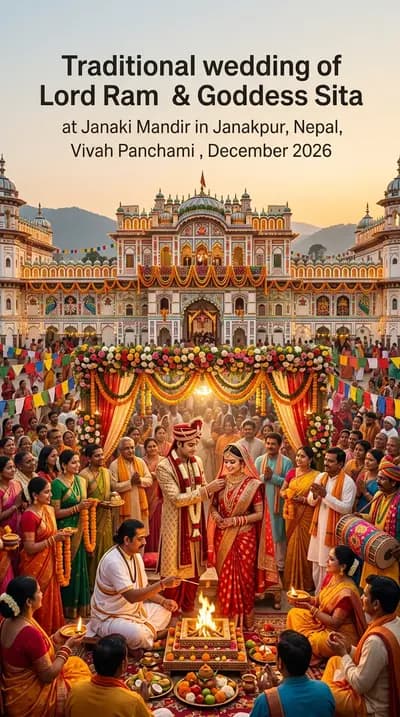 Dec 13 – Dec 17, 2026
Janaki Mandir, Janakpur
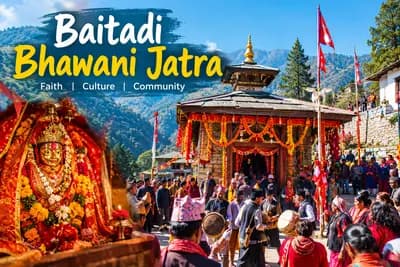 Nov 13 – Nov 14, 2027
Falangashaini Bhagwati Temple