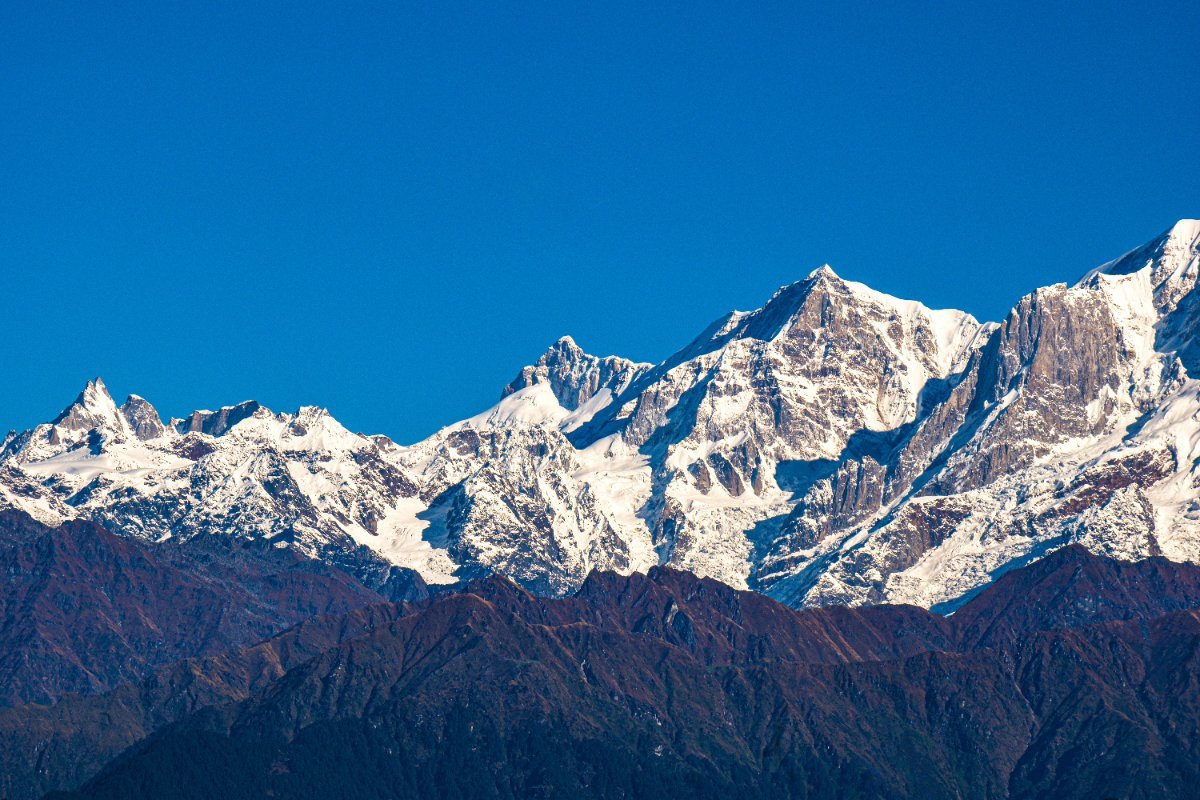
If you have never trekked in the Himalayas, the Annapurna region is the perfect place to start. It offers routes for every level, excellent infrastructure, comfortable teahouse accommodation, and some of the most spectacular mountain scenery on earth. This beginner's guide covers everything you need to know: which route to choose, how to prepare, what to pack, what to expect on the trail, and how to make your first Himalayan adventure safe, enjoyable, and unforgettable. Explore, Heal, Thrive.
Why Is Annapurna the Best Place for Your First Himalaya Trek?
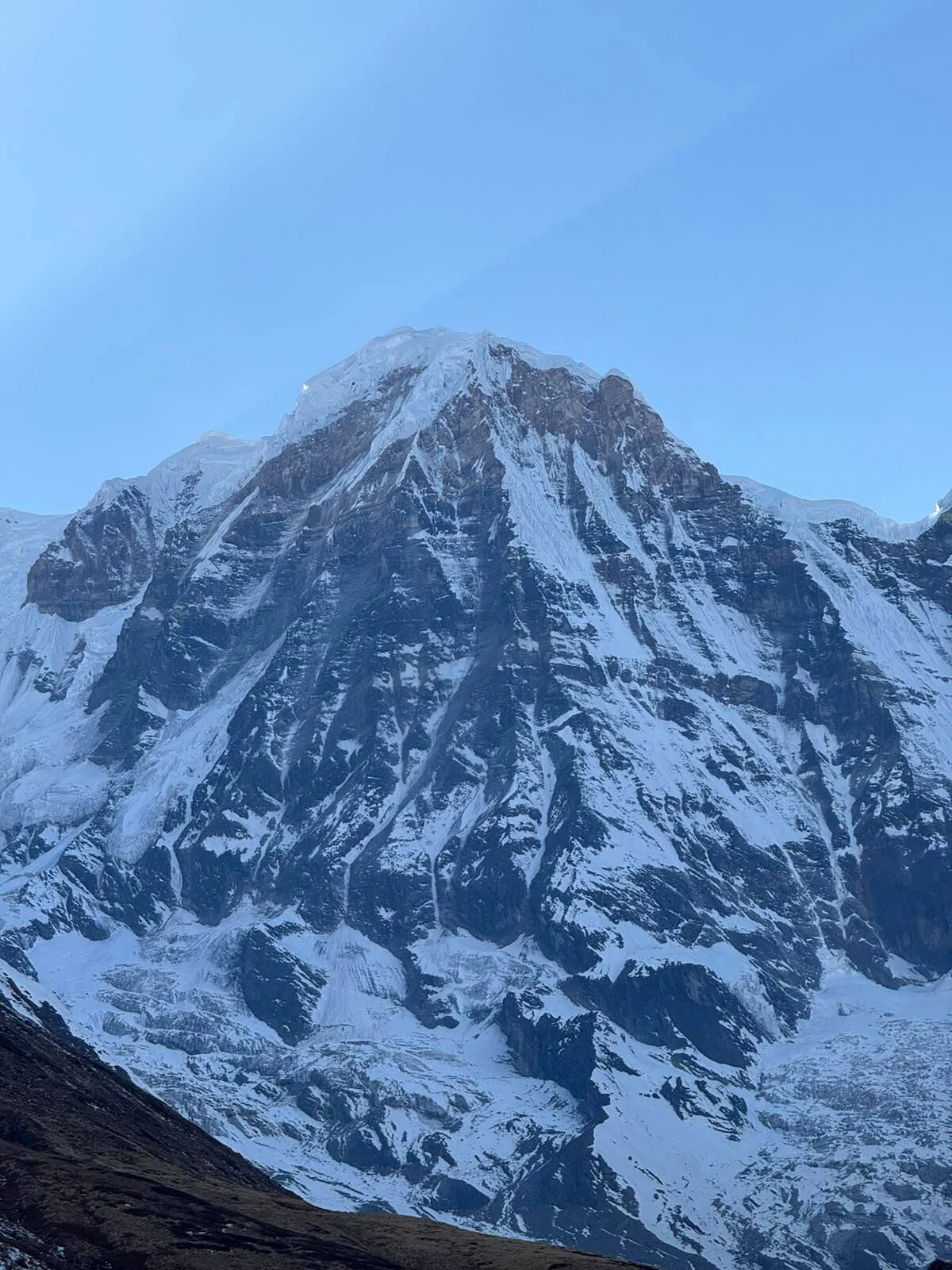
The Annapurna region is widely regarded as the best beginner trekking destination in Nepal, and arguably in the entire Himalayas. Several factors make it ideal for first-timers: the trails are well-maintained and clearly marked, the teahouse network is extensive (you sleep in a bed every night, no camping needed), the maximum elevations are lower than Everest region treks, and the cultural diversity is rich with Gurung, Magar, Thakali, and Tibetan-influenced villages along the way.
Unlike the Everest region, where you fly into a small mountain airstrip and immediately face high altitude, Annapurna treks start from Pokhara at 800 meters and gain elevation gradually. This gives your body time to adjust. The Annapurna Region also has the widest range of route difficulties, so you can choose a trek that matches your fitness and experience exactly.
Which Annapurna Trek Should Beginners Choose?
For your first Himalaya trek, we recommend one of these routes, all suitable for beginners:
- Ghorepani Poon Hill Trek (7 Days): The #1 beginner choice. Max elevation 3,210m, 3 to 5 hours walking per day, easy to moderate difficulty. Famous sunrise panorama over Dhaulagiri and Annapurna.
- Mardi Himal Trek (5 Days): Short and less crowded. Max elevation 4,500m, moderate difficulty. Great for fit beginners who want a quick adventure.
- Panchase Panorama Trek: The easiest option. Max elevation 2,500m, 4 to 5 hours per day. No altitude concerns at all. Perfect for those who want to ease in gently.
- Annapurna Senior Trek (8 Days): Designed for over-60 travelers with a gentle pace and extra rest days.
- Annapurna Family Trek (9 Days): Kid-friendly with shorter days and cultural activities.
If you are reasonably fit and want a more ambitious first trek, the Annapurna Base Camp Trek (10 Days) is achievable for most active beginners. It reaches 4,130 meters, but the gradual ascent profile and rest days make it manageable. Check our difficulty guide to confirm your choice.
How Fit Do You Need to Be for a First Annapurna Trek?
You do not need to be an athlete to trek in the Annapurna region. For beginner routes like Poon Hill, you should be able to walk for three to five hours on hilly terrain at a comfortable pace. If you can walk up a moderate hill for an hour without stopping, you can do the Poon Hill trek. For the ABC trek, you should be able to walk five to six hours per day for multiple consecutive days.
A basic fitness preparation plan is recommended. Start walking 30 to 45 minutes, three to four times per week, four to six weeks before your trek. Add hills or stairs to your walking route. Do some basic leg exercises (squats, lunges, step-ups). If you are planning ABC, follow our 6-Week Training Plan for a structured approach. The most important thing is to arrive with broken-in boots and a positive attitude.
What Is a Teahouse and What Should You Expect?
A teahouse is a small mountain lodge that provides accommodation and meals for trekkers. Along the Annapurna trails, teahouses are found in nearly every village, typically spaced two to four hours walking apart. They offer basic but comfortable accommodation: a twin-share room with a bed, a shared bathroom (usually a Western or squat toilet), and a communal dining room where meals are served.
The dining room is the heart of the teahouse. It is heated by a wood or yak-dung stove in the evenings, making it the warmest place in the village. This is where trekkers gather to eat, socialize, and warm up after a day on the trail. Meals are ordered from a menu that includes dal bhat (rice, lentil soup, and vegetables), momos (dumplings), chow mein, pasta, potatoes, and soups. Hot showers are available at most teahouses for a small fee (USD 2 to 4). Wi-Fi and device charging are available at many teahouses for an additional charge. Learn more in our trail connectivity guide.
What Should You Pack for Your First Annapurna Trek?
Packing for your first Himalaya trek can feel overwhelming, but it is simpler than you think. Here is the essential list:
- Clothing: Base layers (2), trekking pants (2), trekking shorts (1), fleece jacket (1), down jacket (1), waterproof shell jacket (1), trekking shirts (3), warm hat, sun hat, gloves, underwear (5+ pairs), trekking socks (4 pairs).
- Footwear: Broken-in trekking boots, camp shoes (sandals or sneakers for evenings in teahouses).
- Gear: Backpack (40 to 50L if carrying your own, or 25 to 30L daypack if you have a porter), sleeping bag (rated to minus 10 degrees), headlamp, water bottles or hydration bladder (2L capacity), water purification tablets or filter, trekking poles.
- Toiletries: Sunscreen (SPF 50+), lip balm with SPF, quick-dry towel, biodegradable soap, toothbrush and toothpaste, hand sanitizer, toilet paper, wet wipes.
- First aid: Band-aids, blister treatment, painkillers, altitude sickness medication (Diamox, consult your doctor), anti-diarrhea medication, rehydration salts, any personal prescriptions.
- Electronics: Phone, power bank (10,000mAh+), camera, charging cables, universal adapter (Nepal uses Type C/D/M).
If you have a porter (included in all Enticing Himalayas packages), they carry your main backpack with your clothing and sleeping bag. You only carry a light daypack with water, snacks, camera, rain gear, and first aid. This makes the trek significantly easier and more enjoyable.
How Do You Prevent Altitude Sickness on Your First Trek?
Altitude sickness (AMS) is the most common health issue for beginner trekkers. It occurs when you ascend to high elevation faster than your body can adapt. The risk begins above 3,000 meters and increases with altitude. For beginner routes like Poon Hill (3,210m), the risk is low. For ABC (4,130m), the risk is moderate and requires attention.
Prevention rules every beginner should follow:
- Ascend slowly: Do not gain more than 500 meters of sleeping elevation per day above 3,000 meters.
- Drink 3 to 4 liters of water per day.
- Eat well even if your appetite decreases.
- Avoid alcohol and sleeping pills.
- Take rest days on longer treks (ABC itineraries include acclimatization days).
- Tell your guide immediately if you have a headache, nausea, or unusual fatigue.
If you choose a route below 3,300m like Ghorepani Poon Hill or the Panchase Panorama trek, altitude sickness is extremely unlikely. For more details, see our training guide which covers altitude preparation.
What Is a Typical Day Like on an Annapurna Trek?
A typical trekking day follows a comfortable rhythm. You wake up around 6:00 to 6:30 AM, pack your bag, and come down to the dining room for breakfast. Breakfast is usually porridge, eggs, Tibetan bread, or pancakes with tea or coffee. You start walking by 7:30 to 8:00 AM to take advantage of the clear morning weather and cooler temperatures.
You walk for three to four hours in the morning, with short rest stops every hour. Lunch is at a teahouse along the trail, typically dal bhat, fried rice, or noodles. After a 45 to 60 minute lunch break, you walk another two to three hours to reach your overnight teahouse by 3:00 to 4:00 PM. The afternoon is free for rest, exploration of the village, or simply enjoying the mountain views. Dinner is served around 6:30 to 7:00 PM, and most trekkers are in bed by 8:30 to 9:00 PM. This schedule is relaxed and allows plenty of time for rest and enjoyment.
How Much Does a Beginner Annapurna Trek Cost?
For beginners, a guided package is highly recommended. It removes the stress of navigation, permits, teahouse booking, and safety management. Enticing Himalayas offers beginner-friendly packages at various price points:
- Mardi Himal Trek (5 Days): Shortest and most affordable guided option.
- Ghorepani Poon Hill Trek (7 Days): Best value for a first trek.
- ABC Trek (10 Days): The classic Annapurna experience.
All packages include guide, porter, permits, transportation, all meals, and teahouse accommodation. You only need budget for hot showers, Wi-Fi, drinks, snacks, and tips (approximately USD 150 to 270 extra for a 10-day trek). For a full cost breakdown, see our Cost Guide 2026. Browse all options on our tour listing page.
When Is the Best Time for Your First Annapurna Trek?
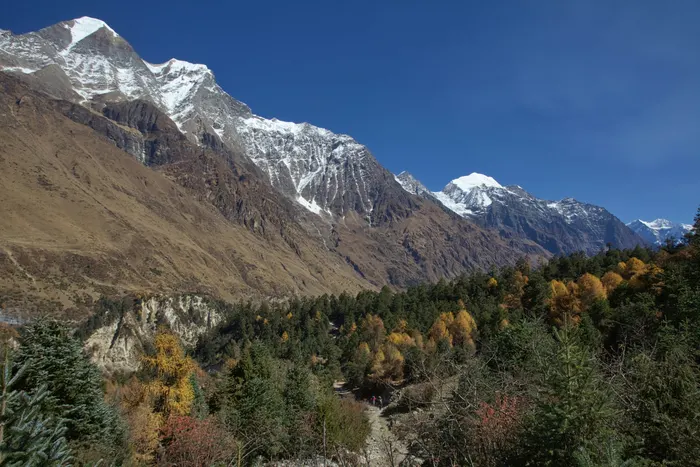
For beginners, the best months are October, November, March, and April. These are the peak trekking seasons with the best weather, clearest views, and most comfortable temperatures. October offers post-monsoon clarity, while April brings blooming rhododendrons. Both months have stable weather patterns that are ideal for first-time trekkers.
November and late September are also excellent, with fewer crowds than October. December can work for lower routes like Poon Hill. Avoid June through August (monsoon) and January through February (cold and snow at higher elevations) for your first trek. For a complete month-by-month guide, see our 12-Month Weather Planner.
What Food Can You Expect on the Annapurna Trail?
Teahouse food on the Annapurna trail is surprisingly good and varied. The staple is dal bhat, a traditional Nepali meal of rice, lentil soup, vegetable curry, and pickles. It is nutritious, filling, and comes with unlimited refills at most teahouses. Many trekkers eat dal bhat for both lunch and dinner because it provides excellent fuel for walking.
Other common menu items include momos (steamed or fried dumplings), chow mein (stir-fried noodles), thukpa (Tibetan noodle soup), fried rice, pasta, potatoes (boiled, fried, or baked), Tibetan bread, pancakes, porridge, and eggs prepared various ways. Vegetarian options are abundant and reliable. Snack items like chocolate bars, cookies, energy bars, and instant noodles are available at teahouses, though prices increase with altitude. The Yoga Trek emphasizes healthy, balanced meals that complement the daily yoga practice.
Do You Need a Guide and Porter for Your First Trek?
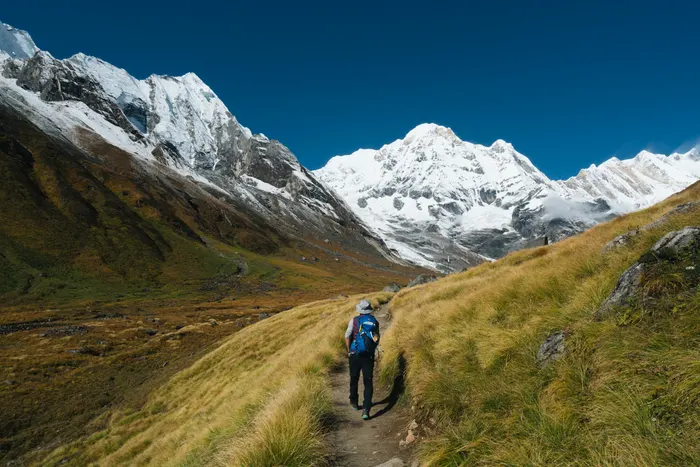
For your first Himalaya trek, a guide and porter are strongly recommended. Since 2023, a licensed guide is actually required by law in the Annapurna Conservation Area. A guide provides navigation, cultural interpretation, safety monitoring, and teahouse arrangement. A porter carries your main backpack, allowing you to walk with just a light daypack. This reduces fatigue by an estimated 30 to 40 percent and makes the experience dramatically more enjoyable.
All Enticing Himalayas packages include both a licensed guide and a porter. Our guides speak English, are trained in first aid and altitude sickness management, and know the trails intimately. They are also wonderful companions who share stories about the mountains, culture, and local life. For specialized options, we offer the Solo Women's Trek with female guides, and the Helicopter Return Trek for those who want to minimize walking.
What Special Beginner-Friendly Packages Are Available?
Enticing Himalayas offers several packages specifically designed for different types of beginners:
- Annapurna Senior Trek (8 Days): Gentle pace, extra rest, designed for travelers over 60.
- Annapurna Family Trek (9 Days): Kid-friendly with cultural activities and shorter walking days.
- Annapurna Mother-Daughter Trek (9 Days): Specialized for mother-daughter pairs.
- Annapurna Solo Women's Trek (10 Days): Female-led, women-only environment.
- Annapurna Luxury Lodge Trek (12 Days): Premium lodges for maximum comfort on the ABC route.
- Annapurna Winter Trek (8 Days): For beginners who want to experience snow season.
Each package is tailored to the specific needs of its target group while maintaining the core Annapurna experience. You can also explore more adventures or browse the full tour listing.
What Are the Common Mistakes First-Time Trekkers Make?
Learning from others' mistakes can make your first trek much smoother. Here are the most common beginner mistakes:
- Walking too fast: The most common mistake. A slow, steady pace is essential. If you cannot hold a conversation, you are going too fast.
- Not drinking enough water: Dehydration is a major cause of fatigue and altitude sickness. Aim for 3 to 4 liters per day.
- New boots: Never bring brand-new boots. Break them in for at least two weeks before your trek.
- Overpacking: Most beginners pack too much. A 12 kg main pack is plenty. Leave non-essentials in Pokhara.
- Ignoring early altitude symptoms: A headache at altitude is a warning. Tell your guide immediately.
- Not carrying snacks: Trail snacks (chocolate, energy bars, nuts) keep your energy up between meals.
- Skipping rest days: Acclimatization days are not optional. They are essential for safety.
For a comprehensive preparation guide, see our Complete Itineraries guide and consider our healing and wellness programs for post-trek recovery.
FAQ: Annapurna Trek for Beginners
Can a complete beginner trek to Annapurna Base Camp?
Yes, a complete beginner can trek to Annapurna Base Camp with proper preparation. The 10-day ABC itinerary includes acclimatization days and gradual ascent. You should start training four to six weeks before the trek, focusing on hill walking and leg strength. With a guide, porter, and a positive attitude, most active beginners complete the ABC trek successfully and safely.
What is the easiest Annapurna trek for beginners?
The Panchase Panorama Trek is the easiest Annapurna trek, staying below 2,500 meters with no altitude concerns. The Ghorepani Poon Hill Trek (7 days, max 3,210m) is the most popular beginner trek, offering spectacular sunrise views with manageable daily walking times of three to five hours on well-maintained trails with excellent teahouse support.
Do beginners need a guide for Annapurna trekking?
Yes, a guide is required by law in the Annapurna Conservation Area since 2023. For beginners, a guide is especially valuable: they handle navigation, teahouse bookings, permits, safety monitoring, and cultural interpretation. A porter is also highly recommended to carry your main bag, reducing physical demand by 30 to 40 percent and letting you enjoy the trek.
How much does a beginner Annapurna trek cost?
A guided beginner Annapurna trek costs vary by route. The 5-day Mardi Himal trek is the most affordable, followed by the 7-day Poon Hill trek. The 10-day ABC trek is mid-range. All packages include guide, porter, permits, meals, accommodation, and transportation. Budget an additional USD 150 to 270 for showers, Wi-Fi, drinks, snacks, and tips.
What should a beginner pack for an Annapurna trek?
A beginner should pack layered clothing (base layers, fleece, down jacket, waterproof shell), broken-in trekking boots, a sleeping bag rated to minus 10 degrees, a headlamp, water purification tablets, sunscreen, a first aid kit with blister treatment and Diamox, and a power bank. If you have a porter, you only carry a light daypack with water, snacks, camera, and rain gear.
When is the best time for a beginner to trek Annapurna?
October and April are the best months for beginner trekkers. October offers the clearest skies and most stable weather after the monsoon. April offers blooming rhododendrons and warmer temperatures. November and March are also excellent with fewer crowds. Avoid the monsoon (June to August) and deep winter (January to February) for your first trek.