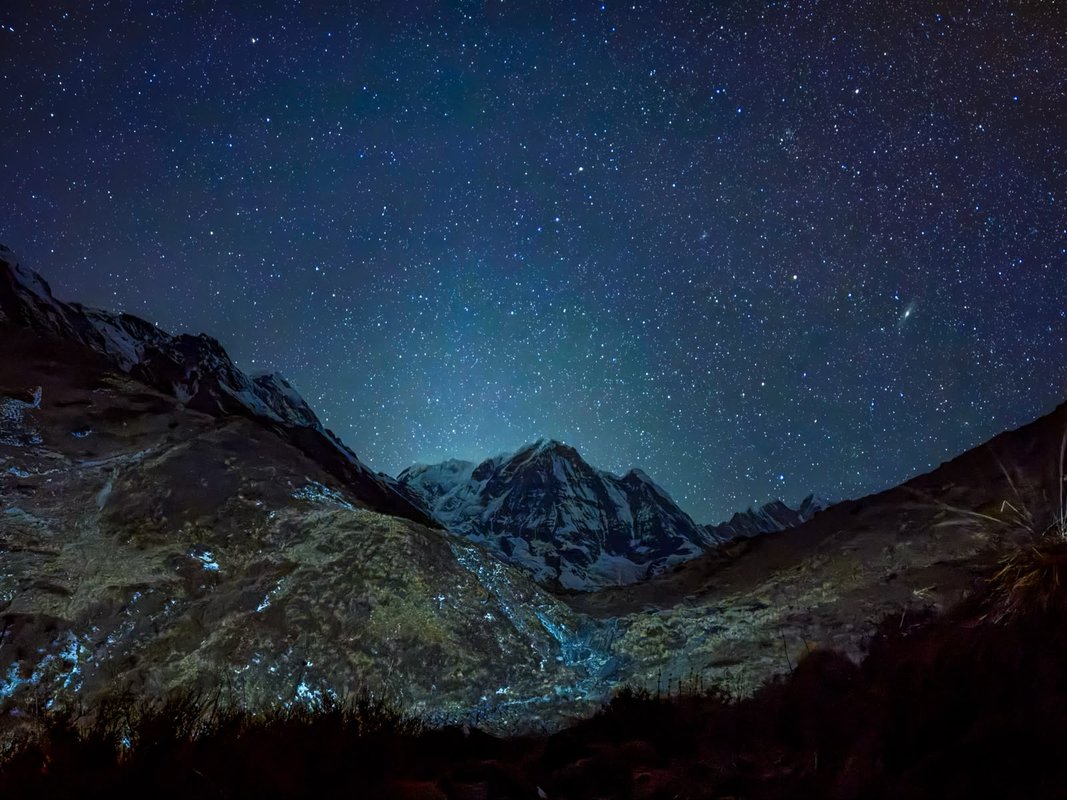
The Annapurna region offers more trekking routes than any other area in Nepal, from short three-day foothill walks to epic two-week high-altitude expeditions. Whether you want to stand at Annapurna Base Camp at 4,130 meters, cross the legendary Thorong La pass at 5,416 meters, or enjoy a gentle family stroll through rhododendron forests, there is an Annapurna itinerary built for you. This guide breaks down every major route with day-by-day detail so you can choose the perfect adventure for your time, fitness, and budget.
Which Annapurna Trek Itinerary Is Right for You?
Choosing the right Annapurna itinerary depends on three factors: how many days you have, your fitness level, and what you want to see. Short treks like Ghorepani Poon Hill take five to seven days and suit almost everyone. The Annapurna Base Camp trek takes ten to fourteen days and reaches high altitude. The Annapurna Circuit with Tilicho Lake is the longest and most demanding, taking thirteen to sixteen days. Each route offers distinct landscapes, cultural encounters, and challenge levels.
What Are the Most Popular Annapurna Trek Routes in 2026?
The most popular Annapurna trekking routes for 2026 include the classic Annapurna Base Camp trek, the Ghorepani Poon Hill trek, the Annapurna Circuit with Tilicho Lake, the Mardi Himal trek, and the short Annapurna Base Camp express trek. Each route showcases different aspects of the Annapurna range, from panoramic sunrise views at Poon Hill to the dramatic amphitheater of peaks at Base Camp. You can explore all available options on our tour listing page.
Annapurna Base Camp Trek: 10-Day Itinerary
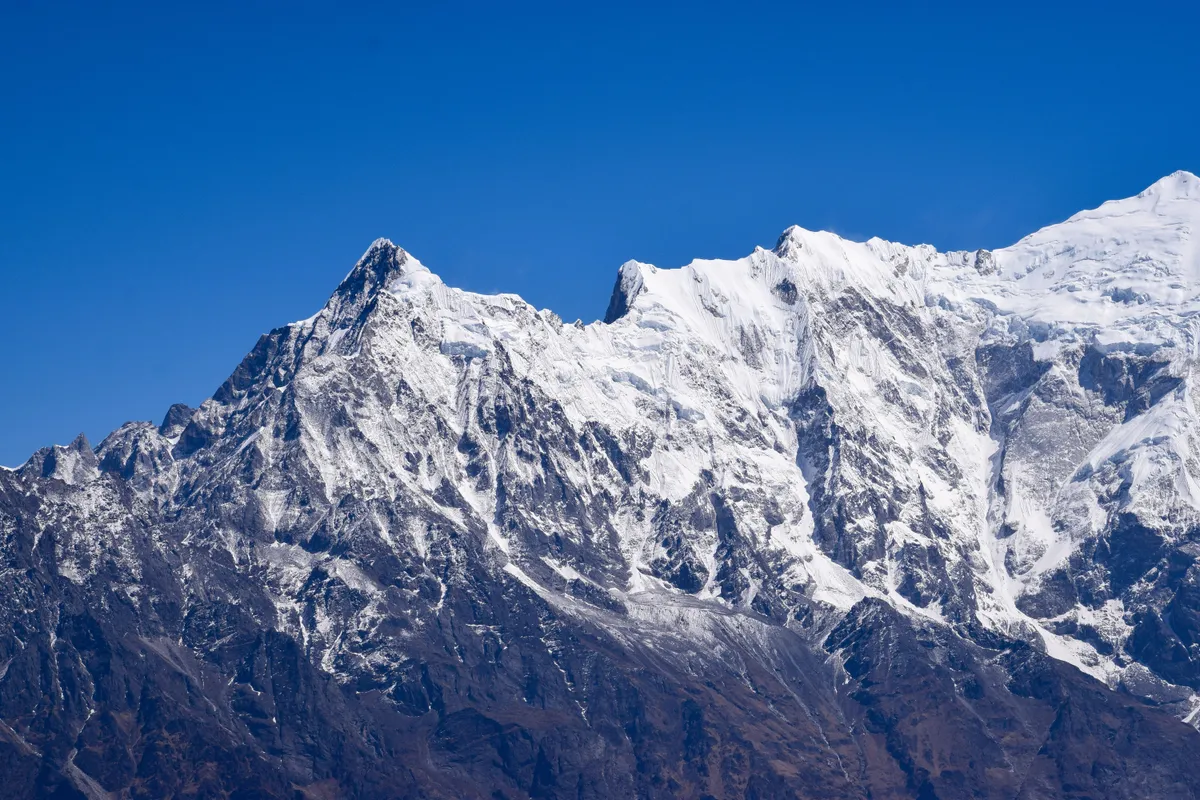
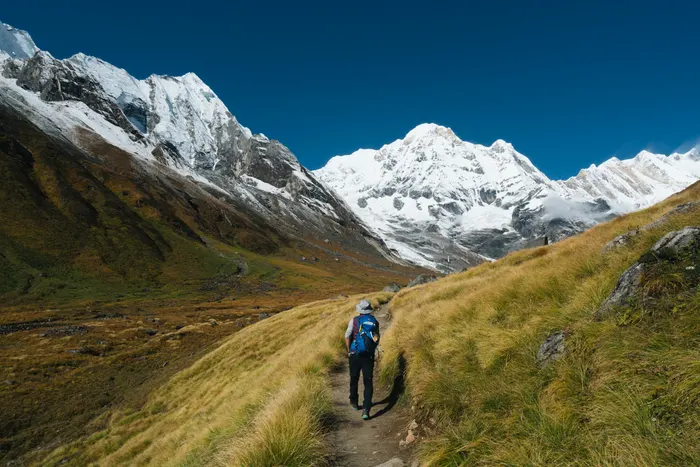
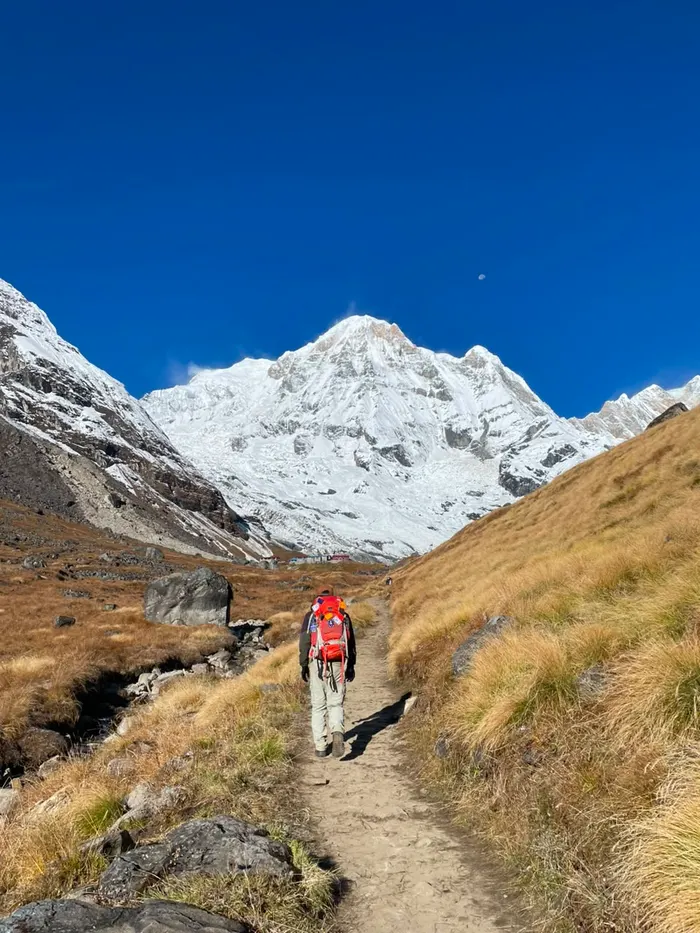
The Annapurna Base Camp Trek (10 Days) is the flagship Annapurna trek and the route most travelers choose. It takes you deep into the Annapurna Sanctuary, a glacial basin surrounded by some of the highest peaks on earth. The trek begins with a drive from Pokhara to Naya Pul, then follows the Modi Khola valley through Ghandruk and Chhomrong before climbing through bamboo forests to Deurali and finally to Base Camp at 4,130 meters.
Day 1 begins with a scenic drive from Pokhara to Naya Pul, followed by a gentle walk to Ghandruk, a beautiful Gurung village with stone houses and terraced fields. Day 2 takes you from Ghandruk to Chhomrong, the last permanent village before Base Camp. Day 3 follows the Modi Khola through Bamboo and Dovan. Day 4 climbs to Deurali and Himalaya. Day 5 is the push to Machhapuchhre Base Camp and then Annapurna Base Camp, where you stand surrounded by Annapurna South, Hiunchuli, Gangapurna, and Machhapuchhre. Day 6 is the long descent back to Bamboo. Day 7 continues to Jhinu Danda for natural hot springs. Day 8 returns to Naya Pul and drives to Pokhara.
This itinerary includes two acclimatization rest days to help your body adjust to the altitude. The maximum elevation reached is 4,130 meters at Annapurna Base Camp. The trek is moderate in difficulty, suitable for anyone with basic fitness who can walk five to six hours per day on mountain trails. Teahouse accommodation is available every night along the route.
How Long Is the Short Annapurna Base Camp Trek?
The Annapurna Base Camp Short Trek (7 Days) condenses the classic ABC route into seven days by skipping rest days and taking a more direct path. It starts from Pokhara, drives to Naya Pul, and reaches Base Camp via a slightly different trail through Sinuwa rather than Ghandruk. This is ideal for trekkers who are short on time but still want the full Base Camp experience. The tradeoff is a tighter schedule with less acclimatization buffer, so this route is best for people with previous high-altitude trekking experience.
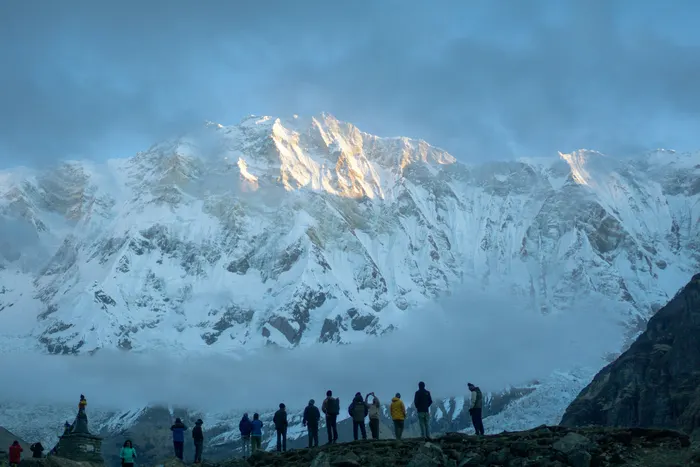
The express itinerary still includes the dramatic approach through the Modi Khola gorge, the bamboo and rhododendron forests, and the unforgettable sunrise at Annapurna Base Camp. You descend via a different trail through Jhinu Danda, where you can soak in natural hot springs before returning to Pokhara. The maximum elevation is the same 4,130 meters, and the daily walking hours are slightly longer at six to seven hours per day.
Ghorepani Poon Hill Trek: 7-Day Itinerary
The Ghorepani Poon Hill Trek (7 Days) is the most popular short trek in the Annapurna region and arguably the best introduction to Himalayan trekking. Poon Hill at 3,210 meters offers one of the most spectacular sunrise panoramas in Nepal, with views of Dhaulagiri, Annapurna South, Machhapuchhre, and the Nilgiri peaks. The trek is rated easy to moderate and is suitable for families, seniors, and first-time trekkers.
Day 1 starts with a drive from Pokhara to Nayapul, then a gentle walk through terraced farmland to Tikhedhunga. Day 2 is the famous stone staircase climb to Ulleri, then through rhododendron forests to Ghorepani. Day 3 is the pre-dawn hike up to Poon Hill for sunrise, followed by a trek through forests to Tadapani. Day 4 descends to Ghandruk, a picturesque Gurung village. Day 5 is a short walk down to Nayapul and a drive back to Pokhara.
The maximum elevation is 3,210 meters at Poon Hill, well below the altitude where most people experience problems. The daily walking hours are three to five hours, making this one of the most relaxed Himalayan treks available. The rhododendron forests are spectacular in spring (March and April) when the flowers bloom in full color. You can learn more about this destination on our Ghorepani destination page.
What Is the Annapurna Circuit with Tilicho Lake Itinerary?
The Annapurna Circuit with Tilicho Lake Trek (13 Days) is the grand tour of the Annapurna region. It combines the classic Circuit route, which circles the entire Annapurna massif, with a side trip to Tilicho Lake, one of the highest lakes in the world at 4,919 meters. The trek crosses the Thorong La pass at 5,416 meters, the highest pass on a standard trekking route in Nepal.
Day 1 begins with a drive from Kathmandu to Besisahar and on to Chame. Day 2 treks to Upper Pisang, where you get your first views of Annapurna II. Day 3 takes you to Manang, a large village at 3,540 meters where you spend a rest day acclimatizing. Day 4 is the acclimatization day in Manang with optional hikes to Ice Lake or the Gangapurna viewpoint. Day 5 treks to Shiri Kharka. Day 6 is the side trip to Tilicho Lake at 4,919 meters, then back to Shiri Kharka. Day 7 continues to Yak Kharka. Day 8 goes to Thorong Phedi. Day 9 is the big day: crossing Thorong La at 5,416 meters and descending to Muktinath. Day 10 drives to Marpha and on to Tatopani hot springs. Day 11 treks to Ghorepani. Day 12 is Poon Hill sunrise then trek to Nayapul. Day 13 drives back to Pokhara.
This is a challenging trek that requires good fitness and previous altitude experience. The crossing of Thorong La requires an early start (typically 4:00 AM) to avoid afternoon winds. You can explore the Muktinath area, a sacred pilgrimage site for both Hindus and Buddhists, and the arid Upper Mustang region on the northern side of the pass.
Annapurna Circuit Budget Trek: 14-Day Group Joining Itinerary
The Annapurna Circuit Budget Trek (14 Days) follows the same Circuit route but adds an extra acclimatization day and is designed for group departures. This is the most cost-effective way to do the full Circuit, as group sharing reduces the per-person cost of guides, porters, and transportation. The 14-day schedule allows for better acclimatization, with rest days in Manang and potentially at Thorong Phedi.
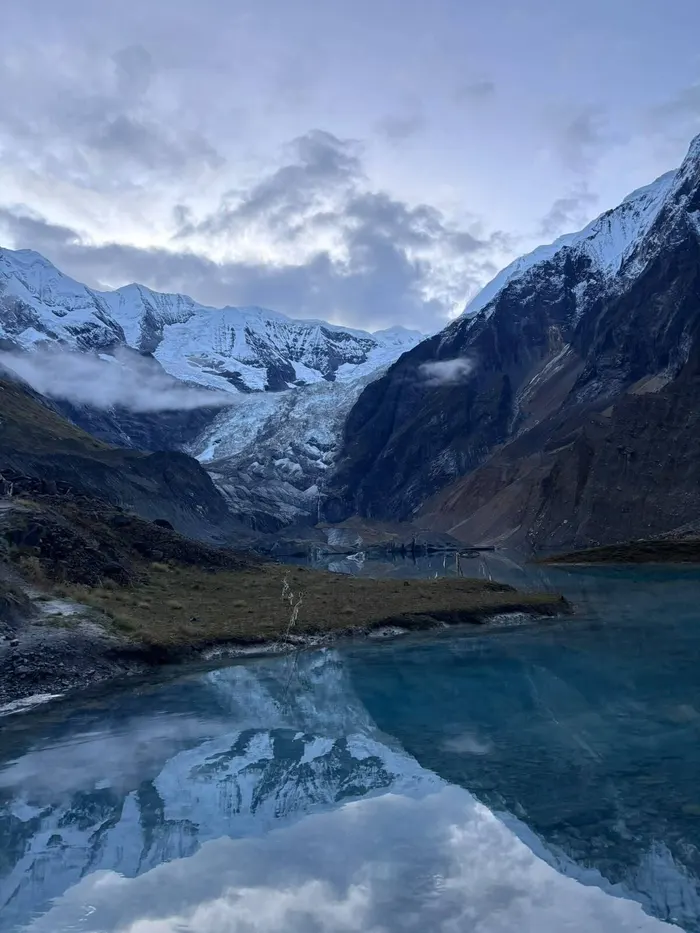
The budget trek uses standard teahouses along the route, which offer basic but comfortable accommodation with shared bathrooms and communal dining rooms. Meals are included at the teahouses and feature a mix of Nepali and international dishes. The group joining format means you will trek with other international travelers, making it a social experience as well as an adventurous one. Group sizes are typically eight to twelve people with one guide and assistant guides as needed.
How Long Is the Mardi Himal Trek?
The Mardi Himal Trek (5 Days) is the shortest Annapurna trek and a hidden gem. It follows a ridge trail at around 3,300 to 4,500 meters that runs parallel to the Annapurna Base Camp route but on the opposite side of the valley. The views are stunning and the trail is much less crowded than the main routes. You get close-up views of Machhapuchhre (Fishtail), Annapurna South, and Hiunchuli.
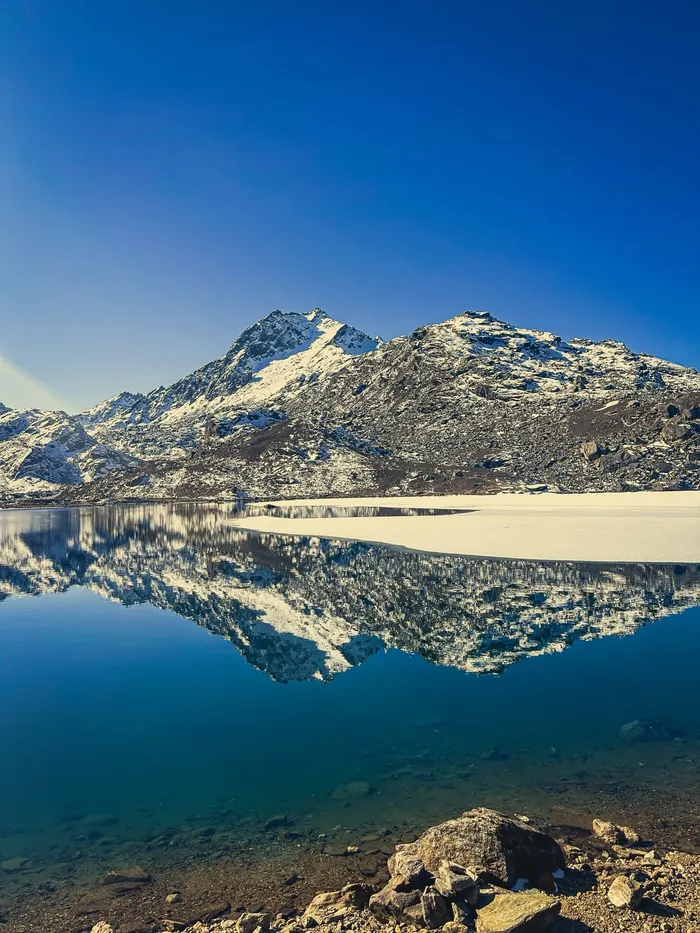
Day 1 drives from Pokhara to Phedi and treks to Deurali. Day 2 follows the ridge through forest to Forest Camp. Day 3 continues to High Camp at 3,900 meters. Day 4 is the early morning hike to the Mardi Himal viewpoint at 4,500 meters, then descent to Sidding village. Day 5 is a short walk to Lumre and drive back to Pokhara. The maximum elevation is 4,500 meters at the viewpoint. This trek is moderate in difficulty and suitable for anyone with reasonable fitness. Explore the Mardi Himal destination page for more details.
What Special Annapurna Trek Variations Are Available?
Beyond the standard routes, Enticing Himalayas offers several specialized Annapurna trek packages designed for specific interests and groups. The Annapurna Luxury Lodge Trek (12 Days) upgrades your accommodation to premium lodges with attached bathrooms, hot showers, and gourmet meals along the ABC route. The Annapurna Photography Trek (11 Days) is timed for golden-hour photography at Poon Hill and ABC, with a guide who knows the best viewpoints.
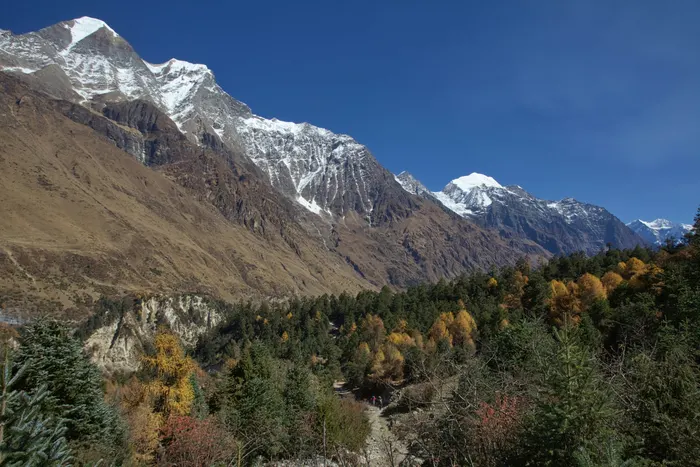
For families, the Annapurna Family Trek (9 Days) is specially designed for children, with shorter walking days, kid-friendly meals, and interactive cultural stops. The Annapurna Solo Women's Trek (10 Days) is a female-led, women-only trek to ABC. The Annapurna Senior Trek (8 Days) is designed for travelers over 60 with a gentle pace and extra rest days.
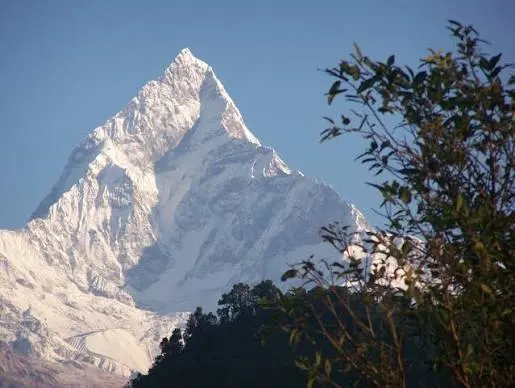
Other variations include the Annapurna Helicopter Return Trek (6 Days) where you trek up to ABC and fly back by helicopter, the Annapurna Yoga Trek (9 Days) with daily yoga sessions, the Annapurna Winter Trek (8 Days) for snow-season adventure, and the Annapurna Mother-Daughter Trek (9 Days) for mother-daughter pairs.
Which Annapurna Trek Itinerary Suits Your Schedule?
If you have only five to seven days, the Mardi Himal trek or the Ghorepani Poon Hill trek are your best options. Both are short, relatively easy, and deliver spectacular mountain views. If you have eight to ten days, the Annapurna Base Camp trek is the obvious choice, reaching the heart of the Annapurna range. If you have twelve or more days and want the ultimate adventure, the Annapurna Circuit with Tilicho Lake offers the most diverse landscapes and cultural experiences in the region.
For those who cannot decide, our team at Enticing Himalayas can help you customize an itinerary that combines elements of multiple routes. Many trekkers combine Poon Hill with ABC for a twelve-day journey that includes both the panoramic sunrise view and the Base Camp amphitheater. You can browse all our Annapurna offerings and explore more adventures on our website.
What Should You Pack for Any Annapurna Trek Itinerary?
Regardless of which Annapurna itinerary you choose, certain gear is universal. A good pair of broken-in trekking boots is the most important item. You need layered clothing: a base layer, a fleece mid-layer, and a waterproof and windproof outer shell. A down jacket is essential for any trek that goes above 3,000 meters, especially for early morning starts. A sleeping bag rated to at least minus 10 degrees Celsius is recommended even for teahouse treks, as the blankets may not be sufficient at higher altitudes.
Other essentials include a headlamp, water purification tablets or a filter, a first aid kit with altitude sickness medication (Diamox), sunscreen, a wide-brim hat, and trekking poles. Trekking poles reduce knee impact on descents by up to 25 percent and are highly recommended for any route with significant elevation change. A detailed packing list is provided when you book any of our packages.
When Is the Best Time to Trek Annapurna in 2026?
The best months for Annapurna trekking are the spring season (March to May) and the autumn season (September to November). Spring brings blooming rhododendrons, warmer temperatures, and clear morning views. Autumn offers the clearest skies of the year, stable weather, and comfortable daytime temperatures. Winter (December to February) is possible on lower routes like Poon Hill but brings snow and cold at higher elevations. The monsoon season (June to August) brings rain, leeches, and cloudy views on the southern routes, though the rain-shadow areas of Upper Mustang and Manang remain relatively dry.
For a detailed month-by-month weather breakdown, check our Annapurna Trek Weather by Month guide. Booking in advance is recommended for the peak months of October and April, as teahouses and guide availability become limited.
How Much Does an Annapurna Trek Itinerary Cost?
The cost of an Annapurna trek varies by route, duration, and level of service. A guided Ghorepani Poon Hill trek for seven days typically costs between USD 600 and 900 per person including guide, porter, accommodation, meals, permits, and transportation. The ten-day ABC trek ranges from USD 800 to 1,200. The thirteen-day Circuit with Tilicho Lake ranges from USD 1,100 to 1,600. Budget group joining treks reduce the cost by sharing expenses. For a detailed cost comparison, see our Annapurna Trek Cost Guide 2026.
Do You Need a Guide for Annapurna Trekking in 2026?
As of 2023, the Nepal Tourism Board requires all trekkers in the Annapurna Conservation Area to have a licensed guide or be part of an organized group. Solo independent trekking without a guide is no longer permitted. This rule was implemented for safety reasons after several incidents involving unaccompanied trekkers. Having a guide also enhances the experience: they know the best trails, teahouses, viewpoints, and can explain the local culture, flora, and fauna in depth.
All Enticing Himalayas packages include experienced, government-licensed guides who speak English and are trained in first aid and altitude sickness management. Porters are also available to carry your main pack, allowing you to walk with just a light daypack. This significantly improves the trekking experience and reduces fatigue.
What Permits Do You Need for Annapurna Trekking?
All Annapurna treks require two permits: the Annapurna Conservation Area Permit (ACAP) and the TIMS (Trekkers Information Management System) card. The ACAP costs NPR 3,000 per person (approximately USD 22) and the TIMS card costs USD 10 per person. These permits are included in all Enticing Himalayas packages. If you are trekking independently, you can obtain both permits at the Nepal Tourism Board office in Kathmandu or Pokhara, or at the checkpoint in Besisahar for the Circuit route.
For restricted areas within the Annapurna region, such as Upper Mustang, additional permits are required. The Upper Mustang restricted area permit costs USD 500 per person for ten days. This is only relevant if your itinerary includes the northern section of the Circuit beyond Kagbeni.
What Are the Best Annapurna Itineraries for Beginners?
Beginners should start with the Ghorepani Poon Hill trek (7 days) or the Mardi Himal trek (5 days). Both routes stay below 4,500 meters, have well-maintained trails, and offer comfortable teahouse accommodation every night. The Poon Hill trek is particularly beginner-friendly with daily walking times of just three to five hours and a maximum elevation of 3,210 meters. For more beginner guidance, read our Annapurna Trek for Beginners guide.
The Annapurna Region is widely considered the best place in Nepal for a first Himalayan trek. The infrastructure is excellent, the trails are well-marked, and the teahouse network means you never need to camp. Starting with a shorter route builds confidence and fitness for longer, higher treks in the future.
How Do You Prepare for an Annapurna Trek?
Physical preparation is key to enjoying any Annapurna trek. Even for the easier routes, you should be able to walk five to six hours on hilly terrain with a light daypack. A structured training plan starting six to eight weeks before your trek is ideal. This should include cardiovascular exercise (hiking, walking, cycling, swimming) three to four times per week, plus strength training focused on legs, core, and balance. For a complete training plan, see our 6-Week Annapurna Trek Training Plan.
Mental preparation is equally important. Familiarize yourself with the route, the altitude profile, and the daily schedule so there are no surprises. Practice hiking with your trekking boots and daypack to break in your gear. Hydration is critical at altitude: aim to drink at least three to four liters of water per day during the trek.
What Is the Annapurna Helicopter Return Trek?
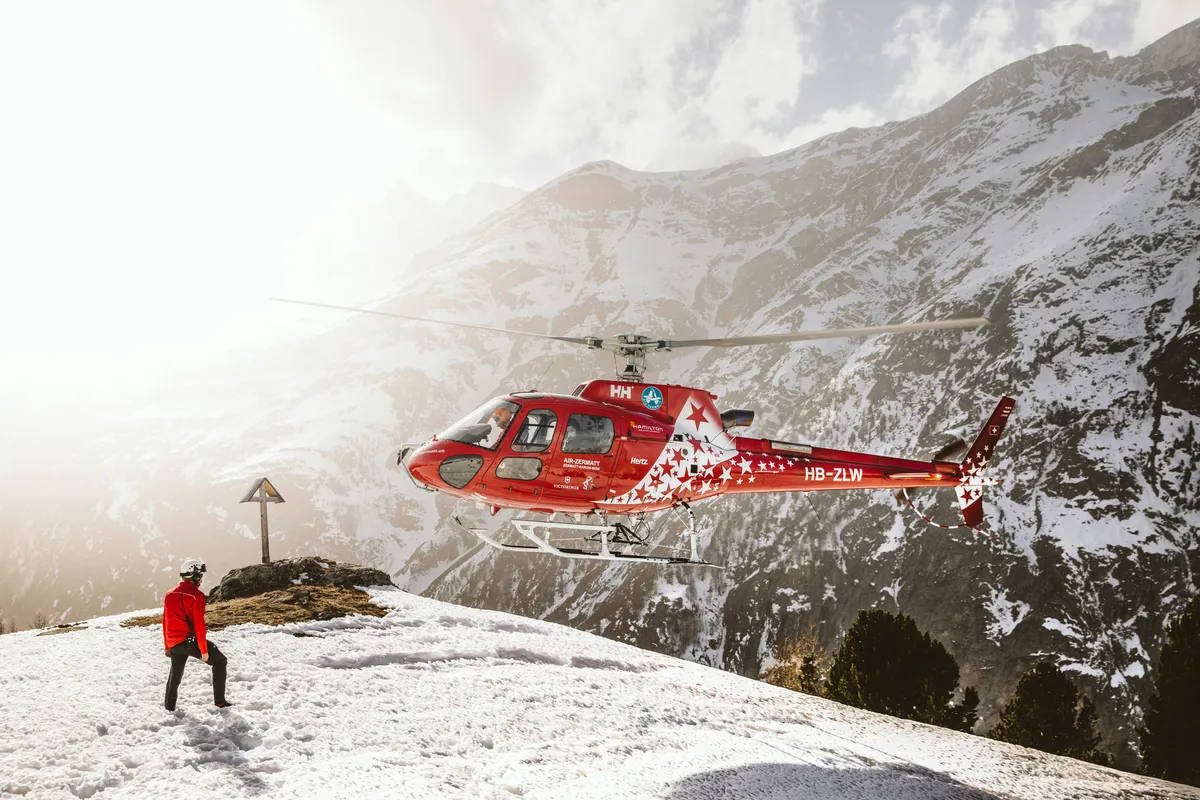
The Annapurna Helicopter Return Trek (6 Days) is a unique itinerary that combines the satisfaction of trekking up to Annapurna Base Camp with the thrill of a helicopter flight back. You trek up through Ghandruk, Chhomrong, and the Modi Khola valley to reach Base Camp over five days. On day 6, a helicopter picks you up at Base Camp and flies you directly back to Pokhara, soaring over the glaciers and peaks you just walked through. This is perfect for trekkers who want to minimize descent time or who have knee issues that make long downhill walks difficult.
Can You Customize an Annapurna Trek Itinerary?
Yes, every Annapurna trek itinerary can be customized. Enticing Himalayas specializes in tailor-made journeys. You can add extra rest days, combine routes (such as Poon Hill plus ABC), extend the Circuit with a side trip to Upper Mustang, or shorten a trek by using jeeps for the first and last sections. Custom itineraries are particularly popular for families, photography groups, and travelers with specific cultural interests. Contact us through the tour listing page to start planning your custom Annapurna adventure.
What Is the Panchase Panorama Trek?
The Panchase Panorama Trek is an off-the-beaten-path Annapurna foothills hike that stays below 2,500 meters. It is ideal for trekkers who want Himalayan views without the altitude or the crowds. The trail passes through lush forests, traditional villages, and the sacred Panchase lake, with panoramic views of the Annapurna and Dhaulagiri ranges. This is a great option during the monsoon season as the lower elevation means less rain impact.
Where Do Annapurna Treks Start and End?
Most Annapurna treks start and end in Pokhara, the beautiful lakeside city that serves as the gateway to the Annapurna region. Pokhara is a 200-minute drive or a 25-minute flight from Kathmandu. The Annapurna Circuit traditionally starts from Besisahar, which is a five to six hour drive from Kathmandu or a three to four hour drive from Pokhara. All Enticing Himalayas packages include transportation to and from the trailhead, typically by private vehicle with a stop in Pokhara.
FAQ: Annapurna Trek Itineraries
What is the shortest Annapurna trek itinerary?
The Mardi Himal trek at five days is the shortest Annapurna trek itinerary. It departs from Pokhara and reaches a viewpoint at 4,500 meters with spectacular close-up views of Machhapuchhre and Annapurna South. The Ghorepani Poon Hill trek at seven days is the shortest route that stays below 3,300 meters.
How many days do you need for Annapurna Base Camp?
The standard Annapurna Base Camp trek takes ten days including two acclimatization rest days. An express seven-day version is available for experienced trekkers who are short on time. The ten-day itinerary is recommended for most travelers as it allows proper acclimatization and a more relaxed pace with time to enjoy the villages and views along the way.
Is the Annapurna Circuit harder than Base Camp?
Yes, the Annapurna Circuit is harder than the Base Camp trek. The Circuit crosses Thorong La at 5,416 meters, over 1,200 meters higher than Annapurna Base Camp at 4,130 meters. The Circuit is also longer (13 to 16 days versus 10 days) and has more sustained climbing. Both treks require good fitness, but the Circuit demands better acclimatization and mental preparation for the high pass crossing.
Can you combine Poon Hill and Annapurna Base Camp?
Yes, combining Poon Hill and Annapurna Base Camp is a popular twelve-day itinerary. You start with the Ghorepani Poon Hill section for the panoramic sunrise view, then trek through Tadapani and Chhomrong to join the ABC trail. This combination gives you both the wide-angle mountain panorama and the immersive Base Camp amphitheater experience in one trek.
Do Annapurna trek itineraries include accommodation and meals?
All guided Enticing Himalayas Annapurna packages include teahouse accommodation along the trail and three meals per day (breakfast, lunch, dinner). The teahouses offer basic twin-share rooms with shared bathrooms. Meals are typically Nepali, Tibetan, and international dishes from a menu. Hot showers and Wi-Fi are available at most teahouses for a small additional charge.
What is the best month for Annapurna trekking in 2026?
October and April are the two best months for Annapurna trekking. October offers the clearest skies of the year after the monsoon, with stable weather and comfortable temperatures. April brings blooming rhododendrons and warmer days. Both months are peak season, so book at least two months in advance to secure teahouse space and guide availability along the trail.