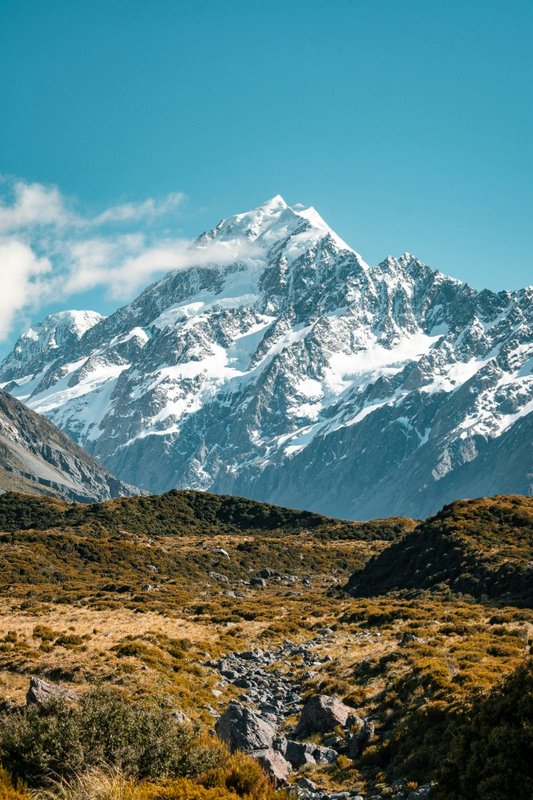
Planning to trek to Everest Base Camp in 2026? Understanding the weather month by month is the single most important factor in choosing when to go. The Everest region sits at the mercy of Himalayan weather systems that shift dramatically between seasons, and the difference between a clear, rewarding trek and a gruelling, dangerous one often comes down to timing. This guide breaks down Everest Base Camp weather for every month of 2026, with real temperature ranges, precipitation patterns, visibility expectations and trail conditions so you can pick the window that matches your goals.
Whether you are aiming for the classic 14-day Everest Base Camp itinerary or considering a helicopter tour alternative for a shorter visit, the weather data below will help you decide. For a broader look at trekking seasons across all of Nepal, our month-by-month Nepal trekking guide covers every region.
How Everest Base Camp Weather Works: The Basics
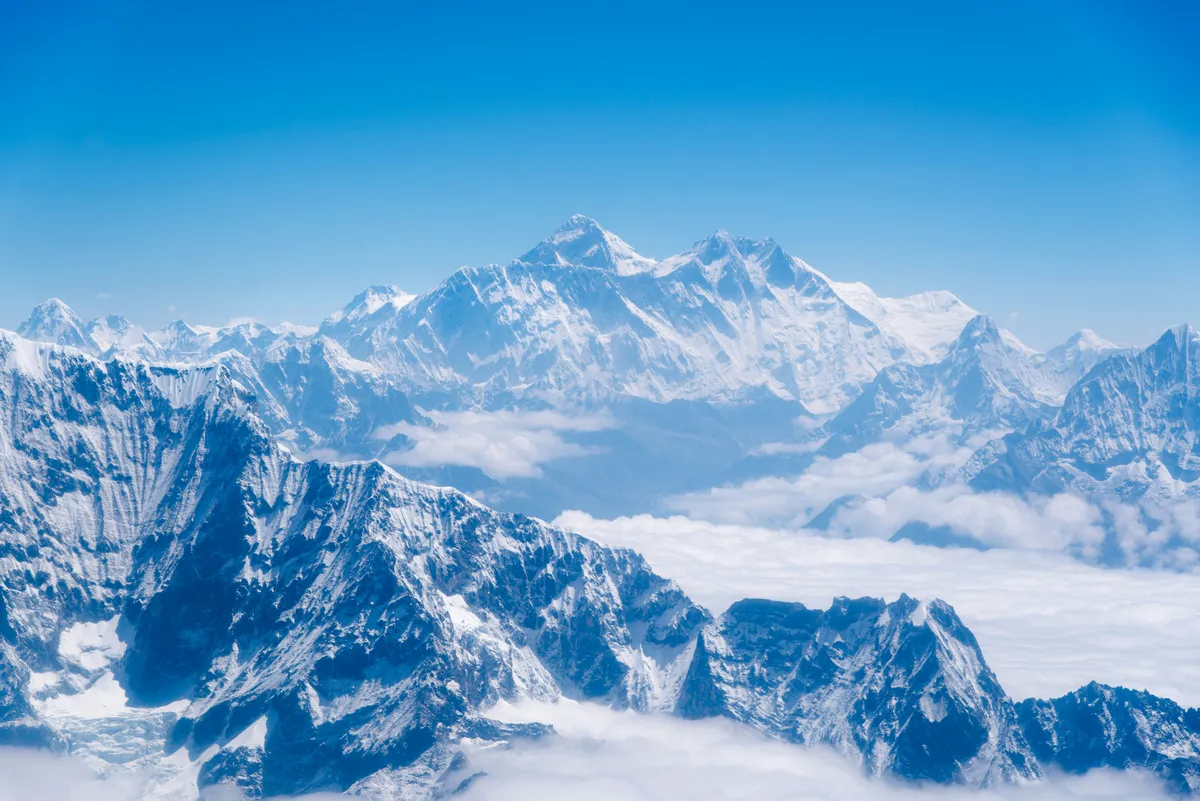
Before diving into each month, it helps to understand what drives weather in the Khumbu region. Everest Base Camp sits at 5,364 metres (17,598 feet), and the trail passes through a progression of climate zones from Lukla (2,860 m) to Gorak Shep (5,164 m). As you climb, temperatures drop roughly 6 degrees Celsius for every 1,000 metres of elevation gain. This means a pleasant 15 degrees in Lukla can translate to minus 15 at Base Camp on the same day.
The region is governed by two major weather systems: the Indian summer monsoon (June to September) and the westerly winter disturbances (December to February). Spring (March to May) and autumn (October to November) are the shoulder seasons between these systems and offer the most stable trekking conditions. For a deep dive on choosing between these windows, see our detailed best-time guide for EBC.
Key weather metrics to watch on the trail:
- Temperature: Daytime highs vs nighttime lows at different elevations
- Precipitation: Rain at lower elevations, snow above 4,000 m
- Visibility: Cloud cover and haze affecting mountain views
- Wind: Afternoon winds that pick up above Namche Bazaar
- Trail conditions: Snow, ice, mud and bridge stability
Our honest assessment of EBC trek difficulty explains how weather compounds the physical challenge, and the complete trekking agency guide covers what to look for in a guide who understands Himalayan weather.
January: Deep Winter on the Everest Trail
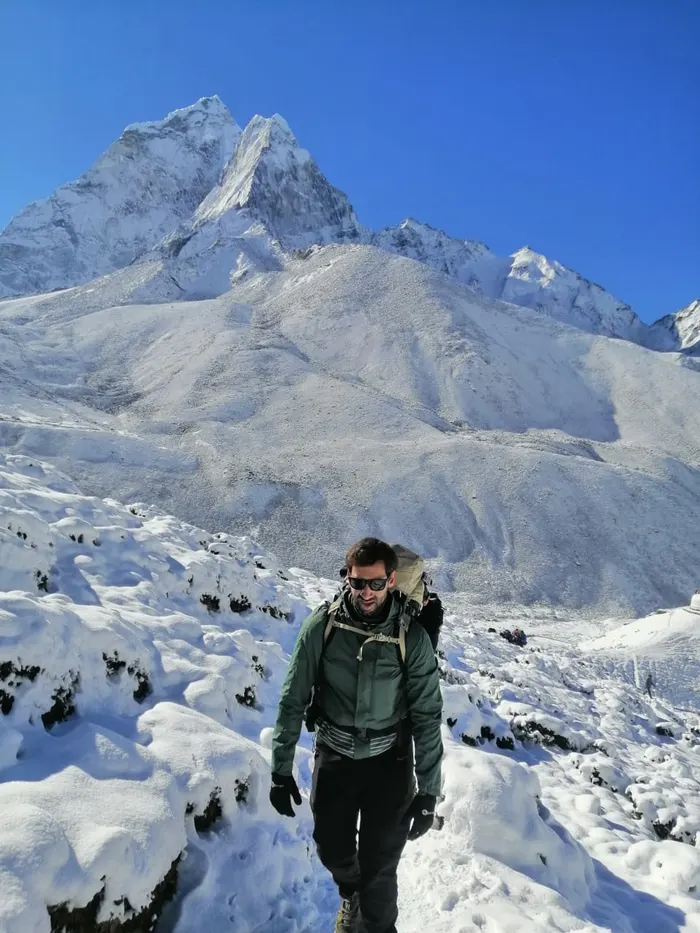
January is the coldest month on the EBC route. Temperatures at Base Camp range from minus 20 to minus 5 degrees Celsius, with daytime highs barely reaching single digits above zero at lower elevations. Lukla sees daytime highs around 5 to 8 degrees, while Namche Bazaar hovers between minus 5 at night and 5 degrees during the day. Above 4,000 metres, expect consistent sub-zero conditions.
Snowfall is moderate but persistent. The trail from Dingboche to Lobuche often has packed snow and ice, and the final stretch to Base Camp can be snow-covered. Teahouses remain open in major villages like Namche, Tengboche and Dingboche, but many higher lodges close for winter. The pass beyond Lobuche to Gorak Shep is passable but requires crampons in sections.
Visibility is actually excellent in January. The air is crisp and dry, and mountain views are among the clearest of the year on sunny days. The trade-off is the cold. Mornings are brutally frigid, and trekking hours are short because daylight runs from roughly 6:40 AM to 5:10 PM. Crowds are minimal, making January ideal for experienced trekkers who can handle extreme cold and want solitude.
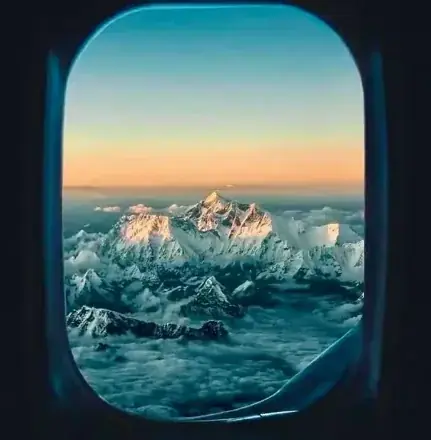
If you are not prepared for winter trekking, consider a mountain flight from Kathmandu instead, which gives you Everest views from a heated cabin in under an hour.
February: Still Cold but Hinting at Spring
February is marginally warmer than January but still firmly in winter. Base Camp temperatures range from minus 18 to minus 3 degrees. Lukla reaches 8 to 10 degrees on sunny afternoons. The key change is longer daylight hours, giving you more trekking time. By late February, the first signs of spring appear at lower elevations with rhododendron buds starting to swell below Namche.
Snowfall continues but begins to taper off in the second half of the month. Trail conditions improve slightly as packed snow consolidates into stable footpaths. Visibility remains outstanding. Crowds start to pick up in the last week of February as trekkers begin arriving for the spring season.
February is a good choice if you want winter conditions with slightly more comfort than January. Pack full winter gear including a four-season sleeping bag, insulated boots and crampons. Teahouses in Gorak Shep may still be closed, so verify lodging availability before committing.
March: Spring Opens the Trail
March marks the beginning of the spring trekking season and is one of the most popular months for EBC. Temperatures climb noticeably: Lukla sees daytime highs of 12 to 15 degrees, Namche reaches 8 to 10 degrees, and Base Camp ranges from minus 10 to 2 degrees. Nights remain cold above 4,000 metres but are no longer extreme.
Precipitation is low in early March but increases toward the end of the month. Light snow is possible at higher elevations, while rain occasionally hits Lukla and Phakding. Trail conditions are generally good, though melt-freeze cycles can make sections icy in the morning and slushy by afternoon.
Visibility is very good but not as crisp as January. A light haze begins to build in the afternoons, particularly at lower elevations. Rhododendrons start blooming below Namche, adding colour to the trail. Crowds build steadily through the month, and teahouse availability can be tight in Namche and Dingboche by late March.
April: Peak Spring Trekking Season
April is the busiest month on the EBC trail and for good reason. Temperatures are at their most comfortable: Lukla reaches 15 to 18 degrees, Namche hits 12 degrees, and even Base Camp sees daytime highs of 0 to 5 degrees. Nights above Dingboche still drop to minus 5 to minus 8, but the daytime warmth makes trekking pleasant.
Precipitation increases through April as the monsoon system begins its slow approach. Afternoon clouds build over the mountains, and light rain is possible below 3,500 metres. Snowfall at Base Camp becomes rare but not impossible. Mornings are generally clear with spectacular views, while afternoons bring cloud cover that can obscure peaks by 2 PM.
Trail conditions are excellent. Snow has melted from most of the route, and suspension bridges are stable. The rhododendron forests between Lukla and Namche are in full bloom, making this the most visually rewarding month. Crowds are at their peak, and teahouse bookings in Namche, Dingboche and Lobuche are essential. This is also prime season for climbers attempting the actual Everest summit, so Base Camp is a bustling tent city.
April is the best month for first-time EBC trekkers who want the full experience with the most forgiving weather. If you are deciding between spring and autumn, our EBC vs ABC comparison includes seasonal considerations for both routes.
May: Warm but Monsoon Approaches
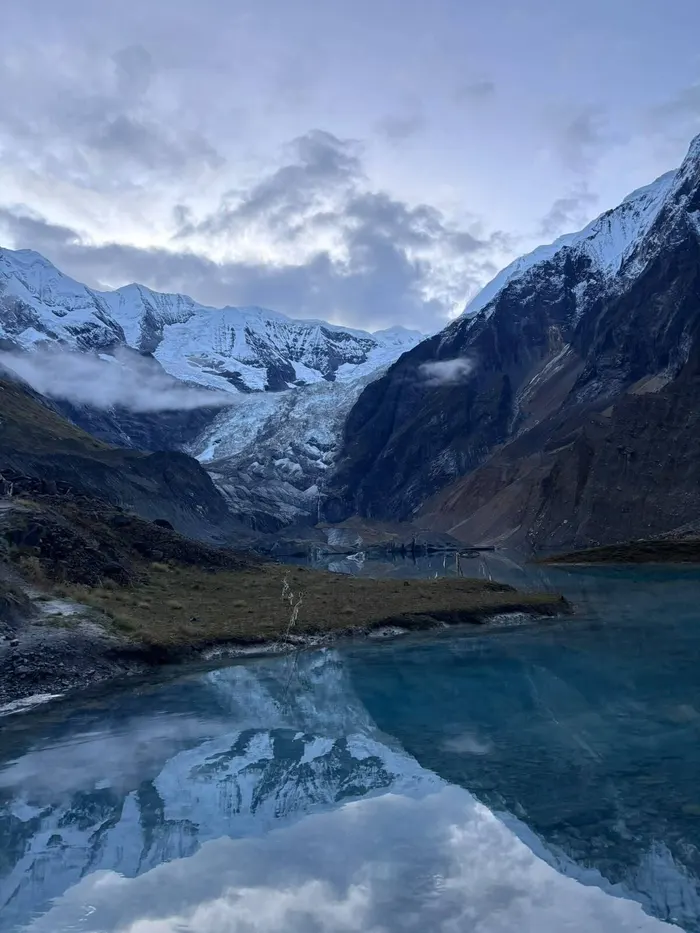
May is the warmest month on the EBC trail. Lukla reaches 18 to 20 degrees, and Base Camp sees daytime highs of 5 to 8 degrees. Nights remain below freezing above 4,000 metres but are noticeably milder. The trail is comfortable for trekking in light layers during the day.
However, May is also when the monsoon begins to influence the region. By mid-May, afternoon clouds arrive earlier and thicker. Precipitation increases significantly in the second half of the month, with rain at lower elevations and snow at Base Camp. Visibility in the mornings is still good, but by afternoon the peaks are often shrouded.
Early May is excellent for trekking. Late May becomes increasingly unpredictable. The Everest climbing season wraps up by late May, and Base Camp starts dismantling. Crowds thin out after the first week. If you choose May, aim for the first two weeks for the best balance of warmth and stability.
For those interested in the cultural side of the Khumbu, May often coincides with Buddha Jayanti celebrations at Tengboche Monastery. Our cultural and spiritual tours guide covers monastery visits and festival timing in the Everest region.


June: Monsoon Begins
June marks the start of the monsoon season. Temperatures remain warm (Lukla 18 to 22 degrees, Base Camp 3 to 6 degrees) but precipitation increases dramatically. Rain falls on most days at lower elevations, and snow is common above 4,500 metres. The trail becomes wet, muddy and slippery.
Visibility drops significantly. Clouds cling to the mountains, and clear views of Everest are rare. The landscape turns lush and green, with wildflowers carpeting the lower valleys, but the mountain panoramas that draw trekkers are largely obscured. Leeches appear on the trail below Namche.
June is not recommended for the EBC trek. Most teahouses remain open but are nearly empty. If you must trek in June, be prepared for rain gear, slippery trails and limited views. A better option for June is a helicopter tour, which can fly above the cloud layer for views that ground trekkers cannot access.
July: Peak Monsoon
July is the wettest month in the Everest region. Heavy rain falls on most days, and the trail from Lukla to Namche is a muddy, leech-infested path. Above Dingboche, precipitation shifts to snow, but cloud cover means you will rarely see the peaks. Temperatures at Base Camp range from 0 to 5 degrees, while Lukla sees 19 to 22 degrees.
Visibility is at its worst for the year. Clouds blanket the region for days at a time. Trail conditions are poor, with swollen rivers, unstable bridges and landslide risk on some sections. Most trekking companies do not run EBC groups in July.
July is the worst month for an EBC trek. If you are in Nepal during monsoon, consider cultural tours in Kathmandu Valley or a mountain flight on a clear morning between rain systems. The trek selection guide covers monsoon-friendly alternatives.
August: Monsoon Fading
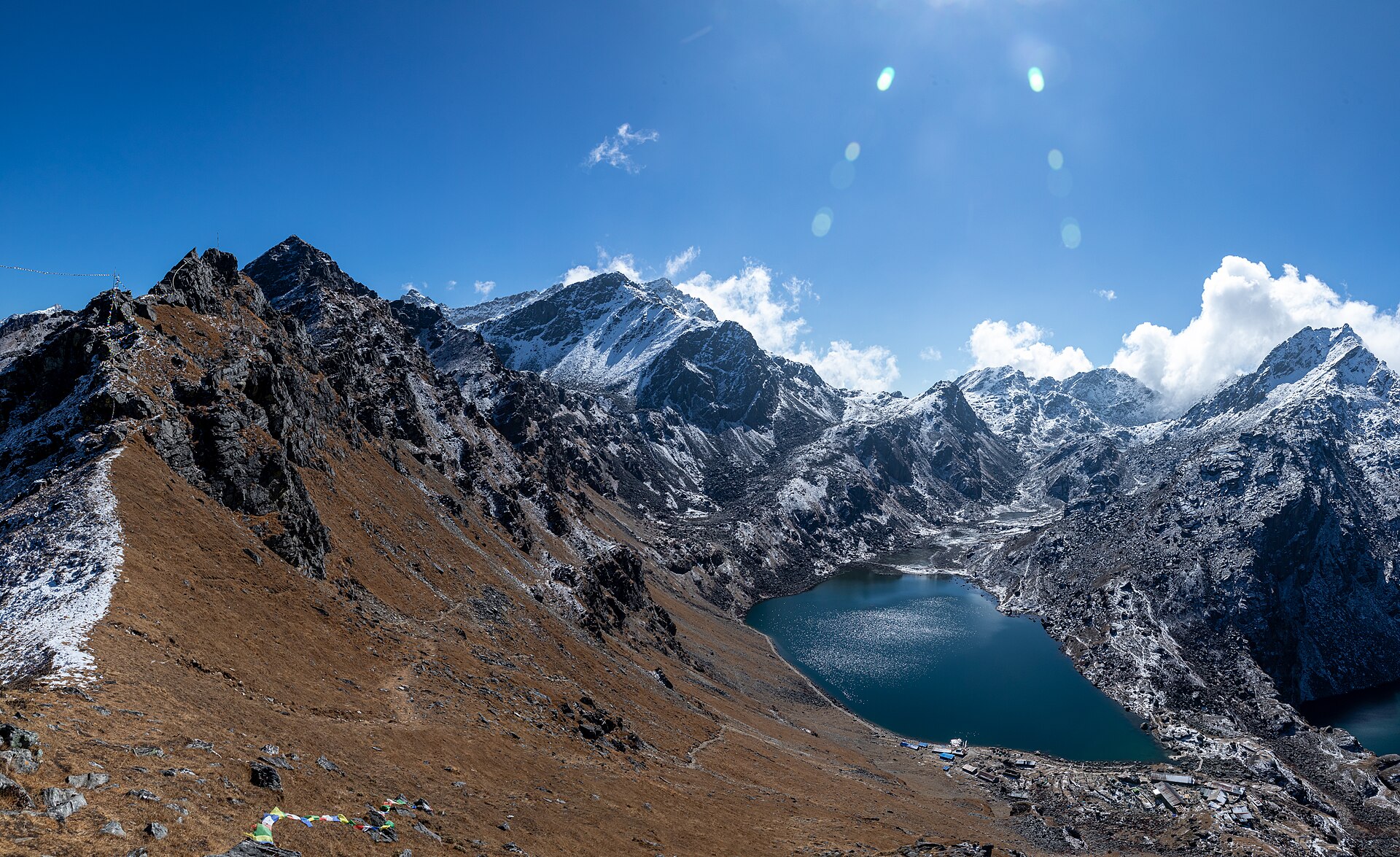
August is still monsoon but begins to taper off in the second half. Rainfall decreases noticeably after mid-August, though the trail remains wet and muddy. Temperatures are similar to July. Cloud cover begins to break up, offering occasional clear windows, particularly in the mornings.
By late August, the first post-monsoon trekkers start arriving. Visibility improves but is still unreliable. The landscape is at its greenest, with waterfalls and full rivers along the trail. This is a transitional month, not ideal but better than June or July.
If you trek in late August, pack full rain gear and be prepared for slippery conditions. Teahouses are open but quiet. The advantage is near-total solitude on a trail that will be packed in six weeks.
September: Autumn Season Begins
September is the start of the autumn trekking season, the second major window for EBC. Early September still sees some rain, but by mid-September the weather stabilises. Temperatures begin to drop: Lukla reaches 15 to 18 degrees, Namche 10 to 12 degrees, and Base Camp ranges from minus 5 to 3 degrees.
Visibility improves dramatically as the monsoon clears. The air is fresh and clean, washed free of dust by months of rain. Mountain views in late September are stunning, with crystal-clear panoramas. The landscape is still lush from the monsoon, making this one of the most beautiful months on the trail.
Trail conditions are good but can be wet in early September. Crowds build through the month but are lighter than October. Teahouse availability is generally fine without advance booking in the first two weeks. September is an excellent choice for trekkers who want clear views, comfortable temperatures and fewer crowds than peak October.
October: Peak Autumn Trekking
October is the single most popular month for the EBC trek and arguably the best weather window of the year. Temperatures are comfortable: Lukla 14 to 17 degrees, Namche 9 to 11 degrees, and Base Camp minus 3 to 5 degrees during the day. Nights are cold but manageable with a good three-season sleeping bag.
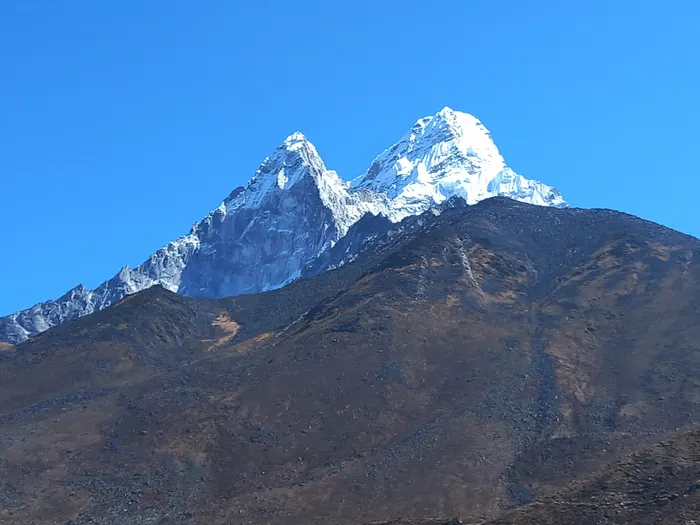
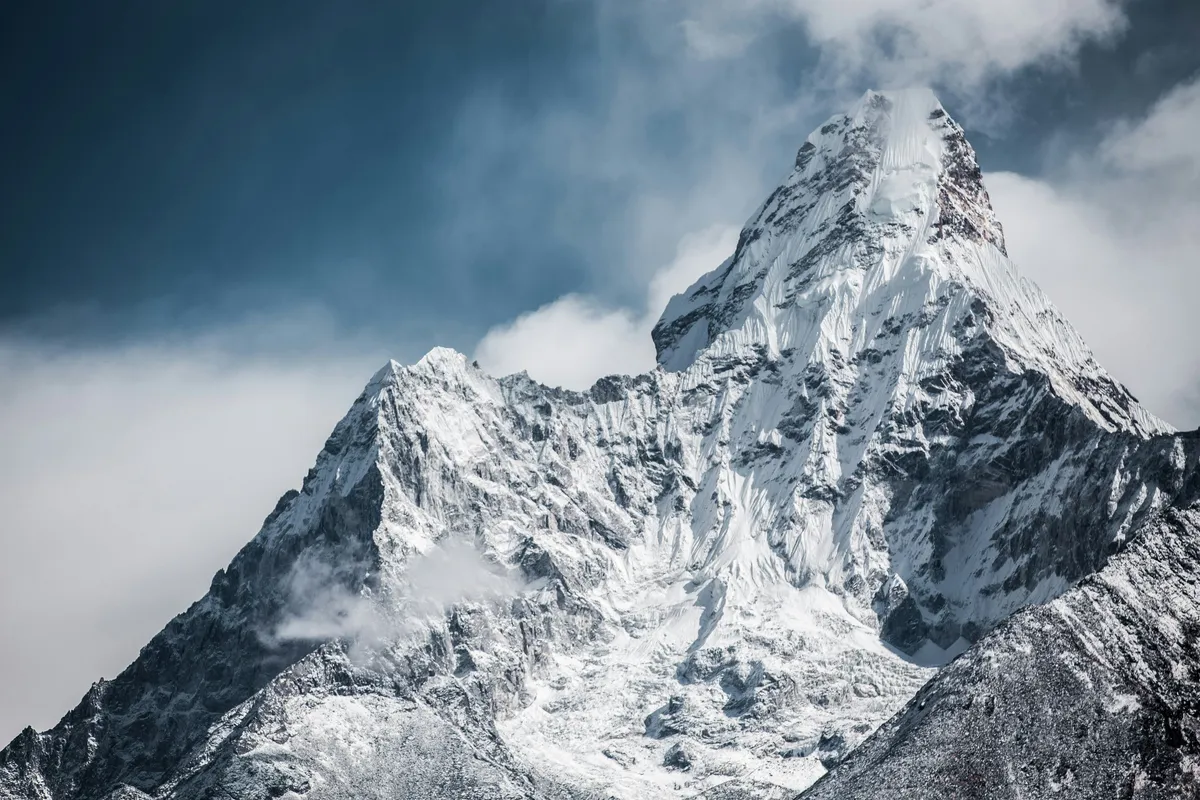
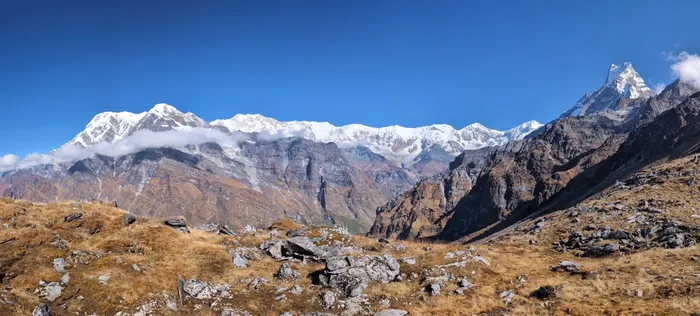
Precipitation is minimal. The monsoon has fully retreated, and skies are clear for days on end. Visibility is extraordinary, with the post-monsoon air providing the sharpest mountain views of the year. Everest, Lhotse, Nuptse and Ama Dablam stand out in razor-sharp detail against deep blue skies.
Trail conditions are excellent: dry, stable and well-maintained. Suspension bridges are secure after the monsoon runoff subsides. The landscape is still green at lower elevations but begins to dry out as the month progresses. Crowds are at their peak, comparable to April. Teahouse bookings in Namche, Dingboche and Gorak Shep are essential.
October is the gold standard for EBC trekking. If you can only go once, go in October. The combination of clear skies, moderate temperatures and stable trails is unbeatable. Our Everest region guide covers the full route in detail for October conditions.
November: Late Autumn, Colder but Clearer
November is the second half of the autumn season. Temperatures drop steadily through the month. Early November sees Lukla at 12 to 15 degrees and Base Camp at minus 2 to 3 degrees. By late November, Base Camp dips to minus 5 to minus 10, and Lukla drops to 8 to 10 degrees. Nights are cold everywhere above Namche.
Precipitation remains very low. Visibility is outstanding, with clear skies on most days. The air is crisp and dry, offering views that rival October. The landscape turns drier and more barren as autumn deepens, with golden grasses on the lower hills.
Trail conditions are good but cold mornings mean frost and ice on shaded sections above Dingboche. Early November is nearly as popular as October, but crowds thin significantly after mid-November. Teahouses are easier to book, and the trail feels more peaceful.
November is ideal for trekkers who want October-quality views with fewer crowds and can handle colder temperatures. Pack a warmer sleeping bag than you would for October and be prepared for short daylight hours (roughly 6:15 AM to 5:00 PM).
December: Winter Returns
December brings the return of winter conditions. Temperatures drop sharply: Lukla 6 to 10 degrees, Namche 0 to 5 degrees, and Base Camp minus 10 to minus 15 during the day, with nights plunging to minus 20 or lower. December is the second-coldest month after January.
Precipitation is low, and visibility is excellent on clear days. Snow begins to accumulate above Lobuche, and the trail to Gorak Shep can have packed snow and ice. Many teahouses in Gorak Shep and some in Lobuche close by mid-December. Those that remain open have limited heating.
Early December is still manageable for experienced winter trekkers. By mid-December, the risk of frozen trails, limited lodging and extreme cold makes the trek unsuitable for most people. Crowds are very low. December is a good month for experienced trekkers who want solitude and can handle full winter conditions.
Quick Reference: EBC Weather Summary Table
| Month | Base Camp Day/Night | Lukla Day | Precipitation | Visibility | Crowds | Rating |
|---|---|---|---|---|---|---|
| Jan | -5 / -20 C | 5-8 C | Low (snow) | Excellent | Very low | Expert only |
| Feb | -3 / -18 C | 8-10 C | Low (snow) | Excellent | Low | Expert only |
| Mar | 2 / -10 C | 12-15 C | Low-moderate | Very good | Building | Recommended |
| Apr | 5 / -8 C | 15-18 C | Moderate | Good (AM clear) | Peak | Highly recommended |
| May | 8 / -5 C | 18-20 C | Moderate-high | Good early, poor late | Moderate | Early May good |
| Jun | 6 / -2 C | 18-22 C | High (monsoon) | Poor | Very low | Not recommended |
| Jul | 5 / 0 C | 19-22 C | Very high | Very poor | Minimal | Not recommended |
| Aug | 5 / -2 C | 19-21 C | High, tapering | Poor, improving | Very low | Late Aug okay |
| Sep | 3 / -5 C | 15-18 C | Low (post-monsoon) | Excellent | Building | Highly recommended |
| Oct | 5 / -3 C | 14-17 C | Very low | Outstanding | Peak | Best month |
| Nov | 3 / -10 C | 8-12 C | Very low | Outstanding | Moderate | Highly recommended |
| Dec | -10 / -20 C | 6-10 C | Low (snow) | Excellent | Very low | Expert only |
Weather and Altitude Sickness: A Critical Connection
Weather directly affects your risk of altitude sickness on the EBC trek. Cold temperatures increase your breathing rate as your body works to stay warm, which accelerates dehydration. Dehydration is a major contributor to acute mountain sickness (AMS). In winter months (December to February), the combination of extreme cold and high altitude makes acclimatisation harder and AMS risk higher.
Conversely, warmer months (May, June) bring their own challenges. Heat increases fluid loss through sweating, and the tendency to trek faster in comfortable temperatures can lead to ascending too quickly. The key is matching your acclimatisation schedule to the weather conditions. Our altitude sickness prevention guide covers acclimatisation protocols, symptom recognition and emergency descent procedures in detail.
General weather-altitude rules for EBC:
- Drink 4-5 litres of water daily in all seasons (more in warm months)
- Add an extra acclimatisation day in winter if temperatures are extreme
- Trek in the morning when conditions are stable; afternoons bring wind and cloud
- Never ascend to sleep more than 500 m above the previous night
- Descend immediately if headache, nausea or dizziness appear
Packing for Everest Base Camp Weather by Season
Your gear list changes significantly depending on which month you choose. The core items remain the same, but layering requirements shift with the temperature range.
Spring and Autumn (March-May, September-November)
These are the standard trekking seasons. Pack a three-season sleeping bag rated to minus 10 degrees, a down jacket for evenings above Namche, merino base layers, a fleece mid-layer, a waterproof shell for occasional rain, and trekking trousers. Light gloves and a warm hat suffice for most days, with heavier gloves for mornings at high camp.
Winter (December-February)
Full winter gear is essential. A four-season sleeping bag rated to minus 25 degrees, a heavy down jacket, two layers of merino base layers, insulated trekking boots, gaiters, crampons, heavy-duty mittens, a balaclava, and a thermos for hot drinks. Chemical hand warmers are highly recommended. Pack spare batteries and keep them inside your jacket, as cold drains them quickly.
Monsoon (June-August)
If you trek in monsoon (not recommended but possible), pack a full Gore-Tex rain shell, rain trousers, a rain cover for your backpack, waterproof gaiters, and extra dry bags for electronics. Quick-dry clothing is essential. Leech socks help below Namche. A trekking umbrella is surprisingly useful for rain protection on the trail.
For a complete gear breakdown, the permits guide covers what documents to carry alongside your gear, and our EBC cost breakdown includes gear rental costs in Kathmandu.
Flight Delays and Weather: The Lukla Factor
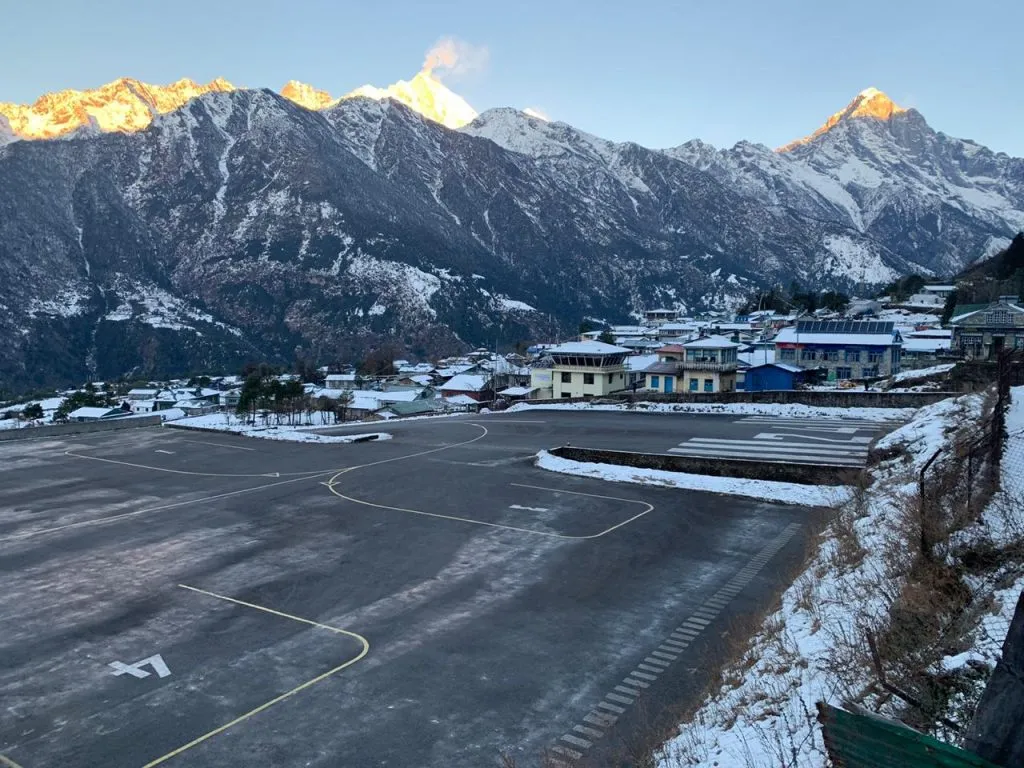
Weather at Lukla Airport (Tenzing-Hillary Airport) is one of the most common sources of trek disruption. Lukla flights require visual flight rules (VFR), meaning pilots need clear visibility to land. Cloud cover, fog and high winds at Lukla routinely cause flight cancellations, particularly during monsoon (June-September) and winter (December-February).
In spring and autumn, Lukla flights are generally reliable, but morning fog can still delay departures from Kathmandu. The standard advice is to schedule your Lukla flight for the first departure of the day (around 6:30 AM) when weather is typically clearest. Build at least one buffer day into your itinerary for potential flight delays.
During the monsoon, Lukla flights are cancelled on roughly 40-50 percent of days. If you are trekking in or near monsoon season, consider flying to Ramechhap-Manthali instead, which has a longer runway and better weather reliability. From Ramechhap, it is a 4-5 hour drive to the trailhead.
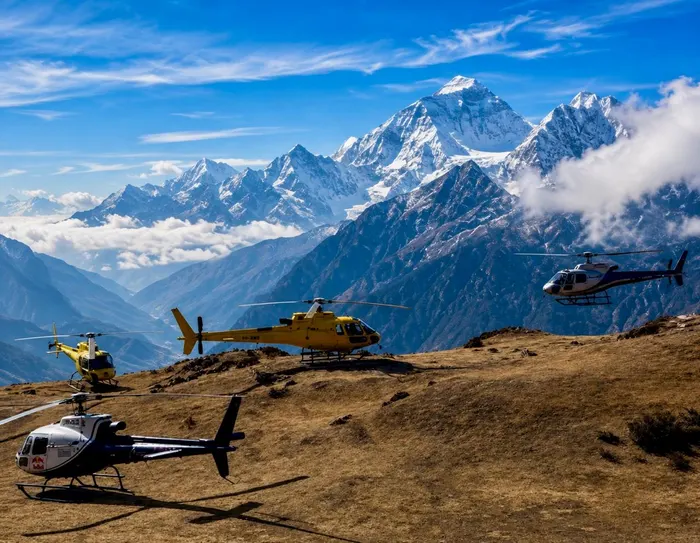
If Lukla flights are grounded and you cannot wait, a helicopter transfer is the fallback option. Helicopters can fly in conditions that fixed-wing aircraft cannot, though they are significantly more expensive. Our 14-day EBC itinerary includes buffer days and alternative plans for weather delays.
Photography and Weather: Best Times for Mountain Shots
For photographers, weather timing is everything. The best mountain photography happens in the early morning, before clouds build. In spring and autumn, aim to be at a viewpoint (like the Everest View Hotel above Namche or Kala Patthar at dawn) by 6:30 AM. By 10 AM, clouds often begin obscuring the peaks.
October and November offer the most reliable clear mornings. January and February provide the sharpest light due to dry air, though the cold makes battery management critical. Keep spare batteries inside your jacket to prevent cold-induced discharge.
For sunrise at Kala Patthar (the classic Everest viewpoint at 5,545 m), plan to start from Gorak Shep at 4:30 AM. This means trekking in the dark with a headlamp in all seasons. The reward is watching the first light hit the summit of Everest, which is a once-in-a-lifetime experience. The best treks guide covers photography-friendly alternatives if the EBC weather window seems too challenging.
Related Everest Guides
The Everest Base Camp trek is part of a broader cluster of guides we have built to help you plan every aspect of the journey. Explore these related resources:
- EBC Trek Cost 2026: Complete Budget Breakdown - every expense from permits to tips
- 14-Day EBC Itinerary: Day-by-Day Guide - the full route with acclimatisation days
- Best Time for EBC Trek 2026 - weather, crowds and visibility compared
- Everest Region Guide 2026/27 - full route from Lukla to Kala Patthar
- How Hard is the EBC Trek? - honest fitness and altitude assessment
- EBC vs ABC: Which Trek is Right for You? - side-by-side comparison
- Altitude Sickness Prevention Guide - acclimatisation and AMS symptoms
- How to Choose a Trek in Nepal - difficulty, permits, seasons and budget
Final Thoughts on Everest Base Camp Weather
Choosing the right month for your Everest Base Camp trek is the foundation of a successful journey. The two golden windows, October (peak autumn) and April (peak spring), offer the best combination of stable weather, clear visibility and manageable temperatures. September and November are excellent alternatives with fewer crowds. Winter months (December to February) reward experienced trekkers with solitude and crystalline views but demand full winter gear and experience. Monsoon months (June to August) are best avoided for ground trekking, though helicopter tours offer an all-weather alternative.
Whatever month you choose, the key is preparation. Pack for the specific conditions you will face, build buffer days for weather delays, and trek with a guide who understands how to read Himalayan weather. The complete guide to choosing a trekking agency in Nepal will help you find the right partner for your EBC adventure. And for the cultural and spiritual dimensions of the Everest region, from Tengboche Monastery to the Sherpa heritage of Namche, our cultural and spiritual tours guide covers the deeper story behind the mountains.
Everest Base Camp is not just a trek; it is a journey through some of the most dramatic weather on Earth. Understanding the climate month by month transforms a risky gamble into a calculated adventure. Plan smart, pack right, and the Khumbu will reward you with the experience of a lifetime.