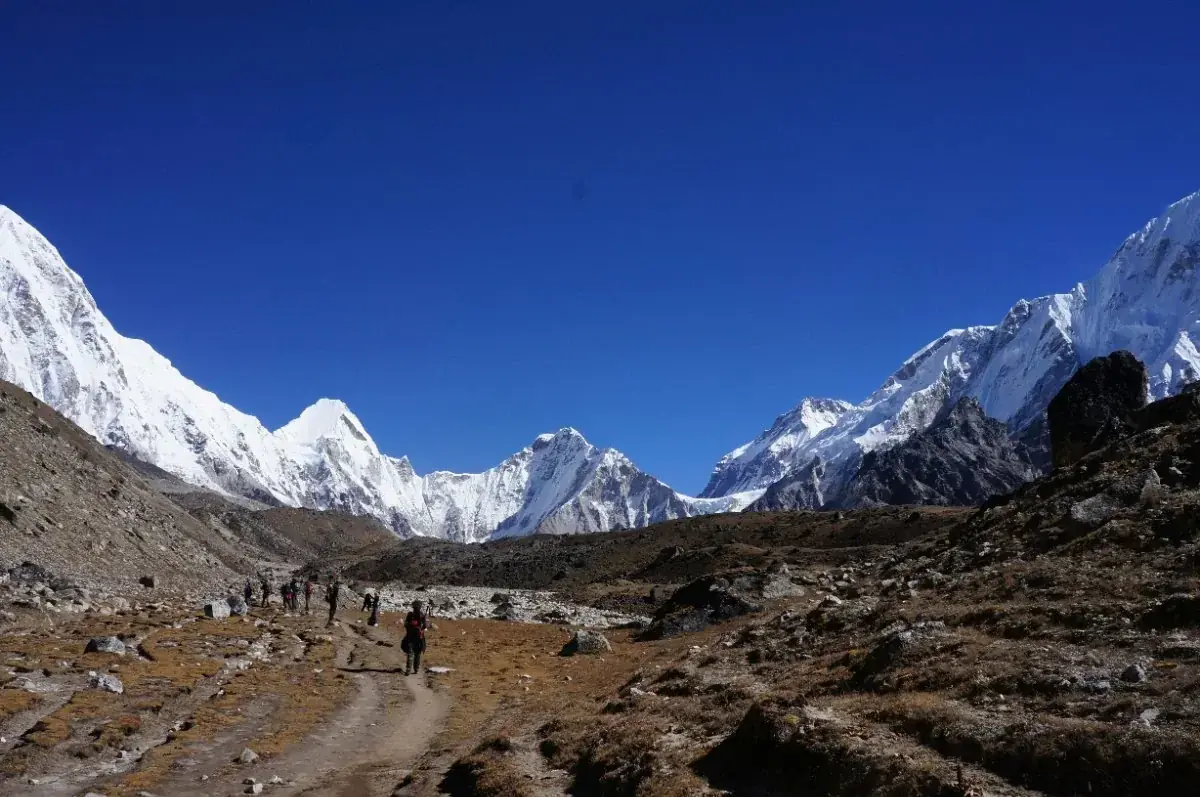
How Hard Is the Everest Base Camp Trek? An Honest 2026 Assessment of Fitness, Altitude and Daily Difficulty
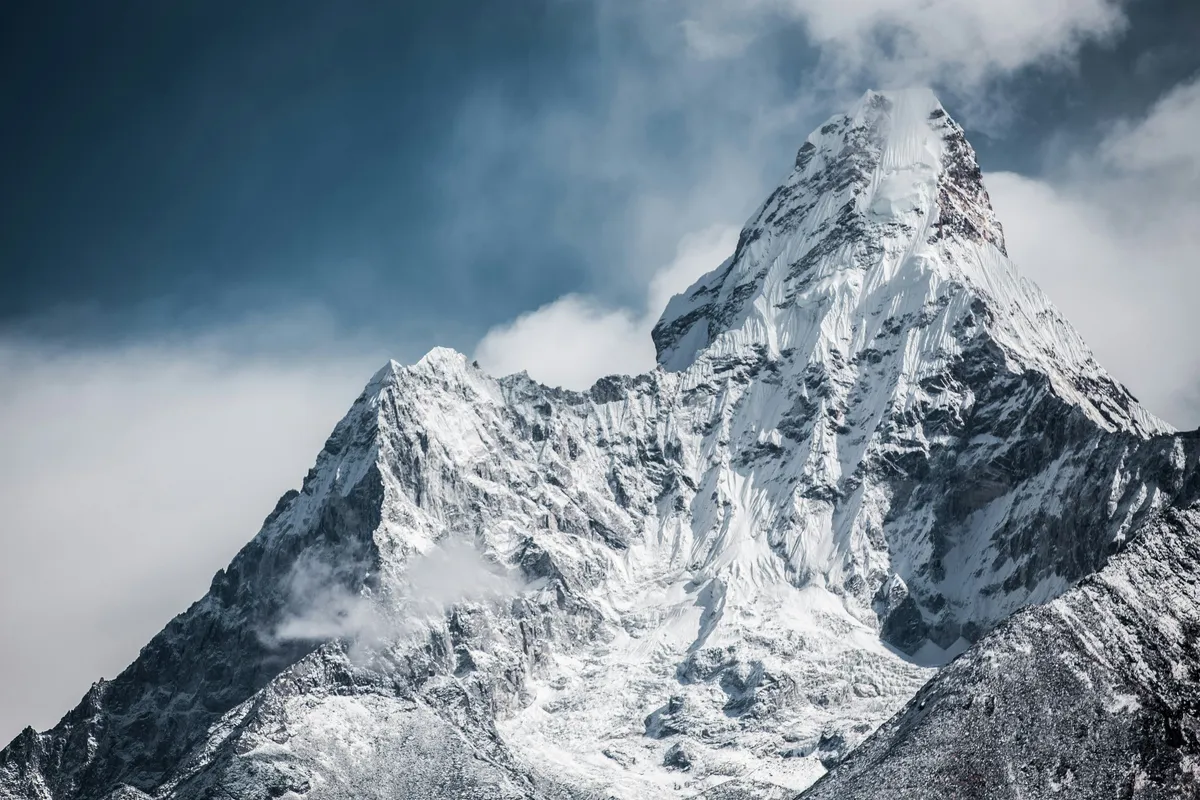
Every trekker who signs up for the Everest Base Camp trek asks the same question in the weeks before departure: how hard is this actually going to be? The honest answer sits somewhere between the glossy marketing copy that promises "anyone with reasonable fitness can do it" and the forum horror stories about helicopter evacuations and abandoned attempts. This guide is a straight, numbers-based assessment of what the trail demands from your body, what altitude does to your performance, which days hurt most, and who should think twice before booking. It is written from the perspective of guides who have walked the Khumbu route hundreds of times with clients ranging from elite trail runners to determined first-timers in their seventies.
At Enticing Himalayas we run Everest region itineraries every season, and the pattern is consistent: the trek is absolutely achievable for a healthy adult who prepares properly, but it is not a walk in the park, and altitude is the variable that humbles even fit athletes. Before you commit, read this alongside our wider Everest region guide covering routes, permits and seasons, and the detailed 14-day Everest Base Camp itinerary that breaks the journey down day by day.
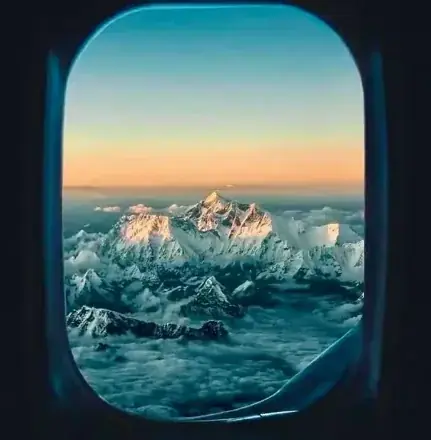
The Short Answer
The Everest Base Camp trek is a moderately difficult high-altitude trek. It is not technical climbing; there is no ropework, no glacier travel requiring crampons, and no exposed scrambling on the standard route. The challenge comes from three compounding factors. First, the distance: roughly 130 kilometres round trip from Lukla, walked over twelve to fourteen days. Second, the cumulative vertical gain: you will climb and descend around 7,000 metres in total, with several days gaining 600 to 800 metres. Third, and hardest to predict, the altitude: you sleep above 4,000 metres for four or five consecutive nights, topping out at 5,364 metres at Base Camp and 5,545 metres on Kala Patthar. Any one of those factors alone would be manageable. Combined, they produce a trek that most reasonably prepared people complete, but almost nobody finds easy.
Distance and Daily Walking Hours: What Your Legs Actually Do
Numbers first. On a standard 14-day itinerary, the walking days break down roughly like this: three to four hours on the short days (Phakding to Monjo, acclimatisation loops), five to seven hours on most middle days, and seven to nine hours on the big pushes, particularly the day you go up to Base Camp and the day you descend from Gorak Shep back down toward Pheriche. The trail underfoot is not pavement; it is a mix of stone steps, moraine rubble, packed dirt, suspension bridges and exposed bedrock. Downhill sections on stone steps are where knees complain most, especially in the second half of the trek when you are tired.
What this means in practical training terms: you need to be comfortable walking six to eight hours a day, with a daypack of five to seven kilograms, on uneven terrain, for several days in a row. That is a very different demand from a once-a-week two-hour hike. Most people underestimate the accumulated fatigue; by day nine, waking up to walk again takes real mental commitment even when nothing specifically hurts. If you have never done back-to-back long-distance hiking days, our guide on how to choose a trek in Nepal based on difficulty and fitness is a useful self-check before you lock in EBC.
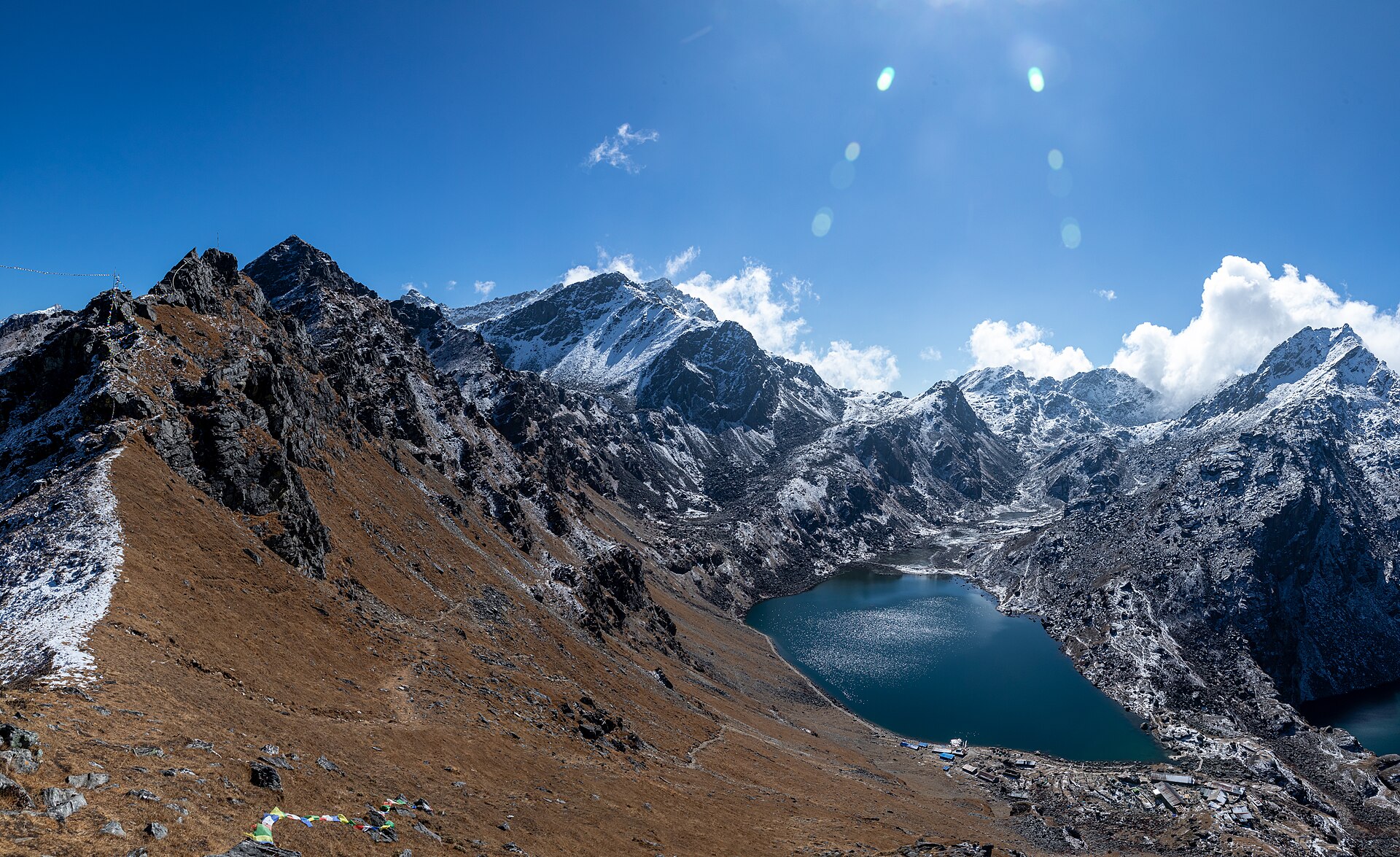
The UPhil and Downhill Reality
The Khumbu route is not a steady gradual ascent. You lose and regain altitude ruthlessly: Namche sits at 3,440 metres but the trail dips down to river crossings below 3,000 metres, then climbs steeply back up. The infamous Namche Hill, a 600-metre near-vertical stair climb at the end of your second day, is the first honest test. Later, the climb from Dingboche to Dughla, the Thukla Pass memorial slope, and the terminal moraine of the Khumbu Glacier all stack descents onto ascents. If you have dodgy knees, bring trekking poles and use them from day one, not as an afterthought.
Altitude: The Factor That Separates Fit from Struggling
Altitude sickness, or more precisely the body's reduced ability to extract oxygen from thinning air, is what makes EBC categorically different from a tough trek at sea level. At Lukla (2,860 metres) you are already at roughly the altitude where most people begin to notice breathlessness on stairs. At Namche, oxygen saturation on arrival typically drops to the mid-eighties in healthy trekkers. Above 4,500 metres, your working capacity is roughly halved: a pace that would feel gentle at sea level leaves you gasping. This is why marathon runners and infrequent hikers often end up walking at the same speed by Gorak Shep.
The itinerary is built with acclimatisation days for a reason, and skipping or rushing them is the single most common way fit people get into trouble. The climb-high-sleep-low principle, a rest day at Namche with a hike up toward the Everest View Hotel, and another rest day at Dingboche with a hike up Nangkartshang, are not optional extras. They are the mechanism that lets your body manufacture more red blood cells and adjust its breathing chemistry. Our detailed altitude sickness prevention and acclimatisation guide for the Everest and Annapurna treks goes deeper into symptoms, medications and evacuation protocols.
Realistic Altitude Effects, Day by Day
Days one to three (Lukla to Namche): heavy breathing on climbs, mild headaches in the evening are common, most people feel normal at rest. Days four to seven (Namche to Dingboche): appetite dips, sleep gets lighter, Cheyne-Stokes breathing (periodic breathing during sleep) is normal and not dangerous. Days eight to ten (above 4,400 metres): real fatigue, slower pace, cold fingers, more aggressive headaches if hydration or pacing slips, and this is the zone where serious altitude illness becomes a genuine risk rather than an abstract idea. Above Lobuche, every hour of walking costs roughly twice the perceived effort of the same terrain at Namche.
The Hardest Days, Ranked Honestly
Not all days on EBC are equal. Based on the standard itinerary and feedback from hundreds of guided groups, the five hardest days in descending order are:
- Day 9 (Lobuche to Gorak Shep, then up to Base Camp and back to Gorak Shep). You walk about eight to nine hours total above 4,900 metres, on moraine rubble, in thin air. The Base Camp stretch itself is rolling rather than steep, but the altitude makes every rise feel substantial. Most trekkers describe this as the hardest day of their lives to that point.
- Day 10 (Gorak Shep to Kala Patthar summit, then the long descent to Pheriche). The pre-dawn Kala Patthar climb is steep, cold and at the trek's highest sleeping altitude. You then descend nearly 1,200 metres on tired legs. Total time on the trail is often seven to eight hours. Knees take the worst of it.
- Day 11 (Pheriche back down to Namche). Technically easier because you are descending and the air is getting richer, but twenty-plus kilometres on the trail with cumulative fatigue makes this a long, grinding day.
- Day 2 (Phakding to Namche). The Namche Hill at the end, gaining 600 metres in under two kilometres, is the first real shock. It is shorter than the later days, but it happens before your body has found its rhythm.
- Day 8 (Dingboche to Lobuche, via Thukla Pass). The climb up the memorial-dotted Thukla slope is steep and exposed, and you crest into a wind-scoured plateau at nearly 5,000 metres. Emotionally weighty too; the memorials honour climbers who died on Everest.
Fitness Benchmarks: Are You Actually Ready?
Here is the honest self-test we give prospective trekkers. If you can comfortably do all four of the following, you are in the right fitness window for EBC:
- Back-to-back hiking days: Two consecutive days of six-hour mountain hiking with an 800-metre climb each day, carrying a six-kilogram pack, without needing a rest day after.
- Stair test: Climb thirty floors of stairs without stopping, at a steady pace, and recover within five minutes.
- Leg endurance: Complete a four-hour hill walk on rough trail without your quads cramping or your knees complaining the next morning.
- Breathing control: Maintain a conversation while walking uphill at a pace that raises your heart rate, without gasping mid-sentence.
If you fail two or more of those tests today, you are not ready yet, but that is fixable. A twelve-week build-up of three hikes per week, progressively longer and hillier, will reliably get a sedentary adult into EBC-ready shape. Our month-by-month guide to the best time for the EBC trek helps you pick a departure window that gives you enough runway to prepare.
Who Should Reconsider or Choose a Gentler Alternative
Be honest with yourself if you fit any of these profiles. People with uncontrolled hypertension, significant heart conditions, or a history of severe altitude illness should discuss EBC very carefully with a physician and may be better served by lower-altitude Nepal experiences. Travellers over sixty-five who are not already regular mountain hikers should strongly consider a heli-assisted or shortened itinerary. And anyone whose main motivation is ticking a box rather than genuinely enjoying mountain walking will find the middle third of the trek, when the novelty fades and the altitude bites, mentally corrosive. If you want the Everest payoff without the fourteen-day commitment, the Annapurna vs Everest comparison lays out alternatives worth weighing, and our complete EBC cost breakdown lets you compare where your budget makes the most impact.
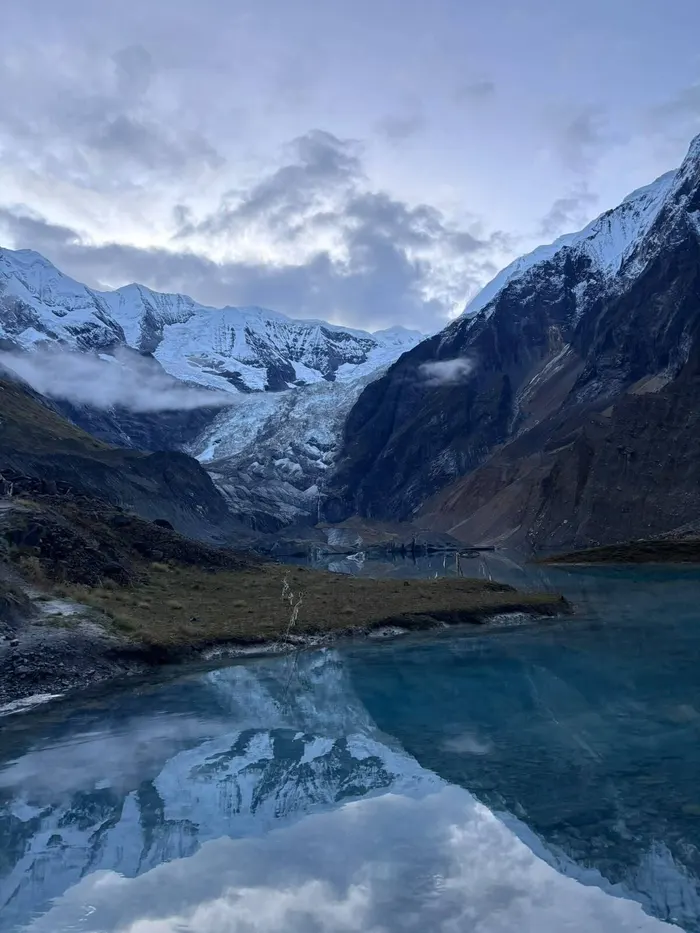
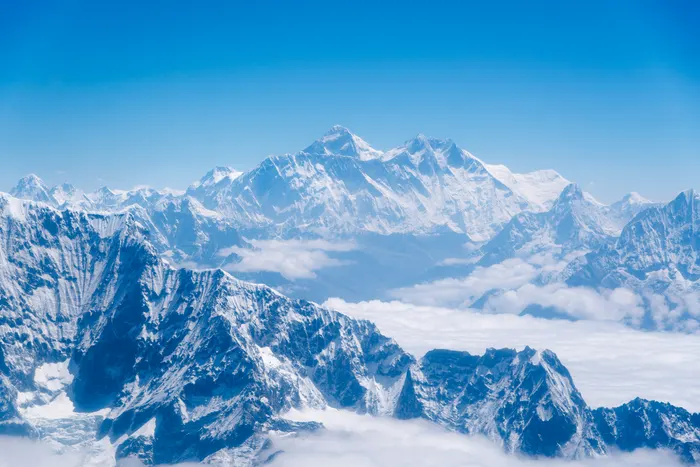
The Mental Side of Difficulty
Physical difficulty is only half the story. The psychological grind of EBC surprises people who expected a purely athletic challenge. You will spend long stretches walking in relative silence, often with limited conversation because of altitude-related breathlessness. Tea house evenings are early, cold and simple; there is no pub culture recovery at the end of a hard day. Internet is patchy and expensive. Discomfort becomes the default state: cold hands in the morning, dust or yak-dung smoke in the lodges, the same dal bhat menu on repeat.
The mental strategies that work: treat the trek as a meditation on repetitive movement rather than an adventure with constant novelty; break each day into segments (morning session, lunch, afternoon session) rather than thinking about total hours; and build some margin into your itinerary so one rough day does not cascade into an abandoned trek. Trekkers who approach the trail with patience and self-compassion reliably outlast the pure gym-fit crowd who get angry at their own altitude slowness.
Guided vs Solo: How Difficulty Changes
Trekking with a guide does not make the mountains shorter, but it changes several difficulty variables meaningfully. A guide paces you (most altitude problems start with walking too fast in the first three days), spots early symptoms you might dismiss, handles logistics so you conserve energy for the trail, and provides the emotional reassurance that the discomfort you feel at Lobuche is normal rather than alarming. Porters carry your main bag, dropping your daily load to a light daypack and saving roughly thirty percent of leg fatigue.
If you are weighing the trade-off, our analysis of the best trekking agency in Nepal and what a full-service operator actually delivers breaks down how guide ratios, acclimatisation pacing and emergency protocols affect both difficulty and safety. Independent trekkers should at minimum build in two buffer days and carry the correct Nepal trekking permits, TIMS and restricted-area documentation sorted before flying into Lukla.
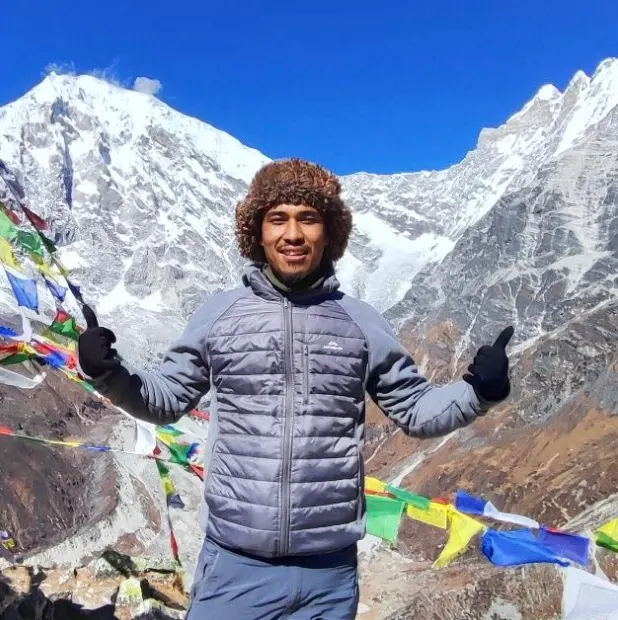
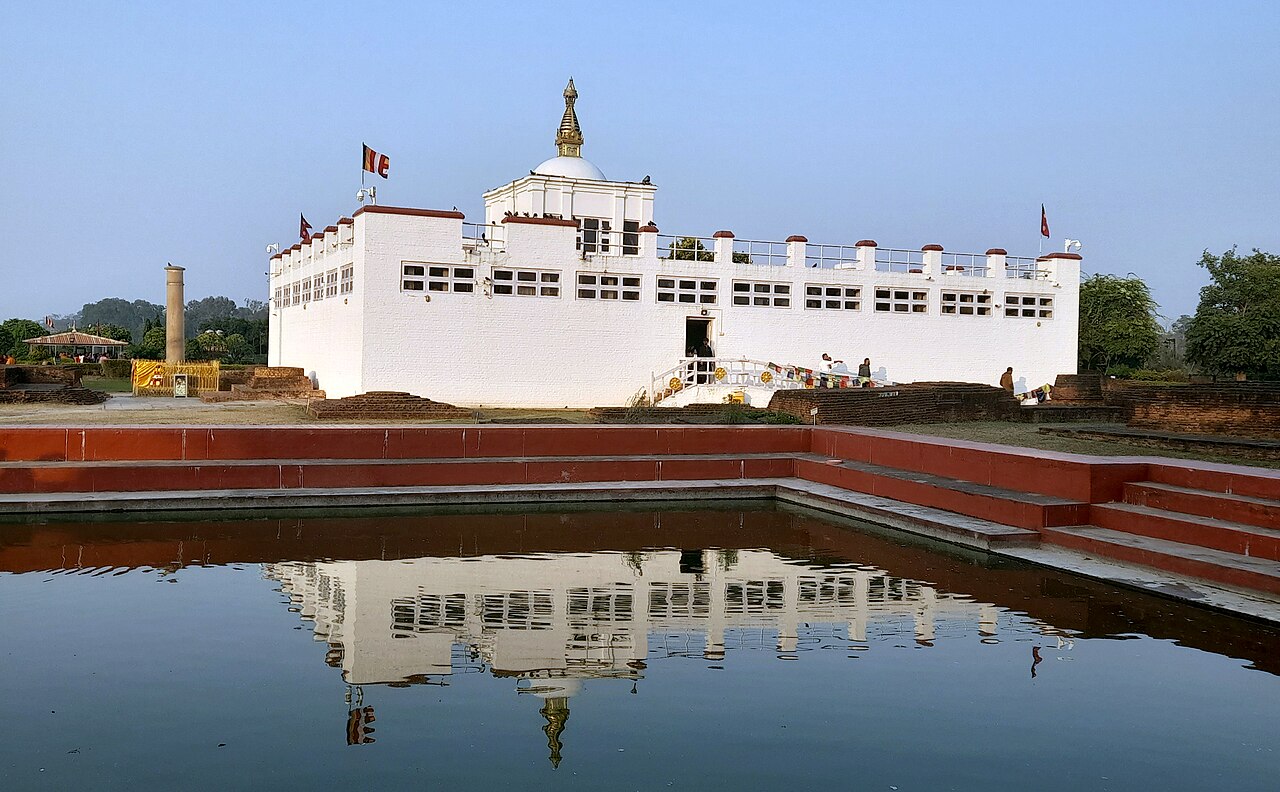
Culture and Comfort on the Trail
Difficulty is also shaped by where you sleep and what you eat. The Khumbu tea house circuit is well developed: you will not camp on the standard route, you will have a bed, a blanket and usually a hot meal, and at lower elevations even a hot shower. Above Dingboche, facilities get more basic, rooms are unheated and shared bathrooms are the norm. Dal bhat (lentils, rice, vegetable curry) remains the most reliable fuel; meat above Namche is not recommended because refrigeration is unreliable. Understanding that comfort degrades as altitude rises, and accepting that as part of the deal, prevents the late-trek resentment that catches unprepared trekkers.
For a full picture of what the cultural side of the region offers on rest days, from Tengboche monastery visits to Sherpa museum afternoons in Namche, our complete guide to cultural and spiritual tours in Nepal covers the heritage that makes the Khumbu more than just a physical challenge.


So, Should You Do It?
Yes, if: you are a healthy adult willing to train for eight to twelve weeks, you have no significant cardiopulmonary conditions, you can accept discomfort without it ruining your experience, and you genuinely enjoy mountain walking. The sense of arrival at Base Camp, and the sunrise from Kala Patthar the following morning, repay every hard day several times over. No, or at least not yet, if: you expect a comfortable holiday, you are unwilling to follow acclimatisation pacing, or your fitness baseline is currently sedentary with no runway to train.
And the honest middle option, for those in between: shorten it. Fly in, walk the lower Khumbu for five or six days to Namche or Tengboche, enjoy Everest views without the highest altitude nights, and fly back out. It is not a failure to choose the version of the mountain that fits where your body is right now.
What Helps on the Hard Days
Small, unglamorous habits are what carry trekkers through the rough stretches. Drink four litres of water a day even when you do not feel thirsty; at altitude, thirst is a lagging indicator. Eat even when your appetite dips, favouring carbohydrate-heavy meals over protein in the highest lodges. Walk at a pace where you could hold a one-sided conversation, even if that pace feels embarrassingly slow on the first day out of Lukla. Layer early and often rather than waiting until you are cold to add clothing. And carry a small roll of sports tape for the hot spots that will inevitably appear on your heels in the first three days; stopping to tape a blister costs five minutes, while ignoring it can end a trek by day five.
Equally important is the discipline around rest days. The acclimatisation hike up from Namche or Dingboche is a hard requirement, not an optional stretch. Go high, feel the headache and the heavy breathing, then come back down and sleep low. Done correctly, those two days convert a trekker who would have wilted at Lobuche into one who reaches Base Camp with something still left.