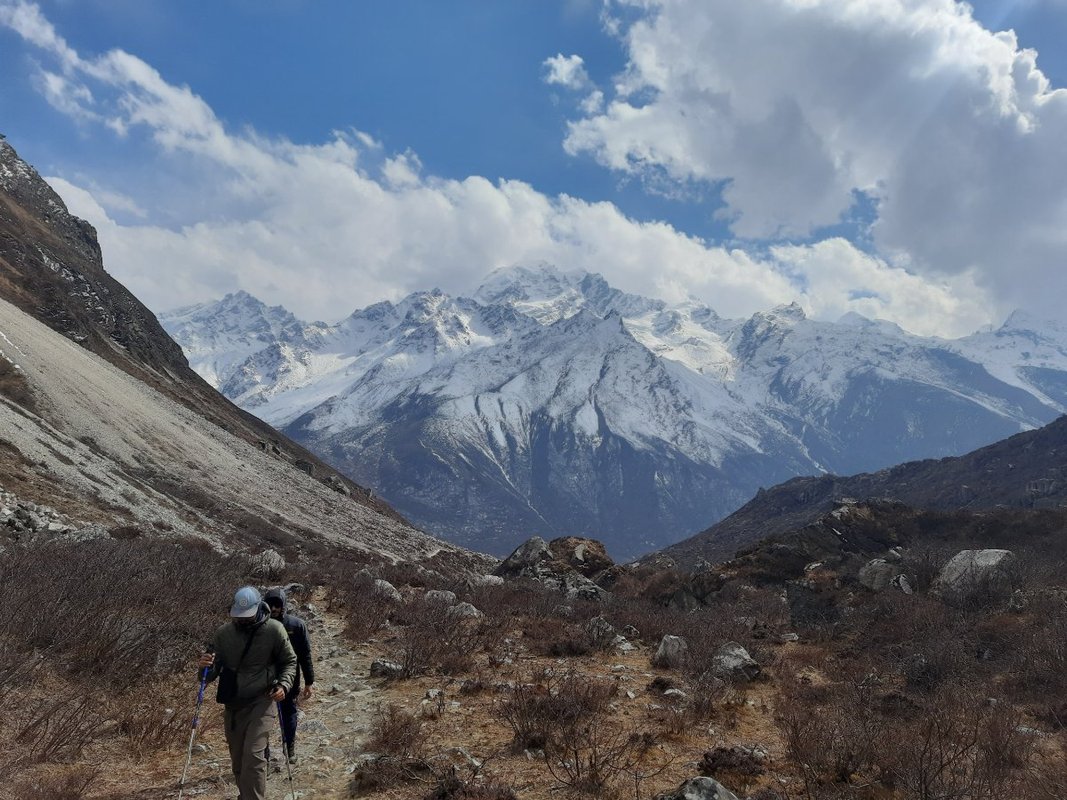
Introduction to Langtang Valley Trek Costs
The Langtang Valley Trek is one of the most rewarding and affordable trekking routes in Nepal. Located just north of Kathmandu, this trek takes you through lush forests, traditional Tamang villages, and up into the high Himalayan landscape near the Tibetan border. For 2026, understanding the full cost picture is essential whether you are a budget backpacker or someone who prefers a more comfortable guided experience. This guide breaks down every expense you will encounter, from permits and transportation to food, lodging, guides, and porters, so you can plan your adventure with confidence.
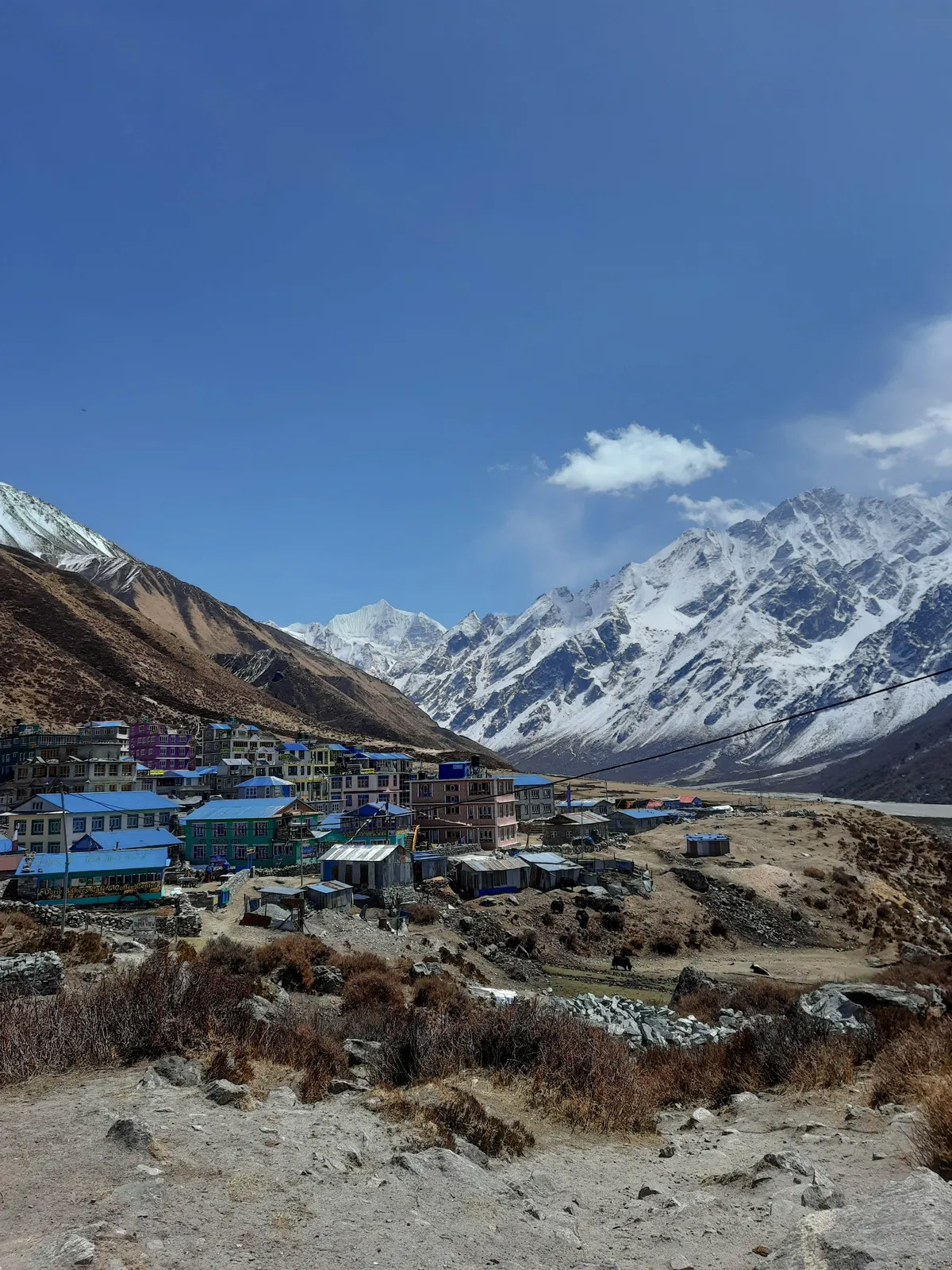
The Langtang region is often called the valley of glaciers. It sits within Langtang National Park and offers spectacular views of Langtang Lirung (7,234 meters), Gang Chhenpo, and other towering peaks. Despite its proximity to Kathmandu, the region remains less crowded than Annapurna or Everest, making it ideal for trekkers seeking a quieter, more culturally immersive experience. The cost of trekking here is significantly lower than the more famous routes, which is one of its biggest draws.
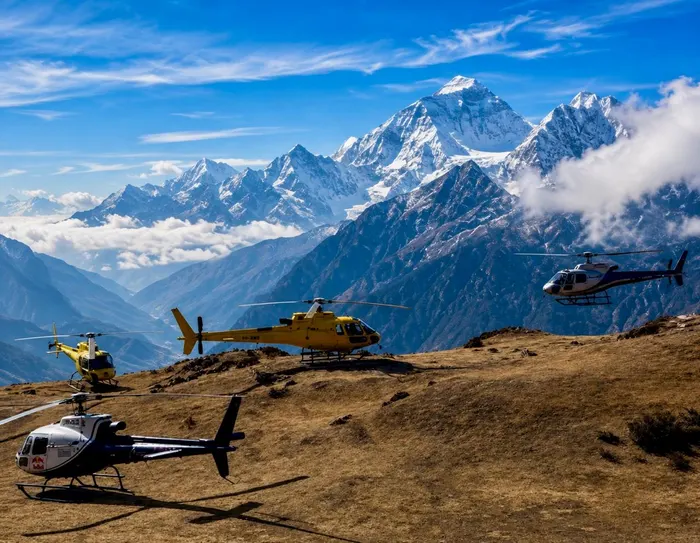
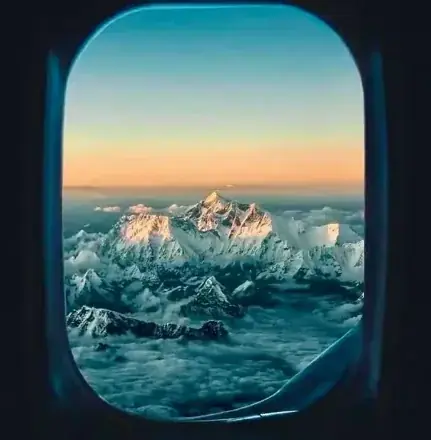
In this comprehensive cost guide, we cover the 2026 pricing for all categories of expenditure. We also compare package tours versus independent trekking so you can decide which approach suits your budget and travel style. Finally, we share practical money-saving tips that can help you stretch your budget without sacrificing safety or enjoyment.
Langtang Valley Trek Permit Costs for 2026
Permits are a mandatory part of trekking in the Langtang region. You cannot enter the trail without the proper documentation, and the fees go toward conservation efforts and trail maintenance. For 2026, there are two primary permits you need.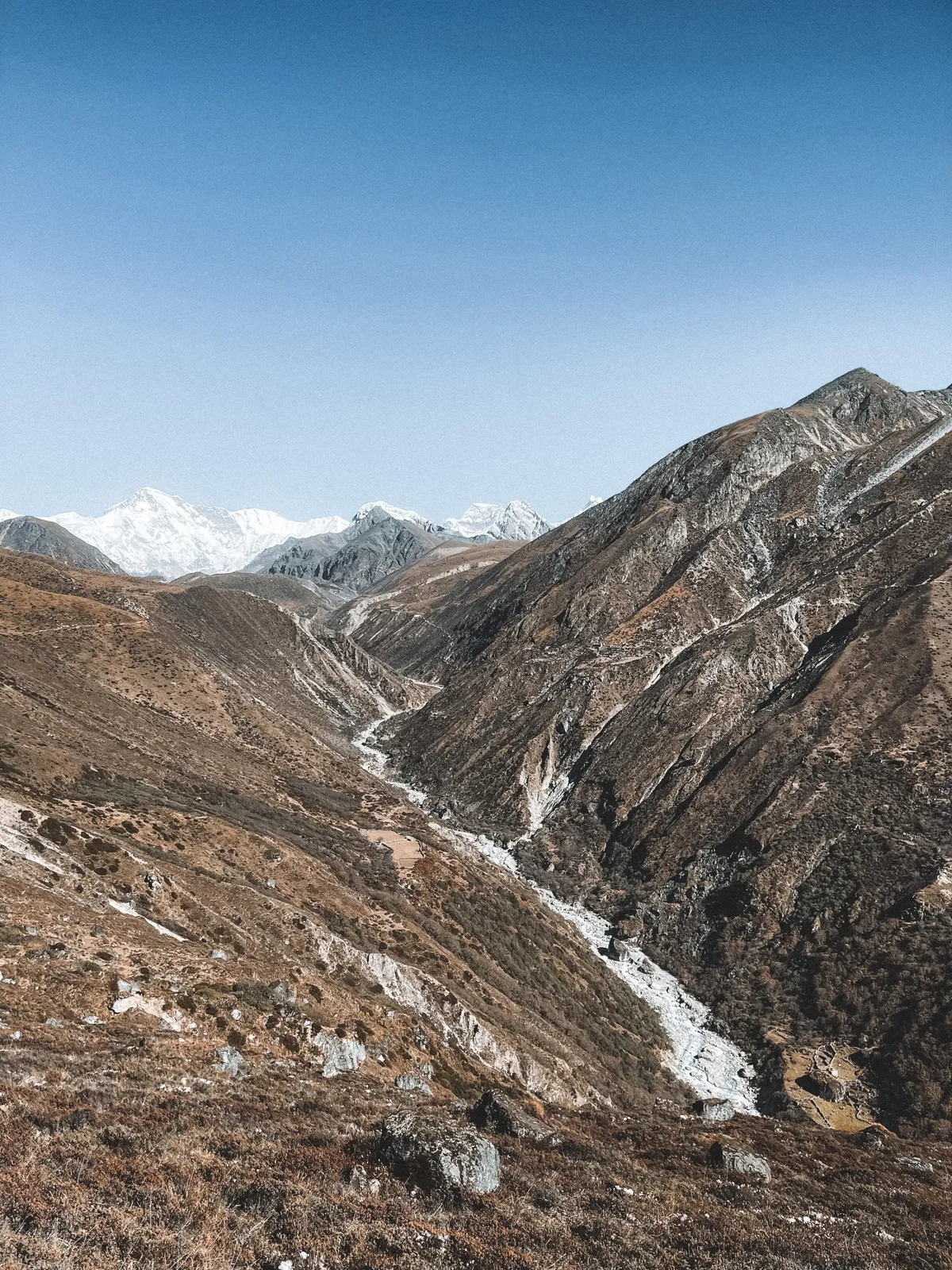
Langtang National Park Entry Permit
The Langtang National Park Entry Permit costs USD $30 per person. This permit is required for all foreign trekkers entering the park. You can obtain it at the Nepal Tourism Board office in Kathmandu or at the park entrance checkpoint in Dhunche. The fee helps fund park rangers, wildlife conservation, and infrastructure within the national park. Make sure to carry your passport and two passport-size photographs when applying.
TIMS Card (Trekkers Information Management System)
The TIMS Card costs USD $20 per person for independent trekkers. If you are trekking through a registered agency, the TIMS is typically arranged for you and may be included in your package. The TIMS Card is designed to track trekkers for safety purposes and is required for all trekking routes in Nepal. You can get it at the Nepal Tourism Board office or through your trekking agency.
Combined, your permit costs total USD $50 per person. These are fixed costs that every trekker must pay regardless of budget category. There are no discounts available for these permits, and the fees are non-negotiable. Always keep your permits with you throughout the trek as checkpoints along the trail will verify them.
Transportation Costs to and from Syabrubesi
The Langtang Valley Trek begins from Syabrubesi, a small village about 7 to 8 hours north of Kathmandu by road. Getting there is one of the first major expenses you will encounter, and you have two main options.
Local Bus to Syabrubesi
The local bus is the most economical option, costing approximately USD $15 per person one way. Buses depart from the Machhapokhari bus station in Kathmandu early in the morning, usually between 6:30 and 8:00 AM. The journey takes 7 to 9 hours depending on road conditions. The buses are basic but functional, and the ride offers glimpses of rural Nepal along the way. This is the choice most budget trekkers opt for. Round-trip bus fare comes to about USD $30.
Private Jeep to Syabrubesi
If you prefer comfort and flexibility, a private jeep costs approximately USD $80 for the vehicle, not per person. If you are sharing with 4 to 5 other trekkers, the per-person cost drops to around $16 to $20, making it comparable to the bus while saving time and offering a smoother ride. Jeeps can depart at your preferred time and make stops along the way for photos or meals. Many trekkers take a bus up to Syabrubesi and a jeep back to Kathmandu after the trek, or vice versa, depending on their schedule and budget.
For the return trip, budget the same amounts. Total transportation costs range from USD $30 (bus both ways) to USD $160 (private jeep both ways, solo). Most trekkers spend around USD $30 to $50 on transport depending on whether they share a jeep or take the bus.
Teahouse and Accommodation Costs on the Langtang Trek
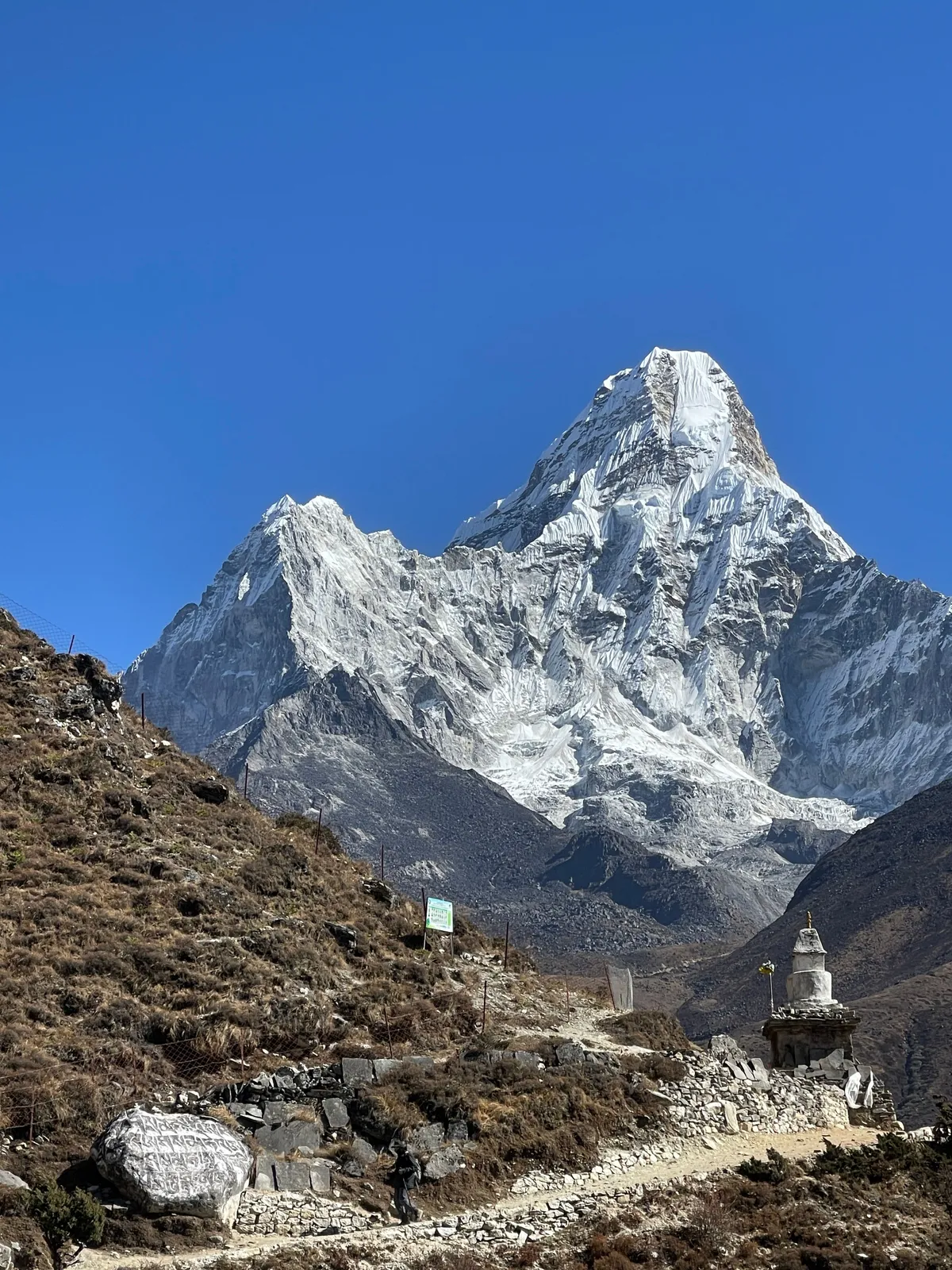 Accommodation along the Langtang Valley Trek is in teahouses, which are small family-run lodges that provide simple rooms with twin beds. The rooms are basic, with shared bathrooms and no heating, but they are clean and welcoming. The cost of a teahouse room ranges from USD $5 to $10 per night.
In lower elevations like Syabrubesi, Bamboo, and Lama Hotel, rooms tend to be on the cheaper end, around $5 per night. As you climb higher to villages like Langtang Village and Kyanjin Gompa, prices may increase slightly to $7 to $10 per night due to the difficulty of transporting supplies to higher altitudes.
It is worth noting that many teahouses offer free or heavily discounted rooms if you eat your meals at the same lodge. This is a common arrangement in Nepal and a great way to reduce your accommodation costs. However, you should not take advantage of this by booking a free room and then eating elsewhere, as this is considered disrespectful to the lodge owner.
For a standard 7 to 8 day trek, accommodation costs range from USD $35 to $70. If you negotiate a meal-inclusive deal, you may pay nothing for the room itself, but your food costs will be higher since you are obligated to eat at the lodge. Most trekkers find this arrangement works out to be roughly the same or slightly cheaper overall.
Some teahouses at higher elevations, particularly in Kyanjin Gompa, offer rooms with attached bathrooms and even hot showers for an additional charge. Expect to pay $2 to $5 extra for these amenities. Wi-Fi is available at some lodges for a small fee, usually $2 to $3, though the connection can be slow and unreliable.
Food and Drinking Water Costs
Food is one of the most significant daily expenses on the Langtang Valley Trek. Since all supplies must be carried up the trail by porters or pack animals, prices increase with altitude. You can expect to spend USD $15 to $25 per day on meals.
Typical Meal Prices
Here is a rough breakdown of common menu items and their prices along the trail:
- Dal Bhat (lentil soup with rice and vegetables): $4 to $6
- Fried rice or chow mein: $4 to $5
- Sherpa stew or Thukpa (noodle soup): $4 to $6
- Pancakes or Tibetan bread for breakfast: $3 to $4
- Tea or coffee: $1 to $2 per cup
- Snack items like chocolate bars or biscuits: $2 to $4
- Boiled drinking water (1 liter): $1 to $3 depending on altitude
Dal Bhat is the most popular and filling meal on the trail. Many teahouses offer unlimited refills of rice and lentil soup with a Dal Bhat order, making it the best value for hungry trekkers. At lower elevations, you will find more variety on the menu, including pasta, pizza, and even apple pie. As you go higher, the menu becomes more limited and prices increase.
Drinking Water Costs
Staying hydrated is critical at altitude. You have several options for drinking water on the trek. Boiled water is available at teahouses for $1 to $3 per liter depending on altitude. This is the safest and most environmentally friendly option. You can also use water purification tablets or a filtered water bottle to treat tap or stream water, which costs significantly less over the course of the trek. Buying bottled mineral water is possible but discouraged due to plastic waste in the national park, and it costs $1 to $4 per liter.
For a 7-day trek, budget approximately USD $105 to $175 for food and water. This assumes three meals per day plus snacks and adequate hydration. Trekkers who eat primarily Dal Bhat and carry purification tablets will be at the lower end, while those who order varied meals and buy boiled water at every stop will be at the higher end.
Guide Costs for the Langtang Valley Trek
Hiring a guide is not mandatory for the Langtang Valley Trek, but it is highly recommended, especially for first-time trekkers in Nepal. A guide provides valuable local knowledge, helps with navigation, assists with teahouse arrangements, and offers cultural insights that enrich your experience. For 2026, guide costs range from USD $25 to $35 per day.
The lower end of the range ($25 per day) typically covers a licensed guide who speaks good English and knows the trail well. The higher end ($35 per day) may include guides with additional language skills, specialized knowledge of flora and fauna, or higher certification levels. Guides also handle permit logistics, communicate with teahouse owners, and can arrange emergency evacuations if needed.
For a 7-day trek, a guide costs USD $175 to $245. This includes the guide's food and accommodation, which is typically covered by the teahouses where you stay. You should confirm whether the daily rate includes the guide's insurance and transportation to and from Syabrubesi, as some agencies charge extra for these.
Many trekkers wonder whether they need a guide for Langtang. The trail is generally well-marked and navigation is not overly difficult. However, having a guide adds a layer of safety and comfort, particularly if you are trekking alone or during the shoulder seasons when trails are less busy. A guide also helps you connect with local communities in a way that independent trekking simply cannot match.
Porter Costs for the Langtang Valley Trek
A porter can carry your heavy gear, allowing you to trek with just a small daypack. This makes the trek significantly more enjoyable, especially at altitude where every extra kilogram feels heavier. Porter costs for 2026 range from USD $18 to $25 per day.
A single porter typically carries up to 20 to 25 kilograms, which is enough for two trekkers' gear. If you are trekking as a pair, sharing a porter is a cost-effective option. The daily rate includes the porter's food and accommodation, which is provided by the teahouses along the trail.
For a 7-day trek, a porter costs USD $126 to $175. If shared between two trekkers, the per-person cost is USD $63 to $87 for the entire trek, which is quite reasonable for the comfort it provides.
When hiring a porter, it is important to ensure they are properly equipped with suitable clothing and footwear for the conditions. Reputable agencies provide their porters with gear, but if you hire independently, you may need to verify this yourself. Ethical trekking means treating porters with respect and ensuring they are not overburdened or underpaid.
Total Budget Breakdown: Budget, Mid-Range, and Luxury
Now let us put all the costs together to give you a clear picture of what the Langtang Valley Trek will cost in 2026. We have broken this down into three categories to help you plan according to your budget and preferences.
Budget Trekker: Approximately USD $350
The budget option is ideal for solo trekkers or small groups who are comfortable with basic accommodations and independent trekking. Here is the breakdown:
- Permits (Langtang National Park + TIMS): $50
- Transportation (local bus both ways): $30
- Accommodation (7 nights, budget teahouses): $35
- Food and water (7 days, budget meals): $105
- Guide: Not hired (independent trekking)
- Porter: Not hired (carrying your own pack)
Total: approximately USD $350. This assumes you are trekking independently, eating mostly Dal Bhat, staying in basic teahouses, and carrying your own gear. It is the most economical way to experience the Langtang Valley while still enjoying the core highlights of the trek.
Mid-Range Trekker: Approximately USD $550
The mid-range option includes a guide and covers slightly more comfortable arrangements. This is the most popular choice for most trekkers. Here is the breakdown:
- Permits: $50
- Transportation (shared jeep one way, bus one way): $50
- Accommodation (7 nights, mid-range teahouses): $50
- Food and water (7 days, varied meals): $140
- Guide (7 days at $25/day): $175
- Porter: Not hired (carrying your own pack with guide assistance)
Total: approximately USD $550. This budget gives you the safety and cultural enrichment of a guide, more variety in meals, and a mix of transportation options. You still carry your own gear but have the support of a knowledgeable local guide.
Luxury Trekker: Approximately USD $800
The luxury option includes both a guide and a porter, private transportation, and the best available accommodations along the trail. Here is the breakdown:
- Permits: $50
- Transportation (private jeep both ways): $160
- Accommodation (7 nights, best available teahouses with attached bath): $70
- Food and water (7 days, full menu with snacks and drinks): $175
- Guide (7 days at $35/day): $245
- Porter (7 days at $18/day, shared between two): $90
Total: approximately USD $800 per person (assuming two trekkers sharing a porter and jeep). This is the most comfortable way to trek Langtang, with someone else carrying your heavy gear, a premium guide, and private transport. You still stay in teahouses, as there are no luxury lodges on this route, but you get the best rooms available.
Package Tours vs Independent Trekking: What Is Included
One of the biggest decisions you will make is whether to book a package tour through a trekking agency or trek independently. Both approaches have their advantages, and the right choice depends on your experience level, budget, and personal preferences.
What Is Typically Included in a Package Tour
Most trekking agencies in Kathmandu offer Langtang Valley Trek packages. These typically include:
- All permits (Langtang National Park and TIMS)
- Transportation to and from Syabrubesi (usually private vehicle)
- Accommodation in teahouses along the trail
- All meals during the trek (breakfast, lunch, and dinner)
- An English-speaking licensed guide
- A porter (usually one porter per two trekkers)
- Guide and porter insurance
- First aid kit and emergency evacuation arrangements
- Sleeping bag and down jacket rental (sometimes included, sometimes extra)
Package tour prices for the Langtang Valley Trek in 2026 typically range from USD $450 to $750 per person for a 7-day trek, depending on the level of service and the agency's reputation. The advantage of a package is convenience: everything is arranged for you, and you do not have to worry about logistics, permits, or negotiating with teahouse owners. You also have the safety of a guide and the support of an agency in case of emergencies.
What Independent Trekking Involves
If you choose to trek independently, you will need to handle all logistics yourself. This includes:
- Obtaining your own permits in Kathmandu
- Booking your own transportation to Syabrubesi
- Finding and negotiating accommodation at each teahouse
- Ordering and paying for your own meals
- Navigating the trail on your own
- Arranging your own emergency evacuation insurance
Independent trekking is cheaper, typically costing USD $300 to $400 for the entire trek. However, it requires more planning and carries additional risks, particularly if you are unfamiliar with the region or trekking at altitude for the first time. You also miss out on the cultural insights and local knowledge that a guide provides.
Which Option Is Right for You
If you are an experienced trekker who is comfortable navigating on your own and wants to save money, independent trekking is a great choice. If you are a first-time trekker in Nepal, value convenience, or want a deeper cultural experience, a package tour is worth the extra cost. Many agencies also offer semi-independent options where you hire just a guide or just a porter, giving you a middle ground between the two approaches.
Money-Saving Tips for the Langtang Valley Trek
Even with careful planning, there are several ways to reduce your costs on the Langtang Valley Trek without compromising your experience or safety. Here are our top money-saving tips for 2026.
Trek in a Group
Sharing costs is the single most effective way to save money. A private jeep to Syabrubesi costs $80 whether you are one person or five. A porter can carry gear for two trekkers. Even guide rates can sometimes be negotiated down when you are a larger group. If you do not have a trekking partner, look for fellow trekkers at your hostel or hotel in Kathmandu, or post on trekking forums and social media groups to find others heading to Langtang around the same time.
Eat Dal Bhat
Dal Bhat is not only the most authentic and filling meal on the trail, it is also the best value. Most teahouses offer unlimited rice and lentil refills, which means you can eat as much as you want for a fixed price of $4 to $6. Ordering Dal Bhat for dinner and lunch can save you $5 to $10 per day compared to ordering Western-style meals or multiple separate dishes.
Carry Water Purification Tablets
Buying boiled or bottled water at every teahouse can add $3 to $6 per day to your budget. Water purification tablets or drops cost about $10 for a full trek's supply and allow you to treat tap or stream water for free. A filtered water bottle like a LifeStraw or GRAYL is a one-time investment that pays for itself over multiple treks.
Negotiate Free Rooms with Meals
As mentioned earlier, many teahouses offer free or discounted rooms if you eat your meals at the same lodge. This can save you $5 to $10 per night. The key is to ask the lodge owner when you arrive, before committing to a room. Be prepared to honor the agreement by eating all your meals at that lodge.
Take the Bus Instead of a Jeep
The local bus to Syabrubesi costs $15 compared to $80 for a private jeep. The bus takes a bit longer and is less comfortable, but the savings of $65 are significant. If you are trekking solo, the bus is almost always the better financial choice.
Hire a Guide in Kathmandu, Not Online
Booking a guide through an international website often involves a markup. You can find licensed guides in Kathmandu through local agencies or by asking at your hotel or hostel. Rates are typically $25 to $30 per day when hired directly, compared to $35 or more when booked through an international platform.
Trek During the Shoulder Season
Teahouse prices are sometimes negotiable during the shoulder seasons (March to early April and late October to November). With fewer trekkers on the trail, lodge owners are more willing to offer discounts on rooms and meals. The weather is still good during these periods, and you will enjoy a quieter trail.
Avoid Unnecessary Extras
Hot showers, Wi-Fi, and charging electronics at teahouses all come with small fees that add up over a week. Limit hot showers to every other day, use a power bank to charge your devices instead of paying at lodges, and disconnect from Wi-Fi to save money and enjoy the mountains. These small savings can total $20 to $40 over a 7-day trek.
Pack Smart
If you pack efficiently and keep your gear weight low, you may be able to skip hiring a porter entirely, saving $126 to $175. A well-organized 10 to 12 kilogram pack is manageable for most reasonably fit trekkers. Invest in lightweight gear and avoid unnecessary items to keep your pack weight down.
Hidden and Miscellaneous Costs to Consider
Beyond the major categories, there are several smaller costs that can catch trekkers by surprise. Being aware of these will help you budget more accurately.
Travel Insurance
Comprehensive travel insurance that covers trekking up to 5,000 meters is strongly recommended. Policies typically cost USD $50 to $120 for a two-week trip, depending on your home country and coverage level. Make sure your policy includes emergency helicopter evacuation, which can cost tens of thousands of dollars if needed.
Tips for Guide and Porter
Tipping is customary in Nepal and is an important part of a guide or porter's income. A standard tip is $5 to $7 per day for a guide and $3 to $5 per day for a porter, given at the end of the trek. For a 7-day trek, budget $35 to $50 for guide tips and $21 to $35 for porter tips.
Hot Showers and Device Charging
Hot showers cost $2 to $5 at most teahouses, and charging phones or cameras costs $1 to $3 per device. Over a week, these can add $15 to $40 to your budget. A solar charger or large power bank can eliminate charging costs entirely.
Extra Nights in Kathmandu
If you arrive a day early or stay a day late in Kathmandu, budget $15 to $40 per night for accommodation and $10 to $20 per day for meals in the city. Many trekkers also do a final celebration dinner in Thamel, which can cost $10 to $25 per person.
Snacks and Gear Rental
Energy bars, trail mix, and other snacks purchased in Kathmandu before the trek cost less than buying them on the trail. Budget $15 to $25 for snacks. If you need to rent a sleeping bag, down jacket, or trekking poles, expect to pay $1 to $3 per item per day in Kathmandu, or $15 to $40 total for a week-long rental.
Sample 7-Day Langtang Valley Trek Itinerary and Daily Cost Estimate
To give you a practical sense of how costs accumulate day by day, here is a sample itinerary with estimated daily spending.
- Day 1: Drive Kathmandu to Syabrubesi (bus $15, meals $5). Total: $20
- Day 2: Trek Syabrubesi to Lama Hotel (room $5, food $18). Total: $23
- Day 3: Trek Lama Hotel to Langtang Village (room $5, food $20). Total: $25
- Day 4: Trek Langtang Village to Kyanjin Gompa (room $7, food $22). Total: $29
- Day 5: Acclimatization day at Kyanjin Gompa, hike to Kyanjin Ri (room $7, food $20). Total: $27
- Day 6: Trek Kyanjin Gompa to Lama Hotel (room $5, food $18). Total: $23
- Day 7: Trek Lama Hotel to Syabrubesi, drive to Kathmandu (room $0, food $10, bus $15). Total: $25
Daily trek subtotal: approximately $172. Add permits ($50), and you get $222 for the core trek. If you add a guide at $25/day for 7 days ($175), the total comes to $397. Add a shared porter ($63) and you are at $460. This aligns closely with our mid-range budget estimate of $550 when you factor in transportation variations, tips, and miscellaneous expenses.
Final Thoughts on Langtang Valley Trek Costs in 2026
The Langtang Valley Trek remains one of the best value trekking experiences in Nepal. For as little as $350, you can complete a full 7-day trek through stunning mountain scenery, traditional villages, and one of the most biologically diverse national parks in the country. Even at the luxury end of $800, the cost is significantly lower than comparable treks in the Annapurna or Everest regions.
The key to staying within your budget is planning. Know your permit costs, transportation options, and daily expenses before you leave Kathmandu. Decide in advance whether you want a guide, a porter, or both, and whether you prefer a package tour or independent trekking. Each choice has financial implications, and understanding them will help you make informed decisions.
Remember that the costs outlined in this guide are based on 2026 pricing and can fluctuate due to inflation, currency exchange rates, and seasonal demand. Always verify current prices with your trekking agency or teahouse owner before finalizing your plans. With proper preparation and realistic budgeting, your Langtang Valley Trek will be an unforgettable adventure that delivers extraordinary value for money.
Whether you are a budget backpacker carrying your own pack and eating Dal Bhat every day, or a comfort-seeking trekker with a guide and porter, the Langtang Valley has something to offer everyone. The mountains, the culture, and the warmth of the Tamang people make this trek one of the most memorable experiences you can have in Nepal, and it does not have to break the bank to do it.