
Slow Trekking and Mindfulness in Nepal: The Journey, Not the Summit
A guest on our Annapurna foothills walk told me the lesson landed at a tea house at 2,800 meters. She had spent the morning not reaching a peak. She had spent it watching mist lift off a rhododendron slope while a local woman rolled dough beside a wood stove. "I came to conquer a mountain," she said. "I think I was wrong about why."
Slow trekking is the fastest growing request we get, and the name is the point. You walk to arrive at yourself, not at a flag. This is one branch of the larger Spiritual Tour in Nepal approach, a practical companion to our executive burnout recovery work, and part of the Nepal Wellness Year 2027 frame.

What Slow Trekking Means
It is not easy trekking. It is intentional trekking. Shorter days. Longer breaths. A yoga mat unrolled at every ridge camp. The destination was never the point, and slow trekking says so out loud.
- Daily meditation, often at sunrise before the clouds come up.
- Breathwork at altitude, where the thin air makes you pay attention anyway.
- Walks paced to conversation, not to a schedule someone else wrote.
- Real time with the villages you pass, instead of a photo from the trail.
Where It Works Best in Nepal
Two regions suit this style more than any other.
Langtang
Close to Kathmandu and quiet compared with the famous circuits. Langtang gives you forests, a glacial valley, and Tamang villages where the old practices are still daily life. It is also where our shamanic healing routes begin.
The Annapurna foothills
Lower, warmer, and rich with ridge lines built for slow days. Our Tea Gardens, Sacred Lakes and Himalayan Sunrises experience pairs meditation with the walking itself.
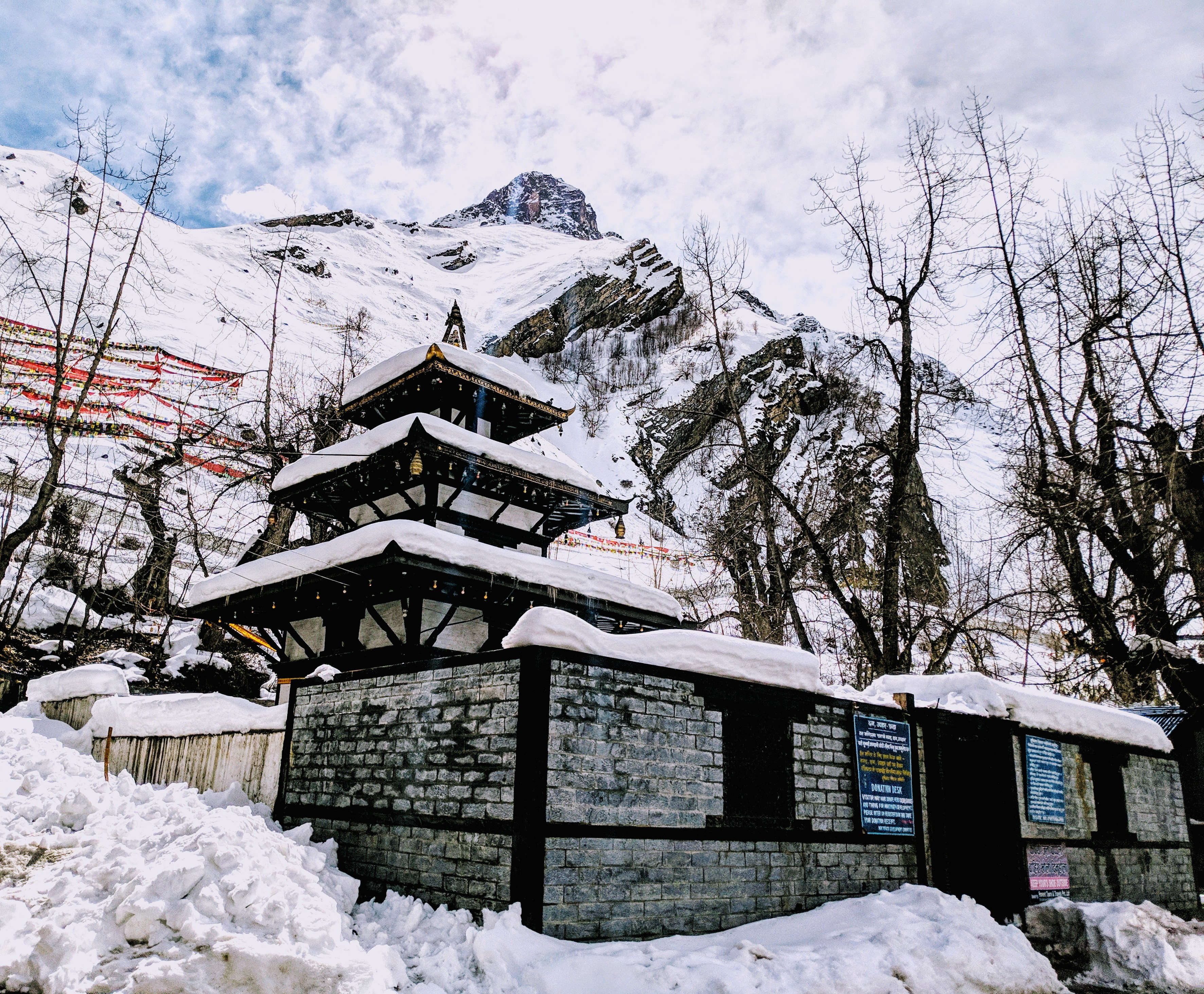
A Guide's Rule of Thumb
"If the guest is checking their watch at the top, we moved too fast. The ridge is not the goal. The quiet on the ridge is. We plan the day so the quiet has room to show up." — Enticing Himalayas trekking guide, Langtang
How Slow Trekking Compares to a Standard Trek
| Dimension | Standard trek | Slow trekking |
|---|---|---|
| Daily distance | Long, goal driven | Short, breath driven |
| Practice | None or minimal | Daily yoga and meditation |
| Pace | Reach the pass | Notice the slope |
| Best for | Summiteers | Recoverers and the curious |
Practical Tips Before You Go
- Leave the fitness target at home. You do not need to be an athlete. You need to be willing to walk slowly for hours.
- Pack light, breathe heavy. Altitude is the teacher. Let it set the pace.
- Protect the mornings. Sunrise practice is the best part. Do not trade it for sleep you do not need.
- Tell us your why. We shape the route around it, whether that is grief, clarity, or simply rest.
A Sample Slow Day on the Trail
To show the pace, here is the real shape of one day on our Annapurna foothills walk. The times are soft. The point is the space between them.
| Time | Practice |
|---|---|
| 06:00 | Sunrise breathwork on the ridge before the clouds lift |
| 07:30 | Slow walk, two hours, one long stop to watch the valley |
| 10:30 | Tea at a village, conversation with the family who runs it |
| 13:00 | Rest. No agenda. This empty block is the treatment. |
| 16:00 | Gentle yoga at camp, then a quiet evening fire |
Notice what is missing. No rush to a pass. No race against the light. The day is built so the quiet has room to arrive, which is the whole reason people trade a beach for a ridge.

Best Seasons for Slow Walking
Spring, March to May, brings rhododendrons and clear mornings. Autumn, October to November, is the driest and most stable. Winter is quieter still and good for lower routes. We avoid the heavy monsoon months for trekking, though valley wellness runs year round through our Healing Tour to Nature.
Where It Fits in the Cluster
Slow trekking is the movement half of wellness. The body repair half is certified Ayurveda and Panchakarma. The stillness half is burnout recovery. The older current is shamanic healing. And the policy behind the moment is Nepal Wellness Year 2027.
Frequently Asked Questions
Do I need trekking experience for slow trekking?
No. The pace is built for beginners and for people returning to their bodies after burnout. Fitness helps, but willingness matters more. We keep daily distances short and breath-led, so the walk stays accessible. Most guests who arrive unsure leave surprised by how far they moved without ever feeling pushed.
Is it safe at altitude?
Yes, with planning. We build acclimatization into the slow days and carry the support to handle altitude sickness early. The pace itself is the safety feature, because shorter days and gentle gains let the body adjust. Our guides are trained to recognize altitude issues before they become serious and to adjust the route.
Can the route be customized?
Always. Every walk is private. Tell us your level and your aim and we shape the days around both. Whether you want more meditation, more village time, or a gentler altitude profile, the itinerary bends to you. We do not run fixed group departures that you have to fit into.
What should I bring for the practice?
A mat if you have a favorite, loose layers, and an open morning. We supply the rest at camp, including props for yoga and breathwork. Pack for variable weather rather than fashion, since ridge mornings are cold and afternoons warm. The lighter your bag, the easier the slow days feel.
About Enticing Himalayas

Enticing Himalayas (legal name Enticing Himalayas Travels) is a Kathmandu based, Nepal licensed travel operator under the brand Explore Heal Thrive. We design private, guide led spiritual, wellness, trekking, and cultural journeys, with slow trekking as a core part of our wellness offering.
Our services
- Spiritual and pilgrimage tours (Muktinath, Gosaikunda, Lumbini, Pashupatinath, Namobuddha)
- Wellness and yoga retreats, including the 9 Day Luxury Yoga, Wellness and Himalayan Escape
- Trekking and slow trekking with daily meditation and breathwork
- Certified Ayurveda and Panchakarma, vetted locally
- Cultural, heli, rafting, and wildlife journeys
- Custom itinerary design and on ground logistics
Accreditations and partnerships


We are a recognized partner of the Nepal Tourism Board and list experiences through established global platforms. Every wellness provider we send guests to is met in person and vetted.
About the author
Written by the Enticing Himalayas editorial team in Kathmandu with our Langtang and Annapurna trekking guides, who set the pace on these walks every season. We update this guide as routes and seasons change.
Why Walk With Enticing Himalayas
We are a Kathmandu team that walks these trails every season. Our guides are local, not imported, and they know which ridge is worth the early alarm and which teahouse cooks the better dal bhat. Slow trekking only works when the guide protects your time instead of filling it. That is what we train for.
Build your slow trek or browse trekking and wellness packages.