Loading...
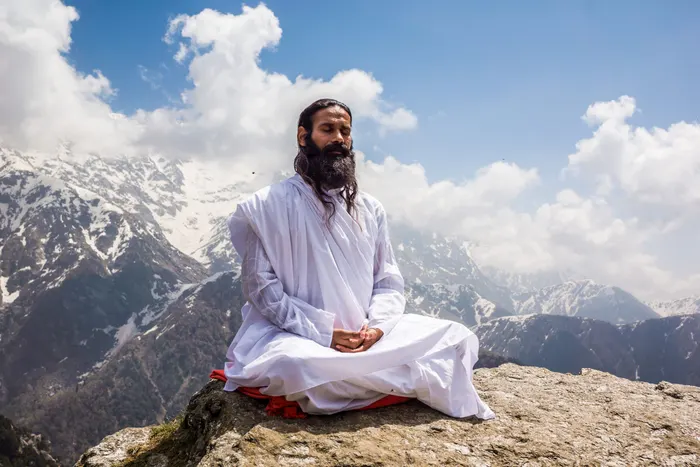
Meditation in Nepal | Retreats, Yoga & Spiritual Peace
Table of Contents
No sections available
About Meditation in Nepal | Retreats, Yoga & Spiritual Peace
Meditation in Nepal: A Journey of Mindfulness, Spirituality & Inner Peace
Meditation in Nepal is more than a wellness activity; it is an opportunity to experience a deep connection between mindfulness, spirituality, nature and ancient traditions. Nepal is home to important Buddhist and Hindu pilgrimage sites, peaceful monasteries, Himalayan landscapes and meditation centers where visitors can take time away from busy travel schedules and focus on awareness and inner calm. From the spiritual atmosphere of Kathmandu and Lumbini to the peaceful mountains around Pokhara and the Annapurna region, travelers can choose short meditation sessions, guided mindfulness practices or longer residential retreats. Nepal Tourism Board recognizes meditation as an important wellness tourism activity and lists destinations such as Kathmandu, Lumbini, Annapurna, Pashupatinath, Khaptad, Tengboche, Jomsom, Muktinath and Patan for meditation experiences.
Meditation in Kathmandu
Kathmandu is an excellent starting point for travelers interested in meditation in Nepal because the valley brings together Buddhist monasteries, Hindu temples, historic courtyards and dedicated meditation centers. Visitors can combine meditation with cultural sightseeing at places such as Boudhanath, Swayambhunath and Pashupatinath. Kapan Monastery, located on the northern edge of Kathmandu Valley, is particularly well known for Buddhist teachings and meditation programs. A meditation experience in Kathmandu can range from a simple one-hour guided session to a structured retreat lasting several days. The city therefore works well for both first-time visitors and experienced practitioners who want to include mindfulness in their Nepal itinerary.
Buddhist Meditation Experience
Nepal has a strong connection with Buddhist meditation, particularly because of its relationship with the life and teachings of Gautama Buddha. Travelers can learn different approaches to meditation through monasteries, retreat centers and organized courses. Depending on the program, sessions may involve mindfulness, breathing awareness, concentration, walking meditation, chanting or silent practice. Visitors should remember that meditation programs can follow different Buddhist traditions, so the teaching style, schedule and rules may vary between centers. This diversity makes Nepal an interesting destination for people who want to learn about meditation while also understanding the cultural and religious traditions behind the practice.
Vipassana Meditation in Nepal
Vipassana meditation in Nepal is another important option for travelers looking for a structured mindfulness experience. Vipassana focuses on developing awareness through observation of bodily sensations and mental experiences. Nepal has dedicated Vipassana centers offering courses based on the tradition associated with S. N. Goenka. The Nepal Tourism Board notes that Nepal Vipassana Centre conducts 10-day courses, while other centers offer shorter programs depending on their schedules. Lumbini Buddhist University also operates a Vipassana Centre where programs of different lengths are available. Travelers interested in joining a retreat should check the specific course dates, accommodation arrangements and participation requirements before planning their journey.
Meditation in Lumbini
Lumbini provides one of Nepal's most meaningful settings for a Buddhist meditation retreat because it is traditionally recognized as the birthplace of Gautama Buddha. The peaceful environment around the Maya Devi Temple, Sacred Garden and monastic zone creates an atmosphere suitable for reflection and contemplation. Visitors can explore monasteries representing different Buddhist traditions and include meditation sessions within a broader spiritual itinerary. For travelers interested in Buddhist history, spirituality and mindfulness, Lumbini meditation can be combined with cultural exploration, monastery visits and learning about the Buddha's life. Lumbini Buddhist University currently offers structured Vipassana programs through its meditation center.
Meditation in Pokhara
Meditation in Pokhara offers a different experience by combining mindfulness with lakes, forests, hills and Himalayan scenery. Travelers can practice meditation around Phewa Lake, the World Peace Pagoda and Buddhist monasteries while enjoying a slower atmosphere than the capital. Pokhara is particularly suitable for travelers who want to combine yoga, meditation and nature in one trip. Meditation sessions can be arranged as part of a wellness itinerary or incorporated into a broader Pokhara experience that includes hiking, cultural exploration and visits to Buddhist sites. The city's natural surroundings make it an attractive choice for visitors looking for relaxation without traveling deep into the mountains.
Himalayan Meditation Retreats
For travelers seeking a more immersive experience, Himalayan meditation retreats can take place in mountain environments and near monasteries. Destinations such as Tengboche, Annapurna, Jomsom, Muktinath and Khaptad offer quiet surroundings where visitors can combine meditation with trekking and spiritual exploration. The sound of rivers, mountain winds and the peaceful atmosphere of Himalayan villages can create a very different environment from an urban meditation center. However, high-altitude retreats require appropriate preparation because altitude, weather, walking distances and transportation can affect the experience. Nepal Tourism Board identifies several Himalayan destinations as meditation locations.
Meditation and Yoga in Nepal
Many travelers choose to combine meditation and yoga in Nepal because the two practices complement one another within wellness-oriented travel. A typical wellness program may begin with gentle yoga or stretching, followed by breathing exercises and meditation. Some retreats also include vegetarian meals, nature walks, relaxation sessions and cultural activities. Kathmandu, Pokhara and other popular tourist destinations offer different types of yoga and meditation programs. For your activity platform, it is useful to keep Meditation in Nepal and Yoga in Nepal as separate activity pages while linking them internally because they target related but different search queries.
Meditation and Ayurveda
Another popular combination is meditation and Ayurveda in Nepal. Ayurveda focuses on traditional approaches to wellbeing, while meditation encourages awareness and mental relaxation. Wellness travelers may therefore choose packages that combine meditation sessions with Ayurvedic consultation, massage, yoga, healthy meals and relaxation practices. Kathmandu and Pokhara have wellness centers offering various combinations of these services. When describing such experiences, it is better to present them as traditional wellness practices rather than making medical claims about treating diseases or conditions.
What to Expect During a Meditation Experience
A typical meditation session in Nepal may begin with a short introduction from a teacher or guide. Participants are usually shown how to sit comfortably and focus their attention on breathing, a chosen object, sounds, bodily sensations or a guided visualization. Some sessions are silent, while others may include mantra chanting, Buddhist prayers or teachings. Longer retreats generally follow a structured daily schedule with dedicated periods for meditation, meals, rest and sometimes walking meditation. Travelers should ask about the schedule beforehand because some retreats require participants to follow specific rules regarding silence, food, clothing, technology and participation.
Who Can Join Meditation in Nepal?
One of the advantages of meditation retreats in Nepal is that many experiences can accommodate different levels of experience. Beginners can start with a short guided meditation session, while experienced practitioners may choose multi-day or longer retreats. You do not necessarily need previous meditation experience for a beginner-friendly program. However, longer residential retreats can be physically and mentally demanding because participants may spend significant periods sitting quietly and following a structured routine. Travelers should select a program according to their experience, comfort level and available time.
Best Time for Meditation in Nepal
Meditation can generally be experienced throughout the year, although the best destination depends on the season. Kathmandu, Lumbini and Pokhara can be included in travel plans year-round, while high-altitude Himalayan destinations are more affected by winter snow and monsoon conditions. Spring and autumn are especially popular for combining meditation with trekking and outdoor activities because weather conditions are generally more favorable. During the monsoon season, lower-altitude wellness retreats can still be a good option, while some mountain locations may be more difficult to access.
Why Meditation Is Important for Nepal Visitors
Meditation in Nepal allows visitors to experience an aspect of the country that cannot be fully understood through sightseeing alone. Nepal's spiritual traditions are visible in its monasteries, temples, prayer flags, chanting, rituals and daily community life. Taking part in a meditation session gives travelers an opportunity to slow down and observe these traditions respectfully while creating space for personal reflection. It can also complement a busy itinerary filled with trekking, sightseeing and adventure activities.
For Enticing Himalayas, meditation fits naturally into the Heal category. It can be promoted alongside yoga, Ayurveda, sound healing, spiritual tours and monastery experiences. You can also create separate activity pages targeting searches such as “Meditation in Kathmandu,” “Vipassana Meditation in Nepal,” “Meditation Retreat in Nepal,” “Meditation in Lumbini,” and “Himalayan Meditation Retreat.” These pages can then link back to your main Meditation in Nepal activity page, creating a strong internal-linking structure.
Popular Meditation Destinations in Nepal
Kathmandu is ideal for accessible meditation centers, monasteries and Buddhist experiences. Lumbini is particularly suitable for travelers interested in Buddhist history and Vipassana. Pokhara combines meditation with lakeside relaxation, mountain scenery and wellness retreats. Kapan is an important destination for Buddhist teachings and meditation near Kathmandu. For a more remote experience, travelers can consider Tengboche, Muktinath, Jomsom, Annapurna and Khaptad, depending on season and accessibility. Nepal Tourism Board includes these destinations among places associated with meditation experiences.
Responsible Meditation Tourism in Nepal
Visitors should approach spiritual and meditation experiences respectfully. A monastery or temple is a living religious environment, not simply a tourist attraction. Travelers should follow instructions from teachers and local communities, dress appropriately, ask before taking photographs and avoid interrupting ceremonies. When joining a retreat, participants should also respect rules concerning silence, food, mobile phones and daily schedules. Responsible participation helps protect Nepal's spiritual heritage while creating a more genuine experience for visitors.
Meditation in Nepal: A Meaningful Wellness Journey
Whether you have only an hour in Kathmandu or several days available for a retreat, meditation in Nepal can add a meaningful dimension to your journey. The combination of Buddhist heritage, Hindu spirituality, Himalayan landscapes, monasteries and wellness traditions makes Nepal particularly appealing to travelers seeking more than conventional tourism. From a peaceful meditation session beside a stupa to a structured Vipassana retreat in Lumbini, visitors can choose an experience that matches their interests, schedule and level of practice.
Ready to explore?
Check out Meditation in Nepal | Retreats, Yoga & Spiritual Peace at different destinations.
Available Packages
No packages available at the moment. Please check back later.
Activity
Meditation in Nepal | Retreats, Yoga & Spiritual Peace