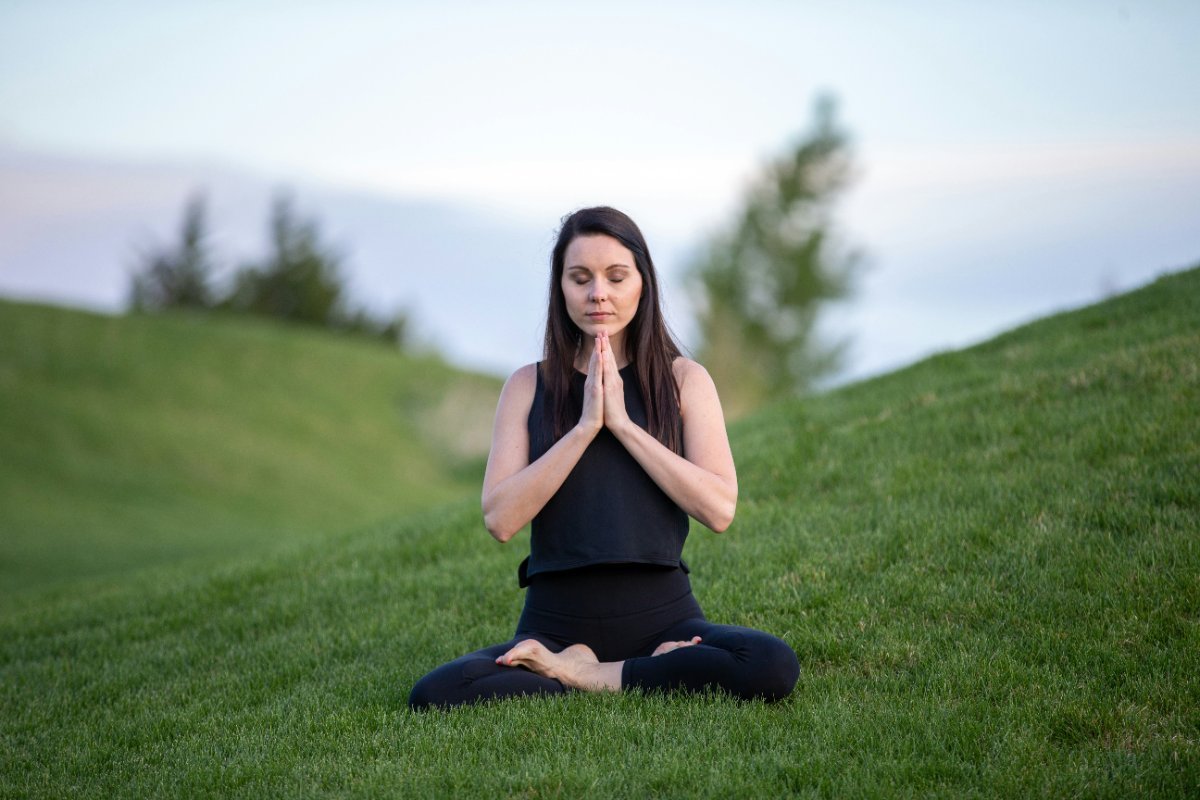
Nepal is where yoga and meditation do not just coexist but amplify each other. For centuries, sadhus and monks have practiced breathwork and stillness in the same Himalayan valleys, treating the body as a vessel for spiritual inquiry rather than something separate from it. Today, that tradition has evolved into structured retreat programs that blend asana practice, pranayama, guided meditation, sound healing, and philosophy into immersive experiences ranging from three days to two weeks. Whether you are a stressed professional looking for a reset, a dedicated yogi wanting to deepen your practice at altitude, or a spiritual seeker wanting to understand why the Himalayas have drawn seekers for millennia, Nepal offers something no other country can replicate: the combination of authentic lineage teachings, dramatic natural settings, and affordability that makes extended stays realistic.
This guide covers everything you need to plan a yoga and meditation retreat in Nepal, from choosing the right location and duration to understanding what a typical day looks like, how much it costs, and how to prepare. If you are new to meditation specifically, start with our complete beginner's guide to meditation in Nepal for foundational context, then return here for the combined yoga-plus-meditation approach.
Why Nepal Is the Natural Home of Combined Yoga and Meditation Retreats
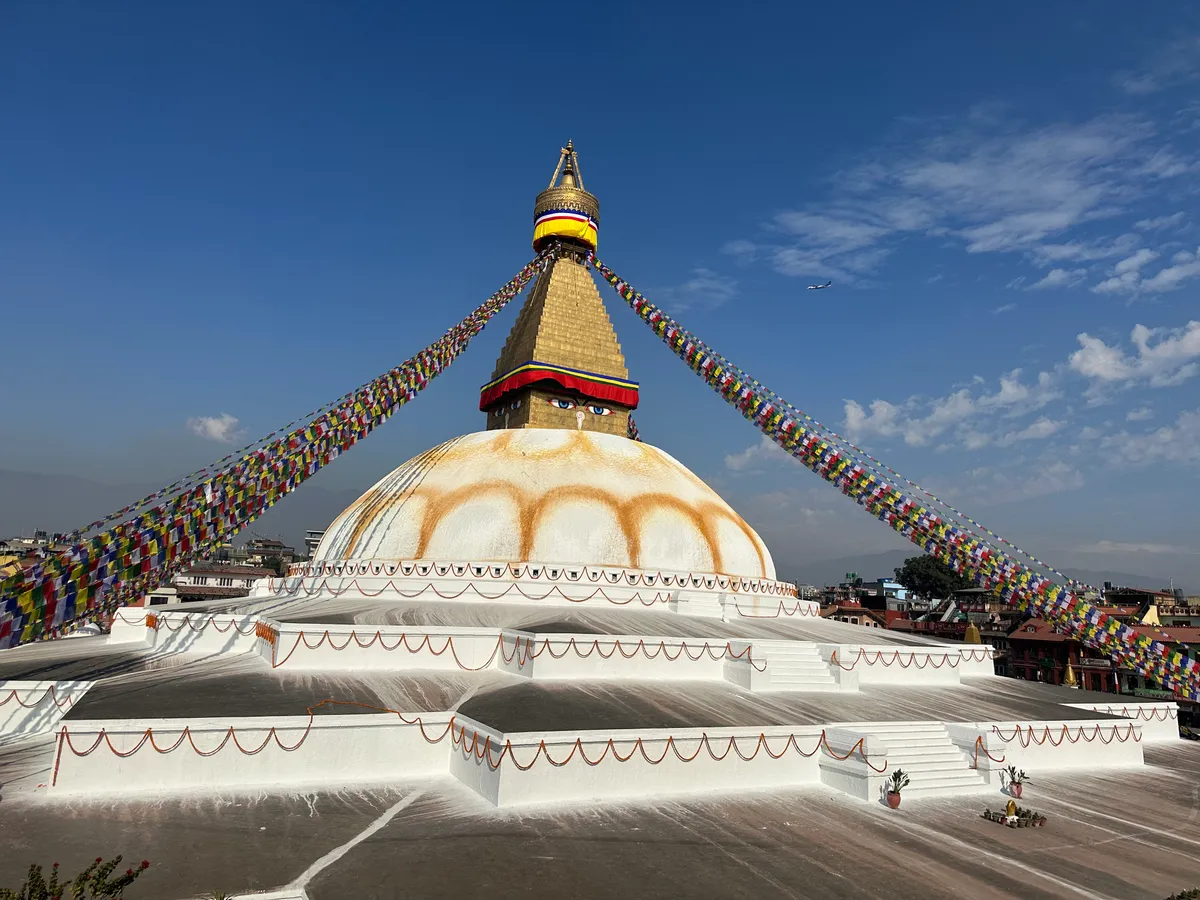
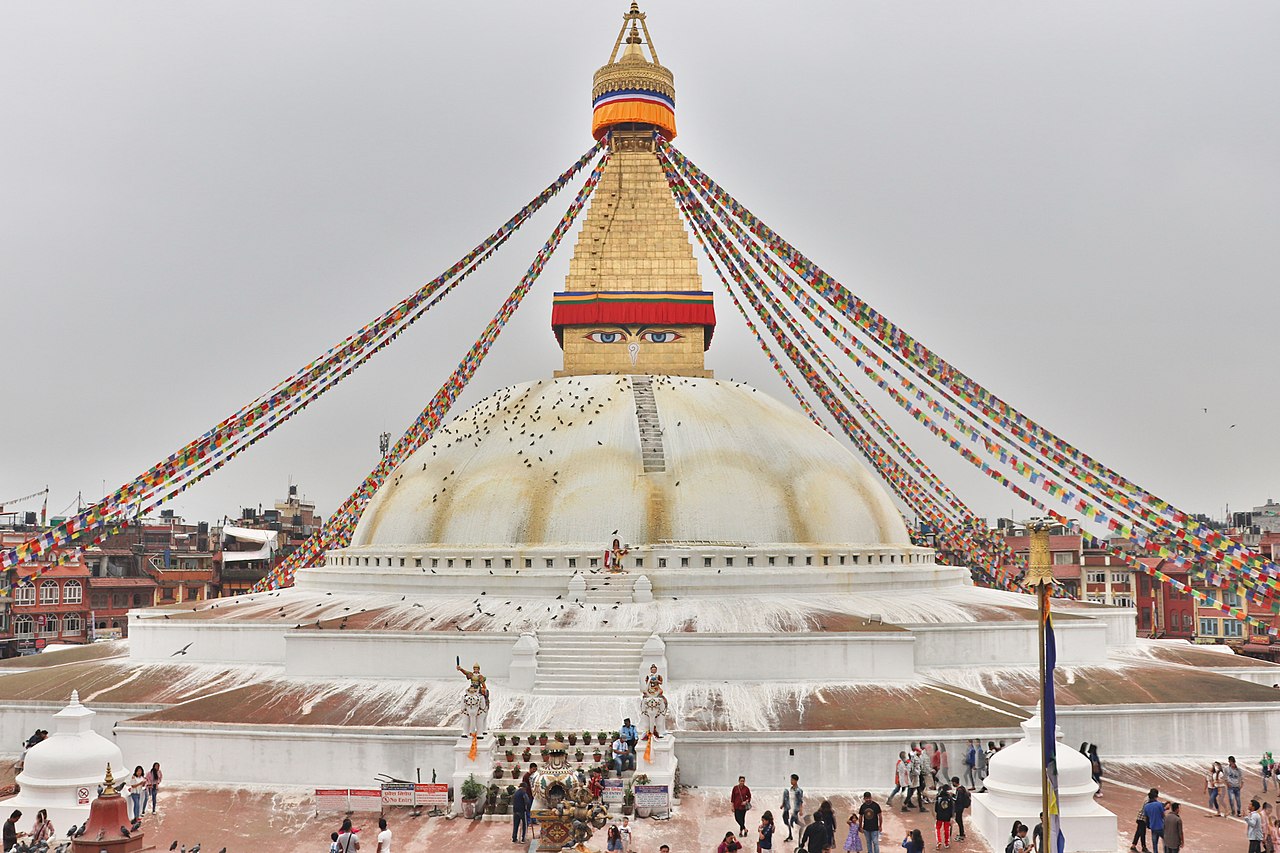
The connection between yoga and meditation in Nepal is not a modern invention. It is rooted in a civilizational understanding that the body and mind are not separate domains. The Kathmandu Valley alone has hundreds of sites where yoga, meditation, and devotional practice have been performed continuously for over a thousand years. The valley's geography, a bowl-shaped plateau surrounded by forested hills and crowned by the great stupa at Boudhanath and Swayambhunath, creates a natural acoustic and energetic container that practitioners describe as immediately palpable.
Three factors make Nepal uniquely suited for combined retreats:
1. Lineage authenticity. Nepal sits at the crossroads of Hindu and Buddhist practice traditions. Teachers here often carry dual training in yogic philosophy and Vipassana or Tibetan Buddhist meditation. This means retreat programs are not pieced together from YouTube videos and weekend workshops. They draw from living lineages that have been tested across centuries. Our guide to Buddhist meditation and monastery stays in Nepal explores the monastic side of this tradition in depth.

2. Altitude and environment. Practicing yoga and meditation at 1,300 to 1,600 meters above sea level in the Kathmandu Valley or Pokhara introduces a mild hypoxic effect that many practitioners find enhances breath awareness and mental clarity. The air is thinner, the light is sharper, and the surrounding mountains create a visual anchor that naturally draws the gaze upward and the mind inward. The Nepal Wellness Tourism Year 2027 initiative has invested in infrastructure that makes these environments more accessible to international visitors.

3. Cost structure. A 10-day combined yoga and meditation retreat in Nepal typically costs between $400 and $750 including accommodation, meals, and instruction. The equivalent program in Europe or North America would cost $2,000 to $4,000. This is not because the quality is lower but because the cost of living, property, and labor in Nepal is fundamentally different. The result is that you can stay longer, go deeper, and actually build a sustainable practice rather than treating the retreat as a once-in-a-lifetime splurge.
What a Combined Yoga and Meditation Retreat Actually Looks Like
A typical day at a yoga and meditation retreat in Nepal follows a structured rhythm designed to regulate the nervous system and create a container for deep practice. While schedules vary by center, most follow a similar arc:
5:30 AM - Wake-up bell or gong. The early start is not arbitrary. In yogic tradition, the period just before dawn (called Brahma Muhurta) is considered the most energetically favorable time for practice. The mind is naturally quieter, and the body is rested.
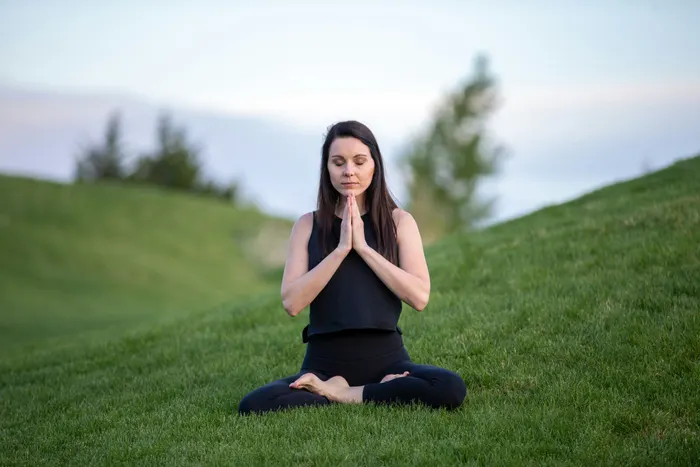
6:00 AM - Morning asana and pranayama session (90 to 120 minutes). This is typically a Hatha or Vinyasa flow adapted to the level of the group. The focus is not on performance or Instagram-worthy poses but on preparing the body to sit comfortably for meditation. Pranayama (breath control) practices like Nadi Shodhana and Kapalabhati are included to clear the nasal passages and energize the nervous system.
8:00 AM - Breakfast. Meals at retreats are vegetarian, often vegan, and prepared with Ayurvedic principles. The food is sattvic, meaning it avoids stimulants, heavy spices, and processed ingredients that would agitate the mind.
9:30 AM - Guided meditation session (60 to 90 minutes). This could be Vipassana-style body scanning, mindfulness of breath, loving-kindness (Metta) meditation, or mantra-based practice depending on the center's tradition. For those new to silent sitting, our guide to Vipassana meditation in Nepal covers the 10-day silent retreat format in detail.
11:00 AM - Philosophy talk or workshop. Topics might include the Eight Limbs of Yoga, the Four Noble Truths, Ayurvedic principles, or the science of breath. This intellectual component grounds the physical and meditative practices in a broader understanding.
12:30 PM - Lunch, followed by free time for rest, journaling, or self-practice.
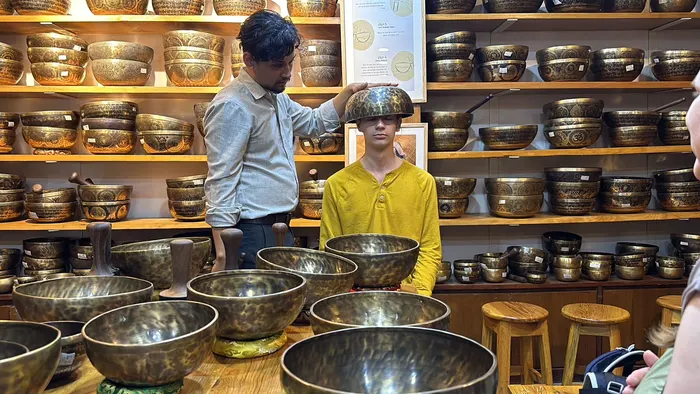
3:30 PM - Afternoon session. This varies by day and may include restorative yoga, Yin yoga, sound healing with Tibetan singing bowls, or monastery etiquette and meditation instruction at a nearby temple.
5:30 PM - Evening meditation or chanting session (60 minutes). This is often a quieter, more contemplative practice that transitions the nervous system from activity to rest.
7:00 PM - Dinner and evening rest. Most retreats encourage silence after dinner to support the meditative process.
The rhythm is demanding but not punishing. By the third or fourth day, most participants report that the schedule stops feeling restrictive and starts feeling like a natural rhythm their body has been waiting for. The combination of physical practice in the morning and meditation throughout the day creates a compounding effect: the yoga opens the body, which makes sitting more comfortable, which deepens the meditation, which calms the mind, which makes the yoga more internally focused.
Where to Go: The Best Locations for Yoga and Meditation Retreats in Nepal
Kathmandu Valley
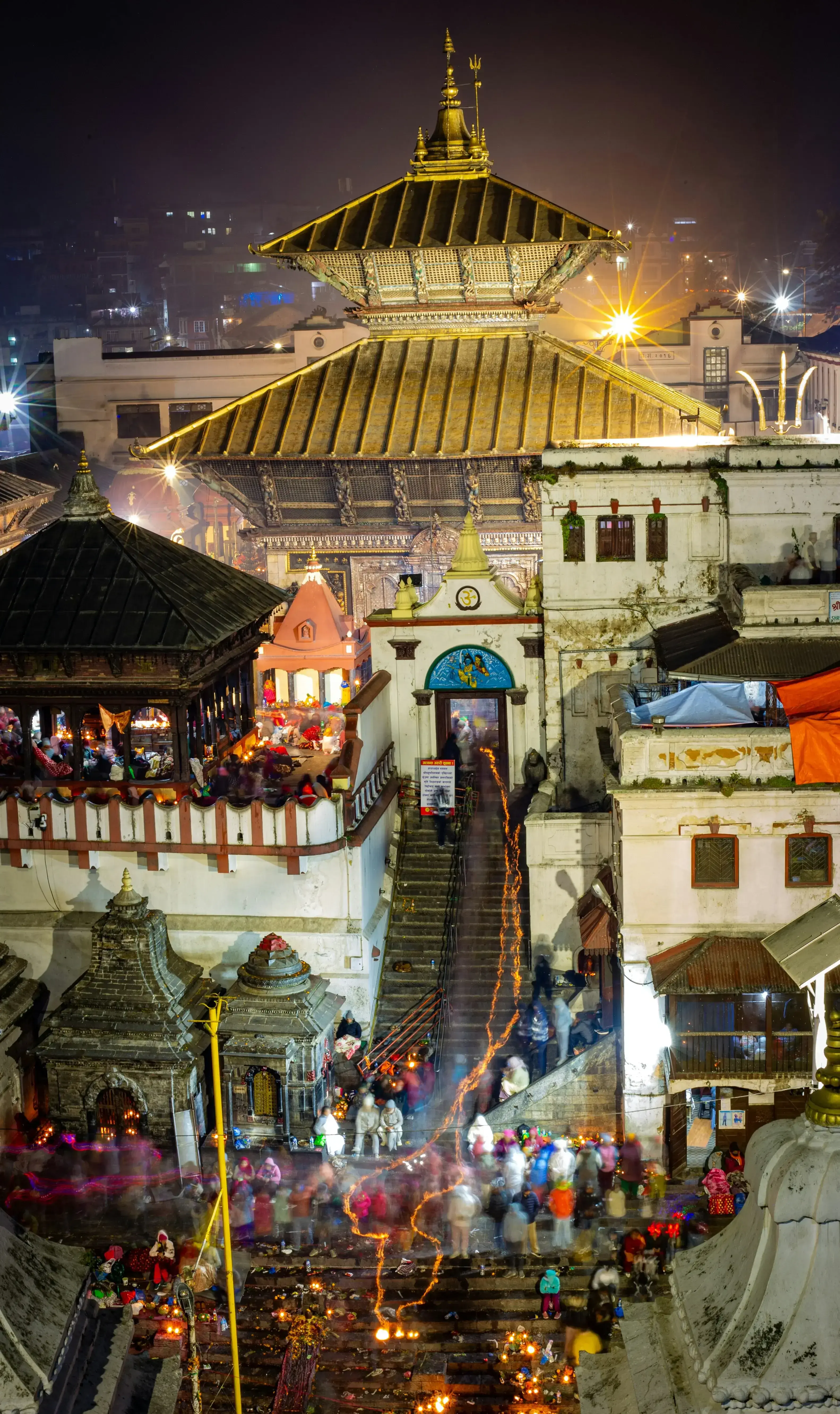
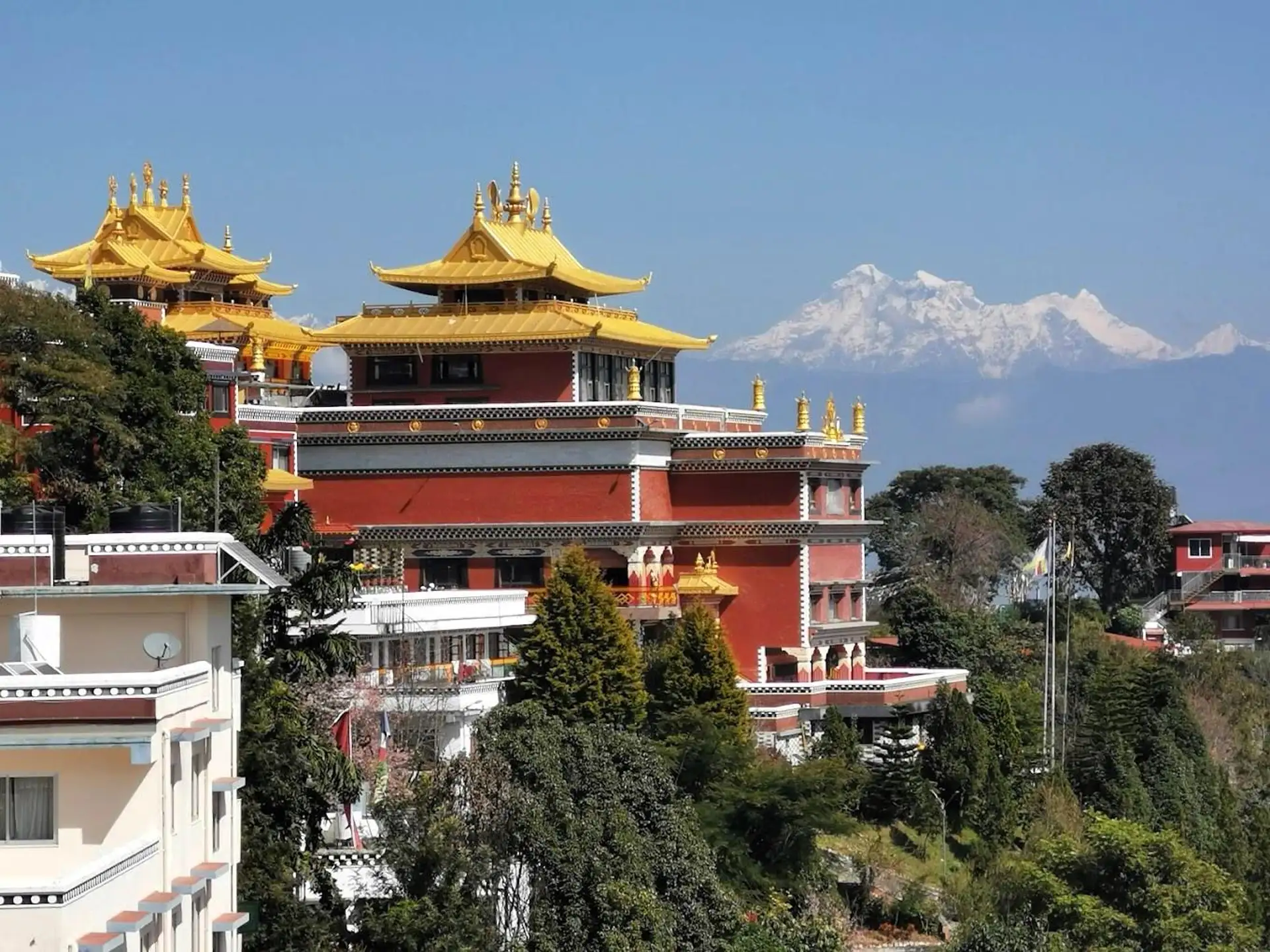
The Kathmandu Valley is the most accessible and varied destination for combined retreats. The valley hosts dozens of retreat centers ranging from basic ashrams to boutique wellness hotels. The advantage of Kathmandu is proximity to sacred sites like Boudhanath Stupa, Swayambhunath, and Pashupatinath, which are not just tourist attractions but active pilgrimage sites where you can observe and participate in living spiritual traditions. Our Kathmandu Spiritual Circuit guide covers these sites in detail.
The disadvantage is noise and air quality. Kathmandu is a developing city with traffic congestion and seasonal air pollution. If you are sensitive to noise, choose a retreat center in the valley's perimeter areas like Budhanilkantha, Nagarkot, or Dhulikhel rather than in the city center. Kathmandu's healing traditions extend far beyond yoga to include Reiki, sound therapy, and energy work, making it the most diverse wellness ecosystem in the country.

Pokhara
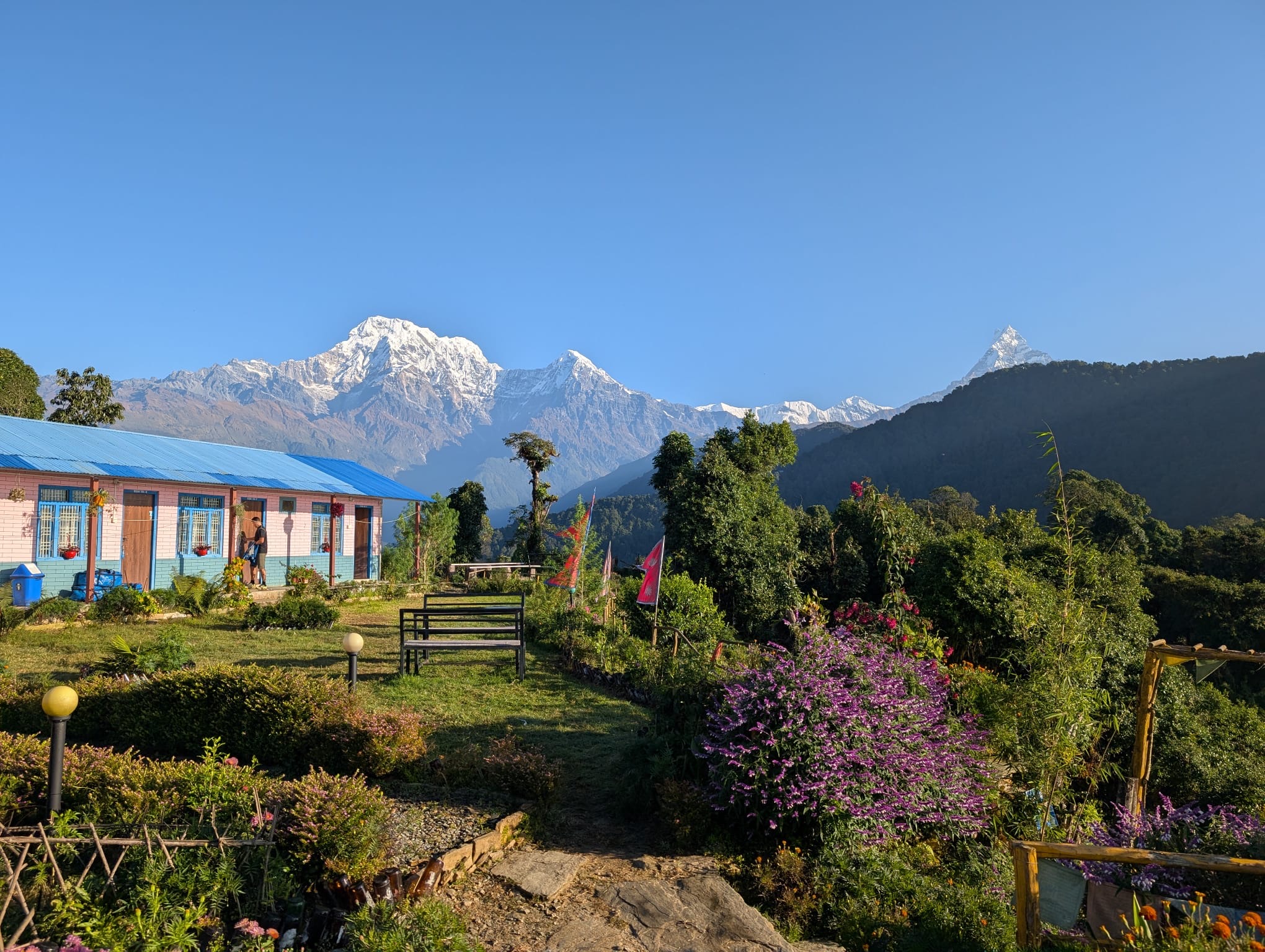
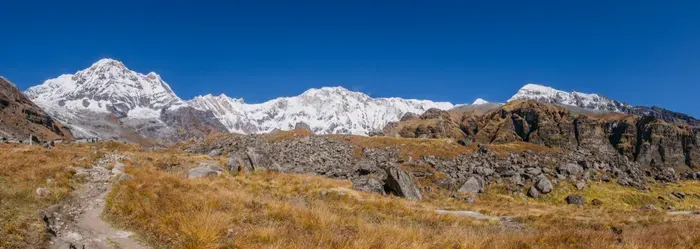
Pokhara is the preferred destination for those who want a quieter, more nature-focused setting. Situated on the shore of Phewa Lake with the Annapurna range rising directly behind it, Pokhara offers a visual and acoustic environment that is hard to match. The lakeside area has numerous retreat centers, and the nearby villages of Sarangkot and World Peace Pagoda provide elevated practice spaces with panoramic mountain views.
The Pokhara Yoga and Wellness Healing Retreat is a well-structured 4-day program that combines daily yoga and meditation with lakeside accommodation and Ayurvedic meals. For those wanting a longer immersion, Pokhara also serves as a base for yoga trekking programs that combine retreat practice with multi-day hiking.
Lumbini
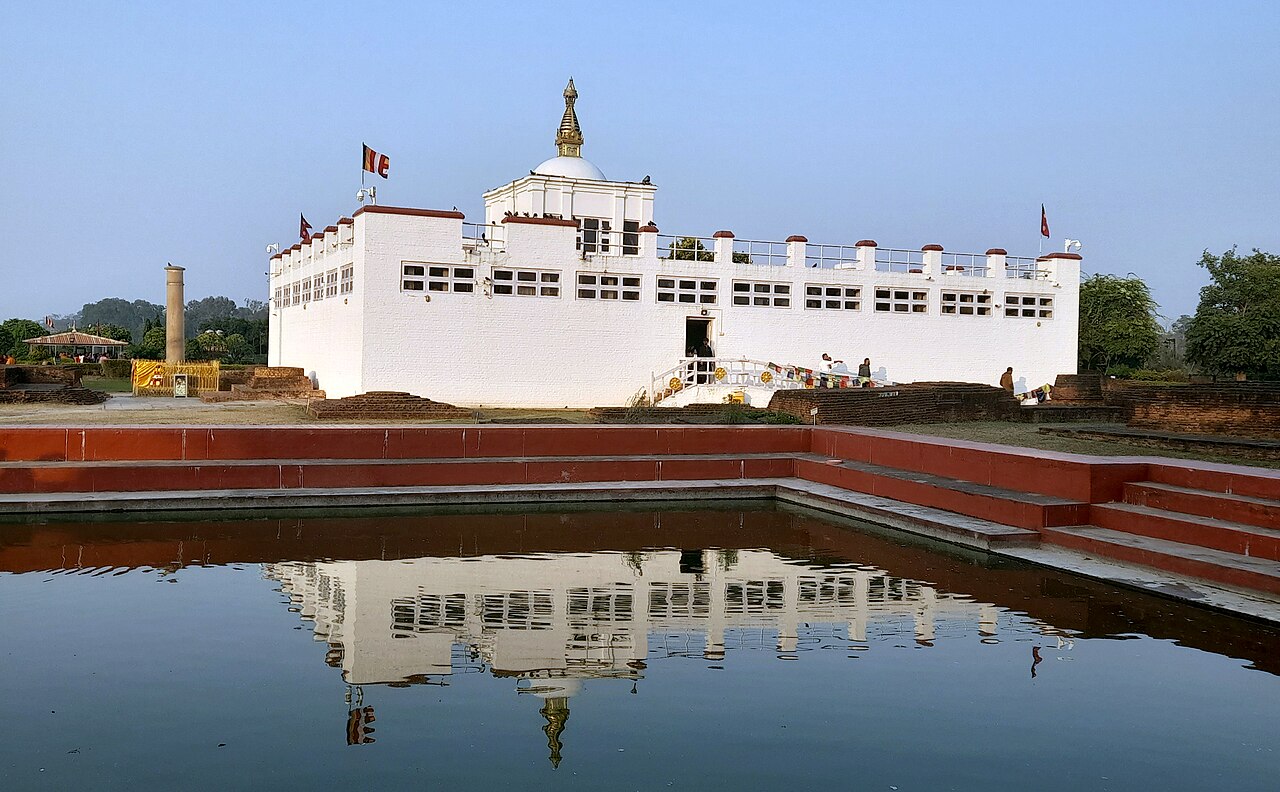
Lumbini, the birthplace of the Buddha, is the most spiritually charged destination for meditation-focused retreats. The Maya Devi Temple complex and the surrounding monastic zone create an environment of deep stillness that is difficult to find elsewhere. While Lumbini has fewer yoga-specific retreat centers than Kathmandu or Pokhara, several monasteries offer combined programs that integrate yoga asanas with Buddhist meditation. The 10-day pilgrimage circuit that includes Lumbini is an excellent way to combine retreat practice with broader spiritual exploration.

Bandipur and Rural Settings
For those who want to get off the beaten path, the hill town of Bandipur and rural retreat centers in the Kathmandu Valley periphery offer quiet settings with fewer distractions. These locations are ideal for longer retreats (10+ days) where the goal is deep immersion without the temptation of cafes, shops, and social media.
Types of Combined Retreats: Finding the Right Fit
Not all yoga and meditation retreats are the same. Understanding the distinctions will help you choose a program that matches your goals and experience level.
Short-Format Retreats (3 to 5 Days)
These are ideal for first-timers, travelers on a tight schedule, or those using a retreat as a reset during a longer Nepal trip. A 3-day program gives you a taste of the rhythm without the intensity of a longer immersion. The 3-Day Yoga and Sound Healing Retreat in Kathmandu (from $288) is a popular entry point that combines daily yoga, meditation, and Tibetan singing bowl therapy. For a slightly longer introduction, the 5-Day Yoga Retreat with Hiking (from $518) adds gentle trail walks to the daily practice schedule.

Week-Format Retreats (6 to 7 Days)
A 6 to 7 day retreat is the sweet spot for most people. It is long enough to experience the compounding effect of daily practice but short enough to fit within a standard vacation. The 6-Day Yoga Stress Management Retreat (from $633) is specifically designed for those dealing with burnout, anxiety, or chronic stress. It integrates restorative yoga, breathwork, guided meditation, and stress-science education into a structured program. The 7-Day Yoga Retreat with Sightseeing (from $748) balances practice with cultural exploration, making it ideal for those who want both inner work and outer discovery.
Extended Immersions (9+ Days)
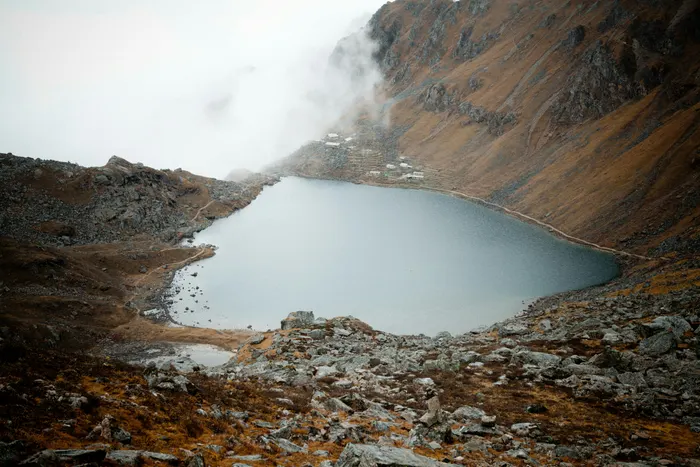
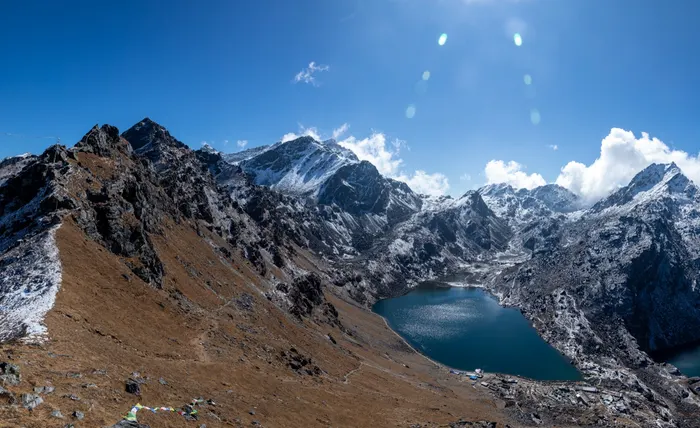
For serious practitioners or those wanting a life-changing experience, extended retreats offer the deepest transformation. The 9-Day Luxury Yoga Wellness Himalayan Escape combines premium accommodation, daily yoga and meditation, Ayurvedic treatments, and excursions to sacred sites. For those interested in the intersection of trekking and practice, the Gosaikunda Sacred Lakes Trek and Yoga Retreat (from $658) integrates multi-day hiking with daily yoga and meditation at altitude.
Specialized Formats
Beyond standard retreats, Nepal offers specialized formats including sound healing courses that use Tibetan singing bowls as a meditation tool, Ayurvedic detox programs that combine yoga with Panchakarma cleansing, and mindfulness trekking that brings meditation into the hiking experience. These specialized formats are worth exploring if you have a specific interest or health goal.
Yoga Styles You Will Encounter in Nepal
Nepalese retreat centers typically teach a blend of yoga styles rather than a single rigid tradition. Understanding what each style emphasizes will help you set expectations.
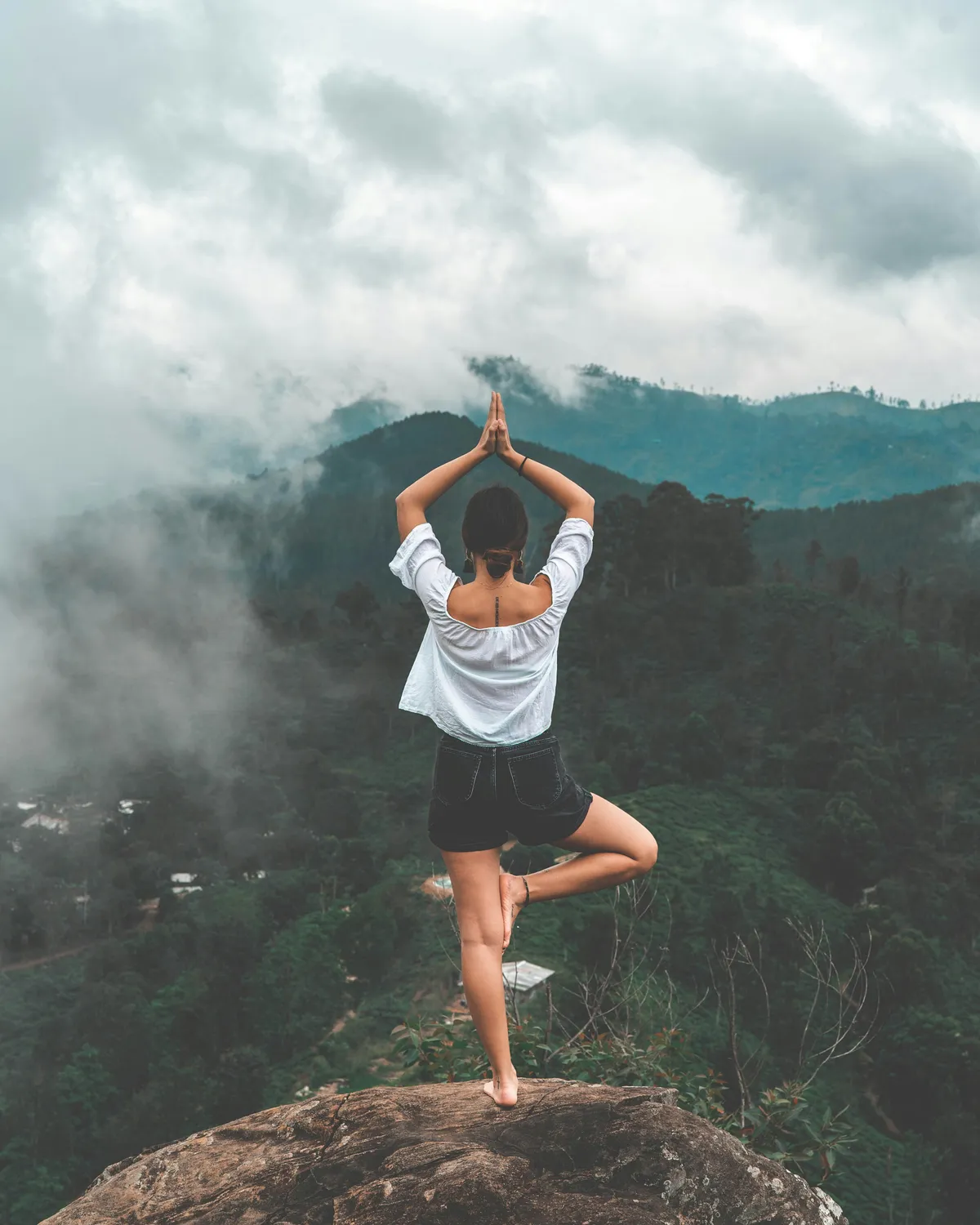
Hatha Yoga is the foundation of most retreat programs. It emphasizes held postures, alignment, and breath awareness. The pace is slow enough for beginners to learn proper form and for experienced practitioners to deepen their internal awareness. Hatha classes in Nepal often include longer holds and fewer transitions than Western Vinyasa classes, which makes them more compatible with meditation practice.
Vinyasa Flow appears in some retreat centers, particularly those catering to international students. Vinyasa links breath to movement in continuous sequences. It is more physically demanding than Hatha and generates internal heat, which can be beneficial in cooler mountain mornings.
Restorative and Yin Yoga are featured in afternoon sessions. These styles use long-held, supported poses to release deep connective tissue and calm the nervous system. They are particularly valuable in a retreat context because they actively support the meditative process by releasing physical tension that would otherwise distract from sitting practice.
Pranayama is not a separate style but a core practice integrated into every session. Breathwork in Nepal draws from both yogic traditions (Nadi Shodhana, Kapalabhati, Bhramari) and Buddhist mindfulness-of-breath (Anapanasati). The evening Aarati ceremonies at Pashupatinath and Boudhanath offer a devotional dimension to breath and chanting practice that most retreat participants find deeply moving.
Meditation Techniques Taught at Combined Retreats
The meditation component of a combined retreat is what distinguishes it from a yoga-only program. In Nepal, retreat centers typically teach several meditation techniques so that participants can find the approach that works best for their temperament.
Mindfulness of Breath (Anapanasati) is the most universally taught technique. You focus attention on the natural breath, noting the sensation of air entering and leaving the nostrils. When the mind wanders, you gently return attention to the breath. This practice builds concentration and awareness simultaneously.
Body Scan (Vipassana-style) involves moving attention systematically through the body, observing sensations without reaction. This technique develops equanimity and body awareness. It is particularly effective when combined with yoga because the asana practice has already sensitized the body to subtle sensations.
Loving-Kindness (Metta) meditation cultivates positive emotion by silently repeating phrases of goodwill first toward oneself, then toward loved ones, neutral persons, and eventually all beings. This practice counteracts the tendency toward self-criticism that can arise during intensive practice.
Mantra Meditation uses sacred sounds or phrases (like Om Mani Padme Hum) as an anchor for attention. The vibrational quality of mantra is believed to have a direct effect on the nervous system. In Nepal, mantra practice is often connected to broader spiritual tour traditions that link meditation to devotional practice.
Walking Meditation brings mindfulness into movement. You walk slowly, noting the lifting, moving, and placing of each foot. This practice is particularly valuable in a retreat setting because it prevents the physical stiffness that can arise from extended sitting and bridges the gap between formal practice and daily life. Slow trekking and mindfulness take this concept further by applying meditative awareness to multi-day hiking.
What It Costs: Budgeting for a Yoga and Meditation Retreat in Nepal
One of the most compelling reasons to choose Nepal for a retreat is the cost advantage. Here is a realistic breakdown of what you can expect to pay:
Budget retreats ($180 to $350 for 3 to 5 days): Basic accommodation (shared room or dormitory), simple vegetarian meals, daily yoga and meditation sessions, and access to common areas. These are often run by ashrams or small centers and prioritize substance over comfort. The Half-Day Wellness Spa Escape (from $138) and Full-Day Spa and Wellness Retreat (from $184) are good options for those wanting a single-day wellness experience.
Mid-range retreats ($350 to $750 for 5 to 7 days): Private or double rooms with attached bathrooms, three organic meals daily, twice-daily yoga and meditation sessions, pranayama workshops, and one or two excursions to sacred sites. This is the most popular category. The 4-Day Yoga Retreat with Reiki Healing (from $403) and Pokhara Yoga Wellness Retreat (from $405) fall in this range.
Premium retreats ($750 to $2,100 for 7 to 14 days): Boutique accommodation with mountain views, Ayurvedic consultation and treatments, specialized workshops (sound healing, yoga Nidra, philosophy), private sessions available, and curated excursions. The 9-Day Luxury Yoga Wellness Escape represents this category.
What is typically included: All meals (vegetarian), accommodation, daily yoga and meditation instruction, filtered water, and sometimes airport pickup. What is typically not included: International flights, visa fees ($30 for 15 days on arrival), travel insurance, personal items, and optional treatments like massage or Reiki beyond what is in the package.
For a detailed comparison of costs across spiritual and wellness experiences in Nepal, see our Spiritual Tour in Nepal Cost Guide.
Best Time of Year for a Yoga and Meditation Retreat in Nepal
Nepal has four distinct seasons, and each has implications for retreat practice.
Spring (March to May): The weather is warm and stable, with clear mornings and blooming rhododendrons in the hills. This is peak retreat season. Temperatures in Kathmandu range from 15 to 25 degrees Celsius, making outdoor practice comfortable. Book early, as popular centers fill up months in advance.
Autumn (September to November): The monsoon has cleared the air, and mountain views are at their best. Temperatures are mild, and the atmosphere feels clean and energized. This is the other peak season and arguably the best time for combined yoga and trekking retreats.
Winter (December to February): Cooler temperatures (5 to 15 degrees Celsius in Kathmandu) mean you will practice indoors for morning sessions. The advantage is fewer crowds, lower prices, and very clear air. Some retreat centers offer discounted rates during this period. If you choose winter, bring warm layers for early morning meditation.
Monsoon (June to August): Rain falls daily, usually in the afternoon and evening. Mornings are often clear, so practice sessions are not necessarily disrupted. The landscape is lush and green, and retreat centers are quieter. The disadvantage is humidity, potential flight delays, and leeches on hiking routes. Some practitioners love the monsoon for its introspective quality.
How to Prepare for Your Retreat
Preparation affects how much you get out of the retreat. Here are practical steps to take before you arrive:
Physical preparation: If you do not currently have a yoga practice, start doing 15 to 20 minutes of gentle stretching and breathing daily for at least two weeks before the retreat. This will reduce soreness during the first few days. If you have a regular practice, continue as normal but avoid pushing hard in the week before departure; you want to arrive fresh.
Mental preparation: Read one introductory book on meditation. We recommend starting with a mindfulness-based approach. The goal is not to become an expert but to arrive with a basic framework so that the teachings land in prepared soil. Consider reading about Nepal's sacred sites and rituals to understand the cultural context of your practice environment.
Digital preparation: Most retreats encourage or require digital silence during practice hours. Inform family and close contacts that you will have limited connectivity. Download any reading materials you want beforehand. The digital detox is a core part of the experience; fighting it diminishes the retreat's effect.
Packing essentials: Loose, comfortable clothing for yoga (two sets so one can dry), a warm layer for morning meditation, a reusable water bottle, natural insect repellent (for monsoon season), a journal, a small flashlight or headlamp for early morning sessions, and any personal medications. Retreat centers provide yoga mats, blocks, and cushions, but if you have a preferred meditation cushion, bring it.
Health considerations: If you have any chronic conditions (especially respiratory, cardiac, or mental health), consult your doctor before booking. Mild altitude effects at Kathmandu's elevation are normal for the first two days; stay hydrated and avoid strenuous activity on arrival day. If you are coming from sea level, consider arriving in Nepal two days before the retreat starts to acclimatize.
What Happens After: Integrating the Retreat Experience
The most common mistake retreat participants make is treating the retreat as an isolated event rather than a catalyst for ongoing practice. Within a week of returning home, the benefits of a 7-day retreat can fade entirely if there is no integration plan.
Build a minimal daily practice. Even 20 minutes of yoga and 10 minutes of meditation, done consistently, will maintain the nervous system regulation you developed during the retreat. The goal is not to replicate the retreat schedule at home but to establish a sustainable rhythm that keeps the channel open.
Stay connected to the teachings. Many Nepalese retreat centers offer online follow-up sessions or can connect you with teachers who offer remote guidance. If your retreat included a specific technique that resonated (like Vipassana body scanning or Metta), make that your anchor practice rather than switching between methods.
Plan a return. Many practitioners find that an annual retreat becomes a non-negotiable part of their wellness routine. Nepal's affordability makes this realistic in a way that retreats in other countries are not. Some retreat centers offer loyalty discounts for returning students. Consider combining your next retreat with a 7-day spiritual tour itinerary or a broader sacred sites pilgrimage to deepen your connection to the landscape and tradition.
Join a community. Whether it is a local sangha (meditation group) in your home city or an online community of fellow retreat graduates, practicing with others provides accountability and support. The broader spiritual tour community in Nepal includes practitioners from around the world who maintain connections across visits.
How to Choose the Right Retreat for You
With so many options, the choosing process can feel overwhelming. Here is a framework to narrow your selection:
Step 1: Clarify your primary goal. Are you seeking stress relief, spiritual depth, physical health improvement, or a combination? If stress relief is primary, a 6-day stress management retreat is ideal. If spiritual depth is the goal, look for retreats that include philosophy teaching and visits to sacred sites. If physical health is the focus, choose a retreat that integrates Ayurvedic consultation.
Step 2: Assess your experience level honestly. If you are new to both yoga and meditation, a 3 to 5 day retreat is the safest entry point. If you have an established yoga practice but are new to meditation, a 7-day combined retreat will give you enough time to develop a meditation foundation. If you are experienced in both, look for extended immersions or specialized formats like shamanic healing tours that go beyond conventional formats.
Step 3: Consider the location carefully. If you are sensitive to noise or air pollution, choose Pokhara or a rural retreat center over Kathmandu. If you want access to sacred sites and cultural richness, Kathmandu is unbeatable. If you want the deepest spiritual atmosphere, Lumbini is the ultimate destination.
Step 4: Read the daily schedule. A good retreat center will publish its daily schedule. Look for a balance of practice, rest, and free time. Be wary of programs that pack every hour with activity; integration time is essential for the practices to take root.
Step 5: Check teacher credentials. Look for teachers with documented training in both yoga and meditation. In Nepal, many senior teachers have decades of experience and lineage connections. Do not be shy about asking about a teacher's background before booking.
Step 6: Consider group size. Smaller groups (8 to 15 people) allow for more personalized instruction. Larger groups (20+) can have good energy but less individual attention. If you are a beginner or have specific health concerns, prioritize small-group programs.
For a broader understanding of the wellness landscape in Nepal and how to plan around it, our guide to trekking and adventure in Nepal for 2026 and the complete guide to cultural and spiritual tours provide complementary context for combining wellness practice with broader travel experiences.
Common Mistakes to Avoid at Your First Retreat
1. Expecting immediate transformation. The benefits of a retreat are cumulative and often manifest days or weeks after you return home, not during the retreat itself. During the retreat, you may feel restless, emotional, or physically tired as your nervous system recalibrates. This is normal. Do not judge the experience by how you feel on day three.
2. Comparing yourself to other participants. In every retreat group, there will be someone who is more flexible, more experienced, or more "spiritual" in demeanor. Comparison is the enemy of practice. Your experience is your own. The person who struggles to touch their toes but stays present with the discomfort is practicing more deeply than the contortionist who is mentally planning dinner.
3. Treating the retreat as a vacation. A retreat is structured effort. Yes, there is rest and nourishment, but the core activity is inner work. If you approach it passively, expecting to be "fixed" by the teachers and the environment, you will get limited benefit. The more you engage with the practices, the more you will receive.
4. Skipping sessions. Especially in the first two days when the body is adjusting, there is a temptation to skip the early morning session. Resist it. The morning practice sets the tone for the entire day, and the cumulative effect of attending every session is exponentially greater than attending most of them.
5. Over-talking during breaks. Social connection is valuable, but the silence periods in a retreat are designed to let the practices integrate. If you spend every break chatting, you are diluting the effect. Find a balance between meaningful connection and quiet reflection.
Final Thoughts: Why Combined Practice Matters
Yoga and meditation are often taught separately in the West, as if they were different disciplines serving different goals. In Nepal, the separation does not exist. Yoga is understood as preparation for meditation, and meditation is understood as the natural deepening of the awareness that yoga cultivates. The body is the instrument; meditation is the music. Practicing them together in the environment where this understanding was born is a qualitatively different experience from practicing them separately in a studio back home.
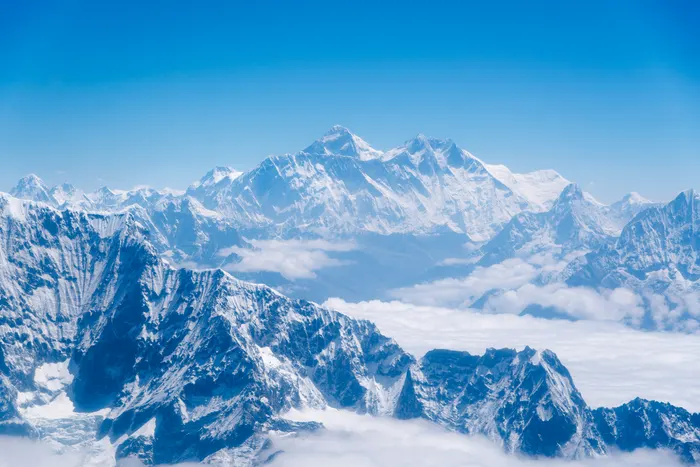
The Himalayas are not just a backdrop. They are a participant. The altitude sharpens the breath, the scale puts the ego in perspective, and the centuries of practice embedded in the land create an atmosphere that accelerates inner work. Whether you come for three days or three weeks, a combined yoga and meditation retreat in Nepal is an investment in your wellbeing that pays dividends long after you return home.
If you have questions about which retreat is right for your specific situation, reach out through our contact page and our local team will help you choose. Every journey to Nepal begins with a conversation, and we are here to ensure yours starts in the right direction.