Spiritual and Adventure Combos: Trek to Gosaikunda, Fly to Muktinath
Nepal is one of the few places on earth where a single journey can combine high-altitude trekking with deep spiritual pilgrimage. The same trails that lead through rhododendron forests and across mountain passes also lead to ancient temples, sacred lakes, and monasteries that have drawn devotees for centuries. A spiritual trek in Nepal is not just a physical challenge; it is a journey through landscapes that are themselves considered holy, where every pass crossed and every lake reached carries layers of religious meaning.
This guide explores the best spiritual and adventure combos in Nepal. We cover the classic trek to the sacred Gosaikunda lakes, the helicopter pilgrimage to Muktinath in Mustang, monastery treks in the Langtang and Everest regions, and the practical logistics of combining these experiences into a single, unforgettable journey. Whether you are a seasoned trekker looking to add a spiritual dimension to your next adventure, or a pilgrim seeking to experience Nepal's sacred sites beyond the Kathmandu Valley, these combos offer the best of both worlds.
For a complete overview of Nepal's spiritual travel landscape, start with our guides to cultural and spiritual tours in Nepal and the best trekking agency in Nepal for 2026. For the hub of all spiritual content, visit our spiritual tour in Nepal hub.


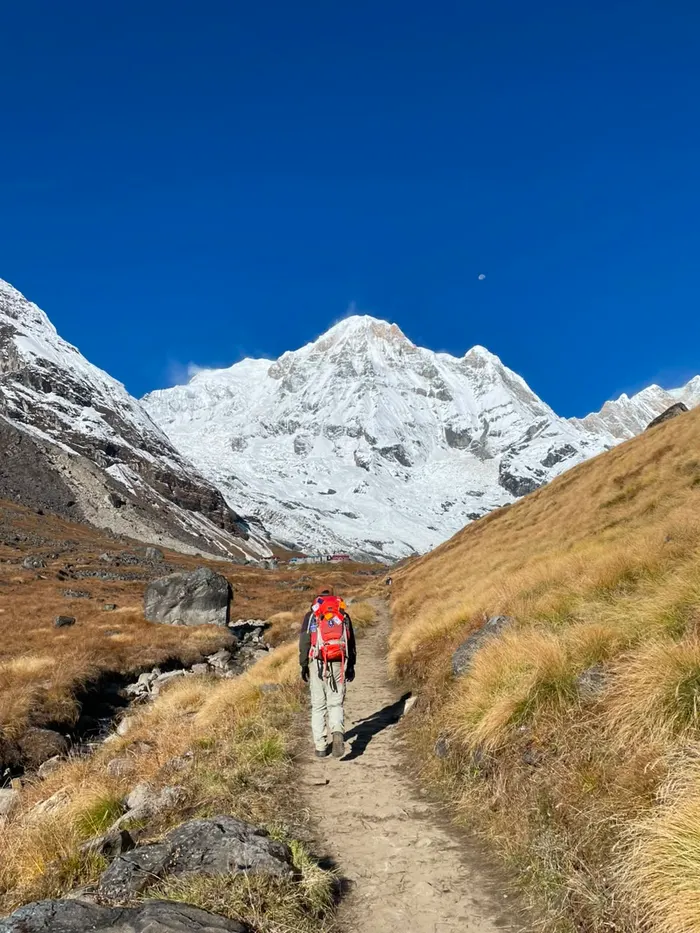
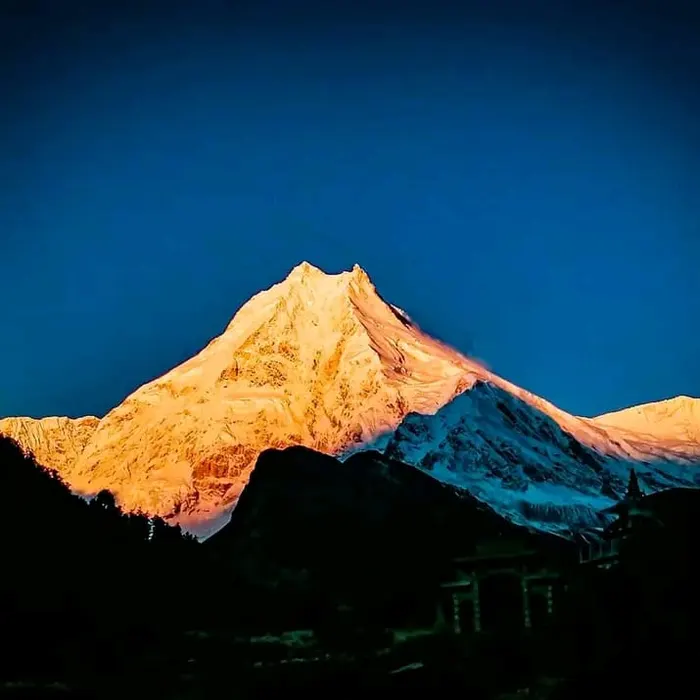
The Gosaikunda Trek: Nepal's Premier Spiritual Trek
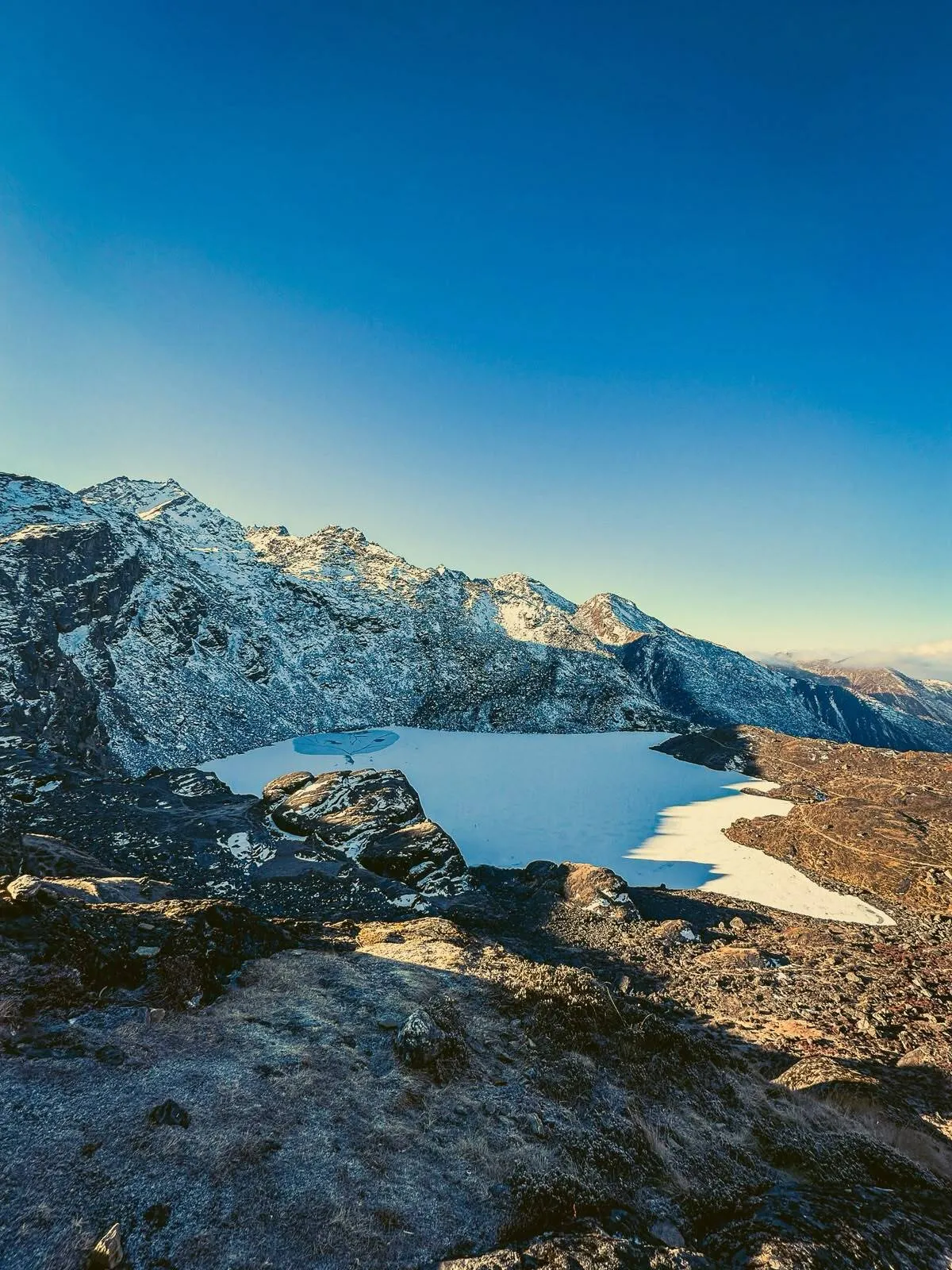
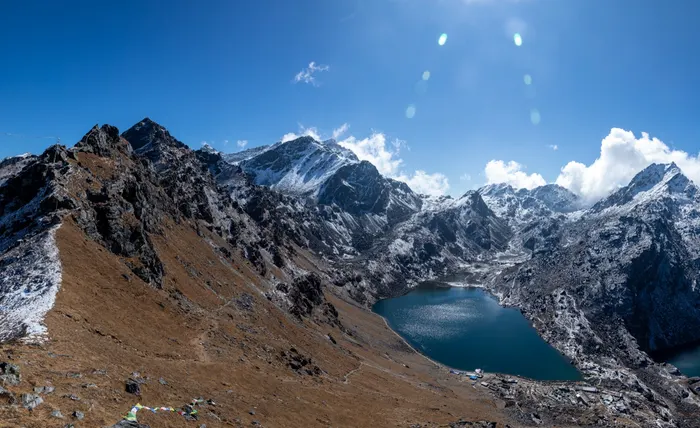
The trek to Gosaikunda is the quintessential spiritual trek in Nepal. Located in the Langtang National Park at an altitude of 4,380 meters, Gosaikunda is a cluster of alpine lakes that hold profound significance in Hindu mythology. According to the scriptures, Lord Shiva created the lakes by thrusting his trident into the mountain to quench his thirst after swallowing poison during the churning of the ocean. The waters of Gosaikunda are believed to wash away sins, and during the full moon festival of Janai Purnima in August, thousands of pilgrims make the journey to bathe in the icy waters.
The standard Gosaikunda trek begins in Dhunche, a small town about six hours by road from Kathmandu, and takes four to five days round trip. The trail climbs through dense forests of oak, pine, and rhododendron, passing through Tamang villages where Buddhist and Hindu traditions blend seamlessly. The first major stop is Chandanbari, also known as Sing Gompa, where a small monastery and a cheese factory sit at 3,250 meters. From here, the trail steepens as it approaches the tree line, and the landscape opens into alpine meadows dotted with primulas and gentians in spring.
The final ascent to Gosaikunda is challenging but rewarding. The trail crosses a ridge at Lauribina La (3,910 meters), where the first views of the Langtang range appear, and then climbs steadily to the lakes. The main lake, Saraswatikunda, is the largest and most sacred, its turquoise waters reflecting the surrounding peaks. Nearby, Bhairavkunda and Suryakunda complete the trinity of sacred lakes. Pilgrims perform puja at the small Shiva temple on the shore, and many brave the freezing water for a ritual bath. Even for non-Hindu trekkers, the atmosphere at Gosaikunda is deeply moving: the silence of the high mountains, the prayer flags fluttering in the wind, and the sense of having reached a place that has drawn seekers for millennia.
Enticing Himalayas offers a dedicated Gosaikunda Lake trek that includes all logistics, permits, and an experienced guide. For those who want to combine the trek with daily practice, our Gosaikunda sacred lakes trek and yoga retreat adds morning yoga and meditation sessions to the itinerary, creating a truly integrated spiritual adventure.

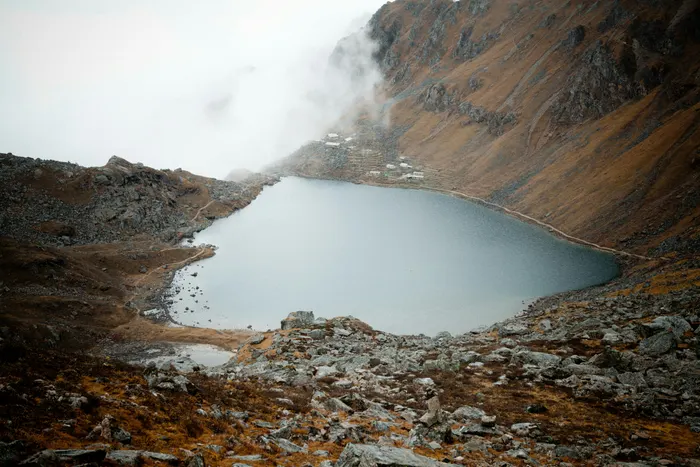
Muktinath by Helicopter: The Ultimate Pilgrimage-Adventure Combo
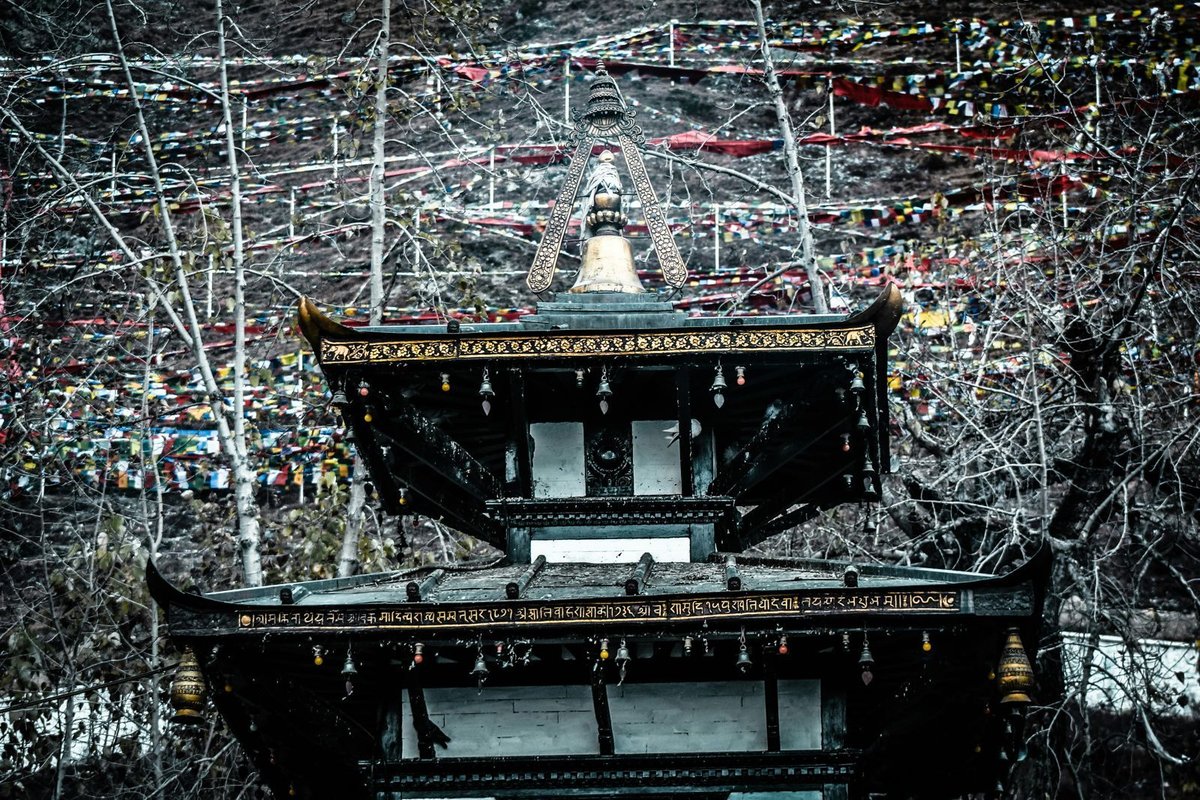
Muktinath is one of the most sacred sites in the Himalayas, revered by both Hindus and Buddhists. Located at 3,710 meters in the Mustang region, the temple is dedicated to Lord Vishnu and is one of the 108 Divya Desams, the holiest Vishnu temples. For Buddhists, Muktinath is a place where the great sage Guru Rinpoche (Padmasambhava) meditated, and it is one of the 24 Tantric places. The temple's 108 waterspouts, shaped like cow heads, pour freezing mountain water that pilgrims walk beneath as an act of purification.
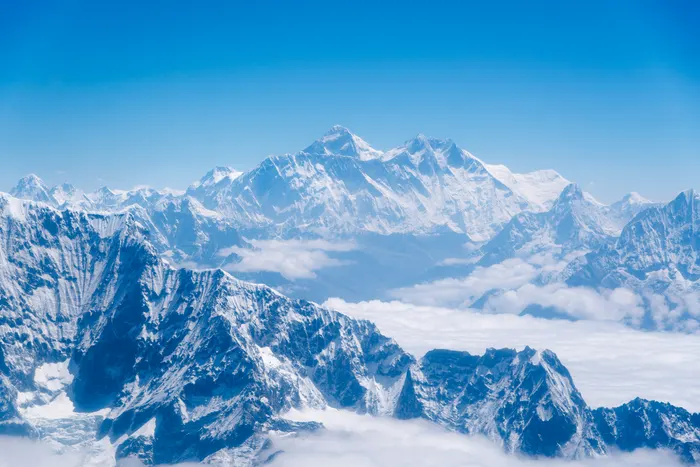
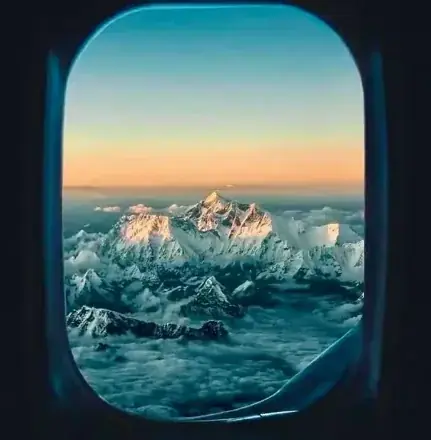
Reaching Muktinath overland requires either the full Annapurna Circuit trek, which takes two to three weeks, or a long and rough jeep journey from Pokhara through the Kali Gandaki Valley. For travelers who want the spiritual experience without the extended trek, a helicopter pilgrimage from Kathmandu is the perfect solution. The flight itself is an adventure, crossing the Himalayan range with views of Annapurna, Dhaulagiri, and Manaslu. The helicopter lands near the temple, allowing pilgrims to perform darshan, walk beneath the 108 waterspouts, and visit the eternal flame that burns from a natural gas vent inside the Jwala Mai temple, all within a single day.
Our Muktinath helicopter pilgrimage from Kathmandu is a premium experience that includes the flight, ground arrangements, and a guide who explains the religious significance of each element of the temple complex. For a deeper exploration of Muktinath's spiritual significance, read our guide to Muktinath and the Mustang spiritual circuit.
Langtang Valley: Monasteries on the Trail
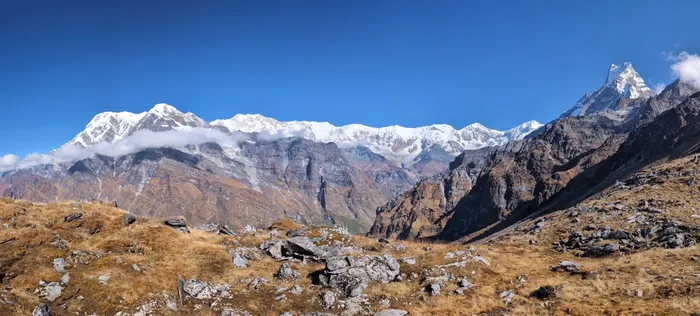
The Langtang Valley trek is one of Nepal's most accessible high-altitude treks, and it is rich with spiritual sites. The trail follows the Langtang River through forests and villages before opening into a wide glacial valley surrounded by peaks. The highlight for spiritual trekkers is Kyanjin Gompa, a monastery at 3,870 meters that serves as the spiritual heart of the valley. The monastery is home to a small community of monks and nuns, and trekkers are welcome to visit the prayer hall and join the morning puja.
Beyond Kyanjin Gompa, the valley offers several side trips with spiritual significance. A hike to Kyanjin Ri (4,773 meters) provides panoramic views of the Langtang Lirung massif and is considered a form of pilgrimage by local Buddhists. The glacial lake of Langshisha Kharka, a further two days up the valley, is a sacred site associated with local protector deities. The entire Langtang region was devastated by the 2015 earthquake, and trekking here today is also an act of solidarity with the communities that have rebuilt their lives and their monasteries with remarkable resilience.
The Langtang trek can be combined with Gosaikunda via the Laurebina La pass, creating a loop of ten to twelve days that covers both the valley and the sacred lakes. This is one of the finest spiritual trek combos in Nepal, offering the full spectrum of Himalayan landscapes and religious sites. For more on monastery treks across Nepal, see our guide to treks with a spiritual side.
Everest Region: Tengboche Monastery and Beyond
The Everest region is best known for its towering peaks, but it is also home to some of the most significant Buddhist monasteries in the Himalayas. Tengboche Monastery, perched on a ridge at 3,867 meters with a backdrop of Everest, Lhotse, and Ama Dablam, is the spiritual center of the Khumbu region. Founded in 1916, the monastery is the largest gompa in the area and hosts the annual Mani Rimdu festival, a colorful celebration of masked dances and rituals that draws Sherpa communities from across the region.
Trekkers on the Everest Base Camp trail pass through Tengboche on the way up, and many choose to spend an extra night here to attend the morning prayers and explore the monastery museum. The sound of the monks' chanting at dawn, with the first light hitting the summit of Everest, is an experience that stays with trekkers for a lifetime. Further up the trail, the smaller monasteries at Pangboche and Dingboche offer quieter, more intimate spiritual encounters.
For those who want the Everest spiritual experience without the full two-week trek, a helicopter tour to Tengboche is an increasingly popular option. These tours depart from Kathmandu or Lukla, land at Tengboche for a monastery visit and breakfast with mountain views, and return the same day. They are expensive but offer an unparalleled combination of adventure and spiritual access for travelers with limited time.
Combining Helicopter Pilgrimage with Trekking: The Best of Both Worlds
One of the most exciting developments in Nepal's spiritual tourism is the rise of combo itineraries that pair helicopter access with trekking. These combos solve the biggest challenge of spiritual trekking in Nepal: the most sacred high-altitude sites are often the hardest to reach. A helicopter can deliver you to a remote monastery or temple in hours rather than days, freeing up time for trekking in other areas or for deeper immersion at the site itself.
A classic combo itinerary might look like this: fly by helicopter from Kathmandu to Muktinath for the morning darshan, then drive or trek down through the Kali Gandaki Valley to Jomsom and on to Pokhara, visiting the monasteries and temples of Lower Mustang along the way. Alternatively, trek to Gosaikunda over four days, then take a helicopter from the lakes back to Kathmandu, avoiding the two-day descent and saving your knees for the next adventure. These combos are logistically complex but offer a density of experience that is hard to match with trekking or pilgrimage alone.
Enticing Himalayas specializes in crafting these hybrid itineraries. Our helicopter pilgrimage and trek combos guide explores the full range of possibilities, from single-day helicopter pilgrimages to multi-week adventures that combine flights, treks, and cultural tours. For travelers who want the spiritual depth of a pilgrimage with the physical challenge of a trek, these combos represent the cutting edge of Himalayan travel.
Practical Logistics for Spiritual Trek Combos
Permits and Regulations
Every trek in Nepal requires permits, and spiritual treks are no exception. The Gosaikunda trek requires a Langtang National Park entry permit and a TIMS (Trekkers' Information Management System) card. The Langtang Valley trek requires the same permits. For the Everest region, you need a Sagarmatha National Park entry permit and a Khumbu Pasang Lhamu Rural Municipality permit, in addition to the TIMS card. These permits are checked at multiple points along the trail, and trekking without them can result in fines and removal from the park.
Helicopter pilgrimages to Muktinath do not require trekking permits, but you will need the Annapurna Conservation Area Permit (ACAP) if you plan to trek in the Mustang region after the flight. All permits can be arranged through your trekking agency, and Enticing Himalayas handles this as part of every package. For a comprehensive guide to Nepal's trekking regulations, consult our complete guide to trekking in Nepal.
Accommodation on Spiritual Treks
Accommodation on Nepal's spiritual treks is in teahouses, simple lodges that offer basic rooms and communal dining. Teahouses on the Gosaikunda and Langtang routes are generally comfortable, with blankets provided and hot meals available. At higher altitudes, particularly at Gosaikunda itself, teahouses are more basic, and trekkers should be prepared for dormitory-style rooms and limited menu options. The teahouses at Gosaikunda close during the winter months, from December to February, when snow makes the trail impassable.
Monastery guesthouses offer a unique alternative on some routes. Kyanjin Gompa in Langtang has a small guesthouse attached to the monastery, and staying here allows trekkers to participate in the daily rhythm of monastic life. At Tengboche, the monastery does not offer accommodation, but the nearby teahouses are run by Sherpa families with close ties to the gompa, and they can arrange visits to the monastery outside of regular hours.
Altitude and Acclimatization
Altitude sickness is the single most important safety consideration on any spiritual trek in Nepal. Gosaikunda sits at 4,380 meters, Kyanjin Gompa at 3,870 meters, and Muktinath at 3,710 meters. At these altitudes, the air contains significantly less oxygen than at sea level, and ascending too quickly can lead to Acute Mountain Sickness (AMS), a potentially life-threatening condition. Symptoms include headache, nausea, dizziness, and shortness of breath.
The key to safe altitude trekking is gradual ascent. The standard Gosaikunda itinerary includes an acclimatization day at Chandanbari or Lauribina, and trekkers should not attempt to reach the lakes in fewer than three days from Dhunche. On the Langtang trek, an extra night at Kyanjin Gompa before attempting Kyanjin Ri is essential. For helicopter pilgrimages to Muktinath, the rapid ascent from Kathmandu (1,400 meters) to 3,710 meters in under an hour means that even day-trippers should be aware of AMS symptoms. The helicopter stays at Muktinath for only one to two hours, which is generally safe, but anyone with a history of altitude sensitivity should consult a doctor before booking.
Best Seasons for Spiritual Trek Combos
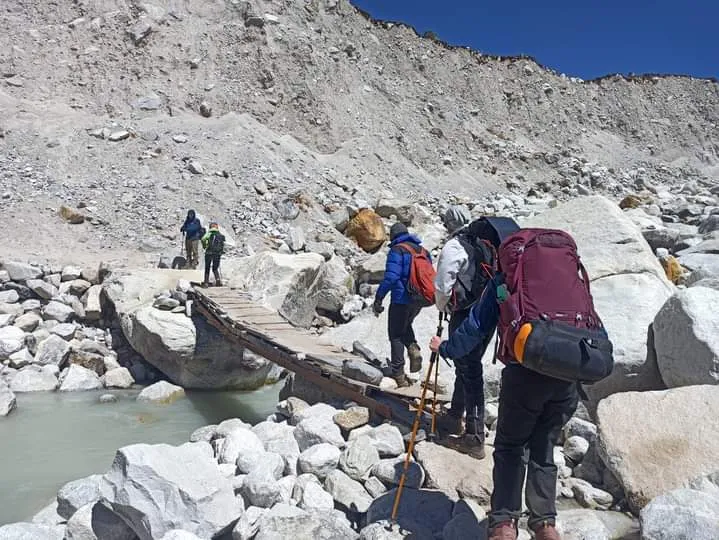
The optimal seasons for spiritual trek combos in Nepal are the same as for trekking in general: spring (March to May) and autumn (September to November). These periods offer stable weather, clear mountain views, and comfortable daytime temperatures. Spring brings rhododendron blooms to the lower sections of the Gosaikunda and Langtang trails, while autumn offers the crispest air and the best visibility after the monsoon rains have settled the dust.
The Janai Purnima festival in August is the most important date on the Gosaikunda calendar, when thousands of pilgrims make the journey to the lakes. Trekking during the festival is a powerful cultural experience, but it also means crowded trails and teahouses, and the monsoon weather can make the trek wet and slippery. For those who prioritize the spiritual atmosphere over comfort, it is an unforgettable time to be at Gosaikunda. For those who prefer solitude and better weather, the October and November window is ideal.
Muktinath is accessible by helicopter year-round, weather permitting, but the best months for clear flights are October through December and March through May. Winter flights are possible but subject to more frequent cancellations due to cloud cover and wind. The temple itself is open throughout the year, though the 108 waterspouts may be partially frozen in January and February, adding a dramatic element to the purification ritual.
What to Pack for a Spiritual Trek
Packing for a spiritual trek requires balancing the practical demands of high-altitude trekking with the cultural sensitivity of visiting sacred sites. A good layering system is essential: a moisture-wicking base layer, an insulating mid-layer (fleece or down), and a waterproof and windproof outer shell. Temperatures at Gosaikunda and Muktinath can drop well below freezing at night, even in spring and autumn, so a warm hat, gloves, and a sleeping bag rated to at least minus ten degrees Celsius are necessary.
For the spiritual dimension of the trek, consider bringing a small offering for the temples and monasteries you visit. This could be a kata (a traditional white scarf), incense, or butter for the lamps. A journal and a meditation cushion or lightweight mat add depth to your practice at sacred sites. Trekking poles are strongly recommended for the steep descents from Gosaikunda and the rocky trails of Langtang, and they double as support during long periods of standing or walking at monasteries.
Footwear is the most important gear decision. Sturdy, waterproof trekking boots with good ankle support are essential for the Gosaikunda and Langtang trails, which involve rocky, uneven terrain and stream crossings. For helicopter pilgrimages, comfortable walking shoes are sufficient, as you will be on your feet at the temple but not trekking long distances. In all cases, bring a pair of sandals or lightweight shoes to wear in teahouses and monasteries, where boots must be removed before entering.
Combining Spiritual Treks with Cultural Tours
A spiritual trek in Nepal does not have to exist in isolation. Many travelers combine a trek with a cultural tour of the Kathmandu Valley, creating a journey that moves from the urban sacred sites to the wild mountain temples and back again. A typical two-week itinerary might include three days exploring the stupas and temples of Kathmandu, a five-day trek to Gosaikunda, a helicopter day-trip to Muktinath, and a final few days of rest and reflection in Pokhara or Bandipur.
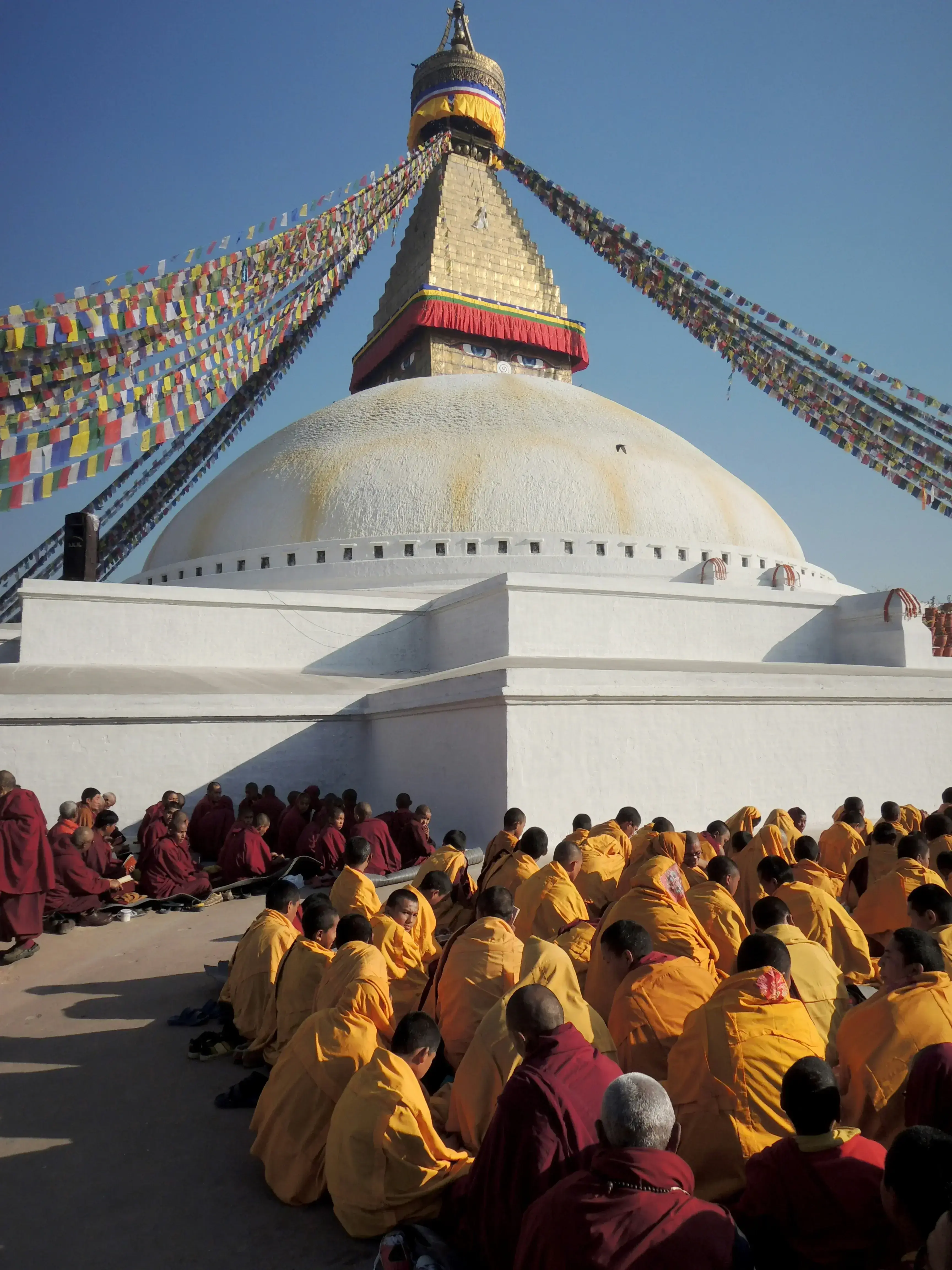
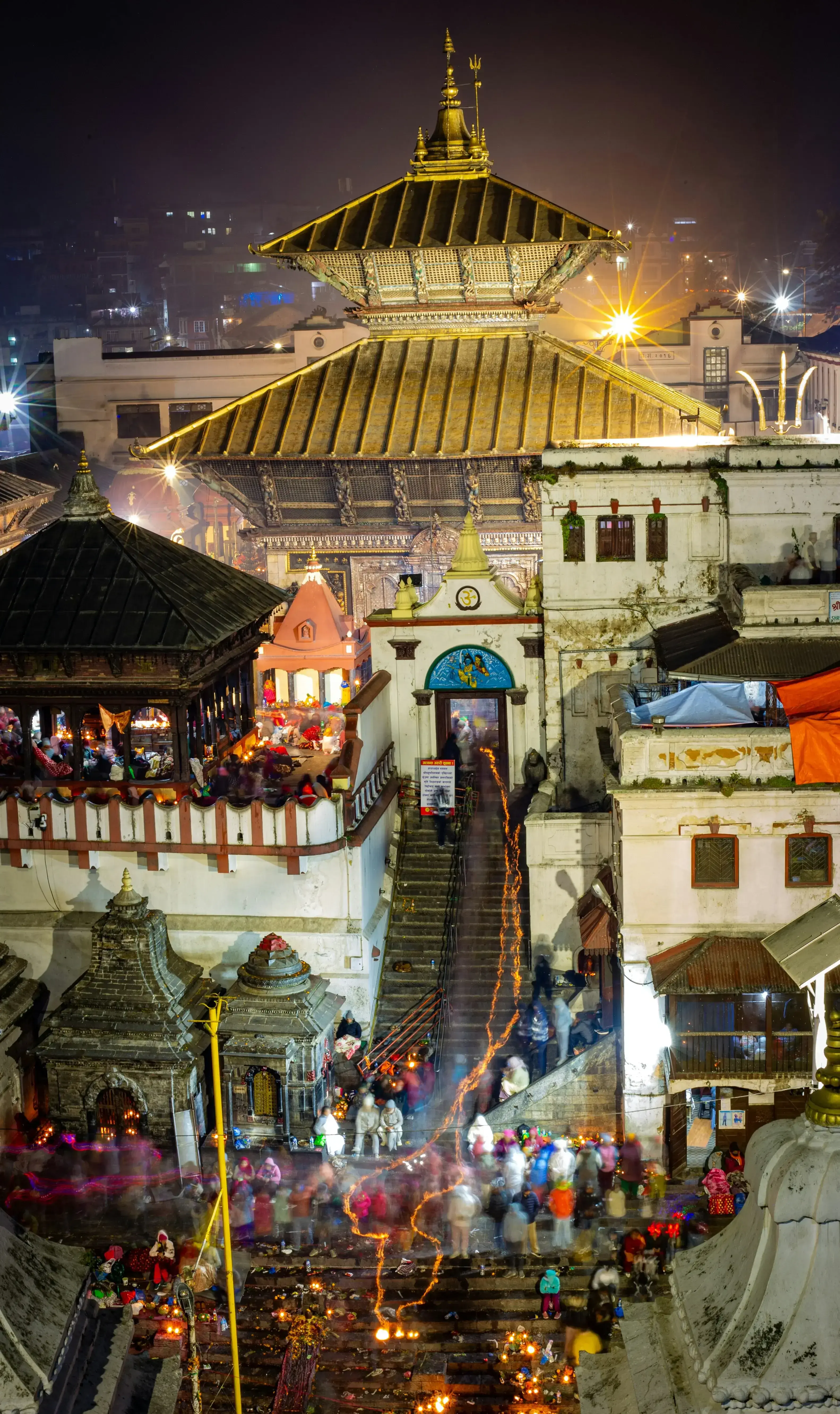
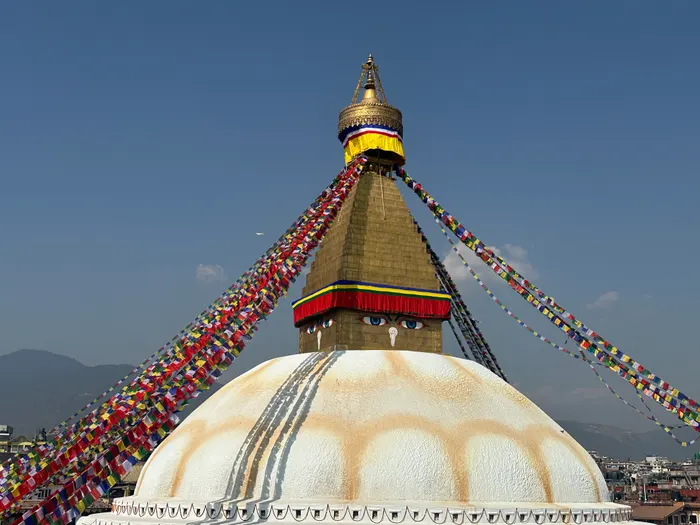
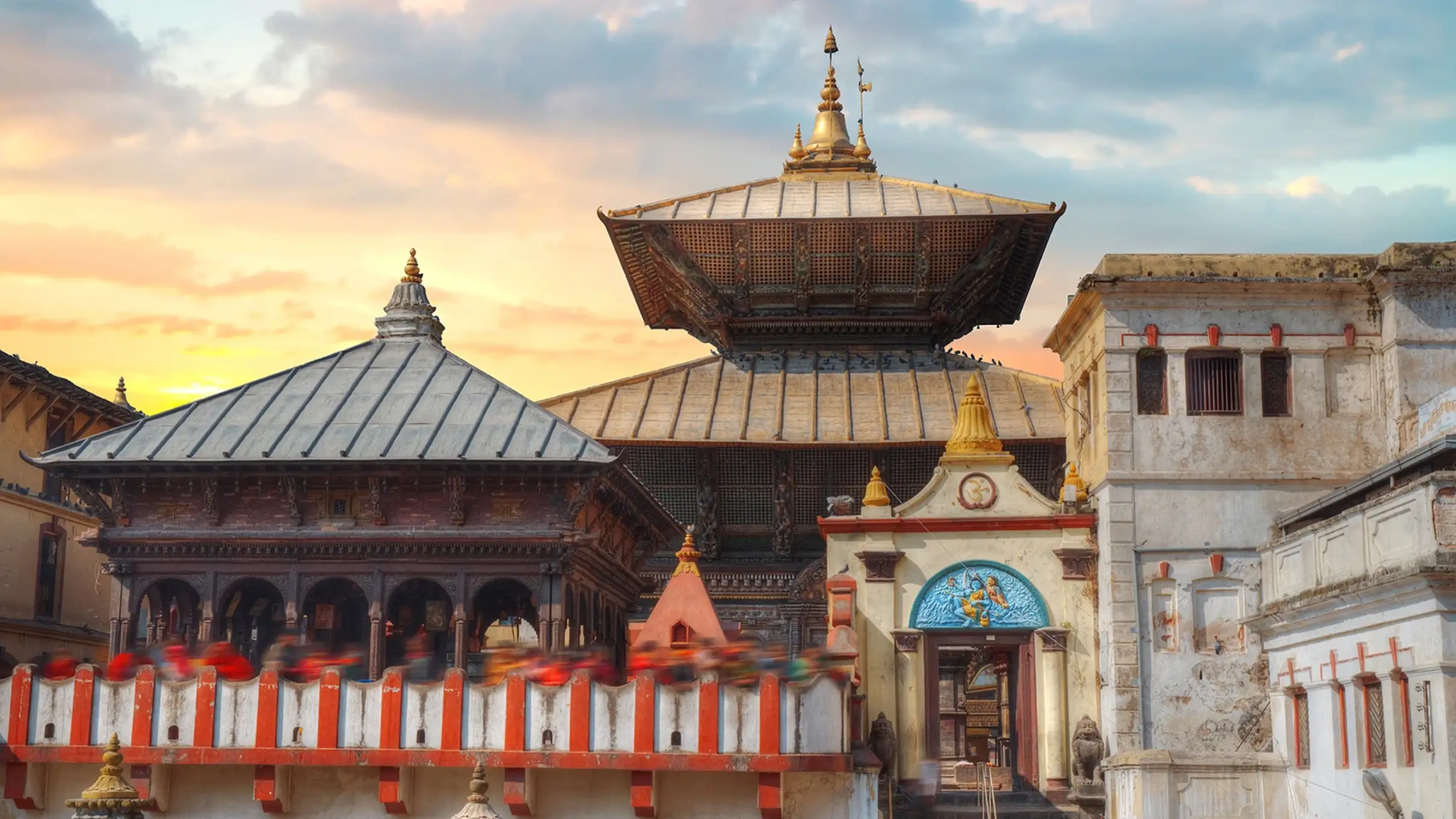
The Kathmandu Valley's spiritual sites provide essential context for the mountain pilgrimage that follows. Visiting Pashupatinath before trekking to Gosaikunda deepens your understanding of Shaivite tradition, while a visit to Boudhanath Stupa before flying to Tengboche connects the Tibetan Buddhist culture of the valley with its high-altitude expression in the Khumbu. Our Nepal cultural pilgrimage Himalayan experience package is designed to provide exactly this kind of integrated journey.
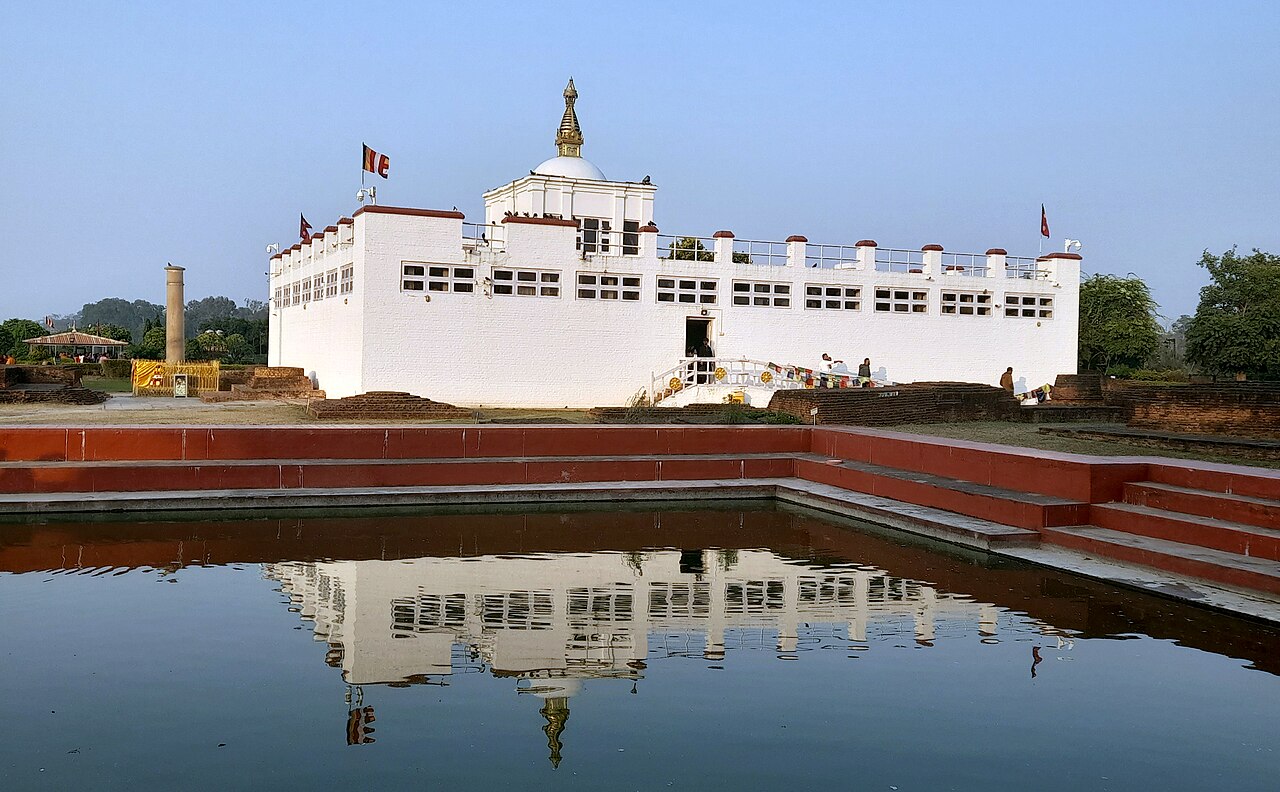
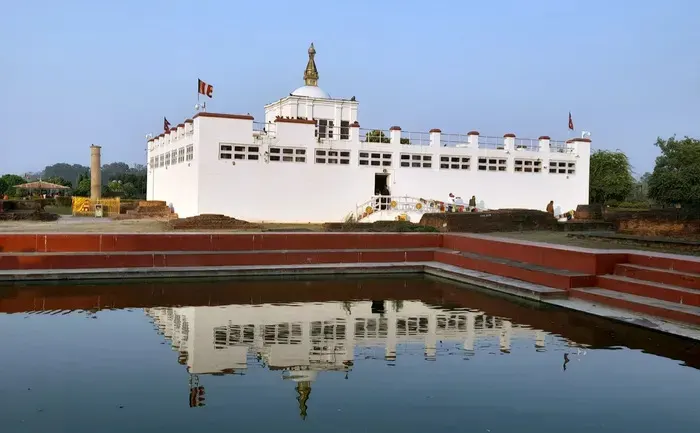
For those with a specific interest in Buddhist pilgrimage, combining the Lumbini pilgrimage with a trek to Tengboche or a helicopter flight to Muktinath creates a journey that traces Buddhism from its birthplace to its Himalayan expression. This is a profound and logistically ambitious itinerary, but for the dedicated pilgrim, it is one of the great spiritual journeys available in the modern world.
Health, Safety, and Insurance
Comprehensive travel insurance is non-negotiable for any spiritual trek combo in Nepal. Your policy must cover trekking at the altitudes you plan to reach, which for Gosaikunda means coverage up to 4,500 meters and for Kyanjin Ri up to 5,000 meters. It must also include helicopter evacuation, as this is the only practical way to extract an injured or seriously ill trekker from remote areas. Standard travel insurance policies often exclude trekking above 3,000 meters, so read the fine print carefully and purchase a policy designed for high-altitude adventure travel.
On the trail, basic hygiene prevents most health problems. Drink only treated or boiled water, and carry water purification tablets or a filter bottle as a backup. Teahouses serve dal bhat, a lentil and rice meal that is cooked fresh and generally safe, as well as noodles, soups, and fried rice. Avoid meat on the trail, as it may not have been refrigerated properly during transport to remote areas. Carry a basic first-aid kit with blister treatment, painkillers, antihistamines, and any personal medications.
For helicopter pilgrimages, the main health consideration is the rapid altitude change. If you have a heart condition, respiratory issues, or are pregnant, consult your doctor before booking. The helicopter flight itself is generally smooth, but those prone to motion sickness may want to take precautions. The team at Enticing Himalayas briefs all clients on safety procedures before every flight and trek, and our guides are trained in wilderness first aid.
Why Choose a Combo Over a Single Experience
The case for combining spiritual trekking with helicopter pilgrimage is compelling. A trek to Gosaikunda alone is a wonderful experience, but adding a helicopter flight to Muktinath transforms it into a journey that spans two of Nepal's most sacred sites, two distinct cultural regions, and two very different modes of travel. The contrast between the slow, meditative rhythm of trekking and the sudden, dramatic access of a helicopter flight creates a journey that is richer than the sum of its parts.
These combos also make spiritual trekking accessible to a wider range of travelers. Not everyone has the time or fitness for a three-week Annapurna Circuit trek to reach Muktinath, but a helicopter flight makes the temple accessible in a single day. Similarly, not everyone can trek to Everest Base Camp, but a helicopter to Tengboche brings the spiritual heart of the Khumbu within reach. By combining trekking with helicopter access, these itineraries democratize Himalayan pilgrimage without diluting its power.
For a complete picture of what spiritual travel in Nepal can offer, explore our spiritual wellness travel guide and our overview of Nepal's great festivals. The spiritual tour in Nepal 2026 guide provides a comprehensive overview of all the options available for the coming year.