Introduction to the Everest Three Passes Trek
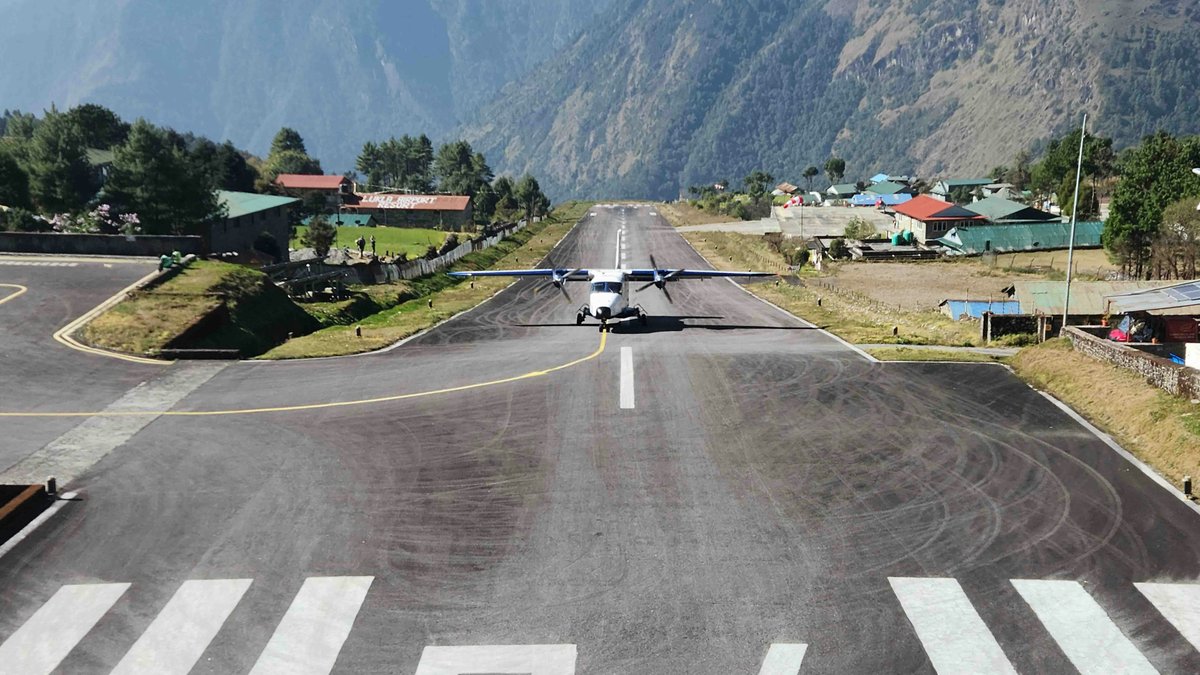
The Everest Three Passes Trek is widely regarded as the ultimate trekking adventure in the Khumbu region of Nepal. Unlike the classic Everest Base Camp route, which follows a single corridor up and down the valley, the Three Passes Trek forms a grand circuit that crosses three of the highest trekking passes in the world: Renjo La (5,360 m), Cho La (5,420 m), and Kongma La (5,535 m). Starting and ending in Lukla, this 20 to 24 day journey takes you through contrasting landscapes, from dense pine and rhododendron forests to glacial moraines, turquoise high-altitude lakes, and sweeping panoramas of Everest, Lhotse, Makalu, and Cho Oyu. For trekkers who want more than a single viewpoint, this circuit delivers the most complete picture of the Khumbu possible in a single trek.
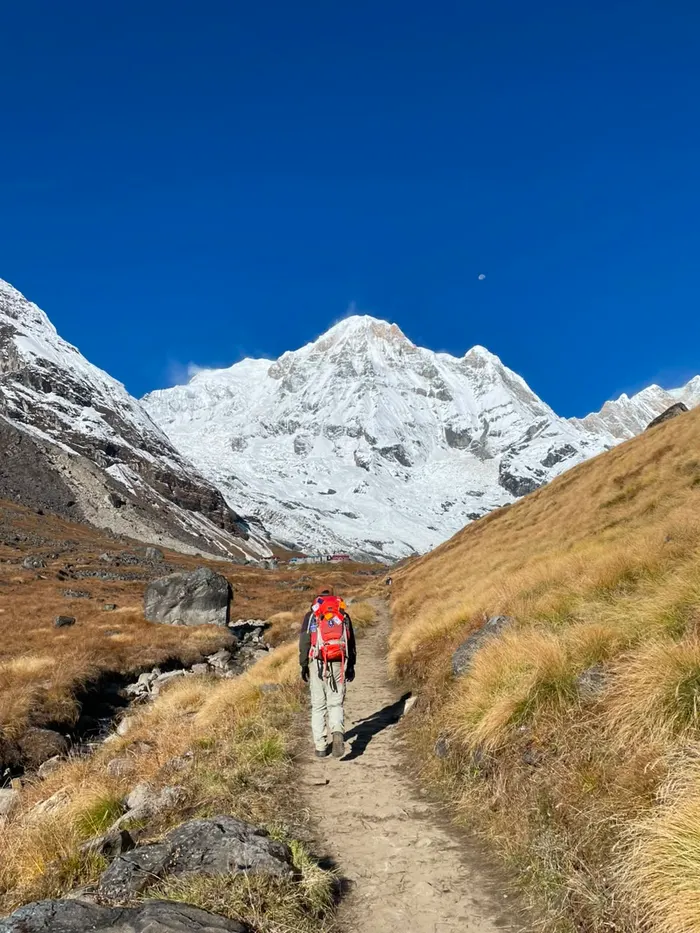
In 2026, the Three Passes Trek continues to grow in popularity as trekkers seek a more immersive and challenging alternative to the standard Everest Base Camp trail. The route remains physically demanding but requires no technical mountaineering skills. Good fitness, determination, and a willingness to acclimatize properly are the main prerequisites. This guide covers everything you need to plan your trip: route overview, each pass in detail, a day-by-day summary, acclimatization strategy, difficulty assessment, best time to go, permits, packing list, and costs.
Route Overview: Lukla to Lukla via Three High Passes
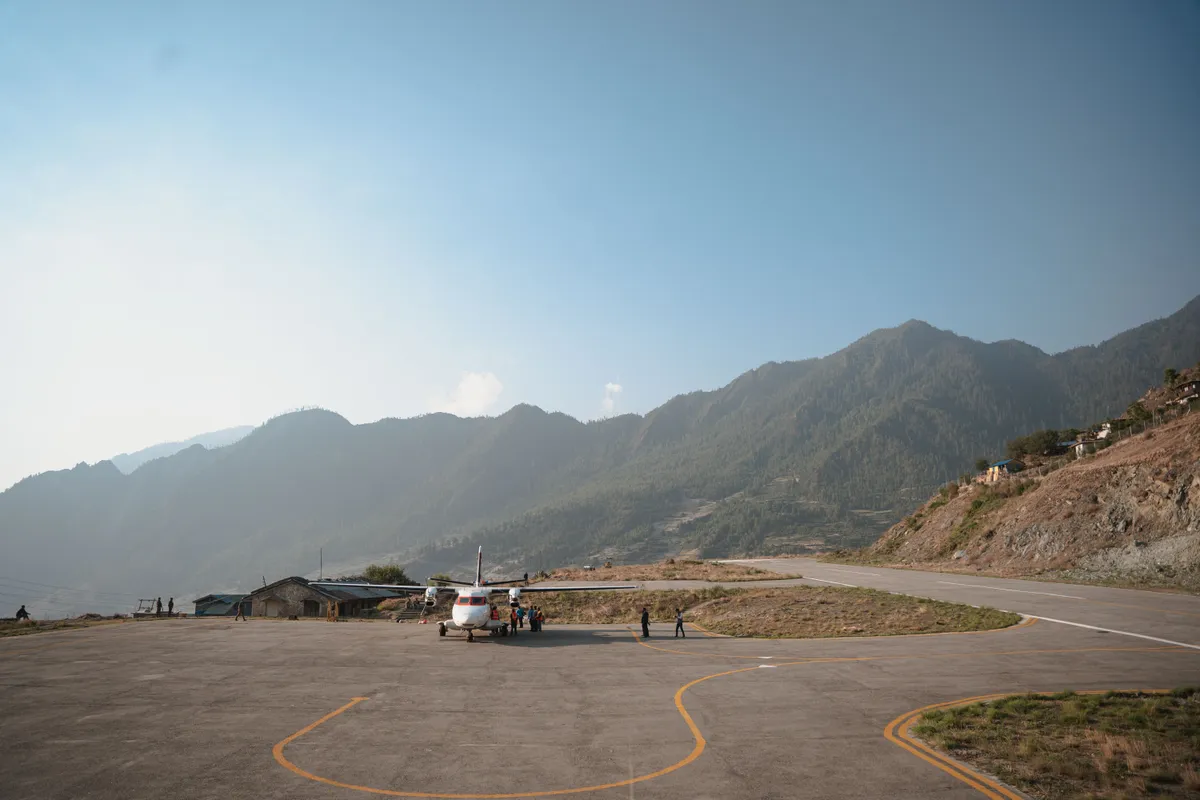
The Everest Three Passes Trek forms a loop that begins in Lukla (2,860 m) and follows the Dudh Koshi valley northward through Phakding and Monjo to the entrance of Sagarmatha National Park. From Namche Bazaar (3,440 m), the route diverges from the standard Everest Base Camp trail and heads west toward the Bhote Koshi valley, climbing to the village of Thame and then onward to Lungden. The first pass, Renjo La (5,360 m), is crossed to reach the sacred Gokyo Lakes. From Gokyo, the route crosses Cho La (5,420 m) to reach the Everest Base Camp valley at Lobuche. After visiting Everest Base Camp and Kala Patthar, the trail climbs east over Kongma La (5,535 m), the highest of the three passes, to descend to Chhukung in the Imja Tse valley. From there, the return route follows the main trail south through Tengboche and Namche Bazaar back to Lukla.
This circuit design means you experience three distinct valley systems: the Bhote Koshi valley near the Tibetan border, the Gokyo valley with its chain of turquoise lakes, and the Khumbu Glacier valley leading to Everest Base Camp. Each valley has its own character, scenery, and cultural highlights. The total trekking distance is approximately 170 kilometers, with cumulative ascent and descent of over 8,000 meters. Most itineraries range from 20 to 24 days, including two acclimatization rest days and buffer days for weather.
Renjo La Pass (5,360 m)
Renjo La is the first of the three passes and is crossed on the way from Lungden to Gokyo. At 5,360 meters (17,585 feet), it is the lowest of the three but still a serious high-altitude crossing. The climb from Lungden is steady and gradual, following a rocky trail that switchbacks up a broad mountainside. The ascent typically takes 4 to 5 hours, with a final steeper section near the top. The pass is marked by prayer flags and cairns, and on a clear day the reward is one of the most spectacular panoramas in the entire Khumbu region.
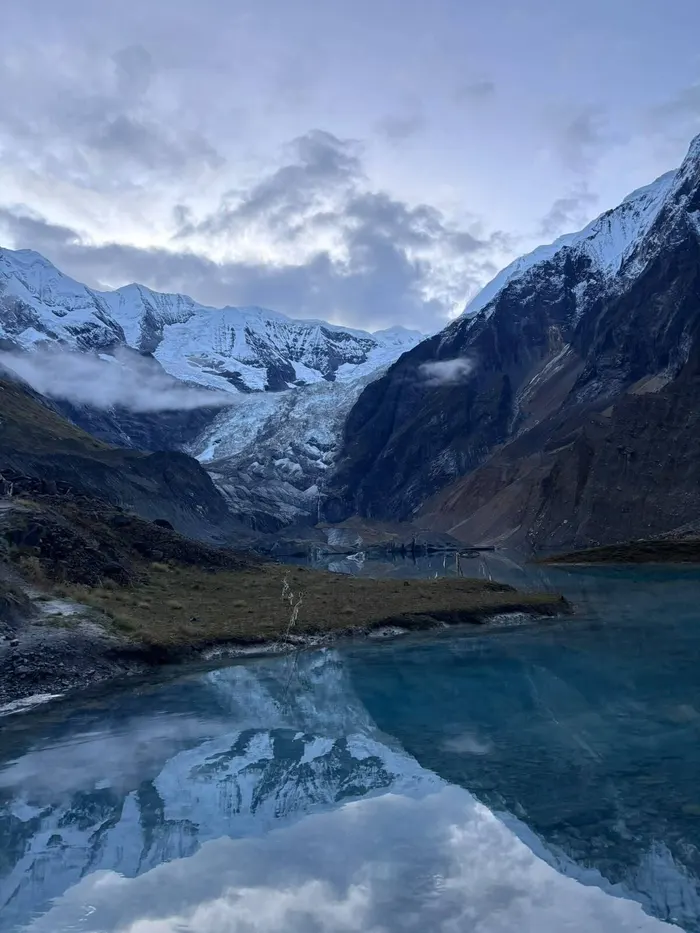
From the top of Renjo La, you can see five of the world's highest peaks: Everest (8,849 m), Lhotse (8,516 m), Makalu (8,485 m), Cho Oyu (8,188 m), and Shishapangma (8,027 m). Below the pass on the Gokyo side, the third of the Gokyo Lakes (Dudh Pokhari) shimmers in an impossible shade of turquoise. The descent to Gokyo is steep in places and can be slippery if there is snow or ice, so trekking poles are highly recommended. Most trekkers reach Gokyo village by early afternoon, with time to explore the lakeshore and rest.
The Renjo La crossing is often considered the most scenic of the three passes because of the combination of high mountain views and the dramatic descent to the Gokyo Lakes. The pass is generally snow-free during the peak autumn season but may have patches of snow in spring. In winter, the pass is frequently blocked by snow and is not recommended.
Cho La Pass (5,420 m)
Cho La (5,420 m / 17,782 feet) connects the Gokyo valley with the main Khumbu Glacier valley at Lobuche. It is the second pass on the standard circuit and is known for its glacier crossing on the eastern side. The climb from Gokyo or Dragnag begins with a walk along the Ngozumpa Glacier, the largest glacier in the Nepal Himalaya. The trail then ascends a steep, rocky slope to the pass itself, which is marked by prayer flags and stone cairns. The ascent typically takes 5 to 6 hours.
The eastern side of Cho La involves crossing a section of the Cho La glacier, which can be icy and slippery. Microspikes or light crampons are strongly recommended, especially in spring when the ice is harder and more exposed. The glacier crossing is not technically difficult but requires careful footing. After the glacier, the trail descends gradually to the village of Dzongla (4,830 m), where most trekkers spend the night before continuing to Lobuche the next morning.
Cho La is the pass most affected by weather and snow conditions. Heavy snowfall can make the pass impassable for days at a time, particularly in the shoulder seasons. It is essential to check conditions with local guides and lodge owners before attempting the crossing. If Cho La is blocked, the fallback option is to retrace the route back to Namche and approach Everest Base Camp via the standard trail, though this adds several days.
Kongma La Pass (5,535 m)
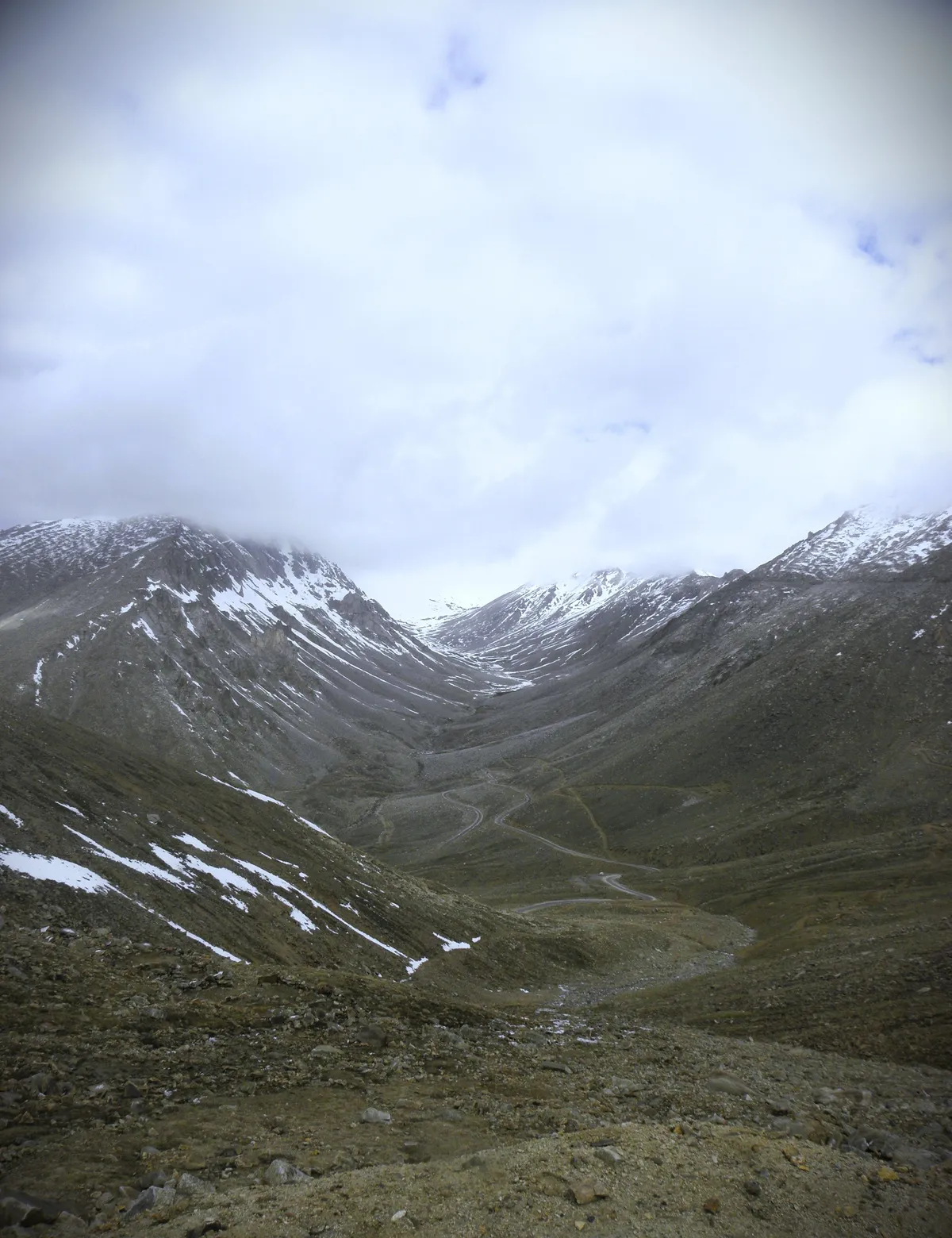
Kongma La (5,535 m / 18,159 feet) is the highest and most challenging of the three passes. It is typically crossed after visiting Everest Base Camp and Kala Patthar, connecting Lobuche with Chhukung in the Imja Tse valley. The pass is less frequently crossed than Renjo La and Cho La, which means you are likely to have the trail to yourself. The ascent from Lobuche is long and physically demanding, crossing the Khumbu Glacier moraine and then climbing a steep, loose gravel slope to the pass. The climb can take 6 to 7 hours and involves significant elevation gain.
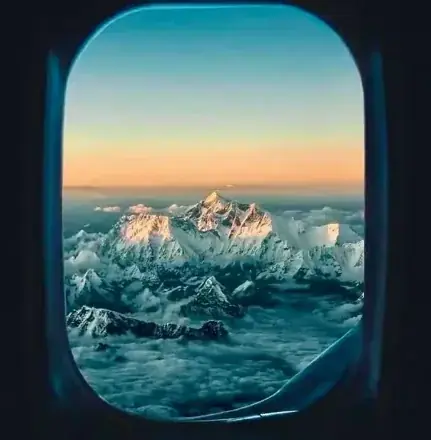
From the top of Kongma La, the views are staggering. To the west, you can see the entire Khumbu Glacier and the peaks surrounding Everest Base Camp. To the east, the Imja Tse valley opens up with views of Island Peak (Imja Tse, 6,189 m), Lhotse Shar, and the massive wall of Nuptse. The descent to Chhukung is long and steep, dropping nearly 1,300 meters over rough terrain. By the time most trekkers reach Chhukung, they have completed the hardest day of the entire trek.
Because Kongma La is the highest pass, acclimatization is critical. Trekkers should have spent at least 10 days above 4,000 meters before attempting this crossing. The pass can have snow year-round, and the loose gravel on the ascent can be unstable. Trekking poles are essential for balance on both the climb and the descent. If the pass is not feasible due to snow or fatigue, the alternative is to descend from Lobuche to Dingboche and then walk to Chhukung via the standard trail.
Day-by-Day Trek Summary
Below is a standard 21-day itinerary for the Everest Three Passes Trek. This includes two acclimatization rest days and can be adjusted based on fitness, weather, and trail conditions.
- Day 1: Fly from Kathmandu to Lukla (2,860 m). Trek to Phakding (2,610 m). 3 to 4 hours.
- Day 2: Trek from Phakding to Namche Bazaar (3,440 m). 6 hours.
- Day 3: Acclimatization day in Namche Bazaar. Short hike to Everest View Hotel or Khumjung village.
- Day 4: Trek from Namche to Thame (3,820 m). 5 hours.
- Day 5: Trek from Thame to Lungden (4,380 m). 5 to 6 hours.
- Day 6: Cross Renjo La (5,360 m) and descend to Gokyo (4,790 m). 7 to 8 hours.
- Day 7: Rest and acclimatization in Gokyo. Hike to Gokyo Ri (5,357 m) for sunrise views.
- Day 8: Trek from Gokyo to Dragnag (4,700 m) via the Ngozumpa Glacier. 3 to 4 hours.
- Day 9: Cross Cho La (5,420 m) and descend to Dzongla (4,830 m). 7 to 8 hours.
- Day 10: Trek from Dzongla to Lobuche (4,940 m). 3 to 4 hours.
- Day 11: Trek from Lobuche to Gorak Shep (5,170 m) and hike to Everest Base Camp (5,364 m). 7 to 8 hours.
- Day 12: Early morning hike to Kala Patthar (5,545 m) for sunrise. Trek back to Lobuche. 7 hours.
- Day 13: Cross Kongma La (5,535 m) and descend to Chhukung (4,730 m). 7 to 9 hours.
- Day 14: Trek from Chhukung to Dingboche (4,410 m) and continue to Pangboche (3,985 m). 5 to 6 hours.
- Day 15: Trek from Pangboche to Tengboche (3,867 m). 4 hours.
- Day 16: Trek from Tengboche to Namche Bazaar (3,440 m). 4 to 5 hours.
- Day 17: Trek from Namche to Lukla (2,860 m). 6 to 7 hours.
- Day 18: Fly from Lukla to Kathmandu. Buffer day in case of flight delays.
- Days 19 to 21: Buffer days for weather delays, additional acclimatization, or rest.
This itinerary can be shortened to 18 days by combining some stages or extended to 24 days with additional acclimatization and side trips such as a hike to the Fifth Lake near Gokyo or an ascent of Island Peak.
Acclimatization Strategy
Acclimatization is the single most important factor in completing the Everest Three Passes Trek safely. The trek reaches altitudes above 5,500 meters, where the available oxygen is roughly half of that at sea level. The human body needs time to adapt to this thin air by producing more red blood cells and adjusting breathing patterns. Rushing this process leads to acute mountain sickness (AMS), which can range from a mild headache and nausea to life-threatening high-altitude pulmonary edema (HAPE) or high-altitude cerebral edema (HACE).
The standard acclimatization strategy on this trek involves two dedicated rest days: one in Namche Bazaar (3,440 m) on day 3, and one in Gokyo (4,790 m) on day 7. On these rest days, the principle is to climb high and sleep low. In Namche, a popular acclimatization hike goes to the Everest View Hotel (3,880 m) or the village of Khumjung. In Gokyo, the hike to Gokyo Ri (5,357 m) serves as both an acclimatization exercise and one of the best viewpoints on the entire trek.
In addition to rest days, the gradual ascent profile of the Three Passes route naturally supports acclimatization. The route from Namche to Thame to Lungden gains altitude slowly, giving the body time to adjust before the Renjo La crossing. Similarly, the rest day in Gokyo allows trekkers to acclimatize before crossing Cho La, and the days at Lobuche and Gorak Shep provide further acclimatization before Kongma La.
Every trekker should carry their own pulse oximeter to monitor blood oxygen saturation and heart rate. Normal saturation at sea level is 95 to 100 percent. At 5,000 meters, a reading of 80 to 85 percent is common and acceptable. Readings below 75 percent, combined with symptoms such as severe headache, vomiting, or shortness of breath at rest, are warning signs that require immediate descent. Diamox (acetazolamide) can be used as a prophylactic to speed acclimatization, but it is not a substitute for a gradual ascent rate.
Difficulty and Fitness Requirements
The Everest Three Passes Trek is classified as strenuous to very strenuous. It is significantly harder than the standard Everest Base Camp Trek due to the three high pass crossings, the longer duration, and the greater cumulative elevation gain. You need to be in excellent physical condition, with strong cardiovascular endurance, good leg strength, and the ability to walk 6 to 9 hours per day on rough terrain at high altitude while carrying a daypack of 5 to 8 kilograms.
In terms of fitness, we recommend at least 3 months of preparation before the trek. This should include aerobic training such as running, cycling, or swimming for 45 to 60 minutes, 4 to 5 times per week. In addition, hill walking or stair climbing with a loaded backpack builds the specific leg strength and endurance needed for long days on the trail. Strength training for the core and legs, including squats, lunges, and step-ups, will help prevent injuries and fatigue.
No technical mountaineering skills are required for any of the three passes. The trails are non-technical trekking routes, though the glacier crossing on Cho La may require microspikes. However, the difficulty lies in the altitude, the sustained physical effort over 18 or more consecutive trekking days, and the unpredictable weather. Mental toughness is just as important as physical fitness. You should be prepared for cold nights, basic lodge accommodation, and the possibility of itinerary changes due to weather.
Prior trekking experience above 4,000 meters is strongly recommended. If you have never been to high altitude before, consider doing a shorter trek such as the Annapurna Base Camp or the standard Everest Base Camp Trek first to see how your body responds.
Best Time to Trek
The best time for the Everest Three Passes Trek is during the two main trekking seasons in Nepal: autumn (September to November) and spring (March to May).
Autumn (September to November) is the most popular season for this trek. The monsoon rains have cleared the air, leaving crisp, clear skies and excellent visibility. Daytime temperatures at lower elevations are pleasant, though nights above 4,000 meters drop well below freezing. The passes are generally snow-free in October, making crossings safer and more straightforward. October is the busiest month, so expect crowded lodges and trails in the popular sections.
Spring (March to May) is the second best season. The weather is warmer and the days are longer, and the rhododendron forests between Lukla and Namche are in full bloom. However, the passes may have more snow and ice left over from winter, particularly on the Cho La glacier, so microspikes are more commonly needed. Spring is also the season for Everest expeditions, so the Everest Base Camp area is particularly busy with climbing teams.
Winter (December to February) is possible but challenging. The passes are frequently blocked by snow, and temperatures at high altitude can drop to minus 20 degrees Celsius or lower. Only experienced trekkers with full winter gear should consider this season, and even then, the risk of pass closures is high.
Monsoon (June to August) is not recommended. The trails are wet and slippery, leeches are common below 3,500 meters, and the mountain views are frequently obscured by clouds. Flight cancellations to and from Lukla are also more common during this season.
Required Permits
Three permits are required for the Everest Three Passes Trek:
- Sagarmatha National Park Entry Permit: This permit is required for all trekkers entering Sagarmatha National Park, which covers most of the Khumbu region including Namche, Gokyo, and Everest Base Camp. The fee is approximately NPR 3,000 (about USD 22) for foreign nationals and can be purchased at the park entrance in Monjo or at the Nepal Tourism Board office in Kathmandu.
- Khumbu Pasang Lhamu Rural Municipality Entry Permit: This local permit replaced the previous TIMS card requirement for the Khumbu region. It costs approximately NPR 2,000 (about USD 15) and can be purchased in Lukla or Monjo. This permit is required in addition to the Sagarmatha National Park permit.
- Gaurishankar Conservation Area Permit: This permit is only required if you are trekking through the Gaurishankar Conservation Area, which is not on the standard Three Passes route. Most trekkers do not need this permit, but if you are approaching from Jiri or Salleri, you may need it. The fee is approximately NPR 3,000 (about USD 22).
All permits can be arranged by your trekking agency in Kathmandu, or you can purchase them yourself at the relevant offices. Carry multiple passport-size photos and your passport for permit registration.
Packing List for the Three Passes Trek
Packing for the Everest Three Passes Trek requires careful planning. You need to be prepared for temperatures ranging from plus 20 degrees Celsius in the lower valleys to minus 20 degrees Celsius at high camps and on the passes. At the same time, porters typically carry a maximum of 15 kilograms per trekker, so every item must earn its place.
Clothing: A layering system is essential. Bring a moisture-wicking base layer (top and bottom), a mid-weight fleece or synthetic insulating jacket, a warm down jacket rated to minus 20 degrees, and a waterproof and windproof outer shell jacket and pants. Bring 2 to 3 trekking shirts, 1 pair of trekking shorts, 1 pair of trekking pants, thermal underwear top and bottom, a warm beanie, a sun hat, and a buff or neck gaiter. Bring 4 to 5 pairs of merino wool trekking socks and a pair of light liner socks.
Footwear: Sturdy, waterproof trekking boots with good ankle support are essential. The trails are rocky and uneven, and the pass crossings require solid footwear. Break in your boots thoroughly before the trek. Bring a pair of camp shoes or sandals for evenings in the lodges. Consider bringing microspikes or light crampons for the Cho La glacier crossing, especially in spring.
Gear: A 40 to 50 liter daypack, a 4-season sleeping bag rated to minus 15 degrees Celsius (lodge beds are not heated), a sleeping bag liner for extra warmth and hygiene, trekking poles (strongly recommended for all three pass crossings), a headlamp with spare batteries, a water bottle or hydration bladder with a capacity of at least 2 liters, a water purification system (tablets, drops, or a filter), a basic first aid kit including diamox, a pulse oximeter, sunscreen (SPF 50+), lip balm with SPF, and a pack cover or dry bags for keeping gear dry.
Accessories: Sunglasses with high UV protection and side shields, a quick-dry trekking towel, a power bank with high capacity (there is no electricity above Namche except solar charging in some lodges), a Nepal SIM card or portable Wi-Fi device, snacks and energy bars for the trail, and a camera if desired. Bring a small padlock for securing your room or locker in lodges.
Costs and Budget
The cost of the Everest Three Passes Trek depends on whether you trek independently, with a guide, or as part of an organized group. Below is a breakdown of the main cost categories.
Flights: The round-trip flight between Kathmandu and Lukla costs approximately USD 180 to 200 per person. This is the most reliable way to start the trek, though some trekkers choose to drive to Salleri or Phaplu and walk in, which saves the flight cost but adds 3 to 4 extra days.
Permits: The Sagarmatha National Park permit (approximately USD 22) and the Khumbu Pasang Lhamu Rural Municipality permit (approximately USD 15) total approximately USD 37.
Accommodation and Food: Lodge accommodation costs between USD 5 and 10 per night for a basic twin room. Food is the main expense on the trail. Expect to pay USD 8 to 15 per day for meals at lower elevations and USD 15 to 25 per day at higher elevations, where all supplies must be carried in by porters or yaks. A typical meal of dal bhat costs USD 5 to 8 at lower lodges and USD 8 to 12 at higher lodges. Over 18 trekking days, food and accommodation will cost approximately USD 400 to 600.
Guide and Porter: A licensed trekking guide costs approximately USD 25 to 35 per day, and a porter costs approximately USD 20 to 25 per day. For a 21-day trek, a guide and porter combined will cost approximately USD 950 to 1,250. This can be shared among group members. Hiring a guide is strongly recommended for the Three Passes Trek due to the remote sections, pass crossings, and the risk of weather changes.
Equipment: If you need to rent or buy gear in Kathmandu, budget USD 100 to 300 depending on what you already own. Down jackets, sleeping bags, and trekking poles are readily available for rent in Thamel.
Total Estimated Cost: For a 21-day trek with a guide and porter, the total cost ranges from USD 1,800 to 2,800 per person, including flights, permits, accommodation, food, guide, porter, and equipment. Independent trekkers carrying their own gear can reduce this to approximately USD 800 to 1,200.
Safety Tips and Final Thoughts
The Everest Three Passes Trek is a serious undertaking that should not be underestimated. The combination of high altitude, remote terrain, and variable weather means that things can go wrong even for well-prepared trekkers. Here are some key safety tips to keep in mind.
First, never ignore symptoms of altitude sickness. A mild headache is common at altitude, but if it is accompanied by nausea, loss of appetite, or difficulty sleeping, you should take a rest day or descend. If symptoms worsen or include confusion, loss of coordination, or fluid in the lungs, descend immediately. There is no shame in turning around. The mountains will always be there.
Second, travel insurance is mandatory. Make sure your policy covers trekking up to 6,000 meters and includes emergency helicopter evacuation. The cost of a helicopter rescue from the Khumbu region can exceed USD 5,000, and it will not be dispatched without confirmation of insurance coverage. Carry your insurance details with you at all times.
Third, be prepared for weather changes. The weather in the Himalaya can change rapidly, and a clear morning can turn into a snowstorm by afternoon. Carry sufficient warm and waterproof clothing at all times, and be prepared to adjust your itinerary if a pass is closed due to snow.
Fourth, stay hydrated. Drink at least 3 to 4 liters of water per day. Dehydration worsens altitude sickness and reduces your physical performance. Use water purification tablets or a filter rather than buying bottled water, which is expensive at high altitude and creates plastic waste.
Fifth, respect the local culture. The Khumbu region is home to the Sherpa people, who practice Tibetan Buddhism. Pass prayer flags and mani stones on your left (clockwise), dress modestly, and ask permission before photographing people or the inside of monasteries. A small donation at monasteries is appreciated.
The Everest Three Passes Trek is one of the most rewarding trekking experiences in the world. Crossing Renjo La, Cho La, and Kongma La takes you through some of the most spectacular and diverse landscapes on the planet, from the turquoise Gokyo Lakes to the foot of the highest mountain on Earth. With proper preparation, a realistic fitness level, and a respectful attitude toward the mountains and the people who live among them, this trek will be an experience you remember for the rest of your life.
Why Choose Enticing Himalayas for Your Three Passes Trek
At Enticing Himalayas, we have been organizing Everest region treks for over a decade. Our guides are licensed, experienced, and trained in high-altitude first aid. We provide comprehensive pre-trek briefings, quality equipment, and carefully planned itineraries that prioritize acclimatization and safety. Our small group sizes ensure personalized attention, and our commitment to responsible tourism means we support local communities and minimize environmental impact.
We offer both fixed-departure group treks and private customized treks for the Everest Three Passes route. Our packages include all permits, domestic flights, guide and porter services, accommodation, and meals on the trek. Contact us today to start planning your Everest Three Passes adventure for 2026. The journey of a lifetime is waiting.