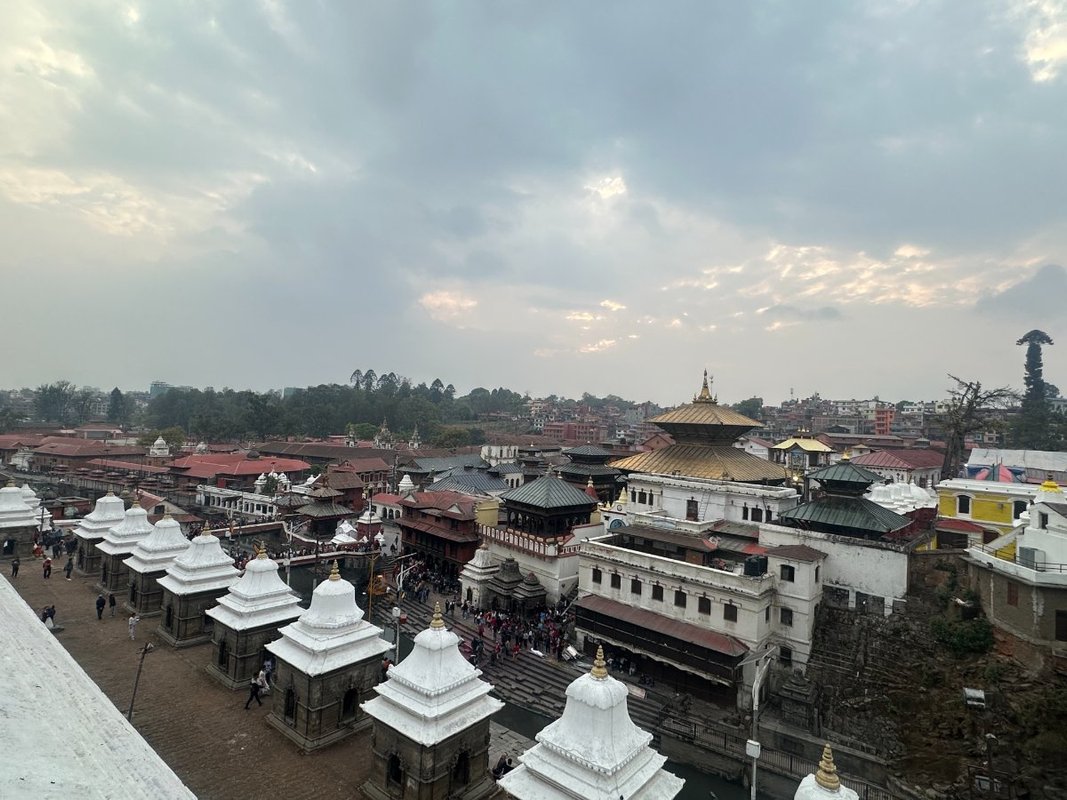
Timing is everything when planning a spiritual tour in Nepal. The same temple that feels serene and intimate in November can feel crowded and rushed in October. The same mountain sunrise that takes your breath away in March may be hidden behind monsoon clouds in July. And the same monastery that hums with quiet meditation in the off-season may be transformed into a vibrant celebration during a major Buddhist festival. Choosing the right time for your spiritual journey is about balancing three factors: weather, festivals, and crowd levels. Get the balance right, and your pilgrimage will unfold in conditions that deepen every experience. Get it wrong, and you may find yourself navigating rain-soaked temple steps or competing with tour buses for a glimpse of the sacred flame at Pashupatinath.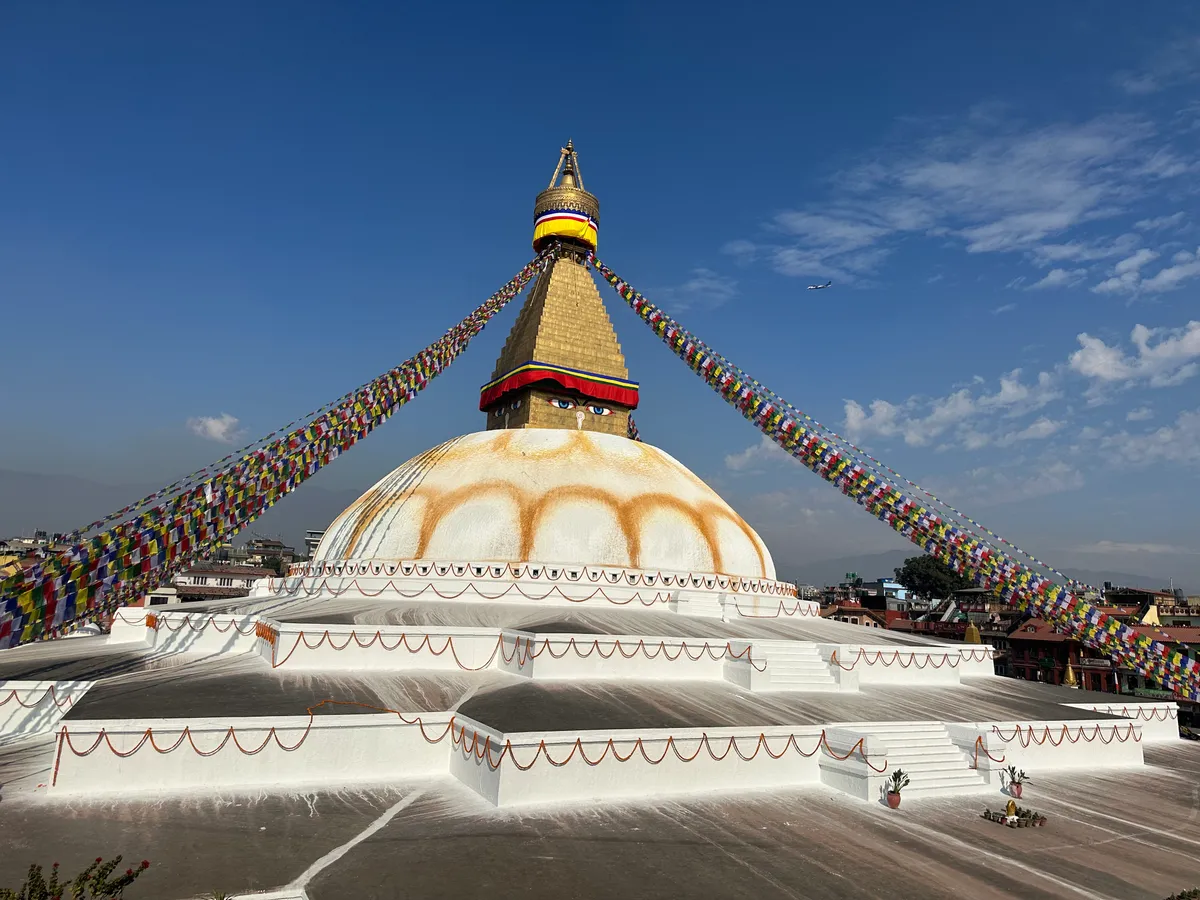
Best Time for a Spiritual Tour in Nepal: Festivals, Weather and Peak Seasons
This guide provides a month-by-month breakdown of what to expect on a spiritual tour in Nepal, from the crisp, clear skies of autumn to the lush, quiet landscapes of the monsoon. It covers the major festivals that can enrich your experience, the weather patterns that affect travel, and the crowd levels that determine how intimate or busy your pilgrimage will feel. For a broader overview of what a spiritual tour entails, see our complete guide to cultural and spiritual tours in Nepal. And if you are considering combining your pilgrimage with trekking, our guide to the best trekking agency in Nepal will help you plan a journey that includes both sacred sites and mountain trails.


Understanding Nepal's Seasons
Nepal has four distinct seasons, each offering a different experience for the spiritual traveler. Autumn, from late September through November, is widely considered the best time for a spiritual tour. The monsoon rains have cleared the air, leaving behind crystal-clear skies and some of the best mountain views of the year. Temperatures are comfortable, ranging from roughly 15 to 25 degrees Celsius in Kathmandu during the day, and the major Hindu festivals of Dashain and Tihar fall during this period. The trade-off is that autumn is also the busiest tourist season, and the most popular sites can feel crowded. Winter, from December through February, brings cold temperatures, especially at higher elevations, but also clear skies and far fewer tourists. The temples and monasteries are quiet, and you can often have sacred sites almost to yourself. Spring, from March through May, is the second most popular season, with warm temperatures, blooming rhododendrons, and the important Buddhist festival of Buddha Jayanti. The monsoon, from June through early September, brings heavy rain, leeches on trekking trails, and obscured mountain views, but also lush green landscapes, dramatically lower prices, and a quieter, more introspective atmosphere at the sacred sites.
Each season has its advocates, and the best time for your spiritual tour depends on your priorities. If you want perfect weather and the chance to experience Nepal's greatest festivals, autumn is your season. If you want solitude and lower prices and do not mind the cold, winter is excellent. If you want warm weather, blooming landscapes, and the celebration of Buddha's birth, spring is ideal. And if you are on a tight budget and do not mind getting wet, the monsoon offers a surprisingly rewarding experience. For a detailed look at the spiritual tour options available throughout the year, visit our spiritual tour in Nepal hub and explore our 2026 spiritual tour in Nepal overview.
Autumn: September, October, November
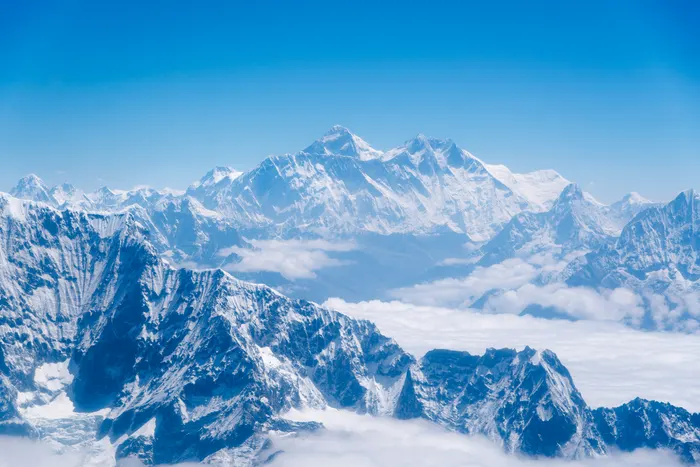
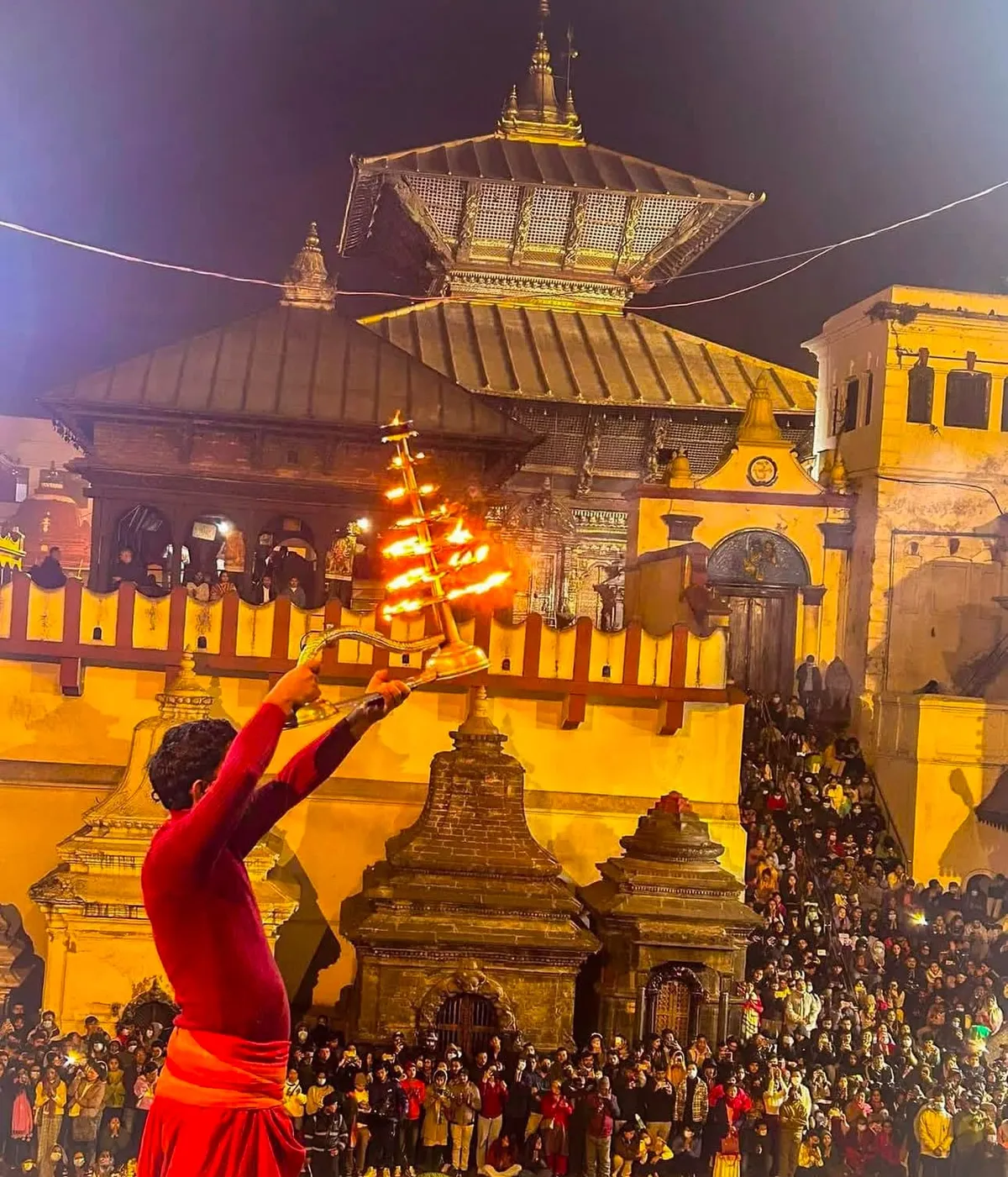
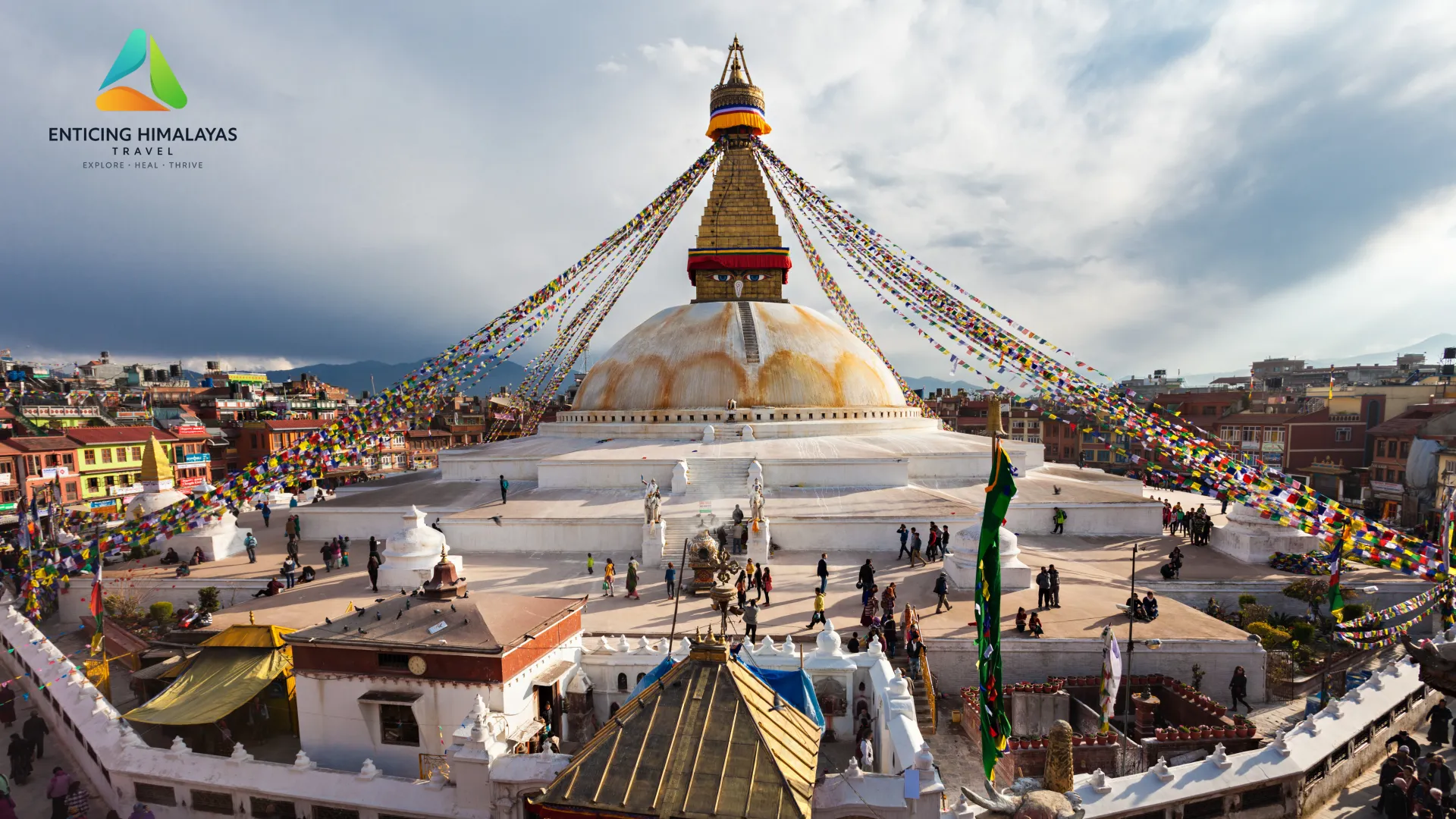
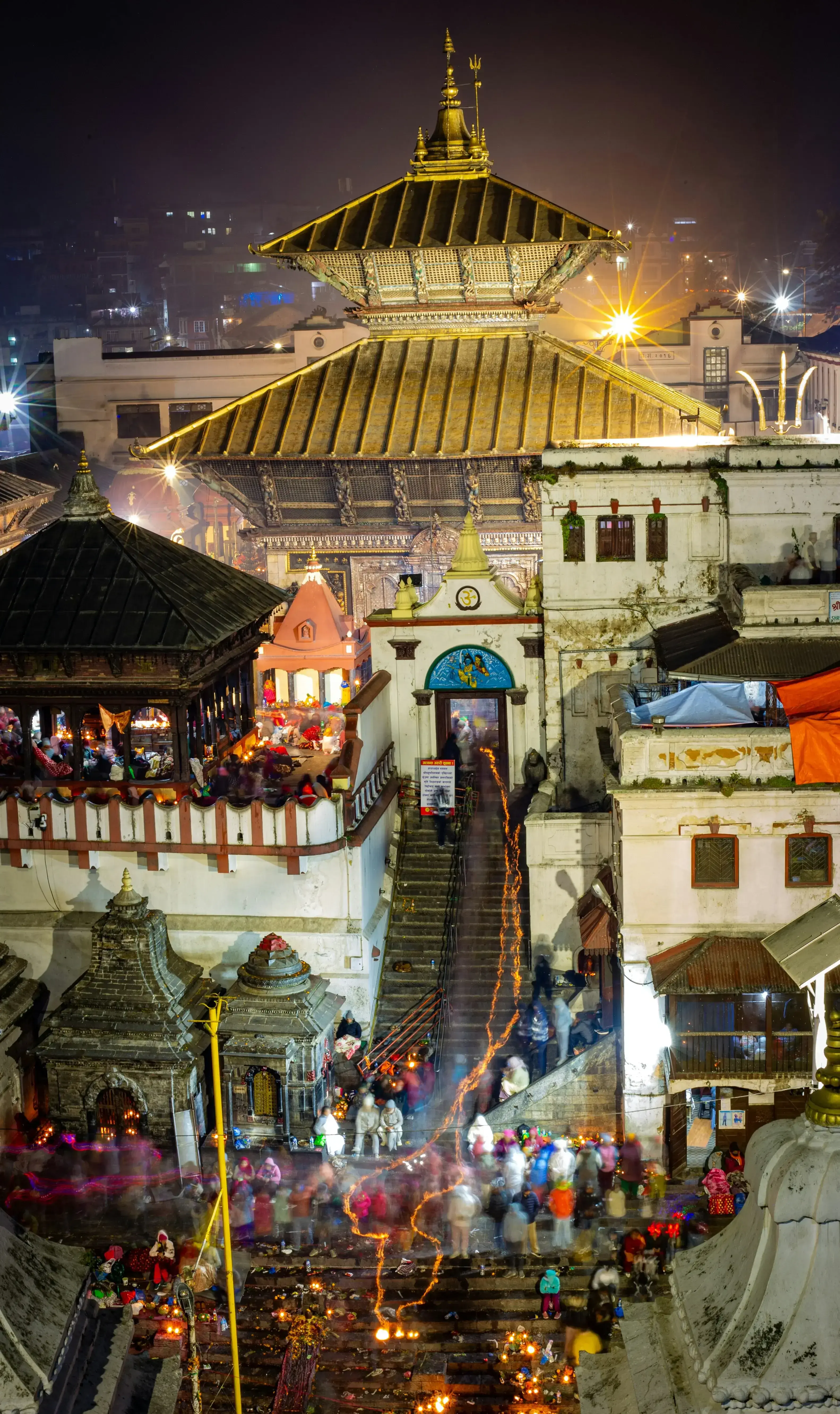
Autumn is the crown jewel of Nepal's travel seasons, and for good reason. By late September, the monsoon rains have tapered off, leaving the air washed clean and the skies a deep, vivid blue. The rice paddies are golden with harvest, the forests are green from months of rain, and the Himalayan peaks stand out against the horizon with a clarity that is unmatched at any other time of year. For a spiritual tour, these conditions are ideal. The sunrise at Nagarkot is reliably spectacular. The kora at Boudhanath is bathed in warm autumn light. The evening aarti at Pashupatinath takes on an almost cinematic quality as the flames reflect off the Bagmati River under a clear evening sky.
October is the busiest month of the year, driven largely by the Dashain festival, Nepal's longest and most important Hindu celebration. Dashain typically falls in late September or October, depending on the lunar calendar, and lasts for 15 days. It commemorates the goddess Durga's victory over the demon Mahishasura and is a time of family reunions, animal sacrifices, and the receiving of tika, a mixture of rice, yogurt, and vermilion, from elders. For a spiritual traveler, Dashain offers a window into the heart of Nepali Hindu culture. The temples are crowded with worshippers, the air is filled with the sound of bells and chanting, and the entire country seems to pulse with devotional energy. The trade-off is that many businesses close for the holiday, some guides return to their home villages, and the most popular sites can feel overwhelmingly busy. If you plan to travel during Dashain, book your tour well in advance and be prepared for a more intense, crowded experience that is also deeply authentic.
November brings Tihar, the festival of lights, which typically falls two to three weeks after Dashain. Tihar is a five-day celebration that honors different animals, including crows, dogs, and cows, and culminates in Bhai Tika, a day when sisters pray for their brothers' long life. The festival transforms Kathmandu's streets and homes with oil lamps, marigold garlands, and colorful rangoli designs. For a spiritual traveler, Tihar is a more intimate and visually beautiful festival than Dashain. The evening walks through neighborhoods lit by thousands of small clay lamps are unforgettable. By late November, the tourist crowds have thinned somewhat, the weather remains excellent, and the conditions for a spiritual tour are close to perfect. For a comprehensive guide to Nepal's festival calendar, see our guide to the major festivals of Nepal.
Winter: December, January, February
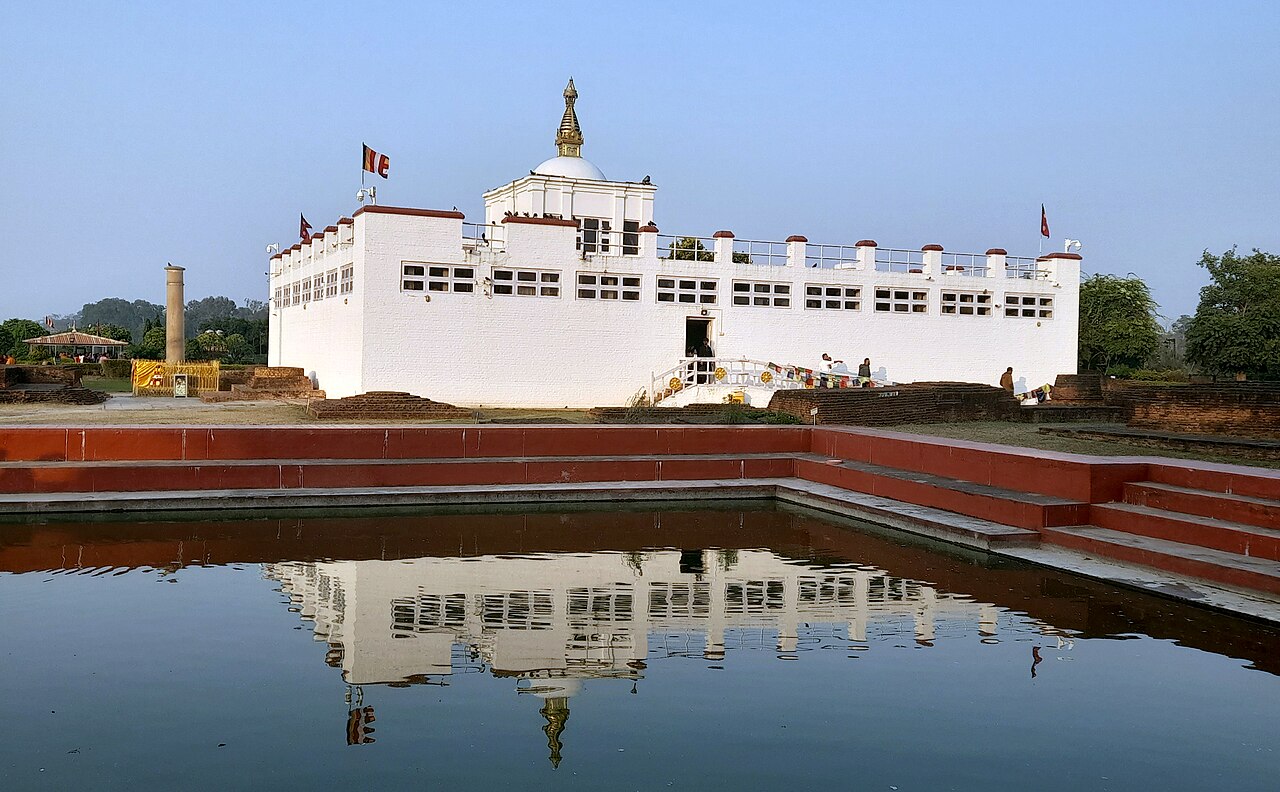
Winter in Nepal is cold but clear, and for the spiritual traveler who values solitude over warmth, it can be the most rewarding season of all. Daytime temperatures in Kathmandu range from roughly 10 to 20 degrees Celsius, but nights can drop close to freezing. In the higher elevations, such as Muktinath at 3,710 meters, temperatures regularly fall well below zero, and snow is common. The mountain views, however, are often at their most spectacular in winter. The cold, dry air means minimal haze, and the Himalayan panorama from Nagarkot or Swayambhunath can be breathtaking. The sacred sites are quiet. You can walk the kora at Boudhanath with only a handful of other pilgrims. You can sit in the courtyard of the Maya Devi Temple in Lumbini in near solitude. You can watch the aarti at Pashupatinath without jostling for position.
December and January are the coldest months, but they also offer the lowest prices of the dry season. Hotels discount their rates, domestic flights are easier to book, and tour operators often have availability even on short notice. The winter solstice and the New Year bring their own celebrations, and the clear night skies over the Himalayas are a spiritual experience in themselves. February marks the beginning of the gradual warm-up toward spring. The days grow noticeably longer, the first rhododendrons begin to bloom at lower elevations, and the tourist numbers start to tick upward. For those interested in combining spiritual exploration with trekking, winter is a good time for lower-elevation treks that include monastery visits. Our guide to treks with a spiritual side offers excellent options that are accessible even in the colder months. And for those who want to reach high-altitude shrines without the cold, our helicopter pilgrimage and trek combos provide efficient access to Muktinath and Gosaikunda year-round.
Spring: March, April, May
Spring is the second most popular season for a spiritual tour in Nepal, and in many ways it rivals autumn for the title of best time to visit. March brings warming temperatures, with daytime highs in Kathmandu reaching roughly 20 to 25 degrees Celsius. The rhododendrons, Nepal's national flower, begin to bloom in the hills, painting the forests in shades of red, pink, and white. The skies are generally clear, though a pre-monsoon haze can sometimes soften the mountain views compared to the razor-sharp clarity of autumn. The tourist numbers are moderate in March, making it an excellent month for travelers who want good weather without the peak-season crowds.
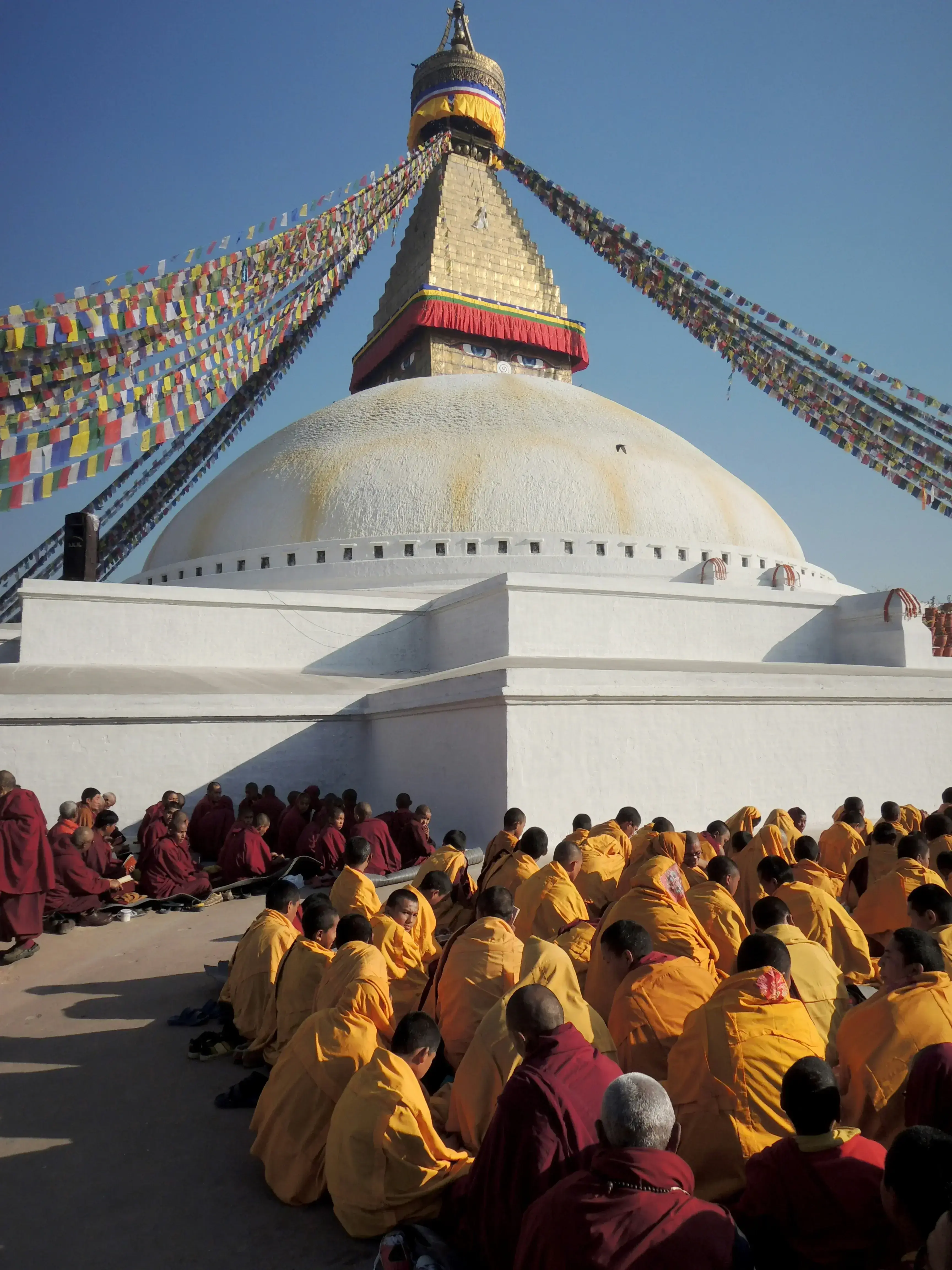
April is the warmest and driest month of spring, and it brings one of the most important dates on the Buddhist calendar: Buddha Jayanti, the celebration of the Buddha's birth, enlightenment, and passing. Buddha Jayanti falls on the full moon day of the Nepali month of Baisakh, which typically corresponds to late April or early May. At Boudhanath and Swayambhunath, the stupas are decorated with thousands of butter lamps, and monks perform special prayers and rituals throughout the day. At Lumbini, the birthplace of the Buddha, the celebrations are particularly elaborate, with pilgrims arriving from across the Buddhist world. For a spiritual traveler, experiencing Buddha Jayanti at Boudhanath or Lumbini is one of the most moving experiences Nepal has to offer. Our Lumbini pilgrimage guide provides detailed information on visiting during this sacred time. May marks the transition toward the monsoon. Temperatures rise, humidity increases, and the first pre-monsoon showers begin to appear. The tourist numbers drop off, and prices begin to soften. For travelers who can tolerate some heat and the occasional afternoon shower, May offers a good compromise between spring conditions and lower costs.
Monsoon: June, July, August
The monsoon season, from June through early September, is the least popular time for tourism in Nepal, but it has its own quiet magic for the spiritual traveler. The rains transform the landscape into a lush, green paradise. The rice paddies are flooded and shimmering, the forests are dense and alive, and the waterfalls that cascade down the hillsides are at their most dramatic. The sacred sites are almost empty of foreign tourists. You can sit in the courtyard of Swayambhunath and hear nothing but the rain on the temple roofs and the occasional chime of a prayer bell. You can walk through the monastic zone at Lumbini and encounter only monks and the occasional local pilgrim. The atmosphere is introspective, almost meditative, and for travelers who are comfortable with rain and unpredictability, the monsoon offers a spiritual tour experience that is profoundly different from the busy autumn and spring seasons.
The practical challenges of monsoon travel are real. Roads can be blocked by landslides, especially in the hills. Domestic flights to Pokhara, Jomsom, and Bhairahawa are frequently delayed or canceled due to low cloud cover. Mountain views are often obscured, and the humidity can be uncomfortable for travelers not accustomed to it. Leeches are a nuisance on any trekking trails. However, for a spiritual tour focused on the Kathmandu Valley and Lumbini, the monsoon is manageable. The valley sites are accessible by road, and the rain typically comes in afternoon bursts rather than all-day downpours. Mornings are often clear, and the light after a rain shower is soft and beautiful. The cost savings are significant. Hotels discount their rates by 30 to 50 percent, and tour operators are eager for business. If you are on a tight budget and flexible with your plans, the monsoon can be a surprisingly rewarding time for a spiritual journey. For those seeking indoor wellness experiences during the rainy season, our guide to spiritual wellness travel in Nepal explores yoga retreats, sound healing, and meditation programs that are perfect for monsoon days.


Month-by-Month Quick Reference
Here is a concise month-by-month summary to help you choose the best time for your spiritual tour. January: cold, clear skies, very few tourists, lowest prices of the dry season. Excellent for solitude seekers. February: still cold but warming, clear skies, low tourist numbers. Good for budget travelers who want dry weather. March: warming temperatures, blooming rhododendrons, moderate crowds. One of the best months overall. April: warm and dry, Buddha Jayanti celebrations, peak spring crowds. Ideal for festival-focused travelers. May: hot, pre-monsoon showers begin, crowds thin out. Good value for heat-tolerant travelers. June: monsoon begins, lush green landscapes, very few tourists, lowest prices. Best for budget travelers who do not mind rain. July: peak monsoon, heavy rain, possible travel disruptions. Only for flexible, rain-tolerant travelers. August: monsoon continues, similar to July, but the landscape is at its most beautiful. September: monsoon tapers off, skies begin to clear, tourist numbers start to rise. A transitional month with good conditions. October: peak season, Dashain festival, perfect weather, large crowds. Book well in advance. November: Tihar festival, clear skies, comfortable temperatures, crowds moderate. Arguably the best month overall. December: cold, clear skies, low tourist numbers, good value. Excellent for solitude and clear mountain views.
Festival Calendar for Spiritual Travelers
Nepal's festival calendar is rich and complex, with dozens of celebrations throughout the year. For the spiritual traveler, certain festivals offer an unparalleled opportunity to witness living traditions at their most vibrant. Dashain, in late September or October, is the longest and most important Hindu festival. It is a time of family, devotion, and the receiving of tika from elders. The temples are crowded, and the atmosphere is intense. Tihar, in late October or November, is the festival of lights. It is visually beautiful, with oil lamps, marigold garlands, and rangoli designs transforming the streets. The Laxmi Puja day, when the goddess of wealth is welcomed into homes and businesses, is particularly magical in Kathmandu.
Buddha Jayanti, in late April or May, is the most important Buddhist festival. It celebrates the Buddha's birth, enlightenment, and passing, and the celebrations at Boudhanath, Swayambhunath, and Lumbini are deeply moving. Holi, in March, is the festival of colors, a joyous, chaotic celebration that marks the arrival of spring. While not specifically a spiritual festival, it is a cultural experience that many travelers find unforgettable. Indra Jatra, in September, is a Kathmandu-specific festival honoring the god of rain, featuring masked dances, chariot processions, and the appearance of the Kumari, the living goddess. Maha Shivaratri, in February or March, is the great night of Shiva, celebrated with all-night vigils at Pashupatinath. Sadhus, the wandering holy men of Hinduism, gather in large numbers, and the atmosphere is one of intense devotion. For a deeper exploration of these celebrations, our guide to the major festivals of Nepal provides detailed dates, locations, and tips for visitors.
Crowd Levels and How They Affect Your Experience
Crowd levels have a direct impact on the quality of your spiritual tour. During peak season, from October to November and March to April, the most popular sites can feel busy. Boudhanath's kora path fills with tourists and tour groups. The steps of Swayambhunath become a slow-moving line. The aarti at Pashupatinath requires arriving early to secure a good viewing spot. This does not ruin the experience, but it does change it. The energy is more social, more outwardly vibrant, and less conducive to quiet reflection. If your goal is to sit in silent meditation at a monastery or to have a personal moment at a sacred shrine, peak season may not be the best time.
The shoulder seasons of September, December, and May offer a good compromise. The weather is generally acceptable, and the crowds are noticeably thinner. You can walk the kora at Boudhanath without being jostled. You can find a quiet corner at Swayambhunath to sit and watch the valley below. The off-season, from June through August, offers the most solitude. The sacred sites are almost empty of foreign tourists, and you can experience them in a way that feels personal and intimate. The trade-off is the rain and the possibility of travel disruptions. For many spiritual travelers, however, the solitude of the monsoon is worth the inconvenience. If you are planning a visit to the high-altitude shrine of Muktinath, our Muktinath spiritual circuit guide provides season-specific advice for this unique pilgrimage site.
Weather Considerations by Region
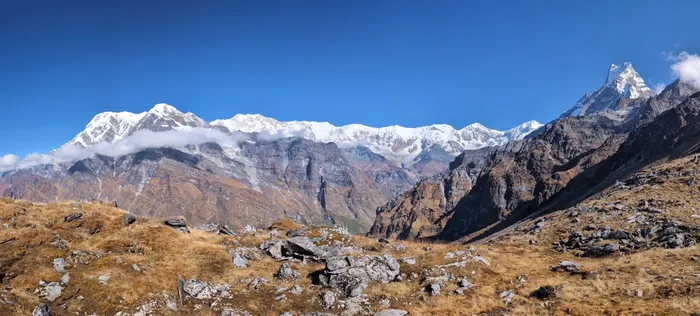
Nepal's weather varies significantly by region, and a spiritual tour that covers multiple regions requires planning for different conditions. The Kathmandu Valley, at roughly 1,400 meters, has a moderate climate year-round. Daytime temperatures range from roughly 10 to 20 degrees Celsius in winter to 25 to 30 degrees in summer. The monsoon brings heavy rain from June through August, but the valley sites remain accessible. Pokhara, at roughly 820 meters, is warmer and wetter than Kathmandu. The monsoon is more intense here, and mountain views are often obscured from June through September. The winter months are mild and pleasant, making Pokhara an excellent winter destination.
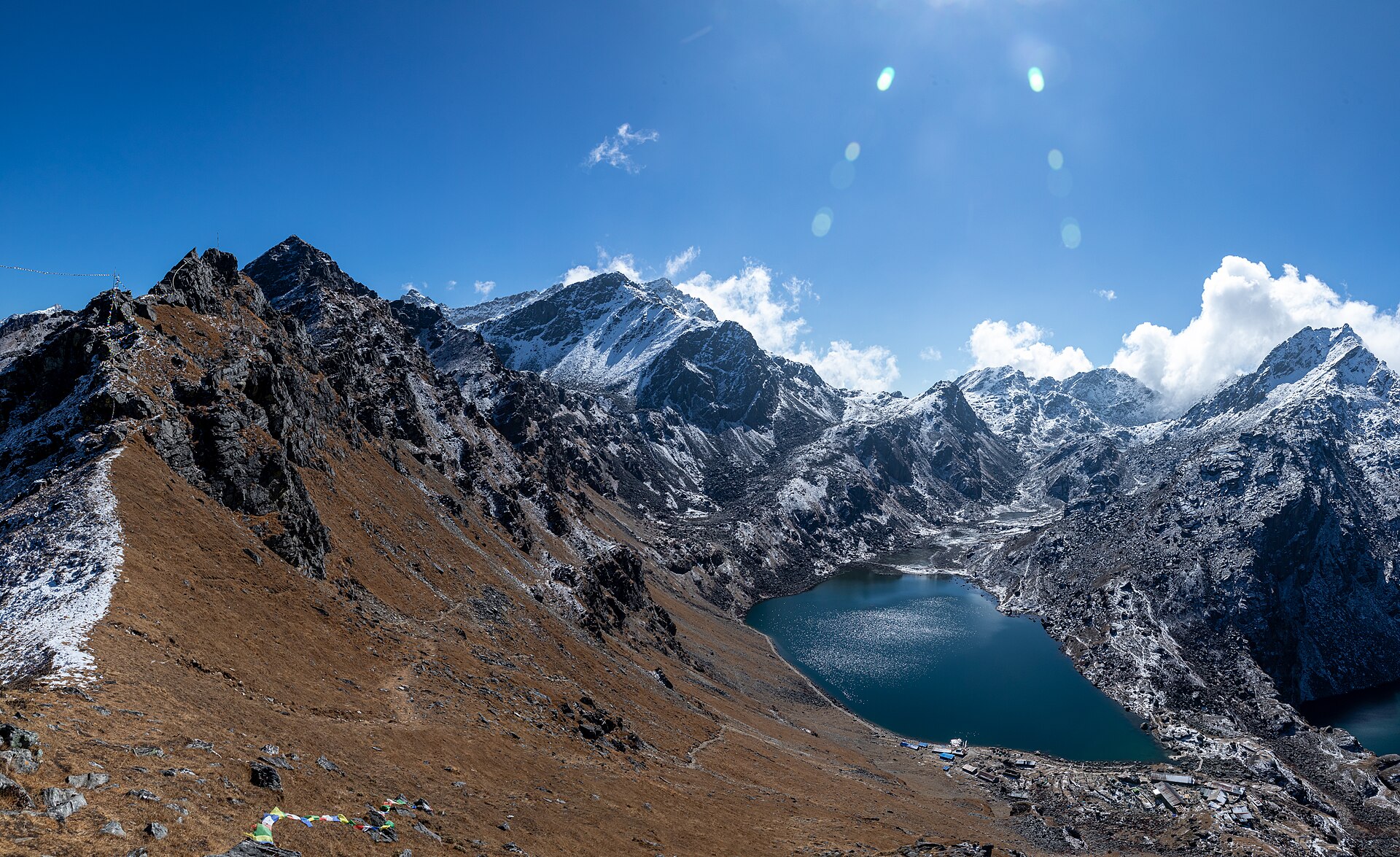
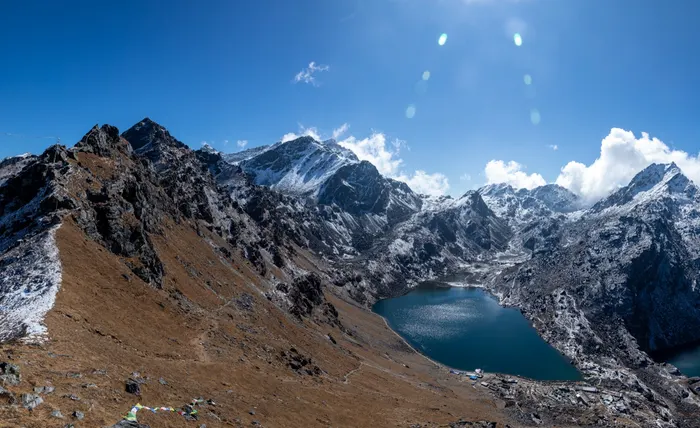
Lumbini, in the southern Terai plains at roughly 150 meters, is the warmest of the major pilgrimage sites. Summer temperatures can exceed 35 degrees Celsius, and the monsoon brings heavy rain and high humidity. The best time to visit Lumbini is from November through March, when temperatures are comfortable and the skies are clear. The Lumbini Buddhist pilgrimage package is best booked during these months. Muktinath, at 3,710 meters in the Mustang region, is a high-altitude site with its own microclimate. It is accessible by road or helicopter from March through November. In winter, from December through February, snow can block the road from Jomsom, and the helicopter is the only reliable access. The Muktinath helicopter pilgrimage operates year-round, weather permitting. Gosaikunda, at 4,380 meters, is accessible only by trekking from May through October. The lake freezes in winter, and the trail is impassable. The Gosaikunda sacred lake trek is best undertaken from May to June or September to October.
Best Season Recommendations by Traveler Type
Different travelers have different priorities, and the best season for your spiritual tour depends on what matters most to you. For the first-time visitor who wants the best possible weather and the chance to experience Nepal's festivals, mid-October to mid-November is the ideal window. You will catch the tail end of Dashain or the beginning of Tihar, the skies will be clear, and the temperatures will be perfect for temple exploration. Book at least three months in advance. For the budget-conscious traveler, the monsoon months of June through August offer the lowest prices and the fewest tourists. You will need to be flexible with your plans and comfortable with rain, but the savings can be substantial, and the solitude at the sacred sites is unmatched.
For the festival-focused traveler, plan your trip around a specific celebration. Dashain in October, Tihar in November, Holi in March, or Buddha Jayanti in April or May. Each festival transforms the sacred sites in different ways, and experiencing one of these celebrations is a highlight of any spiritual tour. For the solitude seeker, December through February offers cold but clear weather and the quietest conditions of the dry season. You can have Boudhanath almost to yourself at dawn, and the mountain views are often at their most spectacular. For the trekker who wants to combine pilgrimage with mountain trails, the pre-monsoon months of March to May and the post-monsoon months of October to November are the best trekking windows. Our guide to treks with a spiritual side provides detailed seasonal advice for specific routes. And for a comprehensive overview of Boudhanath as a year-round spiritual destination, see our Boudhanath Stupa guide.
Planning Your Spiritual Tour Around the Seasons
Once you have chosen your season, the next step is to plan the specifics of your itinerary. If you are traveling in autumn, book your accommodation and domestic flights as early as possible. The best hotels in Kathmandu and Pokhara fill up weeks or months in advance during October and November. If you are traveling in winter, pack warm layers. A good fleece, a warm hat, and gloves will make early morning temple visits and the Nagarkot sunrise much more comfortable. Many budget hotels in Nepal do not have central heating, so a hot water bottle or an extra blanket can make a big difference. If you are traveling in the monsoon, bring a good rain jacket, quick-dry clothing, and waterproof footwear. An umbrella is useful for temple visits, and a waterproof cover for your daypack will protect your camera and journal.
Regardless of the season, a few items are essential for any spiritual tour. Modest clothing that covers shoulders and knees is required at all temples and monasteries. A scarf or shawl is invaluable for covering shoulders and can double as a head covering where appropriate. Comfortable walking shoes are non-negotiable. You will be on your feet for much of each day, often on uneven stone surfaces. A reusable water bottle with a filter, sunscreen, and a hat are important year-round. And a journal is perhaps the most important item of all. A spiritual tour in Nepal stirs reflections and insights that are worth capturing, and the act of writing helps integrate the experiences of each day. For ready-made itineraries that work well in any season, the Kathmandu spiritual circuit, the Nepal cultural pilgrimage experience, and the Sacred Kathmandu heritage tour are excellent choices that can be customized to your preferred travel dates.
November is widely considered the best month. The monsoon has cleared, the skies are crystal clear, temperatures are comfortable at roughly 15 to 25 degrees Celsius in Kathmandu, and the Tihar festival of lights transforms the city with oil lamps and marigold garlands. The peak tourist crowds of October have begun to thin, and conditions for temple visits and mountain views are close to perfect. Yes, a spiritual tour focused on the Kathmandu Valley and Lumbini is entirely feasible during the monsoon from June through August. The sacred sites are accessible by road, rain typically comes in afternoon bursts rather than all day, and the landscapes are lush and green. The main trade-offs are obscured mountain views, possible flight delays, and the need for rain gear and flexibility. The most rewarding festivals for spiritual travelers are Dashain in October, Tihar in November, Holi in March, and Buddha Jayanti in April or May. Dashain and Tihar offer deep immersion in Hindu culture. Buddha Jayanti transforms Boudhanath and Lumbini with thousands of butter lamps and special ceremonies. Holi is a joyous cultural celebration rather than a religious one but is unforgettable. Winter is cold but manageable for a spiritual tour focused on the Kathmandu Valley and Lumbini. Daytime temperatures in Kathmandu range from roughly 10 to 20 degrees Celsius, though nights can drop near freezing. The trade-off is clear skies, spectacular mountain views, and very few tourists. Pack warm layers, and avoid high-altitude sites like Muktinath unless you are prepared for sub-zero temperatures. For travel during the peak months of October and November, book at least three months in advance. The best guides, hotels, and domestic flight seats fill up quickly. For the spring peak in March and April, two months of advance booking is usually sufficient. For the off-season from June through August, you can often book just a few weeks ahead and still have excellent availability. Yes, significantly. Muktinath at 3,710 meters is accessible by road or helicopter from March through November. In winter, snow can block the road, and helicopter access depends on weather conditions. Gosaikunda at 4,380 meters is accessible only by trekking from May through October. The lake freezes in winter, and the trail is impassable. Plan these high-altitude pilgrimages for the recommended seasonal windows.What is the absolute best month for a spiritual tour in Nepal?
Can I do a spiritual tour in Nepal during the monsoon?
Which festivals should I plan my spiritual tour around?
Is winter too cold for a spiritual tour in Nepal?
How far in advance should I book a spiritual tour during peak season?
Does the weather affect access to Muktinath and Gosaikunda?