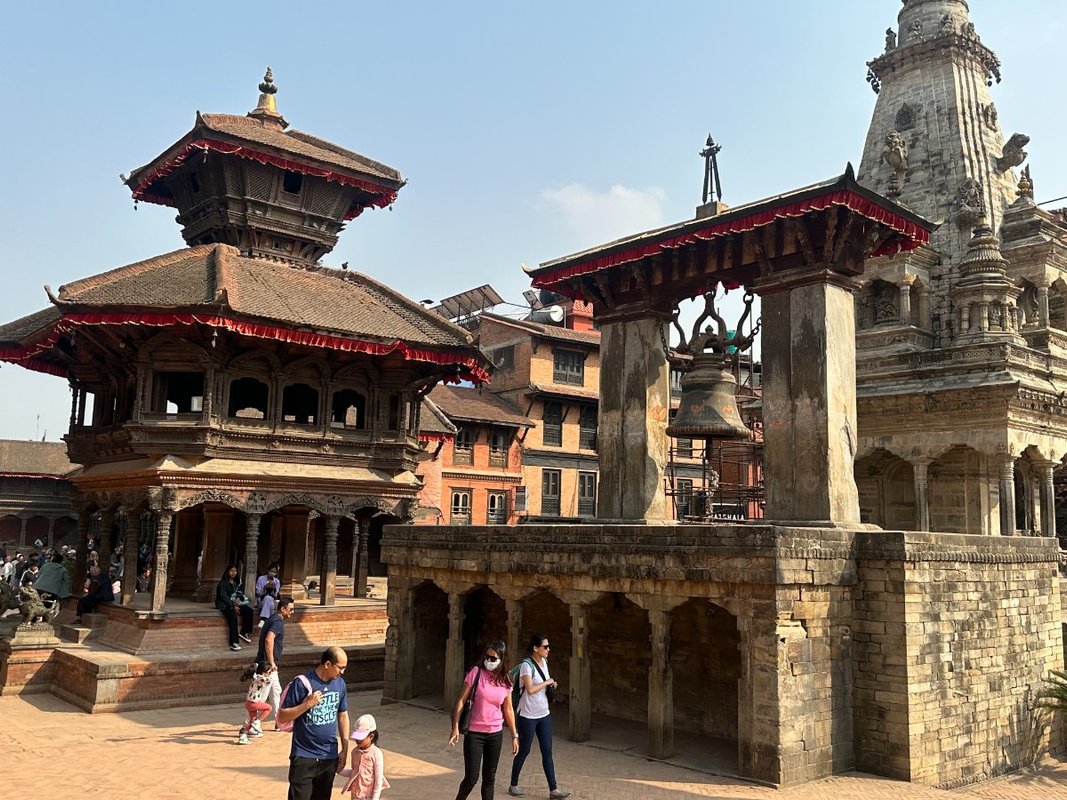
Nepal's Golden Triangle is the country's most popular multi-destination itinerary, and for good reason. In just eight days, it delivers the three essential faces of Nepal: the cultural riches of the Kathmandu Valley, the serene lakes and mountain panoramas of Pokhara, and the wild jungles of Chitwan National Park. This is the Nepal that travelers dream of, a compact journey that moves from medieval city squares to Himalayan viewpoints to elephant grasslands, all within a single, perfectly paced week.
The Golden Triangle Nepal tour has earned its name honestly. Like India's famous Delhi-Agra-Jaipur circuit, it connects three destinations that together define the country's identity. Kathmandu is the cultural and historical heart, Pokhara is the scenic and adventure capital, and Chitwan is the wildlife frontier. Each destination is distinct, and the transitions between them, from urban bustle to lakeside calm to jungle stillness, create a rhythm that keeps the journey fresh and engaging from start to finish.
This guide covers everything you need to know about planning a Golden Triangle Nepal tour in 2026 and 2027. We detail the must-see sites in each destination, the best ways to travel between them, what the journey costs, and how to make the most of eight days in one of the world's most diverse small countries.
What Is the Golden Triangle Nepal Tour?
The Golden Triangle Nepal tour is an 8-day itinerary that connects Kathmandu, Pokhara, and Chitwan National Park. It is designed for travelers who want to experience Nepal's cultural, scenic, and wildlife highlights in a single trip without spending weeks on the road. The standard routing is Kathmandu to Chitwan to Pokhara and back to Kathmandu, though the direction can be reversed. Each destination gets two to three days, enough time to see the major attractions without feeling rushed.
What makes this itinerary special is the variety. In the span of a week, you walk through 15th-century palace squares, watch the sun rise over the Annapurna range, and search for one-horned rhinoceros from the back of a safari jeep. No two days feel the same, and the contrasts between the destinations make each one more vivid. After the sensory intensity of Kathmandu, the quiet of Chitwan's forests feels like a different world. After the jungle heat, Pokhara's cool lake breezes are a welcome relief.
The Golden Triangle is also logistically efficient. The three destinations form a rough triangle in central Nepal, with driving times of five to seven hours between each. Domestic flights are available for all three legs, reducing travel time to under 30 minutes each, though the road journeys offer their own rewards in the form of riverside scenery, village life, and mountain views. A well-planned Golden Triangle Nepal tour package handles all the logistics, leaving you free to focus on the experience.
Kathmandu: Days 1-2, The Cultural Foundation
The Golden Triangle begins in Kathmandu, and the first two days are dedicated to the valley's extraordinary cultural heritage. Kathmandu is not a city you can absorb in a morning; it rewards travelers who give it time, and the Golden Triangle itinerary allocates two full days to the essential sites.
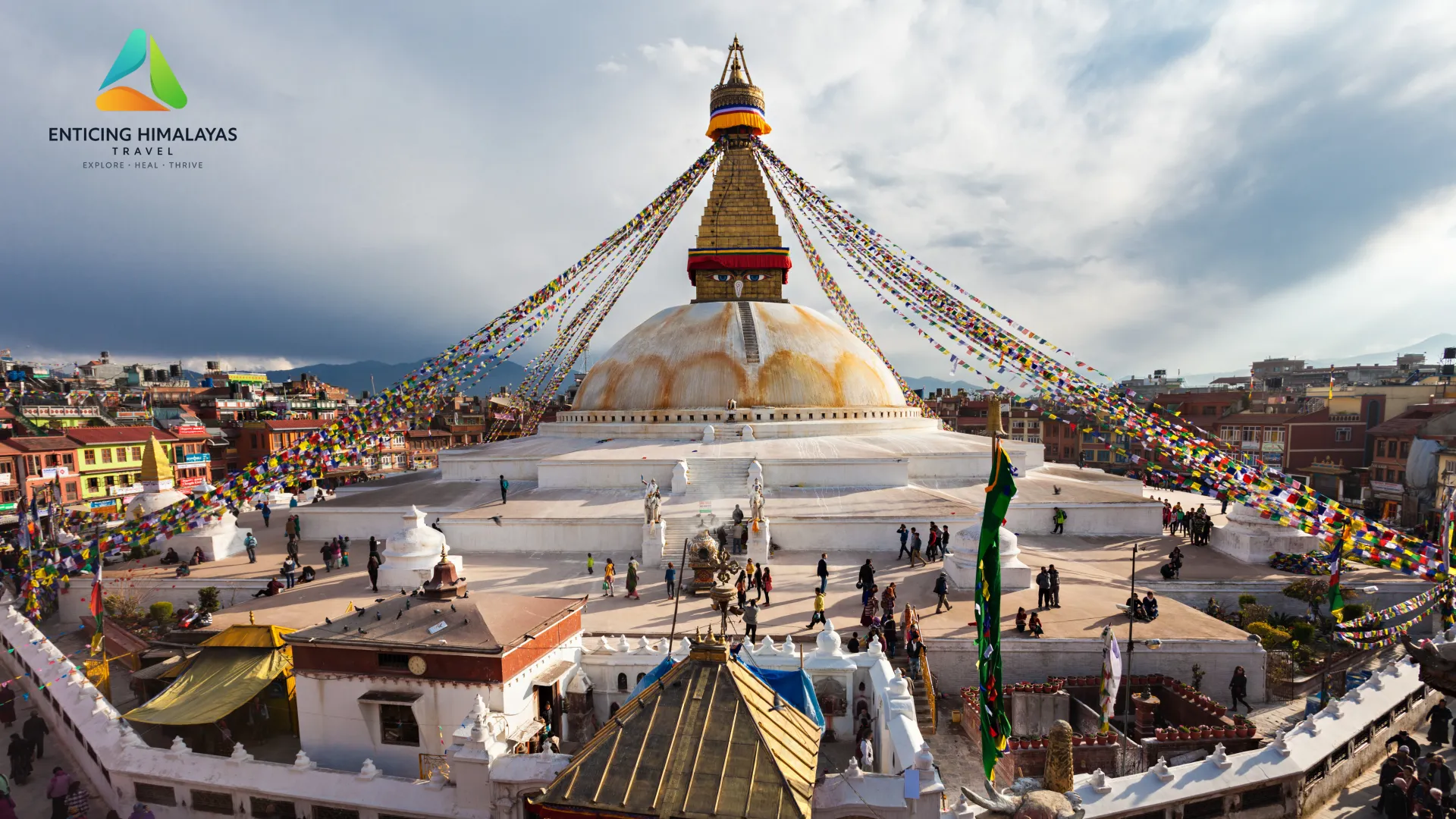
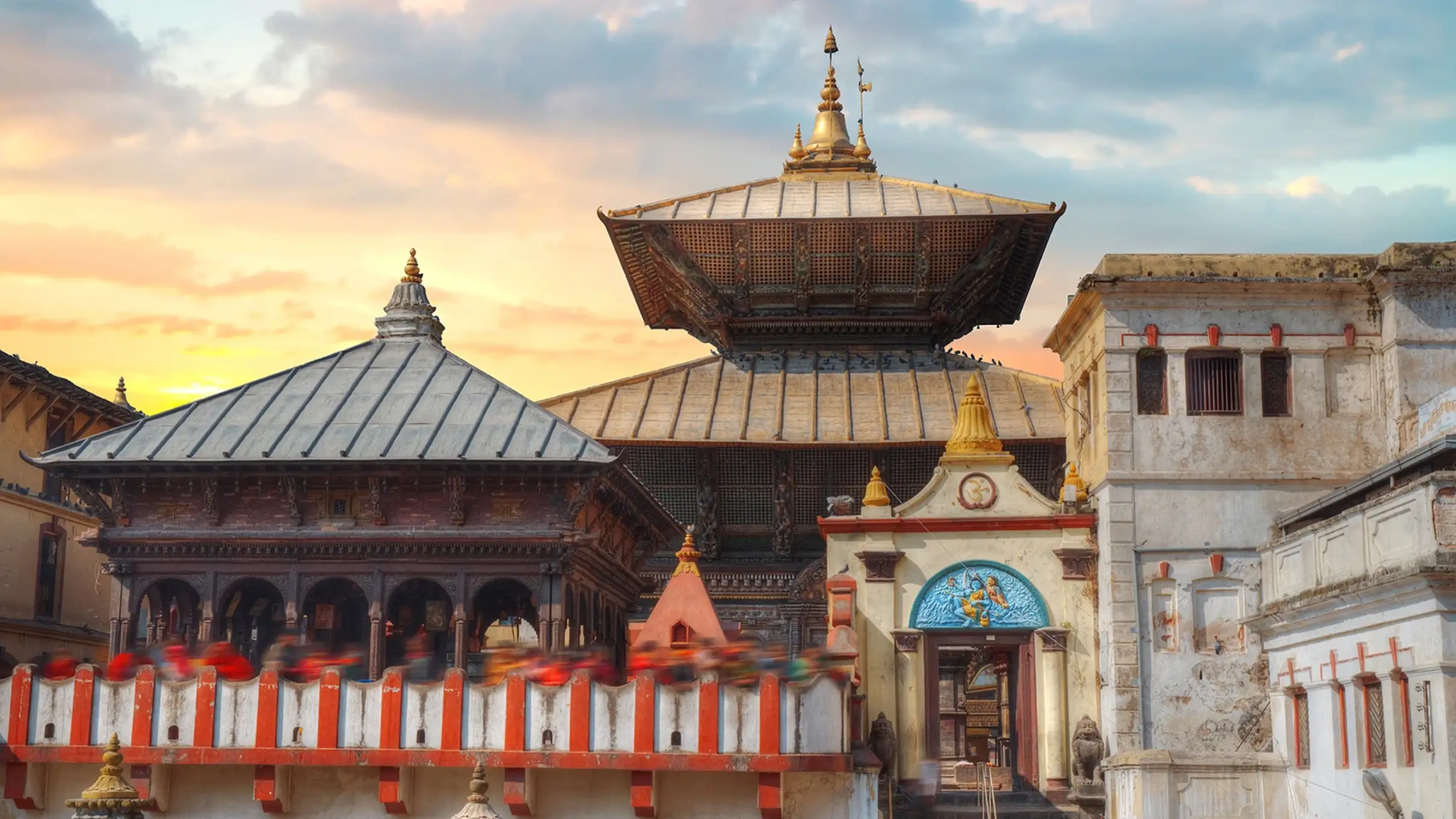
Day one typically covers the eastern side of the valley: Pashupatinath Temple, the holiest Hindu shrine in Nepal, and Boudhanath Stupa, the great Tibetan Buddhist monument. These two sites, just a few kilometers apart, represent the twin spiritual traditions of Nepal. At Pashupatinath, you witness the rituals of life and death along the Bagmati River. At Boudhanath, you join pilgrims circumambulating the great white dome, spinning prayer wheels and murmuring mantras.
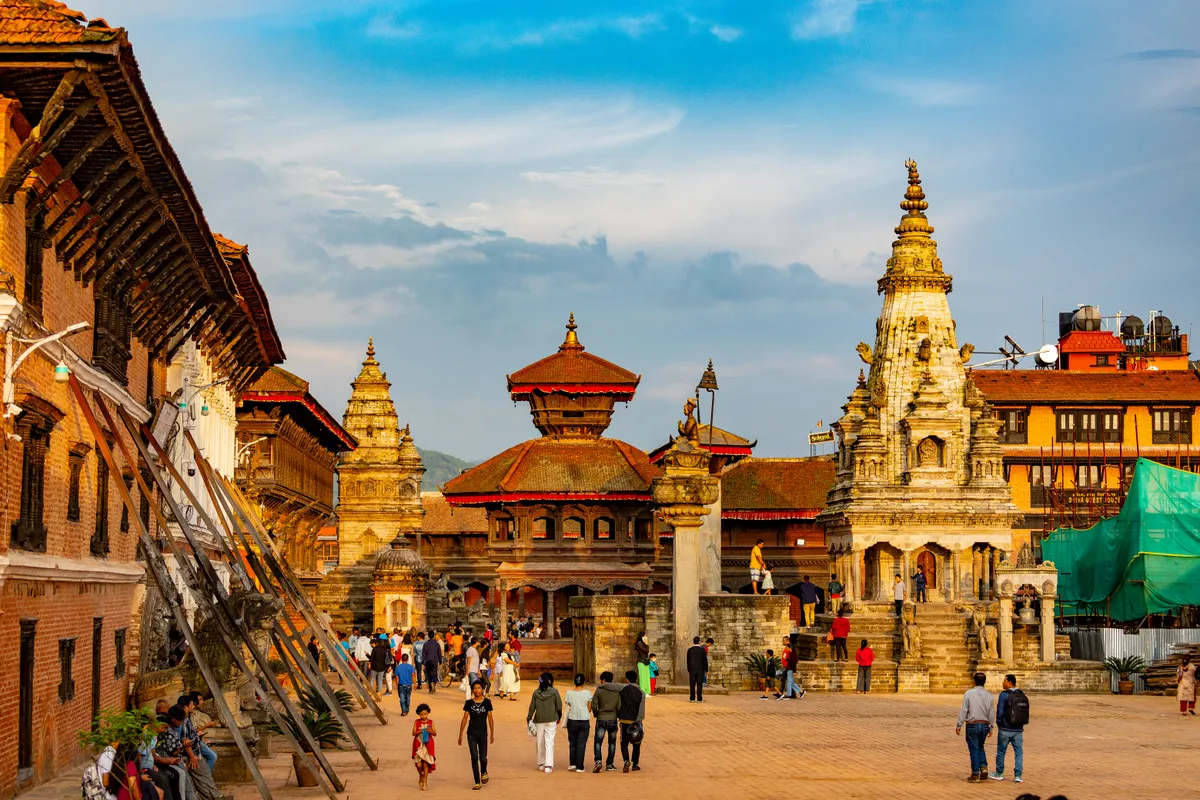
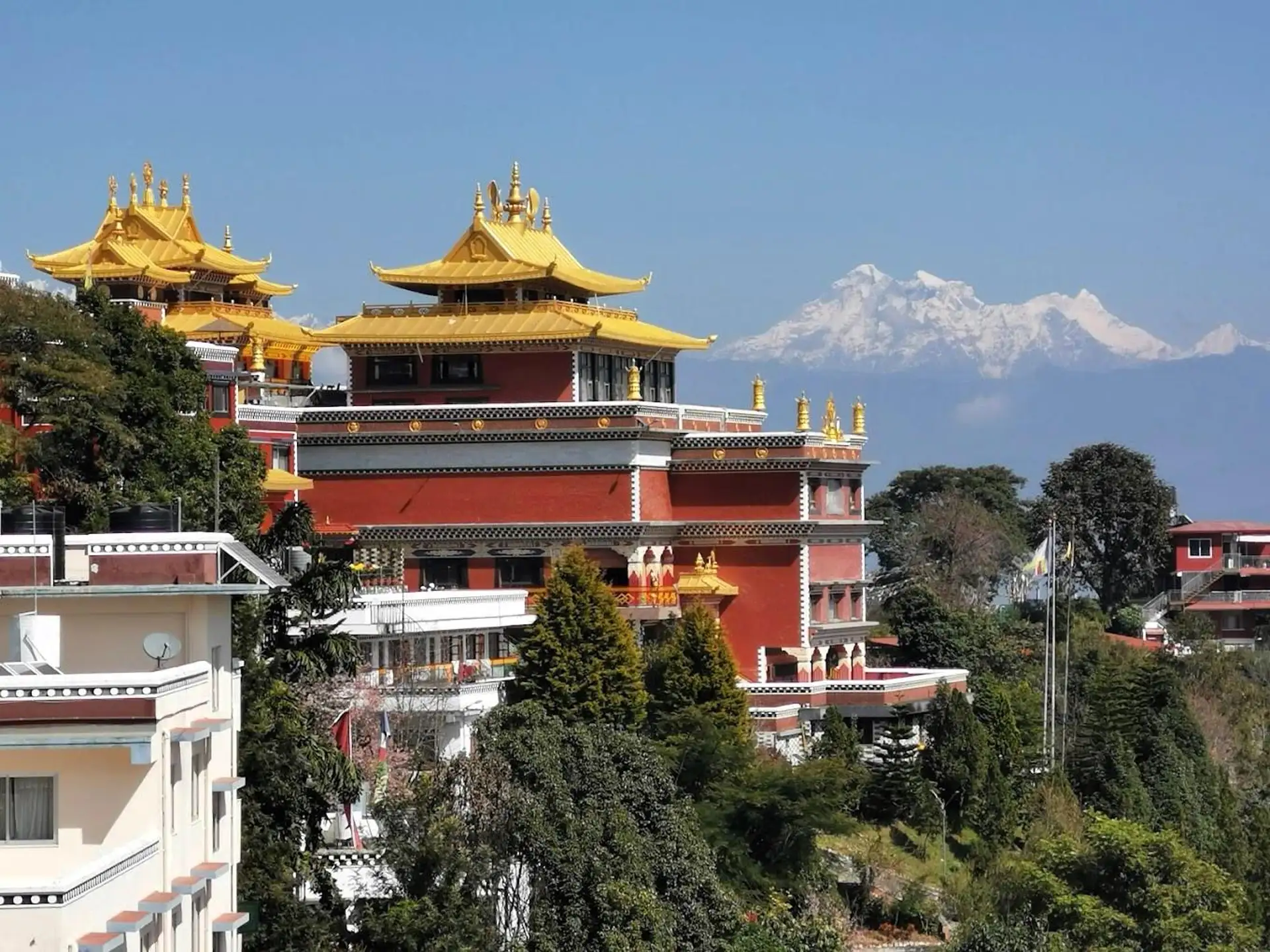
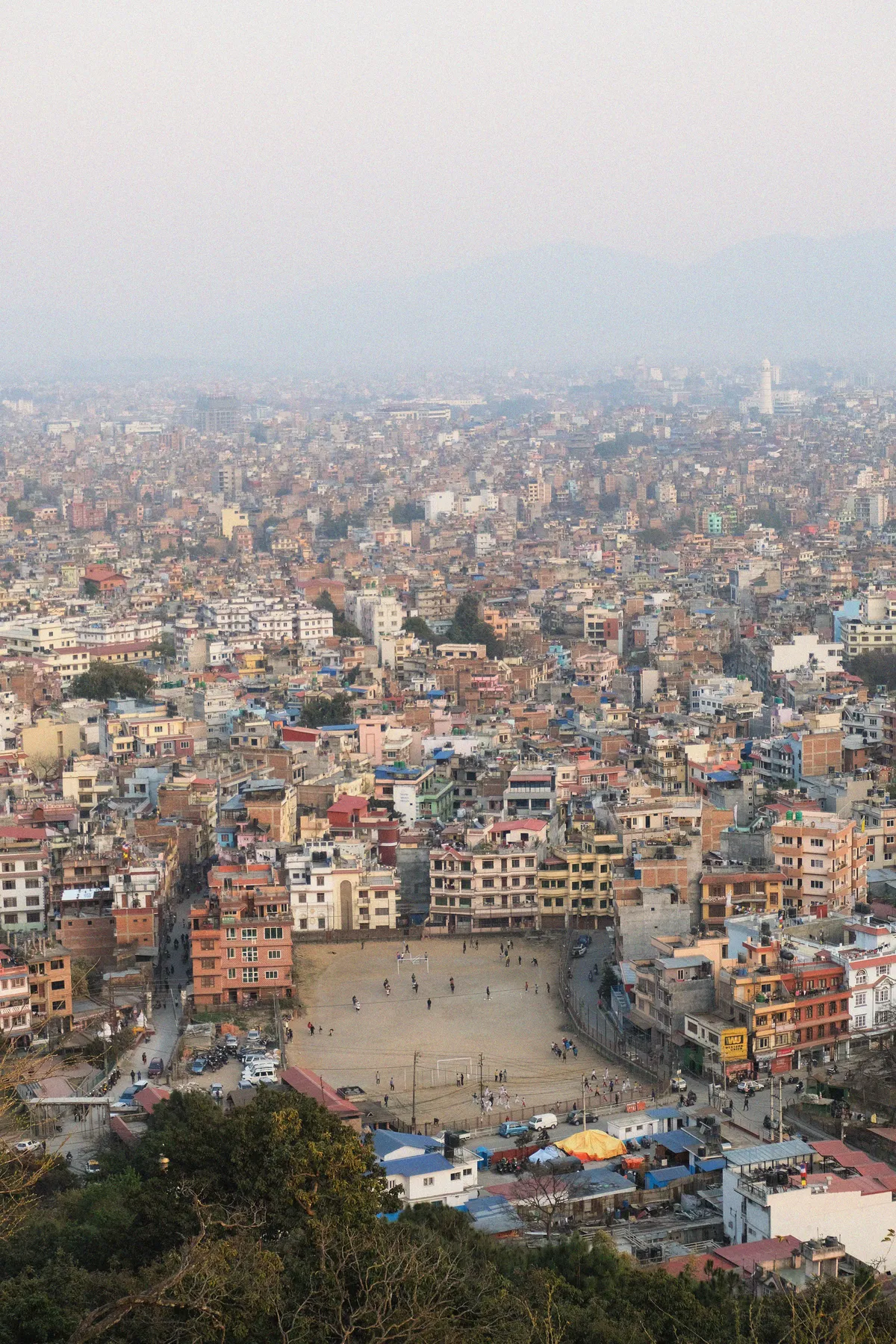
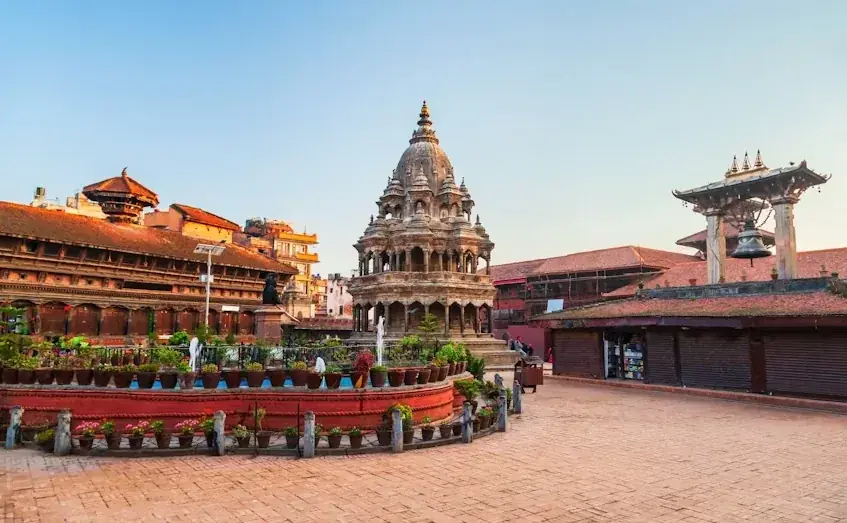
Day two explores the durbar squares. Bhaktapur Durbar Square, the best-preserved of the valley's medieval city centers, is a pedestrian-only zone of temples, palaces, and artisan workshops. The Nyatapola Temple, a five-tiered pagoda that has withstood earthquakes for over 300 years, dominates the square. From Bhaktapur, the tour moves to Patan Durbar Square, where the Krishna Mandir and the Patan Museum showcase the finest of Newari art and architecture. The day ends at Swayambhunath Stupa, the Monkey Temple, where the sunset view over the Kathmandu Valley is a fitting close to the cultural portion of the tour.
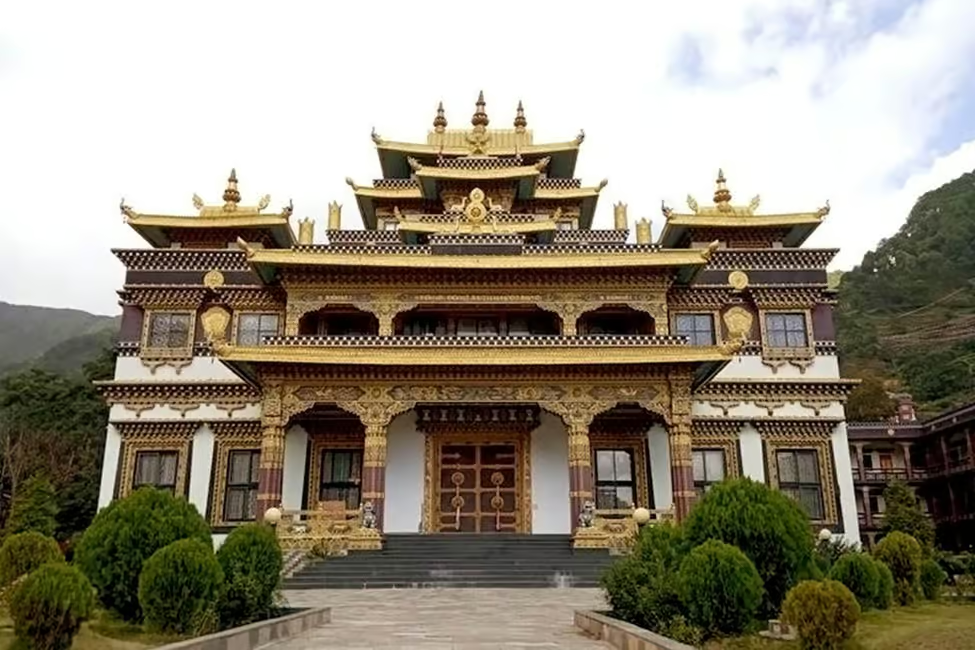
For travelers who want a more comprehensive Kathmandu experience, the 4-day UNESCO cultural heritage tour covers all seven monument zones in depth. The Golden Triangle's two-day allocation hits the highlights, but there is always more to discover in this endlessly layered valley.
Chitwan National Park: Days 3-4, Into the Wild
From Kathmandu, the Golden Triangle heads south to Chitwan National Park, Nepal's first national park and a UNESCO World Heritage Site. The drive takes about five to six hours, descending from the Kathmandu Valley through the Mahabharat range to the Terai plains. The landscape transforms dramatically: terraced hills give way to flat farmland, the air grows warmer and more humid, and the vegetation thickens into subtropical forest.
Chitwan is one of the best wildlife-viewing destinations in Asia. The park protects over 932 square kilometers of sal forest, riverine grassland, and marshland, home to an extraordinary concentration of large mammals. The one-horned rhinoceros is the star attraction, and Chitwan holds the second-largest population in the world after India's Kaziranga. Bengal tigers, though elusive, are present in increasing numbers. Leopards, sloth bears, wild elephants, and four species of deer are more commonly seen.
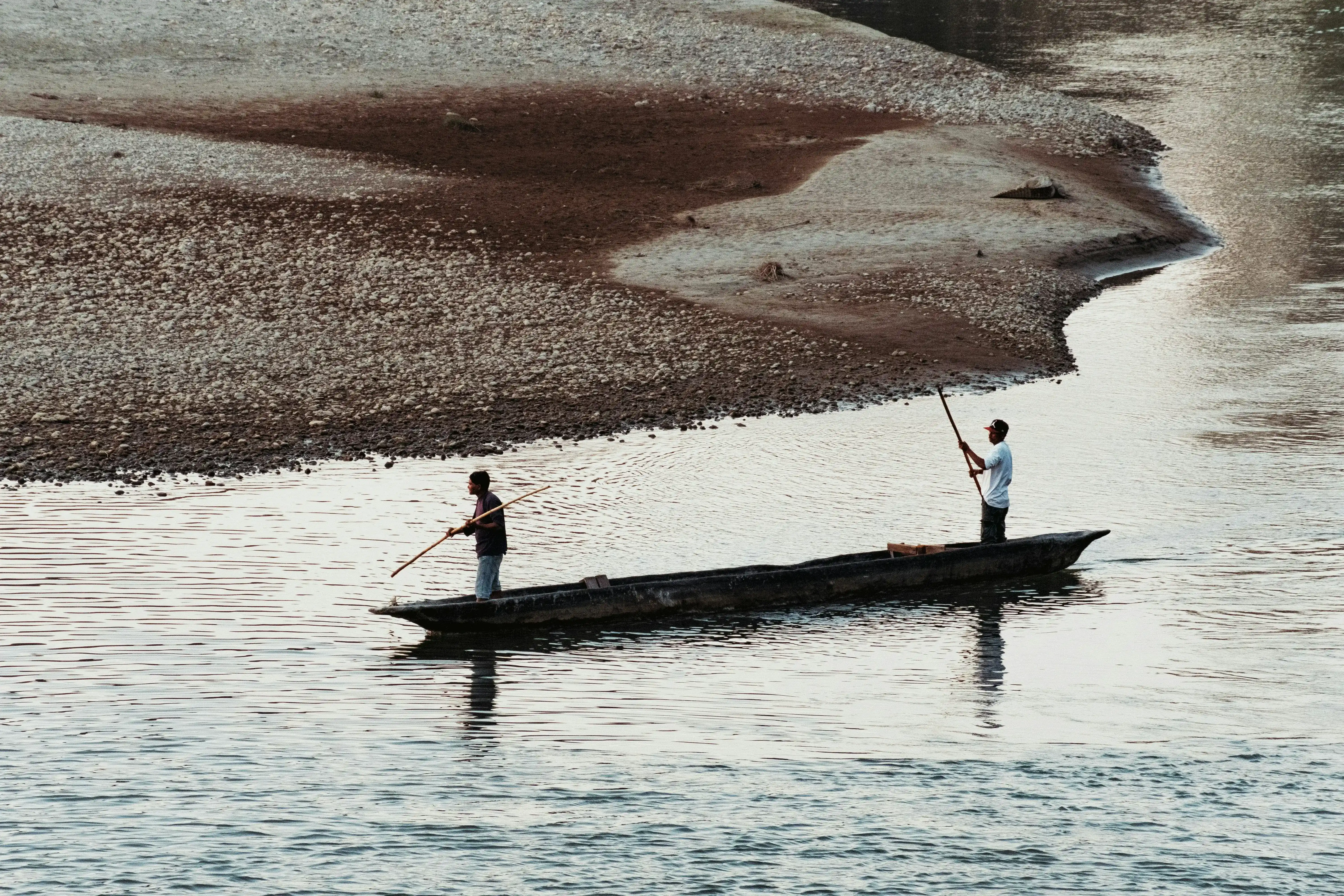
A standard two-day Chitwan itinerary includes a jeep safari into the park's core zone, a canoe ride on the Rapti River where you may spot gharial crocodiles and marsh muggers, a guided jungle walk with naturalist guides, and a visit to the elephant breeding center. The Tharu cultural program in the evening, with its stick dances and folk songs, offers a window into the indigenous culture of the Terai. Tharu villages, with their distinctive mud-walled houses and decorated courtyards, are worth exploring on foot or by bicycle.
Chitwan is also a birdwatcher's paradise, with over 540 recorded species. The great hornbill, the Bengal florican, and the giant kingfisher are among the highlights. Even if large mammals prove elusive, the birdlife alone makes a Chitwan safari worthwhile.
For travelers who want to extend the wildlife experience, the Nepal heritage and wildlife experience combines Chitwan with cultural sites for a longer, more immersive journey.
Pokhara: Days 5-7, Lakes and Mountains
From Chitwan, the Golden Triangle continues to Pokhara, a drive of about five to six hours that follows the Seti and Marsyangdi river valleys back into the hills. The approach to Pokhara is one of the most scenic drives in Nepal, with the Annapurna range growing larger on the horizon with every kilometer.
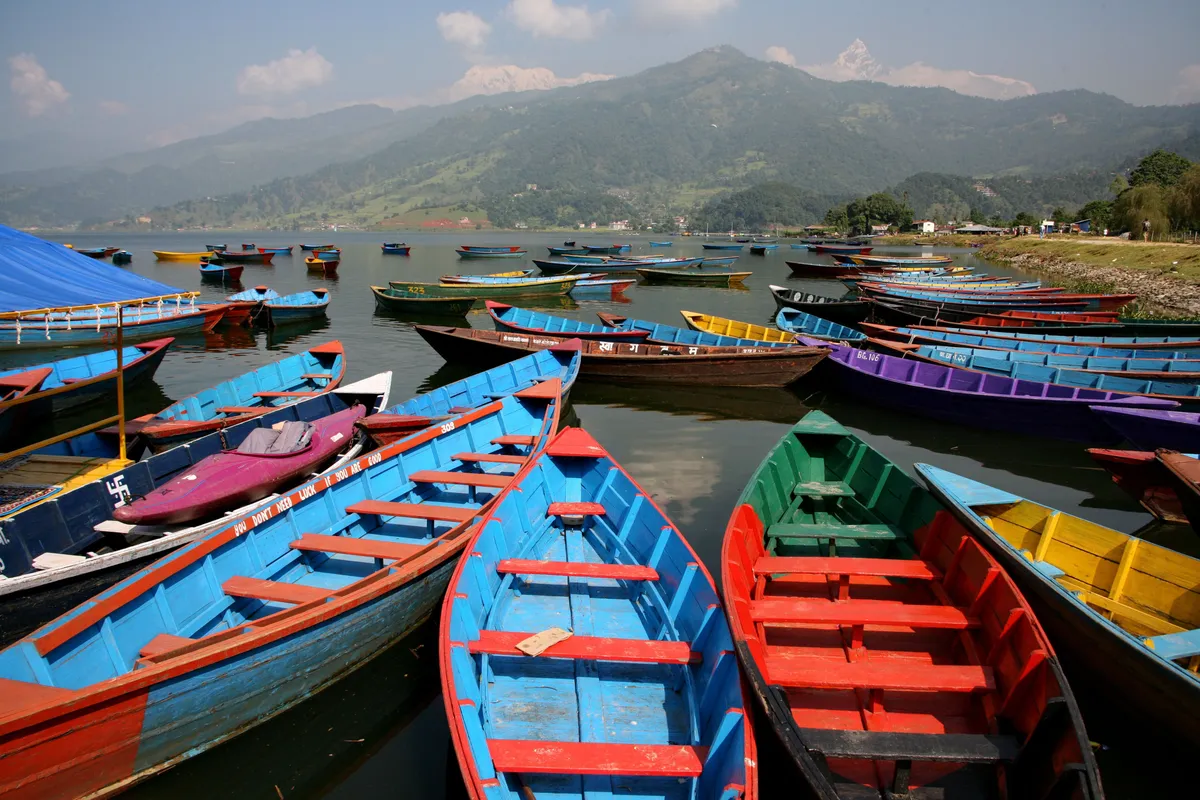
Pokhara is the scenic climax of the Golden Triangle. The city sits at 827 meters on the shore of Phewa Lake, with the Annapurna massif rising directly from the valley floor. The reflection of Machhapuchhre, the fishtail peak, in the still waters of the lake is one of the most photographed scenes in Nepal, and it never loses its power to astonish.
Day five begins with a sunrise trip to Sarangkot, a hilltop viewpoint at 1,600 meters that offers a panoramic view of the Annapurna range from Dhaulagiri in the west to Manaslu in the east. The sight of the first sunlight hitting the snow peaks is worth the early wake-up call. After breakfast, the day continues with a boat ride on Phewa Lake to the Tal Barahi Temple, followed by visits to Devi's Fall, the Gupteshwor Mahadev Cave, and the International Mountain Museum.
Day six is dedicated to the World Peace Pagoda and the surrounding hills. The hike up through the forest to the gleaming white stupa takes about 45 minutes, and the view from the top, encompassing Phewa Lake, Pokhara city, and the entire Annapurna range, is the best in the region. The afternoon can be spent exploring the Old Pokhara Bazaar, with its traditional Newari houses and the Bindhyabasini Temple, or simply relaxing at a lakeside cafe.
Day seven is the return journey to Kathmandu, either by road or by a 25-minute flight that offers a final, unforgettable view of the Himalayas. For those with more time, Pokhara is the trailhead for some of the world's finest treks, and the Nepal trekking planning guide can help you extend your journey into the Annapurna foothills.
How Much Does the Golden Triangle Nepal Tour Cost?
The price of a Golden Triangle Nepal tour is driven by four levers: the hotel category you choose in each city, private vehicle versus tourist bus for the intercity legs, whether you fly any leg instead of driving it, and the safari lodge category inside or beside Chitwan. Because operators bundle guiding, transfers, park permits and safari programs into a single rate, most travelers book the circuit as a package rather than piecing it together independently.
Accommodation is the biggest variable. Kathmandu and Pokhara offer everything from family-run guesthouses to boutique heritage hotels, and the same journey can shift category dramatically depending on where you sleep. In Chitwan, the choice between a lodge inside the park buffer zone and a hotel in Sauraha bazaar affects both comfort and the timing of your safari activities, since core-zone jeep safaris leave at fixed hours.
Transport is the second lever. Tourist buses between the three cities are the budget option, while a private car with a driver allows photo stops and detours. Domestic flights on the Kathmandu-Pokhara and Kathmandu-Bharatpur routes cut each leg to about 25 minutes, and many travelers fly one leg and drive the other. Entry tickets for the Kathmandu Valley monument zones and the Chitwan park fee are usually separate from the package rate, so budget for them explicitly.
Season also matters. October and November command peak pricing, while monsoon-season departures in June through early September come with significant discounts, offset by lower wildlife visibility and occasional road disruption. For an exact quote matched to your dates and hotel preferences, the 8-day Golden Triangle Nepal tour package page lists current inclusions, and our team prepares tailor-made pricing on request.
Why Is Eight Days the Ideal Length for This Tour?
The Golden Triangle Nepal tour is most commonly offered as an 8-day itinerary, and this duration hits a sweet spot. Two days in Kathmandu is enough to cover the essential UNESCO sites without exhaustion. Two days in Chitwan allows for a jeep safari, a canoe ride, a jungle walk, and a cultural evening. Two days in Pokhara covers the major viewpoints, the lake, and the peace pagoda. The remaining two days are travel days, which themselves offer scenic and cultural rewards.
Shorter versions of the tour exist, typically six days, but they require cutting one activity from each destination, and the pace can feel rushed. Longer versions, such as the Golden Triangle with Lumbini tour, add the birthplace of the Buddha for a 10 to 12-day itinerary that covers Nepal's cultural, natural, and spiritual highlights in a single journey.
The 8-day format also works well for travelers combining Nepal with other destinations. It fits neatly into a two-week vacation that might also include time in India, Bhutan, or Tibet. For those focused solely on Nepal, the Golden Triangle is an excellent introduction that can be extended with trekking, additional cultural sites, or a visit to Lumbini.
How Do You Travel Between the Golden Triangle Destinations?
Transportation between Kathmandu, Chitwan, and Pokhara is straightforward, with multiple options at different price points. The most common choice is a private vehicle, which offers flexibility for photo stops, meal breaks, and detours to points of interest. A private car or jeep with a driver costs more than public options but transforms the travel days from endurance tests into scenic journeys.
Tourist buses are the budget option. The Kathmandu-Chitwan and Chitwan-Pokhara routes are well served by air-conditioned tourist buses with scheduled rest stops. The journey is comfortable enough, though the roads can be rough in places, and the fixed schedule means you cannot stop for photos or spontaneous exploration.
Domestic flights are available for all three legs, with flight times of 20 to 30 minutes. Buddha Air and Yeti Airlines operate multiple daily flights on the Kathmandu-Pokhara and Kathmandu-Bharatpur (for Chitwan) routes. Flying saves time but sacrifices the scenic road journeys and the cultural encounters they offer. Many Golden Triangle tours use a mix of road and air travel, flying one leg and driving the others.
When Is the Best Time for the Golden Triangle Tour?
The Golden Triangle Nepal tour operates year-round, but the experience varies significantly by season. Autumn (October to November) is the peak season and for good reason: the weather is dry and mild, mountain views are at their clearest, and Chitwan's wildlife is easier to spot as animals congregate around water sources. The major festivals of Dashain and Tihar add cultural richness to the Kathmandu portion of the tour.
Spring (March to May) is the second-best season. Temperatures are warmer, especially in Chitwan where daytime highs can reach 35 degrees Celsius, but the rhododendrons are in bloom in the hills and mountain visibility remains good. The Chitwan grasslands are tall and green, making wildlife slightly harder to spot than in autumn, but the birdlife is at its most active.
Winter (December to February) brings cold mornings in Kathmandu and Pokhara but pleasant daytime temperatures. Chitwan is at its most comfortable in winter, with cool mornings ideal for jungle walks. Mountain views are often excellent, as the dry winter air minimizes haze. The monsoon (June to September) is the least favorable season: heavy rain can disrupt road travel, leeches are active on jungle walks, and mountain views are often obscured, though the landscape is lush and the parks are uncrowded.
Can You Add Trekking to a Golden Triangle Nepal Tour?
Yes, and Pokhara makes it easy. Because the city is the gateway to the Annapurna region, most travelers bolt a short trek onto the end of the triangle rather than the beginning. The Ghorepani Poon Hill trek adds four to five days, the Australian Camp hike adds two, and neither requires previous trekking experience, only reasonable fitness and a few spare days.
The Ghorepani Poon Hill route is the classic extension. You climb through rhododendron and oak forest to the village of Ghorepani, then wake before dawn for the short hike up Poon Hill, where the sunrise spreads across Dhaulagiri, Annapurna South, and Machhapuchhre. Teahouse lodging along the route means you carry only a daypack. If your schedule is tighter, the 7-day Khopra trekking adventure from Pokhara offers a quieter ridge-line alternative to Poon Hill with the same easy trailhead access.
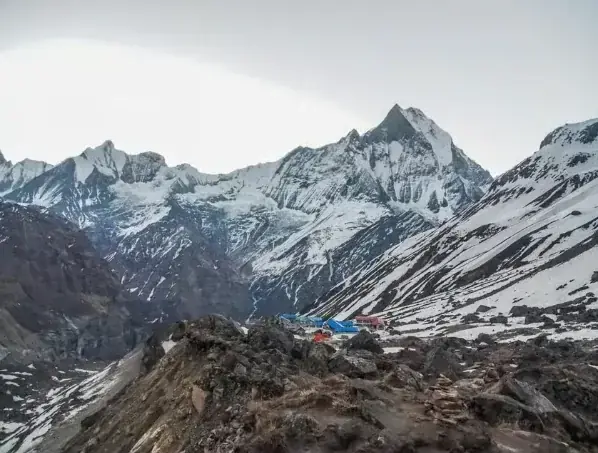
To combine the two, most travelers finish the standard triangle on day seven, stay in Pokhara, and start the trek on day eight before returning to Kathmandu by road or flight. You will need the Annapurna Conservation Area Permit and a TIMS card for the trekking extension, both of which are covered in our guide to short treks in Nepal. For full route comparisons, the complete guide to trekking in Nepal covers everything from choosing a route to selecting a reputable agency.
Is the Golden Triangle Nepal Tour Right for Families?
It is one of the best first-time Nepal itineraries for families. The pacing is gentle, no single day involves more than a few hours of walking, the Chitwan wildlife program is jeep-based rather than strenuous, and Pokhara adds boat rides, caves and easy hilltop walks that children remember for years. Most families with children aged six and up complete the circuit comfortably.
The variety is what keeps younger travelers engaged. In Kathmandu, the monkey colonies at Swayambhunath and the living workshops of Bhaktapur's artisan squares hold attention where museums cannot. In Chitwan, lodges design shortened jeep safaris and village bicycle rides for families, while canoe trips on the Rapti let children spot crocodiles from a safe distance. Pokhara's lakeside promenade, the Gupteshwor cave and the short forest hike to the World Peace Pagoda round out a week of genuinely child-friendly activity.
Timing matters for school-holiday planning. The October half-term and the spring break window both fall inside Nepal's two best travel seasons, which makes the triangle a realistic family holiday without pulling children out of school. Our guide to Nepal for families covers temple etiquette with children, health precautions for the Terai, and which sites hold kids' interest longest.

What to Pack for the Golden Triangle
Packing for the Golden Triangle requires versatility, as the three destinations have different climates and activity profiles. Kathmandu and Pokhara call for comfortable walking shoes, layers for cool mornings and warm afternoons, and modest clothing for temple visits. Chitwan requires neutral-colored clothing for wildlife viewing, long sleeves and pants for protection against insects and sun, a wide-brimmed hat, and binoculars.
A good pair of walking shoes is essential across all three destinations. In Kathmandu, you will be walking on uneven stone pavements. In Chitwan, you will be on forest trails. In Pokhara, you will be hiking to viewpoints. Sandals are fine for evenings but not for daytime activities.
Other essentials include sunscreen, insect repellent, a reusable water bottle, a headlamp or flashlight for Chitwan's evening walks, and a power bank for charging devices during long drives. A lightweight rain jacket is useful year-round, as mountain weather can change quickly even in the dry season.
How Does the Golden Triangle Connect to Nepal's Broader Heritage?
The triangle is a gateway rather than a complete picture. Kathmandu's monument zones open the story of Newar art and living ritual, Chitwan introduces the Terai's Tharu culture, and Pokhara anchors the old trade trails into the Annapurna highlands. Each corner of the circuit leads deeper into Nepal's cultural and spiritual geography, which is exactly why so many travelers use it as a first visit and return for more.
The Nepal cultural heritage tour guide provides a comprehensive overview of the country's temples, squares, and living traditions, helping you understand the cultural context of the sites you visit on the triangle.
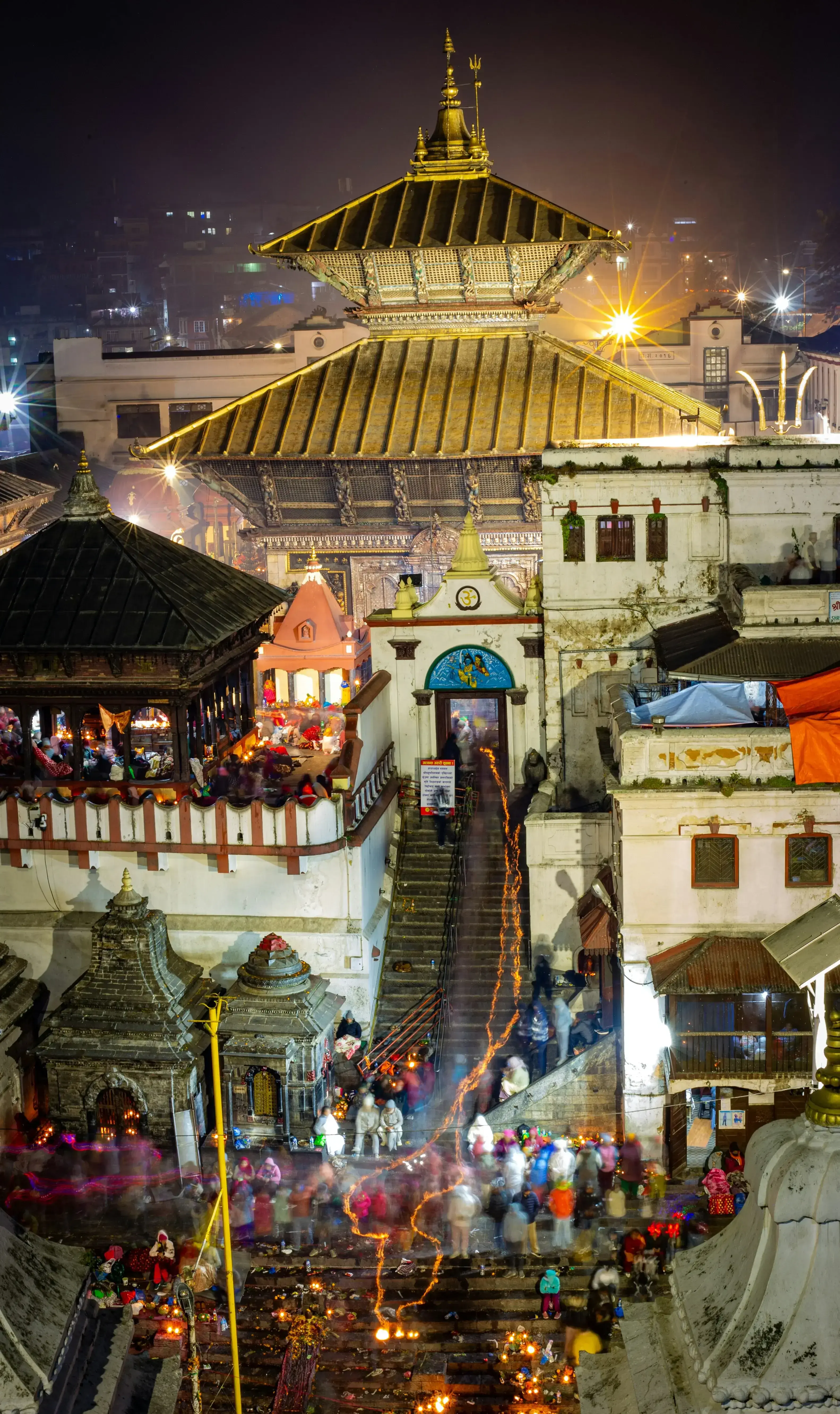
For travelers drawn to Nepal's spiritual dimensions, the spiritual tour in Nepal and the spiritual tour in Nepal 2026 guides explore the country's pilgrimage circuits and sacred geography in depth, and our complete guide to cultural and spiritual tours in Nepal maps heritage sites, pilgrimage routes and Himalayan practice across the whole country. The Kathmandu Valley alone contains enough temples and monasteries to fill weeks of exploration, and the Golden Triangle's two-day allocation is just an introduction.

For those interested in extending the wildlife component, the Nepal heritage and wildlife experience offers a longer, more immersive journey that combines Chitwan with cultural sites across the country. The 8-day Nepal highlights tour provides an alternative itinerary that covers similar ground with a different emphasis.
If the Golden Triangle has sparked an interest in Nepal's food culture, the guide to Nepali food and feasting traditions traces the dishes you will encounter from Kathmandu's Newari kitchens to the Tharu plates of the Terai. And for a deeper cultural immersion, the Nepal cultural scenic tour focuses specifically on the Kathmandu-Pokhara corridor, with more time for heritage sites and cultural encounters. The Sacred Valleys and Living Goddesses tour offers an even more immersive cultural journey through Nepal's spiritual heartland.