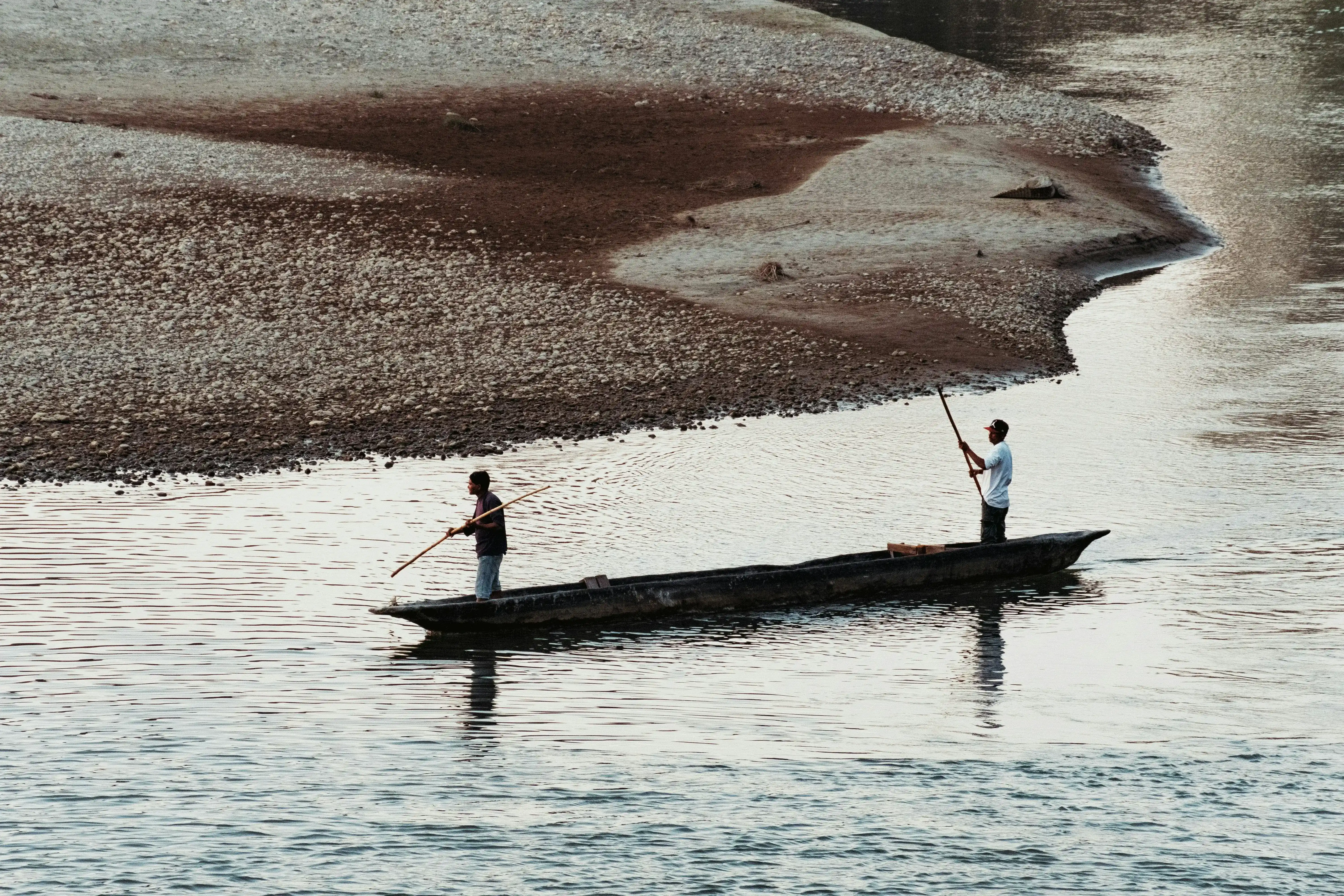
Nepal's Terai lowlands hold two great safari parks, and almost every traveler asks the same question: Bardiya or Chitwan? One is the country's most famous wildlife destination, a UNESCO-listed reserve reachable in an afternoon from Kathmandu. The other is the wild, quiet frontier where tiger trackers walk you through riverine grasslands few tourists ever see. Both protect one-horned rhinos, Bengal tigers, gharial crocodiles and hundreds of bird species, yet the experience of each is completely different. This guide compares them honestly across wildlife odds, costs, access, seasons and travel styles, so you can commit to the right jungle safari in Nepal with confidence.
Think of this as the head-to-head companion to our complete guide to Nepal's 13 national parks, and a focusing lens on our country-wide safari planning guide. If you have time for only one park, or you are deciding whether the long journey west is worth it, the comparison below settles it.
Why Compare Bardiya and Chitwan at All?
Because these two parks absorb the overwhelming majority of Nepal's safari demand, and they split that demand along a clear line: convenience against wildness. Chitwan delivers reliable wildlife with polished logistics, while Bardiya trades comfort for a rawer, quieter forest with arguably better big-cat odds per visitor. Choosing between them is really choosing between two different versions of Nepal.
Nepal's conservation story is concentrated in these two reserves. The 2022 national tiger census counted 355 tigers across the country, and nearly two-thirds of them live in and around Chitwan and Bardiya. Nepal's rhino recovery, from roughly 100 animals in the 1960s to more than 750 today, was built on the same two landscapes. Visit either and you are funding the front line of one of Asia's most successful wildlife comebacks. The question is which front line suits your trip.
Where Is Each Park and How Do You Reach It?
Chitwan sits in south-central Nepal, about 150 to 175 kilometres from Kathmandu: five to six hours by road, or a 25-minute flight to Bharatpur followed by an hour's drive to Sauraha. Bardiya lies in the far-western Terai near Nepalgunj, roughly 550 kilometres from the capital, reached by a one-hour flight to Nepalgunj plus a two to three hour drive to Thakurdwara, or a very long overland journey.
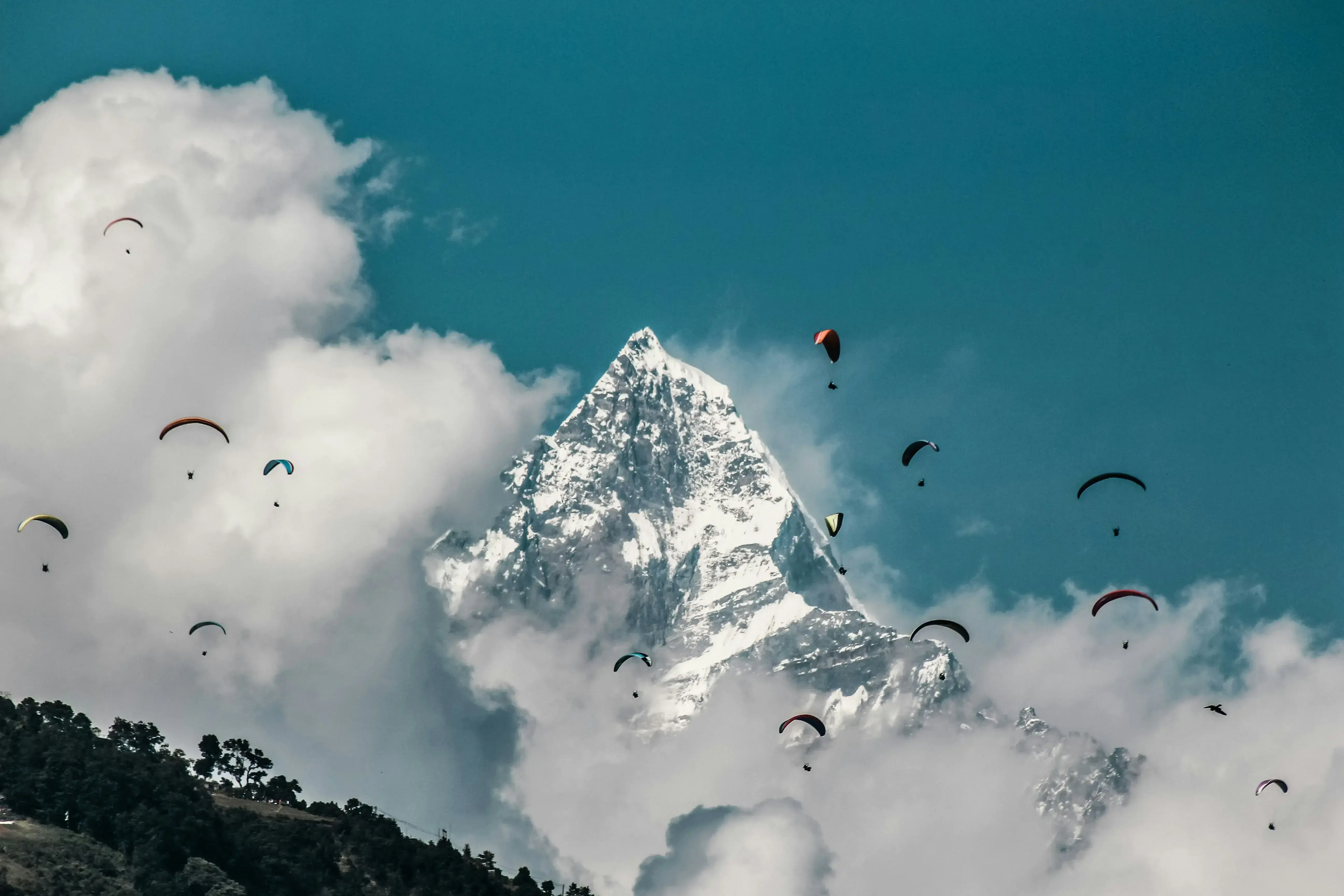
That access gap is the single biggest practical difference between the parks. Chitwan slots into almost any Nepal itinerary: you can leave Kathmandu after breakfast, take an afternoon canoe safari, and be back on the Pokhara or Lumbini route two days later. Bardiya demands commitment. The flight to Nepalgunj is spectacular, crossing the full snow-arc of the western Himalaya, but weather delays happen, especially in the pre-monsoon haze of March and April. Overland travel between the parks is possible via the Mahendra Highway, roughly a full day of driving through the Terai. Our complete guide to planning travel in Nepal covers the routing logic in detail; the short version is that Chitwan rewards short itineraries and Bardiya rewards travelers with a week or more.
Two Different Wilds: Landscape and Habitat
Chitwan National Park protects 952 square kilometres of subtropical riverine forest, sal woodland and elephant grass between the Rapti and Narayani rivers, studded with ox-bow lakes that pull wildlife to predictable waterholes. Its terrain is gentle and enclosed: you safari through forest corridors where animals appear at close range, often framed by water.
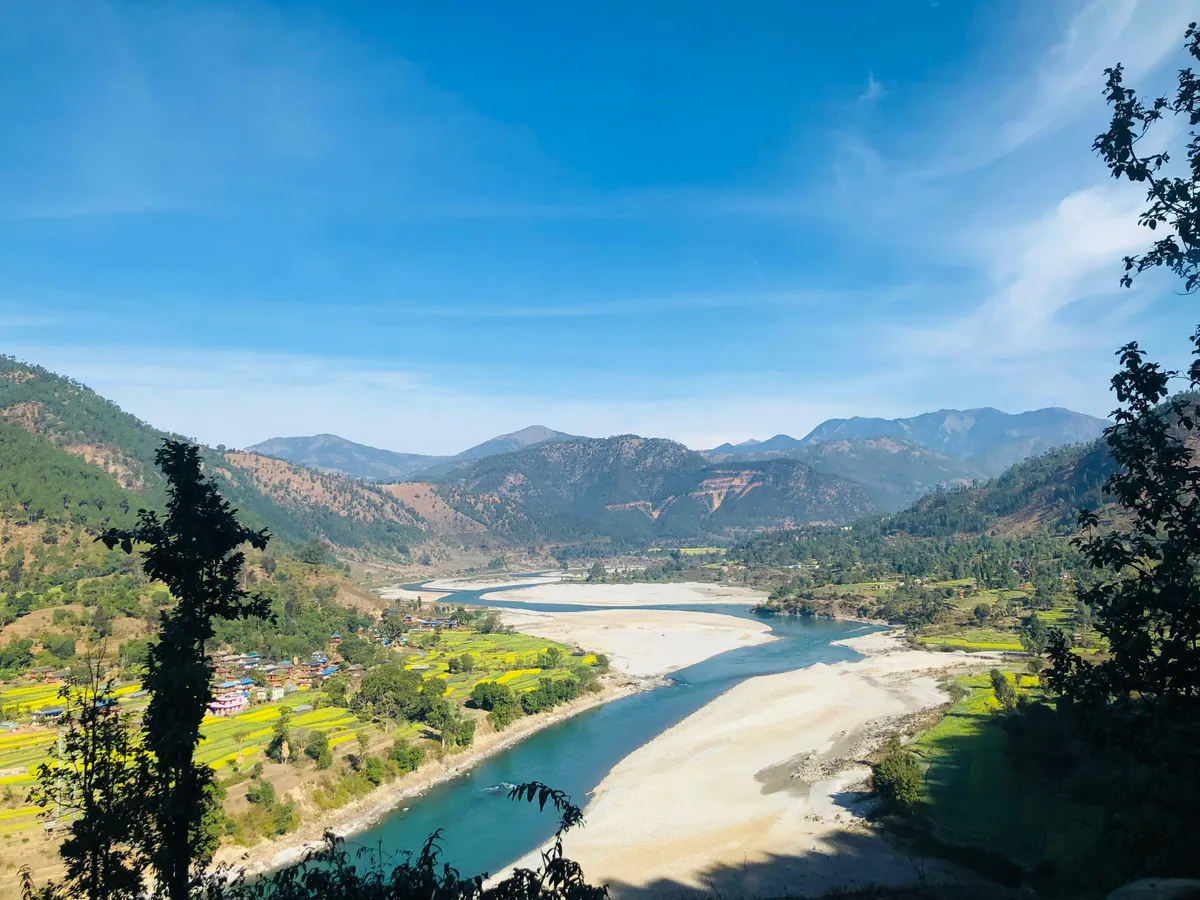
Bardiya National Park, first protected in 1976 as the Karnali Wildlife Reserve and upgraded to a national park in 1988, spreads 968 square kilometres along the Karnali, Nepal's longest river, and the wide Babai valley. Its landscape is more open: vast alluvial grasslands and river terraces where you can watch a tiger walk a gravel bar a kilometre away. The habitat difference shapes everything else, from sighting styles to photography. Chitwan is a forest park you move through; Bardiya is an arena you watch. The Chitwan park region and the Bardiya region pages on our site map both areas with travel notes.
Which Park Gives You Better Tiger Odds?
Per visitor, Bardiya probably does. The 2022 census counted around 128 tigers in the Chitwan complex and about 125 in Bardiya, near-equal populations, but Bardiya receives a fraction of the visitors, so each safari faces less competition for each sighting. Bardiya's trackers also specialize in interpreted foot searches for tigers, which Chitwan's busier zone rules restrict.
Chitwan's tiger sightings, when they come, are often vehicle-based and sometimes crowded, with multiple jeeps converging on one animal. Bardiya's are typically solitary affairs: a family or small group on foot with a veteran guide reading pug marks, or alone in a jeep on an empty riverbank. Guides and repeat wildlife travelers consistently argue that Bardiya offers Nepal's best tiger odds per day spent, and several consecutive days of searching raise your chances further. The honest counterpoint: nothing is guaranteed anywhere, and plenty of Bardiya trips end without a tiger. But if tigers are the point of your journey and you can afford the time, the west is where serious cat hunters go.
Which Park Is Better for Rhinos and Elephants?
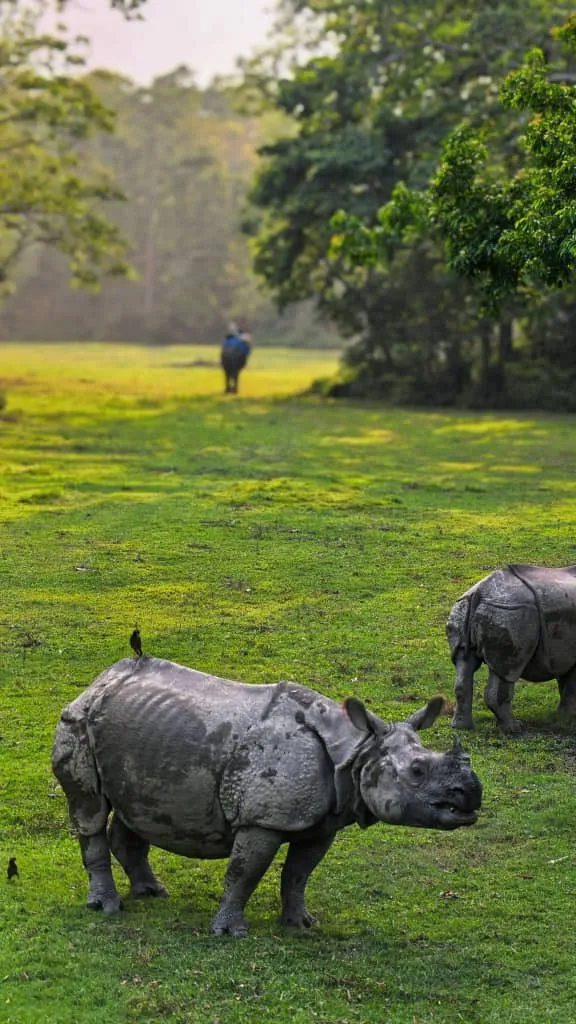
Chitwan, decisively. Nepal's 2021 rhino census found nearly 700 one-horned rhinos in the Chitwan complex, against a small reintroduced population of around three dozen in Bardiya. In Chitwan a rhino sighting is close to a certainty on any full day; in Bardiya it is a genuine bonus.
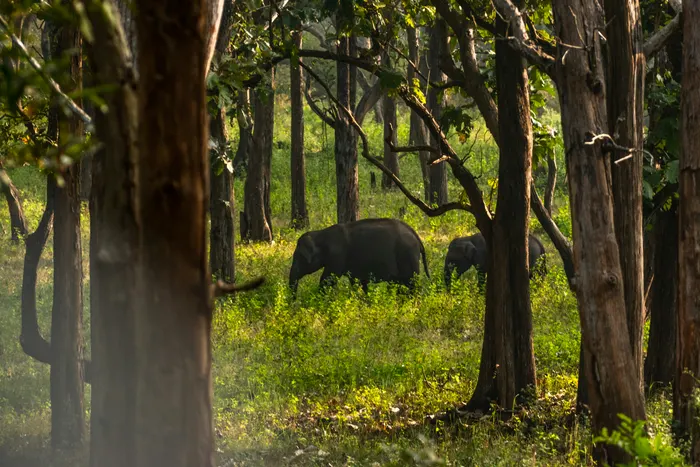
Chitwan rhinos graze the Sauraha grasslands and wallow in the Rapti bends so predictably that canoe safaris drift within metres of them, and the park's famous walking safaris regularly encounter them at respectful distance with an armed guide. Bardiya's rhinos, descendants of animals translocated from Chitwan since the 1980s, keep to dense riverine thickets where finding one feels like a private discovery. Wild elephants swing the comparison the other way: Bardiya hosts resident herds that roam the Karnali floodplain, while Chitwan's elephants are mostly seen at ethical observation sites rather than roaming free in view. Serious mammal listers often choose Bardiya for that combination of tigers and wild elephants.
Which Park Is Better for Birds and Other Wildlife?
Chitwan edges the pure species count with more than 540 recorded birds, but Bardiya wins on specialist grassland birds like the Bengal florican and adds Ganges river dolphins in the Karnali. For a single-site bird list in a short trip, Chitwan; for rare Terai specialists and river life, Bardiya.
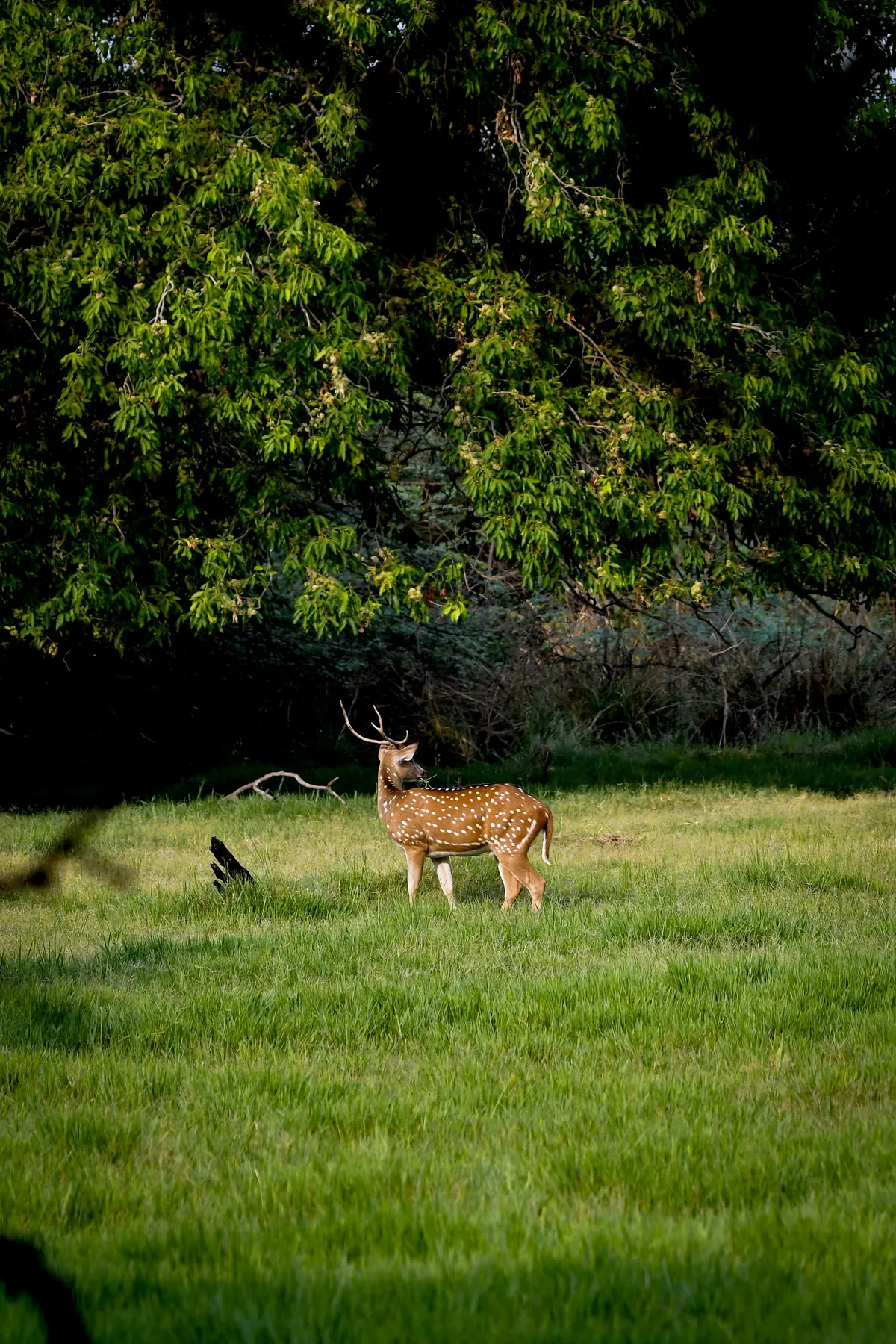
Chitwan's winter birding is among the finest in South Asia: migratory waterfowl crowd the ox-bow lakes, and our guide to bird watching in Nepal covers the best season windows in depth. Bardiya answers with sarus cranes in the grasslands, fishing eagles along the Karnali and a real chance of the critically endangered florican displaying in spring. Both parks shelter gharial and marsh mugger crocodiles, sloth bears, leopards, wild dogs and swamp deer such as the handsome barasingha. If your safari is really a birding trip with mammals attached, consider booking the dedicated bird watching activity in whichever park you choose, and note that Bardiya's quieter trails make listening-based birding far easier.
How Much Does Each Safari Cost in 2026?
Budget roughly NPR 6,000 to 12,000 per person per day for either park, all-in, with Chitwan slightly cheaper per day thanks to intense lodge competition and Bardiya slightly higher because most stays are full-board eco-lodge packages. Chitwan's entry fee is about NPR 2,000 per person per day for foreign visitors; Bardiya's official fees run lower, but rates change, so confirm current figures when booking.
Chitwan's cost structure is transparent and competitive. Jeep safaris run about NPR 3,500 to 5,000 per vehicle shared among up to seven travellers, canoe trips about NPR 500 to 800 per person, and guided walks NPR 1,000 to 1,500, on top of entry. Budget guesthouses in Sauraha start under USD 30 while luxury lodges in the Meghauli corridor run several hundred dollars. Bardiya's small cluster of lodges around Thakurdwara mostly sells full-board packages with included activities, which simplifies planning and typically lands mid-range on price. The flight to Nepalgunj adds cost, roughly comparable to the Bharatpur flight plus shorter transfers. Whichever park you pick, the same rule from our trek budgeting advice applies to the Terai: carry a 15 percent margin, and confirm every fee when you book.
When Is the Best Time to Visit Each Park?
October to March is the comfortable peak for both parks, and March to May is the specialist's season, when heat concentrates wildlife at water and tiger sightings peak. The crucial difference is the monsoon: Chitwan keeps operating with reduced buffer-zone options, while Bardiya effectively closes from mid-June to late September.
Winter, November through February, brings cool mornings, green forest, peak birding with migrants, and easy rhino viewing in Chitwan. As the pre-monsoon builds from March, grasses burn or are cut back, waterholes shrink, and both parks produce their best big-cat sightings at the cost of 38-degree afternoons. If Bardiya is in your plans, schedule around its monsoon closure; a September trip can still work in Chitwan's reopening zones, but the far west needs to wait. Photographers who want tigers on open ground usually target Bardiya in late February to mid-April, when the grass is low and the light is clean.
Which Park Fits a Short Two or Three Day Trip?
Chitwan, almost every time. Two nights in Sauraha gives you a full day of jeep, canoe and walking safaris plus a village evening, with travel days absorbed by short transfers. Bardiya needs three to four nights on the ground to justify its travel cost, because arrival day is mostly logistics and the tiger search rewards patience.
The arithmetic is simple. On a two-night Chitwan trip you can fit four or five activities between arrival and departure. On a two-night Bardiya trip you spend one full day travelling in each direction, and weather delays on the Nepalgunj flight can cost another half day. Our Chitwan safari planning guide with 2026 fees and zones shows exactly how to compress the park into 48 focused hours. If your Nepal window is a classic 8 to 12 days covering Kathmandu, Pokhara and one safari stop, Chitwan is the natural fit. If your trip is a deep, wildlife-first itinerary of two weeks or more, Bardiya stops being a detour and becomes the centrepiece.
Which Park Works Better for Families and First Timers?
Chitwan is the gentler introduction: short activity blocks, easy medical access, a wide range of lodges and near-certain rhino sightings keep younger travelers engaged. Bardiya suits families with older children who can handle longer walks and the patience a wilder park demands.
First-time safari goers consistently report Chitwan as the confidence-builder. The canoe ride past crocodiles, a jeep afternoon with a rhino at every waterhole, and Tharu cultural evenings give children and nervous first-timers a structured, rewarding rhythm. Bardiya rewards a different temperament: quiet lodges, naturalist guides, long interpretive walks and the thrill of tracking without guarantees. Families who have already safari'd in India or Africa often find Chitwan too familiar and choose Bardiya precisely for its untamed pace. For either park, book through an operator who matches lodge style to your group; that matchmaking conversation is exactly what our team does when you plan a trip with us.
Photography: Rivers, Grasslands and Golden Light
Chitwan photographs like a storybook: rhinos half-submerged at dusk, mist on the Rapti at dawn, gharial basking in slanted light, and forest frames that flatter a 70-200mm lens. The density of animals means volume, and the canoe safari is one of Nepal's great low-angle wildlife shoots.
Bardiya photographs like a documentary. The open Karnali and Babai terraces give clean, uncluttered backgrounds for tigers and elephants, and low grass in spring means full-frame cats rather than ear tips above the elephant grass. Serious wildlife photographers, including the field researchers who catalog Nepal's tigers, work Bardiya for exactly this reason. In both parks, the light rule is identical: be out in the first 90 minutes and the last hour, raise your ISO under the sal canopy, and let your guide position the vehicle with sun behind you. A 300mm or a strong superzoom covers nearly everything the Terai offers.
Conservation and Community: Where Your Fees Go
Both parks channel a significant share of entry revenue into buffer-zone community forests and user groups, which is the quiet engine behind Nepal's rhino and tiger recovery. The visible difference is scale: Chitwan's community network is vast and battle-tested, while Bardiya's smaller tourism economy means each visitor's contribution is proportionally larger.
That economic logic matters. In Chitwan, Tharu villages around Sauraha have two generations of tourism experience, and the choices you make about community-owned lodges and guides reinforce it, a theme we develop in our guide to responsible travel in Nepal. In Bardiya, the lodges around Thakurdwara are mostly small, locally-run operations whose entire year can hinge on a season of visitors, so a well-chosen stay is direct conservation finance. Pairing a safari with the cultural depth of the Terai also opens the door to the wider traditions of the region, which our guide to cultural and spiritual travel in Nepal places in context. Either park leaves your money exactly where the wildlife needs it.


Can You Visit Both Parks on One Trip?
Yes, and the combination is superb: allow 10 to 14 days, route Kathmandu to Chitwan overland, drive west with a Lumbini stop, then take the Nepalgunj flight into Bardiya, or reverse it. The two parks complement rather than duplicate each other, and the contrast is the point.
The classic routing runs Kathmandu, two or three nights in Chitwan, a half-day drive west via Lumbini for the Buddha's birthplace gardens, then on to Bardiya for three or four nights before flying home from Nepalgunj. You get Chitwan's polished certainty, a pilgrimage interlude that resets your eye, and Bardiya's wild finale. If planning two safari stops feels heavy, our combined Nepal heritage and wildlife experience packages the highlights into one guided arc, and April or November is the sweet spot when both parks are open and dry. Travelers who do both almost always say Bardiya was the surprise they would not cut.
The Head-to-Head Summary at a Glance
For those who want the decision compressed, this table holds the whole comparison. Read it after the sections above, not instead of them: numbers describe parks, but your dates, budget and travel style pick between them.
| Factor | Chitwan | Bardiya |
|---|---|---|
| Tigers (2022 census) | About 128; sightings shared across more visitors | About 125; best per-visitor odds in Nepal |
| Rhinos | Nearly 700; sightings near-certain | Around three dozen; a lucky bonus |
| Birds | 540+ species, superb winter birding | 400+ with florican and river specialists |
| Access from Kathmandu | 5 to 6 hours by road or short flight | 1-hour flight to Nepalgunj plus 2 to 3 hours by road |
| Nights needed | 2 to 3 | 3 to 4 |
| Crowds | Busy in peak season | Quiet year-round |
| Monsoon (Jun to Sep) | Open with reduced options | Effectively closed mid-June to late September |
| Daily budget 2026 | NPR 6,000 to 12,000 per person | Similar, mostly full-board packages |
| Best for | First safari, families, short itineraries | Wildlife focus, photographers, longer trips |
A Simple Decision Guide: Choose Your Park
Choose Chitwan if your trip is under ten days, if this is your first safari, if you are traveling with young children, or if near-certain rhinos and a rich bird list matter more than a slim chance of a tiger alone. Choose Bardiya if you have twelve days or more, if you have safari'd before, if tiger odds per day are the mission, or if wilderness without crowds is why you travel.
Then commit properly. Half-decided itineraries dilute both parks: the traveler who reaches Bardiya with one night spare, exhausted, sees less than they would in a well-paced Chitwan stay. Pick your park, give it the nights it deserves, and let the other one anchor your next Nepal trip. The Terai is not going anywhere, and neither are its tigers.
Still weighing Bardiya against Chitwan? Send us your dates, group size and wildlife priorities through the contact page, and we will match you with the right park, lodge and season, or build the two-park itinerary that does justice to both.