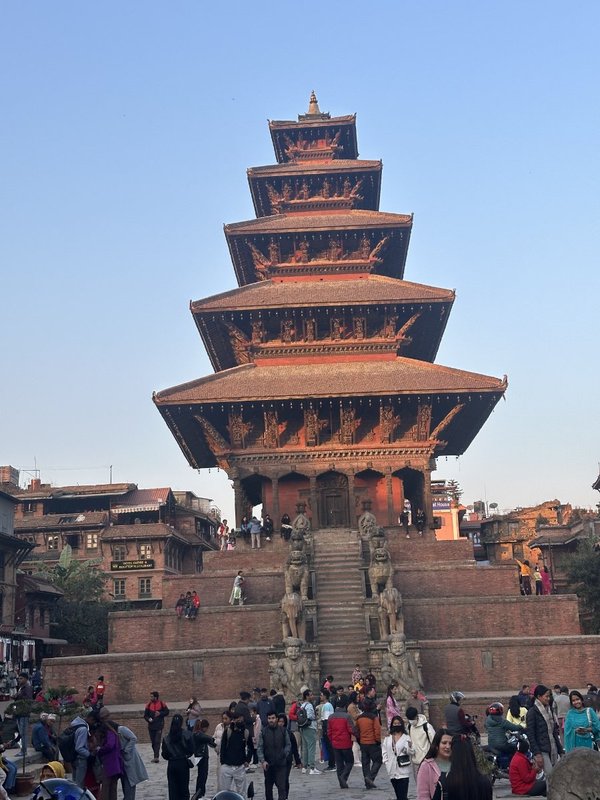
Nepal is more than the sum of its mountains. It is a country of 125 ethnic groups, 123 languages, and thousands of villages where life moves at the rhythm of the seasons. For decades, tourism in Nepal meant trekking to Everest Base Camp or touring the Durbar Squares of Kathmandu. But a quieter, more meaningful way to travel has been growing steadily: community tourism, where visitors stay in village homestays, eat meals cooked by local families, and contribute directly to the economy of the places they visit.
Responsible tourism in Nepal is not a niche. It is the future of travel in the Himalayas. In this guide, we cover everything you need to know about community-based tourism in Nepal in 2026 and 2027: what it is, where to go, how to choose ethical operators, and how your trip can genuinely benefit the communities that welcome you.
What Is Community Tourism in Nepal?
Community tourism, sometimes called community-based tourism (CBT), is a model where local communities own, manage, and benefit from tourism activities. Instead of a large hotel chain or an outside trekking company capturing most of the revenue, the money you spend on accommodation, food, guides, and activities stays in the village.
In Nepal, community tourism takes many forms. It can be a homestay in a Gurung village in the Annapurna foothills, a Tamang cultural experience in the Langtang Valley, a Tharu village tour in the Terai, or a volunteer day planting trees on the hills above Kathmandu. What unites these experiences is a simple principle: the traveler is a guest, not just a customer, and the host community sets the terms.
The Nepal Tourism Board has actively promoted community homestay networks since the early 2000s, and today there are registered community homestay programs in more than 40 districts. The model works. A 2024 study by the NTB found that villages with active homestay programs saw average household income rise by 18 to 25 percent within two years of launching, with women managing over 60 percent of homestay operations.
Why Responsible Tourism Matters in Nepal
Nepal welcomed over 1.1 million international visitors in 2025, and the numbers are climbing. Tourism contributes roughly 7 percent of GDP and supports over a million jobs. But the benefits have historically been concentrated in a handful of urban centers and along the most popular trekking routes. Villages just a few kilometers off the main trail often see no economic benefit from the trekkers walking past their fields.
Responsible tourism aims to change that. By choosing community-based experiences, you help spread tourism income to rural areas, support cultural preservation, and create incentives for environmental conservation. When a village earns income from visitors who come to see its forests and wildlife, it has a direct economic reason to protect those resources.
There is also a cultural dimension. Nepal's ethnic diversity is one of its greatest assets, but many traditional crafts, languages, and rituals are fading as young people migrate to cities or abroad for work. Community tourism creates dignified, local employment that makes it viable for families to stay in their villages and keep their traditions alive.
Where to Experience Community Tourism in Nepal
The Annapurna Community Homestay Network
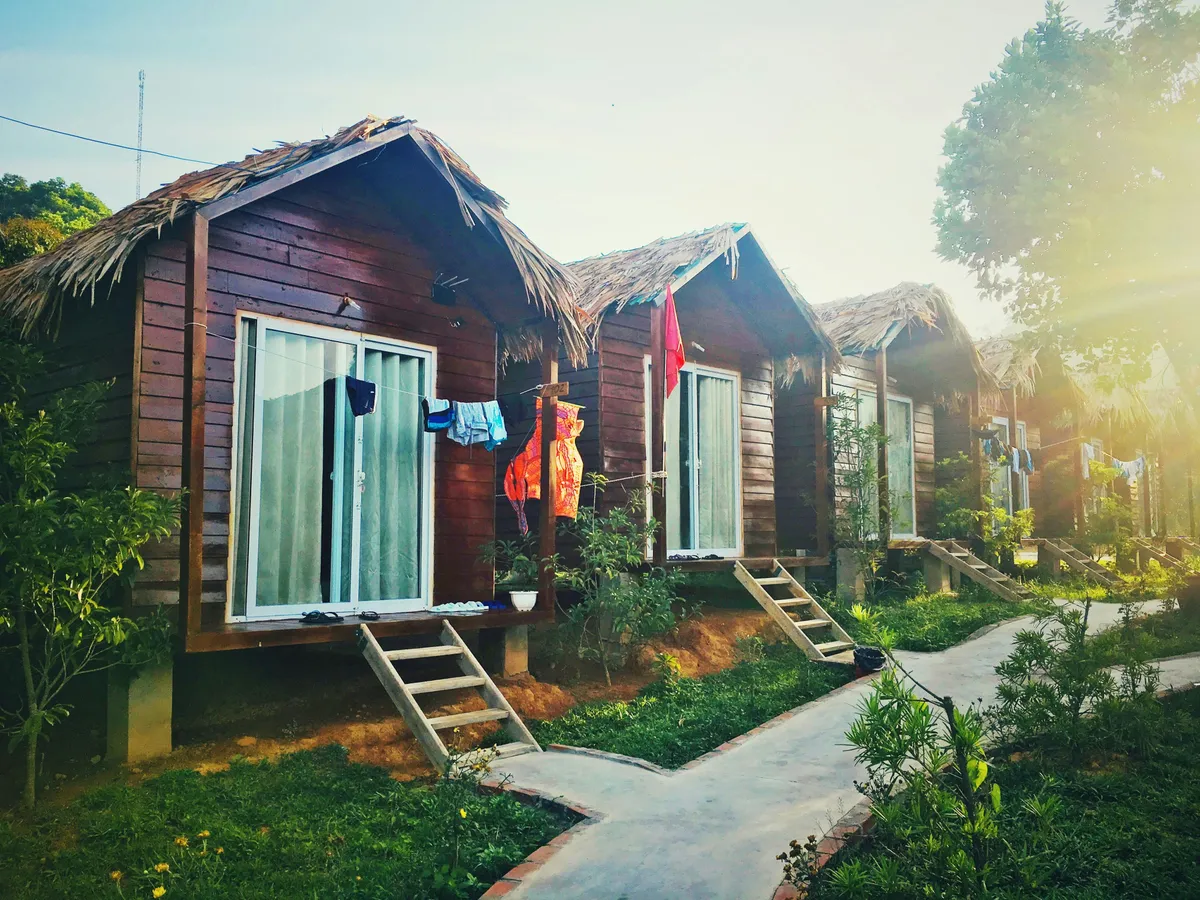
The Annapurna region is the birthplace of community tourism in Nepal. Villages like Ghalegaun, Panchase, and Sirubari have been running homestay programs for over 20 years. In Ghalegaun, a Gurung village perched on a ridge with panoramic views of the Annapurna and Manaslu ranges, visitors sleep in traditional stone houses, eat dal bhat with the family, and wake up to roosters and mountain light. The village has won international awards for its community tourism model, and the income has funded a local school, a health post, and trail maintenance.
Panchase, a quieter alternative above Pokhara, offers homestays with Brahmin and Gurung families along a forested ridge that connects to the Panchase Lake, a sacred site for both Hindus and Buddhists. The trek from Panchase to the World Peace Stupa above Pokhara is one of the most underrated short walks in Nepal, and staying in village homestays along the way turns it into a cultural immersion rather than just a hike.
Langtang and the Tamang Heritage Trail
The Langtang region, just north of Kathmandu, is home to the Tamang people, whose culture blends Tibetan Buddhism with ancient shamanic traditions. The Tamang Heritage Trail, developed after the 2015 earthquake as a community-led recovery project, takes trekkers through villages like Briddim, Gatlang, and Tatopani, where homestays are the only accommodation option. You sleep in Tamang homes, eat locally grown food, and learn about traditional crafts like wool weaving and thangka painting.
This is one of the best examples of tourism directly funding post-disaster recovery. The 2015 earthquake devastated Langtang, and the community homestay network was rebuilt by the villagers themselves with support from Nepali NGOs and international donors. Today, trekking the Tamang Heritage Trail is one of the most meaningful ways to experience the Nepal Himalaya while directly supporting families who lost everything and rebuilt.
The Kathmandu Valley Rim
You do not need to trek for days to experience community tourism. The hills around Kathmandu are dotted with villages that offer homestays and cultural experiences within an hour or two of the city. Nagarkot, Dhulikhel, and Namobuddha all have community-run guesthouses and homestay programs. The short treks near Kathmandu are ideal for travelers who want a taste of village life without committing to a multi-day expedition.
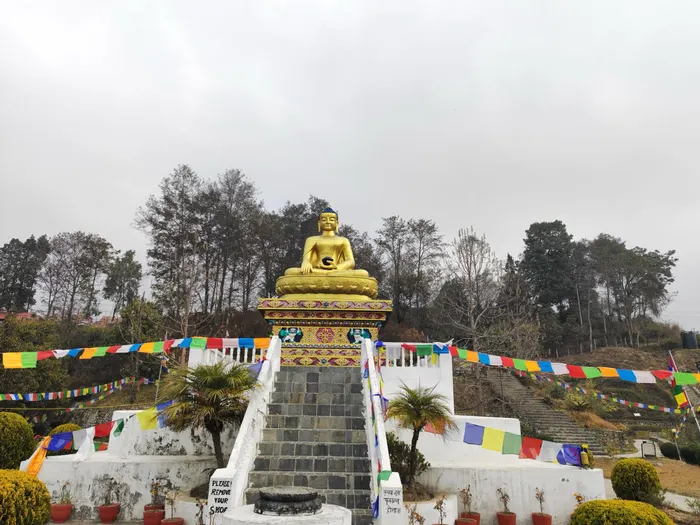
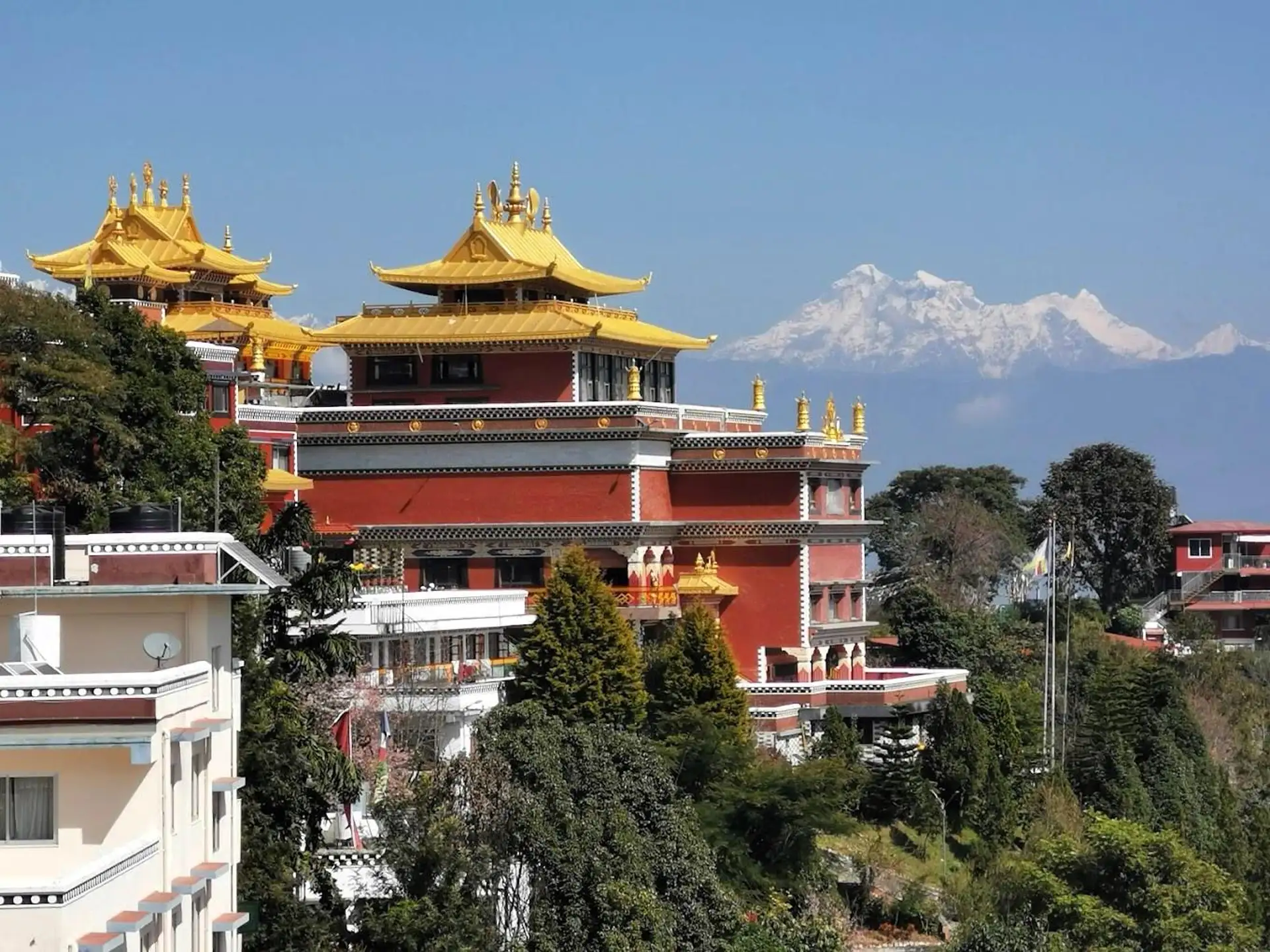
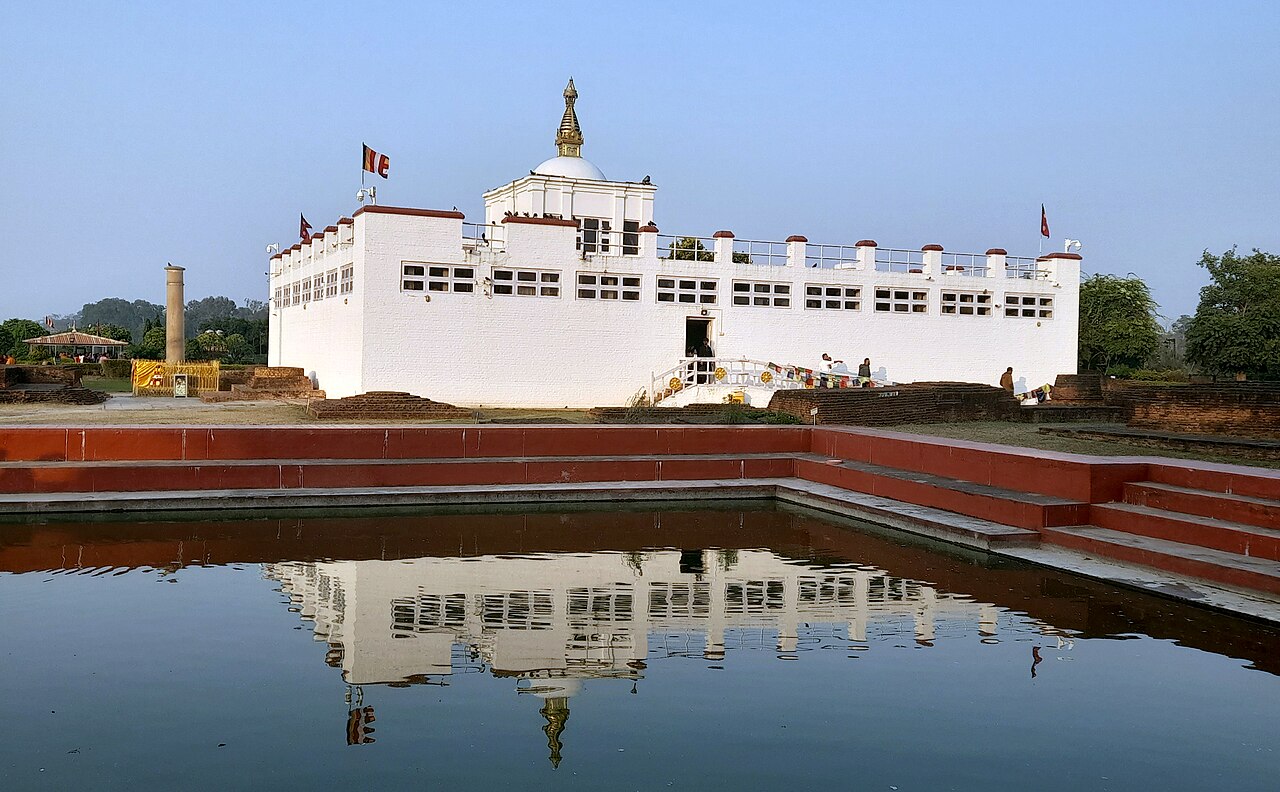
Namobuddha, a sacred Buddhist site where legend says a prince fed himself to a starving tigress, has a thriving community of homestays run by local families. The spiritual hike to Namobuddha combines cultural immersion with one of the most serene landscapes in the Kathmandu Valley.
The Terai and Tharu Village Tourism
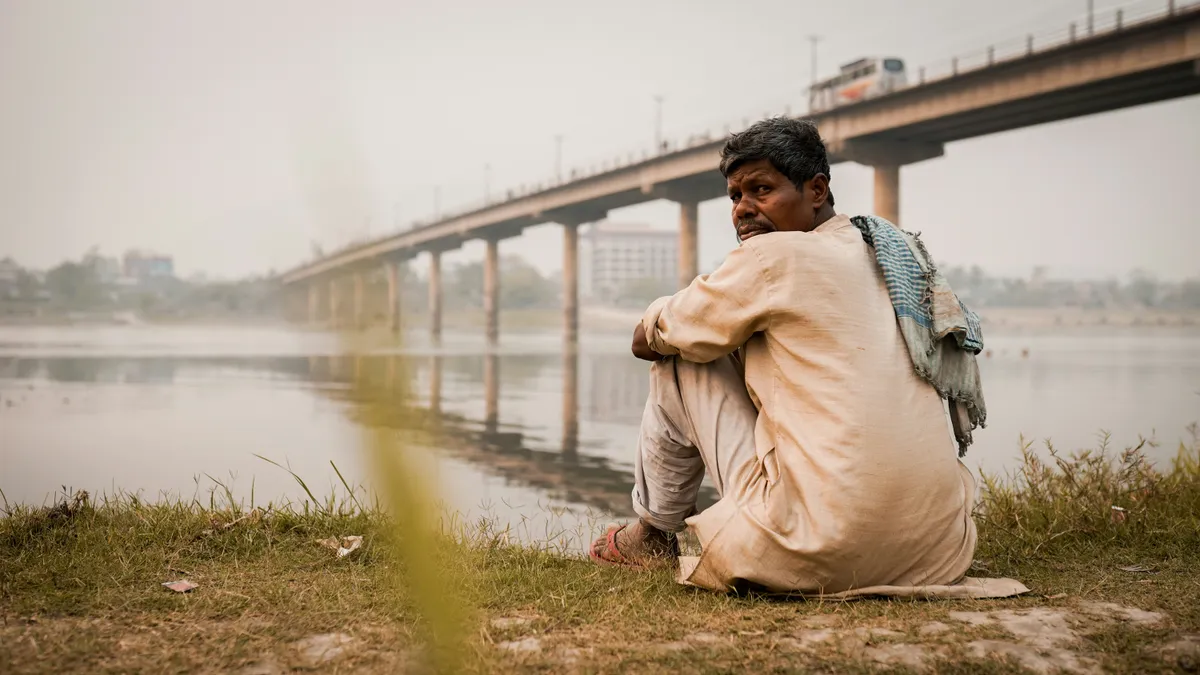
In the southern plains, the Tharu people have developed community homestay programs around Chitwan and Bardia National Parks. Tharu culture is distinct from the hill and mountain cultures of Nepal: their homes are built of mud and thatch, their cuisine features freshwater fish and rice, and their dances and festivals reflect a deep connection to the forest. Staying in a Tharu homestay near Chitwan gives you access to village walks, ox-cart rides, and traditional meals, with a portion of the fee going directly to the community conservation fund that protects the park's rhinos and tigers.
How to Choose an Ethical Tour Operator in Nepal
Not every company that uses the words "community" or "responsible" in its marketing is genuinely ethical. Here is a practical checklist for choosing a tour operator or trekking agency that genuinely supports communities:
- Local ownership: Is the company Nepali-owned and operated? Does it employ local guides, porters, and staff at fair wages? The best trekking agency in Nepal will be transparent about its hiring practices and porter welfare policies.
- Community partnership: Does the operator have direct partnerships with specific villages or homestay networks, or does it just drop the word "community" into its brochure? Ask for the names of the villages and families they work with.
- Porter and guide welfare: Are porters provided with adequate clothing, footwear, insurance, and a fair load limit? The International Porter Protection Group recommends a maximum of 25 kg per porter. Ethical operators follow this standard and are happy to tell you about it.
- Environmental practices: Does the operator have a policy on plastic waste, campfire use, and trail cleanliness? Many community tourism programs include a "carry in, carry out" policy and contribute to local trail maintenance.
- Transparency on pricing: A responsible operator will tell you exactly how much of your trek or tour fee goes to the local community. If they cannot or will not answer that question, that is a red flag.
The Economics of Community Tourism: Where Your Money Goes
One of the most common questions travelers ask is: "Does my money actually reach the community?" The answer depends on how you book. When you book a homestay directly through a community network, typically 70 to 80 percent of the fee stays in the village. The remainder covers marketing, training, and network administration. When you book through a responsible tour operator, the split varies but should be transparent. A good operator will tell you that, for example, 30 percent of your trek fee goes to guide and porter wages, 20 percent to village homestays and meals, 15 percent to permits and park fees, and the rest to transport, equipment, and company overhead.
Compare this to a standard package tour where the village might see only the price of a cup of tea while the bulk of the revenue flows to a hotel chain in Kathmandu or an international booking platform. The difference is not small. A two-week Annapurna trek booked through a community-focused operator can put $200 to $400 directly into village households. For a family in rural Nepal, that is a meaningful sum: it can cover a child's school fees for a year, buy a new water filter, or fund the materials to repair a roof before the monsoon.
Volunteering and Giving Back: What Actually Helps
Voluntourism is a loaded word, and for good reason. Well-intentioned travelers have sometimes done more harm than good by taking jobs that locals could do, creating dependency, or engaging in short-term projects with no lasting impact. In Nepal, the most effective way to give back is usually not through formal volunteering but through the choices you make as a traveler: hiring local guides, eating at locally owned restaurants, buying crafts directly from artisans, and choosing community homestays over chain hotels.
That said, there are responsible volunteer opportunities in Nepal for those who have the time and skills. Tree planting and reforestation projects on the Kathmandu Valley rim are one example: the hills around the city have been heavily deforested, and community-led replanting programs welcome volunteers for day trips or multi-day stays. The key is to work with organizations that are led by Nepalis, have a long-term presence in the community, and can demonstrate measurable results.
If you are short on time, even small actions matter. Buy your trekking snacks from a village shop rather than a supermarket in Kathmandu. Tip your porter and guide fairly. Learn a few words of Nepali: "namaste" (hello), "dhanyabad" (thank you), and "mitho cha" (it is delicious) go a long way. Respect local customs: dress modestly, ask before taking photographs of people, and remove your shoes before entering homes and temples.
Environmental Responsibility on the Trail
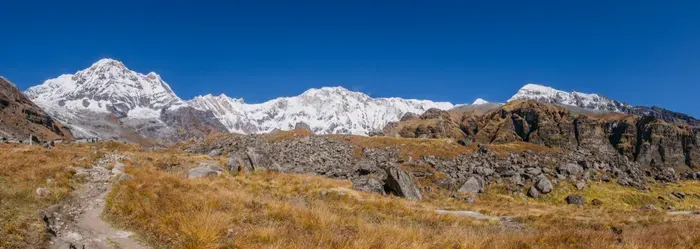
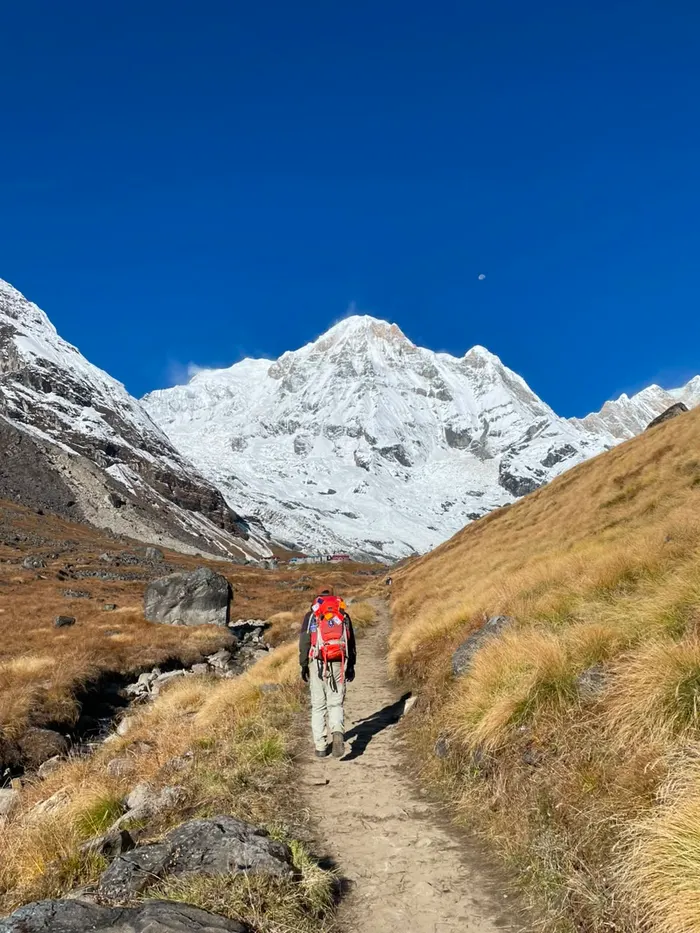
Nepal's trekking trails see hundreds of thousands of visitors each year, and the environmental pressure is real. The Annapurna Conservation Area alone recorded over 180,000 trekkers in 2025. Plastic waste, deforestation for firewood, and human waste management are ongoing challenges. Responsible trekking means following Leave No Trace principles: pack out everything you pack in, use water purification tablets instead of buying plastic bottles, stick to established trails, and choose teahouses that use solar power and gas for cooking rather than firewood.
Several community-led initiatives are making a difference. The Sagarmatha Pollution Control Committee in the Everest region runs waste management programs funded by trekker fees. In the Annapurna region, the ACAP entry fee supports conservation, trail maintenance, and alternative energy projects in local villages. When you pay your trekking permit fees, you are directly funding these programs. The Nepal trekking permits system is not just bureaucracy; it is one of the most effective community conservation funding mechanisms in the world.
Cultural Respect: What to Know Before You Go
Nepal is a deeply religious country where Hinduism and Buddhism coexist in a unique syncretism. Temples and stupas are not just tourist attractions; they are living places of worship. When visiting, walk clockwise around Buddhist stupas and chortens. Do not touch religious objects or climb on statues. At Hindu temples, non-Hindus are generally not permitted inside the inner sanctum, but the outer courtyards are open to all.
Dress codes matter. In villages and religious sites, both men and women should cover their shoulders and knees. Public displays of affection are uncommon in rural Nepal. When eating, use your right hand; the left hand is traditionally considered unclean. These are small gestures, but they signal respect, and Nepali hosts notice and appreciate them.
The cultural and spiritual tours of Nepal offer a deeper dive into these traditions, with itineraries that connect travelers to living heritage rather than just monuments.


Community Tourism and the Next Generation
One of the most encouraging trends in Nepali tourism is the rise of young Nepali entrepreneurs who are building community tourism businesses on their own terms. In villages across the country, young people who might have migrated to the Gulf or Malaysia for work are instead opening homestays, launching local guide services, and using social media to market their villages directly to travelers. This is community tourism 2.0: digitally native, environmentally conscious, and fiercely proud of local culture.
Programs like the Nepal Community Homestay Network and the NTB's homestay certification program provide training in hospitality, hygiene, and marketing, helping village entrepreneurs meet international standards without losing their authenticity. The result is a growing network of high-quality, genuinely local accommodation options that rival any hotel for warmth and cultural richness.
Practical Tips for Responsible Travel in Nepal
- Book directly with communities when possible: The Nepal Community Homestay Network and individual village tourism committees have websites and social media pages where you can book directly, cutting out middlemen and maximizing community benefit.
- Travel in the off-season: The monsoon months (June to August) and winter (December to February) see far fewer visitors. Traveling during these periods spreads tourism income throughout the year and gives communities a more stable economic base. The best time for a spiritual tour in Nepal guide covers seasonal considerations in detail.
- Hire local guides: A guide from the region you are trekking in knows the trails, the culture, and the families. They also keep their income in the local economy. The how to choose a trek in Nepal guide explains how to find and vet local guides.
- Eat local: Every plate of dal bhat you eat in a village homestay supports a local farming family. Skip the imported snacks and try local specialties like sel roti (rice doughnuts), yomari (sweet dumplings), and sukuti (dried meat).
- Buy crafts from the maker: In villages like Panauti, Bhaktapur, and Bandipur, you can buy pottery, thangka paintings, and woven textiles directly from the artisans. The price you pay is the price they receive, with no middleman markup.
- Minimize plastic: Bring a reusable water bottle with a filter or purification tablets. Nepal generates over 5,000 tons of plastic waste annually, and much of it ends up in rivers or burned in villages. Every plastic bottle you do not buy helps.
The Future of Community Tourism in Nepal
Nepal's tourism industry is at a crossroads. The post-pandemic recovery has been strong, but the pressure to scale up, build more roads, and accommodate ever-larger groups is real. Community tourism offers an alternative path: one where growth is measured not just in visitor numbers but in the number of families lifted out of poverty, the number of children who can stay in school, and the number of forests that are protected because they are worth more standing than cut down.
The Langtang region and the Annapurna region are leading the way, with community homestay networks that are models for the rest of the country. The best treks for beginners and families increasingly pass through villages that have embraced community tourism, giving even first-time trekkers a chance to experience authentic village life.
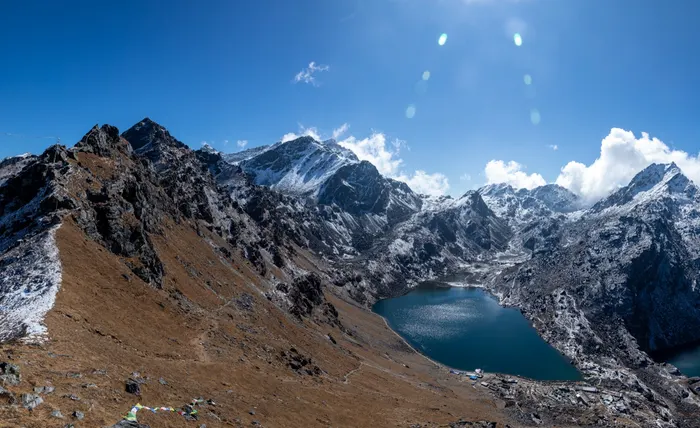
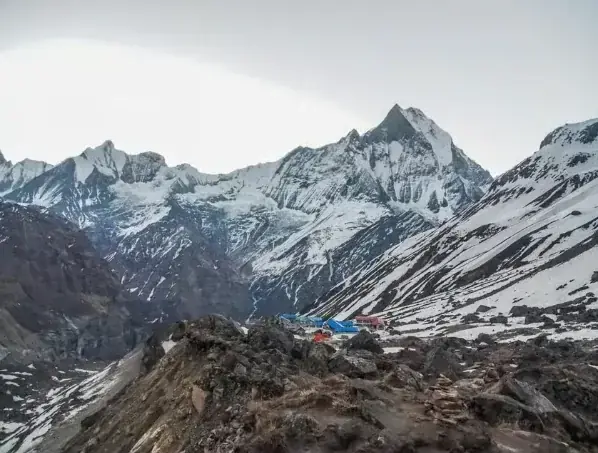
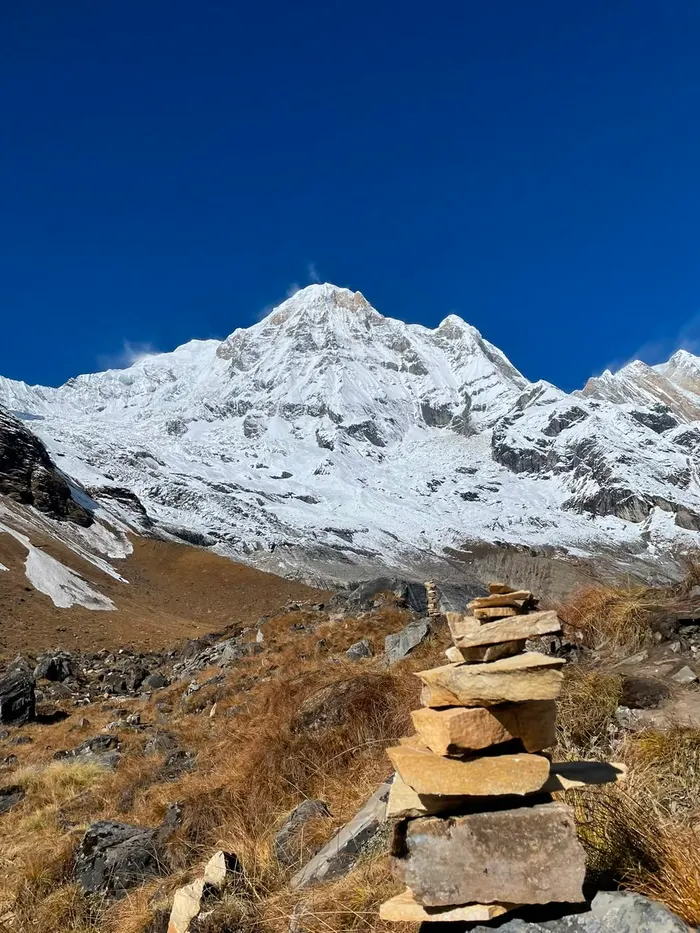
For travelers, the choice is simple. You can visit Nepal and see the mountains. Or you can visit Nepal, see the mountains, and sit down for tea with the family that has lived in their shadow for generations. The second option costs about the same, takes the same amount of time, and leaves something behind that lasts longer than a photograph.