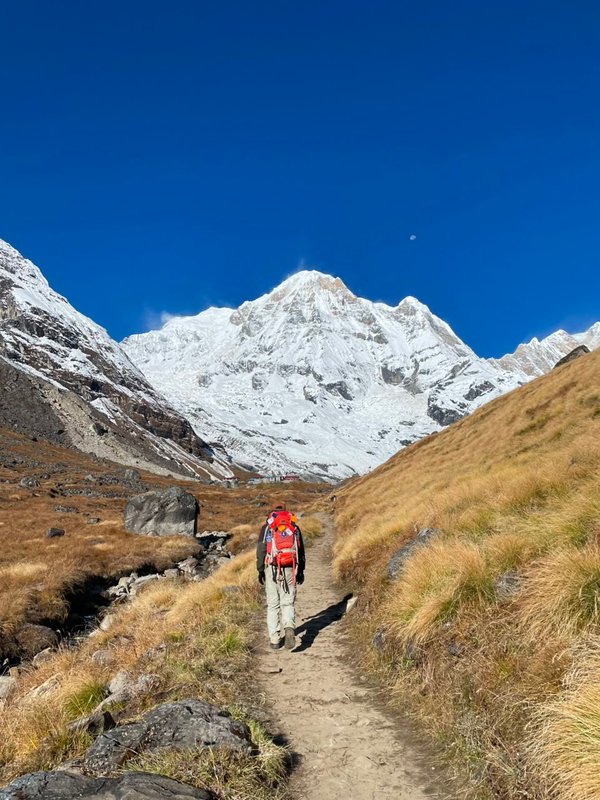
Altitude sickness is one of the most serious risks facing trekkers in the Annapurna region. The Annapurna trekking routes reach elevations above 5,000 meters on the Circuit and above 4,000 meters at Annapurna Base Camp, well into the zone where altitude illness can develop. Understanding how altitude affects your body, recognizing the symptoms early, and knowing how to respond can mean the difference between a successful trek and a life-threatening emergency. This 2026 guide covers everything you need to know about altitude sickness on the Annapurna trail: the three types of altitude illness, prevention strategies, acclimatization techniques, medications, emergency procedures, and route-specific risk profiles. Explore with us as we equip you with the knowledge to trek safely at altitude.
What Is Altitude Sickness and Why Does It Affect Annapurna Trekkers?
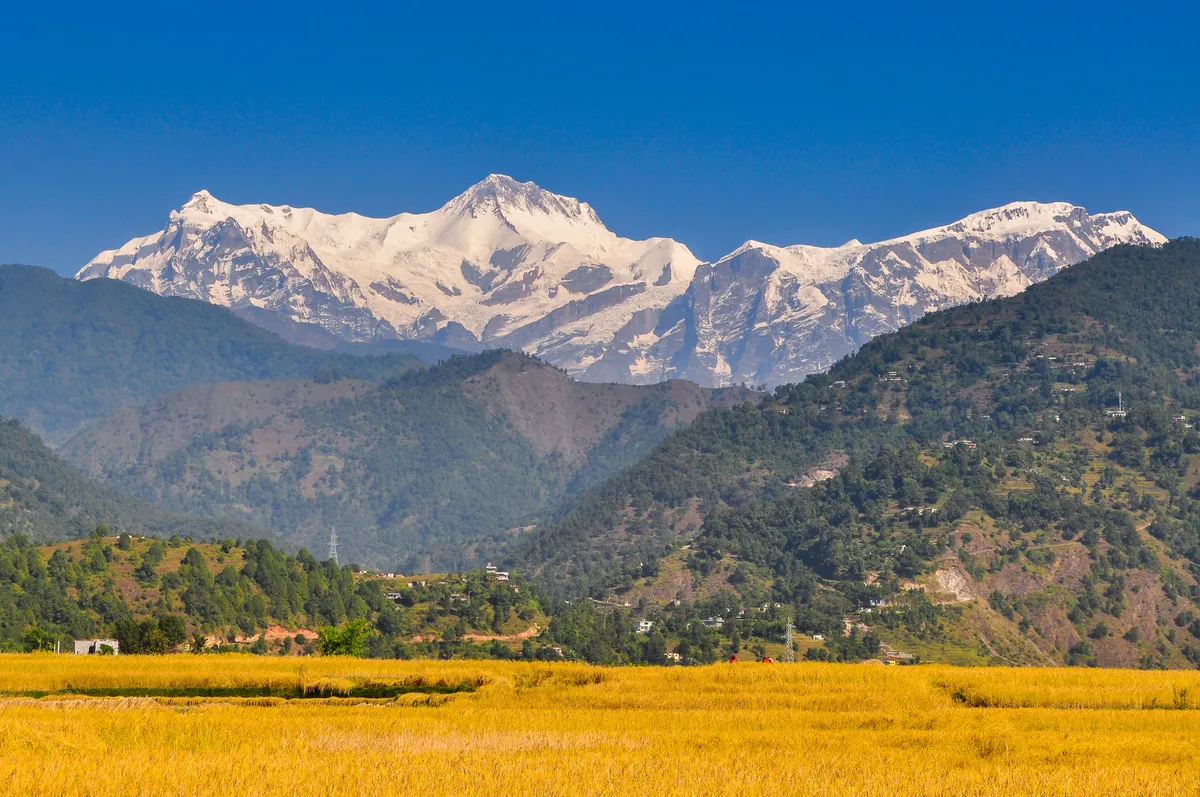
Altitude sickness, also known as Acute Mountain Sickness (AMS), is a condition that occurs when your body cannot adapt quickly enough to the reduced oxygen levels at high elevation. Above 2,500 meters, the air pressure drops, meaning each breath delivers less oxygen to your lungs. Your body needs time to adjust by producing more red blood cells and changing how it processes oxygen. If you ascend faster than your body can adapt, symptoms develop. The Annapurna region is particularly relevant because many of its popular routes go high quickly. The Annapurna Circuit crosses Thorong La at 5,416 meters, and the Annapurna Base Camp trek reaches 4,130 meters. Both are well above the threshold where AMS can develop, making awareness and prevention essential for every trekker.
What Are the Three Types of Altitude Sickness?
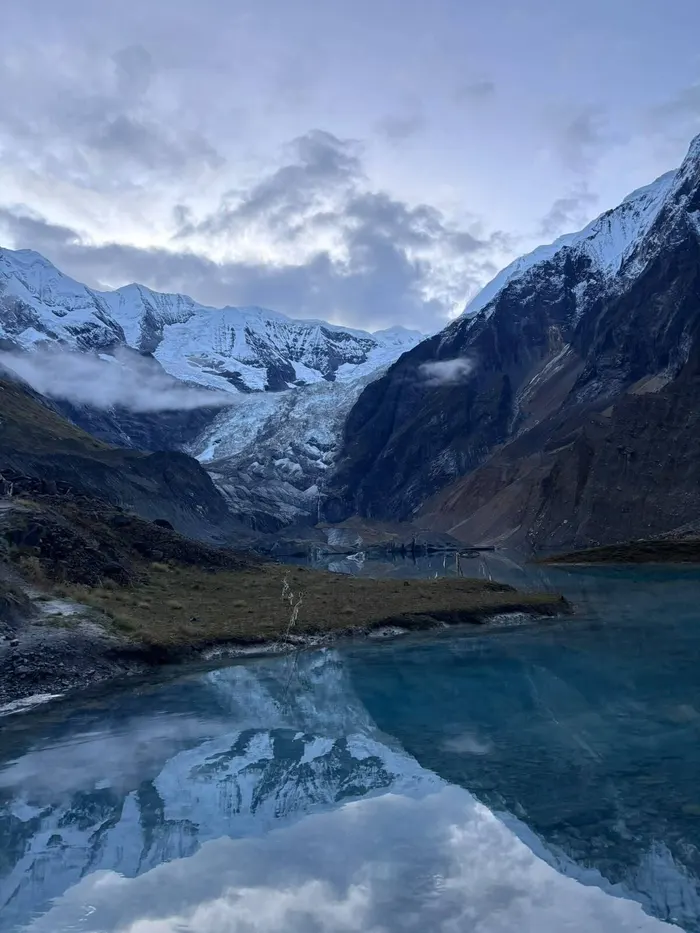
There are three forms of altitude illness, ranging from mild to life-threatening. Mild AMS is the most common form, causing headache, nausea, dizziness, loss of appetite, and poor sleep. It usually develops within 6 to 12 hours of arriving at altitude and typically resolves with rest and hydration. High Altitude Pulmonary Edema (HAPE) is a more serious condition where fluid accumulates in the lungs, causing severe breathlessness, a persistent cough (often with pink frothy sputum), and extreme fatigue. HAPE can develop rapidly and is fatal if ignored. High Altitude Cerebral Edema (HACE) is the most severe form, where fluid leaks into the brain, causing confusion, loss of coordination, severe headache, and potentially coma. HACE can develop from untreated AMS within hours. Both HAPE and HACE require immediate descent to lower altitude and emergency medical attention. Knowing the difference between these three forms and recognizing the symptoms early is critical for safe trekking in the Annapurna region.
What Are the Early Symptoms of Altitude Sickness on the Trail?
Recognizing altitude sickness early is the key to preventing it from becoming dangerous. The first symptom is almost always a headache, typically throbbing and worse at night or upon waking. Other early symptoms include nausea or loss of appetite, dizziness or lightheadedness, shortness of breath (especially at rest), fatigue or weakness, disturbed sleep, and a general feeling of being unwell. These symptoms are common and do not necessarily mean you need to descend immediately, but they do mean you should stop ascending, rest, hydrate, and monitor closely. The Lake Louise Scoring System, used by mountain medicine professionals, rates AMS severity based on headache plus other symptoms. A score of 3 to 5 indicates mild AMS, while 6 or higher suggests moderate to severe AMS. If symptoms worsen despite rest (increasing headache, vomiting, difficulty breathing at rest, or loss of coordination), you must descend immediately. Never ascend with worsening symptoms, as this can lead to HAPE or HACE.
How Can You Prevent Altitude Sickness on the Annapurna Circuit?
Prevention is always better than treatment when it comes to altitude sickness. The most important rule is gradual ascent: do not gain more than 300 to 500 meters of sleeping altitude per day above 3,000 meters. The Annapurna Circuit with Tilicho Lake includes built-in acclimatization days in Manang (3,540m), allowing your body to adapt before the push to Thorong La. The principle of "climb high, sleep low" means you can hike to higher elevations during the day and return to a lower elevation to sleep, which accelerates acclimatization. Hydration is critical: drink at least 3 to 4 liters of water per day, as altitude dehydrates you faster than at sea level. Avoid alcohol, sedatives, and smoking, as they depress breathing and worsen altitude effects. Eat a high-carbohydrate diet, as carbohydrates require less oxygen to metabolize than fats or proteins. Consider taking Diamox (acetazolamide), a medication that speeds acclimatization by making your blood more acidic, which stimulates deeper breathing. Consult your doctor before departure.
How Does Acclimatization Work on the Annapurna Base Camp Route?
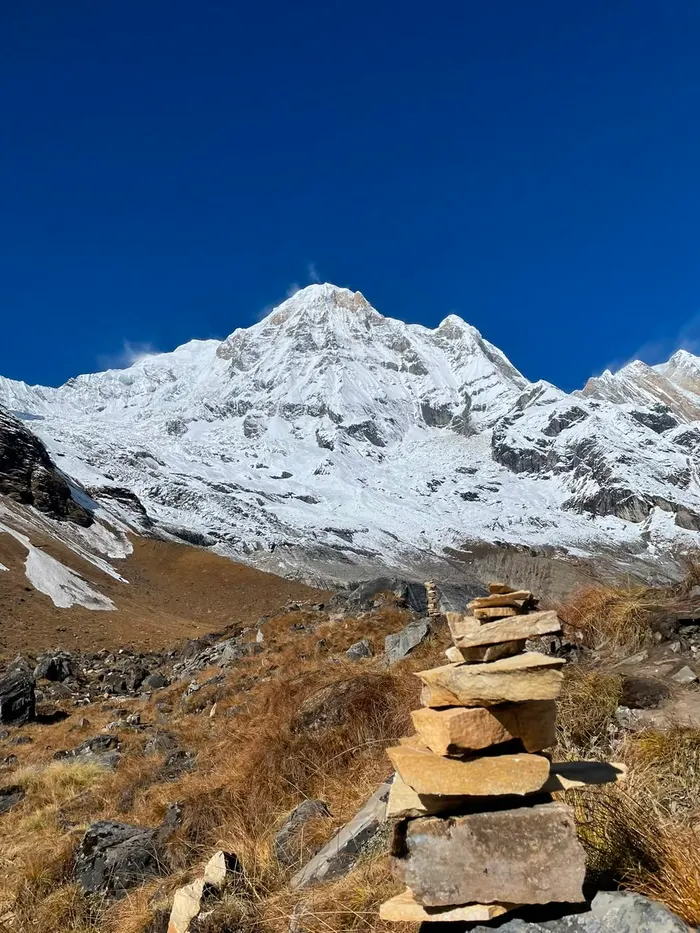
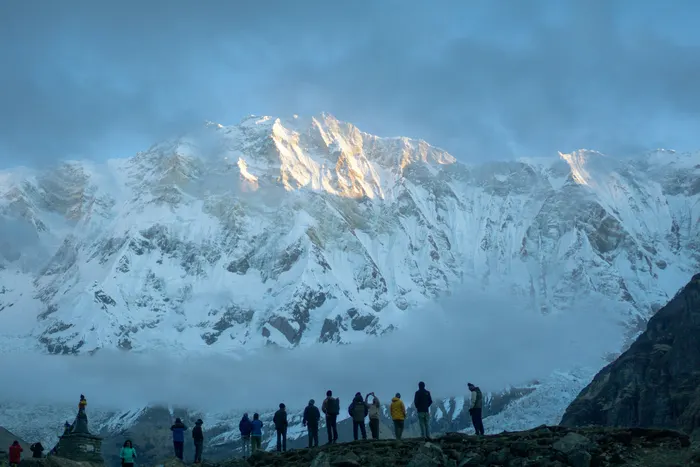
The ABC Short Trek and the ABC 10-Day Trek both reach 4,130 meters at Annapurna Base Camp. While this is lower than Thorong La, it is still high enough to cause altitude sickness in susceptible individuals. The ABC route ascends through a series of altitude stages: Pokhara (820m) to Nayapul (1,070m) to Tikhedhunga (1,540m) to Ghorepani (2,860m) to Tadapani (2,630m) to Chhomrong (2,170m) to Dovan (2,430m) to ABC (4,130m). The gradual ascent through these stages provides natural acclimatization. A rest day in Ghorepani with a hike up to Poon Hill (3,210m) is an excellent acclimatization hike that follows the "climb high, sleep low" principle. From Chhomrong to ABC, the altitude gain is significant (2,170m to 4,130m in about 3 days), so pay close attention to your body. If symptoms develop at Dovan or MBC (3,700m), do not continue to ABC. Descend to Chhomrong or lower.
Should You Take Diamox for Annapurna Trekking?
Diamox (acetazolamide) is the most widely used medication for altitude sickness prevention. It works by making your blood slightly more acidic, which stimulates deeper and more frequent breathing, thereby increasing oxygen intake. Diamox does not mask symptoms; it genuinely accelerates acclimatization. The standard preventative dose is 125mg to 250mg twice daily, starting one day before ascending above 3,000 meters and continuing until you descend. Side effects include increased urination, tingling in fingers and toes, and changes in taste (carbonated drinks may taste flat). Diamox is a sulfa derivative, so anyone with a sulfa allergy should not take it. Consult your doctor before departure to discuss whether Diamox is right for you. Some trekkers prefer to carry it as an emergency medication rather than taking it preventatively. If you develop AMS symptoms despite gradual ascent, Diamox can help, but it is not a substitute for descent. Dexamethasone is a stronger medication used for HACE, and nifedipine is used for HAPE, but these should only be taken under medical supervision.
What Is the Altitude Risk on Thorong La Pass?
Thorong La (5,416m) is the highest point on the Annapurna Circuit and one of the highest trekking passes in the world. The altitude risk here is significant, and proper acclimatization is non-negotiable. The standard approach is to spend at least two nights in Manang (3,540m) with a day hike to Ice Lake (4,600m) or Gangapurna Lake. From Manang, the route goes to Yak Kharka (4,050m) and then to Thorong Phedi (4,525m) or Thorong High Camp (4,925m). The pass crossing day starts at 3:00 or 4:00 AM to avoid afternoon winds and potential snow. The climb from High Camp to the pass takes about 2 to 3 hours, gaining 500 meters. After the pass, you descend to Muktinath (3,800m) on the Mustang side. The rapid descent of over 1,600m in a single day can cause its own problems, so descend steadily without rushing. If weather conditions are poor (snow, high winds, or low visibility), do not attempt the crossing. Lodge owners in Thorong Phedi will advise on conditions and safety.
What Should You Do If Someone Gets Altitude Sickness on the Trail?
If you or a trekking companion develops altitude sickness, the response depends on severity. For mild AMS (headache, mild nausea, poor sleep): stop ascending, rest for a day, hydrate, take Diamox if available, and do not resume ascent until symptoms resolve. For moderate AMS (severe headache, vomiting, difficulty breathing): descend 300 to 500 meters immediately. This usually brings rapid improvement. For severe AMS, HAPE, or HACE (confusion, loss of coordination, pink sputum, inability to walk in a straight line): descend immediately to the lowest safe altitude. This is a medical emergency. If descent is not possible due to weather or terrain, use a Gamow bag (portable hyperbaric chamber) if available, or arrange helicopter evacuation. The Himalayan Rescue Association (HRA) operates a clinic in Manang during the trekking season, staffed by volunteer doctors. Their clinic is located along the main trail and provides free consultations for trekkers. Always carry insurance that covers helicopter evacuation, and keep your guide informed of any symptoms.
How Do Different Annapurna Routes Compare for Altitude Risk?
Different Annapurna routes carry different altitude risk profiles. The full Annapurna Circuit carries the highest risk due to Thorong La at 5,416m. The ABC trek is moderate risk at 4,130m, with gradual ascent on most sections. The Ghorepani Poon Hill trek is low risk, reaching only 3,210m at Poon Hill, which is generally not high enough to cause significant AMS. The Mardi Himal trek reaches about 4,500m and carries moderate risk. The Panchase Panorama Trek stays below 2,500m and is very low risk. For trekkers concerned about altitude, starting with lower-elevation routes like Poon Hill or the Annapurna Senior Trek is a wise approach. For those attempting the Circuit, proper acclimatization in Manang is essential.
Does Fitness Level Affect Altitude Sickness Risk?
A common misconception is that physical fitness protects against altitude sickness. In reality, fitness does not prevent AMS. Extremely fit athletes can develop altitude sickness just as easily as less fit individuals, and sometimes more easily because they tend to ascend faster. What matters is the rate of ascent, not the strength of your legs. However, good fitness does help with the physical demands of trekking (long days, steep climbs, carrying a backpack), which means a fit trekker can maintain a slower, more controlled pace without exhaustion. The key factors that do influence altitude sickness risk are: rate of ascent, individual genetic susceptibility (some people are simply more sensitive to altitude), hydration, sleep quality, and pre-existing medical conditions. If you have heart or lung conditions, consult a doctor before trekking at altitude. Age is not a major factor, as shown by the success of the Senior Trek for over-60 trekkers. Listen to your body above all else.
How Do You Prepare for Altitude Before Arriving in Nepal?
While you cannot fully simulate altitude at sea level, there are steps you can take before your trip to prepare. Cardiovascular training (running, cycling, hiking, swimming) for 2 to 3 months before your trek improves your overall endurance and helps your body use oxygen more efficiently. If you live at moderate altitude (1,500 to 2,500m), you already have a head start. Some trekkers use altitude training masks or intermittent hypoxic training devices, though the scientific evidence for their effectiveness is mixed. Consult your doctor about Diamox and get a prescription before you travel. Arrange comprehensive travel insurance that explicitly covers helicopter evacuation and altitude trekking, as standard travel insurance often excludes elevations above 4,000m. Pack a basic medical kit including Diamox, paracetamol, anti-nausea medication, throat lozenges, and a pulse oximeter (small device that clips to your finger to measure blood oxygen levels). Most importantly, plan your itinerary with built-in acclimatization days and be prepared to change your plans if your body tells you to slow down.
Conclusion: Trek Smart and Stay Safe at Altitude in Annapurna
Altitude sickness is a real risk on Annapurna treks, but it is manageable with knowledge, preparation, and respect for the mountains. Ascend gradually, hydrate constantly, listen to your body, and never hesitate to descend if symptoms worsen. The mountains will always be there for your next attempt. Whether you are trekking to Muktinath via the Circuit or to Annapurna Base Camp, the key to success is a slow, steady, informed approach. Explore, Heal, Thrive with Enticing Himalayas, and let us guide you safely to the roof of the Annapurna.
Frequently Asked Questions About Altitude Sickness on Annapurna Treks
At what altitude does altitude sickness start on the Annapurna trek?
Altitude sickness can begin above 2,500 meters, but most trekkers on the Annapurna routes start feeling effects above 3,500 meters. The risk increases significantly above 4,000 meters. On the Annapurna Circuit, Thorong La at 5,416 meters is the highest risk point. On the ABC route, symptoms typically appear above 3,700 meters at MBC or ABC.
Should I take Diamox for my Annapurna trek?
Diamox (acetazolamide) is recommended for treks going above 4,000 meters, especially the Annapurna Circuit with its 5,416m Thorong La pass. The standard dose is 125mg to 250mg twice daily, starting one day before ascending above 3,000m. Consult your doctor before departure, especially if you have a sulfa allergy, as Diamox is a sulfa derivative.
How many acclimatization days do I need for the Annapurna Circuit?
Plan at least one full acclimatization day in Manang (3,540m) on the Annapurna Circuit. Many trekkers benefit from a second rest day if they live at sea level. Use the rest day to hike to Ice Lake (4,600m) following the climb-high, sleep-low principle. This day is critical for safe crossing of Thorong La at 5,416m. Never skip acclimatization to save time.
Can you get helicopter rescue for altitude sickness on Annapurna?
Yes, helicopter rescue is available for severe altitude sickness on the Annapurna trails, but you must have travel insurance that explicitly covers helicopter evacuation at high altitude. Your guide or trekking agency can arrange the rescue. The Himalayan Rescue Association clinic in Manang provides free consultations during trekking season and can advise on whether evacuation is needed.
Does being physically fit prevent altitude sickness?
No, physical fitness does not prevent altitude sickness. Even elite athletes can develop AMS. What matters is the rate of ascent, not your fitness level. However, good fitness helps you maintain a slower, controlled pace and handle the physical demands of long trekking days. The key prevention strategies are gradual ascent, hydration, and acclimatization days.
What is the safest Annapurna trek for altitude concerns?
The Ghorepani Poon Hill trek (max 3,210m) and the Panchase Panorama trek (max 2,500m) are the safest options for trekkers concerned about altitude. Both routes stay below the elevation where severe AMS typically develops. The Annapurna Senior Trek is also designed with altitude safety in mind, using moderate elevations and a gentle pace suitable for over-60 travelers.