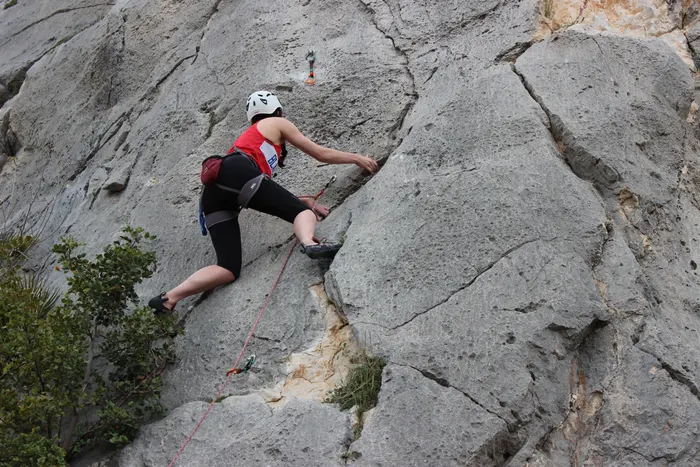
Rock Climbing in Nepal: Best Sites, Costs and Tips 2026
Rock climbing in Nepal sits quietly in the shadow of the country's famous treks. Most travellers arrive with Everest, Annapurna and the temples of Kathmandu on their minds, and they leave without ever touching the rock that rises on the city's own doorstep. That is a genuine loss, because Nepal offers something rare: a climbing scene that begins within an hour of the capital, climbs on warm forested cliffs at low altitude, and can be folded into an ordinary holiday without a single acclimatisation day.
From the shaded crags of Nagarjun Forest to the limestone walls south of the Kathmandu Valley, the sport has grown quietly but steadily. Nepal Tourism Board lists rock climbing among the country's recognised tourist activities and points to the ridges above the valley as the natural starting ground. For a visitor, that means a guided introduction to climbing is no longer a specialist expedition. It is a half-day or full-day adventure that fits neatly between a temple tour and a departure flight.
This guide covers where to climb, the grades and styles you will meet, what a session costs, when to go, how safe it is, and how rock climbing connects to the longer Himalayan ambitions of peak climbing and trekking. If you would rather skip ahead and check availability, you can book a guided rock climbing day in Nepal and build the rest of your trip around it.
Why Go Rock Climbing in Nepal?
Nepal packs an unusual range of climbing into a small area, most of it accessible from the Kathmandu Valley and free of the altitude and cost that big expeditions demand. Warm rock, forest shade, short approaches and qualified guides make it one of the easiest places in the Himalaya to try the sport for the first time.
There are several reasons climbers keep coming back. The first is variety. You can spend the morning on beginner-friendly rock at low altitude and, within the same trip, stand at the foot of a 6,000-metre peak. The second is convenience. Many of the best-known crags are close to Kathmandu, so no long bus ride or domestic flight stands between your hotel and your first climb. The third is culture. Climbing in Nepal is rarely just climbing. The cliffs sit inside national parks, beside pilgrimage sites and above villages where daily life is bound up with the mountains.
Landscape adds its own argument. The rock near the valley looks out over terraced hills, forest ridges and, on clear days, a horizon of snow peaks. A single climbing session can double as a hike, a birdwatching walk and a viewpoint. That blend is what makes the sport such an easy fit for travellers who want an active day without committing to a multi-week trek.
Cost is the final draw. Guided day climbing is far cheaper than a Himalayan expedition, and the barrier to entry is low. You do not need to own gear or carry it halfway around the world, because reputable operators supply harnesses, ropes, shoes and helmets as part of the booking.
Where Can You Rock Climb Near Kathmandu?
The Kathmandu Valley is the undisputed heart of Nepali rock climbing. Its closest crags sit inside protected forest just north and west of the city, while more technical sport routes lie a short drive to the south. Several indoor walls and bouldering gyms round out the picture for wet days and training sessions.
Three areas dominate for visitors. Nagarjun Forest, part of the Shivapuri Nagarjun National Park, is the most convenient and the friendliest to newcomers. Shivapuri itself offers wilder surroundings and longer approaches on the northern rim of the valley. To the south, around Hattiban and Pharping, the rock turns steeper and more technical, drawing experienced climbers who want harder sport routes. Between them, these areas cover almost every level of ability within an hour or two of central Kathmandu.
For anyone who wants a structured introduction, the simplest path is a guided session that handles transport, permits and equipment together. See the Kathmandu travel guide for how the valley is laid out before you choose a crag.
Nagarjun Forest: The Best Beginner Crag in the Valley
Nagarjun Forest, known locally as Raniban, is where most visitors get their first taste of Nepali rock. It lies a short drive from the city and rises through pine and rhododendron to the Jamacho viewpoint, a popular day hike in its own right. The climbing here is on a cliff that Nepal Tourism Board describes as roughly 12 to 15 metres high, a height that suits learners perfectly: long enough to feel like a real ascent, short enough to build confidence quickly.
What makes Nagarjun special is not the difficulty of the routes but the atmosphere. The cliff sits inside quiet forest, well away from the traffic and noise of the city, and the approach is a pleasant walk rather than a punishing slog. Beginners can top-rope safely under supervision, practising footwork, balance and the basic knots that underpin everything else. More experienced climbers find enough variation to warm up or to coach friends.
Because the area is a protected forest, climbing here comes with rules and a small entry fee, and operators handle both as part of a guided booking. The same forest is excellent for birdwatching. If that appeals, our guide to bird watching in Nepal explains the species and seasons to look for around the valley.
Shivapuri Nagarjun National Park: Climbing in the Wild
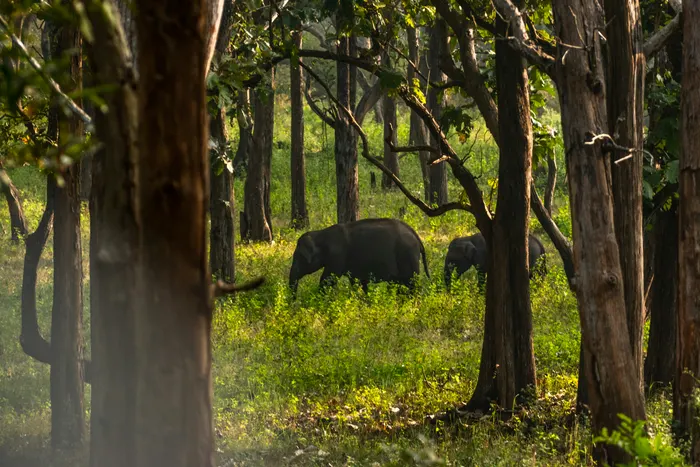
North of Kathmandu, Shivapuri Nagarjun National Park protects a much larger sweep of forested hills and is the wilder sibling of the Nagarjun crags. The park covers roughly 159 square kilometres and lists rock climbing, hiking and birdwatching among its recognised activities. Its ridges climb away from the valley into cloud forest, springs and quiet trails, giving climbers a sense of genuine escape without a long journey.
Climbing inside Shivapuri rewards those who want their session wrapped in a full day outdoors. Approaches can be longer and routes more scattered than at Nagarjun, so a guide who knows the area is valuable. The reward is rock that few visitors ever see, framed by forest that shelters hundreds of bird species and small monasteries tucked into the hillside.
The park is also a reminder that climbing in Nepal is inseparable from conservation. Entry fees support the protection of the forest, and climbers are expected to stay on established routes and carry out everything they bring in.
Hattiban and Pharping: Sport Climbing South of the Kathmandu Valley
While Nagarjun and Shivapuri serve beginners beautifully, serious sport climbers head south. The cliffs around Hattiban, close to the village of Pharping, carry steeper limestone routes that demand strength, technique and experience. This is where the local climbing community trains and where visiting climbers come to push their grade.
Pharping is more than a climbing destination. It is one of the most sacred sites in the Kathmandu Valley, home to monasteries, temples and pilgrimage caves that draw Buddhists and Hindus alike. A day here can combine hard climbing with a walk among shrines and stupas, a pairing that captures the way adventure and spirituality intertwine across Nepal. If you are drawn to that side of the country, our guide to cultural and spiritual tours in Nepal maps the wider heritage landscape.


Because the routes are harder and the consequences of a mistake larger, this area is best tackled with a certified guide or an experienced partner and a properly checked rack. Visiting climbers should confirm access arrangements locally, as some sections sit on community or privately managed land.
Can You Rock Climb in Pokhara?
Yes. Pokhara, the lakeside city that serves as the gateway to the Annapurna region, has its own small but growing climbing scene. There are natural crags in the surrounding hills and indoor walls in the city where you can train or try the sport for the first time, all with the Annapurna range on the horizon.
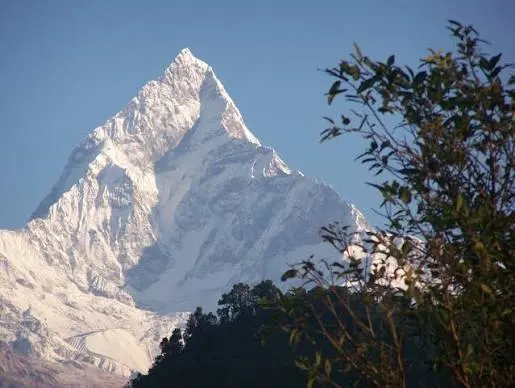
Pokhara suits climbers who are already heading west for a trek. A rest day in the city can become a climbing day, and the setting is spectacular: rock, forest and lake, with Machhapuchhre and the Annapurnas filling the skyline. The scene is less developed than the Kathmandu Valley, so arrangements are best made in advance through a reputable operator rather than improvised on arrival. See the Pokhara destination guide for how to slot a climbing session into a wider Annapurna itinerary.
What Grades and Climbing Styles Will You Find?
Nepali crags offer a broad spread of styles and difficulty. Sport climbing on bolted routes dominates the developed areas, top-roping and bouldering are common for learners, and traditional climbing appears on the wilder cliffs and, above all, on the Himalayan peaks. Most sport routes are graded on the familiar French scale.
For beginners, the important thing is that the grading starts low. Guided sessions on the valley crags concentrate on easy top-rope routes, so someone who has never worn a harness can climb real rock on day one. As confidence grows, the same areas offer intermediate routes to aim for. Experienced climbers will find genuinely hard sport lines to the south and, if they look further afield, alpine objectives in the high mountains.
The mix means a group of mixed ability can usually climb together, with the guide setting up lines that suit each person. That flexibility is one of the reasons the Kathmandu Valley works so well as a first stop for a climbing holiday in Nepal.
How Hard Is Rock Climbing in Nepal for Beginners?
It is far less intimidating than it looks. Guided beginner routes are short and well protected, the crags are close to the city, and the altitude is low, so the main challenges are simply learning to trust the rope and to use your feet. Most first-timers climb a full route on their first day.
Physical fitness helps but is not a requirement. Climbing is as much about technique and balance as strength, and a good instructor will teach you to move efficiently rather than muscle your way up. Expect some sore forearms the next morning, a little adrenaline, and a strong chance that you will want a second session. Families with older children, solo travellers and complete novices all take to the valley crags comfortably.
The one genuine prerequisite is a willingness to listen. Climbing safety depends on clear communication between climber and belayer, and beginners learn the commands, the checks and the knots before they leave the ground. Once those habits are in place, the sport opens up quickly.
What Gear Do You Need for a Day of Climbing?
Almost nothing beyond comfortable clothing if you book a guided session, because the technical kit is supplied. A harness, climbing shoes, a helmet, a chalk bag and the rope are all standard on guided days near Kathmandu, so you can turn up with an open mind rather than a rucksack full of equipment.
Personal items matter more than hardware. Bring flexible trousers or shorts that allow a wide step, a light layer for the forest shade, and a hat and high-factor sunscreen, because the rock and the open viewpoints catch strong midday sun. A one-litre water bottle, a small daypack and a snack will see you through a half-day session comfortably. If you climb in the cooler months, pack a warm fleece, since the valley crags can be chilly in the early morning and again once the sun drops behind the ridge.
Experienced climbers who prefer their own equipment should bring it, but should also confirm that it is compatible with the anchor and belay systems used locally. Anything you do not own can usually be rented as part of the booking, which spares you the weight and the airline hassle.
How Much Does Rock Climbing in Nepal Cost?
A guided day of climbing near Kathmandu is an affordable adventure by international standards. The price depends on group size, the crag, whether transport and permits are included, and whether you need gear rental, so the honest answer is to check the live rate for your chosen date rather than rely on a figure from an old blog post.
Several cost drivers are worth understanding before you book. Transport to and from the crag is sometimes separate, and the entry fee for the national park or protected forest is usually paid on site unless your operator bundles it in. Group sessions cost less per person than private guiding, and multi-day packages that combine climbing with trekking or canyoning often work out cheaper than booking each activity piece by piece. Gear rental, if you need it, is a small addition. Tipping is customary in Nepal but always discretionary.
For current rates and inclusions, open the rock climbing activity page or ask the team directly, and you will get a clear, up-to-date quote instead of a guess.
When Is the Best Time to Go Rock Climbing in Nepal?
The two classic climbing windows are autumn, from late September to November, and spring, from March to May. Both bring stable, dry weather, clear mountain views and comfortable rock temperatures. Winter can still work beautifully on low, sunny crags, while the monsoon months from June to August are best avoided.
Autumn follows the monsoon and leaves the valley green and the air clean, with the sharpest mountain views of the year. Spring arrives warm and bright, with rhododendrons in bloom on the forested ridges. Winter days can be crisp and clear, and because the Kathmandu Valley sits low, climbing remains perfectly possible as long as you choose a sunny wall and start later in the morning. The monsoon is the season to skip: rock gets slick, leeches and mud appear in the forest, and afternoon storms roll in fast.
Whatever the season, mornings are the climber's friend. The rock is cooler, the air is calmer, and you finish before the afternoon heat or cloud builds. An early start also leaves the rest of the day free for sightseeing.
Is Rock Climbing in Nepal Safe?
Guided climbing in Nepal is very safe when you use a reputable operator. The valley crags sit at low altitude, the routes are close to the city and to medical help, and professional guides enforce the checks and communication that keep beginners out of trouble. The real risks come from skipping those basics.
Altitude is not a factor near Kathmandu, which removes the single biggest hazard of Himalayan travel. What matters instead is equipment condition, guide qualification and communication. Good operators inspect ropes, harnesses and anchors before every session and teach you the partner checks before you leave the ground. If you plan to climb independently or head for the high peaks later, comprehensive travel and evacuation insurance becomes essential, and our guide to Nepal travel insurance for trekking explains what to look for.
Simple discipline goes a long way. Follow your guide's instructions, never handle the rope system unless you have been shown how, tell the team about any injury or medical condition in advance, and accept that some days the weather will win. Patience and good habits, not bravado, are what keep climbers safe.
From Crag to Summit: Peak Climbing as the Next Step
For many visitors, a day on the valley crags becomes the beginning of something larger. Nepal is one of the world's great destinations for trekking peaks, the mid-altitude summits that sit between a hard hike and a full expedition. They reward climbers who want a genuine mountaineering objective without the cost and commitment of an 8,000-metre mountain.
Island Peak, also known as Imja Tse, is the classic introduction. At around 6,189 metres it combines a trek through the Everest region with a short, guided climb to a spectacular summit. Our guide to Island Peak climbing with Everest Base Camp walks through the route day by day, and the full 17-day Island Peak climb package shows how the trek and the summit fit together. Other popular objectives include Mera Peak at around 6,476 metres and Lobuche East at about 6,119 metres, both of which build on the same skills you first learn on a simple top-rope.
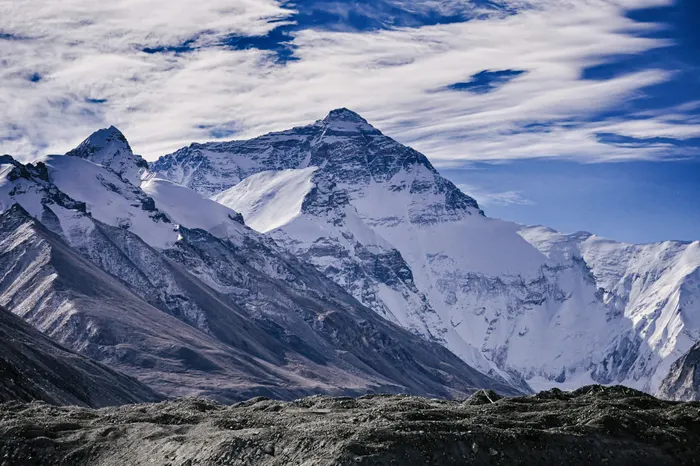
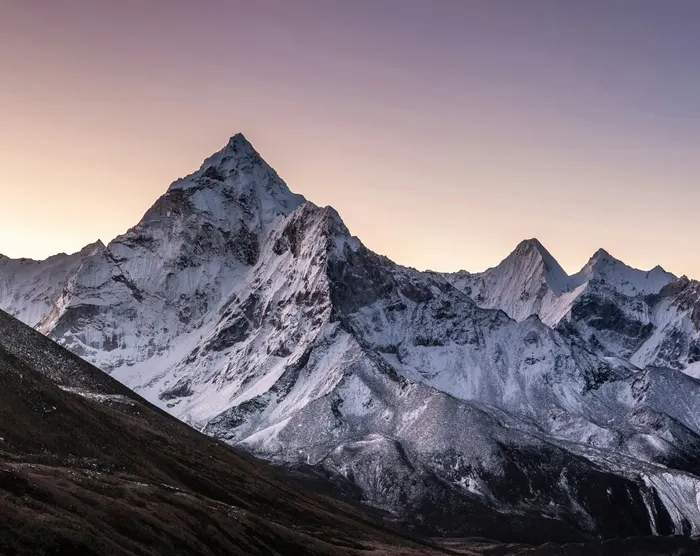
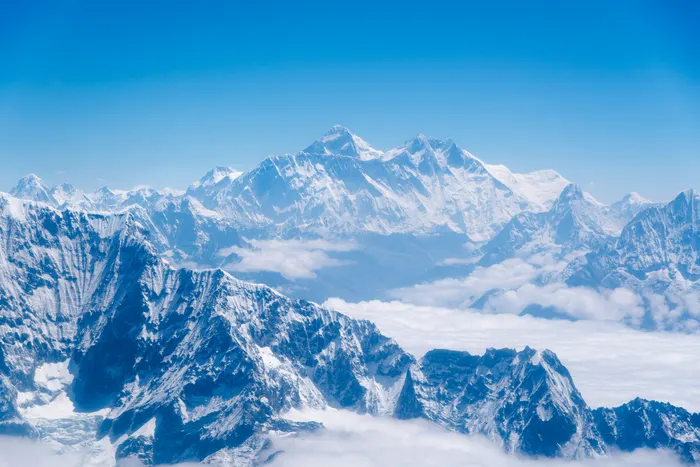
The progression is part of the appeal. The knots, the belaying technique and the calm head you develop on a gentle valley cliff are exactly what a trekking peak demands. A beginner's day in Nagarjun Forest is, in a very real sense, the first rung of a ladder that leads to the roof of the Himalaya.
How Do You Combine Climbing With Trekking and Culture?
Rock climbing fits naturally into a wider Nepal itinerary because it needs only a day. Slot a guided session into the first or last day of a trip, pair it with a short trek, and you have an active holiday that still leaves room for temples, markets and mountain viewpoints. This is where a well-planned route really pays off.
One strong approach is to start gentle. Spend a morning climbing near Kathmandu, then take on a short ridge trek such as the Mardi Himal trek or the classic Ghorepani Poon Hill trek, both of which deliver big mountain views without the demands of a long expedition. If you want to prepare properly before any trek, our complete guide to trekking in Nepal covers seasons, permits and planning.
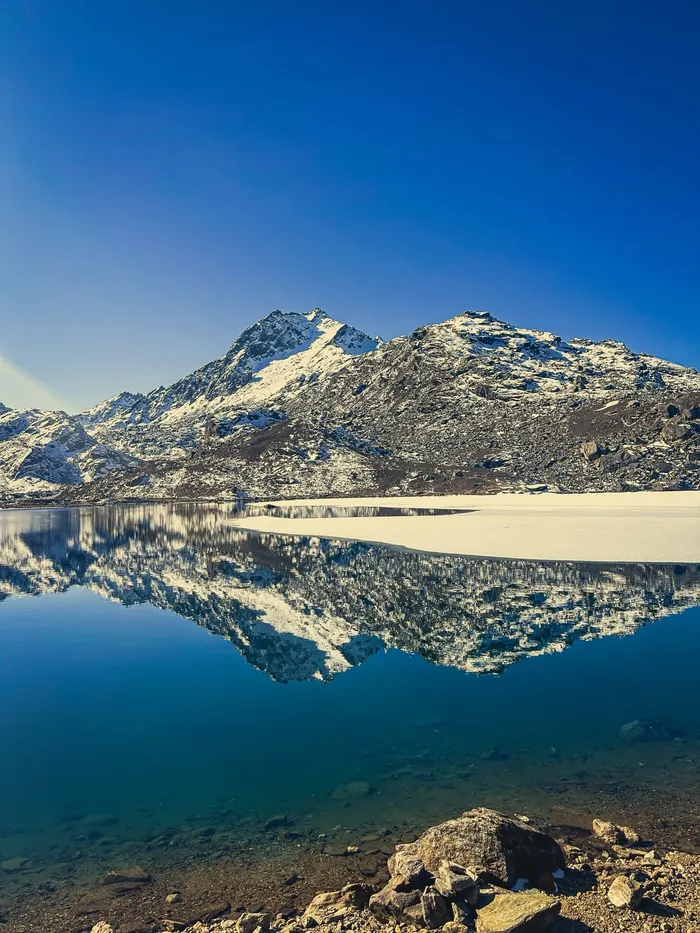
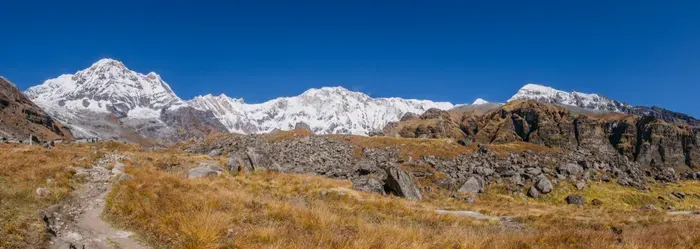
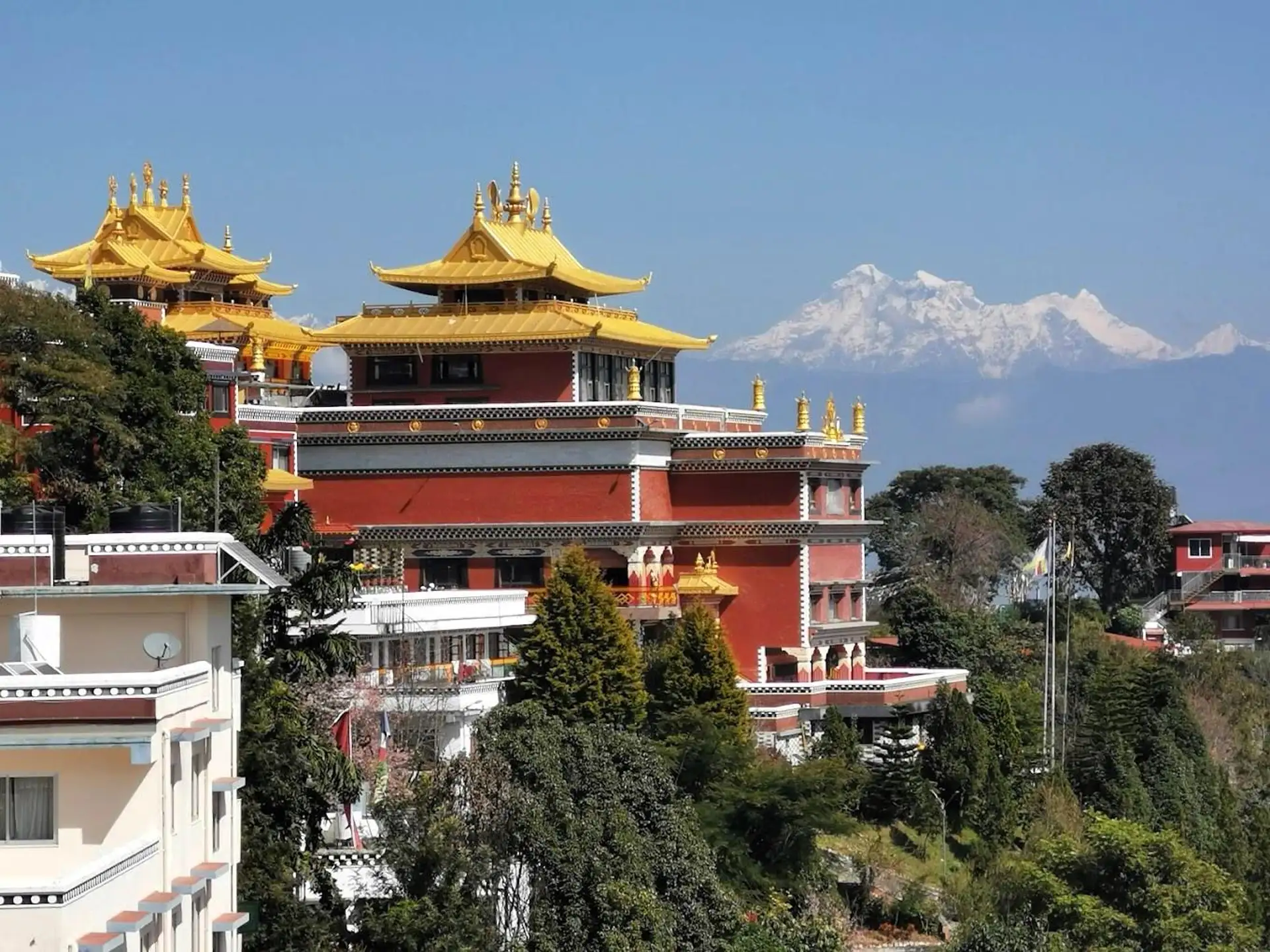
Culture is the other half of the equation. The valley around the crags is dense with heritage, and a climbing day can sit beside a cable car pilgrimage to Manakamana or a visit to the sacred hilltop temples described in our cable car pilgrimage guide and the Chandragiri and Monkey Temple day trip. Add a night in a village through a community homestay or a jungle break with our wildlife safari guide, and a climbing holiday becomes a rounded portrait of the country. If you prefer two wheels or a paddle, our notes on mountain biking in Nepal and rafting in Nepal show how other active days can be woven in.
Responsible Climbing: Etiquette and the Environment
Nepal's crags sit inside protected forests and above working villages, so climbers carry a responsibility that goes beyond their own safety. Staying on established routes, keeping noise down, taking all litter out and respecting park rules protect both the environment and the welcome that makes the local climbing scene so friendly.
Chalk, tape and packaging should never be left on the rock or at the base. Where routes pass near shrines, stupas or prayer flags, treat the site with the same respect you would show in a temple. Many of the cliffs border farmland and community forest, so keep to paths, close gates and ask before crossing private land. Buying food and services locally, hiring local guides and treating porters and staff fairly all help ensure that climbing brings real benefit to the communities whose hills it uses.
Conservation is not an afterthought here. The entry fees that climbers pay help fund the protection of the forests around Nagarjun, Shivapuri and the wider valley, which is part of why the crags remain green, quiet and full of birds. Climbing lightly is simply good manners, and it keeps these places worth returning to.
What Should You Know Before Your First Climbing Day?
A few simple habits make a first climbing day go smoothly: book ahead, start in the morning, confirm what your session includes, and wear layers you can move in. The details below are the ones worth sorting out before you go.
On the day itself, listen more than you talk. Your guide will run through the harness, the knots, the belay and the commands before anyone leaves the ground, and those few minutes are the foundation of everything that follows. Tell your instructor if a move feels beyond you; the whole point of a guided session is that the difficulty is adjusted to you. Take a moment at the top of each route to look out over the valley, because the setting is half the reward.
Finally, leave room in your schedule for a second attempt. Climbing has a way of getting under the skin, and the valley crags are close enough that a return visit costs you almost nothing in travel time. Many travellers who come for a single introductory session end up planning a trekking peak before they fly home.