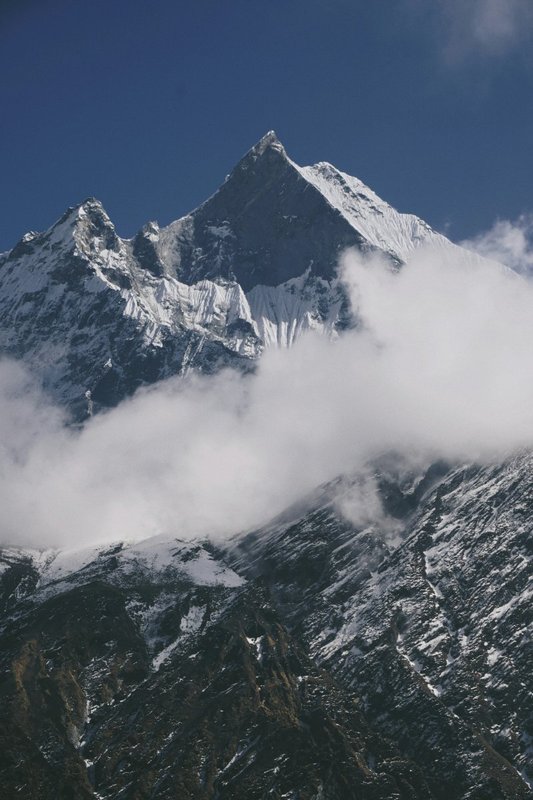
Can You Really Trek Annapurna with Kids?
Yes, you can trek in the Annapurna region with children, and it is one of the most rewarding family adventures you can undertake in the Himalaya. The Annapurna trail network offers shorter, lower-altitude routes that are perfectly suited to families with children aged six and above. Unlike the Everest region where trails start above 2,800 metres, the Annapurna foothills begin around 1,000 metres, allowing gradual ascent and a gentler acclimatisation profile for young bodies. With the right route choice, proper pacing, and a kid-friendly itinerary, families can experience the magic of Himalayan trekking together, creating memories that last a lifetime.
Which Annapurna Trek Is Best for Families with Children?
The Annapurna Family Trek: 9 Days Kid-Friendly Poon Hill and Ghandruk is specifically designed for families. It reaches a maximum altitude of 3,210 metres at Poon Hill, well within safe limits for children, and combines manageable daily walking distances (4 to 6 hours) with comfortable teahouse accommodation. The route passes through Gurung villages, rhododendron forests, and offers the famous Poon Hill sunrise view over Annapurna and Dhaulagiri. For families with younger children or less time, the Ghorepani Poon Hill Trek covers the same highlights in a shorter format. Both routes are ideal because they never go high enough for serious altitude concerns.
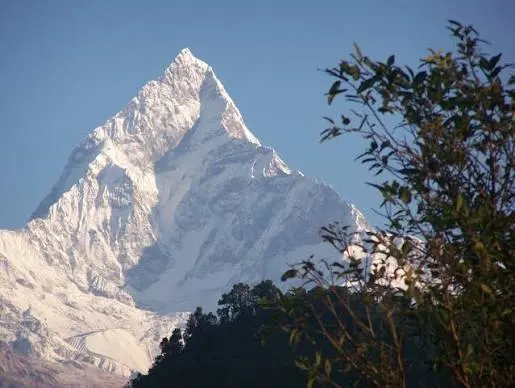
What Age Can Children Start Trekking in Annapurna?
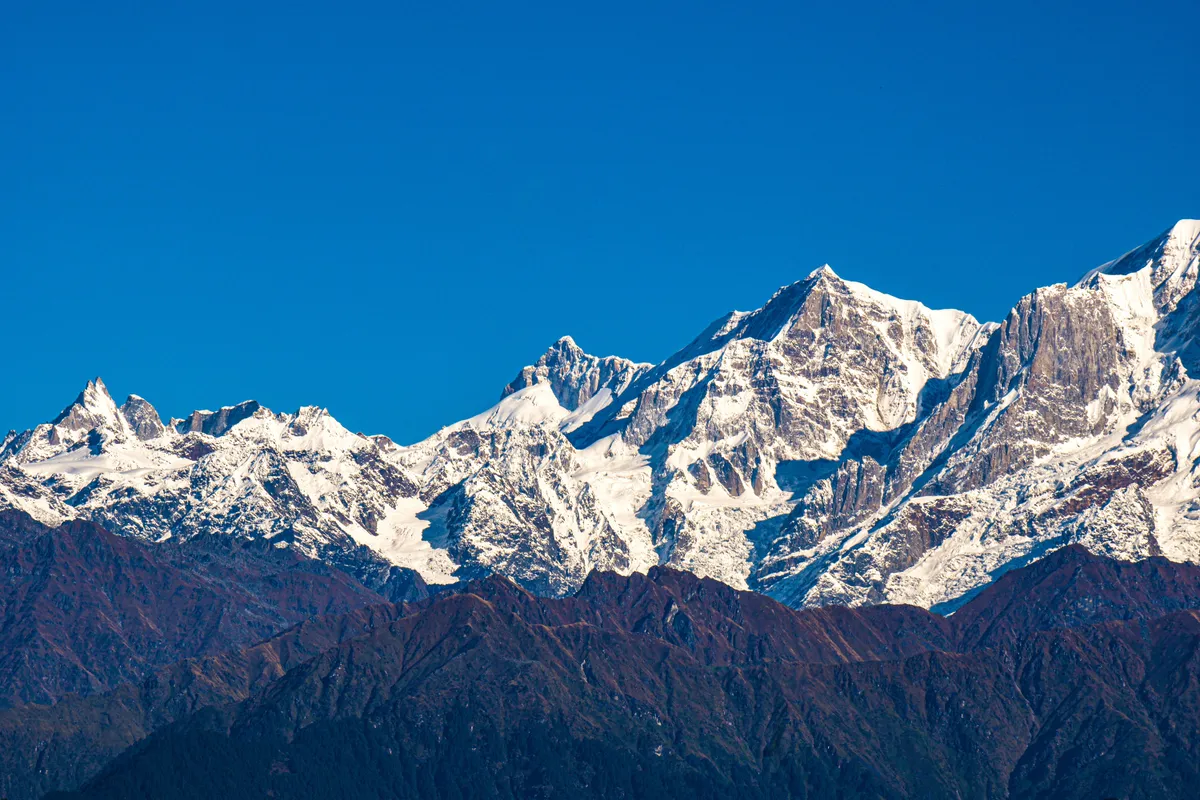
Children as young as five can complete short sections of the Annapurna foothills, but for a full multi-day trek, ages seven to eight and above are ideal. By that age, most children can walk 4 to 6 hours a day with breaks, carry a small daypack, and communicate how they feel. Teenagers can tackle longer routes including the Annapurna Base Camp Trek, which reaches 4,130 metres and requires careful acclimatisation. The key is matching the trek difficulty and altitude to your child's age, fitness, and temperament. Always consult a paediatrician before taking children above 3,500 metres, and build in extra rest days for families.
How Do You Keep Kids Engaged on the Trail?
Keeping children engaged transforms a long walk into an adventure. Give each child a small camera or binoculars and a nature journal to record what they see: birds, flowers, butterflies, and mountain peaks. Set small goals like reaching the next village or the next stream crossing rather than talking about the full day's distance. Let children lead the group for stretches, which builds confidence. Teahouse owners along the Annapurna trails are welcoming to families and often have children of similar ages, creating natural play opportunities in the evenings. Pack a few small card games or drawing materials for lodge downtime, and celebrate each day's achievement with a treat from the teahouse menu like apple pie or hot chocolate.
What Should Families Pack for an Annapurna Trek with Kids?
Family packing requires extra attention to comfort and safety. Each child needs broken-in hiking shoes, layered clothing (including a warm jacket for evenings), a sun hat, and a small backpack. Pack extra snacks that children actually like, as trail food can be repetitive. Wet wipes, hand sanitiser, and a basic first aid kit with child-appropriate medications are essential. A favourite small toy or comfort item helps at bedtime in unfamiliar lodges. Consider hiring a porter through Enticing Himalayas so parents can focus on the children rather than carrying heavy packs. Walking poles help children on steep sections and river crossings.
Is Altitude Sickness a Risk for Children on Annapurna Treks?
Altitude sickness is a concern for anyone ascending above 2,500 metres, and children are not exempt. The Poon Hill trek at 3,210 metres carries a moderate but manageable risk. The Annapurna Base Camp trek at 4,130 metres requires a slow, well-acclimatised ascent. Children may not always communicate symptoms clearly, so watch for headache, loss of appetite, nausea, unusual tiredness, or irritability. The golden rule is to ascend slowly, hydrate constantly, and never push a child who says they feel unwell. Descend immediately if symptoms worsen. Choosing lower-altitude routes like Poon Hill or Mardi Himal reduces risk significantly for younger children.
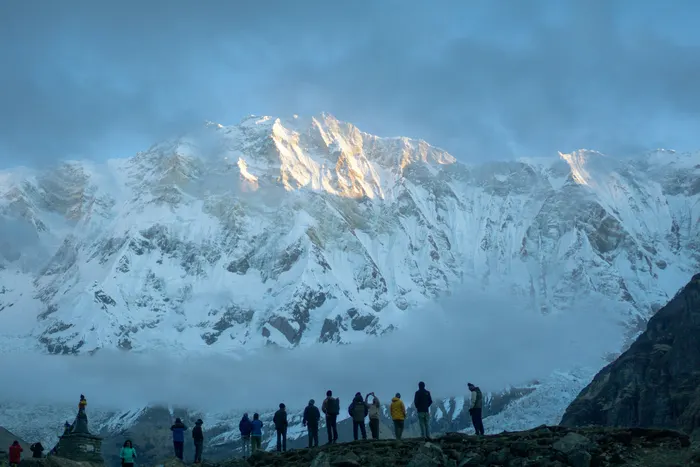
What Are the Best Teahouses for Families on the Annapurna Trail?
The Annapurna region has the most developed teahouse network in Nepal, and many lodges are family-run, making them naturally welcoming to children. In Ghorepani and Ghandruk, the main stops on the family trek route, lodges offer private rooms with attached bathrooms (a major comfort with kids), hot showers (for a small fee), and menus with kid-friendly options like pancakes, fried rice, and pasta. The Annapurna Luxury Lodge Trek upgrades to premium lodges with heated dining rooms, better bedding, and en-suite bathrooms, which can be a good option for families wanting extra comfort. Book lodges in advance during peak season (October to November and March to April).
How Many Hours a Day Should Kids Walk on the Trail?
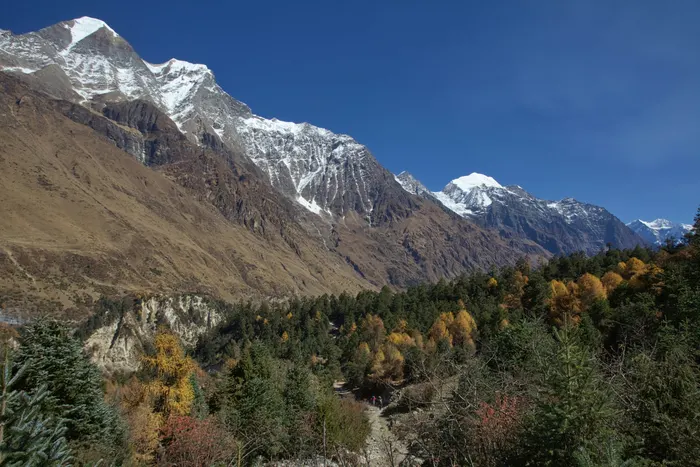
A comfortable pace for children is 4 to 6 hours of walking per day, broken into 1 to 1.5 hour segments with rest stops. This includes time for snacks, photos, and exploration. On the family trek to Poon Hill, daily distances are typically 8 to 12 kilometres with moderate elevation gain. Build in at least one rest day or short day where children can play, explore a village, or simply rest in the teahouse. Start walking early in the morning when temperatures are cool and children have the most energy. Finish by mid-afternoon so there is time for games and socialising before dinner. The Ghorepani to Ghandruk section is particularly well-suited to this pace.
What Food Is Available for Children on the Annapurna Trail?
Teahouse menus along the Annapurna trails are extensive and surprisingly child-friendly. Most lodges serve dal bhat (rice and lentil soup), but also offer pancakes, porridge, eggs, fried rice, pasta, momos (dumplings), and even apple pie. The Ghorepani area is famous for its apple orchards, and fresh apple products are a highlight. Vegetarian options are plentiful. Pack energy bars, dried fruit, and trail mix from Kathmandu or Pokhara as supplements. Avoid tap water; use boiled or purified water. Most children adapt well to teahouse food, but having familiar snacks prevents hunger meltdowns on long walking days.
When Is the Best Time to Trek Annapurna with Kids?
The best seasons for family trekking in Annapurna are spring (March to April) and autumn (October to November). Spring brings blooming rhododendrons, warmer temperatures, and longer daylight hours, which are ideal for children. Autumn offers the clearest mountain views and stable weather after the monsoon. Winter (December to February) is possible for lower routes like Poon Hill but can be very cold for children at night. The monsoon (June to September) brings rain, leeches, and slippery trails, making it the least suitable season for families. If your school holidays align with October half-term or the Easter break, these are the perfect windows for an Annapurna family adventure. The Annapurna region is at its finest during these months.
Should You Hire a Guide and Porter for a Family Trek?
A guide and porter are strongly recommended for family treks, and since 2012 a licensed guide is mandatory for all trekkers in Nepal. A guide handles navigation, permits, teahouse bookings, and most importantly, monitors your family's health for altitude symptoms. A porter carries the heavy gear, freeing parents to walk alongside their children. Booking through Enticing Himalayas ensures both guide and porter are experienced, insured, and properly equipped. For families, a guide who is good with children and knows the best lodges makes an enormous difference to the experience. The family trek package includes these services as standard.
How Do You Prepare Kids Physically Before the Trek?
Preparation at home makes the trek much more enjoyable. Start with weekend day hikes 6 to 8 weeks before departure, gradually increasing distance and pack weight. Walking up and down stairs builds the leg strength needed for Annapurna's stone steps. Teach children to drink water regularly and to communicate if they feel tired or unwell. Practice putting on layers and using trekking poles. Show them photos and videos of the Annapurna trails, villages, and mountains to build excitement. A child who knows what to expect and has built basic walking fitness will handle the trek far better. If you live near hills or nature reserves, use them for training walks with the whole family.
What Safety Measures Should Families Take on the Trail?
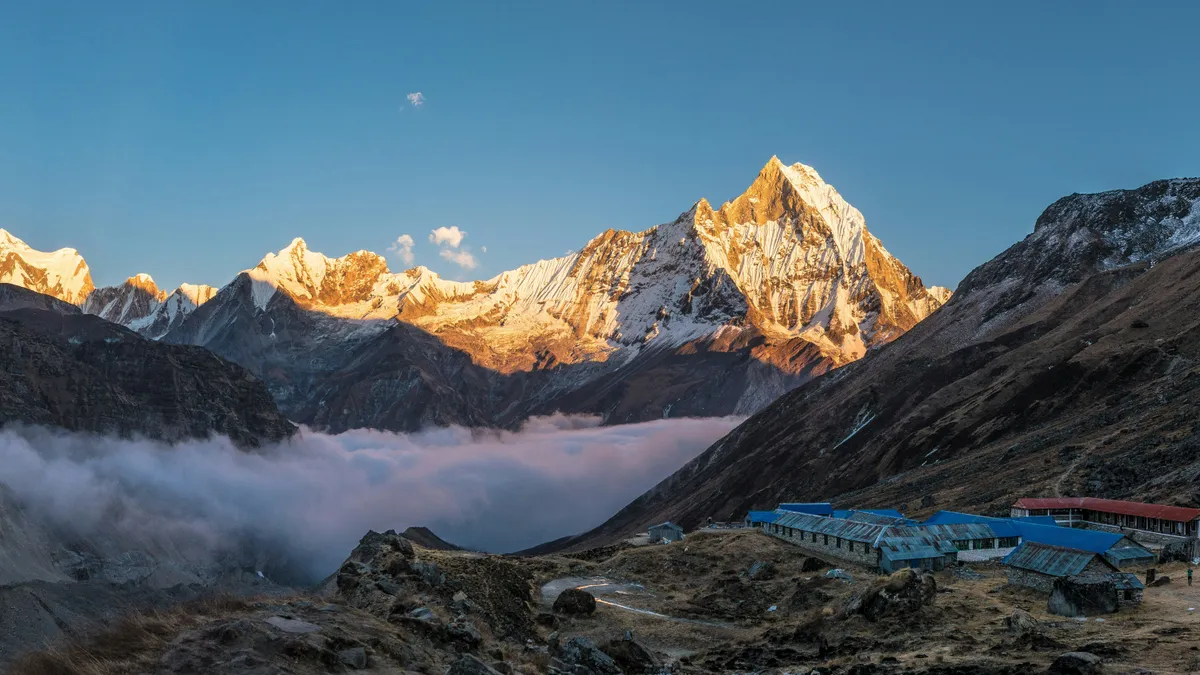
Safety is paramount when trekking with children. Carry comprehensive travel insurance that includes helicopter evacuation for every family member. Keep children within sight at all times, especially near cliffs, river crossings, and steep stone steps. Brief children on trail etiquette: stay on the uphill side when pack animals pass, never run on descents, and always tell a parent before stopping. Pack a personal first aid kit with child-appropriate medications, and ensure your guide knows your children's medical needs. Register your trek with your embassy in Kathmandu before departure. The Annapurna Conservation Area has good mobile phone coverage on the lower trails, but carry a charged power bank at all times.
Can You Combine a Family Trek with Other Nepal Activities?
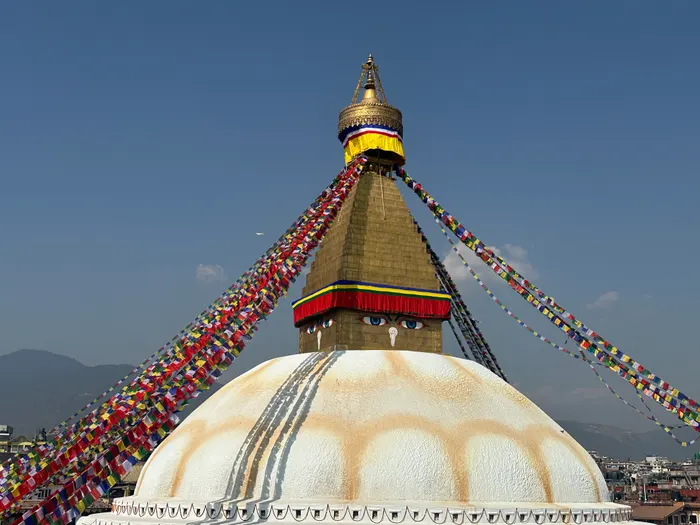
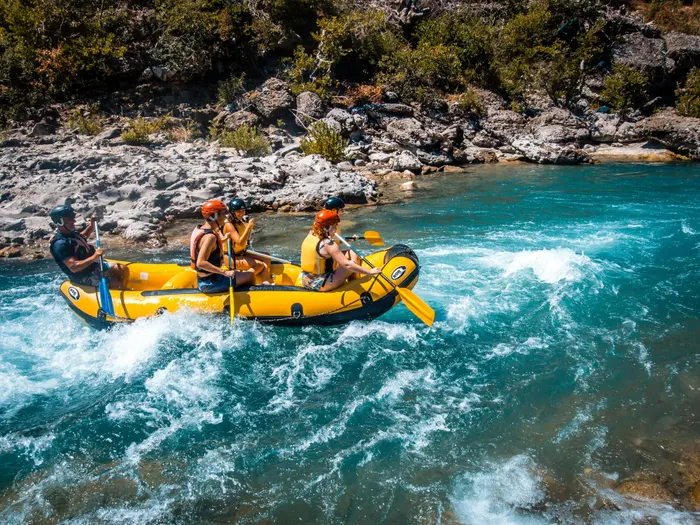
One of the great advantages of an Annapurna family trek is how easily it combines with other Nepal experiences. Most families fly into Kathmandu, where the 5-day Kathmandu Valley Tour offers UNESCO heritage sites and cultural immersion. Before or after the trek, spend time in Pokhara, where families can boat on Phewa Lake, visit the International Mountain Museum, or paraglide. The Trishuli River Rafting trip is an excellent family add-on between Kathmandu and Pokhara. For wildlife, Chitwan National Park offers jungle safaris and rhino spotting that children love. Combining trek, culture, and wildlife creates the ultimate Nepal family holiday.
Frequently Asked Questions
What is the minimum age for trekking in the Annapurna region?
Children aged five and above can do short sections of the Annapurna foothills, but for a full multi-day trek, ages seven to eight are ideal. By that age, most children can walk 4 to 6 hours with breaks, carry a small pack, and express how they feel. Always consult a paediatrician before taking children above 3,500 metres, and choose lower routes like Poon Hill for younger kids.
Which Annapurna trek is safest for families?
The Annapurna Family Trek to Poon Hill and Ghandruk is the safest option, reaching only 3,210 metres with comfortable daily distances. The route passes through well-developed villages with good teahouses and is specifically designed for families with children. It avoids the altitude risks of higher routes while still delivering spectacular Himalayan views and cultural experiences.
Do children need trekking permits for Annapurna?
Yes. All trekkers, including children, need the ACAP (Annapurna Conservation Area Project) entry permit and TIMS card. Children under 10 typically receive free or reduced-rate ACAP permits. Your trekking company arranges these permits, but you must bring your child's passport and passport-size photos for processing. Keep all permits in a waterproof sleeve during the trek.
Can we hire a porter to carry our child?
Porters carry gear, not children, on the Annapurna trails. For very young children (under 5), a child carrier backpack lets parents carry the child on sections of the trail, but this is only practical on gentle, lower sections near Pokhara. For a proper multi-day trek, children should be old enough to walk the distances themselves with rest breaks.
What happens if a child gets sick on the trail?
If a child becomes ill, your guide will assess the situation and arrange descent to a lower altitude. The Annapurna trails have good communication coverage and evacuation routes. Comprehensive travel insurance with helicopter evacuation is essential for every family member. For minor issues, your guide carries a first aid kit and can arrange transport back to Pokhara from points like Ghorepani or Ghandruk.
What is the best time of year for a family Annapurna trek?
Spring (March to April) and autumn (October to November) are the best seasons for family trekking. Spring offers warmer weather and blooming rhododendrons, while autumn has the clearest mountain views and stable conditions. These seasons align well with school half-term holidays for many families. Avoid the monsoon (June to September) due to rain and leeches, and winter can be too cold for children at night.