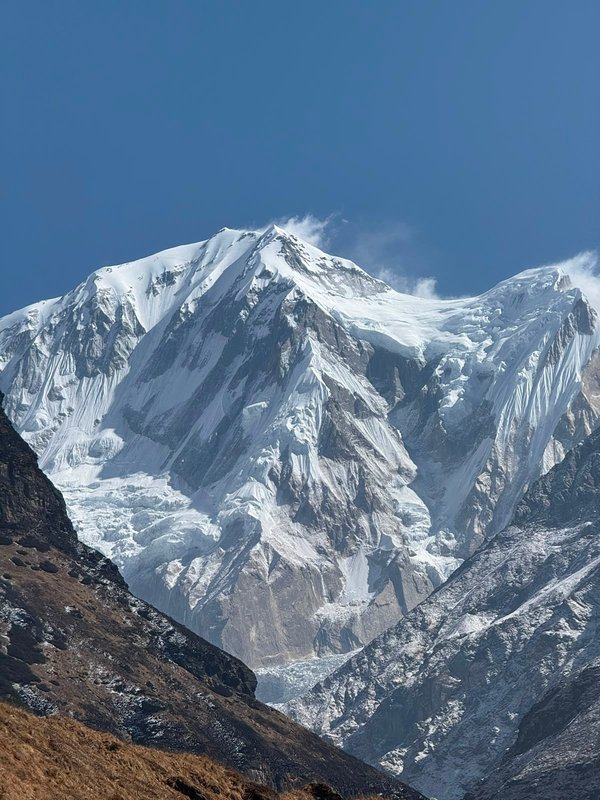
Preparing for an Annapurna trek is the single most important thing you can do to ensure a safe, enjoyable, and successful Himalayan adventure. The Annapurna region offers routes for every fitness level, from gentle five-day foothill walks to demanding two-week high-altitude expeditions. But even the easiest routes require physical preparation. This six-week training plan is designed to get you from your current fitness level to trail-ready in time for your departure, with specific exercises, weekly schedules, and altitude-specific tips.
Why Do You Need to Train for an Annapurna Trek?
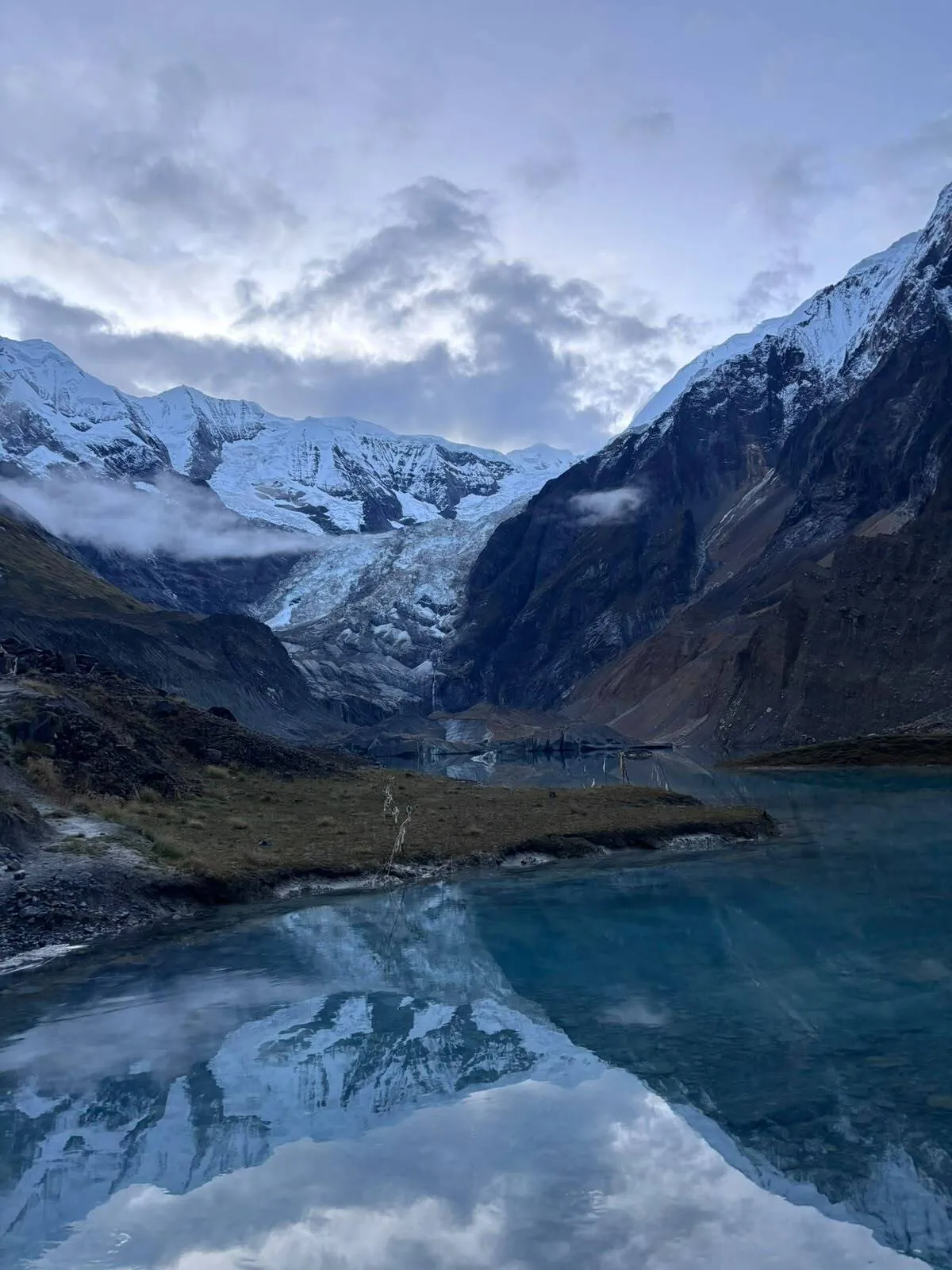
Trekking in the Himalayas is not like walking in your local park. You will be walking four to seven hours per day on steep, uneven mountain trails at elevations between 1,000 and 5,400 meters. The reduced oxygen at altitude means your heart and lungs work harder even when resting. Your legs, knees, and ankles take repeated impact on long descents. Without proper training, you risk fatigue, injury, and altitude sickness. A structured training plan builds the cardiovascular endurance, leg strength, and mental resilience needed to enjoy the trek rather than endure it.
What Fitness Level Do You Need Before Starting This Plan?
This six-week plan assumes you can already walk comfortably for 60 minutes on flat ground and have no major health issues. If you are starting from complete inactivity, give yourself eight to ten weeks instead of six. If you already exercise regularly (three or more times per week), you may find the first two weeks easy and can focus more on the hill and stair training in weeks three to six. The plan is scalable: increase distances and weights if you are already fit, or reduce them if you are starting from a lower base.
Weeks 1 to 2: Building Your Cardiovascular Base
The first two weeks focus on building a cardiovascular foundation. You need a base of aerobic fitness so your body can sustain hours of walking at a steady pace. Aim for four cardio sessions per week, each 30 to 45 minutes long. Walking, cycling, swimming, and jogging are all effective. If you choose walking, try to find routes with some hills or inclines rather than flat ground only.
In addition to cardio, add two bodyweight strength sessions per week. Focus on exercises that build leg strength and core stability:
- Squats: 3 sets of 15 repetitions
- Lunges: 3 sets of 12 per leg
- Plank: 3 holds of 30 to 45 seconds
- Calf raises: 3 sets of 20
- Step-ups onto a bench or stair: 3 sets of 15 per leg
By the end of week 2, you should be able to walk for 90 minutes at a brisk pace without excessive fatigue. You should also feel noticeably stronger in your legs during the step-ups and lunges. If you are planning to trek the Ghorepani Poon Hill Trek (7 Days), this base level may be sufficient for the route, though you should still continue to weeks 3 and 4 for best results.
Weeks 3 to 4: Adding Hills, Stairs, and Backpack Weight
Weeks 3 and 4 are when your training becomes trek-specific. Replace at least two of your cardio sessions with hill walking or stair climbing. If you live in a flat area, find a gym with a stair climber or set a treadmill to a 10 to 15 percent incline. The goal is to condition your legs for sustained uphill climbing, which is the most demanding part of any Annapurna trek.
Start carrying a backpack during your walking sessions. Begin with 3 to 5 kg in week 3 and increase to 5 to 8 kg by week 4. This simulates the daypack you will carry on the trek (water, snacks, camera, extra layers, first aid kit). The backpack changes your center of gravity and engages your core and shoulders, so it is important to train with it before you arrive in Nepal.
Your weekend session should be a longer walk of two to three hours with your backpack on hilly terrain. This is the time to break in your trekking boots if you have not already. Blisters and boot problems are one of the most common issues on the trail, and you want to discover them at home, not at 3,000 meters in Nepal. If you are planning the Annapurna Base Camp Trek (10 Days), aim for a three-hour hill walk by the end of week 4.
How Should You Train for High Altitude at Sea Level?
You cannot truly simulate high altitude at sea level, but you can improve your body's ability to use oxygen efficiently. The most effective strategy is to increase your cardiovascular training intensity. Interval training (short bursts of high-intensity exercise followed by recovery periods) improves your VO2 max, which is your body's maximum oxygen uptake capacity. A higher VO2 max means your body can deliver more oxygen to your muscles at altitude.
Add one interval session per week starting in week 3. A simple format: 5 minutes of warmup, then 8 rounds of 2 minutes at high intensity (you should be breathing hard but not gasping) followed by 2 minutes of easy recovery, then 5 minutes of cooldown. This can be done running, cycling, on an elliptical, or even walking fast on a steep incline. By the end of week 4, your interval session should feel challenging but achievable.
Breathing exercises can also help. Practice deep belly breathing for 5 to 10 minutes daily: inhale slowly through your nose for 4 counts, hold for 2, exhale through your mouth for 6. This trains your diaphragm and improves oxygen exchange efficiency. It is also a useful technique for managing anxiety if you feel nervous at altitude. Our Annapurna Region page has more information about the altitudes on each route.
Weeks 5 to 6: Peak Training and Trek Simulation
The final two weeks are your peak training period. Your goal is to simulate trek conditions as closely as possible. Increase your longest weekly walk to four to five hours with a 7 to 10 kg backpack. Find the steepest, longest hills or stairs available and do them repeatedly. If you have access to a hiking trail with elevation gain, this is ideal.
Your weekly schedule should now look like this:
- Monday: 45-minute cardio (moderate intensity)
- Tuesday: Strength training (legs and core)
- Wednesday: 60-minute hill or stair walk with 8 kg backpack
- Thursday: Rest or gentle yoga and stretching
- Friday: 30-minute interval training session
- Saturday: 4 to 5 hour hill hike with 8 to 10 kg backpack (your main trek simulation)
- Sunday: Rest or 30-minute easy walk and stretching
During the Saturday hike, practice your trekking pace. The golden rule of Himalayan trekking is "walk slowly and steadily." A pace that feels too slow at the start is exactly right. Rushing at the beginning leads to fatigue and altitude sickness later. Aim for a pace where you can hold a conversation while walking. If you cannot talk, you are going too fast.
If you are training for the Annapurna Circuit with Tilicho Lake (13 Days), which crosses Thorong La at 5,416 meters, your Saturday hikes should be the longest and hardest sessions of the entire plan. The Circuit demands more endurance than any other Annapurna route.
What Strength Exercises Are Most Important for Trekking?
Leg strength is the foundation of trekking fitness. Your quadriceps, hamstrings, glutes, and calves absorb the impact of every step, especially on downhill sections. The most important strength exercises for trekking are:
- Squats: Build overall leg strength. Add weight (dumbbells or a backpack) as you progress.
- Lunges: Strengthen legs individually and improve balance. Try walking lunges for trek-specific training.
- Step-ups: Directly simulate climbing stairs and mountain trails. Use a bench or stair that is 30 to 40 cm high.
- Calf raises: Your calves work constantly on steep trails. Do them on a step for a full range of motion.
- Plank and side plank: Core stability helps you carry a backpack without back pain.
- Glute bridges: Strengthen the glutes, which power your uphill walking.
- Wall sits: Build isometric leg endurance for long sustained climbs. Aim for 60 to 90 seconds.
Do three sets of each exercise, two to three times per week. As you get stronger, increase the weight or repetitions rather than adding more exercises. Quality over quantity: proper form prevents injury.
How Do You Train for Downhill Walking?
Downhill walking is often more challenging than uphill, and it is where most knee and ankle injuries occur. Each step downhill places 3 to 4 times your body weight of impact force on your knees. Training for descents is critical and often overlooked.
To train for downhill, find a long, steep descent and walk down it repeatedly with your backpack. If you do not have hills, use a gym with a stair climber that allows descending, or find a multi-story building and walk down the stairs (take the elevator up). Start with 20 minutes of downhill walking and build to 45 to 60 minutes by week 6. Trekking poles are highly recommended for descents as they transfer up to 25 percent of the impact from your knees to your arms.
Strengthening the muscles around the knee (quadriceps and hamstrings) provides natural joint protection. The squats, lunges, and step-ups in your strength routine serve this purpose. If you have a history of knee problems, consult a physiotherapist before starting the trek. Consider the Mardi Himal Trek (5 Days), which has less sustained downhill than the longer routes.
What Should You Eat During Trek Training?
Nutrition plays a vital role in your training. Your body needs adequate calories to fuel your workouts and recover from them. Focus on complex carbohydrates (whole grains, oats, brown rice, sweet potatoes) for sustained energy. Include lean protein (chicken, fish, eggs, legumes, tofu) in every meal to repair muscle tissue. Healthy fats (nuts, avocados, olive oil) provide long-lasting energy and support joint health.
Hydration is equally important. Drink at least 2 to 3 liters of water per day during training, and more on your long walking days. Dehydration reduces performance and slows recovery. During the trek itself, aim for 3 to 4 liters per day. The dry mountain air and increased breathing rate at altitude cause you to lose more water than you realize.
In the final week before departure, do not make drastic dietary changes. Eat normally, stay hydrated, and avoid alcohol for 48 hours before your flight. You can learn about what food is available on the trail in our Annapurna Trek Cost Guide.
How Do You Prevent Altitude Sickness on an Annapurna Trek?
Altitude sickness (Acute Mountain Sickness, or AMS) is the biggest health risk on any Annapurna trek that goes above 3,000 meters. It is caused by reduced oxygen at high elevation and can affect anyone regardless of fitness level. The key prevention strategies are:
- Ascend slowly: Do not gain more than 500 meters of sleeping elevation per day above 3,000 meters.
- Hydrate aggressively: Drink 3 to 4 liters of water per day. Dehydration worsens AMS.
- Rest and acclimatize: Include rest days on routes above 4,000 meters.
- Eat well: Maintain your calorie intake even if your appetite decreases at altitude.
- Avoid alcohol and sedatives: Both suppress breathing and worsen oxygen levels.
- Consider Diamox (acetazolamide): A prescription medication that aids acclimatization. Consult your doctor.
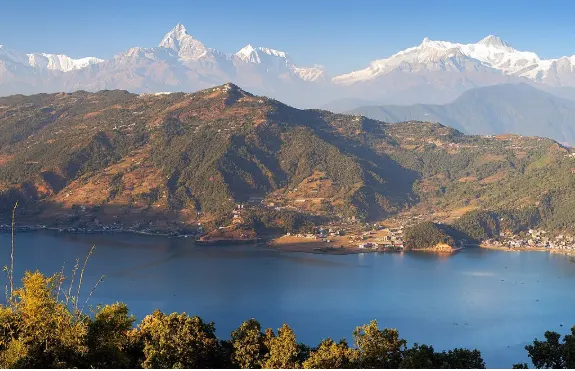
Symptoms of mild AMS include headache, nausea, loss of appetite, and fatigue. If these occur, do not ascend further. If symptoms worsen (severe headache, vomiting, difficulty breathing), descend immediately. The only definitive cure for altitude sickness is to go lower. All Enticing Himalayas guides are trained to recognize and manage AMS. For routes that stay lower, like the Panchase Panorama Trek, altitude sickness is rarely a concern.
What Mental Preparation Helps for Annapurna Trekking?
Mental resilience is just as important as physical fitness. Trekking in the Himalayas involves long days, basic accommodation, cold mornings, and physical discomfort. Preparing mentally helps you stay positive and enjoy the experience even when conditions are challenging.
Familiarize yourself with the itinerary, daily distances, and elevation profile so there are no surprises. Watch videos of the route to visualize the terrain and conditions. Practice patience during your training walks: when you feel tired, focus on the rhythm of your steps rather than how far you still have to go. Set small goals during the trek: "just get to the next teahouse" rather than thinking about the entire day ahead. Remember that your guide and porter are there to help you, and it is okay to walk slowly.
For first-time trekkers, the Annapurna Family Trek (9 Days) or the Annapurna Senior Trek (8 Days) offer extra support and a gentler pace that reduces mental pressure.
What Gear Should You Break In During Training?
Your trekking boots are the most critical piece of gear to break in during training. Never arrive in Nepal with brand-new boots. Wear them for every walking session starting from week 1. By week 6, they should feel like an extension of your feet. If they cause hot spots or blisters during training, you have time to address the issue with different socks, insoles, or a different pair of boots.
Also train with the backpack you will use on the trek. Make sure the hip belt fits properly and transfers weight to your hips, not your shoulders. Adjust the straps so the pack sits snugly against your back without bouncing. Wear your trekking clothing during longer sessions to check for chafing or discomfort. Test your headlamp, water filter, and any other gear you plan to bring.
If you are joining the Annapurna Solo Women's Trek (10 Days) or any of our guided packages, a detailed gear list is provided upon booking, and we can advise on specific brands and models.
Should You Take Rest Days During Training?
Rest is when your body actually gets stronger. Your muscles repair and rebuild during rest, not during exercise. The six-week plan includes two rest days per week (typically Thursday and Sunday). If you feel excessively sore or fatigued, take an extra rest day. Overtraining increases injury risk and weakens your immune system, which is the last thing you want before a trek.
Active recovery is a good option on rest days: a gentle 20-minute walk, light yoga, or stretching. This keeps blood flowing to your muscles without adding stress. Focus on stretching your calves, hamstrings, quads, and hip flexors, as these are the muscles that get tightest from hill walking. Foam rolling can help release tight spots. Our Annapurna Yoga Trek (9 Days) combines trekking with daily yoga sessions for active recovery on the trail.
What If You Cannot Train for Six Weeks?
If you have less than six weeks before your trek, focus on the most impactful exercises: hill walking with a backpack. Even three weeks of consistent hill training, three to four times per week, will significantly improve your readiness. Walk as much as you can on hilly terrain, carry your backpack, and do basic leg strength exercises (squats, lunges, step-ups) at home.
If you have zero training time, choose the easiest Annapurna route available. The Ghorepani Poon Hill Trek has the shortest daily walking hours and lowest maximum elevation (3,210 meters). You can also hire a porter to carry your main pack so you only carry a light daypack, which dramatically reduces the physical demand. Read our Annapurna Trek Difficulty guide to choose the right route for your fitness.
How Do You Stay Healthy on the Trail?
Staying healthy during the trek is just as important as training before it. Drink only purified water (use tablets, a filter, or boiled water from teahouses). Wash your hands frequently or use hand sanitizer, especially before meals. Eat freshly cooked food at teahouses and avoid raw salads or unpeeled fruit. The classic teahouse meal of dal bhat (rice, lentil soup, and vegetables) is nutritious, filling, and safe.
Protect your skin with sunscreen (UV is intense at altitude) and wear lip balm with SPF. Dress in layers so you can adjust to changing temperatures. At night, wear a hat and warm socks to bed. Sleep is often poor at altitude, so do not worry if you wake frequently. Avoid sleeping pills as they suppress breathing. For more on what to expect on the trail, read our Annapurna Trek for Beginners guide and explore our healing and wellness offerings.

FAQ: Annapurna Trek Training
Can you trek Annapurna without training?
It is possible to complete the easiest Annapurna routes like Ghorepani Poon Hill without specific training if you are already reasonably active, but it is not recommended. Even basic training (walking with a backpack on hills for two to three weeks) significantly reduces your risk of injury, fatigue, and altitude sickness. Training makes the difference between enjoying the trek and merely surviving it.
How many hours a day do you walk on an Annapurna trek?
Most Annapurna trek itineraries involve four to six hours of walking per day, with some longer days of seven hours on routes like the Annapurna Circuit. Short routes like Poon Hill average three to five hours per day. Training walks should gradually build to match your longest planned trekking day, which is typically five to six hours for Base Camp treks and seven hours for the Circuit.
Should you take Diamox before an Annapurna trek?
Diamox (acetazolamide) is a prescription medication that helps prevent altitude sickness by increasing breathing rate and oxygenation. Some doctors recommend starting 24 to 48 hours before ascending above 3,000 meters. Consult your travel doctor or physician for personalized advice. Diamox is not a substitute for slow ascent and proper acclimatization, which remain the most effective prevention strategies.
What is the best exercise for Annapurna trek training?
Hill walking with a loaded backpack is the single best exercise for Annapurna trek training. It replicates the exact movements, terrain, and load you will experience on the trail. Stair climbing is the best alternative if you do not have access to hills. Combine this with squats, lunges, and step-ups for leg strength, and add one weekly interval session for cardiovascular fitness.
How heavy should your backpack be during training?
Start with 3 to 5 kg in weeks 1 to 2 and progress to 8 to 10 kg by weeks 5 to 6. This matches the weight of a typical daypack on a guided trek (water, snacks, camera, extra layers, first aid kit). If you are trekking independently and carrying your own full pack, train with 12 to 15 kg. Most Enticing Himalayas packages include a porter who carries your main bag.
Do you need to train for the Ghorepani Poon Hill trek?
Yes, even the Ghorepani Poon Hill trek benefits from training, though it requires less than the longer routes. Two to three weeks of walking 45 to 60 minutes on hilly terrain, plus basic leg exercises, is sufficient for most people. The Poon Hill trek involves famous stone staircases (over 3,000 steps on day 2), so stair or step training is particularly helpful for this route.